US Auto Loan Rates Up 0.5% in Q2 2026: Buyer Impact
Advertisements
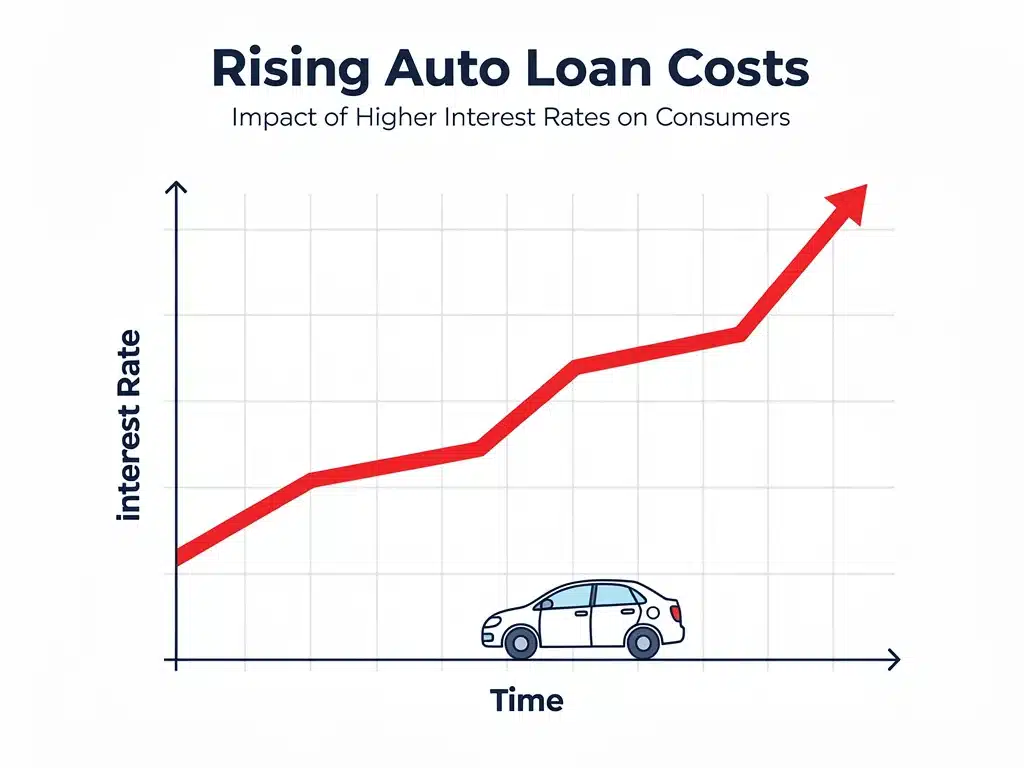
The 0.5% increase in United States auto loan interest rates in Q2 2026 significantly impacts car buyers, leading to higher monthly payments and potentially shifting market dynamics for both new and used vehicles.
The recent announcement of a 0.5% increase in United States auto loan interest rates in Q2 2026 has sent ripples through the automotive market, urging potential buyers to re-evaluate their purchasing strategies. This shift isn’t just a minor adjustment; it signals a broader economic trend that will undoubtedly influence everything from monthly payments to vehicle affordability across the nation. Understanding these implications is crucial for anyone considering a car purchase in the near future.
Advertisements
Understanding the Q2 2026 Interest Rate Hike
The 0.5% increase in United States auto loan interest rates during Q2 2026 is a direct response to several macroeconomic factors. Central banks often adjust interest rates to manage inflation, stimulate or cool down economic activity, and maintain financial stability. This particular hike suggests a deliberate effort to temper inflationary pressures that may have been building up in the economy, or perhaps a reaction to a stronger-than-expected economic recovery that warrants a more conservative monetary policy.
Economists and financial analysts have been closely monitoring indicators such as consumer price index (CPI) data, employment figures, and global supply chain stability. A sustained period of high demand coupled with persistent supply constraints could easily lead to upward pressure on prices, making an interest rate adjustment a likely course of action. This rate change affects all forms of credit, with auto loans being particularly sensitive due to their widespread use among consumers.
Key Factors Driving the Increase
- Inflationary Pressures: A primary driver for interest rate adjustments is often the need to control inflation. If the cost of goods and services is rising too quickly, increasing interest rates can help to slow down consumer spending and, consequently, price increases.
- Economic Growth: A robust economy with strong employment numbers might prompt central banks to raise rates to prevent overheating. This ensures sustainable growth rather than rapid, unstable expansion.
- Global Economic Climate: International economic conditions, including geopolitical events and global trade policies, can also influence domestic interest rate decisions. The interconnectedness of global markets means that events abroad can have significant local impacts.
- Supply Chain Dynamics: Persistent disruptions in global supply chains, particularly for critical components like semiconductors in the automotive industry, can contribute to higher production costs and, in turn, higher vehicle prices, necessitating rate adjustments.
The cumulative effect of these factors creates a complex environment where monetary policy adjustments become necessary. For consumers, this translates directly into the cost of borrowing. A 0.5% increase, while seemingly small, can add up significantly over the typical 60- to 72-month auto loan term, impacting household budgets and purchasing power.
Direct Impact on Auto Loan Borrowers
For individuals looking to finance a car purchase, the 0.5% rise in United States auto loan interest rates translates into tangible financial consequences. The most immediate effect is an increase in monthly loan payments. While the percentage might seem small, when applied to a substantial loan amount over several years, the total cost of the vehicle can rise considerably. This directly impacts affordability and can force buyers to reconsider their budget or even the type of vehicle they can afford.
Consider a typical auto loan of $30,000 over 60 months. A 0.5% increase in the interest rate could add tens to hundreds of dollars to the total amount paid over the life of the loan. This additional cost might push some buyers out of their preferred price range, leading them to opt for less expensive models, used vehicles, or even delay their purchase altogether. The financial strain can be particularly acute for those already operating on tight budgets or who have lower credit scores, as they often face higher initial rates.
Calculating the New Costs
To illustrate the impact, let’s look at a hypothetical scenario:
- Loan Amount: $30,000
- Loan Term: 60 months
- Original Interest Rate: 5.0%
- New Interest Rate: 5.5%
With an original rate of 5.0%, the monthly payment would be approximately $566.14, and the total interest paid would be around $3,968.40. With the new rate of 5.5%, the monthly payment climbs to approximately $573.08, and the total interest paid increases to roughly $4,384.80. This means an additional $6.94 per month, or an extra $416.40 over the life of the loan. While these figures might seem modest individually, they represent real money out of a consumer’s pocket and can significantly influence purchasing decisions, especially when combined with other rising living costs.
Furthermore, the increase could make it harder for some individuals to qualify for loans. Lenders assess a borrower’s debt-to-income ratio, and higher monthly payments could push this ratio beyond acceptable limits for some applicants. This could lead to more loan rejections or the need for a larger down payment, further complicating the car buying process. Buyers with excellent credit might still secure favorable rates, but even they will likely see an uptick in their borrowing costs.
Broader Market Implications for New and Used Vehicles
The 0.5% increase in United States auto loan interest rates in Q2 2026 extends its influence beyond individual buyers, reshaping the entire automotive market. Both new and used vehicle segments are poised to experience significant shifts in demand, pricing, and inventory levels. Manufacturers and dealerships will need to adapt their strategies to navigate this evolving landscape, which could see a noticeable slowdown in sales volume.
For the new car market, higher interest rates often translate to reduced demand. As monthly payments increase, fewer consumers may be willing or able to afford new vehicles, potentially leading to increased inventory on dealership lots. This oversupply could compel manufacturers to offer more incentives, such as rebates or subsidized financing rates, to stimulate sales. However, these incentives come at a cost to profitability and may not fully offset the impact of higher interest rates. The shift could also favor smaller, more fuel-efficient, or lower-priced models as buyers become more budget-conscious.
Ripple Effects on the Used Car Market
The used car market is also highly sensitive to interest rate changes. Historically, when new car prices and financing costs rise, demand for used cars tends to increase as consumers seek more affordable alternatives. However, higher interest rates will also apply to used car loans, albeit often with slightly different rate structures. This means that while used cars might remain a relatively more affordable option than new ones, their financing costs will also be higher than before.
- Increased Demand for Used Cars: Many buyers priced out of the new car market will turn to used vehicles, potentially driving up demand and, consequently, prices for certain popular used models.
- Financing Challenges for Used Cars: Despite increased demand, the higher interest rates will also make used car loans more expensive, which could temper some of the expected surge in sales. Buyers with lower credit scores, who often rely on the used car market, might find it particularly challenging to secure affordable financing.
- Inventory Shifts: Dealerships might see a quicker turnover of used car inventory as buyers seek value. However, the supply of quality used vehicles could become tighter, leading to competitive pricing.
Overall, the market will likely see a recalibration. New car sales might slow, leading to more aggressive promotional strategies from manufacturers. The used car market, while potentially seeing increased interest, will also face its own set of challenges related to financing costs and inventory management. This dynamic interplay will define the automotive retail landscape for the remainder of 2026 and beyond.
Strategies for Car Buyers in a Rising Rate Environment
Navigating the car market when United States auto loan interest rates are on the rise, as they are in Q2 2026, requires a more strategic and informed approach from buyers. Gone are the days of simply walking into a dealership and expecting the lowest rates. Now, it’s essential to be proactive, prepared, and financially savvy to secure the best possible deal and minimize the impact of higher borrowing costs on your budget.
One of the most crucial steps is to get pre-approved for a loan before you even set foot in a dealership. Pre-approval gives you a clear understanding of the interest rate you qualify for and the maximum loan amount you can obtain. This knowledge acts as a powerful negotiating tool, allowing you to focus on the vehicle price rather than being swayed by various financing offers from the dealership. It also helps you set a realistic budget, preventing you from falling in love with a car you ultimately cannot afford.
Key Strategies for Smart Car Buying
- Improve Your Credit Score: A higher credit score directly translates to lower interest rates. Before applying for an auto loan, take steps to improve your credit, such as paying down existing debts, correcting any errors on your credit report, and making timely payments.
- Increase Your Down Payment: A larger down payment reduces the amount you need to borrow, which can significantly lower your monthly payments and the total interest paid over the life of the loan. It also demonstrates financial stability to lenders.
- Shop Around for Lenders: Don’t settle for the first loan offer. Compare rates from multiple banks, credit unions, and online lenders. Even a small difference in the interest rate can save you hundreds or thousands of dollars over the loan term.
- Consider Shorter Loan Terms: While longer loan terms offer lower monthly payments, they also result in paying more interest over time. If possible, opt for a shorter loan term to reduce the overall cost of borrowing, even if it means slightly higher monthly payments.
Additionally, be prepared to negotiate not just the vehicle’s price, but also any additional fees or add-ons. Every dollar saved on the purchase price reduces the amount you need to finance, thereby mitigating the impact of higher interest rates. Being well-informed and disciplined in your approach can make a substantial difference in the total cost of your car purchase in this rising rate environment.
The Role of Credit Scores in Loan Approvals and Rates
In an environment where United States auto loan interest rates are increasing, as observed in Q2 2026, the significance of a strong credit score becomes even more pronounced. Your credit score is a critical factor that lenders use to assess your creditworthiness and determine the interest rate you qualify for. A higher credit score signals to lenders that you are a low-risk borrower, making them more likely to offer you favorable interest rates and better loan terms.
Conversely, a lower credit score indicates a higher risk, which typically results in higher interest rates, stricter loan conditions, or even loan denial. With rates already on the rise, individuals with less-than-perfect credit will feel the pinch more acutely, as the spread between prime and subprime lending rates tends to widen during periods of increasing rates. This means that a 0.5% increase for a prime borrower might translate to an even larger effective increase for a subprime borrower.
Understanding Credit Score Tiers
Lenders categorize credit scores into tiers, with each tier corresponding to a certain risk level and associated interest rate range. While the exact ranges can vary by lender, they generally follow a pattern:
- Excellent (780-850): Borrowers in this tier typically receive the lowest available interest rates, often referred to as prime rates.
- Very Good (740-779): These borrowers also qualify for very competitive rates, just slightly higher than excellent scores.
- Good (670-739): Most consumers fall into this category, receiving fair rates, though not always the absolute best.
- Fair (580-669): Borrowers here might face higher rates and fewer loan options due to perceived higher risk.
- Poor (300-579): These borrowers will encounter the highest interest rates, and loan approval can be challenging.
Given the current economic climate, maintaining or improving your credit score is more important than ever for anyone planning to purchase a vehicle. Simple actions like consistently paying bills on time, reducing credit card balances, and avoiding opening too many new credit accounts can positively impact your score. Regularly checking your credit report for inaccuracies is also vital, as even a small error could negatively affect your ability to secure a competitive auto loan rate.
Alternative Transportation and Buying Trends
The 0.5% increase in United States auto loan interest rates in Q2 2026 is not just a financial detail; it’s a catalyst for broader shifts in consumer behavior and transportation trends. As vehicle ownership becomes more expensive, a segment of the population may start exploring alternative transportation methods or delaying their car purchases. This could lead to a subtle but significant transformation in how Americans commute and perceive personal mobility.
For urban dwellers, the rising cost of car ownership might accelerate the adoption of public transportation, ride-sharing services, or even e-bikes and scooters. Cities with robust public transit networks could see an uptick in ridership, while companies offering mobility-as-a-service solutions might experience increased demand. The decision to forgo car ownership, or at least delay it, becomes more financially appealing when the cost of financing a vehicle rises, especially for those who don’t rely on a car for daily commutes.

Emerging Buying Trends
- Increased Demand for Entry-Level Vehicles: As budgets tighten, there could be a greater focus on more affordable, entry-level models, both new and used. This segment might see increased competition among buyers and potentially higher prices due to demand.
- Longer Vehicle Ownership Cycles: Consumers may decide to hold onto their current vehicles for longer periods, delaying new purchases to avoid higher financing costs. This could lead to an increased demand for maintenance and repair services.
- Leasing as an Option: Leasing might become a more attractive option for some buyers, as it typically involves lower monthly payments compared to purchasing. However, lease terms and conditions should be carefully reviewed, as interest rate increases can still affect lease pricing.
- Electric Vehicle Affordability: While EVs often have higher sticker prices, government incentives and lower operating costs (fuel and maintenance) might make them relatively more attractive in the long run, especially if traditional internal combustion engine (ICE) vehicle financing becomes too burdensome.
These trends highlight a market adapting to new financial realities. The automotive industry, from manufacturers to dealerships, will need to be agile in responding to these shifts, perhaps by offering more flexible financing options, promoting value-oriented models, or enhancing after-sales services to retain customers who choose to keep their vehicles longer. The landscape of car ownership is clearly evolving, driven by economic pressures.
Future Outlook and Expert Predictions for Auto Loans
Looking beyond Q2 2026, the future outlook for United States auto loan interest rates remains a topic of considerable discussion among financial experts and economists. While predicting exact future movements is challenging, current trends and economic indicators provide a framework for understanding potential scenarios. The 0.5% increase is a clear signal, but whether it’s an isolated adjustment or part of a larger trend will depend on a confluence of domestic and global economic factors.
Many experts suggest that if inflation remains stubbornly high or if the economy continues to show robust growth, further incremental rate hikes could be on the horizon. Central banks are often cautious, preferring gradual adjustments to avoid shocking the market. Therefore, a series of smaller increases over time is more probable than a single, dramatic jump. Conversely, any significant slowdown in economic activity or a substantial reduction in inflationary pressures could lead to a stabilization or even a slight reduction in rates, though a rapid decrease seems less likely given the current trajectory.
Expert Consensus and Divergent Views
There’s a general consensus that the era of historically low interest rates is likely behind us, at least for the foreseeable future. This means consumers should adjust their financial planning to account for higher borrowing costs across various credit products, including auto loans. Some analysts predict that rates might plateau after a few more adjustments, allowing the market to absorb the changes.
- Continued Gradual Increases: A majority of experts anticipate a continued, albeit slow, upward trend in interest rates if economic conditions warrant it, focusing on bringing inflation within target ranges.
- Market Volatility: Global events, such as geopolitical tensions or new supply chain disruptions, could introduce additional volatility, making interest rate predictions more uncertain.
- Impact on Auto Industry: The automotive industry is expected to face ongoing challenges, including managing inventory and sales volumes in a higher-interest-rate environment. Innovation in financing and vehicle affordability will be key.
- Consumer Resilience: The ability of consumers to adapt to higher costs will be crucial. Strong employment and wage growth could help mitigate some of the negative impacts, while a weakening job market could exacerbate them.
Ultimately, the trajectory of auto loan rates will be a reflection of the broader economic health of the United States. Buyers should stay informed about economic news and consider these long-term trends when making significant financial decisions like purchasing a car. Flexibility in purchasing timelines and a willingness to explore different vehicle options will be valuable assets in this evolving market.
| Key Point | Brief Description |
|---|---|
| 0.5% Rate Hike | United States auto loan interest rates increased by 0.5% in Q2 2026, impacting borrowing costs. |
| Increased Monthly Payments | Buyers face higher monthly payments and total interest paid over the loan term. |
| Market Shifts | New car demand may slow, while used car market sees increased interest but also higher financing costs. |
| Buyer Strategies | Pre-approval, higher down payments, and credit score improvement are crucial for buyers. |
Frequently Asked Questions About Auto Loan Rates
The 0.5% increase in auto loan rates in Q2 2026 was primarily driven by efforts to combat inflation and manage a robust economy. Central banks adjust rates to stabilize prices and prevent economic overheating, responding to various macroeconomic indicators like CPI and employment figures.
A 0.5% increase will lead to higher monthly payments and a greater total interest paid over the life of your auto loan. For example, on a $30,000 loan over 60 months, this could mean several extra dollars each month and hundreds more over the loan term.
Both new and used car markets are affected. New car sales may slow due to higher financing costs, potentially leading to more incentives. The used car market might see increased demand but will also face higher loan rates, impacting overall affordability.
To mitigate the impact, consider improving your credit score, making a larger down payment, getting pre-approved for a loan, and shopping around for the best rates from multiple lenders. Shorter loan terms can also reduce total interest paid.
While exact predictions are difficult, many experts anticipate further gradual increases if inflation persists or economic growth remains strong. The future trajectory will depend on ongoing economic data and central bank monetary policy decisions, suggesting continued vigilance for buyers.
Conclusion
The 0.5% increase in United States auto loan interest rates in Q2 2026 marks a significant moment for the automotive market and prospective car buyers. This adjustment, driven by broader economic forces aimed at managing inflation and ensuring financial stability, fundamentally alters the cost of vehicle ownership. Buyers are now faced with higher monthly payments and an increased total cost of borrowing, necessitating a more strategic and informed approach to car purchasing. The impact extends across both new and used vehicle segments, prompting shifts in demand and pricing strategies. For consumers, preparing with strong credit, substantial down payments, and thorough lender comparisons will be paramount. As the market continues to evolve, staying abreast of economic trends and adopting flexible purchasing plans will be key to navigating this new financial landscape effectively.