Used Car Prices Stabilize After 10% Drop in Early 2026
Advertisements
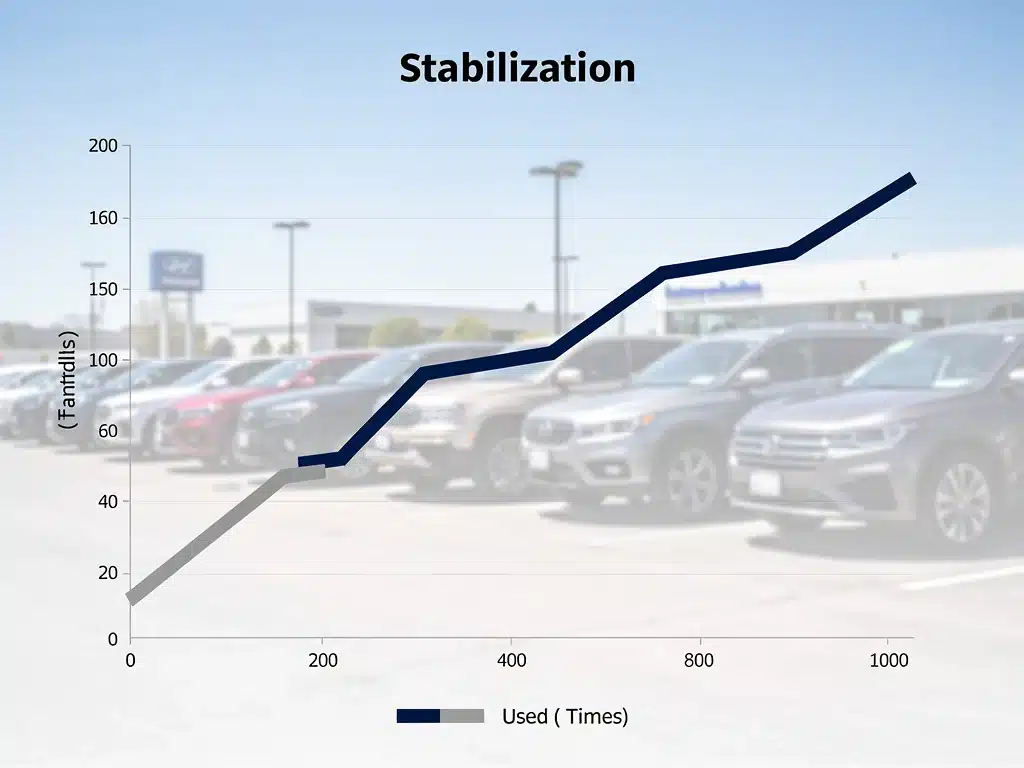
After a significant 10% decline in early 2026, used car prices in the United States stabilize, marking a crucial turning point for buyers and sellers navigating the evolving automotive landscape.
The automotive market is a dynamic landscape, constantly influenced by economic shifts, supply chain adjustments, and consumer behavior. In early 2026, the United States witnessed a notable 10% drop in used car prices, a development that sent ripples across the industry. However, recent data indicates that used car prices in the United States stabilize, signaling a potential new equilibrium. This stabilization period presents both challenges and opportunities, demanding a closer look at the underlying market trends and what they mean for the future of vehicle ownership.
Advertisements
Understanding the 2026 Price Correction
The early 2026 dip in used car prices was not entirely unexpected, given the unprecedented highs experienced in previous years. This correction was a natural market response to several converging factors, paving the way for the current stabilization. Understanding these forces is crucial to appreciating the current market dynamics.
The pandemic years created a perfect storm for used vehicle values, driven by new car production halts, supply chain disruptions, and increased demand for personal transportation. As these pressures began to ease, a recalibration was inevitable. The 10% drop served as a necessary adjustment, bringing prices closer to historical averages and making used cars more accessible to a broader range of consumers who had been sidelined by inflated costs.
Factors Contributing to the Initial Decline
Several key elements played a role in the market’s early 2026 correction. These factors, while diverse, collectively pushed prices downward before the current stabilization.
- Increased New Car Inventory: As semiconductor shortages eased, new car production ramped up, leading to more vehicles available on dealership lots. This reduced the pressure on the used car market.
- Higher Interest Rates: The Federal Reserve’s continued efforts to combat inflation led to higher interest rates, increasing the cost of financing vehicles and dampening overall demand.
- Economic Uncertainty: Broad economic concerns, including inflation and potential recessionary pressures, made consumers more cautious about large purchases.
- Fleet Sales Resumption: Rental car companies and corporate fleets began replenishing their inventories, often offloading older vehicles, which increased the supply of used cars.
In essence, the early 2026 price correction was a complex interplay of supply and demand returning to a more normalized state. This period of adjustment was a necessary step toward the current stability, setting the stage for a more predictable market environment.
Key Drivers Behind Current Market Stabilization
The recent stabilization of used car prices indicates that the market has absorbed the initial shock of the early 2026 decline and is now finding a new footing. This equilibrium is not accidental but rather the result of several ongoing influences that are shaping both supply and demand.
One significant factor is the continued, albeit slower, increase in new vehicle production. While new car inventory is improving, it hasn’t reached pre-pandemic levels across all segments, thus preventing a complete collapse in used car demand. Furthermore, consumer preferences are evolving, with a growing segment of buyers prioritizing value and practicality, which often leads them to the used car market.
Shifting Consumer Behavior
Consumer attitudes towards vehicle ownership are undergoing a transformation, directly impacting the demand for used cars. Buyers are becoming more discerning and budget-conscious.
- Value-driven Purchases: Many consumers are now explicitly seeking out vehicles that offer better value for money, making used cars an attractive option compared to often pricier new models.
- Longer Ownership Cycles: The trend of keeping vehicles for longer periods is contributing to a more stable demand for reliable used cars, as owners look to defer new car purchases.
- Digital Buying Experience: The increasing comfort with online car shopping platforms has broadened the reach of the used car market, connecting sellers with a wider pool of potential buyers.
The stabilization is also supported by a more consistent supply of off-lease vehicles entering the market. This steady influx provides a predictable stream of relatively newer used cars, preventing significant price volatility. The convergence of these factors creates a more balanced market, allowing prices to settle into a more sustainable range.
Regional Variations in Used Car Prices
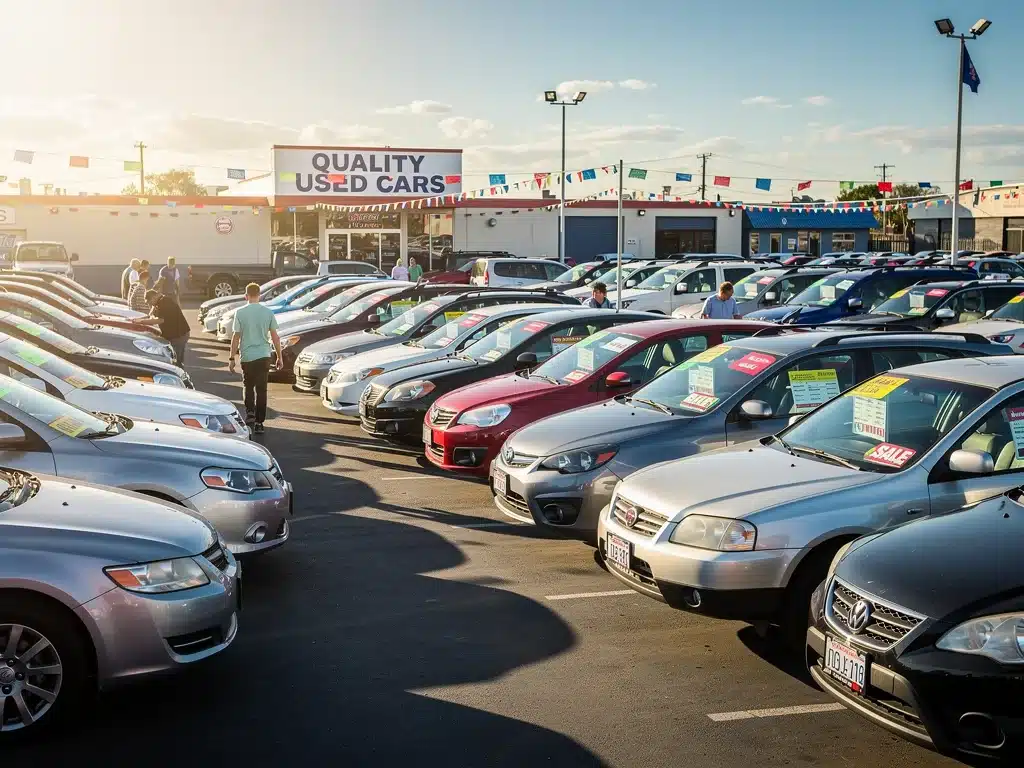
While the overall trend shows that used car prices in the United States stabilize, it is crucial to recognize that the automotive market is not monolithic. Regional variations play a significant role, with certain areas experiencing different dynamics based on local economic conditions, population density, and specific vehicle preferences. These localized trends can offer unique insights for both buyers and sellers.
For instance, metropolitan areas with high population densities and strong public transportation infrastructure might see different demand patterns compared to more rural regions where personal vehicles are an absolute necessity. Similarly, states with robust economies and higher disposable incomes may exhibit different pricing resilience than those facing economic headwinds.
Hotspots and Cooler Markets
Analyzing specific regions reveals a nuanced picture of the used car market. Some areas demonstrate stronger price retention, while others show more flexibility.
- Sun Belt States: Regions like Florida, Texas, and Arizona, characterized by population growth and strong in-migration, often maintain robust demand for used vehicles, leading to more stable or even slightly appreciating prices.
- Midwest and Northeast: These regions, which have experienced slower population growth or some economic shifts, might see slightly more competitive pricing as inventories adjust to local demand.
- Coastal Urban Centers: In cities like Los Angeles, New York, and Seattle, the availability of diverse transportation options and higher costs of living can influence the types of used cars in demand and their pricing.
These regional differences underscore the importance of local market research for anyone looking to buy or sell a used vehicle. What holds true for the national average may not perfectly reflect the conditions in a specific city or state, making localized analysis invaluable for informed decision-making.
Impact on Buyers and Sellers
The stabilization of used car prices in the United States after a period of fluctuation has distinct implications for both prospective buyers and current vehicle owners looking to sell. Understanding these impacts is key to making advantageous decisions in the current market.
For buyers, the market stabilization generally means more predictable pricing and potentially better value than during the inflated peak. The extreme price volatility has subsided, allowing for more confident purchasing decisions. For sellers, while the days of rapid appreciation are likely over, the stable market still offers reasonable returns, particularly for well-maintained vehicles in high demand.
Opportunities for Buyers
With prices settling, buyers can now approach the market with greater assurance and strategic advantage.
- Improved Affordability: The 10% price drop followed by stabilization makes used cars more accessible, especially for budget-conscious consumers.
- Wider Selection: Increased inventory, both new and used, means buyers have more options to choose from, allowing them to find vehicles that better match their specific needs and preferences.
- Less Pressure to Overpay: The frenzied bidding wars of previous years have largely disappeared, giving buyers more time to negotiate and secure fair prices.
For sellers, particularly those with popular models or well-maintained vehicles, the stable market still offers a solid opportunity. While prices may not reach the peak levels of 2021-2022, a stable market provides a clearer picture of a vehicle’s worth, facilitating smoother transactions. Strategic timing and proper vehicle preparation remain crucial for maximizing resale value.
The Role of Technology and Data Analytics
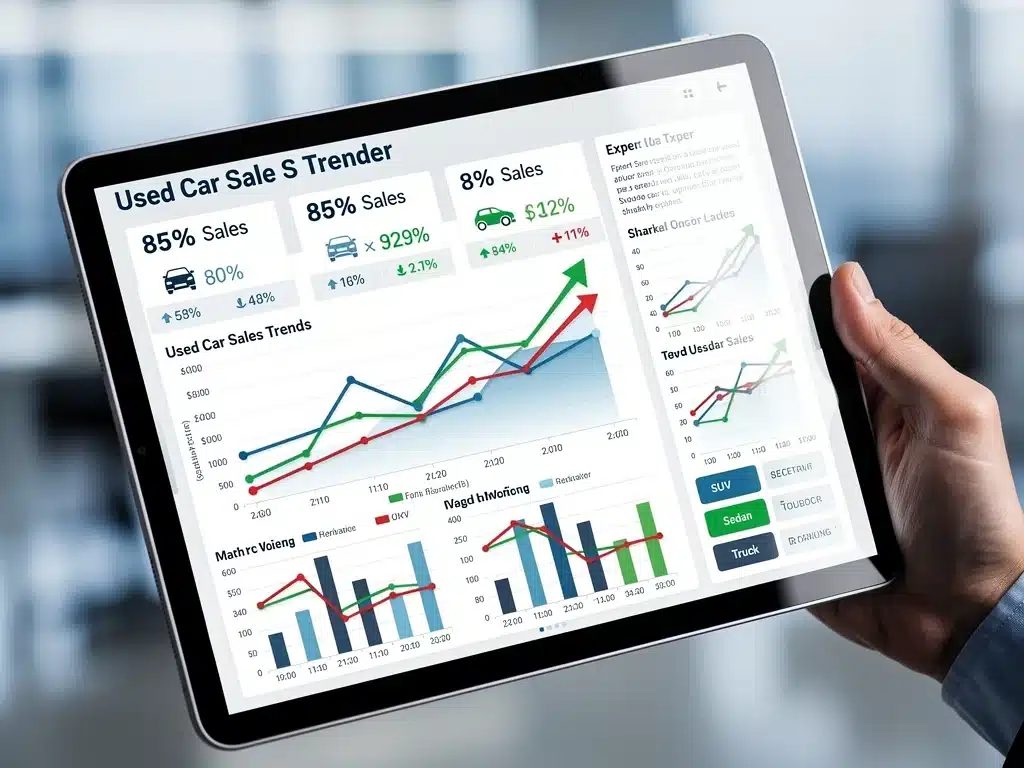
In an increasingly complex automotive market, technology and data analytics have become indispensable tools for predicting trends, understanding consumer behavior, and optimizing pricing strategies. The stabilization of used car prices in the United States is, in part, a testament to the sophisticated analytical models now employed by industry participants.
These tools allow dealerships, financial institutions, and market researchers to process vast amounts of data, from sales figures and inventory levels to economic indicators and consumer search patterns. Such comprehensive analysis provides a clearer, more real-time picture of market conditions, enabling more informed responses to shifts in supply and demand. This data-driven approach helps to mitigate extreme volatility and fosters a more predictable market environment.
Predictive Analytics in Action
The use of advanced algorithms and machine learning is transforming how the used car market operates.
- Dynamic Pricing Models: Dealerships are increasingly using AI-driven pricing tools that adjust vehicle prices in real-time based on market demand, inventory, and competitive pricing.
- Demand Forecasting: Predictive analytics helps manufacturers and dealerships anticipate future demand for specific models, allowing them to adjust production and inventory levels proactively.
- Consumer Sentiment Analysis: By analyzing social media and online reviews, businesses can gauge consumer sentiment and preferences, tailoring their offerings to meet evolving needs.
The integration of technology extends beyond pricing and forecasting; it also enhances the buying and selling experience. Online appraisal tools, virtual showrooms, and personalized financing options, all powered by data, contribute to a more efficient and transparent market. This technological backbone is a critical component in ensuring that even as market forces ebb and flow, the general direction tends towards stabilization and efficiency.
Future Outlook and Long-Term Trends
As used car prices in the United States stabilize, the industry is now looking beyond immediate fluctuations to identify long-term trends that will shape the automotive landscape. This forward-looking perspective is essential for everyone from individual consumers to large-scale manufacturers and financial institutions.
The current stability suggests a more mature market, one that has weathered significant disruptions and is now settling into a more sustainable growth pattern. However, this doesn’t mean a static market. Several underlying trends, including the continued rise of electric vehicles, advancements in autonomous driving technology, and evolving ownership models, will undoubtedly introduce new dynamics.
Emerging Market Forces
Several significant forces are expected to influence the used car market in the coming years, potentially leading to new cycles of adjustment and opportunity.
- Electric Vehicle (EV) Adoption: As EV production scales and charging infrastructure expands, the used EV market will grow, potentially impacting the demand for and pricing of traditional internal combustion engine (ICE) vehicles.
- Subscription Models: The increasing popularity of vehicle subscription services could alter traditional ownership patterns, affecting the supply and demand of used cars.
- Regulatory Changes: Evolving environmental regulations and safety standards may influence vehicle production and retirement cycles, indirectly affecting the used car market.
Furthermore, global economic conditions, geopolitical events, and unexpected technological breakthroughs will always remain wildcards, capable of introducing new variables into the equation. The ability of the used car market to adapt to these evolving circumstances will determine its resilience and continued stability. The current stabilization provides a valuable moment for reflection and strategic planning, allowing stakeholders to prepare for the next phase of automotive evolution.
| Key Point | Brief Description |
|---|---|
| Price Stabilization | After a 10% drop in early 2026, used car prices in the US have stabilized, indicating a new market equilibrium. |
| Market Correction | The initial price decline was a natural response to increased new car inventory, higher interest rates, and economic uncertainty. |
| Buyer & Seller Impact | Buyers benefit from improved affordability and wider selection; sellers face more predictable, yet still reasonable, returns. |
| Future Trends | EV adoption, subscription models, and regulatory changes will continue to shape the long-term used car market. |
Frequently Asked Questions About Used Car Prices
The decline was primarily due to increased new car inventory as supply chain issues eased, rising interest rates making financing more expensive, and broader economic uncertainties that led consumers to delay large purchases. This combination reduced demand and increased supply in the used market.
Stabilization is occurring because the market has absorbed the initial correction. Factors like evolving consumer preferences for value, a steady supply of off-lease vehicles, and continued, albeit slower, new car production are creating a more balanced supply-demand dynamic, allowing prices to settle.
For buyers, stabilization means more predictable and generally more affordable prices compared to the peak years. There’s a wider selection of vehicles, and less pressure to overpay, allowing for more confident and strategic purchasing decisions without the intense competition seen previously.
Sellers should expect reasonable, yet less inflated, returns compared to the market’s peak. The stable environment provides a clearer valuation, making transactions smoother. Focusing on proper vehicle maintenance and strategic timing can help maximize resale value in this more balanced market.
Yes, regional variations persist. Areas with strong population growth and economic activity, like Sun Belt states, may show more robust demand and price retention. Conversely, regions with slower growth might experience more competitive pricing. Local market research is key for accurate assessment.
Conclusion
The journey of used car prices in the United States through early 2026 has been marked by significant volatility, culminating in a crucial period of stabilization. After a notable 10% decline, the market has found its equilibrium, influenced by a complex interplay of increased new car inventory, shifting consumer preferences, and advances in data analytics. This stabilization offers a more predictable environment for both buyers and sellers, moving away from the extreme highs and lows that characterized previous years. While the market has settled, it remains dynamic, with emerging trends such as EV adoption and evolving ownership models poised to shape its future trajectory. Understanding these dynamics is essential for navigating the automotive landscape effectively, ensuring informed decisions for all stakeholders.