
2026 US Apparel Consumer: 3 Key Demands for Brands
The 2026 US apparel consumer is driven by three core demands: unwavering commitment to sustainability, highly personalized experiences, and seamless digital integration across all touchpoints, compelling brands to adapt rapidly.
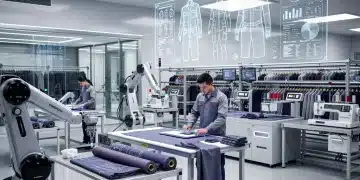
Customization at Scale: US Apparel Manufacturing in 2026
By 2026, mass personalization is fundamentally transforming US apparel manufacturing, shifting from mass production to on-demand, customized garments, driven by advanced technology and evolving consumer expectations.
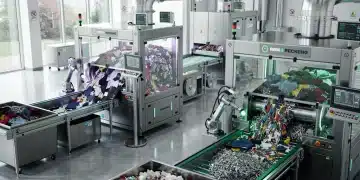
Textile Recycling in 2026: 2 Major Breakthroughs for US Apparel Waste Management
By 2026, two significant breakthroughs are poised to transform textile recycling in the US, dramatically enhancing apparel waste management through advanced sorting and fiber-to-fiber technologies, paving the way for a more circular fashion industry.

Workwear Innovations 2026: Safety & Comfort in US Industrial Apparel
The future of US industrial apparel in 2026 is being shaped by groundbreaking workwear innovations focusing on advanced safety features, unparalleled comfort, smart textile integration, and sustainable manufacturing practices, revolutionizing worker protection and performance.

Resale Revolution: Secondhand Apparel Capturing 15% of US Fashion by 2026
The secondhand apparel market is rapidly transforming the US fashion landscape, poised to capture a significant 15% share by 2026, fueled by growing consumer demand for sustainable and affordable options.
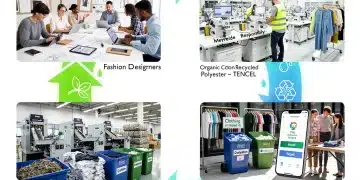
Circular Economy in Apparel: 3 Steps for US Brands by 2026
US apparel brands face increasing pressure to adopt sustainable practices. Implementing a circular economy by 2026 is crucial, focusing on design for longevity, efficient reverse logistics, and innovative consumption models to reduce waste and environmental impact.

Digital Product Passports: US Apparel Transparency by 2026
Digital product passports are set to revolutionize US apparel by 2026, offering consumers unprecedented transparency into supply chains, material origins, and sustainability practices, fostering informed purchasing decisions and accountability.
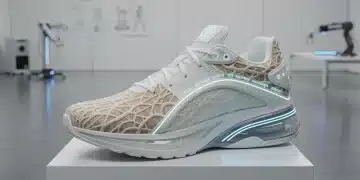
Future of Footwear: 3 Advanced Materials Redefining US Design
The future of footwear in the US for 2026 is being revolutionized by three advanced materials: mycelium, recycled plastics, and smart textiles, promising unparalleled sustainability, performance, and style in shoe design.
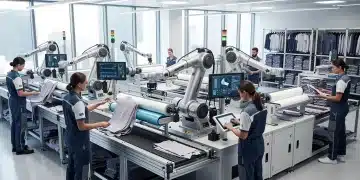
Micro-factories for Apparel: US Localized Production Surges by 2026
Apparel micro-factories are rapidly gaining traction across the US, driven by technological advancements and a growing demand for localized, sustainable, and responsive production models, fundamentally reshaping the future of fashion manufacturing by 2026.

Wearable Health: Apparel Integrating Medical Monitoring US 2026
By 2026, wearable health apparel is set to transform medical monitoring in the US, seamlessly integrating advanced sensors into clothing for continuous, unobtrusive health data collection and analysis.