Raw Material Costs Impacting US Tire Manufacturing by 5% in H1 2026
Advertisements
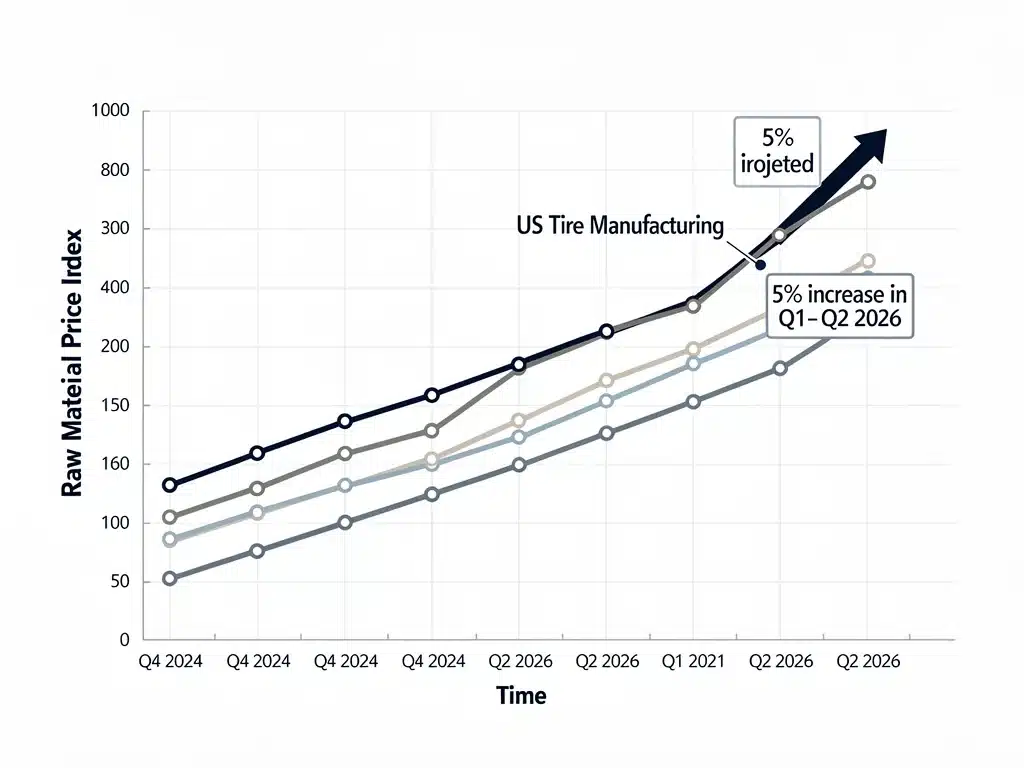
A market report forecasts a 5% increase in raw material costs impacting United States tire manufacturing during the first half of 2026, signaling potential challenges for the automotive sector and consumers.
The United States tire manufacturing sector faces a significant headwind, with a recent market report forecasting a raw material costs increase of 5% in the first half of 2026. This projection signals potential shifts across the automotive industry, affecting everything from production lines to consumer prices. Understanding the underlying factors and broader implications of this trend is crucial for stakeholders across the supply chain, from raw material suppliers to vehicle owners.
Advertisements
Understanding the Drivers Behind Rising Raw Material Costs
The projected 5% increase in raw material costs for United States tire manufacturing in the first half of 2026 is not an isolated event but rather the culmination of several interconnected global and domestic factors. These drivers create a complex web of challenges for manufacturers striving to maintain profitability and competitive pricing in a dynamic market.
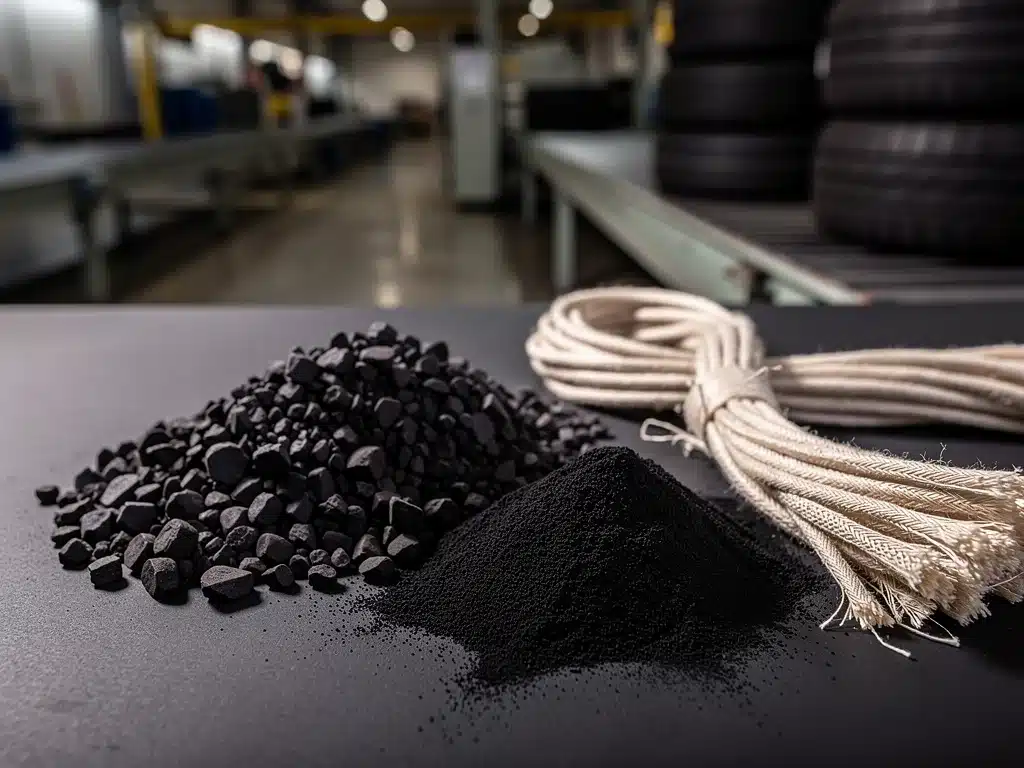
At the core of this issue are the primary components of tire production: natural rubber, synthetic rubber, carbon black, steel cord, and various chemicals. Each of these materials is subject to its own unique market dynamics, but together they contribute to the overall cost structure of a finished tire. Identifying the specific pressures on each of these inputs is key to comprehending the broader economic forecast.
Global Supply Chain Disruptions
Global supply chains have been under immense pressure for several years, a trend that is expected to continue impacting raw material availability and pricing into 2026. Geopolitical tensions, trade disputes, and lingering effects from previous global health crises contribute to an environment of uncertainty and volatility.
- Logistical Bottlenecks: Port congestion, container shortages, and increased shipping costs continue to make the transportation of raw materials more expensive and less predictable.
- Labor Shortages: Shortages in key labor markets, from raw material extraction to manufacturing, can reduce production capacity and drive up wages, which are then passed on to buyers.
- Geopolitical Instability: Conflicts and political unrest in major raw material-producing regions can disrupt supply, leading to price spikes due to scarcity.
These disruptions not only increase the direct cost of acquiring materials but also introduce significant lead times and inventory management challenges for tire manufacturers. The need for greater resilience in supply chain strategies becomes more apparent with each passing quarter.
Energy Price Volatility
Energy prices play a dual role in influencing raw material costs. First, the production of many synthetic tire components, such as synthetic rubber and various chemicals, is highly energy-intensive. Second, the transportation of all raw materials, from source to factory, relies heavily on fuel costs.
Fluctuations in crude oil and natural gas prices directly translate into higher manufacturing costs for synthetic rubber and carbon black. These increases are then integrated into the pricing models of raw material suppliers, eventually reaching tire manufacturers. The global push towards cleaner energy sources also presents both opportunities and challenges, with transitional periods often marked by price volatility.
The reliance on fossil fuels for both production and logistics means that tire manufacturers are particularly vulnerable to shifts in the global energy market. Hedging strategies and investments in energy-efficient technologies are becoming increasingly critical for mitigating these risks.
In essence, the projected 5% increase is a complex interplay of constrained supply, elevated transportation costs, and the inherent volatility of energy markets. Manufacturers are compelled to navigate these challenges by exploring diversified sourcing, optimizing logistics, and investing in advanced production techniques to absorb or mitigate these rising expenses.
The Economic Ripple Effect on US Tire Manufacturing
A 5% increase in raw material costs is not merely a number on a balance sheet; it represents a significant economic ripple effect that will resonate throughout the United States tire manufacturing industry and beyond. This surge in input costs has direct consequences for manufacturers’ profitability, operational strategies, and ultimately, consumer prices.
Tire manufacturing is a capital-intensive industry with already tight margins. Any substantial increase in expenditures on core components can quickly erode profits, forcing companies to make difficult decisions regarding pricing, investment, and even employment. The competitive landscape means that passing on all costs directly to consumers is often not a viable long-term strategy.
Impact on Profit Margins and Pricing Strategies
When raw material costs rise, tire manufacturers face a critical dilemma: absorb the costs, pass them on to consumers, or find efficiencies elsewhere. Absorbing the costs directly impacts profit margins, which can deter investment in research and development, facility upgrades, and workforce training. This can stifle innovation and long-term competitiveness.
- Reduced Profitability: Lower margins can lead to decreased shareholder value and make it harder to secure funding for future growth initiatives.
- Pricing Adjustments: Manufacturers may implement price increases on finished tires, which could affect vehicle sales and the aftermarket segment.
- Competitive Pressure: Companies must carefully balance price increases with maintaining market share, especially against international competitors who might not face the same cost pressures.
The decision to raise prices is never taken lightly, as it can potentially dampen demand. Manufacturers often employ a combination of strategies, gradually adjusting prices while simultaneously seeking internal cost reductions to mitigate the impact.
Operational Adjustments and Innovation
Beyond pricing, rising raw material costs compel tire manufacturers to scrutinize their operational processes for potential savings and efficiencies. This can spur innovation in material science and manufacturing techniques, though it also presents immediate challenges.
Companies might explore alternative, more cost-effective raw materials, or invest in advanced manufacturing technologies that reduce waste and improve material utilization. Such shifts require significant upfront investment and research, but can yield long-term benefits in cost control and sustainability.
Another area of focus is optimizing the supply chain itself. This includes negotiating better deals with suppliers, diversifying supplier bases to reduce reliance on single sources, and improving inventory management to minimize holding costs. The goal is to create a more resilient and cost-efficient production system that can better withstand future market fluctuations.
Ultimately, the economic ripple effect forces tire manufacturers to be more agile and strategic. It accelerates the adoption of lean manufacturing principles and encourages a deeper dive into the entire value chain to identify and capture efficiencies, ensuring the industry remains robust despite external cost pressures.
Strategic Responses from Tire Manufacturers
Facing the projected 5% increase in raw material costs, United States tire manufacturers are not sitting idly by. They are actively developing and implementing a range of strategic responses designed to mitigate the impact on their bottom lines and maintain their competitive edge. These strategies often involve a multi-pronged approach, addressing both immediate cost pressures and long-term sustainability.
The ingenuity of the industry is being tested as companies seek to balance cost containment with the imperative for quality, performance, and innovation. From supply chain overhauls to product redesigns, manufacturers are exploring every avenue to navigate this challenging economic landscape.
Diversification of Supply Chains and Sourcing
One of the most critical responses is the strategic diversification of raw material supply chains. Relying on a single or limited number of suppliers, especially for critical components like natural rubber or carbon black, exposes manufacturers to significant risk in times of price volatility or supply disruption.
- Geographic Diversification: Sourcing materials from multiple regions reduces dependence on any one country or geopolitical situation, enhancing supply security.
- Supplier Relationship Management: Building stronger, more collaborative relationships with a wider array of suppliers can lead to better pricing and more favorable terms.
- Hedging Strategies: Utilizing financial instruments to lock in prices for future raw material purchases can provide a degree of predictability against market fluctuations.
This proactive approach to sourcing helps to buffer against sudden price shocks and ensures a more stable flow of materials, which is essential for maintaining consistent production schedules and meeting market demand.
Investment in Research and Development for Alternative Materials
Innovation in material science is another key strategic pillar. Tire manufacturers are significantly increasing their investment in research and development (R&D) to explore and integrate alternative, more sustainable, and potentially more cost-effective materials into their product lines.
The focus is on developing compounds that offer equivalent or superior performance characteristics to traditional materials but come with a lower cost base or greater supply stability. This includes exploring bio-based materials, recycled content, and novel synthetic polymers that can reduce reliance on volatile commodities.
For example, advancements in silica technology or the use of sustainable natural rubber alternatives are gaining traction. These innovations not only address cost concerns but also align with growing consumer and regulatory demand for more environmentally friendly products, offering a dual benefit.
By strategically diversifying their supply chains and aggressively pursuing R&D into alternative materials, United States tire manufacturers are building resilience against future raw material cost increases. These measures are pivotal for ensuring the long-term viability and competitiveness of the industry in a global market.
Technological Advancements and Efficiency Gains
In the face of rising raw material costs, United States tire manufacturers are increasingly turning to technological advancements and efficiency gains as powerful tools for mitigation. Embracing cutting-edge manufacturing processes and smart factory solutions can significantly reduce waste, optimize material usage, and lower overall production costs, thereby offsetting some of the external price pressures.
The drive for efficiency is no longer just about increasing output; it is now intrinsically linked to cost control and resource management. Manufacturers are investing heavily in automation, data analytics, and advanced process controls to fine-tune every stage of tire production.
Automation and Smart Manufacturing
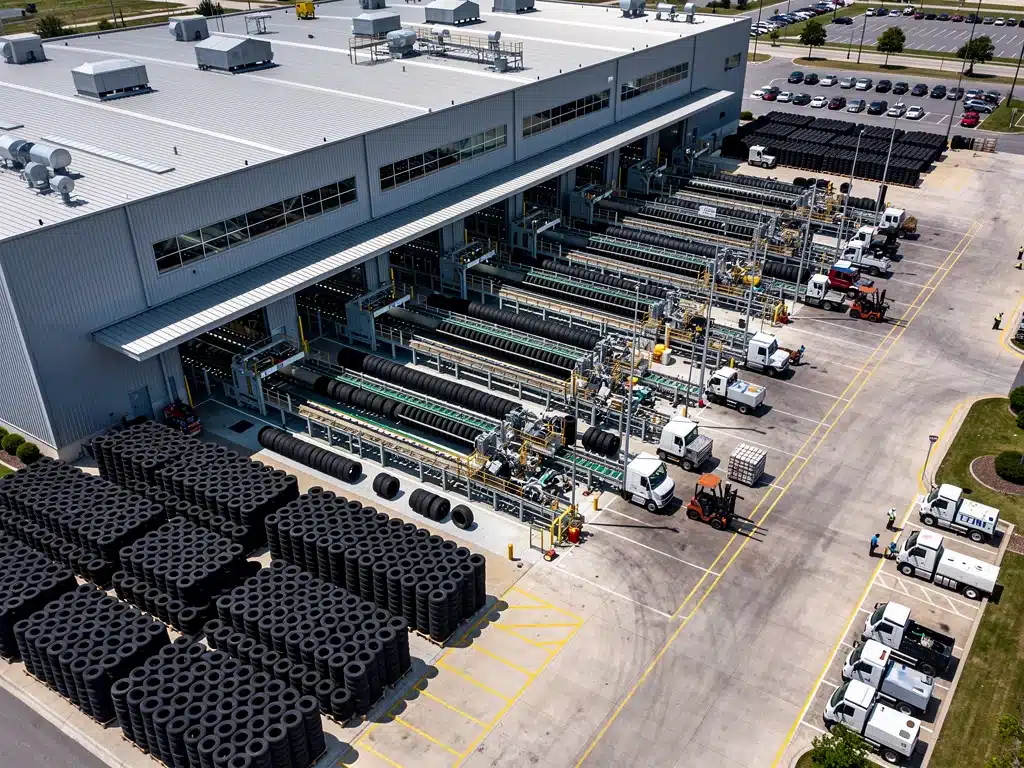
The integration of automation and smart manufacturing technologies is transforming tire factories into highly efficient and adaptive operations. Robots and automated systems are performing repetitive and labor-intensive tasks with greater precision and speed, reducing human error and improving consistency.
- Optimized Material Handling: Automated systems can precisely manage raw material inventory, reduce waste during processing, and ensure optimal material flow.
- Predictive Maintenance: AI-powered predictive maintenance minimizes downtime by anticipating equipment failures, ensuring continuous production and reducing costly repairs.
- Energy Efficiency: Smart factories can monitor and optimize energy consumption across all operations, leading to substantial savings in utility costs, which are a significant factor in overall production expenses.
These technologies not only boost productivity but also provide real-time data insights that allow manufacturers to identify bottlenecks, improve quality control, and make more informed operational decisions, directly contributing to cost reduction.
Advanced Material Processing Techniques
Beyond raw material sourcing, advancements in how materials are processed are also yielding significant efficiency gains. New techniques are enabling manufacturers to get more out of every pound of rubber, carbon black, and other components.
For instance, improved mixing technologies can create more homogeneous rubber compounds, leading to better tire performance with potentially less material. Precision molding and curing processes reduce defects and scrap rates, ensuring that a higher percentage of produced tires meet quality standards without needing rework or disposal.
Furthermore, the development of lightweighting technologies, which aim to reduce the overall weight of tires without compromising safety or durability, can lead to direct savings in raw material consumption per unit. While these innovations require initial investment, their long-term benefits in terms of cost savings and environmental footprint are substantial.
By leveraging automation, smart manufacturing principles, and advanced material processing techniques, United States tire manufacturers are building a more resilient and cost-effective production model. These technological leaps are crucial for absorbing rising raw material costs and maintaining a competitive edge in a global market.
Government Policies and Trade Dynamics
The landscape of United States tire manufacturing is not solely shaped by market forces and internal strategies; government policies and international trade dynamics play a pivotal role, particularly when it comes to raw material costs. Regulatory frameworks, trade agreements, and tariffs can either exacerbate or alleviate the financial pressures faced by domestic manufacturers.
Understanding how these external factors influence the availability and pricing of essential tire components is crucial for comprehending the broader economic environment within which tire companies operate. Policy decisions made today can have profound impacts on costs in the first half of 2026 and beyond.
Tariffs, Trade Agreements, and Import Duties
Tariffs and import duties imposed on raw materials or finished products can significantly alter the cost structure for United States tire manufacturers. While some tariffs are designed to protect domestic industries, they can inadvertently raise the cost of imported raw materials, even if those materials are not readily available domestically.
- Increased Input Costs: Tariffs on imported natural rubber, carbon black, or other chemicals directly increase the cost for manufacturers, which can then be passed on to consumers.
- Trade Agreement Benefits: Favorable trade agreements can reduce or eliminate duties on certain raw materials, making them more affordable and accessible for US producers.
- Supply Chain Relocation: Trade policies can incentivize manufacturers to shift their sourcing strategies or even their production facilities to regions with more favorable trade terms.
The dynamic nature of international trade policy means that manufacturers must constantly monitor and adapt to changes, seeking out opportunities to optimize their sourcing strategies while navigating potential cost increases from protective measures.
Environmental Regulations and Sustainability Initiatives
Environmental regulations, both domestically and internationally, are increasingly influencing the cost and availability of raw materials. As governments push for greater sustainability, industries are required to adopt cleaner production methods and utilize more environmentally friendly materials.
While beneficial for the planet, these regulations can sometimes lead to higher production costs for raw material suppliers, who then pass these costs along to tire manufacturers. For example, stricter emissions standards for carbon black production or sustainable forestry requirements for natural rubber can increase operational expenses.
Conversely, government incentives for using recycled content or developing bio-based materials can help offset these costs and drive innovation. Manufacturers are therefore faced with the dual challenge of complying with regulations while also exploring opportunities for sustainable, cost-effective solutions.
In summary, government policies and trade dynamics are powerful external forces that significantly impact the raw material cost environment for United States tire manufacturers. Navigating these complexities requires a keen awareness of geopolitical trends, active engagement with policymakers, and a proactive approach to adapting supply chains and production methods to align with evolving regulatory landscapes.
Consumer Impact and Market Adjustments
The projected 5% increase in raw material costs for United States tire manufacturing in the first half of 2026 will inevitably translate into a tangible impact on consumers and necessitate various adjustments across the market. While manufacturers strive to absorb as much of the cost as possible, some increases are often unavoidable, affecting both the price of new vehicles and replacement tires.
Understanding these potential market shifts is crucial for consumers, retailers, and automotive businesses to anticipate changes and make informed decisions. The ripple effect extends beyond mere pricing, touching on product availability, purchasing habits, and market competition.
Potential Price Increases for Consumers
The most direct and noticeable impact for consumers will likely be an increase in the retail price of tires. This applies to both original equipment tires on new vehicles and aftermarket replacement tires. While a 5% increase in raw material costs doesn’t necessarily mean a 5% increase in tire prices, some portion of it will likely be passed on.
- New Vehicle Costs: Higher tire manufacturing costs can contribute to an overall increase in the price of new cars, trucks, and SUVs, as tires are a fundamental component.
- Replacement Tire Market: Consumers needing to replace worn tires will likely face higher prices, potentially influencing their purchasing decisions towards more budget-friendly options or extending the life of existing tires.
- Fleet Management: Businesses operating vehicle fleets, such as logistics companies or ride-sharing services, will see their operational expenses rise, which could lead to adjustments in service pricing.
These price adjustments could lead to consumers delaying tire purchases or exploring alternative brands, creating a more price-sensitive market environment.
Shifts in Consumer Behavior and Market Competition
Beyond direct price increases, the rising costs are expected to induce shifts in consumer behavior and intensify market competition within the tire industry. Consumers, faced with higher prices, may prioritize value, durability, and fuel efficiency more heavily in their purchasing decisions.
This could lead to increased demand for longer-lasting, premium tires that offer better cost-per-mile value, or conversely, a surge in demand for more affordable, entry-level options. The aftermarket segment, in particular, will need to adapt to these evolving preferences.
Furthermore, increased raw material costs can intensify competition among tire manufacturers. Companies that are more efficient in their production, have diversified supply chains, or have successfully integrated alternative materials may gain a competitive advantage by being able to offer more stable or even lower prices than their rivals. This could lead to a reshuffling of market share and increased innovation in product offerings.
In essence, the projected cost increases will force both consumers and the market to adjust. Consumers will become more discerning in their tire purchases, while manufacturers will need to be agile and innovative to capture demand and maintain profitability in a more challenging economic climate.
Long-Term Outlook and Industry Adaptation
The projected 5% increase in raw material costs impacting United States tire manufacturing in the first half of 2026, while significant, also serves as a catalyst for long-term adaptation and transformation within the industry. This challenge is not merely a temporary hurdle but an accelerant for strategic changes that will shape the future of tire production and consumption.
The industry’s ability to innovate, embrace sustainable practices, and fortify its supply chains will determine its resilience and competitive standing in the coming years. This long-term outlook necessitates a proactive and forward-thinking approach from all stakeholders.
Focus on Sustainability and Circular Economy
One of the most profound long-term adaptations is the industry’s increasing focus on sustainability and the principles of a circular economy. Rising raw material costs, coupled with growing environmental concerns, are driving manufacturers to explore ways to reduce their reliance on virgin materials and minimize waste.
- Recycled Materials: Increased use of recycled rubber, plastics, and other materials in tire production reduces demand for new raw inputs, offering a more stable and often more cost-effective alternative.
- Bio-based Materials: Investing in research and development for renewable, bio-based raw materials (e.g., dandelions or guayule as natural rubber sources) can reduce dependency on traditional, volatile natural rubber markets.
- Tire Recycling and Retreading: Promoting efficient tire recycling programs and expanding the retreading market extends the life cycle of tires, reducing the need for new production and conserving raw materials.
These initiatives not only help mitigate cost pressures but also position manufacturers as leaders in environmental stewardship, appealing to a growing segment of eco-conscious consumers and meeting regulatory demands.
Strengthening Supply Chain Resilience
The experience of recent supply chain disruptions and the projected raw material cost increases underscore the critical importance of building robust and resilient supply chains. This involves moving beyond mere cost optimization to focus on reliability, transparency, and adaptability.
Manufacturers are investing in advanced supply chain analytics to gain better visibility into their material flows, identify potential risks, and develop contingency plans. This includes diversifying geographic sourcing, collaborating more closely with key suppliers, and even exploring vertical integration where feasible to secure critical inputs.
The goal is to create a supply chain that can withstand future shocks, whether they stem from geopolitical events, natural disasters, or unexpected market fluctuations. A resilient supply chain ensures continuity of production, minimizes cost volatility, and provides a stable foundation for long-term growth.
Ultimately, the long-term outlook for the United States tire manufacturing industry, while challenging due to rising raw material costs, is also one of significant opportunity. By embracing sustainability, driving innovation in materials and processes, and fortifying their supply chains, manufacturers can not only overcome current hurdles but also emerge stronger, more efficient, and more environmentally conscious.
| Key Point | Brief Description |
|---|---|
| Cost Increase Forecast | Raw material costs for US tire manufacturing projected to rise by 5% in H1 2026. |
| Driving Factors | Supply chain disruptions, energy price volatility, and geopolitical events are key contributors. |
| Industry Response | Manufacturers are diversifying supply, investing in R&D, and improving efficiency. |
| Consumer Impact | Expect potential price increases for new vehicles and replacement tires, shifting buying habits. |
Frequently Asked Questions About Tire Manufacturing Costs
The primary raw materials used in tire manufacturing include natural rubber, synthetic rubber, carbon black, steel cord, various textiles (like polyester and rayon), and a range of chemical additives such as antioxidants and vulcanizing agents. These components are carefully blended to achieve optimal performance and durability.
Raw material costs are increasing due to a combination of factors, including global supply chain disruptions, rising energy prices affecting production and transport, geopolitical instabilities impacting resource availability, and increased global demand for these essential components. These elements create upward price pressure across the industry.
The 5% increase in raw material costs for tire manufacturing will likely contribute to a modest rise in new vehicle prices. Tires are a fundamental component of any vehicle, and higher input costs for manufacturers are often partially passed on to automotive producers, who then integrate these into the final vehicle price for consumers.
Tire manufacturers are employing multiple strategies, including diversifying their raw material supply chains, investing heavily in research and development for alternative and sustainable materials, and implementing advanced manufacturing technologies to improve efficiency and reduce waste in their production processes.
While the primary impact is on cost, prolonged or severe raw material supply issues could potentially affect tire availability. However, manufacturers are actively working to diversify sourcing and strengthen supply chain resilience to minimize such risks, aiming to ensure a stable supply for the United States market.
Conclusion
The projected 5% increase in raw material costs impacting United States tire manufacturing in the first half of 2026 represents a significant challenge for the industry. This rise, driven by global supply chain volatility, energy price fluctuations, and geopolitical factors, underscores the complex economic environment manufacturers must navigate. However, it also serves as a powerful impetus for innovation and strategic adaptation. Tire companies are actively responding through supply chain diversification, substantial investments in research and development for alternative materials, and the adoption of advanced manufacturing technologies to enhance efficiency. While consumers may experience some price adjustments, these industry-wide efforts aim to build a more resilient, sustainable, and cost-effective future for tire production. The period ahead will undoubtedly test the adaptability of the sector, but also pave the way for a more robust and environmentally conscious manufacturing landscape.