EV Charging Infrastructure: 7 Key Developments for US 2026
Advertisements
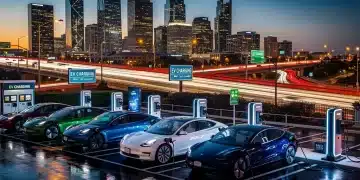
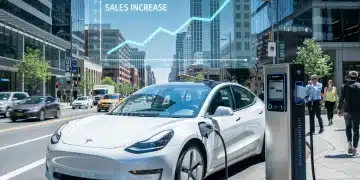
By 2026, the electric vehicle charging infrastructure in the United States is set to undergo significant transformations, driven by technological advancements, regulatory support, and increasing consumer adoption, paving the way for a more accessible and efficient EV ecosystem.
The landscape of Electric Vehicle Charging Infrastructure: 7 Key Developments for 2026 in the United States is evolving at an unprecedented pace, promising a future where powering your EV is as convenient as fueling a gasoline car. This rapid transformation is not just about adding more chargers; it’s about integrating smarter technologies, enhancing accessibility, and building a resilient network that can support the burgeoning electric vehicle market.
Advertisements
Standardization of Charging Connectors
The push for a unified charging standard is one of the most critical developments shaping the EV charging landscape in the U.S. By 2026, the industry is moving decisively towards a more harmonious ecosystem, reducing confusion for consumers and streamlining infrastructure development. This standardization is crucial for widespread adoption and efficient network expansion.
Historically, the U.S. market has seen a mix of charging standards, primarily CCS (Combined Charging System) and Tesla’s proprietary connector. This fragmentation has created challenges for EV owners, who often need adapters or specific chargers for their vehicles. The recent move by major automakers to adopt the North American Charging Standard (NACS), initially developed by Tesla, marks a significant turning point.
The Rise of NACS
The adoption of NACS by a growing number of automakers is set to simplify the charging experience dramatically. This move is not just about a physical connector; it’s about a broader agreement on a universal standard that benefits all stakeholders.
- Reduced Confusion: A single standard means EV drivers will no longer need to worry about charger compatibility.
- Expanded Access: Tesla’s vast Supercharger network will become accessible to a wider range of non-Tesla EVs.
- Streamlined Manufacturing: Automakers and charging station manufacturers can focus on a single design, potentially reducing costs.
This standardization effort is expected to accelerate the deployment of charging infrastructure, as developers can invest with greater certainty in a universally accepted technology. The benefits extend beyond convenience, influencing design, maintenance, and overall network reliability. The transition period will involve careful planning and execution to ensure a smooth shift for existing EV owners and new buyers alike, ultimately fostering a more cohesive and user-friendly EV charging environment across the nation.
Expansion of High-Power Fast Charging Networks
The demand for faster charging solutions is escalating as EV battery technology advances and range anxiety diminishes. By 2026, the United States is poised to witness a substantial expansion of high-power fast charging networks, delivering significantly quicker charging times and enhancing the practicality of long-distance EV travel. This development is crucial for making electric vehicles a viable option for a broader segment of the population.
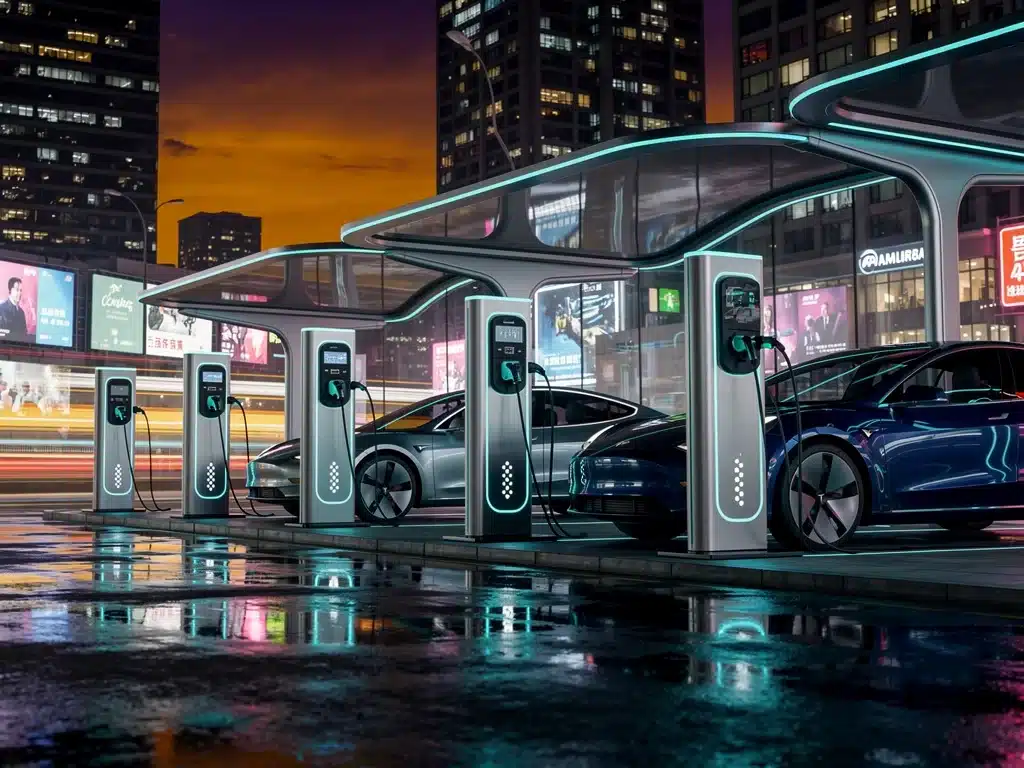
Current fast chargers, typically offering 50-150 kW, are being complemented by ultra-fast chargers capable of 250-350 kW, and even higher. These next-generation chargers can add hundreds of miles of range in mere minutes, drastically reducing charging stops on road trips to times comparable to refueling a gasoline car. This shift is not just about speed; it’s about optimizing the entire charging experience.
Technological Advancements in Fast Charging
Several technological innovations are underpinning this expansion, making high-power charging more efficient and reliable.
- Improved Battery Architectures: EVs are being designed to accept higher charging rates without compromising battery health.
- Advanced Cooling Systems: Chargers and vehicle batteries are incorporating sophisticated cooling to manage the heat generated during rapid charging.
- Smart Grid Integration: High-power chargers are becoming more integrated with the grid, allowing for intelligent load management and dynamic pricing.
The deployment of these networks is strategically focusing on major transportation corridors, urban centers, and popular travel destinations. This ensures that drivers have access to fast charging where and when they need it most. The challenge lies in upgrading grid infrastructure to handle the increased power demand, a task that utilities and government agencies are actively addressing. The expansion of these networks is a fundamental pillar in supporting the mass adoption of EVs, providing the confidence that long journeys can be undertaken with ease and minimal delay.
Integration of Renewable Energy Sources
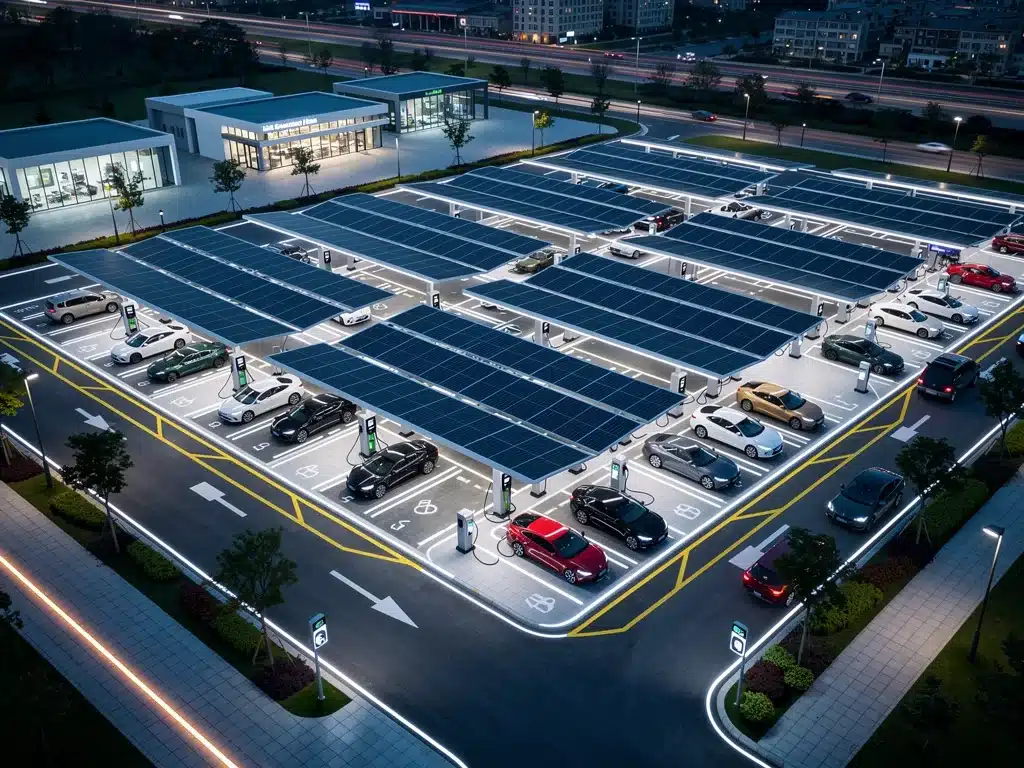
The future of Electric Vehicle Charging Infrastructure: 7 Key Developments for 2026 in the United States is inextricably linked to sustainable energy. By 2026, a significant development will be the deeper integration of renewable energy sources, such as solar and wind power, directly into charging stations. This move is driven by a dual objective: to reduce the carbon footprint associated with EV charging and to enhance the grid’s resilience.
Charging an electric vehicle, while emission-free at the tailpipe, still relies on the electricity grid, which may be powered by fossil fuels. By incorporating on-site renewable energy generation, charging stations can become more sustainable and even energy independent. This not only aligns with the environmental ethos of electric vehicles but also offers economic benefits through reduced operational costs and potential revenue generation from selling excess energy back to the grid.
Benefits of Green Charging Stations
The direct integration of renewables brings numerous advantages that go beyond environmental stewardship.
- Reduced Carbon Emissions: Directly powers EVs with clean energy, minimizing the overall environmental impact.
- Enhanced Grid Stability: Distributed energy generation can help balance local grid loads and reduce strain during peak demand.
- Energy Cost Savings: Charging stations can significantly lower electricity bills by generating their own power.
Projects are already underway to equip charging hubs with solar canopies and battery storage systems, creating microgrids that can operate independently or in conjunction with the main grid. This approach mitigates the reliance on centralized power generation and offers a more robust energy supply, especially in areas prone to outages. The evolution towards green charging infrastructure is a crucial step in realizing the full environmental potential of electric mobility, ensuring that the entire lifecycle of EV use is as sustainable as possible.
Smart Charging and Grid Integration Technologies
As the number of electric vehicles on U.S. roads rapidly increases, the intelligence of the charging infrastructure becomes paramount. By 2026, smart charging and advanced grid integration technologies will be fundamental developments, enabling more efficient energy management, reducing strain on the electrical grid, and optimizing charging costs for consumers. These innovations are critical for scaling the EV ecosystem without compromising grid stability.
Smart charging refers to a system where electric vehicles and charging stations communicate with the utility grid to optimize when and how much energy is delivered. This can involve adjusting charging speeds based on grid demand, electricity prices, or the availability of renewable energy. The goal is to shift charging away from peak hours, when electricity is more expensive and the grid is under greater stress, towards off-peak times.
Key Aspects of Smart Grid Integration
The integration of smart charging with the grid is multifaceted, involving several technological components and strategies.
- Load Balancing: Distributes available power efficiently among multiple EVs and other grid demands.
- Demand Response Programs: Allows utilities to temporarily reduce charging loads during grid emergencies or high-demand periods, often with incentives for EV owners.
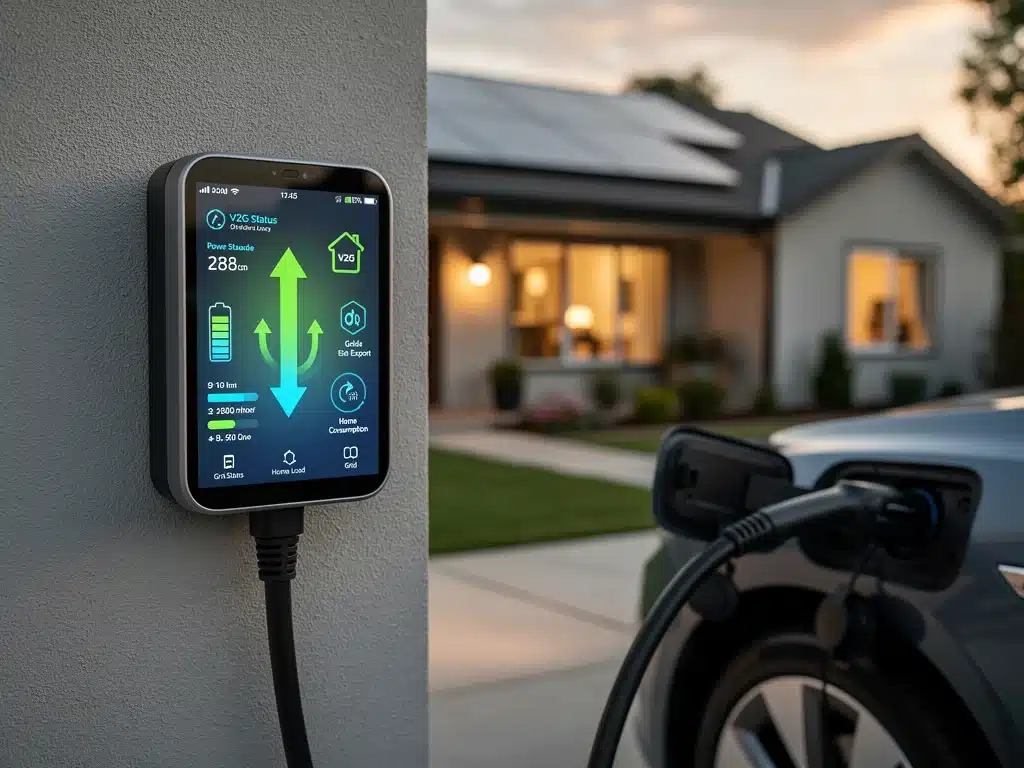
- Vehicle-to-Grid (V2G) Technology: Enables EVs to feed excess energy back into the grid during peak demand, essentially turning them into mobile power sources.
These technologies not only benefit the grid by providing flexibility and stability but also offer advantages to EV owners. Through smart charging apps and utility programs, drivers can schedule charging sessions to take advantage of lower electricity rates, thus reducing their overall operating costs. The development of sophisticated algorithms and communication protocols is essential to facilitate this seamless interaction between vehicles, chargers, and the grid. This intelligent approach to charging is not just an enhancement; it’s a necessary evolution for the sustainable growth of the EV market.
Enhanced User Experience and Payment Solutions
A seamless and intuitive user experience is paramount for encouraging widespread EV adoption. By 2026, significant strides will be made in enhancing the user experience at charging stations across the United States, particularly through simplified payment solutions and improved station reliability. This focus on convenience and functionality aims to eliminate common frustrations associated with public charging.
One of the persistent complaints from EV drivers has been the complexity of payment systems, often requiring multiple apps, RFID cards, or convoluted sign-up processes. The industry is moving towards a more streamlined approach, making charging as simple as swiping a credit card or using a single, universally accepted payment method. This reduction in friction is crucial for making public charging more approachable for all drivers, especially those new to electric vehicles.
Innovations in Payment and Accessibility
Several key innovations are driving this improvement in user experience and payment systems.
- Plug & Charge: This technology allows an EV to automatically authenticate and begin charging simply by plugging into a compatible station, eliminating the need for separate payment initiation.
- Contactless Payment: Widespread adoption of standard credit card readers and mobile payment options (e.g., Apple Pay, Google Pay) directly at the charger.
- Real-time Station Information: Improved accuracy and availability of real-time data on charger availability, status, and pricing through integrated apps and vehicle infotainment systems.
Beyond payment, efforts are also focused on improving the overall reliability of charging stations. This includes better maintenance schedules, remote diagnostics, and standardized reporting mechanisms for out-of-order chargers. Accessibility for individuals with disabilities is also a growing priority, with new stations being designed to meet ADA compliance standards. These combined efforts are designed to create a charging experience that is not only efficient but also universally accessible and hassle-free, reinforcing the practicality and appeal of electric vehicles.
Government Incentives and Regulatory Support
Government policies and incentives play a pivotal role in accelerating the deployment of Electric Vehicle Charging Infrastructure: 7 Key Developments for 2026 in the United States. By 2026, robust federal, state, and local government support will continue to be a driving force, providing financial incentives, establishing clear regulatory frameworks, and fostering public-private partnerships to build a comprehensive charging network. This sustained commitment is essential for overcoming initial investment hurdles and ensuring equitable access.
The U.S. government has already demonstrated a strong commitment through initiatives like the Bipartisan Infrastructure Law, which allocates significant funding for EV charging infrastructure. These funds are not just for building new stations but also for upgrading existing ones, ensuring interoperability, and focusing on underserved communities. The goal is to create a national network of 500,000 EV chargers, strategically placed along highways and in communities.
Impact of Policy on Infrastructure Growth
Government actions influence infrastructure growth in several critical ways, shaping both the speed and direction of development.
- Funding Programs: Grants, tax credits, and rebates for installing charging stations, particularly in rural and disadvantaged areas.
- Permitting Streamlining: Efforts to simplify and standardize the permitting process for charger installation, reducing bureaucratic delays.
- Performance Standards: Establishing minimum uptime requirements and interoperability standards for federally funded charging stations to ensure reliability and user satisfaction.
Beyond financial aid, regulatory guidance is crucial for long-term planning and investment. States are developing their own EV infrastructure plans, often aligning with federal guidelines but tailored to local needs. These policies are designed to create a predictable and supportive environment for businesses to invest in charging solutions, from hardware manufacturers to charging network operators. The synergy between government support and private sector innovation is key to building an expansive, reliable, and future-proof charging infrastructure that serves all Americans.
Emergence of Destination and Workplace Charging
While public fast-charging networks address range anxiety on long journeys, the convenience of charging where vehicles are already parked for extended periods is gaining significant traction. By 2026, the United States will see a substantial emergence and expansion of destination and workplace charging solutions, fundamentally changing how and when EVs are recharged. This shift emphasizes opportunistic charging, integrating it seamlessly into daily routines.
Destination charging refers to Level 2 (240-volt) chargers installed at places like hotels, restaurants, shopping centers, and entertainment venues where vehicles typically remain for several hours. Workplace charging, similarly, involves chargers provided by employers for their employees. Both scenarios allow EV owners to top up their batteries while they are engaged in other activities, maximizing convenience and minimizing dedicated charging stops.
Advantages of Ubiquitous Opportunistic Charging
The widespread adoption of destination and workplace charging offers numerous benefits for both EV owners and infrastructure developers.
- Enhanced Convenience: Drivers can charge without disrupting their schedules, making EV ownership more practical.
- Reduced Grid Strain: Level 2 charging typically occurs over longer durations and at lower power, making it easier for the grid to manage.
- Increased EV Adoption: The availability of charging at common destinations and workplaces removes a major barrier for potential EV buyers.
Businesses are increasingly recognizing the value of offering EV charging as an amenity, attracting environmentally conscious customers and employees. Government incentives and corporate sustainability initiatives are further accelerating this trend. The focus is not just on quantity but also on ensuring these chargers are integrated thoughtfully into existing parking infrastructure and are easily discoverable through navigation apps. This development is crucial for normalizing EV ownership, making charging an effortless part of daily life rather than a separate chore, and ultimately supporting the broader transition to electric mobility.
Advancements in Battery Technology and Charging Speed
The core of electric vehicle performance and charging infrastructure evolution lies in battery technology. By 2026, significant advancements in battery chemistry and design will directly influence charging speeds and efficiency, impacting the entire Electric Vehicle Charging Infrastructure: 7 Key Developments for 2026 in the United States. These innovations promise to make EVs even more competitive with internal combustion engine vehicles, particularly regarding refueling times.
New battery technologies are focusing on higher energy densities, allowing for longer ranges, and materials that can withstand faster charging rates without degradation. Solid-state batteries, for instance, are on the horizon, promising not only greater energy storage but also the ability to charge much more quickly than current lithium-ion batteries. These breakthroughs are crucial for reducing the time spent at charging stations, which remains a key concern for some potential EV buyers.
Impact of Battery Innovation on Charging
The continuous improvement in battery technology has a direct and profound effect on the charging ecosystem.
- Ultra-Fast Charging Capability: Batteries designed to accept very high power inputs, enabling charging from 10% to 80% in under 15-20 minutes.
- Improved Battery Longevity: Advanced thermal management and chemistry ensure that frequent fast charging does not significantly shorten battery life.
- Bidirectional Charging Enhancement: More robust batteries facilitate efficient vehicle-to-grid (V2G) and vehicle-to-home (V2H) energy transfer.
These advancements require a parallel evolution in charging infrastructure. High-power chargers must be capable of delivering the necessary current, and the grid must be able to support these demands. The synergy between battery innovation and charging technology is symbiotic; one cannot progress significantly without the other. As batteries become more sophisticated, the charging infrastructure will adapt to unlock their full potential, leading to a future where EV charging is not only fast but also seamlessly integrated with the vehicle’s capabilities. This ongoing research and development are vital for the long-term success and mass adoption of electric vehicles.
| Key Development | Brief Description |
|---|---|
| NACS Standardization | Widespread adoption of North American Charging Standard for simpler, universal compatibility. |
| High-Power Fast Charging | Significant expansion of ultra-fast charging networks (250-350 kW+) for quicker recharges. |
| Renewable Energy Integration | Direct incorporation of solar/wind at charging stations for sustainable and resilient power. |
| Smart Grid Technologies | Intelligent charging management and V2G capabilities for optimal energy use and grid stability. |
Frequently Asked Questions About EV Charging Infrastructure
NACS is Tesla’s charging connector, now being adopted by other major automakers. Its importance lies in unifying the charging experience, reducing the need for adapters, and providing broader access to Tesla’s extensive Supercharger network for a wider range of electric vehicles across the U.S.
By 2026, the U.S. will see a significant expansion of ultra-fast charging stations (250-350 kW and above). These chargers aim to drastically cut charging times, making long-distance EV travel more convenient and comparable to traditional refueling stops, enhancing overall EV practicality.
Renewable energy, such as solar and wind, will be increasingly integrated directly into charging stations by 2026. This reduces the carbon footprint of EV charging, enhances grid resilience, and offers economic benefits through reduced operational costs and potential energy sales back to the grid.
Smart charging optimizes energy delivery based on grid demand and prices, often shifting charging to off-peak hours. V2G allows EVs to feed excess power back to the grid during peak demand, turning them into mobile power sources that help stabilize the electrical system and potentially generate revenue for owners.
Government incentives, like those from the Bipartisan Infrastructure Law, provide crucial funding, tax credits, and regulatory support. These initiatives aim to accelerate charger deployment, ensure equitable access, and establish performance standards, fostering a robust and reliable national EV charging network through public-private partnerships.
Conclusion
The journey towards a fully electrified transportation system in the United States is being propelled by a convergence of technological advancements, strategic investments, and supportive policies. The 7 key developments outlined for 2026, from the standardization of charging connectors to the integration of smart grid technologies and renewable energy, paint a clear picture of a rapidly maturing Electric Vehicle Charging Infrastructure: 7 Key Developments for 2026 in the United States. These transformative changes are not merely incremental; they represent a fundamental shift towards a more accessible, efficient, and sustainable charging ecosystem. As these innovations take root, they will collectively dismantle existing barriers to EV adoption, making electric vehicles an increasingly practical and desirable choice for drivers across the nation, ultimately paving the way for a greener and more resilient future.