US Emissions Regulations Drive 15% Hybrid Shift by 2026
Advertisements
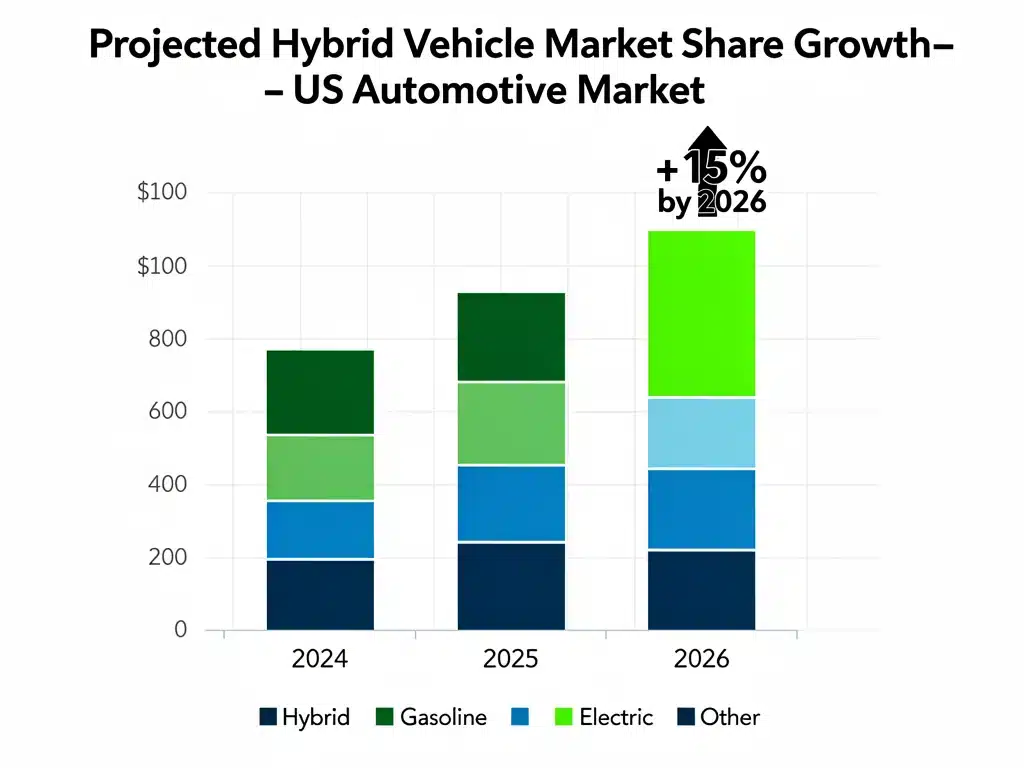
New United States emissions regulations are projected to drive a substantial 15% shift towards hybrid vehicles by 2026, compelling automotive manufacturers and consumers alike to prioritize fuel efficiency and lower environmental impact.
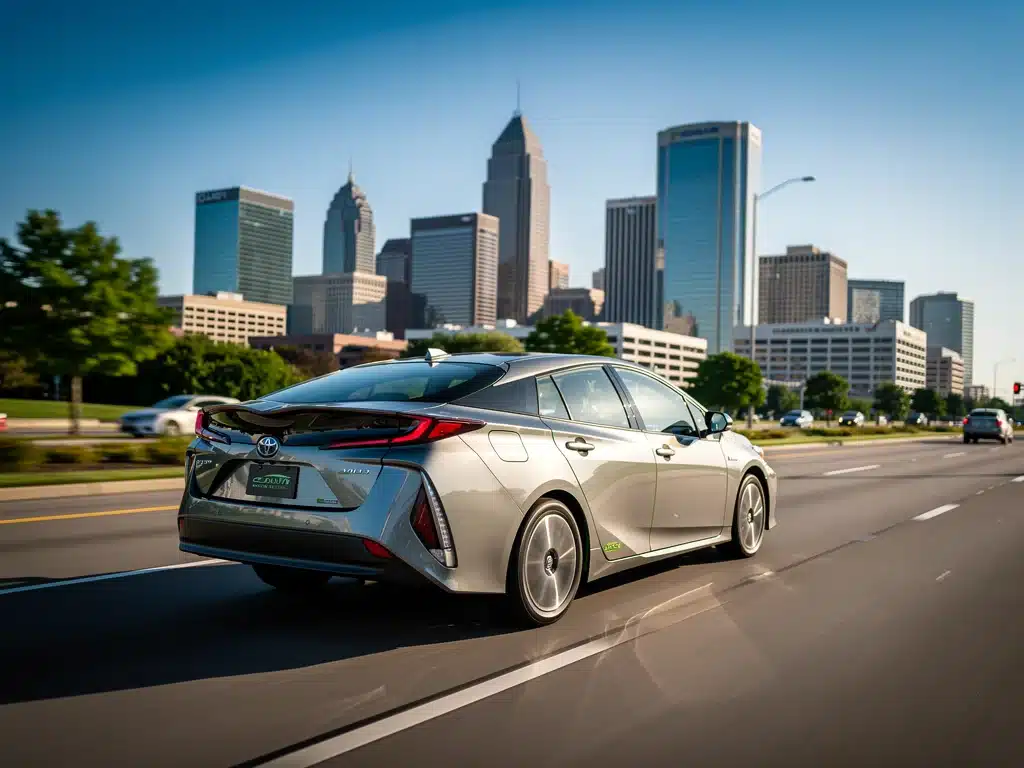
The automotive industry in the United States is on the cusp of a transformative period, driven largely by evolving environmental policies. The announcement of stricter new emissions regulations in United States driving 15% shift towards hybrid vehicles in 2026 marks a pivotal moment, signaling a decisive move towards a greener future for transportation. This shift isn’t merely a minor adjustment; it represents a significant reorientation of manufacturing priorities and consumer preferences, promising both challenges and opportunities for stakeholders across the board. The implications are far-reaching, from technological innovation to economic impacts, all while working towards a more sustainable environment.
Advertisements
Understanding the New Emissions Regulations and Their Impact
The recent tightening of emissions standards by federal agencies represents a critical step in the nation’s climate change mitigation efforts. These regulations aim to drastically reduce greenhouse gas emissions from vehicles, pushing automakers to innovate and accelerate the adoption of more environmentally friendly technologies. The target of a 15% shift towards hybrid vehicles by 2026 is ambitious, yet it reflects the urgency and commitment behind these new policies.
These regulations are not just about environmental protection; they are also about fostering technological advancement within the automotive sector. By setting stringent targets, the government encourages research and development into more efficient powertrains, battery technologies, and sustainable manufacturing processes. This creates a competitive environment where innovation thrives, ultimately benefiting consumers with more advanced and cleaner vehicles.
Key Components of the New Regulations
The new regulatory framework encompasses several critical areas designed to achieve the emissions reduction goals. These include stricter corporate average fuel economy (CAFE) standards and limits on tailpipe emissions.
- Stricter CAFE Standards: These standards mandate higher fuel efficiency across an automaker’s entire fleet, compelling them to produce more fuel-efficient vehicles, including hybrids and electric cars.
- Reduced Tailpipe Emissions: Specific limits on pollutants like nitrogen oxides (NOx) and particulate matter (PM) force manufacturers to implement advanced exhaust treatment systems and cleaner engine designs.
- Incentives for Zero-Emission Vehicles (ZEVs): While not exclusively focused on hybrids, the regulations often provide credits or incentives for producing ZEVs, indirectly boosting hybrid adoption as a stepping stone.
The cumulative effect of these regulations is a strong market signal: the era of purely internal combustion engine dominance is waning. Manufacturers must now strategically plan their product portfolios to meet these new requirements, making hybrid technology a readily available and attractive solution.
In conclusion, the new emissions regulations are a multifaceted approach designed to steer the US automotive market towards sustainability. Their impact extends beyond compliance, influencing design, manufacturing, and consumer behavior, with hybrids positioned as a key player in this transition.
The Rise of Hybrid Vehicles: Technology and Market Acceptance
Hybrid vehicles, once a niche segment, are rapidly gaining mainstream appeal, driven by a combination of technological advancements, increased consumer awareness, and the push from regulatory bodies. The projected 15% shift towards hybrids by 2026 underscores their growing importance in the automotive landscape.
Modern hybrids offer a compelling blend of fuel efficiency, lower emissions, and often surprising performance, making them an attractive option for a broad range of buyers. The integration of electric motors with traditional gasoline engines provides a seamless driving experience, addressing past concerns about range anxiety and charging infrastructure that still affect purely electric vehicles.
Technological Advancements in Hybrid Systems
The evolution of hybrid technology has been remarkable. Early hybrids were often criticized for their subdued performance and complex systems. Today’s hybrids, however, boast sophisticated power management, lighter battery packs, and more integrated designs.
- Improved Battery Technology: Advances in lithium-ion battery technology have led to smaller, lighter, and more energy-dense batteries, improving electric-only range and overall efficiency.
- Sophisticated Power Control Units: These units intelligently manage the interplay between the gasoline engine and electric motor, optimizing power delivery and fuel consumption in various driving conditions.
- Plug-in Hybrid Electric Vehicles (PHEVs): PHEVs offer the best of both worlds, providing a substantial electric-only range for daily commutes and a gasoline engine for longer trips, effectively eliminating range anxiety.
Consumer acceptance has also grown significantly. As fuel prices fluctuate and environmental consciousness rises, more drivers are recognizing the long-term economic and ecological benefits of hybrid ownership. The increased variety of hybrid models, from compact sedans to SUVs and even trucks, further broadens their appeal.
The journey of hybrid vehicles from novelty to mainstream staple is a testament to continuous innovation and a changing market dynamic. Their ability to bridge the gap between conventional internal combustion engines and fully electric powertrains makes them uniquely suited to meet the demands of stricter emissions regulations.
Economic Implications for the Automotive Industry
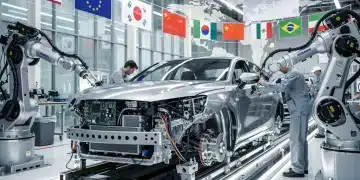
The mandated transition towards a higher percentage of hybrid vehicles presents both substantial costs and significant opportunities for the automotive industry. Manufacturers face the challenge of retooling factories, investing heavily in research and development, and retraining their workforce, all while maintaining profitability in a competitive market.
However, this shift also opens doors to new revenue streams, market leadership for innovative companies, and a chance to solidify a brand’s commitment to sustainability. The companies that adapt quickly and efficiently to the new regulatory environment are likely to emerge as leaders in the evolving automotive landscape.
Manufacturing and Supply Chain Adjustments
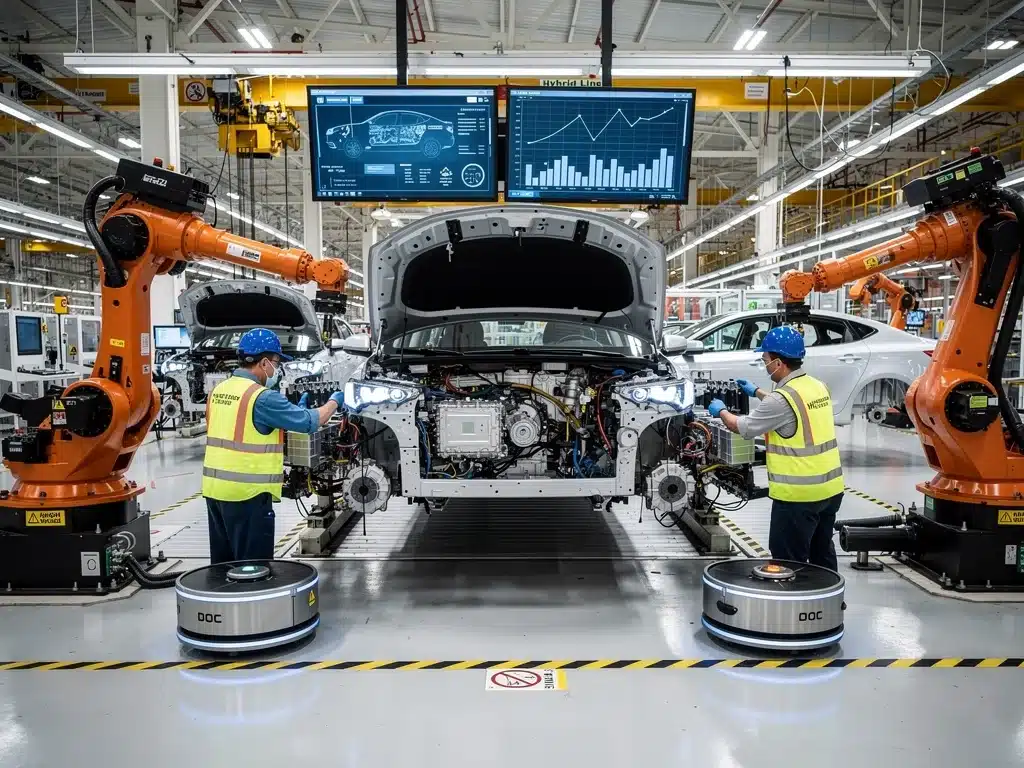
The shift to hybrid production requires a fundamental reevaluation of manufacturing processes and supply chains. This includes sourcing specialized components like batteries and electric motors, which often come with their own set of geopolitical and logistical complexities.
- Factory Modernization: Existing production lines need to be adapted or new facilities built to accommodate the assembly of hybrid powertrains and battery integration. This involves significant capital expenditure.
- Component Sourcing: Reliable and ethical sourcing of raw materials for batteries, such as lithium and cobalt, becomes a critical concern, pushing manufacturers to establish robust global supply chains.
- Workforce Retraining: A skilled workforce capable of designing, manufacturing, and servicing complex hybrid systems is essential. This necessitates considerable investment in training programs.
Beyond manufacturing, the economic impact extends to dealerships and the aftermarket. Dealerships must train technicians to service hybrid vehicles, and the parts supply chain will need to adjust to the demand for specialized hybrid components. This creates new job opportunities and specialized service sectors.
Ultimately, while the initial investment might be substantial, the long-term economic benefits for companies that successfully navigate this transition include enhanced brand reputation, access to a growing market segment, and compliance with future regulations, potentially avoiding significant fines.
Consumer Perspectives: Cost, Performance, and Environmental Consciousness
The success of the 15% shift towards hybrid vehicles by 2026 heavily relies on consumer adoption, which is influenced by a complex interplay of factors including upfront cost, perceived performance, and growing environmental awareness. Consumers are increasingly discerning, weighing the benefits against the initial investment.
While hybrids traditionally carried a higher price tag, the gap is narrowing due to economies of scale and technological advancements. Moreover, the long-term savings on fuel and potential tax incentives often offset the initial cost, making hybrids a more financially viable option for many.
Addressing Consumer Concerns
For many drivers, the decision to purchase a hybrid involves overcoming certain preconceptions and understanding the tangible benefits. Automakers and policymakers are working to educate the public and address common concerns.
- Initial Purchase Price: While often higher than comparable gasoline-only models, the total cost of ownership (TCO) for hybrids can be lower due to fuel savings and reduced maintenance.
- Performance Expectations: Modern hybrids offer robust performance, with instant torque from electric motors providing quick acceleration and a smooth, quiet ride.
- Battery Life and Replacement: Advancements have significantly extended battery life, with many manufacturers offering long warranties, alleviating concerns about costly replacements.
Environmental consciousness plays an increasingly important role in purchasing decisions. A significant segment of consumers is actively seeking ways to reduce their carbon footprint, and hybrid vehicles offer a tangible step in that direction without the complete lifestyle change sometimes associated with fully electric vehicles. The desire to contribute to a cleaner environment, coupled with financial incentives, makes hybrids an appealing choice.
The consumer landscape is evolving, with a growing appreciation for sustainable living. As more information becomes available and the benefits of hybrid technology become clearer, the momentum for this shift is expected to continue building.
Government Support and Infrastructure Development
Achieving a 15% shift towards hybrid vehicles by 2026 is not solely dependent on market forces and manufacturer innovation; it also requires robust government support and strategic infrastructure development. Federal and state policies play a crucial role in creating an environment conducive to hybrid adoption.
Beyond direct regulations, government initiatives often include tax credits, rebates, and investments in related infrastructure, such as charging stations for plug-in hybrids. These measures help to reduce the financial barrier for consumers and make hybrid ownership more convenient and attractive.
Policy Mechanisms and Incentives
Various governmental bodies are implementing policies designed to accelerate the adoption of hybrid and other low-emission vehicles. These policies are multifaceted, addressing both consumer and manufacturer sides of the equation.
- Federal Tax Credits: Incentives for purchasing eligible hybrid and plug-in hybrid vehicles can significantly reduce the effective purchase price for consumers.
- State-Level Rebates and Programs: Many states offer additional financial incentives, HOV lane access, or reduced registration fees for eco-friendly vehicles, further sweetening the deal.
- Research and Development Funding: Government grants and funding for advanced battery technology and hybrid powertrain research help drive innovation and reduce production costs for manufacturers.
Infrastructure development, particularly for plug-in hybrids, is also essential. While hybrids do not strictly require charging infrastructure in the same way as EVs, a robust network of public and workplace charging stations enhances the utility and appeal of PHEVs, allowing drivers to maximize their electric-only range.
The collaborative effort between government, industry, and consumers is vital for the successful realization of these ambitious goals. By providing a supportive regulatory framework and investing in critical infrastructure, the path for hybrid vehicles becomes clearer and more accessible.
Challenges and Opportunities in the Hybrid Transition
The transition to a 15% hybrid market share by 2026, while promising, is not without its challenges. Automakers face hurdles in scaling production, managing supply chains for critical components, and ensuring consumer education keeps pace with technological advancements. These factors demand strategic planning and adaptive execution.
However, these challenges are often accompanied by significant opportunities. Companies that successfully navigate this period can gain a competitive edge, establish themselves as leaders in sustainable transportation, and tap into a growing market of environmentally conscious consumers.
Navigating the Road Ahead
The path to increased hybrid adoption requires addressing several key areas. These include ensuring a stable supply of materials, managing the cost of new technologies, and effectively communicating the benefits to the public.
- Supply Chain Resilience: The global demand for battery components and other specialized hybrid parts will intensify, requiring robust and diversified supply chains to prevent disruptions.
- Cost Management: While hybrid technology costs are decreasing, balancing innovation with affordability remains crucial to maintain broad consumer appeal.
- Consumer Education: Continuous efforts are needed to inform consumers about the benefits, performance, and long-term value of hybrid vehicles, dispelling myths and addressing concerns.
On the opportunity front, the hybrid transition stimulates job creation in new sectors, accelerates technological breakthroughs in battery and powertrain design, and positions the US automotive industry as a leader in global environmental stewardship. It also provides a viable stepping stone for many consumers towards fully electric vehicles in the longer term, fostering familiarity with electrified powertrains.
The journey is complex, but the potential rewards—economic growth, technological leadership, and a healthier environment—make the effort worthwhile. The collective commitment of all stakeholders will be instrumental in overcoming obstacles and seizing the opportunities presented by this transformative shift.
Projected Impact on the Used Car Market and Automotive Services
The significant shift towards hybrid vehicles in the new car market is expected to have a ripple effect on the used car market and the automotive service sector. As more new hybrids are sold, the inventory of used hybrids will naturally increase, potentially altering pricing dynamics and demand for certain models. This also means a growing need for specialized repair and maintenance services.
Dealerships and independent repair shops will need to adapt their operations, investing in new tools, diagnostic equipment, and technician training to properly service these increasingly complex vehicles. This creates a new segment within the automotive service industry, offering both challenges and opportunities for growth.
Evolution of Aftermarket and Service Needs
The rise of hybrid vehicles brings with it distinct service requirements that differ from traditional gasoline-powered cars. Technicians will need expertise in both internal combustion engines and electrical systems, including high-voltage components.
- Specialized Diagnostics: Hybrid vehicles require specific diagnostic tools and software to identify and troubleshoot issues related to their integrated powertrains and battery management systems.
- High-Voltage Safety Training: Technicians must be trained in safety protocols for working with high-voltage electrical components found in hybrid systems to prevent accidents.
- Battery Maintenance and Replacement: While hybrid batteries are designed for longevity, eventual maintenance or replacement will become a service need, creating a market for specialized battery services.
The used car market will likely see an increase in hybrid availability, offering more affordable options for consumers looking to enter the electrified vehicle segment. This could lead to a more diverse used car inventory and potentially stimulate demand for efficient vehicles among budget-conscious buyers. Resale values of gasoline-only cars might experience downward pressure as hybrids become more prevalent and desirable.
The entire automotive ecosystem, from sales to service, is poised for a significant transformation. Those who proactively prepare for these changes will be best positioned to thrive in the evolving landscape, continuing to meet consumer needs in a world increasingly focused on sustainability.
| Key Aspect | Brief Description |
|---|---|
| Emissions Regulations | New federal standards are compelling automakers to produce more fuel-efficient and lower-emission vehicles. |
| Hybrid Market Growth | A projected 15% market shift towards hybrid vehicles is expected by 2026 due to regulatory pressure and consumer demand. |
| Industry Adaptation | Automakers are investing in R&D, retooling factories, and retraining workforces for hybrid production. |
| Consumer Trends | Increased fuel efficiency, environmental consciousness, and narrowing price gaps drive consumer adoption of hybrids. |
Frequently Asked Questions About Hybrid Vehicles and Regulations
The main drivers are stringent new US emissions regulations and corporate average fuel economy (CAFE) standards. These policies compel automakers to produce more fuel-efficient vehicles, making hybrids a strategic choice to meet compliance targets and consumer demand for greener options.
Initially, advanced hybrid technologies might slightly increase manufacturing costs. However, economies of scale, government incentives, and competitive market forces are expected to help mitigate price increases, making hybrids increasingly accessible and affordable for consumers.
Yes, hybrid vehicles generally produce significantly lower tailpipe emissions and offer better fuel economy compared to their conventional gasoline counterparts. This reduction in fuel consumption directly translates to a smaller carbon footprint, contributing positively to air quality and climate goals.
Government support is crucial, providing tax credits, rebates, and funding for R&D. These incentives reduce the financial burden on consumers and manufacturers, accelerating the adoption of hybrid technologies and fostering the necessary infrastructure development for plug-in hybrid models.
Yes, as more new hybrids are sold, the used car market will see an increased supply of pre-owned hybrid vehicles. This could lead to more competitive pricing for used hybrids and potentially influence the resale values of traditional gasoline-powered vehicles over time.
Conclusion
The impending 15% shift towards hybrid vehicles in the United States by 2026, spurred by new emissions regulations, represents more than just a change in vehicle type; it signifies a fundamental evolution of the automotive industry. This transformation is driven by a confluence of environmental necessity, technological innovation, economic considerations, and evolving consumer preferences. While challenges remain in manufacturing, supply chain management, and consumer education, the opportunities for sustainable growth, technological leadership, and a healthier planet are immense. The collaborative efforts of policymakers, manufacturers, and consumers will be key to successfully navigating this transition, paving the way for a more fuel-efficient and environmentally responsible transportation future for the nation.