US Auto Maintenance Costs to Rise 3% by 2026: Market Analysis
Advertisements
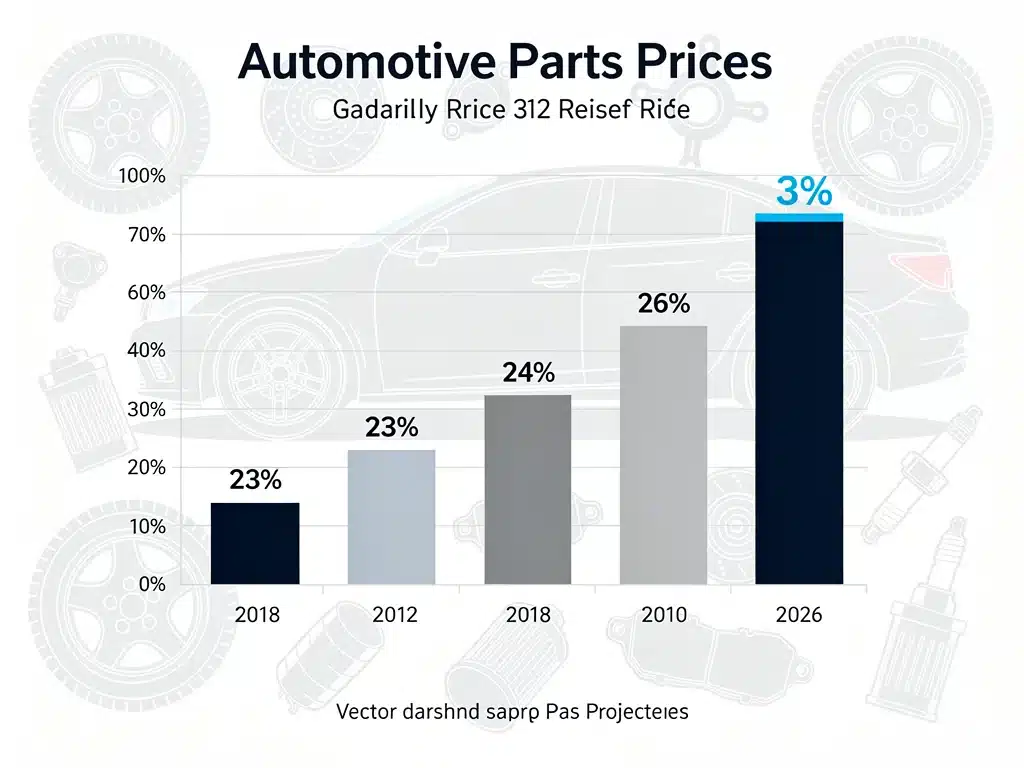
United States automotive maintenance costs are projected to increase by 3% by 2026, primarily due to persistent inflationary pressures impacting labor, parts, and operational expenses across the industry.
The landscape of vehicle ownership is continuously evolving, and one critical aspect that directly impacts consumers’ wallets is the cost of maintaining their automobiles. A recent market analysis projects that inflationary pressures affecting United States automotive maintenance costs by 3% in 2026 are set to become a significant financial consideration for vehicle owners nationwide. This insightful report delves into the underlying factors driving this increase and what it means for the future of auto care in the U.S.
Advertisements
Understanding the Drivers of Rising Maintenance Costs
The anticipated 3% increase in automotive maintenance costs by 2026 isn’t a singular phenomenon but rather the culmination of several macroeconomic and industry-specific factors. These drivers range from global supply chain disruptions to shifts in labor markets, all converging to exert upward pressure on prices for parts and services.
One of the primary contributors is the persistent inflation observed across various sectors of the U.S. economy. This broad economic trend naturally extends to the automotive aftermarket, affecting everything from raw material costs to transportation expenses. When the cost of producing and delivering components rises, those increases inevitably get passed down to the consumer.
Global Supply Chain Dynamics
The global supply chain has faced unprecedented challenges in recent years, from geopolitical tensions to lingering effects of the pandemic. These disruptions have created bottlenecks and increased lead times for critical automotive components, pushing prices higher. Manufacturers often have to pay more for expedited shipping or source from alternative, often more expensive, suppliers.
- Increased shipping costs for international parts.
- Shortages of crucial semiconductors and electronic components.
- Higher raw material prices, such as steel, aluminum, and plastics.
Furthermore, the complexity of modern vehicles, with their advanced electronics and specialized systems, means that repairs often require specific, high-tech parts that are less readily available and thus more expensive. The reliance on a global network for these intricate components makes the automotive sector particularly vulnerable to supply chain fluctuations.
In conclusion, the confluence of general economic inflation and specific vulnerabilities within the global automotive supply chain forms a powerful combination pushing maintenance costs upward. Understanding these foundational elements is crucial for anticipating future trends and preparing for their impact.
Impact of Labor Shortages and Skilled Technician Demand
Beyond the cost of parts, the price of labor constitutes a significant portion of any automotive repair bill. The United States automotive industry is currently grappling with a notable shortage of skilled technicians, a factor that is directly contributing to the projected rise in maintenance costs. This scarcity drives up wages and, consequently, the overall expense of vehicle servicing.
The demand for highly trained technicians capable of working on increasingly complex vehicles continues to outpace the supply. Modern cars are equipped with sophisticated diagnostic systems, electric powertrains, and advanced driver-assistance systems (ADAS), requiring specialized knowledge and continuous training. This specialization comes at a premium.
Training and Certification Costs
Automotive repair shops often invest heavily in training their technicians to keep up with technological advancements. These investments, along with the competitive salaries required to attract and retain talent, are ultimately reflected in the service rates charged to customers. Certification programs for specific brands or technologies are costly and time-consuming, adding to the overhead.
- Rising tuition fees for automotive technical schools.
- Increased demand for specialized diagnostic equipment.
- Higher wages and benefits to attract qualified mechanics.
The aging workforce in the automotive repair sector also contributes to the shortage. As experienced technicians retire, there aren’t enough new entrants to fill the void, further intensifying the competition for skilled labor. This dynamic ensures that labor costs will remain a significant upward force on maintenance expenses.
In summary, the critical shortage of skilled automotive technicians, coupled with the increasing complexity of vehicle technology, creates an environment where labor costs are inevitably on the rise. This factor is a key component of the overall inflationary trend impacting U.S. auto maintenance costs.
Technological Advancements and Repair Complexity
The rapid pace of technological innovation in the automotive industry, while offering numerous benefits to drivers, also introduces a new layer of complexity and cost to vehicle maintenance and repair. Modern vehicles are essentially computers on wheels, integrating advanced electronics, sophisticated sensors, and intricate software systems. This evolution directly impacts the tools, knowledge, and time required for effective servicing.
Diagnosing issues in a contemporary car often involves specialized diagnostic equipment and software that can cost tens of thousands of dollars. Mechanics are no longer just turning wrenches; they are increasingly becoming diagnostic experts and software troubleshooters. This shift necessitates ongoing investment by repair shops and continuous education for technicians, all of which contribute to higher service charges.
Specialized Tools and Software
Each new generation of vehicles often brings proprietary technologies and repair procedures, requiring specific tools and software licenses. This means that a general-purpose repair shop might struggle to service all makes and models without significant investment, potentially leading to fewer competitive options for consumers.
- Expensive proprietary diagnostic tools.
- Regular software updates and licensing fees.
- Increased time required for complex electronic diagnostics.
Furthermore, the integration of advanced safety features, such as ADAS (Advanced Driver-Assistance Systems), means that even minor bodywork can require recalibration of sensors and cameras, a process that is both time-consuming and technically demanding. These procedures add substantial costs to repairs that might have been simpler and cheaper in older vehicles.
Ultimately, the march of automotive technology, while enhancing vehicle performance and safety, concurrently elevates the cost and complexity of maintenance. This technological sophistication is a non-negotiable contributor to the projected increase in automotive upkeep expenses by 2026.
Regional Variations in Maintenance Cost Increases
While the overall projection indicates a 3% increase in United States automotive maintenance costs by 2026, it is crucial to recognize that this rise will not be uniformly distributed across all regions. Economic conditions, labor market dynamics, and regulatory environments vary significantly from state to state and even city to city, leading to distinct regional impacts on auto repair expenses.
Urban centers and states with higher costs of living typically experience elevated labor rates and operational expenses for repair shops. This means that residents in these areas may see a more pronounced increase in maintenance costs compared to those in more rural or economically conservative regions. Factors such as commercial rent, local taxes, and minimum wage laws all play a role in these disparities.
Geographic Influences on Pricing
The availability of skilled labor also varies geographically. Regions with strong vocational training programs or a higher concentration of automotive manufacturing might have a more robust supply of technicians, potentially mitigating some of the labor cost pressures. Conversely, areas struggling with technician shortages will likely see higher labor rates.
- Higher cost of living areas tend to have more expensive labor.
- States with stricter environmental regulations may have higher parts costs.
- Proximity to major parts distribution centers can affect shipping expenses.
Additionally, the types of vehicles most popular in a given region can influence average maintenance costs. Areas where luxury or import vehicles are prevalent might naturally incur higher repair expenses due to specialized parts and service requirements. This regional segmentation means that while the national average is a useful benchmark, individual experiences will differ.
In essence, the projected increase in automotive maintenance costs will manifest differently across the United States, shaped by a complex interplay of local economic factors, labor availability, and vehicle preferences. Understanding these regional nuances is vital for both consumers and industry stakeholders.
Consumer Strategies to Mitigate Rising Costs
Faced with the prospect of a 3% increase in United States automotive maintenance costs by 2026, consumers are naturally looking for ways to mitigate these rising expenses. Proactive planning and informed decision-making can significantly help in managing the financial impact of vehicle ownership. There are several practical strategies that drivers can adopt to keep their maintenance budgets in check.
One of the most effective approaches is diligent preventative maintenance. Adhering to the manufacturer’s recommended service schedule, including regular oil changes, tire rotations, and fluid checks, can prevent minor issues from escalating into costly repairs. A well-maintained vehicle is less likely to break down unexpectedly, saving money in the long run.
Smart Shopping for Parts and Services
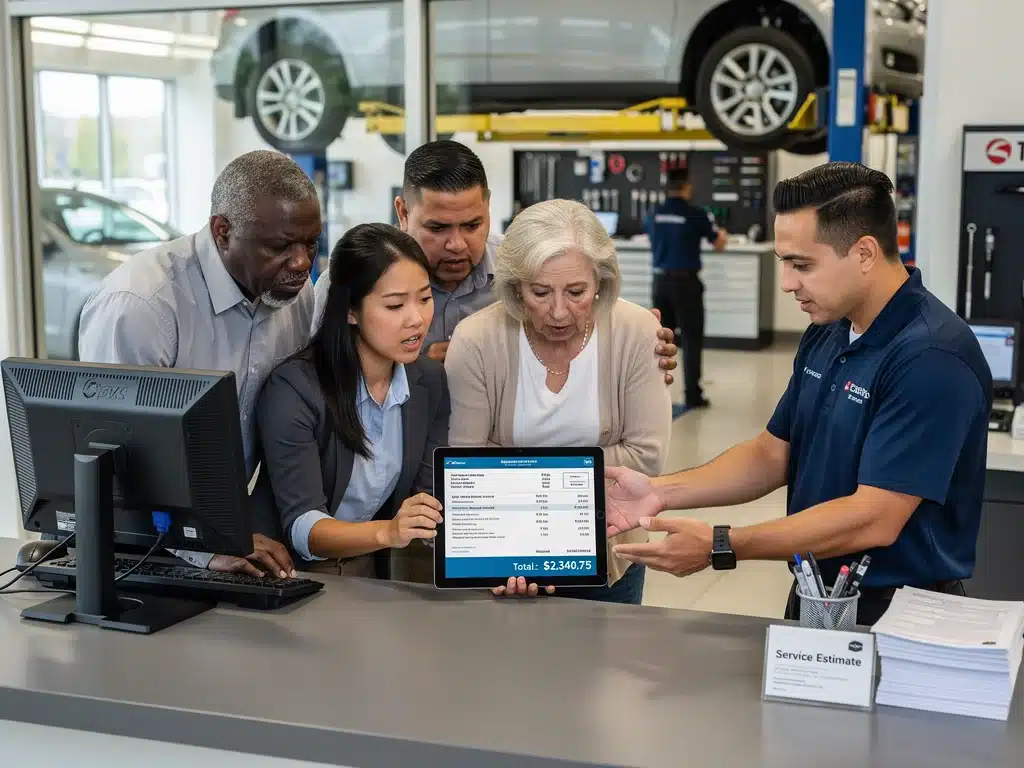
Consumers can also become savvier shoppers when it comes to parts and services. Comparing quotes from multiple repair shops, inquiring about aftermarket parts versus OEM (Original Equipment Manufacturer) parts, and considering independent mechanics versus dealerships can yield significant savings. Membership programs or extended warranties might also offer cost benefits.
- Regularly compare prices from different service providers.
- Consider high-quality aftermarket parts when appropriate.
- Explore extended warranty options for long-term protection.
Furthermore, staying informed about common issues for their specific vehicle model and learning basic DIY maintenance tasks, such as checking tire pressure or replacing air filters, can empower owners to reduce their reliance on professional services for simple tasks. Investing in a reliable vehicle known for its longevity and lower maintenance costs at the point of purchase can also be a long-term strategy.
In conclusion, while rising automotive maintenance costs are an undeniable trend, consumers are not without recourse. By embracing preventative care, intelligent shopping, and a degree of self-sufficiency, drivers can effectively manage and potentially offset the financial burden of vehicle upkeep.
Industry Response and Future Outlook
The projected 3% increase in United States automotive maintenance costs by 2026 is prompting various responses from within the automotive service industry. Repair shops, parts manufacturers, and technology developers are all seeking innovative solutions to address these inflationary pressures, aiming to maintain profitability while also attempting to offer competitive pricing to consumers. The future outlook suggests a blend of adaptation and strategic shifts.
Many repair facilities are investing in advanced diagnostic equipment and training to enhance efficiency and reduce the time spent on complex repairs. There’s also a growing emphasis on digital tools for scheduling, communication, and inventory management, all designed to streamline operations and potentially offset rising overheads. The industry is also exploring alternative sourcing for parts and optimizing supply chains to minimize disruptions.
Technological Innovations in Service
The rise of telematics and predictive maintenance technologies is a significant development. Vehicles equipped with these systems can alert owners to potential issues before they become critical, allowing for more timely and often less expensive repairs. This proactive approach can help manage costs by preventing major breakdowns.
- Expansion of mobile repair services for convenience and efficiency.
- Increased adoption of AI-powered diagnostic tools.
- Development of more durable and long-lasting automotive components.
Moreover, the growth of the electric vehicle (EV) market will introduce new maintenance dynamics. While EVs typically have fewer moving parts and may require less traditional maintenance (like oil changes), their specialized components and high-voltage systems present unique repair challenges and costs. The industry is actively preparing for this shift, developing new training programs and infrastructure.
Ultimately, the automotive maintenance industry is at a pivotal juncture, navigating inflationary dynamics through technological adoption, operational efficiencies, and strategic foresight. The collective efforts to innovate and adapt will define the landscape of vehicle servicing in the coming years, aiming to balance rising costs with consumer expectations.
| Key Factor | Brief Description |
|---|---|
| Inflationary Pressures | General economic inflation impacting raw materials, transportation, and operational costs for repair shops. |
| Labor Shortages | Scarcity of skilled automotive technicians driving up wages and service rates across the industry. |
| Technological Advances | Increased complexity of modern vehicles requiring specialized tools, software, and advanced training for repairs. |
| Supply Chain Issues | Global disruptions causing increased lead times and higher costs for automotive parts and components. |
Frequently Asked Questions About Auto Maintenance Costs
The projected 3% increase stems from a combination of factors including general economic inflation, global supply chain disruptions affecting parts availability and cost, persistent labor shortages for skilled technicians, and the rising complexity of modern vehicle technology requiring specialized tools and training.
A scarcity of qualified automotive technicians drives up demand for their services. Repair shops must offer higher wages and benefits to attract and retain talent, and these increased labor costs are then passed on to consumers through higher hourly rates for repairs and services.
No, the 3% increase is a national average. Regional variations are expected due to differing costs of living, local labor market conditions, specific regulatory environments, and the prevalence of certain vehicle types. Urban areas may see higher increases than rural ones.
Consumers can practice diligent preventative maintenance, compare quotes from multiple shops, consider high-quality aftermarket parts, and explore extended warranty options. Learning basic DIY maintenance tasks and choosing reliable vehicles also helps manage expenses effectively.
The industry is responding by investing in advanced diagnostics and technician training, optimizing supply chains, and adopting digital tools for efficiency. Predictive maintenance technologies and preparing for the unique maintenance demands of electric vehicles are also key strategies being implemented.
Conclusion
The analysis clearly indicates that inflationary pressures affecting United States automotive maintenance costs by 3% in 2026 are a tangible reality that both consumers and industry players must contend with. This projected increase is not merely an abstract figure but a reflection of complex economic forces, labor market dynamics, and the relentless march of automotive technology. While the challenges are significant, understanding these drivers empowers consumers to adopt proactive strategies and encourages the industry to innovate and adapt. The future of automotive maintenance in the U.S. will undoubtedly require a collaborative effort to ensure vehicle reliability remains accessible and affordable, even amidst a landscape of rising costs.