Predictive Maintenance for Automotive Systems: AI to Save 20% by 2026
Advertisements
Predictive maintenance for automotive systems: How AI can save you 20% on repairs in 2026 is rapidly transforming vehicle care by leveraging artificial intelligence to anticipate and prevent costly breakdowns before they occur.
The automotive industry is on the cusp of a profound transformation, driven by advancements in artificial intelligence. Specifically, predictive maintenance for automotive systems: How AI can save you 20% on repairs in 2026 is emerging as a game-changer, promising not only significant cost savings but also enhanced vehicle reliability and safety. Imagine a world where your car tells you exactly when and what needs attention, long before a minor issue escalates into a major breakdown. This isn’t a futuristic fantasy; it’s the near-term reality AI is creating for vehicle owners and fleet managers across the United States.
Advertisements
Understanding AI-driven predictive maintenance
Predictive maintenance, at its core, is about foresight. It’s the ability to anticipate equipment failures before they happen, moving beyond traditional scheduled maintenance or reactive repairs. When infused with artificial intelligence, this concept gains unparalleled power, transforming raw data into actionable insights for automotive systems. AI algorithms can analyze vast quantities of data from vehicle sensors, historical repair records, and even environmental factors to identify subtle patterns indicative of impending component failure. This proactive approach ensures that maintenance is performed precisely when needed, optimizing vehicle uptime and reducing unexpected expenses.
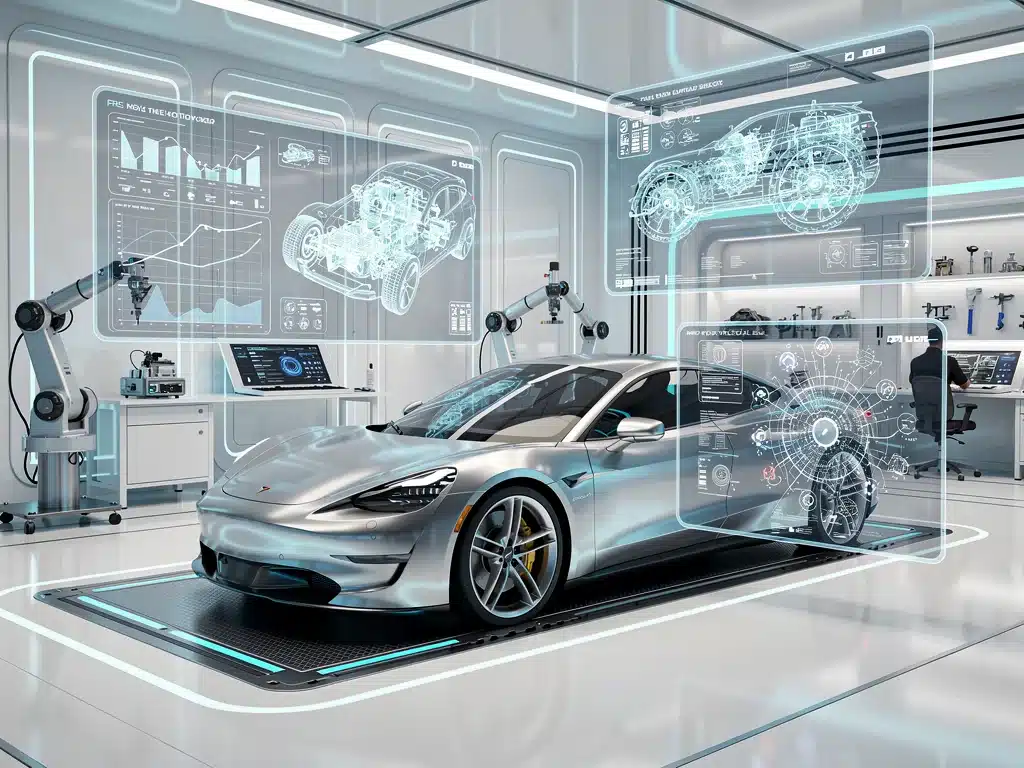
The integration of AI into automotive maintenance systems involves several key technological components. Telematics, IoT sensors, and advanced data analytics platforms all play crucial roles in collecting, transmitting, and processing the information necessary for AI models to make accurate predictions. These systems continuously monitor everything from engine performance and brake wear to battery health and tire pressure, creating a comprehensive digital twin of the vehicle’s operational state. This constant surveillance allows for a nuanced understanding of a vehicle’s health, far beyond what human inspection alone could achieve.
The shift from reactive to proactive maintenance
- Reactive maintenance: Repairs are only performed after a failure occurs, often leading to costly breakdowns and unplanned downtime.
- Preventive maintenance: Maintenance is conducted at fixed intervals, regardless of the actual condition of components, potentially leading to unnecessary replacements or missed early signs of failure.
- Predictive maintenance: Utilizes data analysis to forecast failures, enabling maintenance to be scheduled optimally, just before a component is likely to fail.
This paradigm shift is particularly impactful in the automotive sector, where component failures can have significant safety and financial implications. By predicting issues, AI helps avoid catastrophic breakdowns, extends the lifespan of parts, and ensures that vehicles remain reliable on the road. The ability to forecast maintenance needs with high accuracy is a cornerstone of the projected 20% repair cost savings by 2026, as it minimizes emergency repairs and optimizes resource allocation for service centers.
In essence, AI-driven predictive maintenance is not just about fixing cars; it’s about optimizing their entire lifecycle. It provides intelligence that allows for smarter decisions, leading to more efficient operations, reduced environmental impact, and a better experience for vehicle owners. The foundational technologies are maturing rapidly, paving the way for widespread adoption and tangible benefits across the automotive ecosystem.
Key technologies enabling AI predictive maintenance
The realization of AI-driven predictive maintenance hinges on a sophisticated interplay of cutting-edge technologies. These components work in concert to collect, process, analyze, and act upon vehicle data, forming the backbone of intelligent maintenance systems. Without these foundational elements, the promise of proactive vehicle care would remain largely unfulfilled. Understanding them is crucial to appreciating the full scope of this technological revolution.
Central to this ecosystem are advanced sensors embedded throughout modern vehicles. These aren’t just your standard dashboard indicators; they are high-precision instruments capable of monitoring minute changes in temperature, pressure, vibration, electrical signals, and fluid levels. These sensors generate a constant stream of data, providing a real-time snapshot of the vehicle’s health. The sheer volume and velocity of this data necessitate robust communication channels and powerful processing capabilities to make it useful.
The role of IoT and telematics
- Internet of Things (IoT): Connects various sensors and vehicle components to a central network, enabling real-time data collection and transmission.
- Telematics: Specifically refers to the long-distance transmission of computerized information, crucial for sending vehicle data to cloud-based AI platforms for analysis.
- Edge computing: Processing data closer to the source (i.e., within the vehicle or at a local gateway) to reduce latency and bandwidth usage before sending critical insights to the cloud.
Once collected, this data is often transmitted via telematics systems to cloud-based platforms where powerful AI and machine learning algorithms reside. These algorithms are trained on massive datasets comprising historical repair records, component specifications, driving patterns, and even weather conditions. They learn to identify subtle anomalies and patterns that human technicians might miss, signaling potential issues long before they manifest as noticeable symptoms. Machine learning models, such as neural networks and decision trees, are particularly adept at this pattern recognition, continuously improving their predictive accuracy as they ingest more data.
Furthermore, cloud computing provides the scalable infrastructure needed to store and process this enormous influx of data. It enables complex AI models to run efficiently, delivering insights back to vehicle owners, service centers, and manufacturers. The synergy between these technologies creates a powerful feedback loop, where data informs AI, AI generates predictions, and those predictions lead to timely, targeted maintenance actions, ultimately contributing to the significant cost savings anticipated by 2026.
The economic impact: Saving 20% on repairs
The promise of saving 20% on automotive repairs by 2026 through AI-driven predictive maintenance is a bold claim, yet one rooted in sound economic principles and technological capabilities. This substantial reduction stems from several interconnected factors that fundamentally alter the cost structure of vehicle ownership and fleet management. By shifting from reactive to proactive maintenance, the automotive industry can unlock efficiencies that were previously unattainable, leading to direct and indirect financial benefits.
One of the most significant cost drivers in automotive repair is the need for emergency services. When a component fails unexpectedly, it often leads to towing fees, expedited part shipping, and higher labor costs for urgent repairs. Predictive maintenance eliminates many of these emergency situations by identifying potential failures weeks or months in advance. This allows for planned maintenance during off-peak hours, at standard rates, and with parts ordered in advance, significantly reducing the overall expenditure associated with unexpected breakdowns.
How AI reduces repair costs
The efficiency gains are not limited to avoiding emergencies. AI also optimizes inventory management for service centers. By knowing which parts are likely to fail on which vehicles in their service area, repair shops can maintain a more precise inventory, reducing carrying costs and ensuring parts are readily available when needed. This minimizes delays for customers and improves the overall service experience.
- Reduced unplanned downtime: Vehicles spend less time in the shop due especially for commercial fleets, translating directly into increased operational revenue.
- Optimized part replacement cycles: Components are replaced based on actual wear and tear, not arbitrary schedules, extending their useful life and preventing premature replacements.
- Lower labor costs: Scheduled repairs are often less complex and time-consuming than emergency fixes, allowing technicians to work more efficiently.
- Improved fuel efficiency: Maintaining vehicle components in optimal condition can lead to better engine performance and reduced fuel consumption over time.
Furthermore, AI can help in diagnosing the root cause of issues more accurately. Instead of replacing multiple components in a trial-and-error fashion, AI can pinpoint the exact failing part, saving on both parts and labor. This precision also reduces the chances of repeat repairs for the same underlying problem. For individual car owners, this means fewer trips to the mechanic and a greater sense of confidence in their vehicle’s reliability. For businesses operating large fleets, the financial impact of a 20% reduction in repair costs can be enormous, directly boosting their bottom line. The economic advantages of AI-driven predictive maintenance are clear and compelling, making it a critical area of investment for the automotive sector.
Benefits beyond cost savings for consumers and businesses
While the 20% repair cost savings by 2026 is a powerful incentive, the advantages of AI-driven predictive maintenance extend far beyond financial considerations. Both individual consumers and large fleet operators stand to gain a multitude of benefits that enhance safety, convenience, and operational efficiency. These broader impacts underscore the transformative potential of this technology, positioning it as a cornerstone of future automotive care.
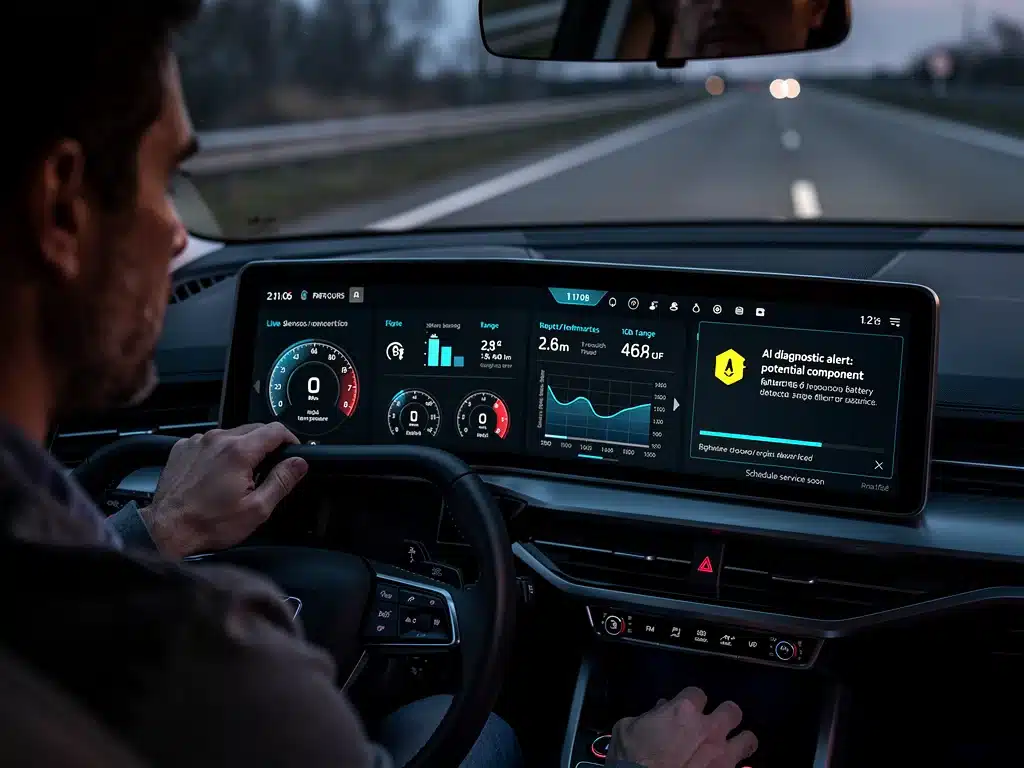
For consumers, one of the most immediate benefits is enhanced vehicle reliability and safety. Imagine driving with the peace of mind that your car’s critical systems are constantly being monitored for potential faults, and you’ll be alerted well in advance of any impending issues. This proactive approach significantly reduces the risk of unexpected breakdowns on the road, which can be not only inconvenient but also dangerous. Fewer breakdowns mean less stress, more predictable travel, and a greater sense of security for drivers and their families.
Improved customer experience and operational efficiency
Fleet businesses, in particular, will see substantial improvements in operational efficiency. Downtime is a major cost factor for commercial vehicles; every hour a truck or delivery van is off the road due to maintenance is an hour of lost revenue. Predictive maintenance minimizes this downtime by allowing repairs to be scheduled strategically, often during non-operational hours, ensuring vehicles are always available when needed. This optimization of scheduling also helps in better resource allocation, from technician availability to workshop space.
- Increased vehicle uptime: Commercial fleets can maximize their operational hours, directly impacting productivity and profitability.
- Extended asset lifespan: Proactive maintenance helps components last longer, delaying the need for costly vehicle replacements.
- Enhanced safety: Early detection of potential failures reduces the risk of accidents caused by mechanical issues.
- Better resale value: A well-maintained vehicle with a documented history of proactive care is likely to command a higher resale price.
- Environmental benefits: Optimal vehicle performance can lead to reduced emissions and better fuel economy.
Moreover, the data collected by these systems can be invaluable for vehicle manufacturers, informing future design improvements and identifying common failure points. This feedback loop leads to the production of more robust and reliable vehicles over time. The overall customer experience is elevated through greater transparency, fewer surprises, and a more personalized approach to vehicle service. Ultimately, AI-driven predictive maintenance creates a win-win scenario, benefiting all stakeholders in the automotive ecosystem by making vehicle ownership and operation safer, more efficient, and more enjoyable.
Challenges and considerations for widespread adoption
Despite the compelling benefits, the path to widespread adoption of AI-driven predictive maintenance in automotive systems is not without its challenges. Overcoming these hurdles will require concerted effort from manufacturers, service providers, and consumers alike. Addressing these considerations proactively is essential to fully realize the projected 20% repair cost savings by 2026 and to integrate this technology seamlessly into the automotive landscape. The complexities range from technical infrastructure to data privacy concerns and the human element.
One primary challenge is the sheer volume and complexity of data generated by modern vehicles. Collecting, transmitting, storing, and processing this data in real-time requires robust infrastructure and sophisticated analytical capabilities. Ensuring data quality and consistency across a diverse range of vehicle models and manufacturers is also a significant undertaking. Inaccurate or incomplete data can lead to erroneous predictions, undermining the trust in the system and potentially leading to unnecessary repairs or missed critical issues.
Data privacy and cybersecurity concerns
- Data ownership: Clarifying who owns the vast amounts of vehicle data generated – the driver, the manufacturer, or third-party service providers – is a complex legal and ethical question.
- Privacy protection: Ensuring personal driving data is collected and used responsibly, without infringing on individual privacy rights, is paramount.
- Cybersecurity risks: Protecting vehicle systems and transmitted data from cyber threats, such as hacking or unauthorized access, is critical to maintaining system integrity and user safety.
Another significant hurdle is the cost of implementing and integrating these advanced systems. While the long-term savings are substantial, the initial investment in sensors, telematics, AI platforms, and technician training can be considerable. This might be a barrier for smaller independent repair shops or for consumers purchasing older vehicle models not equipped with the necessary hardware. Standardization across the industry will also be crucial to ensure interoperability and ease of integration for various components and software platforms.
Furthermore, human factors play a vital role. Technicians will need new skills to interpret AI diagnoses and perform maintenance based on predictive insights. Training programs must be developed to upskill the workforce, transitioning them from reactive repair specialists to proactive maintenance strategists. Consumer education is also important, as drivers need to understand how these systems work and trust their recommendations. Addressing these multifaceted challenges will be key to unlocking the full potential of AI-driven predictive maintenance and ensuring its successful and widespread implementation.
The future landscape: AI and the evolving automotive service model
The integration of AI into predictive maintenance is not merely an incremental improvement; it signals a fundamental shift in the entire automotive service model. As we approach 2026 and beyond, the traditional garage experience will evolve dramatically, becoming more intelligent, personalized, and efficient. This transformation will reshape everything from how vehicles are designed and manufactured to how they are maintained and eventually decommissioned. The service landscape will be characterized by greater connectivity, data-driven decision-making, and a seamless interaction between vehicle, owner, and service provider.
One of the most significant changes will be the move towards highly personalized maintenance schedules. Instead of generic service intervals, vehicles will essentially dictate their own needs based on their unique operational data, driving habits, and environmental conditions. This level of customization ensures that maintenance is always optimal, preventing both premature and delayed servicing. Service centers will transition into data-driven hubs, using AI insights to manage their workload, order parts, and allocate technicians more effectively, leading to faster turnaround times and higher customer satisfaction.
Emerging trends and implications
The relationship between vehicle owners and manufacturers will also deepen. Manufacturers will gain unprecedented insights into the real-world performance of their vehicles, allowing for rapid iteration in design and engineering. This continuous feedback loop will accelerate innovation, leading to more reliable, durable, and efficient automobiles. Over-the-air (OTA) updates, already common for software, could extend to predictive maintenance algorithms, continuously improving their accuracy and capabilities.
- Proactive service notifications: Vehicles will alert owners directly or even schedule service appointments automatically with preferred dealerships or repair shops.
- Remote diagnostics and minor fixes: Some issues might be diagnosed and even resolved remotely through software updates, reducing the need for physical visits.
- Integration with autonomous vehicles: Predictive maintenance will be crucial for ensuring the continuous, safe operation of self-driving cars, where downtime is unacceptable.
- New business models: Subscription-based maintenance services and performance-based insurance models could emerge, leveraging predictive data.
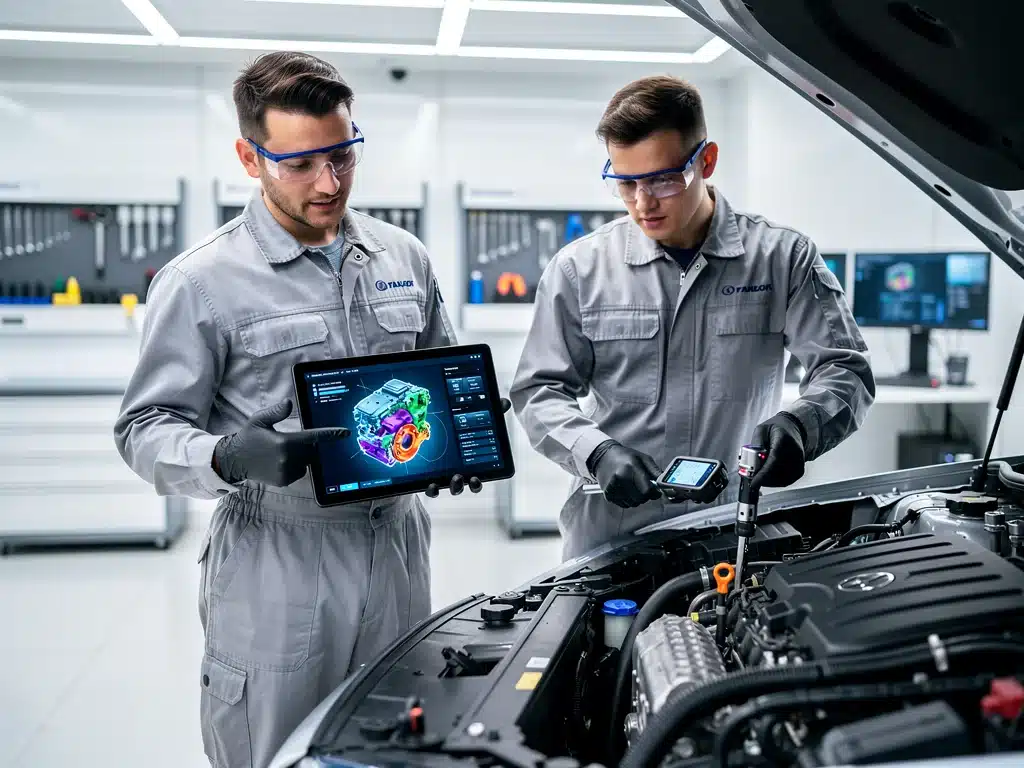
The evolving service model will also see an increased collaboration between human technicians and AI systems. AI will augment human expertise, providing diagnostic support and predictive alerts, allowing technicians to focus on complex repairs and value-added services. This synergy will create a more skilled and efficient workforce. Ultimately, the future automotive service model, powered by AI-driven predictive maintenance, promises a more intelligent, responsive, and cost-effective approach to vehicle care, redefining our expectations for automotive ownership and operation.
Implementing AI predictive maintenance: A roadmap for success
For automotive entities, both manufacturers and service providers, successfully implementing AI predictive maintenance requires a strategic and phased approach. It’s not simply about adopting new technology; it’s about integrating it into existing workflows, training personnel, and creating a culture that embraces data-driven decision-making. A clear roadmap is essential to navigate the complexities and unlock the full potential of this transformative technology, culminating in the anticipated 20% repair cost savings by 2026.
The initial step involves a thorough assessment of current infrastructure and capabilities. This includes evaluating existing sensor technology in vehicles, telematics systems, and data storage solutions. Identifying gaps and planning for necessary upgrades is crucial. For newer vehicles, much of the foundational hardware may already be in place, requiring primarily software and AI model integration. For older fleets, retrofitting with additional sensors and telematics units might be necessary to capture the required data.
Key steps for effective deployment
Once the infrastructure is in place, the focus shifts to data strategy. Defining what data to collect, how to ensure its quality, and how to store it securely are paramount. This also involves establishing robust data governance policies to address privacy concerns and compliance with regulations. Building or acquiring the right AI and machine learning expertise is another critical element. This could involve hiring data scientists and AI engineers or partnering with specialized technology providers.
- Pilot programs: Start with small-scale implementations on a subset of vehicles or a specific fleet to test the system, gather feedback, and refine the models before a wider rollout.
- Technician training: Develop comprehensive training programs to equip maintenance personnel with the skills needed to work with AI tools, interpret predictive insights, and perform data-informed repairs.
- Phased rollout: Implement the technology incrementally, expanding its scope and capabilities as experience is gained and benefits are demonstrated.
- Continuous monitoring and improvement: AI models require ongoing monitoring, recalibration, and updates to maintain accuracy and adapt to new vehicle types and operating conditions.
Change management is also a vital aspect. Introducing new technologies often faces resistance, so clear communication about the benefits, comprehensive training, and involving employees in the transition process are essential for smooth adoption. By carefully planning and executing these steps, organizations can effectively implement AI predictive maintenance, not only achieving significant cost reductions but also future-proofing their operations in an increasingly data-driven automotive world. This structured approach ensures that the transition is efficient, effective, and ultimately successful in achieving the promised benefits.
| Key Aspect | Description |
|---|---|
| Core Concept | Utilizes AI to anticipate vehicle component failures before they occur, shifting from reactive to proactive maintenance. |
| Key Technologies | IoT sensors, telematics, cloud computing, and machine learning algorithms are essential for data collection and analysis. |
| Economic Impact | Projected 20% reduction in repair costs by 2026 due to fewer emergency repairs, optimized parts, and reduced downtime. |
| Broader Benefits | Enhances vehicle safety, extends asset lifespan, improves operational efficiency, and elevates the overall customer experience. |
Frequently asked questions about AI predictive maintenance
AI predictive maintenance uses artificial intelligence to analyze data from vehicle sensors and historical records. It identifies patterns and predicts potential component failures before they occur, allowing for proactive scheduling of repairs and preventing costly breakdowns.
The 20% savings come from avoiding emergency repairs, optimizing maintenance schedules, reducing unnecessary part replacements, lowering labor costs, and increasing vehicle uptime, especially for commercial fleets. AI streamlines the entire maintenance process.
Key technologies include IoT sensors for data collection, telematics for data transmission, cloud computing for storage and processing, and advanced machine learning algorithms for pattern recognition and failure prediction. These work together to provide actionable insights.
Yes, challenges include managing vast data volumes, ensuring data quality and security, addressing privacy concerns, and the initial investment costs. Training technicians and gaining consumer trust are also important for widespread adoption.
It will shift towards personalized, data-driven maintenance schedules, increase vehicle uptime, enhance safety, and integrate more seamlessly with vehicle manufacturers. Service centers will become more efficient, using AI to optimize operations and improve customer experiences.
Conclusion
The convergence of artificial intelligence and automotive maintenance is ushering in an era of unprecedented efficiency and reliability. As explored throughout this article, predictive maintenance for automotive systems: How AI can save you 20% on repairs in 2026 is not merely a theoretical concept but a tangible reality rapidly taking shape. The economic benefits, particularly the projected 20% reduction in repair costs, are a powerful driver for adoption, but the advantages extend much further, encompassing enhanced safety, increased vehicle uptime, and a significantly improved ownership experience for both individual consumers and large-scale fleet operators. While challenges related to data management, privacy, and implementation costs remain, the strategic roadmap for success is clear. By embracing these technological advancements, the automotive industry stands to redefine vehicle care, making it smarter, more sustainable, and ultimately, more beneficial for everyone on the road. The future of automotive maintenance is intelligent, and it’s arriving sooner than many might expect.