Workwear Innovations 2026: Safety & Comfort in US Industrial Apparel
Advertisements
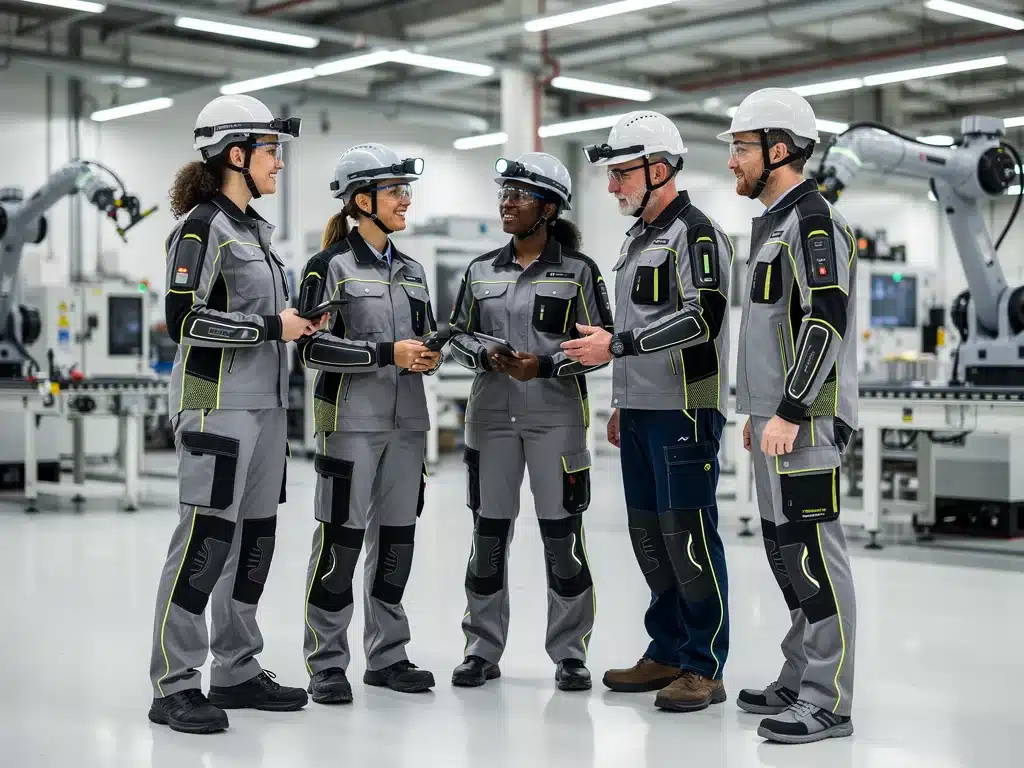
The landscape of US industrial apparel is undergoing a significant transformation, with workwear innovations 2026 prioritizing enhanced worker safety, superior comfort, and technological integration to meet the evolving demands of various industries.
As we approach 2026, the industrial sector in the United States is witnessing a profound shift in how workwear is designed, manufactured, and utilized. The focus is increasingly on integrating cutting-edge technology and advanced materials to not only protect workers but also enhance their overall well-being and productivity. These workwear innovations 2026 are not merely incremental improvements; they represent a fundamental rethinking of industrial apparel, driven by a commitment to safety, comfort, and sustainability.
Advertisements
The Rise of Smart Textiles and Wearable Technology
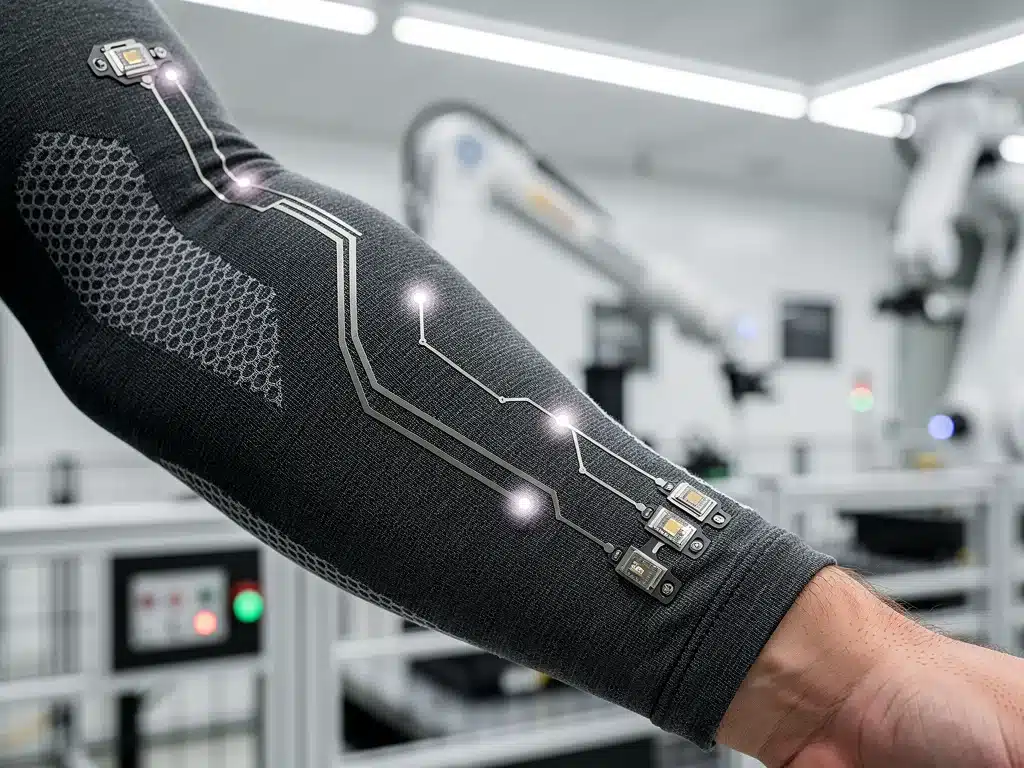
The integration of smart textiles and wearable technology is revolutionizing industrial workwear, moving beyond passive protection to active monitoring and preventive safety measures. These advancements are set to become standard in US industrial apparel by 2026, offering unprecedented levels of insight into worker health and environmental conditions.
Imagine garments that can detect a worker’s vital signs, alert supervisors to potential heat stress, or even identify hazardous gas leaks in real-time. This is no longer science fiction but a tangible reality, with sensors woven directly into fabric or integrated seamlessly into the garment’s structure. The data collected can be invaluable for proactive safety management, allowing for immediate interventions and reducing the risk of accidents or health-related incidents on the job site.
Real-time Health Monitoring
Smart workwear is increasingly equipped with capabilities to monitor crucial health parameters. This includes heart rate, body temperature, and even fatigue levels, providing a comprehensive overview of a worker’s physiological state.
- Heart Rate Tracking: Continuous monitoring can detect abnormalities, especially in physically demanding roles or high-stress environments.
- Temperature Regulation: Integrated sensors can alert workers and supervisors to early signs of heatstroke or hypothermia, crucial for outdoor or extreme environment jobs.
- Fatigue Detection: Algorithms analyze movement patterns and vital signs to identify fatigue, helping prevent errors and accidents caused by exhaustion.
These systems often connect to central monitoring platforms, allowing safety managers to oversee multiple workers simultaneously. The ability to receive instant alerts for critical changes empowers companies to respond swiftly, potentially saving lives and minimizing long-term health complications. This proactive approach marks a significant departure from traditional reactive safety protocols.
Environmental Hazard Detection
Beyond personal health, smart workwear is also being developed to sense and respond to environmental dangers. This includes detecting harmful chemicals, radiation, or even changes in air quality that could pose a risk to workers.
- Gas and Chemical Sensors: Miniaturized sensors can identify the presence of dangerous gases or chemical vapors, triggering immediate alarms.
- Radiation Dosimeters: For industries dealing with radioactive materials, integrated dosimeters provide real-time exposure data.
- Air Quality Monitors: Detecting particulate matter or other airborne contaminants helps ensure workers breathe clean air.
The precision and speed of these detection systems offer a critical layer of protection, particularly in confined spaces or environments with unpredictable hazards. By providing early warnings, workers can evacuate or take necessary precautions before exposure leads to serious health consequences. The constant evolution of sensor technology promises even more sophisticated detection capabilities in the years to come.
The adoption of smart textiles and wearable technology in workwear signifies a paradigm shift towards intelligent safety. These innovations empower both workers and management with actionable data, fostering a safer and more responsive work environment across various industrial sectors in the US.
Advanced Materials for Enhanced Durability and Protection
The foundation of effective industrial workwear lies in its materials. In 2026, the focus is heavily on advanced composites and innovative fabric treatments that offer superior protection against a wider range of hazards, alongside increased durability and reduced maintenance needs. These materials are engineered to withstand extreme conditions, from intense heat to abrasive friction, while maintaining their structural integrity and protective qualities over extended periods.
Traditional fabrics are being re-engineered at a molecular level, incorporating properties that were once thought impossible to combine. This includes self-healing capabilities, enhanced flame resistance without added bulk, and materials that actively repel hazardous substances. The goal is to create workwear that not only protects but also lasts longer, reducing the environmental footprint associated with frequent replacements and disposal.
Lightweight, High-Strength Fabrics
One of the most significant advances is the development of fabrics that are incredibly strong yet remarkably lightweight. This addresses a long-standing challenge in industrial apparel: providing robust protection without hindering worker mobility or causing excessive heat buildup.
- Aramid Fibers: Beyond traditional Kevlar, new generations of aramid fibers offer even greater cut and abrasion resistance with reduced weight.
- Polyethylene Composites: Ultra-high molecular weight polyethylene (UHMWPE) is being used to create fabrics that are highly resistant to tearing and punctures, ideal for sharp object handling.
- Blended Fabrics: Combining natural fibers with synthetics results in materials that offer the best of both worlds – comfort, breathability, and exceptional strength.
These lightweight materials translate directly into reduced worker fatigue, especially for those who wear protective gear for extended shifts. The ability to move freely and comfortably, coupled with superior protection, significantly improves both safety compliance and overall job performance. The ongoing research in material science continues to push the boundaries of what’s possible.
Enhanced Chemical and Flame Resistance
Protection against chemical spills and fire remains paramount in many industrial settings. New material innovations are offering more effective and long-lasting solutions, often integrated directly into the fabric rather than being a superficial coating.
- Inherently Flame-Resistant (IFR) Fabrics: These fabrics have flame-resistant properties built into their molecular structure, meaning they won’t wash out or wear off over time.
- Chemical Repellent Finishes: Advanced hydrophobic and oleophobic treatments create a barrier that actively repels a wide range of hazardous liquids, preventing absorption.
- Multi-Hazard Protection: Integrated fabrics are emerging that offer simultaneous protection against multiple threats, such as flame, arc flash, and chemical splash, simplifying workwear selection.
The reliability of these enhanced materials is critical for worker safety. Unlike older treatments that could degrade with washing or wear, modern inherently protective fabrics maintain their efficacy throughout the garment’s lifespan. This ensures consistent protection and reduces the need for frequent inspections or replacements, enhancing both safety and cost-efficiency for industrial operations.
The constant evolution of material science is driving the development of workwear that is not only safer but also more durable and adaptable to the diverse and challenging environments of US industrial workplaces.
Ergonomic Design and Comfort-Driven Innovation
Beyond protection, the comfort and ergonomic design of workwear are increasingly recognized as critical factors influencing worker productivity, morale, and even safety compliance. Uncomfortable workwear can lead to distraction, reduced mobility, and a reluctance to wear necessary protective gear. By 2026, industrial apparel is designed with the human body in mind, incorporating features that enhance natural movement and reduce strain.
This shift involves a deeper understanding of biomechanics and thermoregulation, ensuring that garments fit well, allow for a full range of motion, and manage temperature effectively. The goal is to create workwear that workers want to wear, not just because it’s required, but because it genuinely improves their experience on the job.
Flexible and Articulated Garments
Modern workwear designs are moving away from rigid, restrictive styles towards more flexible and articulated constructions. This allows workers to perform tasks requiring bending, stretching, and reaching without feeling constrained.
- Stretch Panels: Strategically placed elastic panels in key movement areas, such as the back, knees, and elbows, improve flexibility.
- Articulated Joints: Pre-shaped or gusseted designs at joints mimic natural body movements, reducing fabric bunching and discomfort.
- Adjustable Features: Cuffs, waistbands, and hemlines with adjustable closures allow for a customized fit, accommodating different body shapes and layering needs.
These design elements are crucial for maintaining agility and preventing fatigue. When workwear moves with the body rather than against it, workers can perform their duties more efficiently and with less physical strain. This ergonomic consideration is not just about comfort; it’s a direct contributor to injury prevention and long-term worker health, minimizing the risk of musculoskeletal disorders.
Advanced Thermoregulation Systems
Managing body temperature is vital for comfort and safety, especially in extreme hot or cold environments. Innovations in thermoregulation are addressing this challenge with sophisticated solutions.
- Phase Change Materials (PCMs): These materials absorb, store, and release heat to maintain an optimal body temperature, preventing overheating or chilling.
- Ventilation Zones: Strategically placed mesh panels or laser-cut perforations enhance airflow in high-sweat areas, improving breathability.
- Moisture-Wicking Fabrics: Advanced fabrics draw sweat away from the skin, promoting evaporation and keeping workers dry and comfortable.
Effective thermoregulation not only enhances comfort but also plays a critical role in preventing heat stress, dehydration, and hypothermia, which can lead to serious health issues or impaired judgment. By integrating these systems, workwear in 2026 ensures that workers can maintain focus and perform optimally, regardless of external temperatures. The combination of flexible design and smart temperature management creates a truly comfortable and protective garment.
Sustainability and Eco-Friendly Workwear Solutions
As environmental consciousness grows, the industrial apparel sector is increasingly focusing on sustainability. By 2026, eco-friendly workwear solutions are not just a niche market but a significant trend, driven by both corporate responsibility and consumer demand. This involves rethinking the entire lifecycle of garments, from raw material sourcing to disposal.
The push for sustainability encompasses various aspects, including the use of recycled or organic materials, energy-efficient manufacturing processes, and the development of durable, long-lasting products that reduce waste. Companies are recognizing that sustainable practices are not only good for the planet but also offer long-term economic benefits through reduced resource consumption and improved brand image.
Recycled and Bio-Based Materials
The use of recycled and bio-based materials is a cornerstone of sustainable workwear. This approach reduces reliance on virgin resources and minimizes the environmental impact of textile production.
- Recycled Polyester (rPET): Made from plastic bottles, rPET reduces plastic waste and lowers energy consumption compared to virgin polyester.
- Organic Cotton: Grown without harmful pesticides or synthetic fertilizers, organic cotton reduces chemical runoff and soil degradation.
- Bio-Based Polymers: Materials derived from renewable plant sources offer alternatives to petroleum-based synthetics, with comparable performance.
These materials are being engineered to maintain the high performance standards required for industrial workwear, ensuring that sustainability does not compromise safety or durability. The innovation in this area is rapid, with new eco-friendly fibers and blends continuously being developed, offering a broader range of sustainable choices for manufacturers and end-users.
Circular Economy Practices and Longevity
Embracing circular economy principles means designing workwear for longevity, repairability, and ultimately, recyclability. This minimizes waste and maximizes resource efficiency.
- Durable Construction: Garments are designed with reinforced seams and high-quality components to extend their lifespan, reducing the need for frequent replacements.
- Repair and Maintenance Programs: Companies are offering repair services or guidelines to help workers extend the life of their workwear, promoting a culture of reuse.
- End-of-Life Recycling: Initiatives are being developed to collect and recycle old workwear, turning it into new fibers or other products, closing the loop on textile waste.
By focusing on the entire product lifecycle, sustainable workwear aims to reduce its environmental footprint significantly. This not only benefits the planet but also offers cost savings for businesses in the long run by reducing procurement and waste disposal expenses. The commitment to sustainability is becoming a key differentiator in the industrial apparel market.
Personalized Fit and Customization Options
The concept of one-size-fits-all is rapidly becoming obsolete in industrial workwear. By 2026, personalized fit and customization options are gaining prominence, recognizing that a well-fitting garment is not only more comfortable but also safer and more effective. This trend is driven by advancements in digital tailoring, 3D body scanning, and modular design.
A poorly fitting garment can snag on machinery, restrict movement, or fail to provide adequate protection in critical areas. Customization ensures that each worker receives apparel perfectly suited to their body shape and the specific demands of their role, leading to improved performance and reduced risk.
3D Body Scanning for Precision Sizing
The advent of 3D body scanning technology is transforming how workwear is sized and fitted. This technology allows for highly accurate measurements, moving beyond traditional tape measures.
- Accurate Measurements: 3D scanners capture hundreds of data points, creating a precise digital model of an individual’s body.
- Reduced Errors: Eliminates human error in measurement, ensuring a more consistent and accurate fit.
- Optimized Sizing: Based on scan data, apparel can be ordered in the most appropriate standard size or even custom-tailored for unique body types.
This level of precision ensures that workwear fits snugly where it needs to for protection, while allowing ample room for movement where necessary. The result is a garment that feels custom-made, enhancing both comfort and the protective efficacy of the apparel. This technology also speeds up the fitting process and reduces the need for returns due to incorrect sizing.
Modular Workwear Systems
Modular design allows for greater flexibility and customization, enabling workers or companies to adapt workwear to specific tasks or changing environmental conditions. This approach involves garments with interchangeable components.
- Attachable Pockets and Pouches: Workers can add or remove pockets, tool loops, or specialized pouches as needed for different tasks.
- Layering Systems: Multi-layer garments with zip-in liners or detachable sleeves allow for easy adaptation to temperature changes.
- Customizable Protection: Reinforced panels or additional protective elements (e.g., knee pads, elbow guards) can be integrated or removed based on the specific job requirements.
Modular workwear systems offer unparalleled versatility, allowing for a single base garment to be adapted for a multitude of scenarios. This not only provides tailored protection but also represents a cost-effective solution, as companies can invest in fewer core garments and customize them with interchangeable accessories. The future of workwear is certainly moving towards a highly personalized and adaptable model.
Integration of Digital Twins and Predictive Maintenance
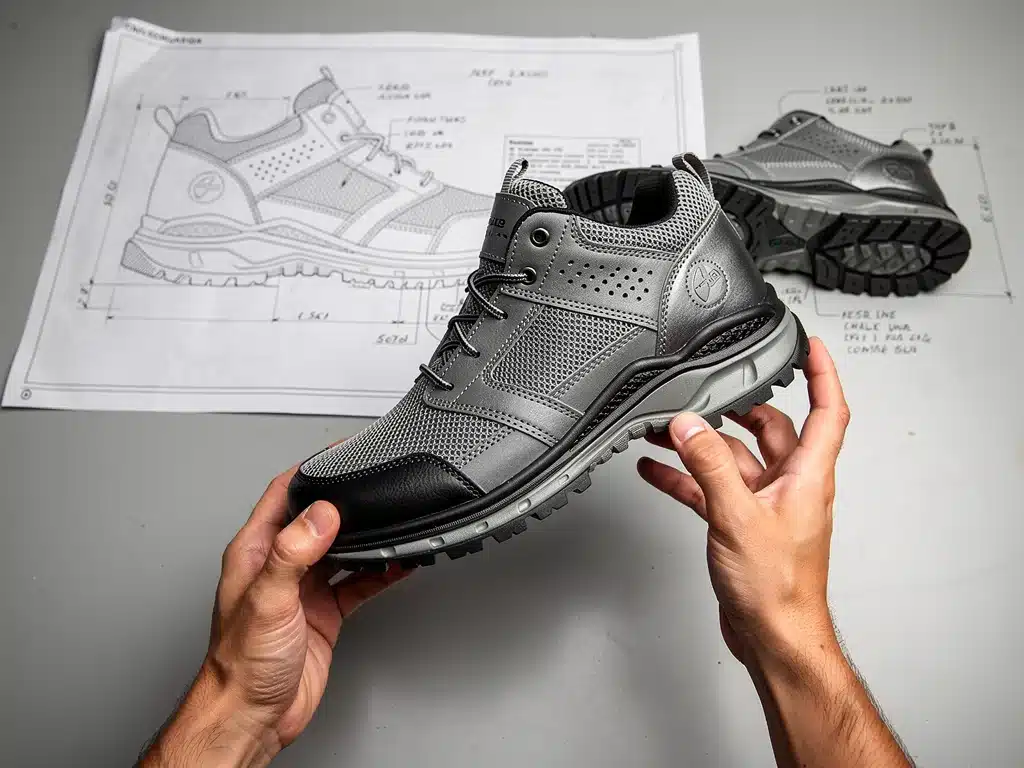
The concept of digital twins, traditionally used in manufacturing and engineering, is now extending to industrial workwear. By 2026, creating digital replicas of workwear garments will allow for predictive maintenance, optimized usage, and enhanced safety verification. This innovation leverages data from smart textiles and real-world usage to provide a comprehensive digital history of each garment.
A digital twin of a workwear item can track its wear and tear, exposure to hazards, and even its cleaning cycles. This information is crucial for determining when a garment needs repair, replacement, or re-certification, ensuring it always meets safety standards without premature disposal. This data-driven approach enhances both safety and sustainability.
Tracking Garment Lifespan and Integrity
Digital twins provide a meticulous record of each workwear item, allowing for precise tracking of its condition and performance over time. This moves beyond guesswork, offering objective data.
- Usage Monitoring: Sensors embedded in garments can record how often they are worn, washed, and exposed to specific conditions.
- Wear and Tear Analysis: Algorithms can analyze data to predict when certain parts of a garment might fail or degrade, such as seams or protective coatings.
- Certification Compliance: Digital twins can automatically track compliance with safety standards and alert when re-certification or replacement is due.
This detailed tracking ensures that workers are always protected by garments that are in optimal condition. It prevents the use of compromised workwear and avoids the unnecessary replacement of still-functional items. The result is a more efficient and safer workwear management system, reducing both risk and operational costs.
Optimized Inventory and Supply Chain Management
Beyond individual garment tracking, digital twins contribute significantly to optimizing the entire workwear inventory and supply chain. This leads to more efficient resource allocation and reduced waste.
- Demand Forecasting: By analyzing usage patterns and garment lifespans, companies can more accurately predict when new workwear will be needed, optimizing procurement.
- Smart Logistics: Digital twins can integrate with supply chain systems to track the location and status of workwear inventory, from manufacturing to distribution.
- Customized Orders: Data on worker sizes and preferences can inform future orders, ensuring that the right types and quantities of workwear are always available.
This holistic approach transforms workwear management into a predictive and highly efficient process. By leveraging digital twins, companies can minimize stockouts, reduce overstocking, and ensure that their workforce is always equipped with the appropriate and compliant industrial apparel. This level of integration streamlines operations and contributes to overall business agility.
The Role of AI and Machine Learning in Workwear Design
Artificial intelligence (AI) and machine learning (ML) are emerging as powerful tools in the design and development of industrial workwear. By 2026, these technologies are playing a crucial role in analyzing vast datasets, identifying trends, and even generating innovative design solutions that optimize for safety, comfort, and performance. AI’s ability to process complex information far surpasses human capabilities, leading to breakthroughs in material science and ergonomic design.
From predicting material performance under various stressors to optimizing garment patterns for specific body types and movements, AI is accelerating the innovation cycle. This allows manufacturers to create workwear that is not only highly protective but also perfectly suited to the diverse demands of the modern industrial workforce, pushing the boundaries of what industrial apparel can achieve.
Predictive Analytics for Material Performance
AI algorithms can analyze extensive data on material properties, environmental conditions, and real-world usage to predict how fabrics will perform under stress. This reduces the need for costly and time-consuming physical testing.
- Stress Testing Simulation: AI models can simulate how different fabrics react to heat, chemicals, abrasion, and impact, identifying optimal material combinations.
- Durability Forecasting: Machine learning can predict the lifespan of materials based on their composition and intended use, guiding material selection for specific applications.
- Failure Point Identification: AI can highlight potential weak points in garment design or material choice, allowing for proactive reinforcement.
This predictive capability allows designers to make more informed decisions during the development phase, leading to more robust and reliable workwear. By understanding material behavior at a deeper level, manufacturers can innovate with greater confidence, bringing advanced protective gear to market faster and more efficiently. The iterative design process becomes significantly more streamlined and effective.
Generative Design for Ergonomics and Functionality
Generative design, powered by AI, explores countless design variations based on specified parameters, such as body geometry, range of motion, and protective requirements. This leads to highly optimized and often unconventional workwear designs.
- Optimized Pattern Generation: AI can create garment patterns that maximize flexibility and minimize material waste, tailored to individual or common body shapes.
- Ventilation Optimization: Algorithms can design optimal placement and size of ventilation zones for maximum airflow and thermoregulation.
- Weight Distribution: AI can suggest design modifications to evenly distribute the weight of protective elements, enhancing comfort and reducing fatigue.
Generative design moves beyond traditional human design limitations, uncovering novel solutions that might otherwise be overlooked. This means workwear can be precisely engineered for specific tasks and environments, resulting in garments that offer superior ergonomics and functionality. The fusion of AI with design principles is unlocking a new era of highly effective and personalized industrial apparel, making work safer and more comfortable for everyone.
Regulatory Landscape and Certification Evolution
The rapid pace of innovation in industrial workwear necessitates an equally dynamic regulatory landscape. By 2026, certification processes and safety standards are evolving to keep pace with new materials, smart technologies, and design philosophies. In the US, regulatory bodies are working to ensure that these advanced garments not only meet but exceed existing safety benchmarks, providing clear guidelines for manufacturers and end-users.
This evolution includes developing new testing protocols for smart textiles, updating performance requirements for advanced protective materials, and integrating sustainability metrics into certification. The goal is to maintain a high level of worker protection while fostering innovation and ensuring market trust in new workwear solutions.
Adapting Standards for Smart Workwear
The introduction of smart textiles and wearable technology presents unique challenges for existing safety standards. New protocols are being developed to assess the reliability, accuracy, and security of these integrated systems.
- Data Integrity and Privacy: Standards are emerging to ensure that sensitive worker health data collected by smart garments is secure and compliant with privacy regulations.
- Sensor Accuracy and Calibration: New testing methods verify the precision and longevity of embedded sensors, ensuring their readings are consistently reliable.
- Electrical Safety: Guidelines are being established for the safe integration of electronic components into fabrics, particularly concerning electrical hazards and electromagnetic compatibility.
These adapted standards are crucial for building confidence in smart workwear technologies. Without robust certification, widespread adoption could be hindered by concerns over reliability and data security. Regulatory bodies are working closely with industry innovators to create a framework that supports technological advancement while prioritizing worker safety above all else.
Performance-Based Certification
The trend is moving towards more performance-based certification, where garments are tested against real-world scenarios rather than just material specifications. This ensures that workwear performs effectively in actual operational conditions.
- Dynamic Testing: Evaluations now include testing garments under active movement, simulating the stresses of typical industrial tasks.
- Multi-Hazard Scenarios: Certification can involve testing workwear against combinations of hazards, such as flame exposure while simultaneously being subjected to chemical splash.
- Lifecycle Performance: Standards are increasingly considering how protective qualities are maintained over the garment’s expected lifespan, including after multiple washes or repairs.
Performance-based certification provides a more accurate and comprehensive assessment of workwear’s protective capabilities. It encourages manufacturers to innovate beyond minimum requirements, focusing on holistic garment performance. This ensures that industrial apparel in 2026 offers superior, verifiable protection, giving both employers and workers greater peace of mind in demanding environments.
| Key Development | Brief Description |
|---|---|
| Smart Textiles & Wearables | Integration of sensors for real-time health monitoring and environmental hazard detection. |
| Advanced Materials | Lightweight, high-strength fabrics with enhanced chemical and flame resistance. |
| Ergonomic Design | Flexible garments and advanced thermoregulation for superior comfort and mobility. |
| Sustainability Focus | Utilizing recycled/bio-based materials and circular economy practices for eco-friendly apparel. |
Frequently Asked Questions About 2026 Workwear Innovations
The primary drivers include enhanced worker safety, increased comfort for improved productivity, the integration of advanced technologies like smart textiles, and a growing emphasis on environmental sustainability. Companies are also seeking personalized solutions and data-driven insights for better management.
Smart textiles enhance safety by integrating sensors that monitor vital signs, detect fatigue, and identify environmental hazards like gas leaks or extreme temperatures in real-time. This provides immediate alerts, enabling proactive interventions to prevent accidents and health issues on site.
Ergonomic design is crucial for comfort, mobility, and reducing worker fatigue. It involves flexible fabrics, articulated joints, and advanced thermoregulation systems. This ensures workwear moves with the body, preventing strain, improving agility, and enhancing overall job performance and safety compliance.
Yes, sustainable materials like recycled polyester and organic cotton are increasingly standard. This trend is driven by environmental concerns and corporate responsibility. Manufacturers focus on durable construction, repairability, and end-of-life recycling to align with circular economy principles, reducing waste and resource consumption.
AI will revolutionize workwear by enabling predictive analytics for material performance, optimizing garment patterns for ergonomics through generative design, and enhancing inventory management via digital twins. This leads to more efficient development, personalized fit, and proactive maintenance, boosting safety and cost-effectiveness.
Conclusion
The landscape of US industrial apparel is undergoing a transformative period, with workwear innovations 2026 setting new benchmarks for safety, comfort, and sustainability. The integration of smart textiles, advanced materials, and ergonomic design principles is creating garments that not only protect workers from hazards but also actively contribute to their well-being and productivity. Furthermore, the industry’s commitment to eco-friendly solutions and personalized fit reflects a holistic approach to worker support and environmental stewardship. As we move forward, these advancements will continue to evolve, making industrial workplaces safer, more efficient, and more humane, ensuring that the apparel worn by the workforce is as sophisticated and resilient as the tasks they perform.