Advanced Scale Model Customization: Unique Builds by 2026
Advertisements
Achieving 100% unique builds in scale models by 2026 demands a fusion of traditional craftsmanship with cutting-edge technologies like 3D printing, advanced weathering, and digital design for unparalleled personalization and realism.
The world of collectible scale models is constantly evolving, pushing the boundaries of realism and personalization. For enthusiasts aiming for truly unique creations, mastering advanced scale model customization is no longer just an ambition but a necessity. By 2026, the landscape of model building will be transformed by innovative techniques and technologies, allowing for builds that are not just assembled, but meticulously crafted reflections of individual vision.
Advertisements
The Digital Revolution: 3D Printing and CAD Design
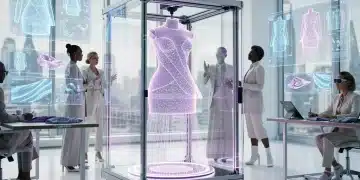
The advent of 3D printing has fundamentally reshaped the possibilities within scale model customization. No longer are modelers confined to off-the-shelf parts or laborious scratch-building from basic materials. Computer-Aided Design (CAD) software, paired with accessible 3D printers, empowers hobbyists to create bespoke components with unprecedented precision and detail.
This digital revolution enables the fabrication of intricate parts that would be impossible or exceedingly difficult to produce by hand. From custom dashboards and engine components to unique weaponry and figure accessories, the potential for personalization is limitless. The ability to design and print parts on demand means modelers can now realize visions that were once purely theoretical.
Designing for Print: Mastering CAD Software
To fully leverage 3D printing, a foundational understanding of CAD software is crucial. Programs like Fusion 360, Blender, or even simpler tools like Tinkercad, allow modelers to translate their ideas into printable digital files. Learning the basics of these platforms opens up a world of creative freedom.
- Fusion 360: Ideal for mechanical parts, offering robust parametric modeling.
- Blender: Excellent for organic shapes and intricate detailing, often used for figures.
- Tinkercad: Beginner-friendly, perfect for simple geometric shapes and modifications.
The iterative process of design, print, and refinement allows for continuous improvement, ensuring that each custom part perfectly fits the model and contributes to its unique aesthetic. This level of control over every component is a hallmark of advanced customization.
In essence, 3D printing and CAD design are transforming scale model customization from a subtractive or additive process of pre-existing parts into a truly generative art form. It’s about designing the future of your model, piece by intricate piece, directly from your imagination.
Advanced Painting and Weathering Techniques
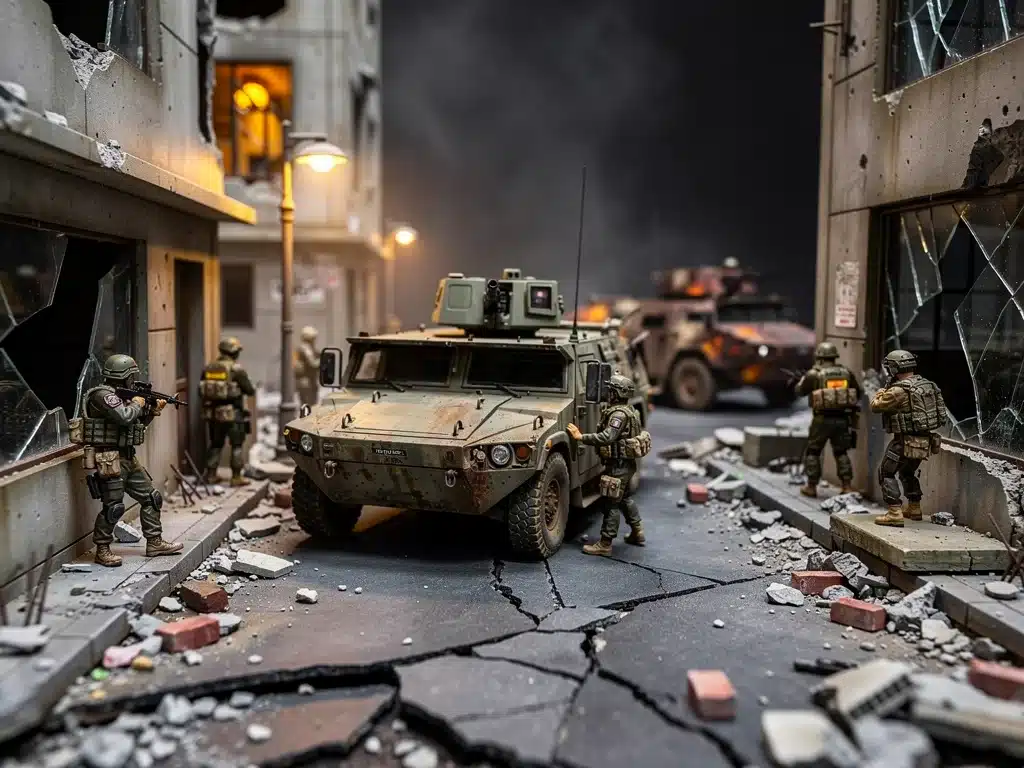
Beyond the physical construction, the paint finish and weathering effects are paramount in bringing a scale model to life. Advanced techniques in this area can transform a well-built model into a breathtaking, hyper-realistic representation. It’s about telling a story through subtle wear and tear, environmental effects, and authentic color modulation.
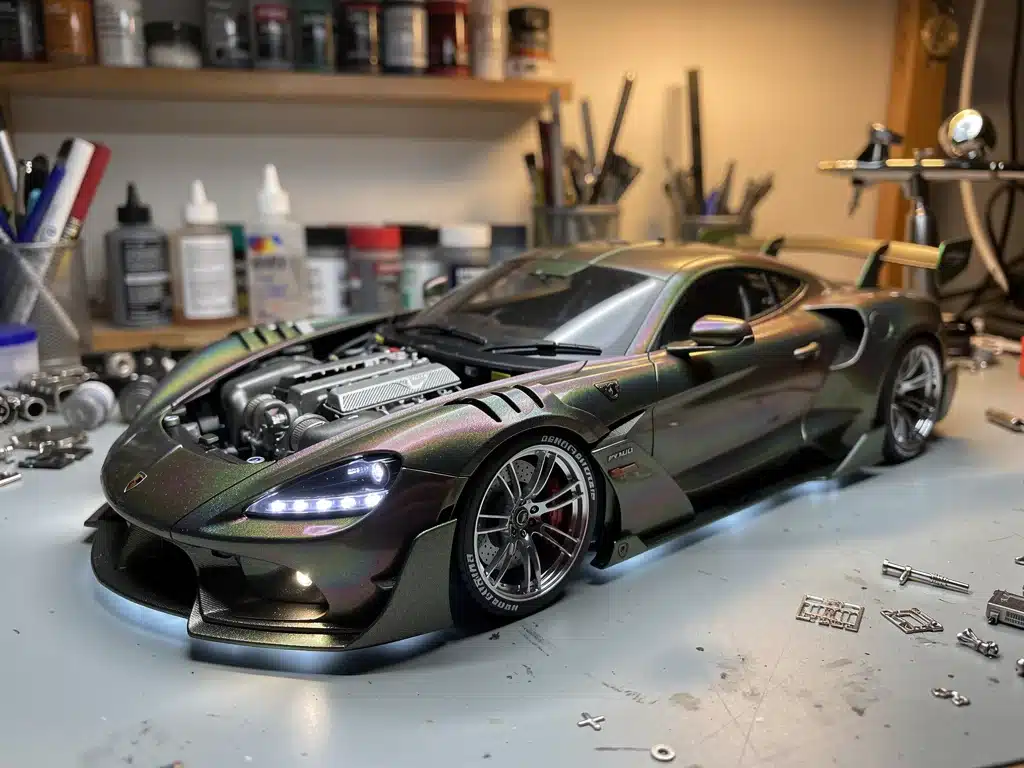
Modern airbrushing, coupled with specialized paints and mediums, allows for gradients, fades, and textures that brush painting simply cannot achieve. Techniques like pre-shading, post-shading, and color modulation add depth and visual interest, making flat surfaces appear more dynamic and realistic.
Mastering Weathering for Realism
Weathering is perhaps where advanced customization truly shines. It’s the art of simulating the effects of time, environment, and use on a subject. This involves a range of techniques, often layered to create complex, believable effects.
- Washing and Filtering: Using thinned paints or specialized washes to accent panel lines and add subtle color variations.
- Streaking Effects: Mimicking rain marks, rust streaks, or fluid leaks with specific enamel or oil paints.
- Chipping and Scratching: Replicating paint damage using sponges, fine brushes, or even specialized chipping fluids.
- Dust and Mud Effects: Employing pigments, textured paints, and static grass to simulate accumulated dirt from various terrains.
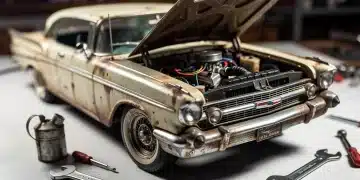
The key to realistic weathering is subtlety and understanding the subject’s operational history. A model of a pristine, factory-fresh vehicle will require a different approach than one depicting a battle-hardened tank. Each layer of weathering builds upon the last, contributing to a cohesive and convincing narrative. This intricate layering process is what elevates a model from good to exceptional, making it truly unique.
Electronics Integration: Lighting and Movement
Integrating electronics into scale models adds an entirely new dimension of realism and interactivity. From flickering lights in a cockpit to fully operational motors and sound effects, electronics can transform a static display into a dynamic, living entity. This advanced customization technique requires a blend of modeling skills and basic electronics knowledge.
Modern miniature LEDs, fiber optics, and microcontrollers like Arduino or Raspberry Pi have made electronic integration more accessible than ever. These components allow for precise control over lighting sequences, sound playback, and even animated movements, bringing models to an unparalleled level of detail and engagement.
Implementing Dynamic Lighting
Strategic lighting can dramatically enhance a model’s visual appeal, highlighting details and creating atmospheric effects. This goes beyond simply adding a single LED.
- Cockpit Illumination: Miniature LEDs can recreate instrument panel lights, navigation lights, and interior cabin lighting.
- Engine Glow: Orange or red LEDs can simulate the heat and glow of active engines or exhaust pipes.
- Fiber Optics: For very fine light points, such as starfields on a spaceship or tiny indicator lights, fiber optics offer incredible precision.
Controlling these lights with microcontrollers allows for complex sequences, such as flashing emergency lights, pulsing engine effects, or even simulated welding sparks. The programming aspect adds another layer of unique customization, tailored exactly to the modeler’s vision.
Beyond static lighting, integrating small motors can introduce movement, such as rotating radar dishes, articulated landing gear, or even moving figures. The combination of light and movement creates a powerful illusion of life, making each custom build truly stand out and offering an immersive experience for the viewer.
Material Innovation: Resin Casting and Photo-Etch
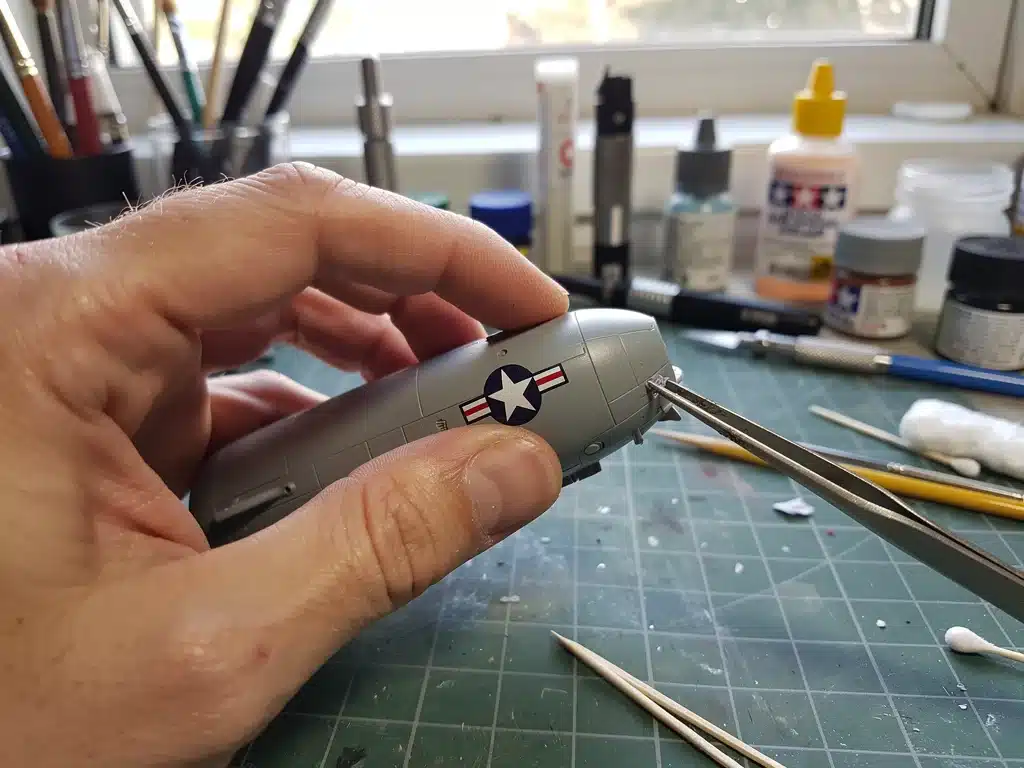
Exploring new materials and fabrication methods is essential for advanced model customization. Resin casting and photo-etching are two techniques that allow modelers to create highly detailed, custom parts that are often superior to injection-molded plastic in terms of crispness and fidelity.
Resin casting involves creating molds from existing parts or scratch-built masters and then pouring liquid resin into them. This allows for the duplication of rare or custom-designed components, offering an efficient way to mass-produce specific parts for multiple models or for sale to other hobbyists. Photo-etching, on the other hand, uses a chemical process to create incredibly thin, detailed metal parts from a digital design, perfect for grilles, railings, and intricate structural elements.
Mastering Resin Casting
The process of resin casting, while requiring a few specialized materials, is highly rewarding. It begins with creating a master part, which can be a modified kit part, a scratch-built component, or even a 3D-printed piece. This master is then used to create a silicone mold.
- Mold Making: Two-part silicone rubber is typically used to create flexible molds that capture every detail of the master.
- Resin Pouring: Fast-curing polyurethane resins are poured into the mold, often under vacuum or pressure to eliminate bubbles.
- Finishing: Once cured, the resin parts can be sanded, trimmed, and painted just like plastic.
Resin casting is invaluable for reproducing intricate details, correcting kit errors, or creating entirely new custom parts that need to be replicated. It offers a level of consistency and detail that is hard to achieve through other methods, making it a cornerstone of advanced customization.
Photo-etch parts provide a level of scale fidelity that is almost impossible with plastic. Their thinness and sharp edges make them ideal for delicate details, transforming a standard model into a hyper-realistic replica. Integrating these materials requires patience and precision, often involving super glue and specialized tools, but the results are undeniably superior, contributing significantly to a model’s unique character.
Scratch-Building and Kitbashing for Bespoke Creations
While 3D printing and advanced materials offer incredible possibilities, the traditional arts of scratch-building and kitbashing remain vital for achieving truly unique scale models. These techniques emphasize creativity, problem-solving, and a deep understanding of materials, allowing modelers to create parts and entire models from raw stock or by combining elements from various kits.
Scratch-building involves constructing parts or even whole models from basic materials such as styrene sheet, brass rod, or even common household items. Kitbashing, conversely, is the art of combining parts from multiple different model kits to create something entirely new and often fantastical. Both approaches demand vision and a willingness to experiment, pushing the boundaries of what’s possible with existing resources.
The Art of Kitbashing
Kitbashing is more than just gluing random parts together; it’s a thoughtful process of selecting components that fit together aesthetically and functionally to tell a new story. This often involves:
- Strategic Part Selection: Choosing elements from different kits that complement each other in scale and style.
- Extensive Modification: Cutting, sanding, filling, and reshaping parts to ensure seamless integration.
- Conceptual Cohesion: Ensuring the final creation has a believable design language, even if it’s a fantastical subject.
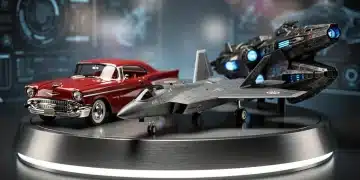
A master kitbasher can take disparate elements – a tank turret, an aircraft fuselage, and a car chassis – and combine them into a coherent, unique vehicle that looks like it was always meant to exist. This creates models that are genuinely one-of-a-kind, showcasing the modeler’s ingenuity and artistic flair.
Scratch-building, on the other hand, is the ultimate expression of creative freedom. It allows for the creation of components that simply do not exist in kit form, giving the modeler complete control over every dimension and detail. Whether it’s a custom weapon, a unique piece of terrain, or an entirely original vehicle, scratch-building ensures that no two models will ever be exactly alike, defining the pinnacle of unique customization.
Digital Integration and Community Collaboration
The future of advanced scale model customization isn’t just about individual techniques; it’s increasingly about digital integration and community collaboration. Online platforms, forums, and social media have created a global network where modelers can share techniques, troubleshoot problems, and even collaborate on projects. This collective intelligence accelerates the learning curve and pushes the boundaries of innovation.
Digital tools extend beyond CAD software. Photo editing software can be used for creating custom decals, while virtual reality (VR) and augmented reality (AR) are beginning to offer new ways to plan and visualize models before construction. This blend of individual skill and collective knowledge is key to achieving truly unique builds by 2026.
Leveraging Online Resources and Collaboration
The internet is a treasure trove for modelers seeking to refine their skills and find inspiration. Online communities provide invaluable support:
- Forums and Social Media Groups: Platforms for sharing progress, asking questions, and receiving constructive feedback from experienced modelers.
- Tutorials and Videos: Extensive libraries of step-by-step guides for mastering specific techniques, from basic assembly to advanced weathering.
- Digital Asset Marketplaces: Websites where modelers can buy or sell 3D printable files, custom decals, and other digital resources.
Collaborative projects, where modelers from different locations contribute specialized skills (e.g., one designs 3D parts, another paints, a third builds a diorama), are also becoming more common. This synergy of talents leads to builds that are far more complex and impressive than what a single individual might achieve. The digital realm fosters a dynamic environment where innovation thrives, constantly redefining what’s possible in scale model customization.
The integration of digital tools with a vibrant online community creates a powerful ecosystem for advanced modelers. It ensures that techniques and innovations are rapidly disseminated, allowing everyone to elevate their craft. This collaborative spirit is a driving force behind the pursuit of 100% unique builds, making the hobby more engaging and rewarding than ever before.
| Key Technique | Description for Unique Builds |
|---|---|
| 3D Printing & CAD | Creates bespoke, highly detailed parts impossible to find off-the-shelf, ensuring complete personalization. |
| Advanced Weathering | Adds hyper-realistic wear, damage, and environmental effects, telling a unique story for each model. |
| Electronics Integration | Introduces dynamic lighting, sound, and movement, transforming static models into interactive displays. |
| Scratch-Building | Constructs entirely original components from raw materials, ensuring unparalleled individuality and custom fit. |
Frequently Asked Questions About Advanced Scale Model Customization
3D printing and CAD design are arguably the most impactful. They allow modelers to create perfectly scaled, custom parts that are simply unavailable elsewhere, providing an unprecedented level of personalization and detail that truly sets a model apart.
Begin with beginner-friendly software like Tinkercad for basic shapes, then progress to Fusion 360 or Blender. Numerous free online tutorials and community forums offer excellent resources to guide you through the learning process and develop your design skills.
Mastering advanced weathering requires patience and practice. It involves layering multiple techniques and understanding how real-world elements affect surfaces. Start with basic washes and dry-brushing, then gradually introduce more complex effects like streaking and chipping, observing real-life references.
Key tools include a fine-tip soldering iron, thin wires, miniature LEDs, and a microcontroller (like an Arduino Nano) for programming. A multimeter is also useful for testing circuits. Safety is paramount, so always work in a well-ventilated area and use appropriate protective gear.
Inspiration can be found everywhere: historical photographs, sci-fi art, concept vehicles, and even everyday objects. Online communities like Reddit’s r/modelmakers, specialized forums, and art platforms like ArtStation are also rich sources for innovative ideas and techniques.
Conclusion
The journey towards achieving 100% unique scale model builds by 2026 is an exciting one, blending traditional craftsmanship with the boundless potential of modern technology. From the precision of 3D printing and CAD design to the artistry of advanced weathering and the dynamic realism of electronics integration, modelers now have an unprecedented array of tools and techniques at their disposal. Embracing material innovation, honing scratch-building skills, and actively participating in a collaborative digital community are all crucial steps in elevating one’s craft. Ultimately, the pursuit of unique builds is a testament to creativity, patience, and a deep passion for the miniature world, ensuring that each model tells its own compelling story and stands as a true masterpiece of individual vision.