Investing in Vintage Scale Models: A 2026 Guide to Future Classics
Advertisements
This guide offers a comprehensive look into the strategic acquisition of vintage scale models, detailing how to discern potential future classics and maximize investment returns within the expanding collectible market by 2026.
Are you looking to turn your passion for miniature automobiles into a lucrative venture? Investing in vintage scale models is not just a hobby; it’s a strategic pathway to acquiring valuable assets that appreciate over time.
Advertisements
understanding the vintage scale model market in 2026
The market for vintage scale models has evolved significantly, transforming from a niche hobby into a recognized segment within the collectibles investment landscape. By 2026, several factors converge to shape its dynamics, making it crucial for investors to understand the underlying trends and value drivers. This understanding forms the bedrock of any successful investment strategy, allowing for informed decisions that mitigate risk and enhance potential returns.
One of the primary drivers of market growth is the increasing nostalgia among older generations, who are now reaching peak earning years and seeking to reconnect with their childhood memories. This demographic often possesses the disposable income necessary to acquire high-quality, rare models. Furthermore, the digital age has democratized access to information and global marketplaces, connecting buyers and sellers across continents and facilitating transactions for even the most obscure pieces. The transparency offered by online platforms, coupled with specialized auction sites, has also contributed to a more robust and liquid market.
the impact of authenticity and provenance
- Authenticity Verification: The ability to verify a model’s authenticity is paramount. Collectors and investors increasingly rely on expert appraisals, manufacturer documentation, and detailed photographic evidence to confirm a model’s originality.
- Provenance Records: A clear chain of ownership, or provenance, can significantly enhance a model’s value. Models with documented histories, especially those owned by prominent collectors or featured in exhibitions, command higher prices.
- Original Packaging: The presence of original, mint-condition packaging can double or even triple a model’s value. It serves as a testament to the model’s preservation and often includes crucial details about its production.
The market also benefits from the cultural significance of the real-life vehicles these models represent. Iconic cars, racing legends, and historically important vehicles naturally translate into highly sought-after scale models. Limited production runs and models from defunct manufacturers also play a critical role in market valuation. As these pieces become scarcer, their desirability and price tend to escalate. Understanding these intricate layers of market influence is key to making sound investment choices in this dynamic field.
The current market environment, characterized by fluctuating traditional investments, has also pushed some investors towards alternative assets like collectibles. Vintage scale models, with their tangible nature and aesthetic appeal, offer a unique blend of passion and potential profit. However, this also means increased competition and the need for a more sophisticated approach to collecting. Identifying emerging trends and future classics requires a keen eye and a deep understanding of manufacturing quality, historical significance, and the subtle nuances of collector demand. This comprehensive insight into market forces is indispensable for anyone serious about investing in vintage scale models effectively.
identifying future classics: what to look for
Predicting which scale models will become future classics involves a blend of art and science, requiring an understanding of both current collector trends and historical appreciation patterns. It’s not merely about age; many factors contribute to a model’s long-term value. Astute investors look beyond immediate popularity to discern enduring appeal and intrinsic rarity, which are often the true indicators of a classic in the making. This forward-looking approach ensures that investments today yield significant returns tomorrow.
One critical aspect is the quality of manufacturing. Models produced with exceptional attention to detail, using high-quality materials and precise engineering, tend to hold their value better and appreciate more significantly. This includes accurate scaling, realistic interiors, functional components, and flawless paint finishes. Manufacturers known for their superior craftsmanship, even if their models were mass-produced at the time, often see their older pieces become highly desirable due to their inherent quality and durability. Brands like Exoto, AutoArt, and CMC are often cited for their exemplary standards.
key attributes of collectible models
- Limited Editions: Models produced in strictly limited quantities are inherently more valuable. Scarcity drives demand, especially if the subject matter is popular.
- Historical Significance: Models representing historically significant vehicles, such as race winners, iconic movie cars, or groundbreaking prototypes, often achieve classic status.
- Manufacturer Reputation: Models from renowned manufacturers with a legacy of quality and accuracy tend to be more stable investments.
- Original Condition: Models in their original, unopened packaging, especially if the packaging itself is pristine, are highly prized.
Another factor is the cultural resonance of the vehicle being modeled. Cars that have achieved iconic status in popular culture, automotive history, or motorsports often translate into valuable scale models. Think of models replicating legendary Formula 1 cars, classic American muscle cars, or European grand tourers that defined an era. These models tap into a broader emotional connection, making them more attractive to a wider audience of collectors and enthusiasts. The story behind the car often enhances the story of the model.
Furthermore, consider emerging trends in the full-scale automotive world. If a particular car model is experiencing a resurgence in popularity or becoming a sought-after classic in its own right, its scale model counterpart is likely to follow suit. This foresight can give investors a significant edge. Paying attention to models that accurately capture these trends, or even anticipate them, is a strategic move. By combining these insights, investors can develop a robust framework for identifying which pieces have the strongest potential for becoming coveted classics when investing in vintage scale models.
research and due diligence: essential steps
Thorough research and due diligence are indispensable for any serious investor in vintage scale models. Just as with real estate or stocks, understanding the market, assessing individual pieces, and verifying claims are crucial steps to protect your investment and maximize potential gains. Hasty decisions based on emotion rather than information can lead to costly mistakes in this specialized market. A systematic approach to gathering and evaluating data is essential.
Begin by immersing yourself in the history of scale model manufacturing. Learn about different brands, their production methods, and the specific eras they dominated. Websites, forums, and specialized books are invaluable resources. Pay attention to variations within model lines, as subtle differences in color, trim, or accessories can significantly impact value. Understanding the intricate details of a model’s production run, including any recalls or known defects, can also provide crucial insights into its rarity and desirability. Becoming a knowledgeable collector is the first step toward becoming a successful investor.
verifying authenticity and condition
- Expert Appraisal: For high-value models, seek appraisals from reputable experts or auction houses specializing in scale models. Their knowledge can confirm authenticity and provide an accurate valuation.
- Condition Assessment: Meticulously inspect the model for any signs of damage, missing parts, or restoration. Original, unrestored condition is almost always preferred.
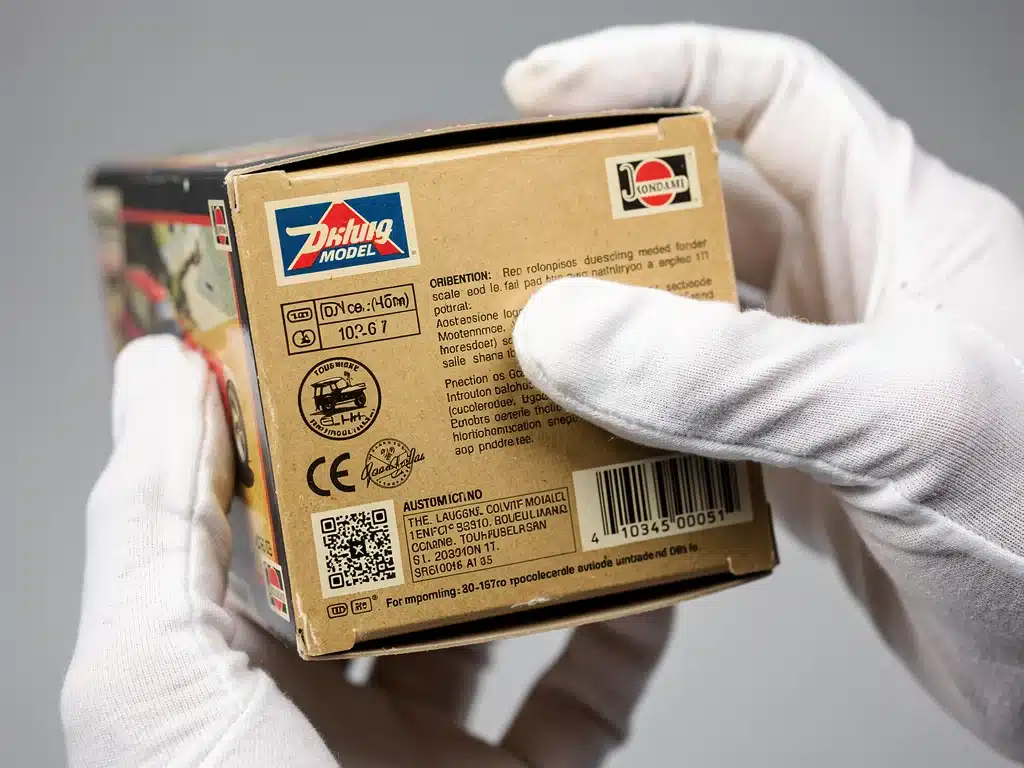
- Box and Documentation: Verify the originality and condition of the packaging, certificates of authenticity, and any other accompanying documentation. These can add significant value.
Online marketplaces and auction sites are excellent places to conduct market research. Observe completed sales for similar models to understand real-world pricing. Be wary of asking prices that seem excessively high or low compared to recent sales. Use advanced search filters to narrow down results by condition, rarity, and manufacturer. Participating in online forums and collector communities can also provide invaluable insights, allowing you to tap into the collective knowledge of experienced enthusiasts and stay abreast of emerging trends and potential pitfalls.
Finally, always scrutinize seller reputations. On platforms like eBay or specialized collector sites, review seller feedback and ratings. For private sales, request detailed photos and, if possible, arrange for an in-person inspection. Don’t hesitate to ask probing questions about the model’s history, storage conditions, and any known issues. Diligence in these areas can prevent you from acquiring counterfeit items or models with undisclosed damage, ensuring that your investment in vintage scale models is sound and well-protected against future disappointments.
preserving value: care and storage
Once you’ve acquired a promising vintage scale model, the work isn’t over; in fact, a crucial phase of investment protection begins. Proper care and storage are paramount to preserving its condition, and by extension, its market value. A model that deteriorates due to neglect or improper handling will inevitably see its value plummet, regardless of its initial rarity or desirability. Investing in the right preservation techniques is as important as the initial purchase itself, safeguarding your asset for future appreciation.
Humidity and temperature control are critical. Extreme fluctuations can cause materials to expand and contract, leading to paint cracks, decal peeling, or plastic warping. Ideally, models should be stored in a stable environment with moderate humidity (around 40-60%) and consistent room temperature. Avoid attics, basements, or garages, as these areas are prone to environmental extremes. A climate-controlled display cabinet or a dedicated room is often the best solution for valuable collections, offering both protection and an opportunity for appreciation.
optimal display and handling practices
- UV Protection: Direct sunlight can fade paint and decals over time. Display models away from windows or use display cases with UV-protective glass.
- Dust Prevention: Dust can scratch surfaces and accumulate in crevices. Use sealed display cases or soft brushes for regular, gentle cleaning. Avoid abrasive cloths or harsh chemicals.
- Safe Handling: Always handle models with clean hands, preferably wearing cotton gloves to prevent transferring oils and dirt. Hold models by their base or sturdy components, avoiding fragile parts.
- Original Packaging: If a model came with original packaging, store it carefully. The box itself can be a valuable component of the investment.
Dust is another silent enemy. Over time, dust particles can scratch delicate surfaces, dull finishes, and even fuse with paintwork, making removal difficult without causing further damage. Display cases, especially those that are well-sealed, offer the best protection against dust. For models displayed openly, regular, gentle cleaning with a soft, static-free brush is essential. Avoid using compressed air directly on models, as it can dislodge small parts or force dust into intricate areas.
Furthermore, consider the long-term effects of display environments. While displaying models proudly is part of the joy of collecting, direct sunlight, harsh lighting, and even certain types of display materials can cause degradation over time. Plastics can yellow, rubber tires can crack, and decals can peel. Investing in museum-grade display materials, such as acrylic cases with UV protection, can significantly extend the lifespan of your models. By meticulously attending to these preservation details, you ensure that your investing vintage scale models maintains its pristine condition and appreciates in value as anticipated.
the role of limited editions and prototypes
In the world of vintage scale models, rarity is often synonymous with value, and nothing embodies rarity quite like limited editions and prototypes. These categories represent the pinnacle of collectibility, frequently commanding the highest prices and showing the most significant appreciation over time. Understanding their unique appeal and how to identify them is crucial for any investor aiming to build a high-value collection. These pieces often tell a unique story of manufacturing and design, appealing to collectors who value exclusivity.
Limited editions are models produced in a predetermined, often small, number of units. This scarcity is usually communicated by the manufacturer, often with a serial number or certificate of authenticity. The fewer units produced, the higher the potential for appreciation, assuming the model replicates a desirable vehicle. Manufacturers often create limited editions for special occasions, anniversaries, or to commemorate significant events in automotive history, making them particularly attractive to collectors who seek unique and historically relevant pieces. These models are often made with a higher level of detail and finish than standard production runs.
distinguishing features of rare models
- Production Numbers: Always seek documentation or verifiable information regarding the exact number of units produced for a limited edition. Lower numbers are better.
- Prototype Markings: Prototypes often have unique markings, unfinished elements, or variations not found in production models. They might lack final branding or have hand-painted details.
- Exclusive Features: Limited editions sometimes include exclusive features, special packaging, or additional accessories not available with standard versions.
Prototypes, on the other hand, are pre-production models created for testing, exhibition, or internal review. They are often one-of-a-kind or exist in extremely small numbers. Their value stems from their uniqueness and their direct connection to the model’s development process. A prototype might feature design elements that were later changed, different color schemes, or unique internal mechanisms. Discovering a genuine prototype can be a collector’s ultimate triumph, as these pieces offer an unparalleled glimpse into the creation of a particular scale model.
Identifying prototypes requires a deep knowledge of a manufacturer’s history and production processes. Often, prototypes are not officially documented or released to the public, making their discovery rare and exciting. They might surface from former employees’ collections or through specialized auctions. Due diligence is especially critical here to verify authenticity, as the lack of official records can make fakes harder to spot. For those serious about investing in vintage scale models, understanding the nuances of limited editions and the elusive nature of prototypes is key to unlocking the highest echelons of value and exclusivity.
market trends and future predictions for 2026
The vintage scale model market is dynamic, constantly influenced by shifts in collector demographics, technological advancements, and broader economic factors. By 2026, several key trends are expected to shape the landscape, offering both opportunities and challenges for investors. Staying ahead of these trends is crucial for making informed decisions and ensuring the continued growth of your collection’s value. The ability to anticipate these shifts can provide a significant advantage in a competitive market.
One significant trend is the increasing influence of digital platforms and social media. Online communities, specialized forums, and platforms like Instagram and YouTube play a vital role in shaping collector preferences and disseminating information about rare models. Influencers and content creators in the hobby can significantly impact demand for certain models or brands. This digital ecosystem also facilitates global trade, allowing collectors from different regions to connect and exchange models, further enhancing market liquidity and price discovery.
emerging collector preferences
- Sustainability Focus: A growing number of collectors are showing interest in models made with sustainable materials or from manufacturers with eco-friendly practices, reflecting broader societal values.
- Digital Integration: Models that integrate with digital platforms, such as augmented reality experiences or digital ownership certificates (NFTs), could see increased interest.
- Emerging Markets: Growth in wealth in emerging economies could lead to new collector bases, particularly for models relevant to their local automotive history.
Another area of growth is expected in models that represent electric vehicles (EVs) or autonomous concept cars. As these technologies become more prevalent in the real automotive world, their scale model counterparts, especially early or rare representations, are likely to gain historical significance and collector interest. Early production models of iconic EVs, or concept cars that never made it to full production, could become highly sought-after classics in the future. This reflects a shift from traditional internal combustion engine vehicles to a new era of automotive design.
Furthermore, the market for models depicting unique or niche themes is also expanding. This includes models of commercial vehicles, public transport, or highly customized cars that reflect specific cultural moments. These specialized segments cater to collectors with very specific interests, often leading to strong demand within those niches. As the collector base diversifies, so too do the types of models that achieve classic status. By carefully monitoring these evolving market dynamics, investors can strategically position themselves for success when investing in vintage scale models, ensuring their portfolios are robust and responsive to future trends.
building a robust scale model investment portfolio
Building an investment portfolio of vintage scale models requires more than just acquiring individual pieces; it demands a strategic approach to diversification, risk management, and long-term planning. A well-constructed portfolio balances rarity, condition, historical significance, and market liquidity to maximize potential returns while mitigating against individual model fluctuations. This systematic method ensures that your collection is not only a source of enjoyment but also a valuable asset that grows over time.
Diversification is key. Just as with financial investments, avoid putting all your resources into a single type of model or manufacturer. A diverse portfolio might include models from different eras (e.g., pre-war, post-war, modern classics), different scales (e.g., 1:18, 1:43), and varying themes (e.g., sports cars, race cars, iconic sedans). This spreads your risk and increases the chances that at least some segments of your collection will perform well, even if others experience slower growth. A broad spectrum of models can also make your collection more appealing to a wider range of future buyers.
strategies for portfolio growth
- Thematic Collecting: Focus on specific themes (e.g., all models from a particular race series, or all models of a specific car brand) to create a cohesive and highly desirable collection.
- Condition Focus: Prioritize models in mint or near-mint condition, ideally with original packaging, as these consistently command higher prices and appreciate more reliably.
- Market Monitoring: Continuously monitor market trends, auction results, and collector forums to identify emerging opportunities and adjust your portfolio strategy as needed.
- Documentation: Maintain meticulous records of provenance, purchase price, and any restoration work for each model. This documentation adds credibility and value.
Consider the liquidity of your investments. While rare prototypes might offer significant long-term appreciation, they can also be challenging to sell quickly due to their niche appeal. A balanced portfolio includes both highly liquid, widely sought-after models and rarer, more speculative pieces. This allows you to capitalize on short-term market opportunities while holding onto long-term growth assets. Understanding the demand and supply for different types of models is crucial for effective portfolio management.
Finally, continuous learning and engagement with the collector community are vital. The vintage scale model market is built on expertise and passion. Participating in collector events, joining specialized groups, and staying informed about new releases and historical discoveries will not only enhance your enjoyment of the hobby but also sharpen your investment acumen. By adopting a disciplined and informed approach to investing in vintage scale models, you can cultivate a collection that is both personally rewarding and financially robust, securing its place as a true asset for 2026 and beyond.
| Key Investment Factor | Brief Description |
|---|---|
| Rarity & Scarcity | Limited editions and prototypes significantly increase potential value due to their exclusive nature. |
| Condition & Packaging | Models in mint condition with original, intact packaging command premium prices. |
| Historical Significance | Models replicating iconic vehicles or significant moments in automotive history tend to appreciate more. |
| Manufacturer Reputation | Brands known for high-quality craftsmanship and accuracy often produce models with stable long-term value. |
frequently asked questions about vintage scale model investing
A future classic is typically a model that embodies exceptional quality, represents a historically significant vehicle, or is part of a very limited production run. By 2026, models tied to emerging automotive trends or iconic cultural moments will likely see increased value and demand.
Original packaging is incredibly important, often doubling or tripling a model’s value. It signifies the model’s preservation and authenticity, providing crucial details and protecting the item’s condition. Collectors highly prioritize models with pristine boxes.
You can research values on specialized online auction sites like eBay (by checking completed sales), dedicated collector forums, and by consulting reputable scale model price guides. Expert appraisals for high-value items are also recommended to ensure accuracy.
Key risks include acquiring counterfeit models, undisclosed damage, market fluctuations, and improper storage leading to degradation. Thorough due diligence, expert verification, and careful preservation are essential to mitigate these risks and protect your investment.
While diversification is generally recommended, focusing on a specific theme (e.g., race cars, a particular manufacturer, or a specific era) can create a highly cohesive and desirable collection. This specialized approach often attracts dedicated buyers willing to pay a premium.
conclusion
Investing in vintage scale models is a rewarding endeavor that combines passion with tangible asset growth. By understanding market dynamics, meticulously identifying potential future classics, and committing to diligent preservation, collectors can build portfolios that not only appreciate in value but also offer immense personal satisfaction. The landscape for 2026 promises continued evolution, rewarding those who approach this unique market with knowledge, foresight, and a genuine appreciation for miniature automotive artistry.