EV Sales Surge 12% in US H1 2026: Market Analysis
Advertisements
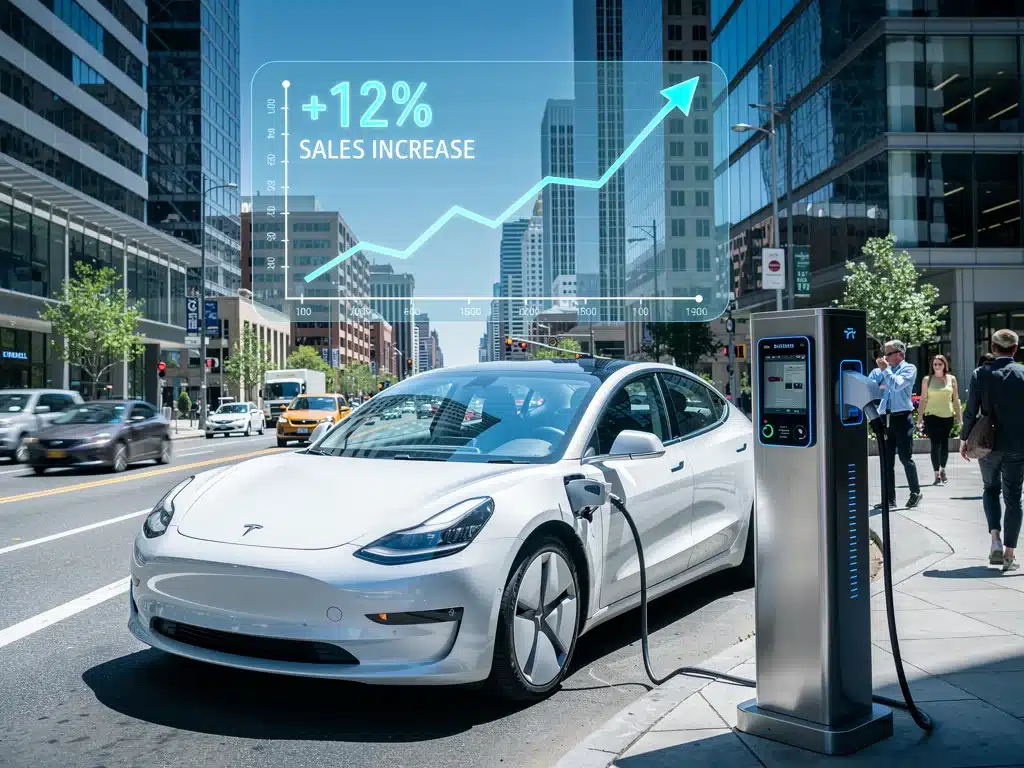
Electric vehicle sales in the United States experienced a significant 12% surge during the first half of 2026, driven by evolving consumer preferences, supportive government policies, and continuous technological advancements, reshaping the automotive landscape.
The automotive industry is in constant flux, but few trends have been as transformative as the rise of electric vehicles. In the first half of 2026, the United States witnessed a remarkable milestone: Electric Vehicle Sales Surge 12% in United States During First Half of 2026: An In-Depth Market Analysis confirms a significant shift in consumer preference and market dynamics. This unprecedented growth signals a pivotal moment for sustainable transportation, highlighting a confluence of technological advancements, evolving consumer priorities, and strategic governmental support.
Advertisements
Understanding the 12% surge in EV sales
The 12% surge in electric vehicle (EV) sales across the United States during the first half of 2026 is not merely a statistic; it represents a profound transformation within the automotive sector. This growth illustrates a maturing market, where EVs are transitioning from niche products to mainstream choices for a growing segment of the American population. Several intertwined factors contribute to this impressive acceleration, making it a critical period for analysis.
One primary driver is the increasing availability and diversity of EV models. Manufacturers have responded to rising demand by introducing a wider range of vehicles, from affordable compacts to luxury SUVs and even electric trucks, catering to various consumer needs and budgets. This expansion of choice eliminates a significant barrier to adoption that existed in previous years. Furthermore, advancements in battery technology have played a crucial role. Improved range and faster charging times directly address two of the most common concerns prospective EV buyers have, making the transition from internal combustion engine (ICE) vehicles much more appealing and practical.
Technological advancements driving adoption
Technological innovation remains at the heart of the EV revolution. The continuous improvement in battery energy density means longer driving ranges on a single charge, alleviating range anxiety for many consumers. Simultaneously, the development of ultra-fast charging infrastructure is making long-distance EV travel increasingly feasible and convenient.
- Battery efficiency: Newer battery packs offer greater capacity and reduced weight, enhancing vehicle performance and range.
- Charging speed: Public and home charging solutions are becoming more efficient, significantly cutting down charging times.
- Vehicle performance: EVs now offer comparable or superior acceleration and handling to traditional gasoline cars, appealing to performance-oriented buyers.
- Software integration: Advanced infotainment systems and driver-assist technologies are standard in many new EV models, enhancing the overall driving experience.
The integration of smart technologies, such as advanced driver-assistance systems (ADAS) and over-the-air (OTA) updates, also contributes to the perceived value and modernity of electric vehicles. These features not only enhance safety and convenience but also allow vehicles to improve over time, a concept largely absent in traditional automobiles. This constant evolution positions EVs as cutting-edge technology, attracting early adopters and tech-savvy consumers.
In essence, the 12% growth is a testament to the industry’s ability to innovate and adapt. It reflects a market where the value proposition of EVs has become increasingly compelling, pushing them further into the mainstream. This momentum is expected to continue as technology advances and infrastructure expands, solidifying the EV’s place in the future of transportation.
Consumer behavior and evolving preferences
The significant uptick in EV sales is inextricably linked to shifts in consumer behavior and evolving preferences across the United States. No longer are environmental concerns the sole motivator for purchasing an electric vehicle; a diverse array of practical and economic factors now plays a crucial role. Buyers are becoming savvier, weighing the long-term benefits and operational costs against the initial purchase price.
One major shift is the growing awareness of fuel savings. With fluctuating gasoline prices, the predictability and often lower cost of electricity as a fuel source are increasingly attractive. Consumers are recognizing that while the upfront cost of an EV might be higher, the total cost of ownership (TCO) can be significantly lower over the vehicle’s lifespan due to reduced maintenance and fuel expenses. This economic argument resonates strongly with budget-conscious buyers.
The influence of environmental consciousness
While not the only factor, environmental consciousness continues to be a powerful motivator for a substantial portion of EV buyers. The desire to reduce one’s carbon footprint and contribute to a cleaner environment remains a core reason for switching to electric. This sentiment is amplified by increasing public discourse around climate change and the visible impacts of air pollution.
- Reduced emissions: EVs produce zero tailpipe emissions, directly contributing to cleaner air quality in urban areas.
- Sustainability values: Many consumers align their purchasing decisions with their personal values regarding environmental stewardship.
- Brand image: Driving an EV is increasingly seen as a statement of environmental responsibility and forward-thinking.
Beyond the direct environmental benefits, the broader societal narrative around sustainability influences purchasing decisions. As more companies and governments commit to green initiatives, consumers feel more empowered to make eco-friendly choices in their personal lives, including vehicle ownership. This collective shift in mindset creates a positive feedback loop, encouraging further EV adoption.
The appeal of EVs is also broadening beyond traditional early adopters. Mainstream consumers are now considering EVs as viable alternatives, driven by factors such as quieter rides, instant torque, and the perception of modern, high-tech vehicles. The ‘cool factor’ associated with electric vehicles, once a niche appeal, is now becoming more widespread, influencing a larger demographic. This shift in perception from ‘alternative’ to ‘desirable’ is critical for sustained market growth.
Government policies and incentives
Government policies and incentives have historically played a pivotal role in nurturing nascent industries, and the electric vehicle sector is no exception. In the United States, a combination of federal, state, and local initiatives has significantly contributed to the 12% surge in EV sales during the first half of 2026. These policies aim to reduce the financial burden of EV ownership, expand charging infrastructure, and encourage domestic manufacturing, thereby accelerating the transition away from fossil fuels.
At the federal level, tax credits for new and used EVs continue to be a powerful incentive. While eligibility requirements have evolved to prioritize domestically produced vehicles and batteries, these credits still offer substantial savings for consumers. Such financial inducements directly lower the effective purchase price, making EVs more competitive with traditional gasoline-powered cars. Furthermore, federal investments in charging infrastructure through programs like the National Electric Vehicle Infrastructure (NEVI) Formula Program are steadily expanding the public charging network, alleviating range anxiety and making EVs more practical for a wider segment of the population.
State-level initiatives and their impact
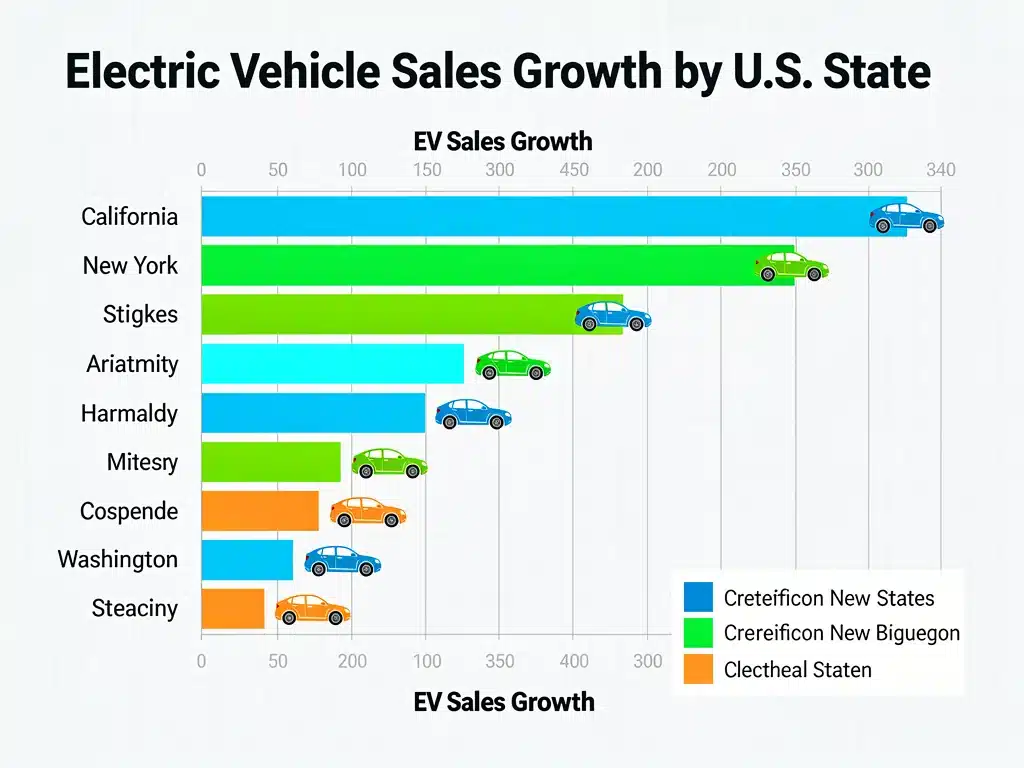
Beyond federal efforts, many states have implemented their own aggressive policies to promote EV adoption. These include additional tax rebates, vehicle registration fee reductions, and access to carpool lanes for single-occupant EVs. States like California, New York, and Massachusetts have been particularly proactive, setting ambitious EV sales mandates and investing heavily in charging infrastructure development.
- Purchase rebates: Many states offer direct rebates that can be combined with federal tax credits, significantly reducing the cost of an EV.
- Charging infrastructure grants: State programs provide funding for the installation of public and workplace charging stations.
- Emissions targets: Aggressive state-level emissions reduction targets often include mandates for increasing EV sales percentages.
These state-specific initiatives create a patchwork of incentives that, while sometimes complex, collectively push the market forward. The varying levels of support across states highlight the localized nature of EV adoption, with some regions seeing much faster growth due to more comprehensive policy frameworks. This localized approach allows states to tailor incentives to their unique energy landscapes and consumer bases.
The cumulative effect of these governmental interventions is undeniable. By reducing the cost of ownership, expanding necessary infrastructure, and creating a supportive regulatory environment, policies have transformed the EV market. They have helped bridge the gap between initial technological promise and widespread consumer acceptance, paving the way for sustained growth in the years to come. The continued evolution of these policies will be crucial in maintaining the momentum observed in the first half of 2026.
Infrastructure development and accessibility
The rapid expansion and increasing accessibility of charging infrastructure are foundational to the sustained growth of electric vehicle sales. The 12% surge observed in the first half of 2026 would not have been possible without significant strides in building out a robust network of charging stations across the United States. Addressing ‘range anxiety’ – the fear of running out of charge – has been a critical hurdle, and progress in this area is clearly paying dividends, bolstering consumer confidence in EVs.
Public charging networks have seen substantial investment, both from private companies and government funding. Level 2 (240-volt) chargers, suitable for overnight charging at homes and workplaces, are becoming ubiquitous. More importantly, the deployment of DC fast chargers (DCFC) along major highways and in urban centers has dramatically improved the viability of long-distance EV travel. These fast chargers can replenish a significant portion of an EV’s battery in a short amount of time, making road trips and quick top-ups much more practical.
Expanding public and private charging networks
The collaboration between public and private entities has been essential in accelerating infrastructure development. Government grants and incentives have encouraged private companies to invest in building and maintaining charging stations, creating a more competitive and innovative market.
- Highway corridors: Strategic placement of DCFC along interstates and major routes ensures seamless long-distance travel.
- Urban charging hubs: Concentration of charging stations in cities and metropolitan areas caters to daily commuters and apartment dwellers.
- Workplace charging: Companies are increasingly installing chargers for their employees, boosting convenience and promoting EV adoption.
- Home charging solutions: The availability of easy-to-install home charging units makes owning an EV more convenient for homeowners.
This expansion is not just about the number of chargers, but also their reliability and user-friendliness. Efforts are being made to standardize payment systems, improve station uptime, and provide real-time information on charger availability through mobile apps. Such improvements enhance the overall user experience, making charging an EV as straightforward as refueling a gasoline car.
Furthermore, the accessibility of charging infrastructure extends beyond public networks. The growth of home charging solutions, often incentivized by utilities or local governments, means that a significant portion of EV charging occurs conveniently overnight while the vehicle is parked. This ‘fill-up at home’ convenience is a powerful draw for many consumers, removing the need for frequent stops at gas stations. The continuous focus on expanding and improving charging infrastructure remains a cornerstone for future EV market growth, directly supporting the impressive sales figures seen in early 2026.
The role of traditional automakers and new entrants
The landscape of the electric vehicle market is shaped by a dynamic interplay between established automotive giants and innovative new entrants. The 12% surge in EV sales in the first half of 2026 is a direct result of both groups intensifying their efforts, bringing a broader array of vehicles and technologies to consumers. Traditional automakers, once hesitant, have now fully committed to electrification, while agile startups continue to push the boundaries of design and performance.
Traditional automakers, with their vast manufacturing capabilities and extensive dealer networks, are now leveraging these strengths to scale EV production. Companies like Ford, General Motors, and Volkswagen have invested billions into developing dedicated EV platforms and retooling factories. Their entry into the EV space brings brand recognition, established customer service, and a sense of reliability that appeals to a wide consumer base. This commitment has led to a significant increase in the variety of EV models available, from electric versions of popular pickup trucks to family-friendly SUVs, directly contributing to market expansion.
Innovation from startup EV manufacturers
Alongside the legacy automakers, new entrants continue to play a vital role in innovating and challenging the status quo. Companies like Tesla, Rivian, and Lucid have demonstrated the potential for groundbreaking design, advanced software integration, and novel business models. Their focus on the EV from the ground up has often resulted in vehicles that are perceived as more technologically advanced and desirable, particularly among tech-savvy consumers.
- Disruptive technologies: Startups often introduce cutting-edge battery technologies, advanced autonomous driving features, and unique user interfaces.
- Direct-to-consumer models: Many new entrants bypass traditional dealerships, offering a streamlined purchasing experience.
- Niche market focus: Some startups target specific segments, like electric pickup trucks or luxury performance EVs, before expanding.
The competition between traditional automakers and new entrants is healthy for the market. It drives innovation, forces price competitiveness, and ultimately benefits the consumer with more choices and better vehicles. Traditional automakers are learning from the agility and software expertise of startups, while new entrants are gaining insights into large-scale production and quality control from the established players. This synergistic relationship is accelerating the overall growth of the EV sector.
The convergence of these forces — the scale and experience of traditional automakers meeting the innovation and agility of new entrants — has created a vibrant and competitive EV market. This robust competition is a key factor behind the significant sales growth witnessed, ensuring that consumers have access to a diverse and technologically advanced range of electric vehicles that meet their varying needs and preferences.
Economic implications and future projections
The 12% surge in electric vehicle sales in the United States during the first half of 2026 carries profound economic implications that extend far beyond the automotive sector. This growth signals a fundamental shift in energy consumption patterns, manufacturing processes, and job markets. Understanding these economic ripple effects is crucial for policymakers, businesses, and consumers alike as the nation continues its transition towards a more electrified future.
One immediate economic benefit is the creation of new jobs. The expansion of EV manufacturing facilities, battery production plants, and charging infrastructure development requires a skilled workforce. This includes engineers, technicians, assembly line workers, and construction personnel. This job creation helps offset potential job losses in traditional automotive sectors and fosters growth in emerging green industries, contributing to overall economic resilience.
Impact on energy markets and sustainability goals
The widespread adoption of EVs also has a significant impact on energy markets. While it increases demand for electricity, it also reduces reliance on volatile fossil fuel markets. This shift encourages investment in renewable energy sources to power the grid, aligning with national and global sustainability goals.
- Reduced oil imports: Greater EV adoption lessens the nation’s dependence on foreign oil, enhancing energy security.
- Grid modernization: Increased electricity demand from EVs incentivizes upgrades and modernization of the power grid, making it more resilient.
- Renewable energy integration: The push for clean transportation directly supports the growth of solar, wind, and other renewable energy technologies.
Looking ahead, future projections for the EV market remain overwhelmingly positive. Analysts predict continued double-digit growth rates for several more years, driven by ongoing technological advancements, further reductions in battery costs, and an expanding global supply chain. The initial sales surge is just the beginning of a much larger transformation, with EVs expected to dominate new vehicle sales within the next decade or two.
However, challenges remain. Ensuring a stable supply of critical minerals for batteries, managing the end-of-life recycling of EV components, and continually expanding smart grid infrastructure are all areas that require ongoing attention and investment. Despite these hurdles, the economic momentum generated by the 12% EV sales surge in the first half of 2026 positions the United States at the forefront of the global electric mobility revolution, promising a cleaner, more sustainable, and economically vibrant future.
| Key Point | Brief Description |
|---|---|
| 12% Sales Surge | US electric vehicle sales grew significantly in H1 2026, marking a pivotal market shift. |
| Key Drivers | Technological advancements, consumer shifts, and government policies fueled the growth. |
| Infrastructure Growth | Expanded charging networks are crucial for increased EV accessibility and confidence. |
| Future Outlook | Continued growth projected, with economic benefits and ongoing challenges in sustainability. |
Frequently asked questions about EV market growth
The surge was primarily driven by advancements in battery technology offering longer ranges, expanded charging infrastructure reducing range anxiety, a wider variety of EV models from manufacturers, and continued federal and state incentives making EVs more affordable and attractive to consumers.
Government policies, including federal tax credits and state-level rebates, significantly lower the upfront cost of EVs. Investments in charging infrastructure and emissions mandates also create a supportive environment, encouraging both consumers to buy and manufacturers to produce more electric vehicles.
Traditional automakers are crucial by leveraging their vast production capabilities and established brands to introduce a diverse range of EV models. Their commitment to electrification brings scale, reliability, and wider market access, complementing the innovation brought by newer EV companies.
While challenges remain, significant progress is being made in expanding charging infrastructure. Public and private investments are increasing the number of Level 2 and DC fast chargers. This expansion is vital for reducing range anxiety and ensuring convenient charging options for the growing number of EV owners.
The surge implies job creation in manufacturing and infrastructure, reduced reliance on fossil fuels, and increased demand for renewable energy. It also drives innovation across industries and positions the US economy for long-term growth in sustainable transportation technologies.
Conclusion
The remarkable 12% surge in electric vehicle sales in the United States during the first half of 2026 marks a definitive turning point in the automotive industry. This growth is not an isolated event but the culmination of dedicated efforts across technological innovation, strategic policy implementation, and a profound shift in consumer values. As the market continues to mature, bolstered by expanding infrastructure and competitive offerings from both established and emerging manufacturers, the trajectory for electric vehicles remains firmly upward. The economic and environmental benefits are becoming increasingly clear, paving the way for a more sustainable and electrified future in American transportation.