US Government Incentives Boost EV Infrastructure 25% by 2026
Advertisements
United States government incentives are set to propel a 25% increase in EV infrastructure investment by 2026, fundamentally reshaping the market and accelerating the broader adoption of electric vehicles across the nation.
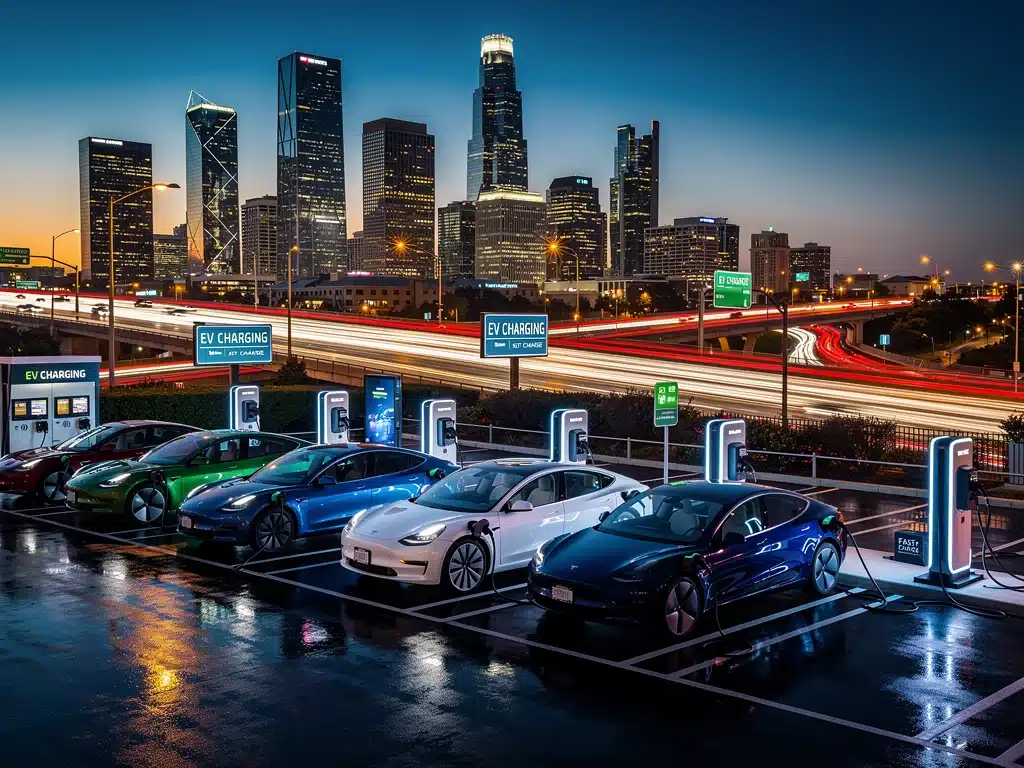
The landscape of transportation in the United States is undergoing a profound transformation, driven significantly by governmental initiatives aimed at fostering sustainable mobility. A key aspect of this shift is the anticipated surge in electric vehicle (EV) infrastructure. Projections indicate that United States government incentives boosting EV infrastructure investment by 25% in 2026: market impact will be substantial, fundamentally altering how Americans travel and how businesses operate within the automotive and energy sectors.
Advertisements
The Policy Landscape Driving EV Infrastructure Growth
The commitment of the United States government to accelerate EV adoption is evident through a series of ambitious policies and funding mechanisms. These initiatives are not merely about encouraging consumers to buy electric cars; they are fundamentally about building the backbone infrastructure necessary to support a fully electric future. Understanding these policies is crucial to grasping the magnitude of the projected 25% increase in investment.
At the heart of this policy push is the Bipartisan Infrastructure Law (BIL), which allocates significant funds towards EV charging. This legislation recognizes that a robust and accessible charging network is paramount for alleviating range anxiety and making EVs a viable option for all Americans, regardless of their location or driving habits. The law’s provisions extend beyond just highways, aiming to integrate charging solutions into urban, suburban, and rural communities alike, ensuring equitable access and fostering widespread adoption.
Key Legislative Pillars
- Bipartisan Infrastructure Law (BIL): This landmark legislation provides billions of dollars for EV charging infrastructure, focusing on building a national network of 500,000 chargers.
- Inflation Reduction Act (IRA): While primarily focused on clean energy production and EV manufacturing, the IRA also indirectly supports infrastructure development by making EVs more affordable and increasing demand for charging.
- Federal Tax Credits and Grants: Various tax credits for businesses and individuals installing charging equipment, alongside competitive grant programs for states and local entities, further incentivize private and public sector investment.
These legislative pillars collectively create a powerful incentive structure, drawing in private capital and fostering innovation in charging technology. The government’s strategic vision is to create a seamless, reliable, and user-friendly charging experience that matches the convenience of gasoline refueling, thereby removing one of the primary barriers to widespread EV adoption. This concerted effort is critical for achieving the ambitious targets set for 2026 and beyond.
Understanding the 25% Investment Boost by 2026
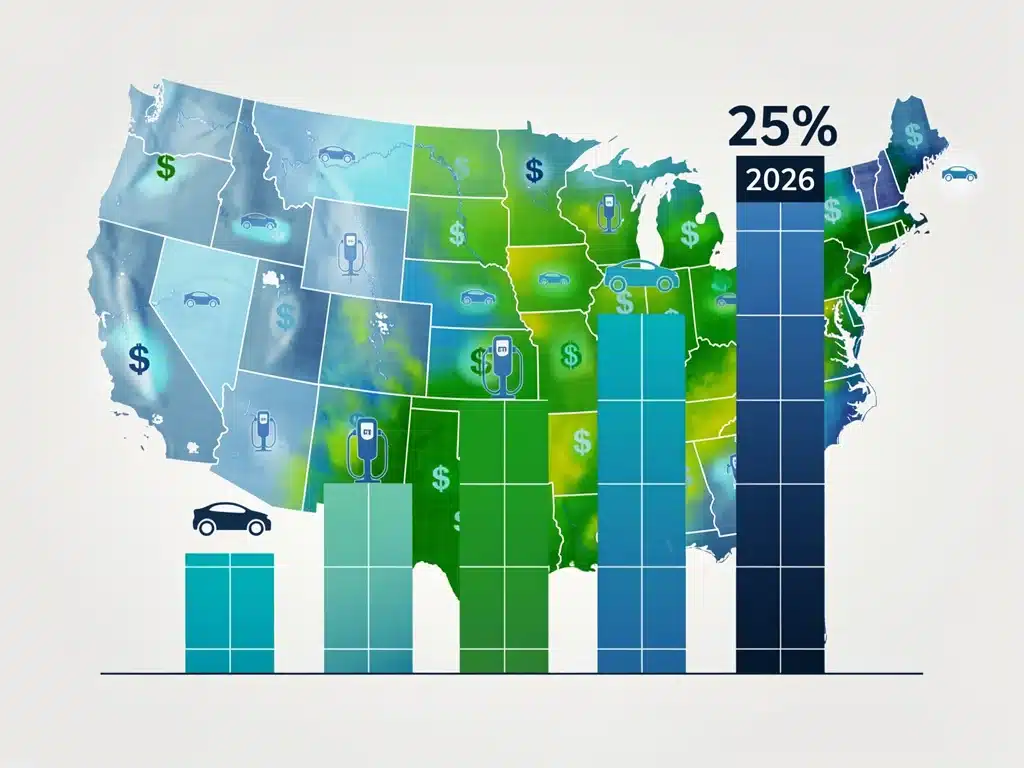
The projected 25% boost in EV infrastructure investment by 2026 represents a significant financial commitment and a rapid acceleration of development. This figure isn’t just an arbitrary number; it reflects a carefully calculated response to the growing demand for electric vehicles and the strategic imperative to electrify the nation’s transportation system. This increase will manifest in various forms, from the deployment of new charging stations to advancements in grid integration and energy storage solutions.
This surge in investment is driven by a combination of federal funding, state-level initiatives, and increasing private sector participation. As government incentives de-risk early-stage investments and demonstrate market viability, private companies are increasingly willing to allocate substantial capital towards building and operating charging networks. The ecosystem is evolving rapidly, with new business models emerging to cater to the diverse needs of EV owners.
Catalysts for Growth
- Public-Private Partnerships: Government funding acts as a catalyst, encouraging private companies to invest in charging infrastructure through matching grants and favorable regulatory environments.
- Technological Advancements: Continuous innovation in charging speeds, battery technology, and smart grid integration makes investments more efficient and future-proof.
- Increasing EV Sales: The rising number of electric vehicles on the road creates a clear and growing demand for charging solutions, justifying further investment.
The 25% increase is not merely about volume; it’s also about strategic deployment. Efforts are concentrated on creating dense charging corridors along major highways, ensuring long-distance travel is feasible, while also expanding access in urban centers and workplaces. This multi-pronged approach ensures that the infrastructure keeps pace with EV adoption, preventing bottlenecks and fostering a positive user experience. The market impact of this investment will be felt across numerous industries, creating new jobs and driving economic growth.
Market Impact on Charging Network Providers and Utilities
The substantial increase in US EV infrastructure investment will have a profound and transformative market impact on charging network providers and utility companies. These two sectors are at the forefront of building and managing the electric vehicle ecosystem, and the influx of capital will necessitate significant strategic adjustments and opportunities for growth.
For charging network providers, the government incentives translate into accelerated expansion plans. Companies like Electrify America, EVgo, and ChargePoint are poised to benefit from direct funding, tax credits, and increased consumer demand. This will allow them to scale their operations, deploy more charging stations, and invest in advanced technologies. The competition among these providers is also expected to intensify, leading to innovation in service offerings, pricing models, and user experience.
Opportunities for Charging Network Providers
- Rapid Expansion: Ability to deploy more charging stations in strategic locations, including underserved rural areas.
- Technological Upgrades: Investment in faster charging technologies (e.g., ultra-fast DC chargers) and smart charging solutions.
- New Business Models: Development of subscription services, roaming agreements, and integration with other mobility services.
Utility companies face a different, yet equally significant, set of challenges and opportunities. The increased demand for electricity from EVs will necessitate substantial upgrades to the grid infrastructure. This includes smart grid technologies, energy storage solutions, and enhanced distribution networks. Utilities will play a critical role in managing the load, ensuring grid stability, and integrating renewable energy sources to power the growing EV fleet. Government incentives are often targeted at supporting these grid modernization efforts, recognizing their foundational importance.
Challenges and Opportunities for Utilities
- Grid Modernization: Need to invest in smart grid technology, energy storage, and upgraded distribution systems to handle increased demand.
- Load Management: Developing strategies for managing peak charging times to prevent grid overloads and optimize energy usage.
- Integration of Renewables: Opportunities to integrate more renewable energy into the grid, leveraging EVs as flexible loads.
The collaboration between charging network providers and utilities will be crucial for the successful rollout of EV infrastructure. This synergy will ensure that charging stations are not only numerous but also reliably powered and efficiently integrated into the broader energy landscape. The market impact here is a reshaping of traditional energy and transportation sectors into a more interconnected and sustainable ecosystem.
Impact on Automotive Manufacturers and EV Adoption Rates
The projected 25% increase in United States government incentives boosting EV infrastructure investment by 25% in 2026 will undoubtedly have a profound impact on automotive manufacturers and, consequently, on the rate of EV adoption. A robust and accessible charging infrastructure is a primary driver for consumer confidence and willingness to transition to electric vehicles. As charging becomes more ubiquitous and reliable, one of the biggest hurdles to EV ownership diminishes.
Automotive manufacturers have already committed billions to developing new EV models, but the success of these vehicles hinges on the availability of charging. With enhanced infrastructure, manufacturers can be more confident in their production targets and marketing strategies, knowing that a critical piece of the ecosystem is in place. This will likely lead to an even broader range of EV offerings, including more affordable options and specialized vehicles to meet diverse consumer needs.
Benefits for Automotive Manufacturers
- Increased Consumer Confidence: A widespread charging network alleviates range anxiety, making EVs more attractive to a broader market.
- Accelerated Production: Manufacturers can scale up EV production with greater assurance of market demand and supporting infrastructure.
- Innovation in EV Design: Focus can shift from overcoming charging limitations to enhancing vehicle performance, features, and affordability.
The direct correlation between infrastructure availability and EV adoption rates is well-established. When potential buyers see ample charging options at home, work, and along their travel routes, the perceived risk of owning an EV significantly decreases. This encourages faster adoption, helping the U.S. meet its climate goals and fostering a greener transportation future. This investment not only supports current EV drivers but also paves the way for the next wave of electric models and technologies.
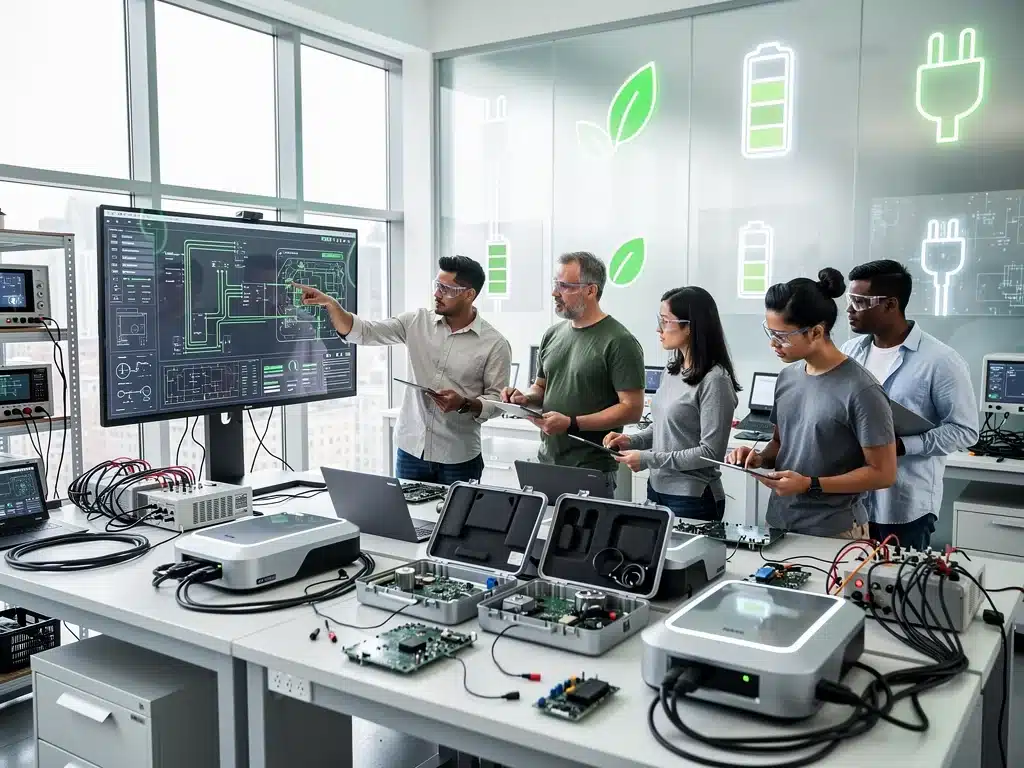
Furthermore, the increased investment in infrastructure can also spur innovation in vehicle-to-grid (V2G) technology, where EVs can return power to the grid during peak demand. This integration further solidifies the role of EVs as not just transportation devices but also as active components of a smart energy system. The overall market impact is a virtuous cycle: more infrastructure leads to more EV sales, which in turn justifies further infrastructure investment, propelling the industry forward at an accelerated pace.
Economic Opportunities and Job Creation
The substantial government incentives driving a 25% increase in US EV infrastructure investment are not just about environmental benefits or technological advancement; they are also a powerful engine for economic growth and job creation across the United States. This surge in investment translates directly into significant opportunities for various industries and a robust demand for a skilled workforce.
Building, installing, and maintaining hundreds of thousands of new charging stations requires a diverse array of professionals. This includes electricians, construction workers, software developers, project managers, and customer service representatives. The ripple effect extends to manufacturing, with increased demand for components like charging cables, power electronics, and smart grid devices. Entire new supply chains are emerging to support this burgeoning industry.
Diverse Job Creation
- Installation and Maintenance: Electricians, technicians, construction workers for site preparation and charger installation.
- Manufacturing: Engineers and factory workers producing charging equipment, components, and related technologies.
- Software and IT: Developers for charging network management software, payment systems, and smart grid integration.
- Operations and Support: Customer service, network monitoring, and field service personnel.
Beyond direct job creation, the investment stimulates local economies. Small businesses can benefit from increased foot traffic at charging locations, while property owners can generate revenue by hosting charging stations. The development of charging infrastructure also encourages related industries, such as renewable energy generation, to expand, creating an interconnected ecosystem of green jobs. The economic opportunities are widespread, touching urban centers and rural communities alike, fostering a more equitable distribution of economic benefits.
Moreover, the focus on domestic manufacturing of EV components and charging equipment further strengthens the U.S. economy, reducing reliance on foreign supply chains and creating high-paying jobs. This strategic investment is designed to position the United States as a leader in the global EV market, securing long-term economic prosperity and technological independence. The market impact is a broad-based economic uplift, driven by a commitment to sustainable infrastructure.
Challenges and Future Outlook for EV Infrastructure
While the prospect of a 25% increase in United States government incentives boosting EV infrastructure investment by 25% in 2026 is optimistic, the path forward is not without its challenges. Addressing these hurdles will be crucial for realizing the full potential of a widespread and efficient EV charging network. Understanding these complexities is key to appreciating the ongoing efforts and the strategic planning required.
One significant challenge is ensuring grid reliability and capacity. As more EVs come online, the demand for electricity will increase, requiring substantial upgrades to the existing grid infrastructure. This includes not only generation capacity but also transmission and distribution networks to handle localized spikes in demand, especially in areas with high charger density. Integrating renewable energy sources effectively will also be vital to ensure the sustainability of the EV ecosystem.
Key Challenges Ahead
- Grid Modernization: Upgrading aging electricity grids to handle increased EV charging demand and integrate renewable energy.
- Interoperability and Standardization: Ensuring different charging networks and vehicle models can seamlessly communicate and operate.
- Permitting and Siting: Streamlining the process for installing new charging stations, especially in complex urban environments.
- Equity of Access: Ensuring charging infrastructure is equitably distributed, reaching rural and disadvantaged communities.
Another challenge lies in the interoperability and standardization of charging technologies. While significant progress has been made, ensuring a seamless user experience across different charging networks and vehicle brands remains a priority. This includes consistent payment methods, reliable software, and standardized charging connectors. The goal is to make charging an EV as simple and intuitive as refueling a gasoline car.
Looking ahead, the future outlook for EV infrastructure is one of continuous evolution and innovation. Beyond just increasing the number of chargers, there will be a focus on smart charging solutions, vehicle-to-grid capabilities, and the integration of charging with broader smart city initiatives. The investment in research and development will be critical for overcoming existing challenges and pioneering new solutions that enhance efficiency, sustainability, and user convenience. The market impact will be a more resilient, intelligent, and sustainable energy and transportation system.
Regional Disparities and Equitable Access
As United States government incentives boosting EV infrastructure investment by 25% in 2026 continues to unfold, one critical aspect receiving significant attention is the issue of regional disparities and ensuring equitable access to charging infrastructure. While the overall investment is substantial, the distribution of charging stations must be strategic to benefit all Americans, not just those in densely populated urban areas.
Currently, EV charging infrastructure tends to be concentrated in metropolitan areas and along major interstate corridors. However, rural communities, low-income neighborhoods, and multi-unit dwellings often lack adequate charging options. Addressing these disparities is a key objective of government programs, which often include provisions specifically designed to direct funding to underserved areas. This ensures that the transition to EVs is inclusive and does not exacerbate existing inequalities.
Addressing Disparities
- Targeted Funding Programs: Government grants and incentives specifically designed to support infrastructure development in rural and disadvantaged communities.
- Community Engagement: Working with local governments and community organizations to identify needs and deploy appropriate charging solutions.
- Innovative Charging Solutions: Exploring options like curbside charging, lamppost chargers, and mobile charging units for areas with limited space.
The goal of equitable access extends beyond just physical availability. It also encompasses affordability and ease of use. Ensuring that charging costs are reasonable and that payment systems are accessible to everyone is paramount. This includes supporting initiatives that provide charging solutions for renters, who may not have the option of installing a home charger, and for ride-share and taxi drivers who rely heavily on public charging.
Furthermore, the deployment of EV infrastructure must consider the diverse needs of different vehicle types, including light-duty passenger cars, medium-duty delivery vans, and heavy-duty trucks. Each segment requires specific charging solutions and power levels. The market impact of addressing regional disparities and ensuring equitable access will be a more resilient and widely adopted EV ecosystem, fostering economic opportunities and environmental benefits across the entire nation, leaving no community behind in the transition to electric mobility.
| Key Point | Brief Description |
|---|---|
| 25% Investment Boost | Government incentives are projected to increase EV infrastructure investment by 25% by 2026, accelerating national EV adoption. |
| Policy Drivers | Legislation like the Bipartisan Infrastructure Law and Inflation Reduction Act are key to funding and incentivizing infrastructure development. |
| Market Impact | Transforms charging network providers, utilities, and automotive manufacturers, fostering innovation and competition. |
| Economic Growth | Creates numerous jobs in installation, manufacturing, software, and operations, stimulating local economies. |
Frequently Asked Questions About EV Infrastructure Investment
The primary incentives include the Bipartisan Infrastructure Law, allocating billions for charging networks, and the Inflation Reduction Act, which supports clean energy and EV adoption. Additionally, various federal tax credits and grant programs incentivize both public and private sector investments in charging equipment and deployment across the U.S.
A significant increase in EV infrastructure investment directly correlates with higher EV adoption rates. A more ubiquitous and reliable charging network alleviates range anxiety, a major barrier for consumers. This confidence will encourage more individuals and businesses to switch to electric vehicles, accelerating the transition to sustainable transportation.
Rapid expansion can present challenges such as ensuring grid reliability and capacity to handle increased electricity demand. Other hurdles include achieving interoperability and standardization across different charging networks, streamlining permitting processes, and ensuring equitable access to charging in rural and underserved communities across the nation.
Charging network providers and utility companies are poised for significant growth, as they are at the forefront of building and managing the EV ecosystem. Automotive manufacturers will also benefit from increased consumer confidence and demand. Additionally, construction, electrical services, and software development industries will see substantial job creation and economic opportunities.
The investment creates numerous jobs in installing, manufacturing, and maintaining charging stations, along with roles in software development and grid management. It stimulates local economies, fosters public-private partnerships, and strengthens domestic manufacturing of EV components, positioning the U.S. as a leader in the global EV market and ensuring long-term economic prosperity.
Conclusion
The commitment of the United States government to significantly boost EV infrastructure investment by 25% by 2026 marks a pivotal moment in the nation’s transition to sustainable transportation. This concerted effort, driven by robust legislative frameworks and strategic funding, is set to profoundly impact various sectors, from automotive manufacturing and energy utilities to charging network providers. While challenges related to grid modernization and equitable access remain, the overall trajectory points towards a future where electric vehicles are supported by a ubiquitous, reliable, and intelligently integrated charging ecosystem. The economic opportunities, including substantial job creation and the fostering of innovation, underscore the transformative potential of this investment, positioning the U.S. at the forefront of the global electric mobility revolution and paving the way for a greener, more resilient future.