2026 US Apparel Consumer: 3 Key Demands for Brands
Advertisements
The 2026 US apparel consumer is driven by three core demands: unwavering commitment to sustainability, highly personalized experiences, and seamless digital integration across all touchpoints, compelling brands to adapt rapidly.
The landscape of retail is in constant flux, and understanding the future consumer is paramount for any brand aiming not just to survive, but to thrive. By 2026, the 2026 US apparel consumer will present a distinct set of expectations that demand a strategic pivot from traditional approaches. This article delves into the three pivotal demands that will redefine success for apparel brands in the United States.
Advertisements
The Unyielding Demand for Sustainability and Ethical Practices
The modern consumer is increasingly conscious of their environmental and social footprint, and this awareness is profoundly influencing purchasing decisions, especially within the apparel sector. By 2026, sustainability will no longer be a niche concern; it will be a foundational expectation, a non-negotiable criterion for engagement with apparel brands. Consumers are becoming adept at discerning genuine efforts from greenwashing, pushing brands to adopt transparent and verifiable sustainable practices across their entire supply chain.
This demand extends beyond mere product composition. It encompasses the entire lifecycle of a garment, from the sourcing of raw materials to manufacturing processes, labor conditions, and end-of-life solutions. Brands that can authentically demonstrate their commitment to reducing waste, conserving resources, and ensuring fair labor will gain a significant competitive edge. Transparency in these areas builds trust and fosters a loyal customer base that aligns with the brand’s values.
Eco-Conscious Material Sourcing
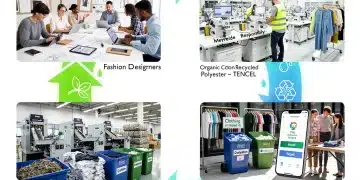
The choice of materials is the first and most critical step in sustainable apparel production. Consumers are actively seeking out brands that utilize recycled, organic, or innovative bio-based fabrics. The origin and processing of these materials are also under scrutiny, with a preference for local sourcing where feasible to minimize carbon emissions.
- Recycled Fibers: Utilizing materials like recycled polyester or cotton reduces reliance on virgin resources and diverts waste from landfills.
- Organic Textiles: Cotton, linen, and hemp grown without harmful pesticides or synthetic fertilizers are highly valued.
- Innovative Fabrics: Developments in materials like mycelium leather or fabrics derived from agricultural waste offer exciting sustainable alternatives.
- Traceability: Consumers want to know where their clothes come from, demanding clear information about material origins and ethical certifications.
Circular Economy Models and Longevity
The concept of a linear take-make-dispose model is rapidly becoming obsolete. The 2026 US apparel consumer is interested in circularity, where garments are designed for durability, repairability, and eventual recycling or upcycling. Brands that offer repair services, take-back programs, or resale platforms are seen as proactive and responsible.
Focusing on quality and timeless design over fast fashion trends also resonates deeply. Consumers are willing to invest more in pieces that will last longer, reducing the overall consumption cycle. This shift encourages brands to innovate in design and construction, ensuring their products can withstand the test of time and usage.
In essence, the demand for sustainability is multifaceted, touching every aspect of a brand’s operation. Apparel companies that embed ethical and environmental responsibility into their core business strategy, rather than treating it as an add-on, will be best positioned to meet the expectations of the 2026 US apparel consumer and build lasting relationships based on shared values.
Hyper-Personalization in Product and Experience
Beyond sustainability, the 2026 US apparel consumer craves experiences tailored specifically to their individual tastes, needs, and body types. The era of one-size-fits-all is rapidly fading, replaced by a yearning for hyper-personalization that permeates every touchpoint, from product recommendation to post-purchase engagement. Brands must leverage data and technology to create bespoke journeys that make each consumer feel uniquely understood and valued.
This demand isn’t just about offering customized products, though that is a significant component. It’s about recognizing individual style preferences, understanding sizing nuances, predicting future needs, and delivering relevant content and offers. Generic marketing campaigns will fall flat; instead, consumers expect a dialogue that acknowledges their distinct identity and evolving relationship with the brand.
Customization and Made-to-Order Options
Mass-produced clothing often fails to meet the specific requirements of a diverse consumer base. The desire for garments that fit perfectly and reflect personal style is driving a surge in demand for customization. This can range from personalized embroidery and unique color combinations to made-to-measure services that ensure an ideal fit.
- Configurable Products: Allowing customers to choose specific elements like sleeve length, fabric type, or embellishments.
- Made-to-Measure: Offering services where garments are produced according to individual body measurements, reducing fit issues and returns.
- Personalized Styling: Leveraging AI and human stylists to curate outfits or suggest pieces based on a consumer’s existing wardrobe and stated preferences.
- Unique Editions: Limited runs or collaborations that offer exclusive, personalized items.
Data-Driven Customer Journeys
The backbone of hyper-personalization is intelligent data utilization. Apparel brands must move beyond basic demographic segmentation to understand behavioral patterns, purchase history, browsing habits, and even social media engagement. This granular data allows for the creation of predictive models that anticipate customer needs and preferences.
From personalized email campaigns that recommend items based on past purchases to website experiences that dynamically adjust content for each visitor, data is the key to unlocking truly individualized interactions. This also extends to in-store experiences, where sales associates can access customer profiles to offer tailored assistance.
Ultimately, hyper-personalization fosters a deeper connection between the consumer and the brand. It transforms a transactional relationship into a more meaningful one, built on mutual understanding and the delivery of highly relevant value. Apparel brands that master the art of personalization will cultivate unparalleled loyalty among the 2026 US apparel consumer.
Seamless Digital Integration and Experiential Retail
In an increasingly digital world, the 2026 US apparel consumer expects a fluid and integrated experience across all channels, both online and offline. The distinction between physical and digital retail is blurring, with consumers demanding seamless transitions and consistent brand messaging regardless of how they choose to interact. Experiential retail, powered by digital innovation, will be crucial for capturing attention and fostering engagement.
This means that an online browsing session should effortlessly lead to an in-store pickup, or an in-store discovery should be easily savable to a digital wishlist. Augmented reality (AR) and virtual reality (VR) will play significant roles in enhancing both the online shopping experience and creating immersive in-store environments. Brands must invest in robust technological infrastructures that support this omnichannel approach.
The Blended Online-Offline Experience
Consumers no longer view online and in-store as separate entities but as interconnected parts of a single shopping journey. Brands need to design their operations to reflect this reality, ensuring consistency in pricing, promotions, and customer service across all touchpoints. Features like buy online, pick up in-store (BOPIS) or ship from store are becoming standard expectations.
- Click-and-Collect: Enabling customers to order online and pick up items at a physical store, offering convenience and speed.
- Endless Aisle: Providing access to a brand’s full inventory online while in-store, allowing customers to order items not physically present.
- Unified Customer Service: Ensuring that customer inquiries or issues can be resolved seamlessly, whether initiated online, via social media, or in-store.
- Digital Loyalty Programs: Integrating loyalty points and rewards across all purchasing channels.
Immersive Technology in Retail
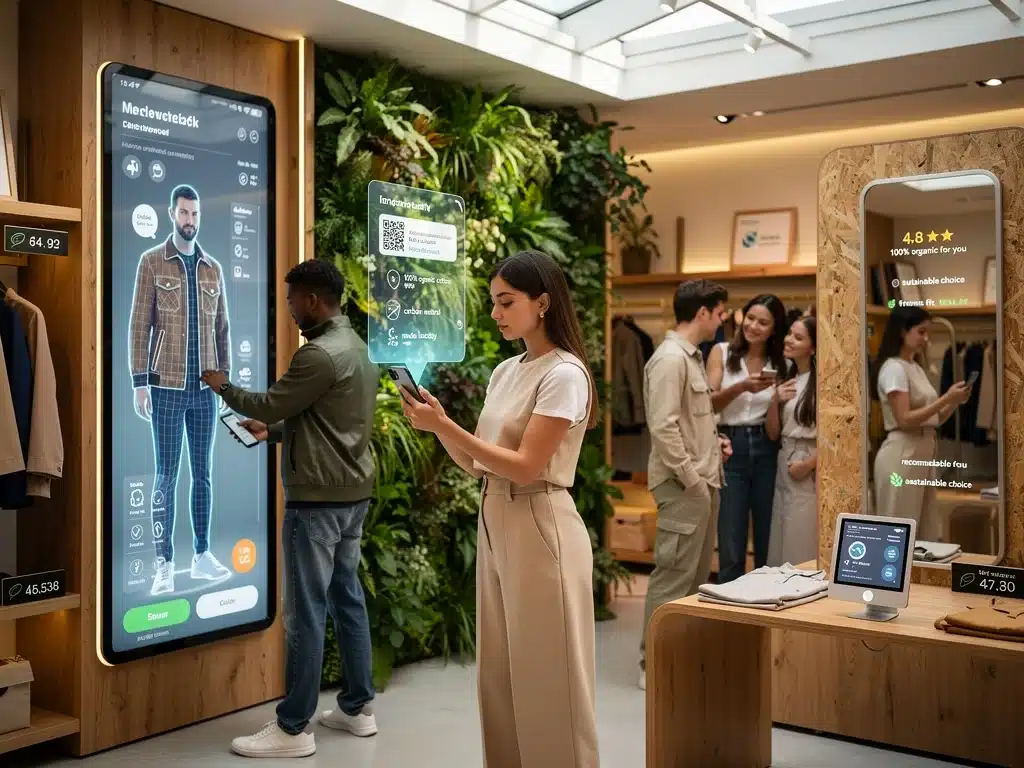
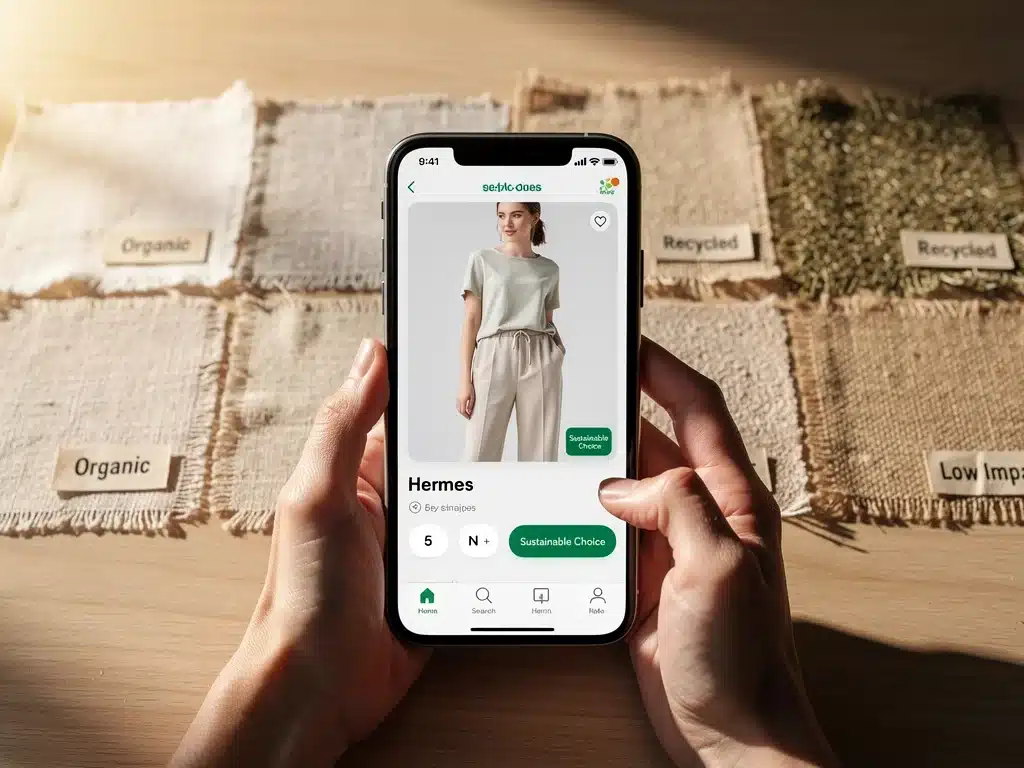
Technology is transforming how consumers discover, try on, and purchase apparel. Augmented reality (AR) fitting rooms, virtual try-on features, and personalized styling algorithms are no longer futuristic concepts but increasingly expected functionalities. These technologies enhance convenience, reduce uncertainty, and add an element of playful discovery to the shopping process.
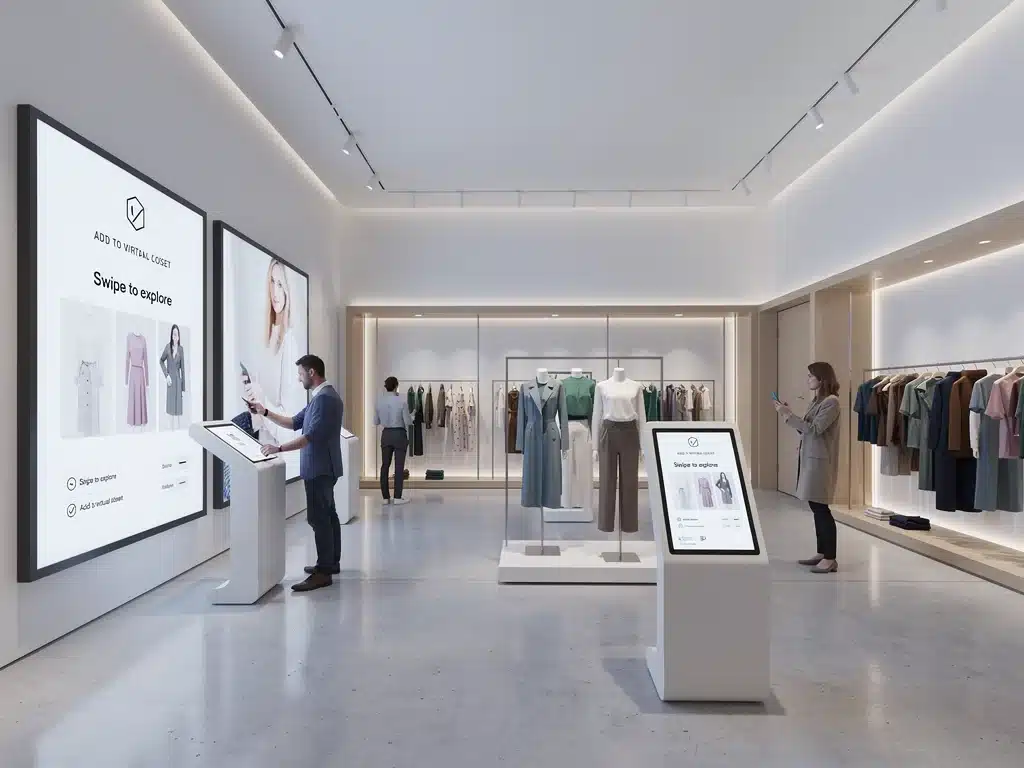
In physical stores, digital integration can mean interactive displays, smart mirrors that suggest complementary items, or personalized product information delivered via mobile apps. These innovations transform the store from a mere point of sale into an engaging brand experience center. The goal is to make every interaction seamless, informative, and enjoyable, fostering a deeper connection with the brand in an increasingly competitive market.
For apparel brands, embracing seamless digital integration and experiential retail is about meeting the consumer where they are, on their terms. It’s about leveraging technology to remove friction, add value, and create memorable brand interactions that resonate with the tech-savvy 2026 US apparel consumer. Those that fail to adapt risk being left behind in a rapidly evolving retail landscape.
The Rise of Community and Value Alignment
Beyond individual products and experiences, the 2026 US apparel consumer seeks connection and community with brands that reflect their values. It’s no longer just about what a brand sells, but what it stands for. Consumers are increasingly aligning themselves with brands that demonstrate social responsibility, advocate for causes they believe in, and foster a sense of belonging among their customer base. This shift means that brand narratives and purpose-driven marketing will become even more critical.
Brands that actively engage in social dialogue, support ethical causes, and create platforms for customer interaction will build stronger, more resilient relationships. This goes beyond mere philanthropy; it involves integrating social consciousness into the brand’s core identity and operations. Authenticity is key here, as consumers are quick to detect performative gestures versus genuine commitment.
Building Brand Communities
Social media and digital platforms offer unprecedented opportunities for brands to cultivate vibrant communities. These communities can serve as spaces for shared interests, feedback, co-creation, and mutual support. By facilitating these interactions, brands can transform customers into advocates and foster a sense of collective identity.
- Online Forums and Groups: Creating dedicated spaces for customers to discuss products, share styling tips, and connect with each other.
- User-Generated Content (UGC): Encouraging customers to share their experiences and content, amplifying brand messaging through authentic voices.
- Collaborative Design: Inviting community input on future product designs or collections, making customers feel invested in the brand’s evolution.
- Exclusive Events: Hosting virtual or in-person events for community members, fostering a sense of exclusivity and belonging.
Purpose-Driven Marketing and Advocacy
For the 2026 US apparel consumer, purchasing is often an act of alignment. They want to support brands that are transparent about their values and actively contribute to positive social or environmental change. Brands must clearly articulate their mission and demonstrate their impact through tangible actions.
This can involve supporting fair trade initiatives, advocating for diversity and inclusion, or championing environmental conservation. The key is to integrate these values into every aspect of the brand’s communication and operations, ensuring consistency and authenticity. Consumers are more likely to forgive minor product imperfections if a brand’s purpose resonates deeply with their own beliefs.
In summary, fostering community and demonstrating clear value alignment will be pivotal for apparel brands looking to connect with the 2026 US apparel consumer on a deeper, more emotional level. It’s about moving beyond transactional relationships to build a shared sense of purpose and belonging that transcends the product itself.
Agility and Adaptability in a Dynamic Market
The apparel industry is characterized by rapid shifts in trends, technology, and consumer expectations. For the 2026 US apparel consumer, brands must demonstrate unparalleled agility and adaptability to remain relevant. This means not only responding quickly to changes but also anticipating future shifts and proactively innovating. The ability to pivot strategies, embrace new technologies, and iterate on products and services will be a defining characteristic of successful brands.
This agility extends to supply chain management, marketing approaches, and even internal organizational structures. Brands that are bogged down by rigid processes or slow decision-making will struggle to keep pace. The market demands a flexible, responsive approach that can quickly integrate feedback and capitalize on emerging opportunities. Investing in robust data analytics and market intelligence will be crucial for informing these rapid adaptations.
Responsive Supply Chains
A flexible and resilient supply chain is essential for rapid response to demand fluctuations and unexpected disruptions. The ability to quickly source materials, adjust production volumes, and optimize logistics is paramount. This also includes ethical sourcing, which allows for quick changes in suppliers if ethical standards are not met.
- On-Demand Manufacturing: Exploring models that allow for smaller batch production or made-to-order items, reducing waste and inventory risk.
- Local Sourcing and Production: Reducing lead times and carbon footprint by working with regional manufacturers and suppliers.
- Digital Supply Chain Management: Utilizing technology for real-time tracking, predictive analytics, and enhanced collaboration with partners.
- Ethical Audits: Regularly vetting suppliers to ensure compliance with labor and environmental standards, allowing for quick adjustments if issues arise.
Innovation and Experimentation
Staying ahead of consumer demands requires a culture of continuous innovation. Brands must be willing to experiment with new technologies, business models, and product categories. This might involve exploring new materials, integrating AI into design processes, or launching novel retail formats. Failure should be viewed as a learning opportunity, not a deterrent.
Encouraging cross-functional teams and fostering a creative environment can significantly boost a brand’s capacity for innovation. This means investing in research and development, collaborating with startups, and actively soliciting ideas from employees and customers alike. The 2026 US apparel consumer will reward brands that consistently offer fresh, exciting, and forward-thinking solutions.
Ultimately, agility and adaptability are not just buzzwords but fundamental operational principles for apparel brands in the coming years. The market will continue to evolve at an accelerated pace, and only those brands capable of quick, informed responses will maintain their competitive edge and resonate with the dynamic 2026 US apparel consumer.
The Power of Authentic Storytelling and Brand Narrative
In a crowded marketplace, simply having a great product is no longer enough. The 2026 US apparel consumer is drawn to brands that can tell compelling stories, articulate a clear purpose, and build an authentic narrative. This storytelling goes beyond marketing slogans; it delves into the brand’s origins, its values, its impact, and the people behind its creations. Consumers want to connect with a brand’s journey and feel part of its larger mission.
An authentic brand narrative fosters emotional connection and differentiates a brand from its competitors. It provides context for sustainable practices, personalizes the customer experience, and reinforces the brand’s commitment to community and values. Brands that can master this art of storytelling will cultivate a loyal following that extends beyond the transactional purchase.
Crafting a Purpose-Driven Origin Story
Every brand has a beginning, and sharing that story can be incredibly powerful. Consumers are interested in understanding the motivations behind a brand’s creation, the challenges it has overcome, and the vision that drives it forward. If the origin story is rooted in a specific purpose, such as addressing an environmental issue or promoting social equity, it resonates even more deeply with the conscious consumer.
- Founder Stories: Highlighting the personal journey and motivations of the brand’s founders.
- Mission Statements: Clearly articulating the brand’s core purpose and why it exists beyond profit.
- Historical Context: Sharing the evolution of the brand and its commitment to specific values over time.
- Behind-the-Scenes: Offering glimpses into the creative process, manufacturing, and the people involved in making the products.
Engaging Through Multi-Channel Narratives
An authentic brand narrative should be consistently woven through all communication channels. From website content and social media posts to in-store displays and packaging, every touchpoint is an opportunity to reinforce the brand’s story. Visual storytelling, through high-quality photography and video, is particularly effective in capturing attention and conveying emotion.
Collaborating with influencers who genuinely align with the brand’s values can also amplify its narrative. These partnerships feel more authentic when the influencer truly believes in the brand’s mission, rather than simply promoting a product. The goal is to create a rich, cohesive narrative that invites consumers to become part of the brand’s world and its ongoing story.
In essence, authentic storytelling and a strong brand narrative are invaluable assets for apparel brands targeting the 2026 US apparel consumer. They provide the emotional resonance and deeper meaning that transform fleeting interest into enduring loyalty. Brands that tell their story well will not only sell products but also build movements.
The Economic Imperative: Value, Not Just Price
While the 2026 US apparel consumer is increasingly focused on sustainability, personalization, and digital experiences, the economic reality of value remains a critical factor. However, ‘value’ in 2026 will be interpreted differently than in previous decades. It’s no longer solely about the lowest price but about the comprehensive worth a product offers in relation to its cost, encompassing durability, ethical production, and the overall brand experience. Consumers are willing to pay a premium for products that align with their values and deliver on quality and longevity.
Brands must articulate this holistic value proposition clearly. This means highlighting the benefits of sustainable materials, the craftsmanship that contributes to durability, and the positive impact of ethical sourcing. Discounts and promotions will still play a role, but they will be viewed through a lens of conscious consumption, rather than impulsive buying. The challenge for brands is to justify their price points by demonstrating superior value across multiple dimensions.
Transparent Pricing and Cost Breakdown
Consumers are increasingly curious about the true cost of their clothing. Brands that embrace transparent pricing, breaking down the costs associated with materials, labor, and sustainable practices, build trust. This transparency helps consumers understand why a sustainable or ethically produced garment might carry a higher price tag than its fast-fashion counterpart.
- Cost Transparency: Providing information on material costs, labor wages, and environmental investments.
- Lifecycle Costing: Educating consumers on the long-term savings of durable, repairable clothing compared to frequently replaced cheaper items.
- Fair Wage Practices: Highlighting commitments to fair wages and safe working conditions for garment workers.
- Certification Costs: Explaining investments in certifications like GOTS (Global Organic Textile Standard) or Fair Trade.
Investment in Durability and Repairability
For the 2026 US apparel consumer, a garment’s longevity directly translates to its value. Products designed for durability and ease of repair reduce the need for frequent replacements, saving money in the long run and minimizing environmental impact. Brands that offer guarantees, repair services, or guidance on garment care enhance their value proposition significantly.
This shift moves away from a disposable fashion culture towards one of conscious investment. Consumers are looking for fewer, higher-quality items that will serve them for years. Brands that prioritize robust construction, classic designs, and provide resources for extending product life will resonate strongly with this economically savvy and environmentally conscious consumer base. The economic imperative for 2026 is about delivering enduring value that aligns with both personal finances and personal ethics.
| Key Demand | Brand Strategy Focus |
|---|---|
| Sustainability & Ethics | Transparent sourcing, circular models, eco-friendly materials, fair labor. |
| Hyper-Personalization | Customization options, data-driven recommendations, tailored experiences. |
| Seamless Digital Integration | Omnichannel presence, AR/VR experiences, blended online/offline retail. |
| Value Alignment & Community | Purpose-driven narratives, community building, transparent value proposition. |
Frequently Asked Questions About the 2026 US Apparel Consumer
The primary driver for the 2026 US apparel consumer is an overwhelming demand for sustainability and ethical practices. This goes beyond just eco-friendly materials, extending to transparent supply chains, fair labor, and a commitment to circular economy principles. Brands must demonstrate genuine responsibility.
Personalization is extremely important, moving towards hyper-personalization. Consumers expect tailored product recommendations, customization options, and bespoke experiences that reflect their unique styles and preferences. Data-driven strategies will be crucial for delivering these individualized customer journeys effectively.
Yes, physical stores will remain relevant, but their role will evolve. They will become integrated hubs for seamless digital experiences, offering services like click-and-collect and immersive AR/VR try-ons. The 2026 consumer expects a blended online-offline journey, where technology enhances the physical retail environment.
For the 2026 apparel consumer, ‘value’ transcends mere price. It encompasses the comprehensive worth of a product, including its durability, ethical production, environmental impact, and the overall brand experience. Consumers are willing to pay more for items that align with their values and offer long-term utility.
Brands can build loyalty by fostering community, articulating a strong purpose-driven narrative, and consistently demonstrating authenticity. Engaging consumers through shared values, transparent practices, and opportunities for co-creation will transform transactional relationships into deeper, more meaningful connections.
Conclusion
The 2026 US apparel consumer stands at the intersection of conscious consumption, advanced technology, and a deep desire for personal connection. The three key demands—unwavering sustainability, hyper-personalization, and seamless digital integration—are not isolated trends but interconnected facets of a holistic expectation. Apparel brands that strategically embrace these shifts, demonstrating agility, authenticity, and a genuine commitment to value, will not only meet but exceed the expectations of this evolving consumer. Success in the coming years will hinge on the ability to transform business models, cultivate meaningful relationships, and consistently deliver experiences that resonate with the modern, discerning buyer.