US Motorcycle Market Sees 4% Sales Increase in Q1 2026
Advertisements
The United States motorcycle market saw a notable 4% increase in sales during the first quarter of 2026, primarily influenced by strong seasonal demand and evolving consumer preferences for diverse motorcycle segments.
The United States motorcycle market experiences 4% sales increase in Q1 2026: Seasonal Trends and Demand, marking a robust start to the year for an industry that continues to adapt and innovate. This notable growth reflects a complex interplay of consumer enthusiasm, strategic manufacturer initiatives, and the inherent seasonality of motorcycle purchasing. As we delve into the figures and underlying factors, it becomes clear that this isn’t just a fleeting spike, but potentially a sign of sustained vitality.
Advertisements
Understanding the Q1 2026 Sales Surge
The first quarter of 2026 brought welcome news to the United States motorcycle industry, with a reported 4% increase in sales. This growth is particularly significant as Q1 often sets the tone for the rest of the year, influenced heavily by early spring weather and consumer anticipation for the riding season. This section explores the immediate drivers behind this positive performance, dissecting what made the market tick during these crucial months.
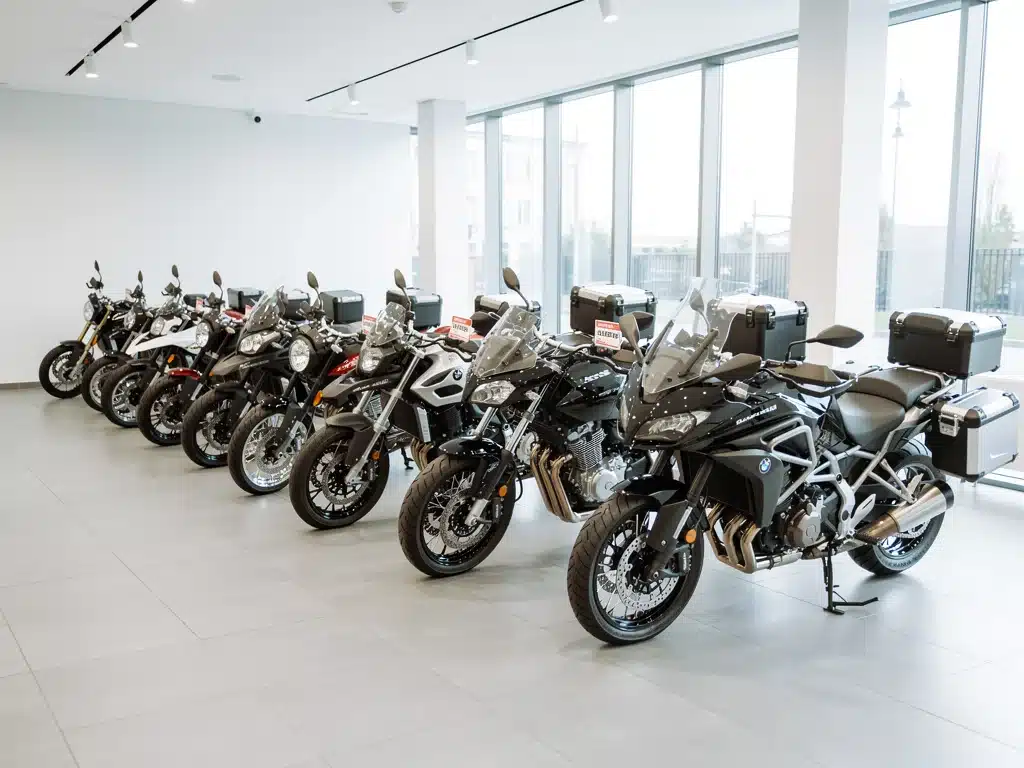
Several factors contributed to this surge. Economic stability, coupled with a renewed interest in outdoor recreational activities, has played a pivotal role. Consumers, perhaps seeking alternatives to public transport or simply embracing a lifestyle shift, are increasingly turning to motorcycles. Dealerships reported higher foot traffic and more serious inquiries compared to previous Q1 periods, suggesting a confident consumer base ready to invest in new bikes.
Key Economic Indicators and Consumer Confidence
A stable economic environment is often a prerequisite for discretionary purchases like motorcycles. In Q1 2026, favorable economic indicators, such as steady employment rates and manageable inflation, bolstered consumer confidence. This confidence translated directly into purchasing power, allowing more individuals to consider buying a new motorcycle. Furthermore, targeted financing options made these purchases more accessible.
- Employment Rates: Consistent job growth provided financial security for potential buyers.
- Inflation Control: Stable prices for essential goods left more disposable income.
- Interest Rates: Competitive financing options from manufacturers and lenders eased the burden of purchase.
- Disposable Income: A general increase in household disposable income supported luxury item acquisitions.
The confluence of these economic factors created a fertile ground for market expansion. Consumers felt secure enough in their financial futures to make significant investments, choosing motorcycles not just as a mode of transport but as a lifestyle enhancement. This positive economic backdrop was undeniably a cornerstone of the Q1 sales increase.
In conclusion, the Q1 2026 sales surge in the US motorcycle market wasn’t a random event. It was a carefully orchestrated outcome of improving economic conditions and a receptive consumer base, eager to embrace the freedom and excitement that motorcycling offers. This strong start bodes well for the industry’s performance throughout the year, provided these foundational elements remain stable.
Seasonal Dynamics and Their Impact on Sales
Motorcycle sales are inherently cyclical, heavily influenced by seasonal patterns. The first quarter, spanning January, February, and March, is particularly sensitive to weather conditions and the onset of spring. This section examines how these seasonal dynamics specifically contributed to the 4% sales increase observed in Q1 2026, highlighting the strategic importance of this period for manufacturers and dealerships.
The transition from winter to spring typically ignites consumer interest in motorcycling. Warmer temperatures and clearer roads encourage riders to prepare for the season ahead, often by upgrading their current bikes or purchasing new ones. Q1 2026 benefited from an earlier-than-usual warming trend in several key regions, which spurred early purchasing decisions and contributed significantly to the overall sales growth.
Early Spring Weather and Rider Readiness
Unseasonably mild weather across large parts of the US in late winter and early spring played a crucial role. This allowed riders to get out earlier, stimulating demand for new models. Dealerships leveraged this by launching spring promotions ahead of schedule, capitalizing on the favorable conditions.
- Mild Winter Conditions: Reduced snow and ice, allowing for earlier riding opportunities.
- Increased Daylight Hours: Longer days encouraged more outdoor activities, including motorcycling.
- Spring Promotions: Manufacturers and dealers rolled out attractive incentives to capture early buyers.
- Rider Anticipation: The natural excitement for the upcoming riding season translated into early purchases.
These weather-related advantages, combined with proactive marketing, created a powerful impetus for sales. Riders who might typically wait until April or May to make their purchase were encouraged to act sooner, front-loading the sales figures for the first quarter. This shift demonstrates the profound impact of environmental factors on the market.
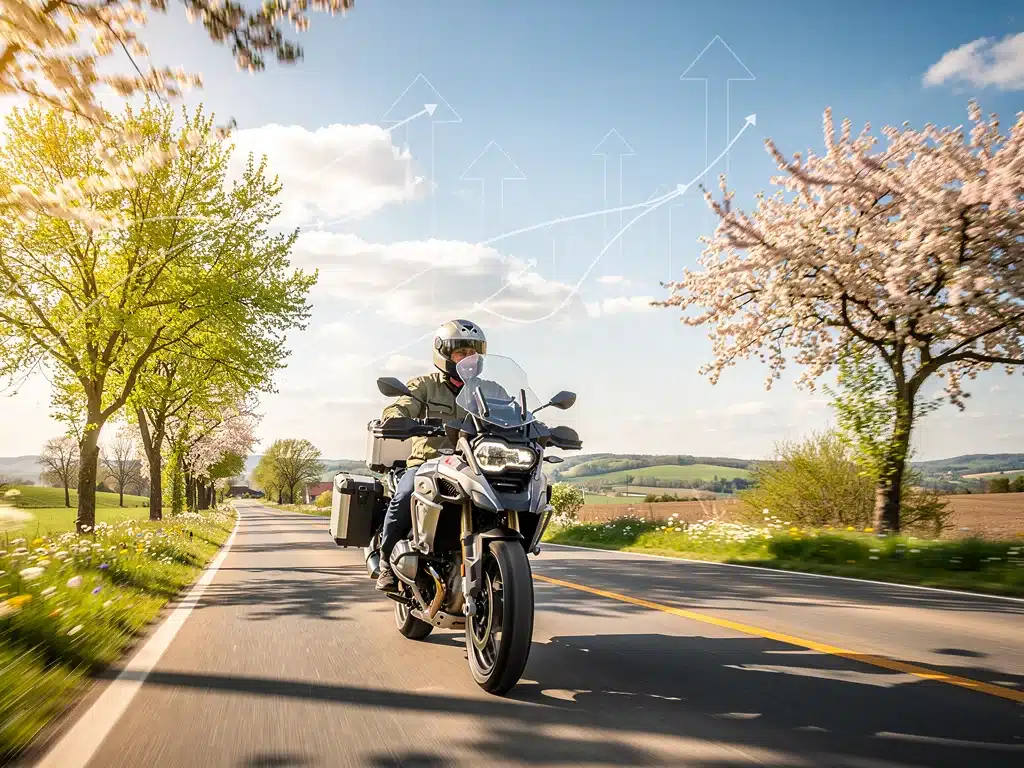
Furthermore, the psychological aspect of escaping winter doldrums and embracing the open road cannot be overstated. Motorcycles offer a sense of freedom and adventure that resonates strongly with consumers emerging from periods of colder weather. This intrinsic desire, amplified by favorable conditions, underscored the Q1 performance.
In summary, the seasonal dynamics of Q1 2026 were exceptionally favorable, with early spring weather and strategic market responses aligning to boost sales figures. This period is a bellwether for the rest of the year, and its strong showing provides a positive outlook for the industry as it moves into peak riding season.
Evolving Consumer Demand and Market Preferences
The 4% sales increase in the United States motorcycle market experiences 4% sales increase in Q1 2026: Seasonal Trends and Demand wasn’t solely about economic conditions or good weather; it also reflects a significant evolution in consumer preferences. Buyers in 2026 are more discerning, seeking specific features, styles, and riding experiences. This section delves into the shifting landscape of consumer demand and how manufacturers are responding to these new expectations.
Today’s motorcycle buyer is diverse, ranging from seasoned veterans to new riders, each with unique needs. There’s a noticeable uptick in demand for specific segments, such as adventure touring bikes, entry-level models, and electric motorcycles. This diversification suggests that the market is broadening its appeal, attracting a wider demographic than ever before.
Rise of Adventure Touring and Urban Commuters
Adventure touring motorcycles have seen a consistent rise in popularity, driven by a desire for versatility and exploration. These bikes offer comfort for long distances and capability for off-road excursions, appealing to riders who want to do it all. Simultaneously, urban commuters are increasingly looking for nimble, fuel-efficient, and often electric options for daily travel, indicating a practical shift in usage.
- Adventure Touring: High demand for bikes capable of both on-road comfort and off-road capability.
- Electric Motorcycles: Growing interest in environmentally friendly and low-maintenance electric models for city use.
- Entry-Level Bikes: Strong sales of smaller, more affordable motorcycles attracting new riders.
- Customization: Consumers seeking personalized options and aftermarket accessories.
Manufacturers have been quick to respond, introducing new models and enhancing existing lines to meet these specific demands. The focus is not just on raw power but on technology, comfort, and adaptability. Connectivity features, advanced rider aids, and ergonomic designs are now crucial selling points, reflecting a more tech-savvy and comfort-oriented buyer.
Furthermore, the demographic of motorcycle riders is expanding. More women and younger individuals are entering the market, seeking bikes that are approachable, stylish, and offer a unique personal expression. This broader appeal is vital for the long-term health and growth of the industry.
In conclusion, the Q1 2026 sales figures underscore a dynamic shift in consumer demand. The market is moving beyond traditional segments, embracing a wider array of motorcycle types that cater to diverse lifestyles and riding aspirations. This evolution is a healthy sign of an industry that remains relevant and attractive to a new generation of riders.
Technological Innovations Driving Market Interest
Innovation is a powerful catalyst for growth, and the United States motorcycle market experiences 4% sales increase in Q1 2026: Seasonal Trends and Demand has certainly benefited from advancements in technology. Modern motorcycles are no longer just engines and two wheels; they are sophisticated machines packed with features that enhance safety, performance, and the overall riding experience. This section explores how technological innovations are capturing consumer interest and contributing to the market’s positive trajectory.
From advanced rider assistance systems to electric powertrains, technology is reshaping what a motorcycle can be. These innovations are not only attracting existing riders looking to upgrade but also drawing in new demographics who value safety, efficiency, and cutting-edge features. The focus on smart technology makes motorcycles more appealing in an increasingly connected world.
Advanced Rider Assistance Systems (ARAS) and Connectivity
The integration of ARAS, such as adaptive cruise control, traction control, and cornering ABS, has significantly improved safety and rider confidence. These systems reduce fatigue and mitigate risks, making motorcycling more accessible and enjoyable. Additionally, integrated connectivity features, like smartphone integration and navigation, have become standard expectations for many buyers.
- Adaptive Cruise Control: Enhances comfort on long rides by maintaining a set distance from vehicles ahead.
- Traction Control: Improves safety by preventing wheel slip during acceleration.
- Cornering ABS: Provides safer braking performance, especially during turns.
- Smartphone Integration: Seamless access to navigation, music, and communication on the go.
Beyond safety and convenience, performance enhancements derived from technology are also drawing buyers. Lighter materials, more efficient engine designs, and sophisticated suspension systems contribute to a superior riding experience. These improvements cater to riders who demand both exhilarating performance and refined handling.
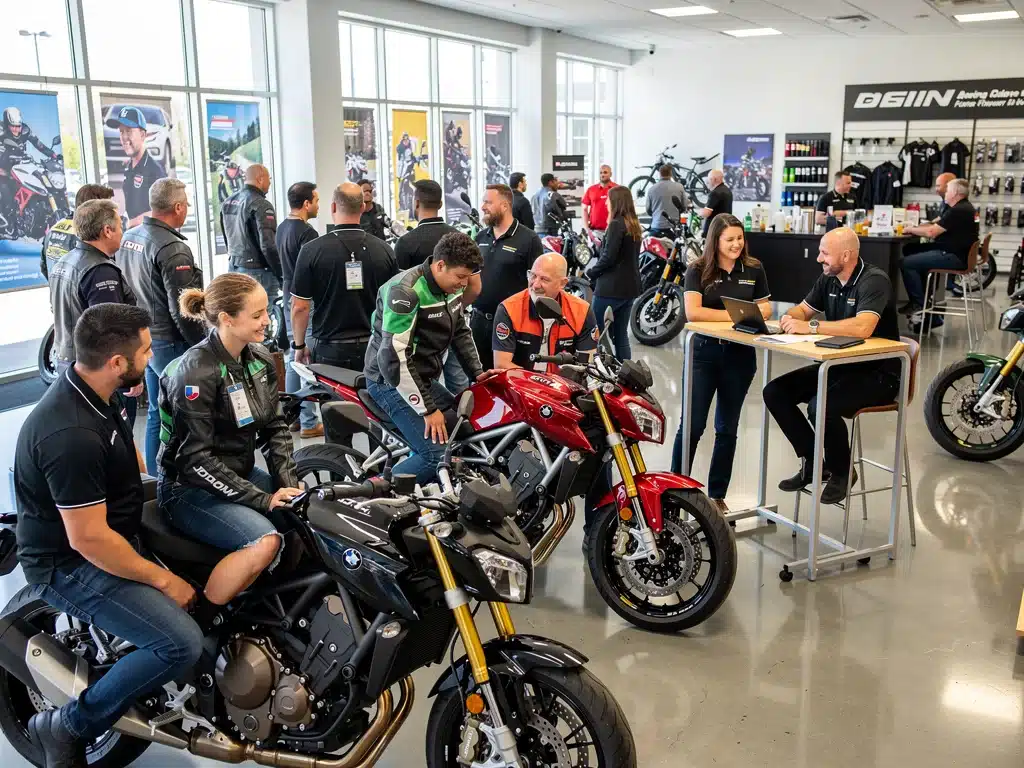
The rise of electric motorcycles is perhaps the most significant technological shift. Offering instant torque, quiet operation, and zero emissions, electric bikes are appealing to environmentally conscious consumers and those seeking a different kind of riding thrill. While still a niche, their growth potential is immense and already contributing to overall market expansion.
In conclusion, technological innovations are a critical driver of interest and sales in the US motorcycle market. By focusing on safety, performance, connectivity, and sustainability, manufacturers are creating products that resonate with a modern consumer base, ensuring the industry’s continued relevance and growth in the years to come.
Impact of Marketing Strategies and Dealership Initiatives
Behind the 4% sales increase in the United States motorcycle market experiences 4% sales increase in Q1 2026: Seasonal Trends and Demand are well-executed marketing strategies and proactive dealership initiatives. In a competitive market, merely having a good product is not enough; effective communication and a positive customer experience are paramount. This section explores how strategic marketing and dealership efforts translated into tangible sales growth during Q1 2026.
Manufacturers and dealerships are increasingly focusing on personalized marketing, community building, and enhanced customer service. They understand that buying a motorcycle is often an emotional decision, and fostering a strong relationship with potential buyers is crucial. This includes everything from online engagement to in-store events and post-purchase support.
Targeted Campaigns and Community Engagement
Marketing campaigns in Q1 2026 were highly targeted, leveraging data analytics to reach specific demographics with relevant messages. Digital marketing, social media engagement, and influencer collaborations played a significant role in creating buzz around new models and seasonal promotions. Dealerships also hosted open house events, demo days, and rider training courses, fostering a sense of community and providing hands-on experiences.
- Digital Marketing: Personalized ads and content delivered via social media and targeted websites.
- Influencer Partnerships: Collaborations with popular riders to showcase new models and riding lifestyles.
- Dealership Events: Open houses, demo rides, and workshops to attract and engage potential buyers.
- Rider Training Programs: Offering courses for new riders, lowering the barrier to entry.
The emphasis on customer experience extends beyond the initial sale. Dealerships are investing in improved service departments, offering flexible maintenance plans, and providing robust after-sales support. This holistic approach builds loyalty and encourages repeat business and positive word-of-mouth referrals, which are invaluable in the motorcycle community.
Furthermore, the financing options available to consumers were a key part of the sales strategy. Attractive interest rates, flexible payment plans, and special promotions for first-time buyers made ownership more attainable. Transparent pricing and clear communication about total costs also built trust with consumers.
In conclusion, the strategic marketing and dealership initiatives were instrumental in translating market potential into actual sales. By understanding consumer needs, building strong communities, and offering comprehensive support, the industry successfully capitalized on the favorable conditions of Q1 2026, driving significant growth.
Challenges and Opportunities for Sustained Growth
While the 4% sales increase in the United States motorcycle market experiences 4% sales increase in Q1 2026: Seasonal Trends and Demand is encouraging, the industry is not without its challenges. Sustaining this growth requires careful navigation of potential headwinds and continuous identification of new opportunities. This section explores the obstacles that could impede future growth and the strategies that can be employed to ensure continued market expansion.
Challenges include fluctuating fuel prices, regulatory changes, intense competition from other recreational activities, and the need to attract a younger demographic. Overcoming these requires innovative thinking and a proactive approach from manufacturers, dealerships, and industry associations. The market must remain agile to adapt to external pressures.
Addressing Regulatory Changes and Environmental Concerns
Increasingly stringent environmental regulations and safety standards pose both challenges and opportunities. While compliance can be costly, it also drives innovation towards cleaner, safer motorcycles, which can appeal to a broader market. The growth of electric motorcycles is a direct response to these concerns, offering a sustainable path forward.
- Emissions Standards: Developing cleaner engines and promoting electric alternatives.
- Safety Regulations: Integrating advanced safety features to meet evolving standards.
- Infrastructure Development: Advocating for better charging infrastructure for electric bikes.
- Public Perception: Working to improve the image of motorcycling as a responsible and enjoyable activity.
Another significant opportunity lies in further expanding the rider base. This involves making motorcycling more accessible and appealing to diverse groups, including women, urban dwellers, and younger generations. Targeted outreach programs, beginner-friendly models, and community initiatives are crucial for this expansion.
The aftermarket accessory market also presents a substantial opportunity for growth. Riders often personalize their bikes, investing in modifications and upgrades. Manufacturers and dealerships can leverage this by offering a wider range of accessories and customization services, adding significant value to the overall purchase experience.
In conclusion, the US motorcycle market faces a mix of challenges and opportunities. By embracing innovation, adapting to regulatory landscapes, and strategically expanding its appeal to new demographics, the industry can convert Q1 2026’s positive momentum into a sustained period of growth, ensuring a vibrant future for motorcycling.
Future Outlook and Predictions for the US Motorcycle Market
Looking beyond Q1 2026, the future of the United States motorcycle market experiences 4% sales increase in Q1 2026: Seasonal Trends and Demand appears cautiously optimistic. The strong start to the year provides a solid foundation, but sustained growth will depend on several key factors and ongoing industry adaptation. This section offers predictions and insights into what the remainder of 2026 and beyond might hold for motorcycle sales and trends in the US.
The industry is expected to continue its trajectory of innovation, with an increased focus on sustainability and connectivity. Electric motorcycles will likely gain more traction, and traditional manufacturers will further diversify their portfolios to cater to niche markets. The overall market size may not explode, but steady, incremental growth driven by specific segments is highly probable.
Continued Diversification and Electric Vehicle Adoption
The trend towards market diversification is set to continue, with consumers increasingly opting for bikes that fit specific lifestyles, whether it’s off-road adventure, urban commuting, or long-distance touring. Electric motorcycles, while still a smaller segment, are poised for significant expansion as technology improves, range anxiety lessens, and charging infrastructure becomes more widespread.
- Segment Specialization: Further growth in adventure, cruiser, and naked bike segments.
- Electric Motorcycle Growth: Increased market share for EV bikes as technology advances and costs decrease.
- Subscription Models: Potential emergence of motorcycle subscription or sharing services in urban areas.
- Personalization: Continued demand for customizable bikes and aftermarket parts.
Economic conditions will remain a critical determinant. While Q1 2026 saw stability, any significant shifts in inflation, interest rates, or consumer confidence could impact discretionary spending. The industry will need to remain vigilant and offer flexible purchasing options to mitigate potential economic downturns.
The experiential aspect of motorcycling will also be a major focus. Manufacturers and dealerships will likely invest more in events, rides, and community-building activities to enhance the overall brand experience. This emotional connection is a powerful driver of loyalty and new sales.
In conclusion, the future outlook for the US motorcycle market is positive, albeit with an emphasis on adaptability. The industry’s ability to innovate, respond to evolving consumer demands, and navigate economic and regulatory landscapes will be key to sustaining the growth seen in Q1 2026. Electric bikes, specialized segments, and enhanced rider experiences are likely to define the market’s path forward.
| Key Point | Brief Description |
|---|---|
| Q1 2026 Sales Growth | The US motorcycle market experienced a 4% sales increase in the first quarter of 2026, indicating a strong start to the year. |
| Seasonal Trends Impact | Early spring weather and strategic promotions significantly influenced consumer purchasing decisions during Q1. |
| Evolving Consumer Demand | Increased interest in adventure touring, electric models, and entry-level bikes reflects changing rider preferences. |
| Technological Innovations | Advanced rider assistance systems and electric powertrains are key drivers of market interest and purchases. |
Frequently Asked Questions About the US Motorcycle Market
The primary reasons included favorable economic conditions, which boosted consumer confidence and disposable income, coupled with early and mild spring weather across many regions of the US, encouraging earlier motorcycle purchases and riding activities.
Adventure touring bikes, entry-level models, and electric motorcycles showed significant increases in demand. Consumers are seeking versatility, accessibility for new riders, and environmentally friendly options, driving diversification across the market.
Technological innovations, such as advanced rider assistance systems (ARAS) like adaptive cruise control and cornering ABS, along with enhanced connectivity and the rise of electric powertrains, significantly boosted consumer interest and purchasing decisions.
Strategic marketing campaigns, including digital outreach, influencer collaborations, and engaging dealership events, were crucial. These efforts built community, attracted new riders, and effectively capitalized on seasonal demand with targeted promotions and financing options.
The outlook is cautiously optimistic, with continued growth expected in specialized segments and electric vehicles. Sustained success will depend on ongoing innovation, adaptation to regulatory changes, and effective strategies to broaden the rider base and enhance the overall riding experience.
Conclusion
The 4% sales increase in the United States motorcycle market during Q1 2026 stands as a testament to the industry’s resilience and adaptability. This positive momentum was fueled by a convergence of favorable economic conditions, advantageous seasonal weather patterns, evolving consumer preferences for diverse and technologically advanced models, and robust marketing and dealership initiatives. While challenges such as regulatory shifts and the need to attract new demographics persist, the industry is demonstrating a strong capacity for innovation and strategic response. The focus on sustainability, enhanced safety, and an enriched rider experience points towards a promising future. Sustaining this growth will require continued vigilance and investment in understanding and meeting the dynamic demands of the modern motorcycle enthusiast, ensuring the thrill of the open road remains a powerful draw for years to come.