Maximizing Scale Model Display in Small Spaces 2026
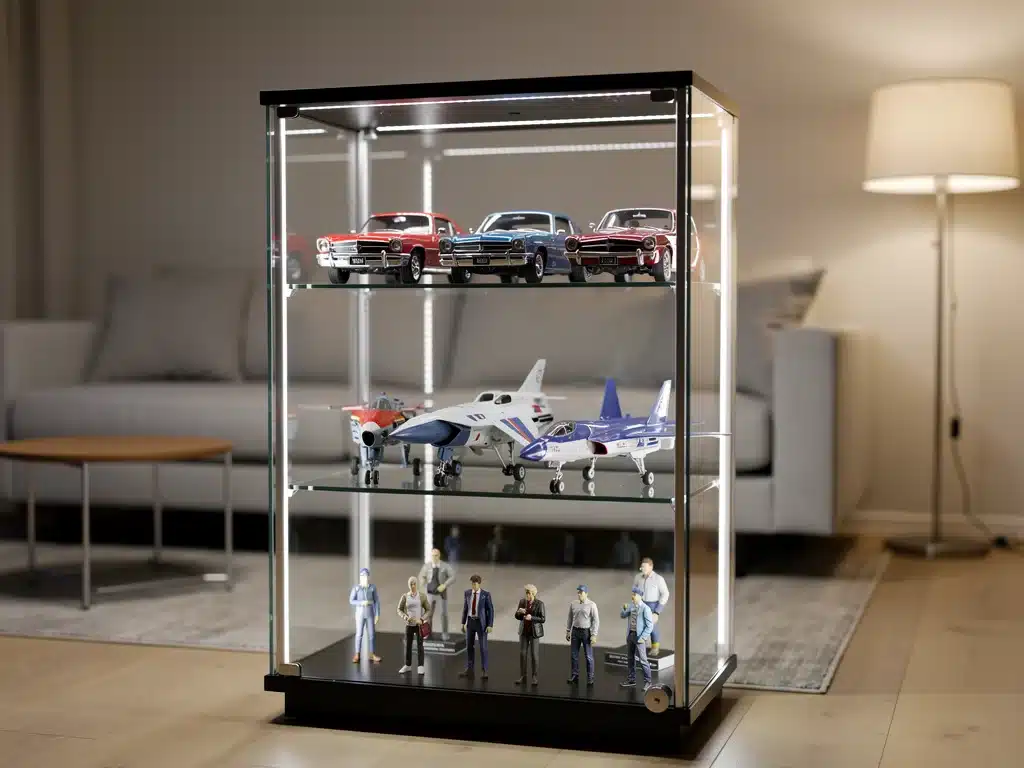
Advertisements
Maximizing Your Scale Model Display: 7 Innovative Layouts for Small Spaces in 2026 offers practical and creative strategies for collectors to effectively showcase their cherished miniature collections within confined living areas, ensuring aesthetic appeal and optimal organization.
For enthusiasts, the joy of collecting scale models often comes with the challenge of displaying them, especially when living in compact urban environments. By 2026, innovative solutions for maximizing your scale model display in small spaces have evolved, offering both aesthetic appeal and practical storage. This guide will explore seven cutting-edge layouts designed to transform cramped corners into captivating showcases for your prized miniature collections.
Advertisements
Understanding the Constraints of Small Spaces
Before diving into specific layouts, it is crucial to acknowledge the inherent limitations and opportunities presented by small spaces. Collectors often face reduced floor area, limited wall space, and the need for multi-functional furniture. However, these constraints can spark incredible creativity, leading to display solutions that are both ingenious and visually striking.
Effective planning is the cornerstone of any successful small-space display. Consider not just the quantity of your models, but also their size, fragility, and the overall aesthetic you wish to achieve. A well-thought-out plan can prevent clutter and ensure your collection enhances, rather than overwhelms, your living area.
Verticality: The Untapped Potential
One of the most overlooked resources in small spaces is vertical height. Utilizing walls and the space above existing furniture can dramatically expand your display capacity without consuming precious floor area. Think upwards, not outwards, to unlock new possibilities for your collection.
- Floating Shelves: These offer a sleek, minimalist look and can be arranged in dynamic patterns.
- Wall-Mounted Cabinets: Provide dust protection and a more enclosed display, often with integrated lighting.
- Bookcase Integration: Dedicate shelves within existing bookcases for models, blending them with other decor.
By focusing on vertical space, you can create a tiered visual experience that draws the eye upward, making the room feel larger and more organized. This approach not only accommodates more models but also turns your collection into a focal point of your interior design.
The key to successful vertical display lies in thoughtful arrangement and secure mounting. Ensure shelves and cabinets are properly anchored, especially if displaying heavier models. Grouping models by theme or color can also add to the visual coherence, transforming a simple wall into a curated gallery.
Layout 1: The Integrated Wall Unit Display
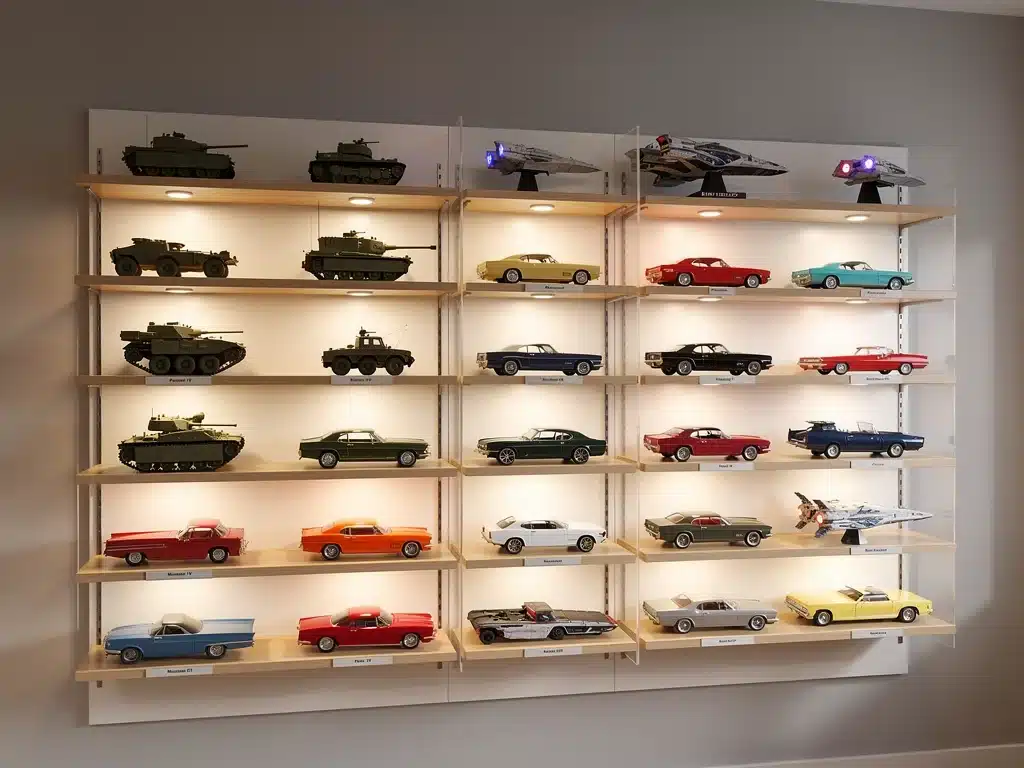
The integrated wall unit is a sophisticated solution for seamlessly blending your scale model collection with your home decor. This layout involves custom-built or modular shelving systems that span an entire wall, often incorporating other elements like a television, books, and decorative items. The goal is to create a cohesive visual statement where models are part of a larger, harmonious design.
This approach works exceptionally well in living rooms or studies, providing ample space for diverse collections while maintaining an uncluttered appearance. The key is to choose units that match your existing furniture and color scheme, ensuring a unified aesthetic.
Customization for Cohesion
Customization is paramount for an integrated wall unit. Consider adjustable shelves, built-in lighting, and even mirrored backs to enhance depth and visibility of your models. The design should reflect your personal taste and the specific needs of your collection.
- Adjustable Shelving: Allows for varying model heights and future collection expansion.
- Integrated LED Lighting: Spotlights or strip lights highlight details and create ambiance.
- Enclosed Sections: Protect delicate models from dust and curious hands.
The beauty of an integrated wall unit lies in its ability to transform a functional storage solution into a stunning display. By carefully curating the arrangement of models alongside other decorative objects, you can create a dynamic and engaging visual narrative that reflects your passions.
Think about the flow and balance of the unit. Avoid overcrowding any single shelf. Instead, allow each model or small group of models enough space to breathe, making them easier to appreciate individually. This layout truly elevates your collection from mere objects to integral parts of your home’s design.
Layout 2: The Under-Bed Storage Showcase
For those with extremely limited wall or floor space, the under-bed storage showcase offers an ingenious solution. This layout utilizes the often-neglected area beneath your bed, transforming it into a pull-out display drawer. Specialized shallow, wide drawers can be designed with clear tops, allowing you to view your models without fully removing them.
This method is particularly effective for flat collections like model cars, trains, or even smaller aircraft. It keeps models protected from dust and sunlight when not in use, while still making them accessible for viewing or rearrangement.
Accessibility and Protection
The design of the under-bed showcase should prioritize ease of access and optimal protection. Look for drawers with smooth-rolling casters and secure latches. The clear top can be made of acrylic or tempered glass, offering both visibility and a barrier against dust.
- Clear Lids: Essential for viewing models without exposing them.
- Divided Compartments: Prevents models from shifting and bumping into each other.
- Moisture Control: Consider desiccant packs if humidity is a concern in your area.
While primarily a storage solution, the under-bed showcase can become a unique display experience. Imagine pulling out a drawer to reveal a perfectly preserved diorama or a fleet of classic cars. It’s a private museum, accessible at your convenience, perfect for unexpected guests or quiet contemplation.
This layout is also excellent for rotating your display. You can have several drawers, each containing a different theme or set of models, and swap them out periodically to keep your collection fresh and engaging. It’s a practical, space-saving, and surprisingly elegant solution for the savvy collector.
Layout 3: Floating Corner Shelves and Cubbies
Corners are often awkward, underutilized spaces in small rooms. Floating corner shelves and cubbies are designed to reclaim these areas, turning them into dynamic display zones for your scale models. These units are typically triangular or L-shaped, fitting snugly into a corner and providing multiple levels for showcasing your collection.
This layout is perfect for smaller, individual models or themed groupings that can benefit from a dedicated, intimate display area. They add architectural interest to a room while maximizing otherwise wasted space.
Strategic Placement and Lighting
The effectiveness of corner displays hinges on strategic placement and thoughtful lighting. Consider placing a corner unit near a window for natural light, or install small LED puck lights beneath each shelf to illuminate your models from above. The goal is to make each model stand out.
- Varied Heights: Install shelves at different heights to accommodate models of various sizes.
- Mirror Backing: A mirror on the back wall of the corner can create an illusion of depth.
- Color Contrast: Use shelf colors that contrast with your models to make them pop.
Corner shelving units can transform a neglected part of a room into a charming display. They invite closer inspection and can create a sense of discovery for visitors. By carefully arranging your models, you can tell a story or highlight specific themes within your collection.
Furthermore, these units are relatively easy to install and can be a cost-effective way to add significant display space. They are particularly well-suited for collectible figures, small dioramas, or individual showcase pieces where attention to detail is paramount.
Layout 4: Rotating Pedestal or Turntable Displays
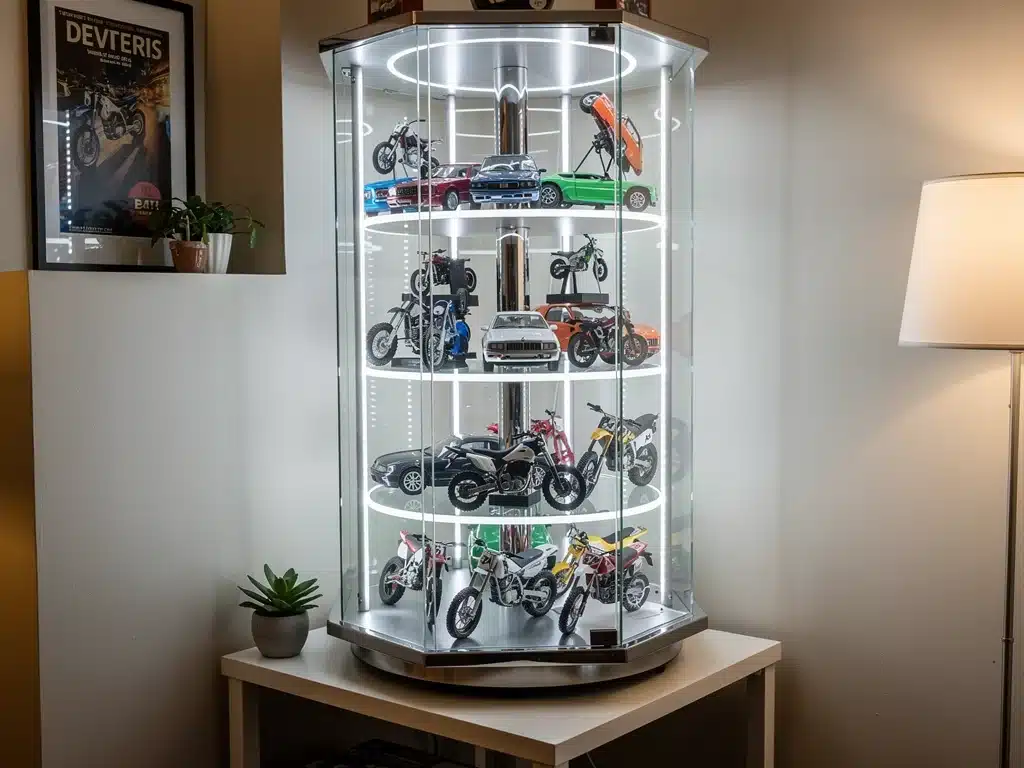
When space is at a premium, a rotating pedestal or turntable display offers a dynamic and space-efficient way to showcase multiple models. These units typically feature several tiers that rotate, allowing viewers to see all sides of each model without having to move around the display. They are excellent for drawing attention and creating an engaging visual experience.
This layout is ideal for individual standout models or small, curated collections that you want to highlight. A rotating display can be placed on a tabletop, a deep window sill, or even within a larger cabinet, making it highly versatile for small spaces.
Dynamic Presentation
The primary advantage of a rotating display is its ability to present models from all angles. This dynamic presentation can reveal intricate details often missed in static displays. Many modern turntables come with adjustable speeds and integrated lighting, further enhancing the viewing experience.
- Multi-Tiered Designs: Maximize vertical space on a small footprint.
- Integrated Lighting: Spotlights or LED strips illuminate models as they rotate.
- Variable Speed: Allows for a customized viewing pace.
A well-chosen rotating display can become a mesmerizing centerpiece in any small room. It encourages interaction and provides a professional, gallery-like presentation for your most cherished models. Consider models that benefit from 360-degree viewing, such as detailed vehicles, aircraft, or character figures.
The compact footprint of these displays means they can fit into areas where traditional shelves might be too bulky. They are a smart choice for making a big impact in a small area, ensuring every angle of your collection gets its moment in the spotlight.
Layout 5: Diorama-Integrated Furniture
Diorama-integrated furniture takes the concept of display to an artistic level, blending your models directly into functional pieces of furniture. Imagine a coffee table with a glass top revealing a meticulously crafted miniature landscape beneath, or a side table featuring a small, encapsulated scene. This approach not only saves space but turns furniture into a conversation piece.
This layout is particularly suitable for collectors who enjoy creating elaborate scenes with their models, offering a permanent and protected home for their miniature worlds.
Creative Integration and Protection
The success of diorama-integrated furniture lies in clever design and robust protection. The furniture piece must be custom-made or adapted to securely house the diorama, often with a clear, durable top that can withstand daily use. Ventilation and accessibility for maintenance are also important considerations.
- Glass Table Tops: Protect dioramas from dust and damage while allowing full visibility.
- Drawer Dioramas: Shallow drawers can house flat dioramas, pull-out for viewing.
- Built-in Lighting: Small, cool-temperature LEDs can illuminate the scene without heat damage.
This innovative layout transforms everyday furniture into a unique display opportunity. It allows your passion for scale models to permeate your living space in a subtle yet profound way, making your collection a constant source of enjoyment and wonder. The models become an intrinsic part of your home’s character.
Furthermore, this method ensures your dioramas are safe from accidental bumps or curious pets, preserving their intricate details for years to come. It’s a bold statement that showcases your dedication to the hobby in an incredibly creative and functional manner.
Layout 6: The Modular Display Cube System
Modular display cube systems offer unparalleled flexibility for small spaces. These systems consist of individual cubes or rectangular units that can be stacked, arranged, and rearranged in countless configurations. Made from materials like acrylic, wood, or metal, they allow collectors to build a display tailored precisely to their space and collection size.
This layout is perfect for growing collections, as you can easily add more cubes as your model count increases. It also allows for creative partitioning and thematic grouping of models, making the display both organized and visually interesting.
Adaptability and Scalability
The primary advantage of modular cube systems is their adaptability. They can fit into awkward niches, extend vertically to the ceiling, or even wrap around corners. Many systems offer optional doors, lighting, and back panels, allowing for further customization.
- Stackable Design: Build upwards to maximize vertical space.
- Interchangeable Units: Easily reconfigure the layout as your collection evolves.
- Clear Panels: Acrylic or glass fronts keep models dust-free and visible.
With a modular system, your display can evolve with your collection and your living space. If you move to a new apartment, the cubes can be reassembled to fit the new layout. This long-term flexibility makes it an excellent investment for serious collectors in small environments.
Moreover, each cube can house a mini-diorama or a single prized model, creating a series of individual showcases within a larger structure. The ability to mix and match open and closed units provides both display and discreet storage options, catering to diverse needs.
Layout 7: Behind-the-Door or Recessed Niche Displays
Often overlooked, the space behind doors or within recessed wall niches can be transformed into surprisingly effective display areas. Behind-the-door displays involve shallow, wall-mounted cabinets that are hidden when the door is open but reveal your collection when closed. Recessed niches, on the other hand, utilize existing architectural features to create built-in display points.
These stealthy display solutions are fantastic for maintaining a minimalist aesthetic in a small room while still providing a dedicated home for your models. They offer a ‘surprise and delight’ element, revealing your collection only when intended.
Discreet and Space-Saving
The key to these layouts is their discreet nature. Behind-the-door cabinets should be shallow enough not to interfere with the door’s swing, and recessed niches should be enhanced with appropriate lighting and finishes to make your models stand out.
- Shallow Cabinets: Designed to fit behind a door without obstruction.
- Integrated Lighting: Small LED strips or puck lights within niches or cabinets.
- Mirrored Backs: Enhance visibility and depth in confined spaces.
Utilizing these hidden or built-in spaces adds a layer of intrigue to your display. It’s an opportunity to showcase a smaller, more intimate part of your collection, perhaps models with sentimental value, in a way that feels personal and exclusive. These areas often go unused, making them prime candidates for creative display solutions.
For recessed niches, consider adding custom glass shelves and a painted or wallpapered back panel to create a miniature stage for your models. This makes the display feel intentional and integrated into the room’s architecture, rather than an afterthought. It’s about finding and optimizing every available inch.
| Layout Type | Key Benefit for Small Spaces |
|---|---|
| Integrated Wall Unit | Combines display with furniture, maximizing wall use. |
| Under-Bed Showcase | Utilizes hidden space, protecting models from dust. |
| Floating Corner Shelves | Reclaims awkward corner spaces, adding visual interest. |
| Modular Cube System | Offers flexible, scalable, and customizable display options. |
Frequently Asked Questions About Small Space Model Display
Utilize enclosed display cases with tight-fitting doors, such as wall-mounted cabinets or modular cubes with clear panels. Under-bed storage with sealed lids also provides excellent dust protection. Regular gentle cleaning with a soft brush and air blower is also recommended.
Integrated LED strip lights or puck lights within display units are ideal. They provide focused illumination without generating excessive heat, which can damage models. Choose cool white or natural daylight LEDs to accurately represent model colors and details.
Absolutely! Bookcases, credenzas, and even coffee tables can be repurposed. Consider adding glass tops to tables or clear acrylic risers within shelves to create dedicated display zones. The key is to integrate models thoughtfully without creating clutter.
Focus on vertical space, group models by theme or color, and avoid overcrowding. Leave some empty space around key models to allow them to breathe. Modular systems and integrated wall units help maintain a clean, organized aesthetic.
Yes, floating shelves are very affordable. Repurposing old furniture, DIY modular cubbies from inexpensive materials, or using shadow boxes can also be budget-friendly. Creativity and smart material choices can lead to great display solutions without breaking the bank.
Conclusion
Maximizing your scale model display in small spaces by 2026 is not just about finding storage; it’s about transforming limitations into creative opportunities. By embracing verticality, integrating displays into furniture, and utilizing modular or hidden solutions, collectors can craft stunning showcases that enhance their living environment. These innovative layouts demonstrate that even the most compact areas can become dynamic galleries for cherished miniature collections, proving that passion knows no spatial bounds.