Evaluating Scale Model Authenticity: 5 Critical Checks for US Collectors in 2026
Advertisements
For US collectors, evaluating scale model authenticity in 2026 involves five critical checks: meticulous inspection of manufacturing details, verifying historical accuracy, scrutinizing documentation, assessing material quality, and understanding market provenance to safeguard investments.
As the collectible market evolves, ensuring the authenticity of your prized possessions becomes paramount. For US collectors, evaluating scale model authenticity: 5 critical checks for US collectors in 2026 is not just a hobby, but a crucial aspect of protecting investment and preserving the integrity of a collection. This guide offers essential insights to navigate the complexities of genuine versus counterfeit models in an increasingly sophisticated market.
Advertisements
Understanding the Importance of Authenticity in Scale Models
In the dynamic world of collectible scale models, authenticity is the bedrock upon which value, prestige, and personal satisfaction are built. For US collectors, the journey often begins with a passion for miniature recreations of automotive, aviation, or military history. However, this passion must be tempered with a keen eye for detail and a thorough understanding of what makes a model truly authentic. The market is constantly evolving, with new manufacturers, limited editions, and unfortunately, increasingly sophisticated counterfeits emerging regularly.
The allure of a perfect replica can sometimes overshadow the critical need for verification. A genuine model not only represents a piece of history or engineering marvel but also embodies the craftsmanship and integrity of its original maker. Counterfeit models, on the other hand, can devalue a collection, erode trust within the collecting community, and lead to significant financial losses. Therefore, approaching each acquisition with a structured authentication process is not merely recommended; it is essential.
Moreover, the landscape of collecting is becoming more globalized. While this opens up new avenues for acquiring rare and unique pieces, it also introduces challenges related to varying manufacturing standards, regional market practices, and the potential for less scrupulous sellers. By understanding the core principles of authenticity, collectors can confidently navigate these waters, making informed decisions that enrich their collections and protect their investments against potential pitfalls.
Ultimately, the pursuit of authenticity is about more than just avoiding fakes. It is about honoring the artistry and precision that go into creating these miniature masterpieces. It’s about ensuring that each model tells a true story, reflecting its intended design and historical context without compromise. This foundation of trust and verifiable quality enhances the overall collecting experience, allowing enthusiasts to fully appreciate the heritage and craftsmanship embedded in every authentic scale model.
Check 1: Meticulous Inspection of Manufacturing Details
The first and arguably most critical step in evaluating scale model authenticity is a rigorous examination of its manufacturing details. This involves a deep dive into the physical characteristics of the model, looking for tell-tale signs that differentiate genuine articles from imitations. Manufacturers of authentic scale models adhere to stringent quality control, resulting in a level of precision and finish that is often difficult for counterfeiters to replicate.
Begin by scrutinizing the overall finish. Genuine models typically boast a flawless paint application, free from orange peel, dust inclusions, or uneven coverage. The paint should be consistent across all surfaces, with a depth and sheen that reflects high-quality materials and processes. Decals and tampo prints, such as racing numbers, sponsor logos, or military insignia, should be sharp, clear, and perfectly aligned, without any blurring, pixelation, or peeling edges. Any deviation from this standard can be a red flag.
Examining Casting and Assembly Quality
Beyond the surface, the quality of the casting and assembly provides crucial clues. Look for crisp, well-defined lines and intricate details that accurately represent the original vehicle or subject. Panel gaps should be tight and even, indicating precise engineering and assembly. Functional parts, such as opening doors, hoods, or retractable landing gear, should operate smoothly without excessive play or stiffness. The materials used, whether diecast metal, plastic, or resin, should feel substantial and high-quality, not flimsy or cheap.
- Seams and Joins: Authentic models exhibit minimal, almost invisible seams and joins, reflecting superior molding techniques.
- Fasteners: Screws and other fasteners should be neatly applied and often hidden, not overtly visible or poorly fitted.
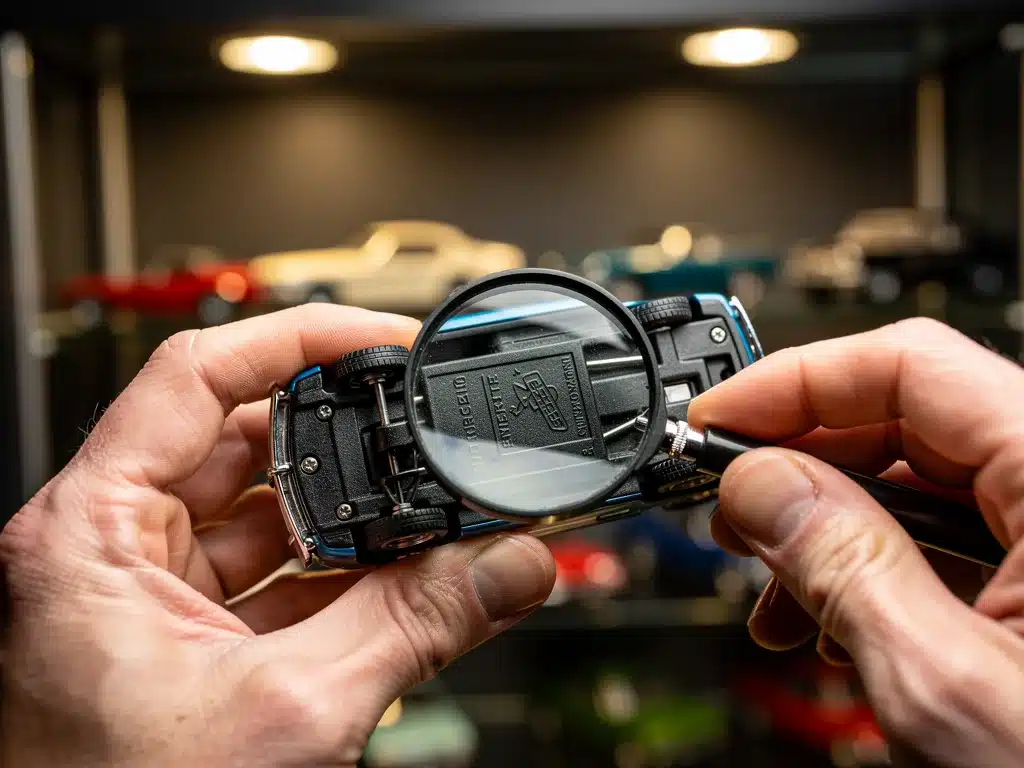
- Undercarriage Details: Even areas not immediately visible, like the undercarriage, often feature significant detail on genuine models, such as exhaust systems, suspension components, or engine blocks.
Pay close attention to minute components like mirrors, antennas, windshield wipers, and interior elements. These are often simplified or poorly executed on fakes. For example, a genuine model might have separate, finely molded windshield wiper blades, whereas a counterfeit might have them cast as a single, less detailed piece with the windshield surround. The precision in these tiny elements is a hallmark of authentic craftsmanship and a key indicator of a model’s legitimacy. This meticulous inspection forms the bedrock of your authentication process, providing tangible evidence of a model’s true origin and quality.
Check 2: Verifying Historical and Design Accuracy
The essence of a collectible scale model lies in its faithful representation of a real-world object. Therefore, verifying historical and design accuracy is a paramount step in evaluating authenticity. This check requires collectors to possess a certain level of expertise about the subject matter itself, whether it’s a classic car, a fighter jet, or a historic locomotive. Counterfeiters often overlook subtle yet significant details, betraying their lack of genuine research or access to original blueprints.
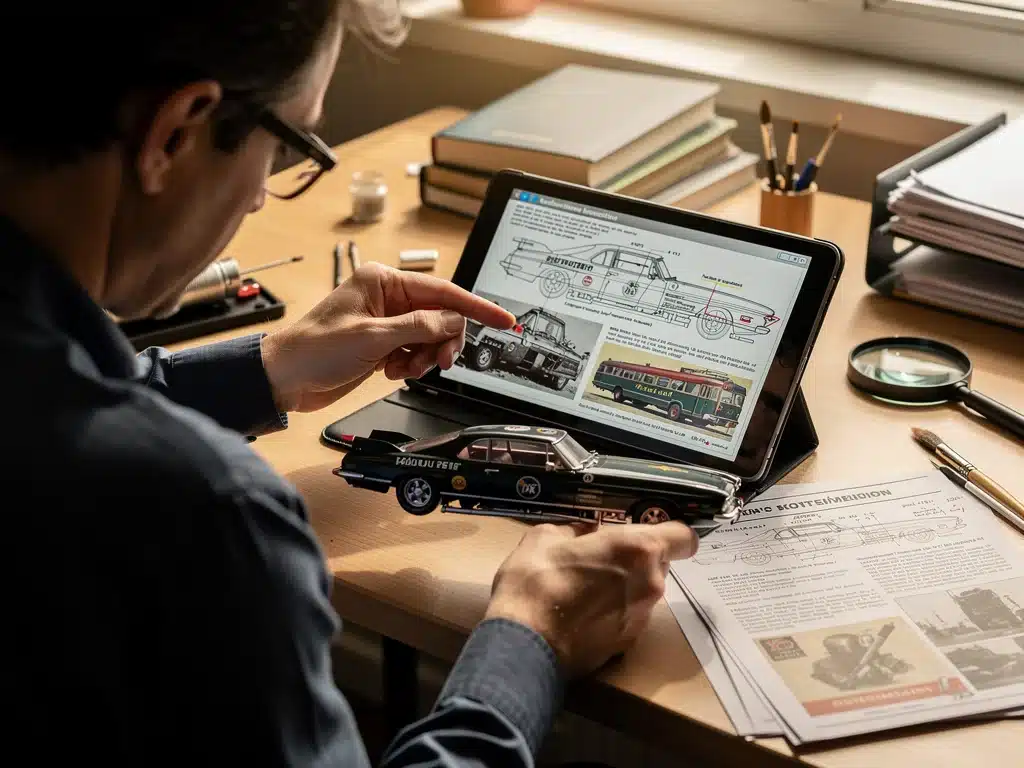
Start by comparing the model to historical photographs, blueprints, or reputable reference materials of the original subject. Look for correct body lines, proportions, and specific design elements that define the prototype. For instance, if you are examining a model of a specific year and trim level of a car, ensure that its grille, headlights, taillights, and wheel designs match that exact configuration. Variations, even minor ones, can indicate either a non-authentic model or a less valuable generic representation.
Analyzing Color Schemes and Decals
Color schemes and decals are another critical area for verification. Authentic models replicate the original paint colors and liveries with high precision. Research the specific period or event the model purports to represent. Was that particular racing team’s car painted in that exact shade of blue? Were those specific sponsor decals present on the vehicle during that race? Any discrepancies in color, font, or placement of decals should raise suspicion. Counterfeiters might use approximations or incorrect versions due to lack of accurate source material or cost-cutting measures.
- Interior Details: Examine the interior for accurate dashboard layouts, seat designs, and steering wheel configurations.
- Engine Bay: If accessible, the engine bay should reflect the correct engine type and component placement for the specific model and year.
- Unique Features: Some vehicles have unique features, like specific air intakes, exhaust tips, or aerodynamic elements. Ensure these are accurately reproduced.
The goal is to identify any anachronisms or inaccuracies that would not be present in a factory-produced, officially licensed model. Manufacturers often collaborate with original equipment manufacturers (OEMs) to ensure absolute fidelity, down to the smallest badge or emblem. A model that deviates significantly from documented historical facts or design specifications is likely either a fantasy piece or an attempt at deception. This meticulous cross-referencing against verifiable sources solidifies the model’s claim to authenticity and its value as a genuine collectible.
Check 3: Scrutinizing Packaging and Documentation
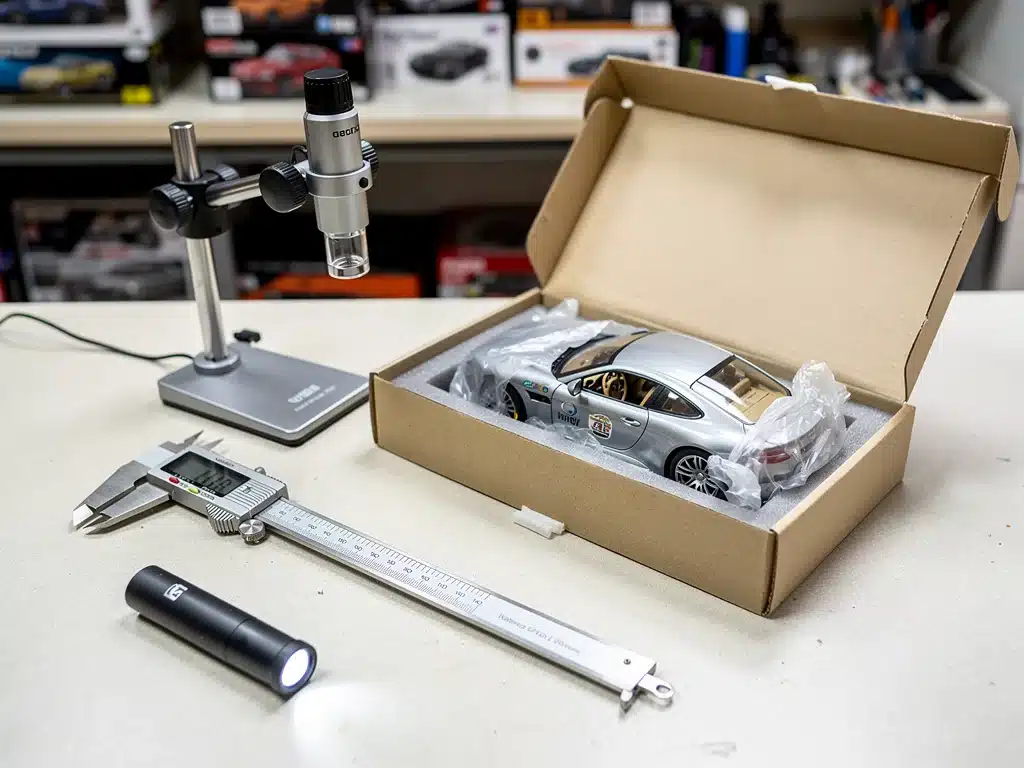
The packaging and accompanying documentation of a scale model are often overlooked yet crucial elements in verifying its authenticity. While a model itself might appear convincing, flaws in its presentation can reveal a fake. Authentic manufacturers invest significantly in high-quality packaging to protect their products and convey brand prestige. This includes sturdy boxes, custom-fit foam inserts, and distinctive branding.
Examine the box for print quality, color accuracy, and overall condition. Logos, product names, and descriptions should be sharp, clear, and free from pixelation or smudging. Look for any misspellings, grammatical errors, or inconsistencies in font usage, which are common indicators of counterfeit products. Genuine packaging often features specific security seals, holograms, or unique serial numbers that can be cross-referenced with the manufacturer’s database. The presence of official licensing stickers or marks from the original vehicle manufacturer is also a strong indicator of legitimacy.
Verifying Certificates and Production Information
Beyond the primary packaging, many high-end scale models come with certificates of authenticity, limited edition plaques, or detailed instruction manuals. These documents require careful scrutiny. A certificate of authenticity should bear the manufacturer’s official seal, a unique serial number, and often a signature from a company representative. Check if the serial number on the certificate matches any numbers found on the model itself or its packaging.
- Production Numbers: Limited edition models typically have production numbers (e.g., "X of Y") printed on a plaque or the model’s base. Verify these details.
- Instruction Manuals: Genuine manuals are professionally printed, with clear diagrams and accurate language, unlike often poorly translated or cheaply printed counterfeit versions.
- Brand-Specific Traits: Familiarize yourself with the packaging styles and documentation specifics of leading manufacturers (e.g., AutoArt, Kyosho, Minichamps) as they often have unique traits that are hard to perfectly replicate.
The absence of expected documentation, or the presence of poorly produced or inconsistent paperwork, should immediately raise a red flag. Counterfeiters often neglect these details, focusing their efforts primarily on the model itself. Therefore, a comprehensive review of all accompanying materials against known authentic examples is a vital layer of protection for any US collector. This holistic approach ensures that you are not just buying a convincing replica, but a truly legitimate and verifiable collectible.
Check 4: Assessing Material Quality and Weight Distribution
The tactile experience of a scale model, particularly its material quality and weight distribution, provides invaluable insights into its authenticity. Genuine manufacturers utilize specific, high-grade materials chosen for their durability, aesthetic appeal, and ability to replicate the feel of the original subject. Counterfeiters, aiming to cut costs, often resort to cheaper, inferior alternatives that betray themselves upon close inspection and handling.
For diecast models, the weight is a significant indicator. Authentic diecast models, primarily made from zamak (a zinc alloy), possess a substantial heft that feels solid and balanced in the hand. Fakes often use lighter, lower-quality alloys or plastics, resulting in a noticeably lighter feel. While weight alone isn’t definitive, an unexpectedly light model, especially for a larger scale, warrants further investigation. Similarly, the texture and finish of the materials should feel premium, not rough, brittle, or overly plasticky.
Evaluating Plastic and Rubber Components
Beyond the main body, examine secondary materials like plastic and rubber. Clear plastic components, such as windows and headlights, should be free from haziness, scratches, or distortions. They should be securely fitted without gaps. Rubber tires on authentic models typically have realistic tread patterns, proper sidewall markings (e.g., brand names, sizes), and a certain pliability. Counterfeit tires might feel stiff, lack detailed treads, or have generic, poorly molded sidewalls.
- Chrome and Trim: Authentic chrome or metallic trim pieces should have a consistent, bright, and durable finish, not easily scratched or peeling.
- Interior Fabrics: If the model features fabric elements (e.g., flocked carpets), they should be neatly applied and realistic in texture.
- Fasteners and Joints: The quality of pins, axles, and joints should be robust, allowing for smooth movement where intended without excessive wobble.
The overall impression of material quality should be one of meticulous craftsmanship and attention to detail. Any part that feels flimsy, looks cheap, or shows signs of rapid wear or poor adhesion should raise significant concerns. Understanding the types of materials typically used by reputable manufacturers for specific parts of a scale model helps in identifying discrepancies. This hands-on assessment, combining visual and tactile examination, is crucial for discerning the true quality and, by extension, the authenticity of a collectible scale model.
Check 5: Understanding Market Provenance and Seller Reputation
The final and equally crucial check in evaluating scale model authenticity for US collectors involves delving into the model’s market provenance and the reputation of its seller. Even a visually perfect model can be a sophisticated fake if its origin is questionable. Understanding where a model comes from and who is selling it adds a vital layer of security to your acquisition process.
Provenance refers to the history of ownership of a collectible. While complete provenance can be challenging to obtain for every scale model, any available information about previous owners, purchase locations, or exhibition history can add credibility. Be wary of models with vague or untraceable histories, especially if they are rare or highly sought after. A legitimate seller should be transparent about the model’s origin and be able to provide some background information, even if it’s just the original purchase receipt.
Assessing Seller Reputation and Purchase Channels
The reputation of the seller is paramount. Purchase from established and reputable dealers, auction houses, or online platforms known for their stringent authentication processes. Check seller reviews, ratings, and feedback from other collectors. A seller with a long history of positive transactions and expertise in scale models is generally more trustworthy. Be extremely cautious with private sellers, especially those offering deals that seem too good to be true, as these are often red flags for counterfeit goods.
- Official Retailers: Prioritize purchasing from authorized dealers or directly from the manufacturer’s official channels when possible.
- Collector Forums: Consult collector forums and communities for insights on specific sellers or common counterfeit trends related to particular models.
- Return Policies: Ensure the seller offers a clear return policy, especially for authenticity concerns, which provides a safety net.
Furthermore, consider the purchase channel. While online marketplaces offer vast selections, they also carry a higher risk of encountering fakes. If buying online, use platforms that offer buyer protection and dispute resolution services. For high-value models, consider purchasing in person at reputable shops or specialized collector events where you can physically inspect the item and engage directly with the seller. This comprehensive approach to provenance and seller vetting significantly mitigates the risk of acquiring an inauthentic piece, safeguarding both your investment and the integrity of your collection.
Future Trends in Scale Model Authenticity for US Collectors
As we advance towards 2026 and beyond, the landscape of scale model authenticity is poised for significant changes, driven by technological advancements and evolving market dynamics. US collectors will increasingly rely on sophisticated tools and digital platforms to verify their acquisitions, moving beyond traditional inspection methods alone. These trends aim to provide greater transparency and security in a market constantly challenged by the ingenuity of counterfeiters.
One notable trend is the integration of blockchain technology for provenance tracking. Imagine a future where every high-value scale model comes with a digital certificate stored on a blockchain, detailing its entire lifecycle from manufacturing to every subsequent owner. This immutable record would make it virtually impossible to falsify a model’s history, offering unparalleled trust and reducing the risk of buying stolen or counterfeit goods. Several industries are already adopting this, and collectible markets are a natural fit for such innovation.
Advanced Verification Technologies
Technological advancements in material analysis and digital imaging will also play a crucial role. Micro-CT scanning could be used to analyze internal structures for consistency with manufacturing blueprints, while advanced spectroscopy might detect subtle differences in material composition between genuine and fake models. AI-powered image recognition could even cross-reference minute details of a model against vast databases of authentic examples, flagging discrepancies that human eyes might miss.
- Digital Fingerprinting: Unique digital identifiers embedded in models could be scanned for instant verification.
- Augmented Reality (AR) Tools: AR apps might overlay historical data and design specifications directly onto a physical model for real-time comparison.
- Community-Driven Databases: Collaborative platforms where collectors share authenticated model data and known counterfeit characteristics will become more prevalent.
Furthermore, the rise of 3D printing and advanced manufacturing techniques means that future counterfeits could be even more convincing. This necessitates a proactive approach from both manufacturers and collectors. Manufacturers will likely implement more overt and covert security features, while collectors will need to stay informed about the latest verification methods. The collecting community will also play a vital role in sharing knowledge and experiences, creating a collective defense against fraudulent practices. Embracing these future trends will be essential for US collectors to maintain the integrity and value of their scale model collections in the coming years.
The Role of Community and Expert Networks in Authentication
Beyond individual checks, the collective wisdom and experience within the scale model collecting community and expert networks form an indispensable resource for authenticating models. No single collector can possess all the knowledge required to identify every nuance of every model. Leveraging the insights of fellow enthusiasts and seasoned experts provides a powerful layer of protection against counterfeits and misidentified pieces.
Online forums, social media groups, and local collector clubs serve as vibrant hubs for sharing information, asking questions, and showcasing acquisitions. These platforms allow collectors to tap into a vast pool of specialized knowledge, often receiving rapid feedback on potential purchases. Posting detailed photos of a model and its packaging can elicit valuable opinions from experienced members who might recognize specific details, or lack thereof, that indicate authenticity issues. Many times, a subtle imperfection or an unusual detail, which might go unnoticed by a single collector, will be immediately flagged by someone familiar with a particular model or manufacturer.
Consulting Professional Appraisers and Specialists
For high-value or particularly rare models, consulting professional appraisers or specialists who have extensive experience with scale models is highly recommended. These experts often have access to proprietary databases, historical records, and a network of contacts that can provide definitive authentication. Their services, while an investment, can save collectors from costly mistakes and provide peace of mind regarding the legitimacy of their most prized possessions. They can also offer insights into market trends and valuation, further enhancing the collecting experience.
- Attend Exhibitions: Visiting scale model shows and exhibitions allows for direct interaction with experts and other collectors, fostering knowledge exchange.
- Manufacturer Contacts: Some manufacturers offer direct verification services or can provide details about their products’ authenticity features.
- Specialized Publications: Subscribing to trade magazines and specialized publications keeps collectors informed about new releases, known fakes, and authentication tips.
Building relationships within the collecting community is not just about authentication; it’s also about enriching the hobby itself. Sharing knowledge, learning from others, and contributing to the collective expertise strengthens the entire ecosystem of scale model collecting. This collaborative approach ensures that even as counterfeiting techniques evolve, the community remains vigilant and equipped with the necessary tools and information to protect the integrity of this fascinating pastime. The power of collective insight is a formidable ally in the ongoing quest for authentic models.
Maintaining Your Collection’s Integrity and Value
Once you have meticulously evaluated and acquired authentic scale models, the next crucial step for US collectors is to actively maintain their collection’s integrity and value. Authenticity is not a one-time check but an ongoing commitment that involves proper care, documentation, and continuous vigilance against potential threats. A well-maintained and properly authenticated collection not only brings personal joy but also holds its financial value more effectively over time.
Proper storage is fundamental. Scale models should be kept in environments free from extreme temperature fluctuations, direct sunlight, and excessive humidity, all of which can cause material degradation, paint fading, or warping. Display cases with UV protection are ideal, as they protect against dust and physical damage while showcasing the models. Regular, gentle cleaning with appropriate tools and solutions prevents grime buildup that can obscure details or damage surfaces. Handling models minimally and always by their sturdy parts reduces the risk of accidental damage.
Documenting Your Collection and Staying Informed
Maintain comprehensive documentation for each model in your collection. This includes detailed purchase records, certificates of authenticity, photographs from various angles, and any historical information pertinent to the model or its prototype. This documentation serves as proof of ownership and authenticity, invaluable for insurance purposes, future sales, or resolving disputes. Digital records, backed up securely, are particularly useful for easy access and longevity.
- Regular Audits: Periodically re-evaluate your collection against current market knowledge and authenticate any models whose provenance might now seem unclear.
- Insurance: Insure your collection, especially high-value pieces, against damage, loss, or theft. Authentic documentation is key for successful claims.
- Continuous Learning: Stay updated on new authentication techniques, emerging counterfeit trends, and market values by engaging with collector communities and industry news.
The collectible market is dynamic, with values fluctuating based on rarity, condition, and demand. Staying informed about these trends helps you understand the current worth of your collection and make informed decisions about acquisitions or divestments. By diligently applying these maintenance practices and remaining an active, informed member of the collecting community, US collectors can ensure their scale model collections not only retain their authenticity but also appreciate in both sentimental and monetary value for years to come. This commitment to care is the ultimate testament to a collector’s dedication and passion.
| Key Check | Brief Description |
|---|---|
| Manufacturing Details | Examine paint, decals, casting, and assembly for precision and quality indicative of genuine production. |
| Historical Accuracy | Compare model features, colors, and markings against historical references of the original subject. |
| Packaging & Documentation | Scrutinize box quality, print, security features, certificates, and manuals for authenticity. |
| Market Provenance | Investigate the model’s history of ownership and the seller’s reputation for reliability. |
Frequently Asked Questions About Scale Model Authenticity
The most common sign of a counterfeit scale model is usually poor manufacturing quality, including uneven paint, misaligned decals, or flimsy materials. These flaws are often absent in genuine products, which prioritize precision and finish. Always scrutinize details that a high-quality manufacturer would never overlook.
While not definitive on its own, packaging is a strong indicator. Counterfeiters often use low-quality boxes with blurry printing, misspellings, or incorrect branding. Authentic models come in well-designed, sturdy packaging with clear graphics and often include security features like holograms or specific serial numbers.
Historical accuracy is extremely important. A genuine scale model meticulously replicates its real-world counterpart, down to specific features, colors, and markings for a particular period or event. Discrepancies in these details often reveal a fake or a generic model misrepresented as a specific, authentic collectible.
Buying from official retailers or authorized dealers significantly reduces the risk of acquiring fakes. However, many authentic models are found through reputable secondary market sellers or auction houses. Always prioritize sellers with strong reputations and transparent practices, regardless of the channel.
Online collector communities are invaluable for authenticity checks. Members often share expertise, post examples of fakes, and offer advice on verifying specific models. Their collective knowledge can help identify subtle inconsistencies, making these platforms a powerful resource for safeguarding your collection against counterfeits.
Conclusion
For US collectors, the pursuit of authentic scale models is a rewarding but intricate endeavor, demanding diligence and an informed approach. By systematically applying the five critical checks outlined—meticulously inspecting manufacturing details, verifying historical accuracy, scrutinizing packaging and documentation, assessing material quality, and understanding market provenance—collectors can confidently navigate the complexities of the market. These practices not only protect valuable investments but also preserve the integrity and joy of collecting these miniature marvels. As the market evolves, staying connected with expert networks and embracing emerging authentication technologies will further empower collectors, ensuring that each addition to their collection is a genuine piece of history and craftsmanship.