US Automotive Accessories Spending Up 5% in H1 2026: Market Behavior
Advertisements
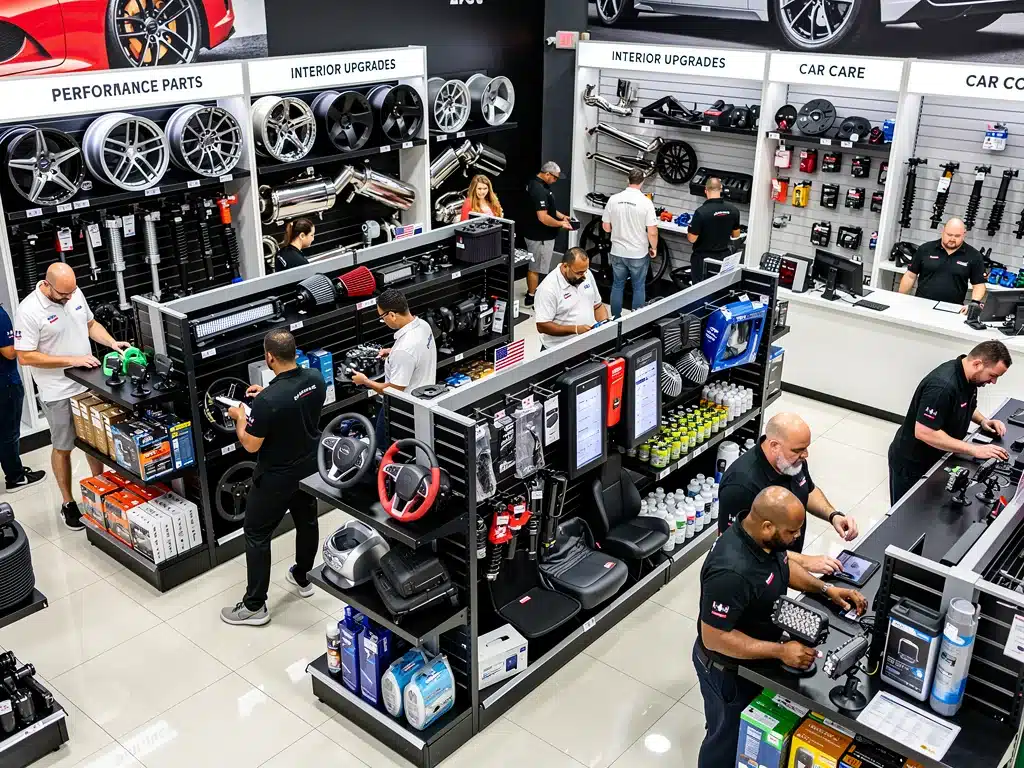
Consumer spending on automotive accessories in the United States saw a significant 5% rise in the first half of 2026, indicating robust market health and evolving consumer preferences.
The automotive sector is a dynamic landscape, constantly shaped by innovation and consumer demand. In a noteworthy development, consumer spending on automotive accessories in United States up 5% in first half of 2026: market behavior data reveals a robust expansion, signaling both resilience and evolving preferences within the American market. This surge underscores a deeper narrative about how car owners are investing in their vehicles, beyond the initial purchase. What factors are driving this significant uptick, and how are market behaviors adapting to meet these new demands?
Advertisements
The driving forces behind the 5% increase
The notable 5% increase in consumer spending on automotive accessories during the first half of 2026 isn’t a random occurrence; it’s the culmination of several intertwined economic, technological, and social factors. Understanding these drivers is crucial for grasping the current state and future trajectory of the market. This growth reflects a shift in how consumers view their vehicles, moving beyond mere transportation to a platform for personalization and enhanced utility.
Economic stability and disposable income
A primary catalyst for increased spending is the prevailing economic stability in the United States. With steady employment rates and a generally optimistic economic outlook, consumers have more disposable income. This financial flexibility allows them to allocate more funds towards non-essential, yet highly desired, automotive enhancements. The perception of a secure financial future empowers individuals to make these discretionary purchases.
- Strong job market: Consistent employment provides financial confidence.
- Wage growth: Increased earnings translate to greater purchasing power.
- Inflation management: Stable prices encourage consumer spending on durable goods.
Technological advancements and innovation
The rapid pace of technological innovation within the automotive accessory sector has also played a pivotal role. Manufacturers are consistently introducing cutting-edge products that offer improved performance, safety, and convenience. From advanced infotainment systems to sophisticated driver-assistance features and high-performance engine parts, these innovations create new desires and upgrade cycles for consumers.
The allure of integrating smart technology into vehicles, making them extensions of our digital lives, is particularly strong. This includes everything from smart parking sensors to integrated voice assistants and advanced navigation tools. Consumers are seeking to replicate the seamless technological experiences they have in their homes and on their personal devices within their cars.
Changing consumer behavior and vehicle longevity
Another significant factor is the evolving mindset of vehicle owners. Many consumers are holding onto their vehicles for longer periods, driven by factors such as rising new car prices and increased vehicle reliability. When a car is kept for an extended duration, owners are more inclined to invest in upgrades and modifications to maintain its relevance, comfort, and performance. This shift from frequent replacements to long-term ownership fosters a strong aftermarket for accessories.
Furthermore, there’s a growing trend towards personalization. Vehicles are increasingly seen as an extension of one’s identity and lifestyle. This desire for customization fuels sales of aesthetic accessories like custom wheels, body kits, and interior styling elements, as well as functional upgrades tailored to specific hobbies or needs, such as roof racks for outdoor enthusiasts or specialized towing equipment.
In conclusion, the 5% growth in the automotive accessories market is a multifaceted phenomenon, reflecting a healthy economy, technological progress, and a fundamental change in how consumers interact with and value their vehicles. These elements combine to create a fertile ground for continued expansion in the sector.
Impact of e-commerce and digital marketplaces
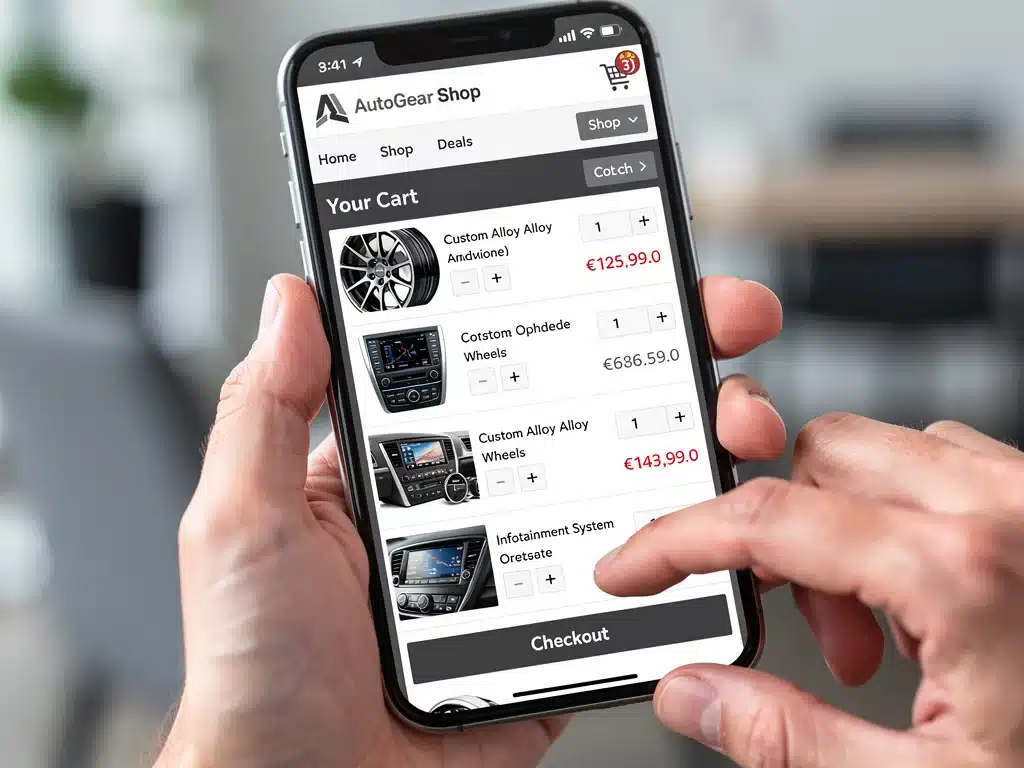
The rise of e-commerce and digital marketplaces has profoundly reshaped the landscape of consumer spending on automotive accessories. These platforms have not only made products more accessible but have also altered how consumers research, compare, and purchase items. The convenience, vast selection, and competitive pricing offered by online channels are undeniable attractions that contribute significantly to market growth.
Expanded reach and greater selection
Online marketplaces eliminate geographical barriers, allowing consumers in any part of the United States to access a global inventory of automotive accessories. This expanded reach means specialty items, rare parts, or niche products that might not be available in local brick-and-mortar stores are just a few clicks away. The sheer volume and variety available online cater to every conceivable need and preference, from basic maintenance items to highly specialized performance upgrades.
- Global product access: Consumers can find parts from international manufacturers.
- Niche market satisfaction: Specialized accessories are readily available.
- Convenience: Shopping from home at any time.
Competitive pricing and informed purchasing decisions
The transparent nature of online shopping fosters intense competition among sellers, often leading to more competitive pricing. Consumers can easily compare prices from various retailers, ensuring they get the best deal. Moreover, digital platforms provide an abundance of information, including detailed product descriptions, customer reviews, and video tutorials. This wealth of data empowers consumers to make highly informed purchasing decisions, reducing buyer’s remorse and increasing satisfaction.
The ability to read peer reviews and see user-generated content, such as photos or videos of accessories installed on similar vehicles, builds trust and confidence. This social proof is a powerful motivator, guiding consumers towards products that have proven effective and reliable for others.
Streamlined logistics and faster delivery
Advances in logistics and supply chain management have enabled faster and more reliable delivery of automotive accessories purchased online. Many retailers offer expedited shipping options, and the growth of local fulfillment centers means that even large or heavy items can arrive quickly. This efficiency in delivery enhances the overall online shopping experience, making it a viable and attractive alternative to traditional retail.
Furthermore, user-friendly interfaces and intuitive search functionalities on e-commerce sites simplify the process of finding the right accessory for a specific vehicle model. Integrated fitment guides and compatibility checkers reduce the risk of ordering incorrect parts, further boosting consumer confidence in online purchases. The digital marketplace is not just a sales channel; it’s an ecosystem that supports and encourages increased spending through its efficiency and convenience.
In summary, e-commerce and digital marketplaces are indispensable to the growth in automotive accessory spending. They offer unparalleled access, competitive pricing, and a seamless shopping experience that aligns perfectly with modern consumer expectations, driving significant market expansion.
Popular accessory categories driving growth
The 5% increase in consumer spending on automotive accessories in United States up 5% in first half of 2026: market behavior is not evenly distributed across all accessory types. Certain categories are experiencing particularly strong growth, reflecting current consumer priorities and trends. These categories often align with the broader themes of personalization, performance enhancement, and technological integration, indicating where consumers are willing to invest their discretionary income.
Performance and mechanical upgrades
A significant portion of the growth is attributed to performance and mechanical upgrades. Enthusiasts and everyday drivers alike are investing in parts that enhance their vehicle’s power, handling, and efficiency. This includes items such as upgraded exhaust systems, air intake kits, suspension components, and braking systems. The desire for a more responsive and engaging driving experience continues to fuel this segment.
Beyond pure performance, there’s also a strong market for mechanical accessories that improve vehicle longevity and reliability. This can include heavy-duty parts for towing, specialized filters, or advanced fluid systems designed to protect critical engine components. Consumers are recognizing the long-term value of these investments.
Interior comfort and technology enhancements
The interior of a vehicle is increasingly viewed as an extension of a personal living space, leading to strong demand for comfort and technology enhancements. This category includes advanced infotainment systems, upgraded sound systems, heated or cooled seating elements, custom floor mats, and interior lighting kits. The goal is to create a more enjoyable and connected driving environment.
- Infotainment systems: Integration with smartphones and enhanced navigation.
- Premium audio: High-fidelity sound for an immersive experience.
- Comfort features: Ergonomic seats, climate control accessories.
Exterior styling and utility accessories
Exterior styling accessories remain a popular choice for personalization. Custom wheels, body kits, spoilers, and unique paint wraps allow owners to distinguish their vehicles from the crowd. These modifications are often driven by aesthetic preferences and a desire for individuality. The visual appeal of a vehicle plays a crucial role in consumer satisfaction and pride of ownership.
Utility accessories are also seeing robust demand, particularly among consumers with active lifestyles. Roof racks, tow hitches, cargo carriers, and off-road equipment cater to specific needs related to hobbies, travel, and work. These accessories enhance the functionality of the vehicle, making it more versatile and capable of supporting diverse activities.
Safety and driver assistance systems
With a growing emphasis on road safety, accessories that enhance driver awareness and protection are gaining traction. This includes aftermarket backup cameras, parking sensors, blind-spot monitoring systems, and dash cams. While many new vehicles come with advanced safety features, older models can be retrofitted with these accessories, providing an added layer of security and peace of mind for owners.
The continuous improvement in these safety technologies, coupled with increasing consumer awareness of their benefits, ensures sustained demand. These accessories are often seen as essential investments rather than mere luxuries, further contributing to their sales growth.
In conclusion, the growth in automotive accessory spending is propelled by a diverse set of categories, each addressing specific consumer desires for performance, comfort, style, utility, and safety. This broad appeal ensures a dynamic and expanding market.
The role of DIY versus professional installation
The decision between do-it-yourself (DIY) installation and professional installation significantly influences consumer spending patterns and market behavior within the automotive accessories sector. Both approaches have distinct advantages and disadvantages, catering to different segments of the consumer base. The availability and popularity of each method shape how accessories are purchased and ultimately integrated into vehicles.
DIY: empowerment and cost savings
The DIY trend is strong among car enthusiasts and those looking to save on labor costs. The proliferation of online tutorials, detailed instruction manuals, and readily available tools has made many accessory installations accessible to the average consumer. This empowers individuals to take ownership of their vehicle modifications, fostering a sense of accomplishment and deeper connection with their cars.
- Cost-effectiveness: Eliminates labor charges.
- Personal satisfaction: Sense of achievement from self-installation.
- Learning opportunity: Gaining mechanical knowledge and skills.
Professional installation: expertise and convenience
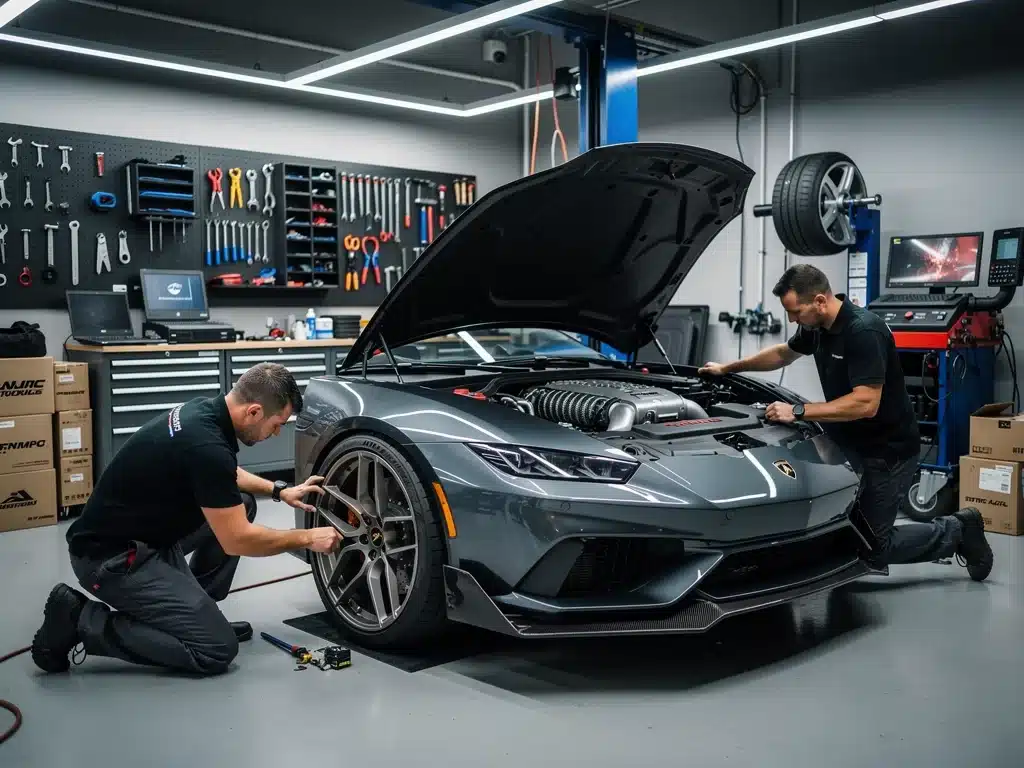
Conversely, many consumers opt for professional installation, especially for complex or critical accessories. This choice is often driven by a desire for guaranteed quality, specialized expertise, and convenience. Professional installers have the necessary tools, training, and experience to ensure that accessories are fitted correctly and safely, often coming with warranties that provide additional peace of mind.
For high-value items like advanced infotainment systems, performance engine components, or intricate body kits, professional installation is frequently recommended. The perceived risk of improper installation, which could lead to damage or malfunction, often outweighs the potential cost savings of a DIY approach for these more sophisticated accessories.
Hybrid approaches and future trends
Interestingly, a hybrid approach is also emerging where consumers might tackle simpler installations themselves while relying on professionals for more challenging tasks. This flexibility allows them to balance cost savings with the assurance of expert workmanship where it matters most. The market is adapting by offering accessories that are increasingly designed for ease of installation, even for complex components, thereby blurring the lines between DIY and professional services.
Looking ahead, the market will likely see continued innovation in accessory design that supports both DIY and professional installation. Manufacturers are keen to expand their consumer base by making products accessible to a wider range of technical skill levels. This dual focus ensures that both segments of the market are well-served, contributing to sustained growth in accessory spending.
In conclusion, the interplay between DIY and professional installation services is a critical aspect of the automotive accessories market. Each method caters to distinct consumer needs and preferences, collectively supporting the overall growth and diversity of the sector.
The influence of social media and automotive communities
In the digital age, social media and online automotive communities exert a substantial influence on consumer spending on automotive accessories. These platforms serve as powerful channels for inspiration, information sharing, and product discovery, shaping trends and driving purchasing decisions. The peer-to-peer nature of these interactions builds trust and creates compelling narratives around vehicle customization and enhancement.
Inspiration and trendsetting
Social media platforms like Instagram, TikTok, and YouTube are visual showcases for vehicle modifications. Car enthusiasts frequently share photos and videos of their customized rides, inspiring others to embark on similar projects. Influencers and automotive content creators often review and demonstrate new accessories, setting trends and generating excitement around specific products. This visual exposure plays a crucial role in sparking consumer interest and desire.
The ability to see an accessory installed on a vehicle similar to one’s own provides tangible motivation. It moves the product from an abstract idea to a concrete possibility, making the purchase decision more immediate and appealing. This constant stream of visual content ensures that consumers are always aware of the latest innovations and styling options.
Knowledge sharing and peer recommendations
Online forums, Facebook groups, and dedicated automotive websites foster vibrant communities where members share their experiences, recommendations, and technical advice. These communities are invaluable resources for consumers researching potential accessory purchases. Peer reviews and discussions often carry more weight than traditional advertising, as they are perceived as unbiased and authentic.
- Authentic reviews: Unfiltered opinions from actual users.
- Technical advice: Community support for installation and troubleshooting.
- Product comparisons: Detailed discussions on pros and cons of different brands.
Direct engagement with brands
Many automotive accessory brands actively engage with consumers on social media, using these platforms for product launches, promotions, and direct customer support. This direct line of communication allows brands to gather feedback, address concerns, and build a loyal customer base. The interactive nature of social media creates a sense of community around brands, fostering loyalty and repeat purchases.
Furthermore, social media campaigns and user-generated content contests encourage consumers to share their accessory installations, further amplifying brand visibility and product appeal. This organic marketing is highly effective in reaching potential buyers who are already engaged with automotive content.
In conclusion, social media and automotive communities are indispensable drivers of consumer spending in the accessories market. They provide a dynamic ecosystem of inspiration, information, and interaction that profoundly influences purchasing decisions and fosters market growth.
Future outlook: sustainability and smart technologies
The future of consumer spending on automotive accessories is poised for continued evolution, with sustainability and smart technologies emerging as key drivers. As environmental consciousness grows and vehicles become increasingly integrated with digital ecosystems, the types of accessories consumers demand will shift. This forward-looking perspective is crucial for manufacturers and retailers to adapt and thrive in the coming years.
Sustainable and eco-friendly accessories
There’s a growing demand for automotive accessories that are environmentally friendly, either through their manufacturing process, materials, or their ability to improve vehicle efficiency. This includes products made from recycled materials, energy-efficient lighting solutions (like LED upgrades), and accessories that contribute to better fuel economy or reduced emissions. Consumers are increasingly willing to pay a premium for products that align with their values of sustainability.
The move towards electric vehicles (EVs) will also open up new categories of sustainable accessories, such as specialized charging equipment, battery management systems, and interior materials derived from sustainable sources. The aftermarket for EVs is still nascent but holds immense potential for growth in eco-conscious products.
Integration with smart vehicle ecosystems
As vehicles become smarter and more connected, accessories that seamlessly integrate into existing automotive ecosystems will be highly sought after. This includes advanced telematics systems, vehicle-to-everything (V2X) communication devices, augmented reality (AR) displays, and accessories that enhance autonomous driving capabilities. The goal is to create a fully integrated and intelligent driving experience.
- Advanced driver-assistance systems (ADAS): Aftermarket upgrades for older vehicles.
- Vehicle connectivity: Enhanced Wi-Fi, 5G integration.
- Personalized interfaces: Customizable digital dashboards and controls.
Personalization and customization in a smart world
While smart technology will drive innovation, the desire for personalization will remain strong. Future accessories will combine smart features with customization options, allowing consumers to tailor their vehicles to their exact preferences, both functionally and aesthetically. Imagine smart interior lighting that adapts to mood, or exterior body panels with integrated digital displays that can change patterns on demand.
The ability to customize software interfaces, download new vehicle functionalities, and upgrade digital components will become as commonplace as swapping out physical parts. This blend of digital and physical customization will offer unprecedented levels of personalization, ensuring that the automotive accessory market continues its dynamic growth trajectory.
In conclusion, the future of automotive accessory spending is bright and dynamic, driven by a dual focus on sustainability and smart technology. These trends will not only expand existing categories but also create entirely new market segments, catering to an evolving consumer base that values both environmental responsibility and cutting-edge innovation.
Challenges and opportunities for manufacturers and retailers
While the 5% increase in consumer spending on automotive accessories in United States up 5% in first half of 2026: market behavior presents a promising outlook, manufacturers and retailers face a unique set of challenges and opportunities. Navigating these complexities effectively will be crucial for sustained success in a rapidly evolving market. Understanding these dynamics allows businesses to strategically position themselves for future growth and mitigate potential risks.
Navigating supply chain complexities
One of the primary challenges for manufacturers and retailers is managing complex global supply chains. Geopolitical events, natural disasters, and fluctuating raw material costs can all impact production and delivery schedules. Ensuring a resilient and agile supply chain is paramount to meeting consumer demand and maintaining competitive pricing. This often involves diversifying sourcing, investing in local production where feasible, and leveraging advanced logistics technologies.
Furthermore, the increasing complexity of automotive accessories, particularly those with integrated electronics, adds another layer of supply chain intricacy. Sourcing specialized components and ensuring their quality and compatibility requires meticulous planning and execution.
Adapting to rapidly changing consumer preferences
Consumer preferences in the automotive accessory market are dynamic, driven by technological advancements, social trends, and economic shifts. Manufacturers and retailers must possess the agility to quickly identify and respond to these changing demands. This requires continuous market research, product innovation, and flexible production capabilities. Failing to adapt can lead to outdated inventory and missed market opportunities.
The rise of customization and personalization, for instance, means that businesses need to offer a wider range of options and potentially more bespoke solutions, moving away from a one-size-fits-all approach. This shift necessitates flexible manufacturing processes and robust inventory management systems.
Embracing digital transformation and data analytics
The opportunities presented by digital transformation are immense. Retailers can leverage data analytics to gain deeper insights into consumer behavior, optimize pricing strategies, and personalize marketing efforts. E-commerce platforms, as discussed, are crucial, but the integration of artificial intelligence (AI) for predictive analytics, inventory forecasting, and customer service can further enhance operational efficiency and customer satisfaction.
For manufacturers, digital tools can streamline design, prototyping, and production processes, accelerating time-to-market for new accessories. Embracing smart manufacturing techniques and automation can lead to higher quality products and reduced costs, providing a competitive edge in a crowded market.
Sustainability and regulatory compliance
As sustainability becomes a more significant factor for consumers, manufacturers and retailers face the opportunity to innovate with eco-friendly products and practices. However, this also presents the challenge of adhering to evolving environmental regulations and ensuring transparency in their supply chains. Compliance with various safety and emissions standards is also a constant consideration, particularly for performance-enhancing accessories.
Meeting these regulatory requirements while simultaneously innovating and maintaining profitability requires careful strategic planning and investment. Businesses that successfully navigate these challenges will not only build stronger brands but also tap into a growing segment of environmentally conscious consumers.
In conclusion, the automotive accessories market offers significant growth potential but demands strategic foresight and adaptability from businesses. By addressing supply chain complexities, responding to consumer shifts, embracing digital tools, and prioritizing sustainability, manufacturers and retailers can capitalize on the ongoing spending surge.
Regional variations and demographic influences
The 5% increase in consumer spending on automotive accessories in United States up 5% in first half of 2026: market behavior is not uniformly distributed across all regions or demographic groups within the United States. Understanding these variations is vital for targeted marketing, product development, and strategic distribution. Different regions and demographics exhibit distinct preferences and purchasing behaviors, which can significantly impact local market dynamics.
Geographical spending patterns
Spending on automotive accessories often correlates with regional lifestyles and vehicle types. For instance, states with a strong outdoor recreation culture, such as those in the Mountain West or Pacific Northwest, tend to see higher demand for utility accessories like roof racks, tow hitches, and off-road equipment. Conversely, urban centers might show a greater inclination towards aesthetic upgrades, advanced infotainment systems, and compact car accessories.
- Rural areas: Higher demand for practical, heavy-duty, and off-road accessories.
- Urban areas: Focus on styling, technology, and convenience features.
- Coastal regions: Strong market for vehicle protection against elements (e.g., rust prevention, specialized car covers).
Demographic influences on purchasing decisions
Age, income level, and cultural background all play a significant role in shaping accessory purchasing habits. Younger generations, particularly Millennials and Gen Z, are often early adopters of new technology and are more inclined towards personalization and digital integration. They are also heavily influenced by social media trends and peer recommendations, driving demand for innovative and stylish accessories.
Conversely, older demographics might prioritize accessories that enhance comfort, safety, and longevity, such as ergonomic seating options, advanced driver-assistance systems, and protective vehicle covers. Income level directly impacts the ability to purchase higher-end, premium accessories, with affluent consumers often investing in luxury upgrades and performance enhancements.
Vehicle ownership and lifestyle segments
The type of vehicle owned also heavily influences accessory spending. Truck and SUV owners, for example, are a major segment for utility and performance accessories, including lift kits, bed liners, and specialized lighting. Sports car owners, on the other hand, often focus on performance upgrades and aesthetic enhancements that boost their vehicle’s speed and visual appeal.
Lifestyle segments, such as outdoor enthusiasts, commuters, or families, further define accessory needs. An outdoor enthusiast might invest in bike racks and camping gear, while a commuter might prioritize phone mounts and advanced navigation. Families often seek accessories that enhance safety, organization, and entertainment for passengers.
In conclusion, analyzing regional and demographic variations provides crucial insights into the diverse nature of the automotive accessories market. By understanding these nuances, businesses can tailor their product offerings, marketing strategies, and distribution channels to effectively capture different segments of the growing consumer base across the United States.
| Key Point | Brief Description |
|---|---|
| 5% Spending Increase | US consumer spending on automotive accessories rose 5% in H1 2026, driven by economic stability and evolving preferences. |
| E-commerce Impact | Digital marketplaces offer vast selection, competitive pricing, and convenience, significantly boosting online purchases. |
| Key Categories | Performance upgrades, interior tech, exterior styling, and safety systems are leading growth. |
| Future Trends | Sustainability, smart technologies, and personalized digital integration will shape future market demands. |
Frequently Asked Questions About Automotive Accessory Spending
The 5% increase is largely fueled by a stable US economy, resulting in higher disposable income, alongside rapid technological advancements in accessories. Additionally, consumers are holding onto their vehicles longer and seeking greater personalization, investing more in upgrades and modifications to enhance their driving experience and vehicle utility.
E-commerce has significantly boosted market growth by providing unparalleled product accessibility, competitive pricing, and a vast selection. Online platforms enable consumers to easily compare products, read reviews, and make informed purchasing decisions from the convenience of their homes, facilitated by efficient logistics and faster delivery services.
Key growth categories include performance and mechanical upgrades, interior comfort and technology enhancements (like infotainment systems), exterior styling and utility accessories (e.g., custom wheels, roof racks), and safety and driver assistance systems. These categories align with consumer desires for personalization, functionality, and improved vehicle experience.
Social media and online automotive communities are powerful influencers. They provide inspiration through visual content, facilitate knowledge sharing and peer recommendations, and enable direct engagement between consumers and brands. This digital interaction builds trust and drives purchasing decisions by showcasing products in real-world applications and fostering a sense of community.
The market’s future will be heavily influenced by a growing demand for sustainable and eco-friendly accessories, driven by environmental consciousness. Additionally, the integration of smart technologies, such as advanced telematics and augmented reality displays, alongside continued strong demand for personalized digital and physical customization, will be critical trends.
Conclusion
The substantial 5% increase in consumer spending on automotive accessories in United States up 5% in first half of 2026: market behavior underscores a vibrant and evolving market. This growth is a clear indicator of sustained economic confidence, coupled with an intrinsic desire among vehicle owners to personalize, enhance, and extend the life of their automobiles. As technology continues to advance and consumer preferences shift towards greater sustainability and smart integration, the automotive accessories sector is poised for continued innovation and expansion. Manufacturers and retailers who remain agile, responsive to market trends, and committed to embracing digital transformation will be best positioned to capitalize on this dynamic landscape, ensuring that the American consumer’s passion for their vehicles translates into ongoing market prosperity.