Resale Revolution: Secondhand Apparel Capturing 15% of US Fashion by 2026
Advertisements
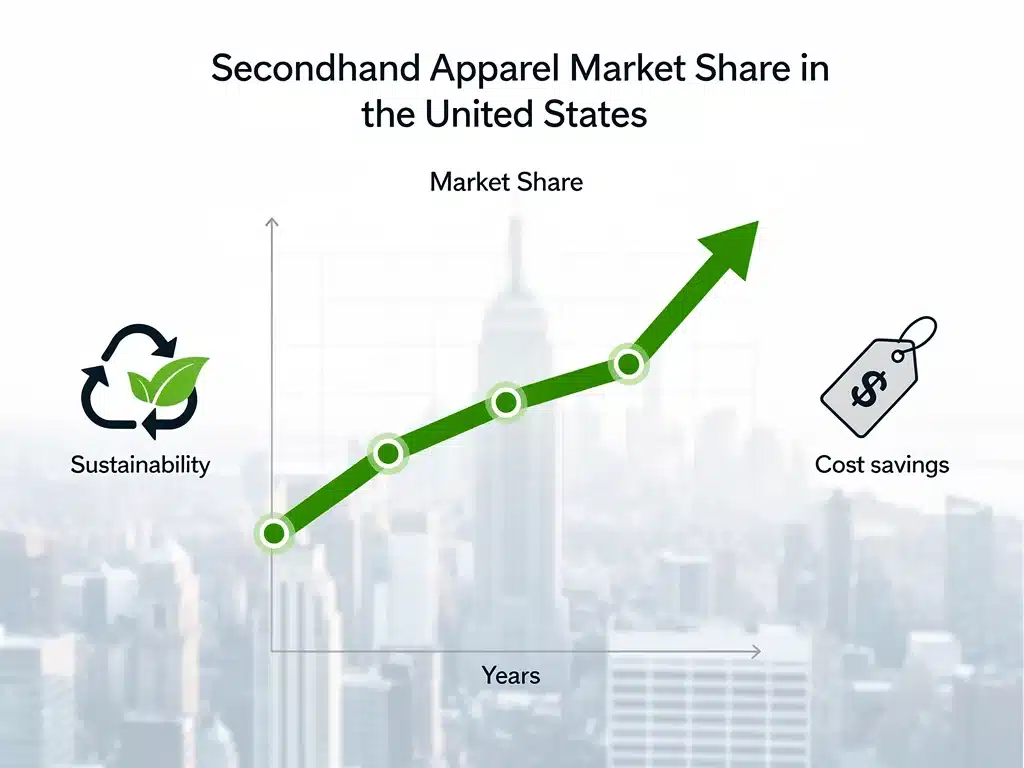
The secondhand apparel market is experiencing unprecedented growth, with projections indicating it will capture a substantial 15% of the US fashion market by 2026, driven by evolving consumer preferences and increased accessibility.
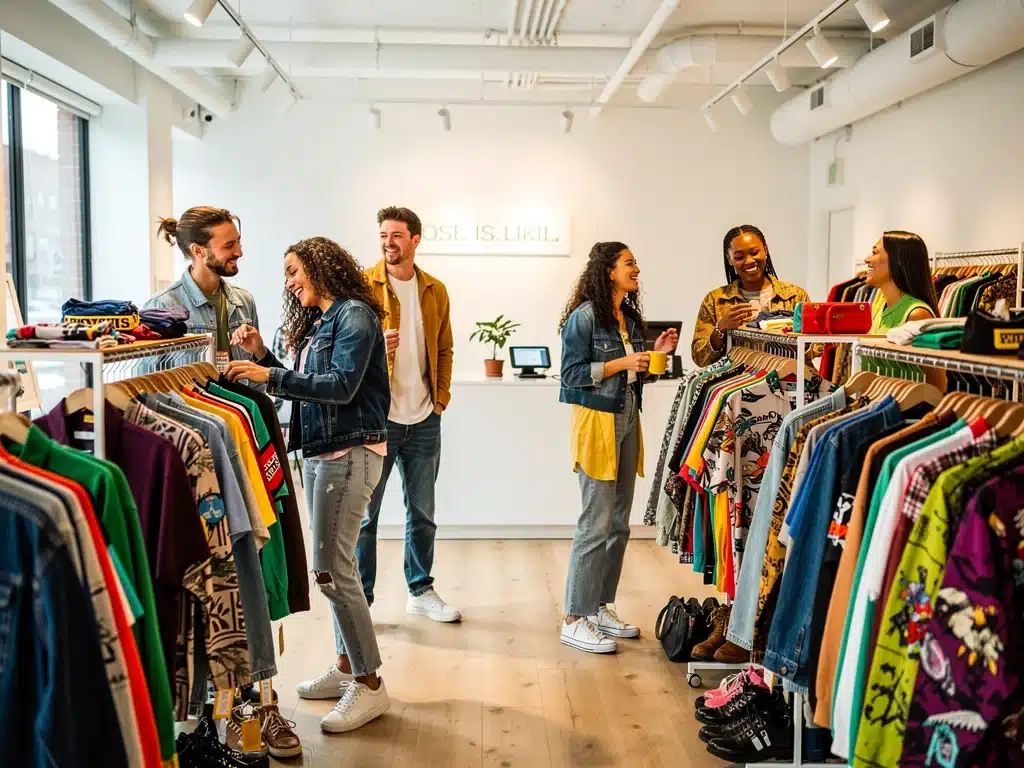
Have you noticed more friends proudly sporting pre-loved items, or perhaps you’ve even dipped your toes into the world of thrifting? The phenomenon is undeniable: The Rise of Resale: How Secondhand Apparel is Capturing 15% of the US Fashion Market by 2026 is not just a trend, but a significant shift reshaping the entire industry. This isn’t your grandma’s dusty attic; it’s a dynamic, digitally-driven movement.
Advertisements
The Shifting Sands of Consumer Behavior
The fashion landscape is undergoing a profound transformation, largely influenced by a new generation of consumers and evolving societal values. Traditional retail models are being challenged by a powerful wave of conscious consumption, where value extends beyond price to encompass ethical and environmental considerations. This shift is not merely superficial; it’s deeply ingrained in how people perceive clothing and their purchasing decisions.
Consumers, particularly younger demographics, are increasingly seeking alternatives to fast fashion’s disposable nature. They are more informed about the environmental impact of clothing production and the social implications of labor practices. This awareness fuels a demand for more sustainable and ethical options, making secondhand apparel a compelling choice.
Sustainability as a Core Driver
Environmental concerns are a primary catalyst behind the growth of the secondhand market. The fashion industry is notoriously resource-intensive, from water usage in cotton cultivation to the chemical dyes used in manufacturing. Opting for pre-owned clothing significantly reduces one’s carbon footprint and minimizes textile waste.
- Reduces textile waste in landfills.
- Decreases demand for new resource-intensive production.
- Lowers carbon emissions associated with manufacturing and transport.
- Conserves water and minimizes chemical pollution.
The Quest for Affordability and Uniqueness
Beyond environmental factors, affordability remains a powerful draw. In an economic climate where budgets are often tight, secondhand apparel offers a cost-effective way to refresh wardrobes without breaking the bank. Furthermore, the allure of finding unique, often vintage, pieces that stand out from mass-produced items is a significant motivator for many shoppers.
The desire for individuality and personal style expression finds a perfect outlet in the diverse offerings of the secondhand market. Shoppers can curate a wardrobe that reflects their personality, often discovering forgotten gems or limited-edition items that would be impossible to find new.
Ultimately, the confluence of environmental consciousness, economic pragmatism, and the pursuit of unique style has created a fertile ground for the secondhand apparel market to flourish. This fundamental shift in consumer behavior is laying the groundwork for its continued expansion and integration into mainstream fashion.
Economic Imperatives Fueling the Resale Boom
The economic landscape plays a crucial role in the accelerated growth of the secondhand apparel market. In an era where financial prudence is often prioritized, consumers are actively seeking smarter ways to spend their money without compromising on style or quality. This economic imperative has propelled resale into the mainstream, moving it from a niche activity to a significant retail force.
The perception of secondhand goods has also dramatically improved. Once associated with necessity, it is now seen as a smart, fashionable, and responsible way to shop. This change in perception is vital for its continued expansion, attracting a broader demographic of shoppers who might not have considered it before.
Cost Savings and Value Retention
One of the most obvious economic benefits of secondhand shopping is the significant cost savings. Consumers can acquire high-quality, often designer, items at a fraction of their original retail price. This accessibility to premium brands makes luxury fashion attainable for a wider audience, democratizing style in a way that traditional retail cannot.
- Access to designer brands at lower prices.
- Opportunity to buy more for less.
- Reduced financial risk on trend-driven purchases.
- Potential for items to retain or even increase in value.
Circular Economy and Investment in Quality
The resale market inherently supports a circular economy model, where products are kept in use for as long as possible. This approach not only benefits the environment but also encourages consumers to invest in higher-quality items that are built to last and can withstand multiple ownerships. The focus shifts from fast fashion’s disposability to durable, well-made garments.
For sellers, the resale market provides an opportunity to monetize items they no longer need, transforming unused clothing into cash. This adds another layer of economic incentive, creating a vibrant ecosystem where both buyers and sellers benefit financially, further strengthening the market’s foundation.
The economic advantages of the secondhand apparel market are multifaceted, offering both immediate savings and long-term value. As consumers become more financially savvy and environmentally conscious, the economic drivers ensuring the continued growth and dominance of resale are only set to strengthen, solidifying its place in the modern retail landscape.
Technological Innovations and Digital Platforms
The rapid growth of the secondhand apparel market is inextricably linked to advancements in technology and the proliferation of sophisticated digital platforms. These innovations have revolutionized how consumers buy and sell pre-owned clothing, making the process more accessible, efficient, and appealing than ever before. The days of rummaging through dusty racks are far from over, but they are now complemented by a sleek, digital experience.
E-commerce platforms have democratized access to secondhand fashion, allowing individuals to discover unique pieces from anywhere in the world. This global reach has significantly expanded the market, connecting buyers and sellers who might never have interacted in a traditional retail setting, thereby fostering a vibrant online community.
The Rise of Dedicated Resale Apps and Websites
A new generation of apps and websites, such as ThredUp, Poshmark, and Depop, has emerged as key players in the resale revolution. These platforms offer user-friendly interfaces, robust search functionalities, and secure payment systems, simplifying the entire transaction process. They have transformed the act of buying and selling used clothes into a seamless and enjoyable experience.
- User-friendly interfaces for easy browsing and listing.
- Advanced search filters for specific brands, sizes, and styles.
- Secure payment processing and buyer/seller protection.
- Community features for interaction and trend sharing.
Authentication and Trust Building
One of the biggest challenges in the secondhand luxury market has been authenticity. Technological solutions, including AI-powered authentication and detailed inspection processes, are now addressing this concern head-on. Platforms are investing in robust verification systems to build trust among consumers, assuring them that their purchases are genuine.
High-quality photography, detailed descriptions, and transparent seller ratings also contribute to a more trustworthy environment. This focus on reliability and transparency is crucial for attracting and retaining discerning customers, especially those new to the secondhand market, and for high-value items.
Ultimately, technology has acted as an accelerant for the secondhand apparel market, breaking down geographical barriers and enhancing the overall shopping experience. As these platforms continue to innovate, they will undoubtedly play an even more central role in shaping the future trajectory of resale, making it an indispensable part of the fashion industry.
Brand Adoption and Mainstream Integration
What was once considered a fringe activity is now firmly embedded in the mainstream fashion industry, largely due to the increasing adoption and endorsement by established brands and retailers. This shift signifies a crucial turning point, as major players recognize the immense potential and growing consumer demand within the secondhand market. Their involvement lends credibility and visibility, further accelerating its acceptance.
Many brands are realizing that embracing resale isn’t just about sustainability; it’s also a smart business strategy. It allows them to tap into new revenue streams, attract different customer segments, and reinforce their commitment to environmental responsibility, all while extending the lifecycle of their products.
Luxury Brands and Resale Partnerships
High-end luxury brands, initially hesitant, are now actively engaging with the resale market. Partnerships with platforms like The RealReal and Vestiaire Collective are becoming commonplace, allowing brands to participate in the secondary market for their own products. This not only helps combat counterfeiting but also gives brands more control over their image and pricing in the resale space.
- Direct partnerships with established resale platforms.
- Launching their own in-house resale programs.
- Offering store credit for trade-ins of their own products.
- Collecting valuable data on product longevity and desirability.

Retailers Embracing Circularity
It’s not just luxury; mass-market retailers are also integrating circular economy principles into their business models. Many are experimenting with take-back programs, repair services, and even dedicated sections for pre-owned items within their stores or online. This broadens the appeal of secondhand goods to a wider consumer base and normalizes the concept of buying used.
These initiatives demonstrate a clear understanding that sustainability is no longer a niche concern but a core expectation of modern consumers. By actively participating in the resale economy, brands and retailers are not only responding to demand but also proactively shaping the future of fashion towards a more circular and responsible model.
The mainstream integration of secondhand apparel, driven by brand adoption and strategic partnerships, is a powerful testament to its enduring viability and growing influence. As more industry giants embrace circularity, the line between new and pre-owned fashion will continue to blur, making resale an indispensable component of the retail ecosystem.
The Future Outlook: Projections and Potential
The trajectory of the secondhand apparel market points towards sustained and significant growth, solidifying its position as a major force in the fashion industry. Projections indicating that it will capture 15% of the US fashion market by 2026 are not just optimistic estimates; they reflect fundamental shifts in consumer values, technological capabilities, and strategic investments by key industry players. This is not a fleeting trend but a foundational change.
The market’s expansion is expected to continue well beyond 2026, driven by a combination of factors including continued consumer education on sustainability, further technological innovation in authentication and logistics, and an even broader acceptance by traditional retail. The potential for innovation within this sector remains vast.
Market Growth and Investment
Investment in resale platforms and infrastructure is booming, with venture capitalists and established corporations pouring capital into companies that facilitate the buying and selling of pre-owned goods. This financial backing enables these platforms to scale operations, improve user experience, and expand their reach, further accelerating market penetration.
The growth is also fueled by the increasing variety of items available, from everyday wear to high-fashion couture. This diversity ensures that there is something for every budget and style preference, making the market appealing to a broad spectrum of consumers across different demographics.
Challenges and Opportunities Ahead
Despite its promising outlook, the secondhand market faces challenges, including ensuring consistent quality, managing logistics for returns and inventory, and combating counterfeits. However, these challenges also present opportunities for innovation and the development of more sophisticated solutions that will further professionalize the industry.
- Developing robust quality control and grading systems.
- Optimizing logistics for collection, processing, and distribution.
- Enhancing authentication technologies to combat fakes.
- Educating consumers on the benefits and nuances of secondhand shopping.
Looking ahead, the secondhand apparel market is poised to not only meet but potentially exceed current projections. Its ability to adapt to changing consumer demands, leverage technological advancements, and integrate with traditional retail makes it a resilient and dynamic segment. The future of fashion is undeniably circular, with resale at its very core, offering both economic and environmental dividends.
Impact on Traditional Fashion Retail
The ascent of the secondhand apparel market is not occurring in a vacuum; it has profound implications for traditional fashion retail. Far from being a mere competitor, resale is forcing established brands and retailers to re-evaluate their strategies, business models, and entire value chains. This dynamic interplay is leading to both challenges and transformative opportunities for the industry.
Many traditional retailers are finding that ignoring the resale trend is no longer an option. Instead, they are exploring ways to integrate circularity into their operations, recognizing that consumer preferences have fundamentally shifted. This adaptation is crucial for remaining relevant and competitive in a rapidly evolving market.
Shifting Business Models and Revenue Streams
Traditional retailers are increasingly exploring hybrid models that incorporate both new and pre-owned goods. This might involve setting up dedicated resale sections, partnering with existing platforms, or even launching their own take-back and resale programs. These initiatives open up new revenue streams and engage customers in a more circular fashion ecosystem.
- Developing co-existence models with new and used inventory.
- Utilizing resale to drive traffic to their primary brand.
- Collecting data on product longevity and customer preferences.
- Offering repair and maintenance services to extend product life.
Focus on Quality and Longevity
The rise of resale also puts pressure on traditional brands to produce higher-quality, more durable garments. If items are designed with longevity in mind, they retain their value better in the secondhand market, which can become an attractive selling point for new purchases. This shift encourages a move away from the fast-fashion cycle towards more thoughtful production.
Furthermore, traditional retailers are learning that the resale market can offer valuable insights into consumer demand for specific styles, brands, and materials. This data can inform future design and production decisions, leading to more efficient and demand-driven manufacturing, reducing waste in the process.
In conclusion, the secondhand apparel market is not just disrupting traditional retail; it’s catalyzing a necessary evolution. By prompting a re-evaluation of production, consumption, and disposal practices, resale is pushing the entire fashion industry towards a more sustainable, economically viable, and consumer-centric future. Those who adapt will thrive, while those who resist risk obsolescence.
| Key Aspect | Brief Description |
|---|---|
| Market Growth | Projected to capture 15% of the US fashion market by 2026, driven by sustainability and affordability. |
| Consumer Drivers | Sustainability, cost savings, and the desire for unique fashion items are key motivators for shoppers. |
| Technological Impact | Digital platforms and authentication technologies make buying and selling secondhand apparel easier and more trustworthy. |
| Brand Integration | Luxury brands and retailers are increasingly partnering with or launching their own resale initiatives. |
Frequently Asked Questions About Secondhand Apparel
The growth is primarily driven by increasing consumer awareness of sustainability, the desire for more affordable fashion options, and the appeal of unique, often vintage, items. Technological advancements in online platforms also make buying and selling easier and more accessible.
Buying secondhand apparel significantly reduces textile waste sent to landfills, decreases the demand for new production (which conserves water, energy, and raw materials), and lowers the carbon footprint associated with manufacturing and transportation of new garments.
Yes, many luxury brands are increasingly embracing the secondhand market. They are doing this through partnerships with established resale platforms, launching their own in-house resale programs, and offering trade-in options for their products, recognizing its economic and reputational benefits.
Digital platforms are crucial, providing user-friendly interfaces, advanced search capabilities, and secure transaction systems. They connect buyers and sellers globally, offer authentication services, and build trust, transforming secondhand shopping into a seamless and enjoyable online experience.
The resale market is compelling traditional retail to innovate. It encourages a shift towards higher-quality production, the integration of circular business models (like take-back programs), and the exploration of new revenue streams, ultimately pushing the entire industry towards more sustainable practices.
Conclusion
The rise of the secondhand apparel market is undeniably one of the most transformative trends in contemporary fashion. Far from being a transient phenomenon, its projected capture of 15% of the US fashion market by 2026 underscores a fundamental and enduring shift in how consumers interact with clothing. This evolution is multifaceted, driven by a powerful confluence of environmental consciousness, economic pragmatism, and technological innovation. As digital platforms continue to refine the buying and selling experience, and as more traditional brands integrate circularity into their strategies, the distinction between new and pre-owned fashion will increasingly blur. The future of apparel is not just about what’s new, but what’s next in extending the life and value of every garment, paving the way for a more sustainable and financially intelligent fashion ecosystem.