3D Printing’s Impact on Scale Model Collecting in 2026
Advertisements
The impact of 3D printing on scale model collecting in 2026 is transformative, offering unprecedented customization and accessibility while introducing new considerations for authenticity, intellectual property, and market dynamics for enthusiasts.
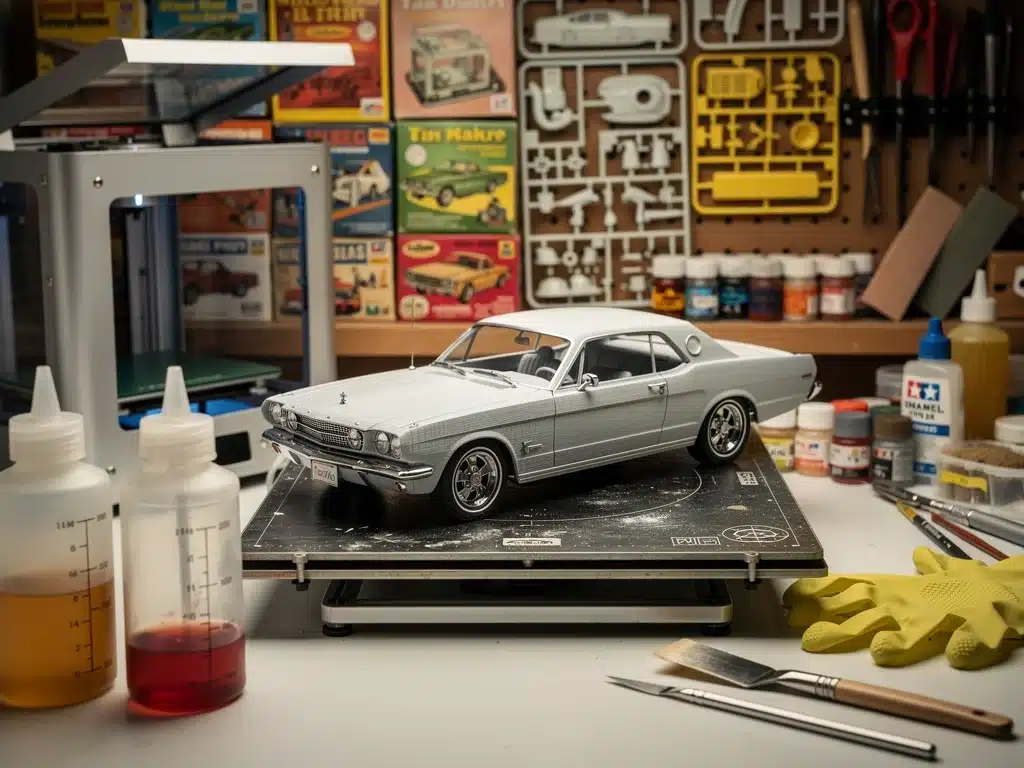
The landscape of hobbies and niche interests is constantly evolving, and few technologies have had as profound an effect as 3D printing. For enthusiasts of collectible scale models, the year 2026 presents a fascinating crossroads, where traditional craftsmanship meets cutting-edge digital fabrication. This article delves into the impact of 3D printing on scale model collecting, exploring both the exciting opportunities it unlocks and the complex challenges it introduces for hobbyists and the industry alike.
Advertisements
The Dawn of Digital Customization in Model Collecting
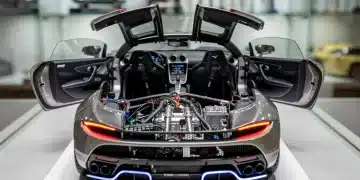
The advent of 3D printing has revolutionized the concept of customization within the scale model collecting community. No longer are collectors solely reliant on mass-produced kits or expensive, limited-run aftermarket parts. Now, the power to create unique, personalized components is within reach of anyone with access to a 3D printer and some design savvy.
This shift empowers collectors to bring their visions to life with unparalleled precision. From obscure historical vehicles to highly specific sci-fi spacecraft, the limitations posed by commercial availability are rapidly diminishing. The ability to design and print bespoke parts means that a collector can truly make a model their own, reflecting individual preferences and historical accuracy that might otherwise be impossible to achieve.
Personalizing Your Collection Like Never Before
One of the most significant advantages 3D printing offers is the ability to personalize models to an extraordinary degree. This goes beyond simple paint schemes, extending to actual structural modifications and unique additions.
- Custom Parts Creation: Design and print specific components not available commercially, such as unique weapon loadouts, specialized equipment, or custom figures.
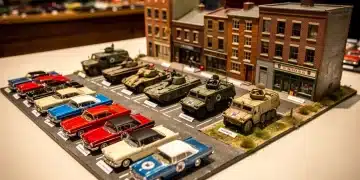
- Scale Modification: Easily resize existing digital models to fit different scales, opening up new possibilities for dioramas and display.
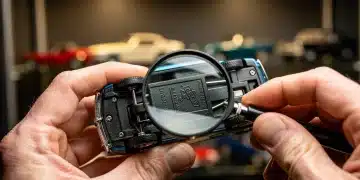
- Detail Enhancement: Produce ultra-fine details and textures that are difficult or impossible to achieve with traditional molding methods, elevating realism.
The rise of online marketplaces for 3D printable files further democratizes this process. Collectors who may not possess advanced CAD skills can still access a vast library of user-designed parts, often at a fraction of the cost of traditional aftermarket offerings. This collaborative ecosystem fosters innovation and expands the creative horizons for everyone involved in the hobby.
Ultimately, 3D printing is transforming model collecting into a more interactive and creative endeavor. It shifts the focus from merely assembling pre-manufactured kits to actively participating in the creation and customization process, fostering a deeper connection between the collector and their models.
Enhanced Accessibility and Prototyping for Rare Models
Historically, securing rare or out-of-production scale models often involved extensive searching, high prices on the secondary market, or even international procurement. 3D printing significantly alters this dynamic, offering a new pathway to obtaining previously inaccessible items and enabling rapid prototyping for new designs.
For collectors passionate about niche subjects or specific historical periods, 3D printing can be a game-changer. If a particular model kit was only produced for a short period or in limited quantities, its digital counterpart can now be created or replicated, making it available to a wider audience without the constraints of physical scarcity.
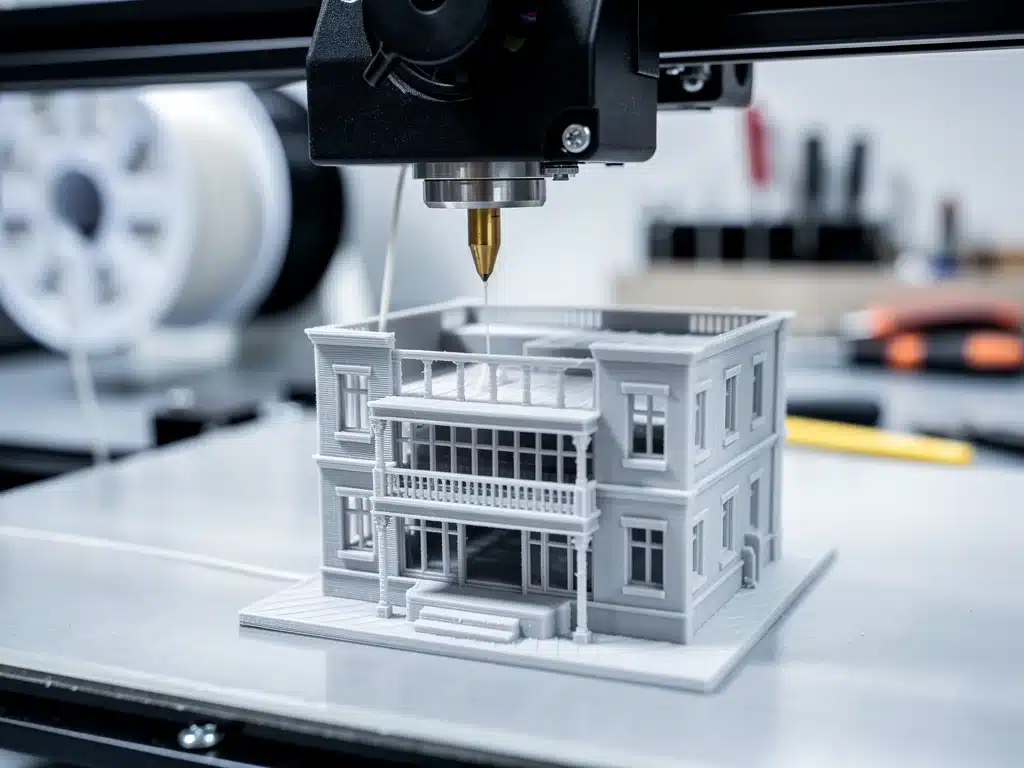
This increased accessibility means that collectors can pursue their interests without being solely dictated by market availability. It levels the playing field, allowing newer collectors to build diverse and specialized collections that might have been impossible just a few years ago.
Bringing Obscure and Discontinued Models to Life
One of the most exciting aspects is the revival of discontinued or extremely rare models. Through 3D scanning and digital reconstruction, collectors can recreate models that are no longer commercially viable for traditional manufacturers.
- Digital Archiving: The process of 3D scanning allows for the digital preservation of rare models, ensuring their form and detail can be reproduced indefinitely.
- Community Libraries: Online platforms are emerging where collectors can share and download files for obscure models, fostering a global exchange of rare designs.
- Low-Volume Production: For models that would never warrant mass production, 3D printing offers a cost-effective method for producing limited runs, satisfying niche demands.
Furthermore, 3D printing serves as an invaluable tool for prototyping. Model designers and small-scale manufacturers can rapidly iterate on new designs, testing fit, form, and functionality before committing to expensive injection molding processes. This accelerates product development and allows for greater experimentation, ultimately leading to more innovative and refined model kits.
The enhanced accessibility and prototyping capabilities provided by 3D printing are fundamentally changing how collectors acquire and interact with their models. It bridges gaps in the market and empowers creative individuals to explore new frontiers in scale model design and collection.
Challenges: Authenticity, Intellectual Property, and Quality Control
While 3D printing offers numerous benefits, its integration into scale model collecting also presents significant challenges that require careful consideration. Issues surrounding authenticity, intellectual property rights, and maintaining consistent quality are becoming increasingly pertinent for both collectors and manufacturers.
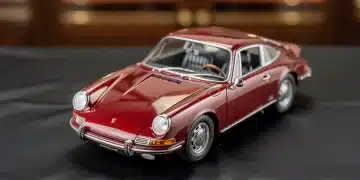
The very ease with which models can be replicated or modified raises questions about what constitutes an original or authentic piece. For collectors who value historical provenance or the craftsmanship of traditional kits, 3D-printed versions, even if identical in appearance, may not hold the same intrinsic value. This distinction is crucial in a hobby where scarcity and originality often drive value and desirability.
Navigating the Complexities of Digital Replication
The digital nature of 3D printing introduces legal and ethical dilemmas, particularly concerning intellectual property.
- Copyright Infringement: The unauthorized scanning and reproduction of copyrighted model kits or designs is a growing concern for original manufacturers.
- Design Ownership: Determining ownership and proper attribution for 3D models shared or sold online can be ambiguous, leading to disputes.
- Counterfeiting: The ability to create highly accurate replicas poses a risk of counterfeiting, potentially devaluing genuine, traditionally manufactured models.
Beyond legalities, quality control remains a significant hurdle. While 3D printing technology has advanced remarkably, the output quality can vary widely depending on the printer, material, and user’s skill. Achieving the smooth finishes and crisp details characteristic of high-quality injection-molded kits often requires considerable post-processing work, such as sanding, filling, and priming.
Collectors accustomed to the consistent quality of commercial kits may find the variability of 3D-printed parts challenging. Ensuring that 3D-printed components meet the aesthetic and structural standards expected in the hobby requires diligence and expertise. These challenges highlight the need for industry standards and community guidelines to ensure the sustainable and ethical growth of 3D printing within scale model collecting.
The Evolving Role of Traditional Manufacturers and Aftermarket Suppliers
The rise of 3D printing necessitates an adaptation from traditional scale model manufacturers and aftermarket suppliers. Instead of viewing 3D printing solely as a threat, many are beginning to integrate it into their business models, leveraging its capabilities to enhance their offerings and meet evolving collector demands.
Manufacturers are now exploring ways to collaborate with the 3D printing community, perhaps by offering licensed digital files of their products or by using 3D printing for rapid prototyping and short-run production of specialized kits. This strategic pivot allows them to stay relevant in a rapidly changing market and tap into the growing demand for highly customized and niche products that traditional mass production might not support.
Adapting to a Hybrid Production Model
Many traditional companies are finding success by embracing a hybrid approach, combining the strengths of both manufacturing methods.
- Licensed Digital Content: Offering official STL files for popular models, allowing collectors to print custom parts or even entire models under license.
- Niche Product Lines: Using 3D printing for limited-edition or highly detailed accessory sets that would be too costly to produce via injection molding.
- Enhanced Prototyping: Integrating 3D printing into their R&D processes to quickly test designs and refine new kits before mass production.
Aftermarket suppliers, who traditionally offer resin or photo-etched upgrades, are also feeling the pressure and opportunity. Many are now diversifying their offerings to include 3D-printed upgrade sets, recognizing the precision and versatility that additive manufacturing provides. This allows them to create intricate details and complex shapes that were previously unachievable, pushing the boundaries of model enhancement.
The industry is moving towards a symbiotic relationship where traditional manufacturing provides the core kits, and 3D printing offers an unparalleled avenue for personalization, enhancement, and the creation of highly specialized components. This collaboration ultimately benefits the collector by expanding choices and fostering innovation within the hobby.
Community, Collaboration, and the Future of Model Design
One of the most exciting aspects of 3D printing’s impact on scale model collecting is the burgeoning sense of community and collaboration it fosters. Online platforms and forums have become vibrant hubs where collectors share designs, offer printing services, and collaborate on complex projects, pushing the boundaries of what’s possible in miniature.
This collaborative spirit is transforming model design from a solitary pursuit into a collective endeavor. Hobbyists with diverse skill sets—from CAD designers to historical researchers and master builders—can come together to create exceptionally detailed and accurate models that might be beyond the scope of any single individual. This collective intelligence and shared passion are driving innovation at an unprecedented pace.
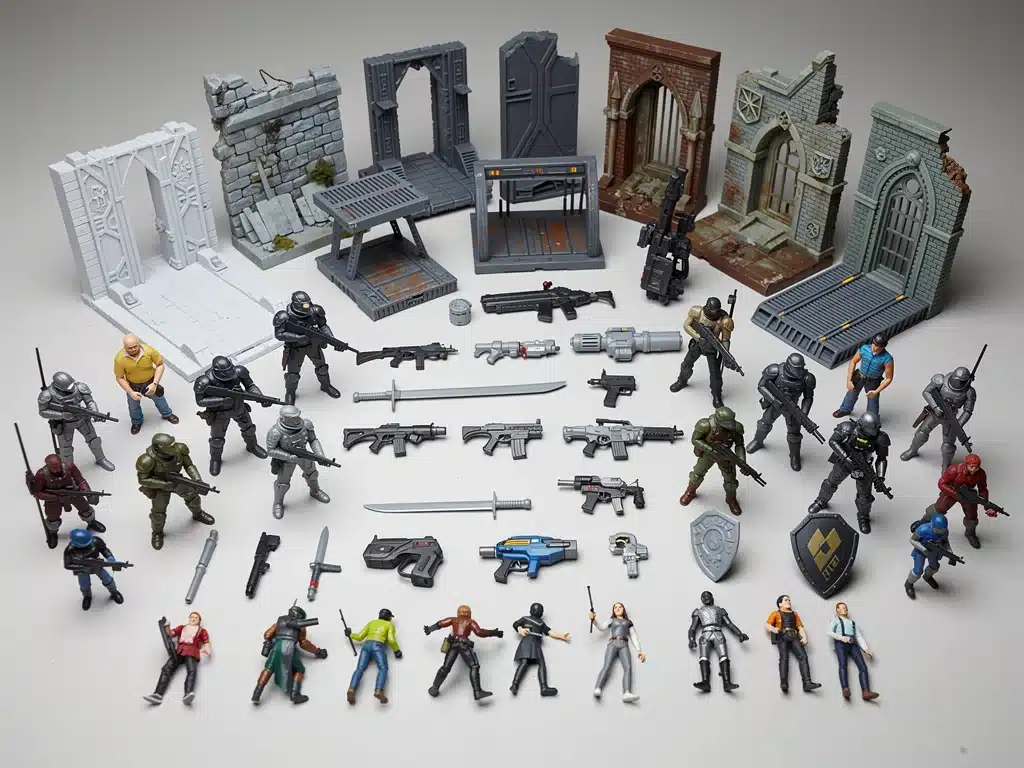
The future of model design is increasingly open-source and community-driven. As more collectors gain access to 3D printing technology and design software, the barrier to entry for creating new models or accessories significantly lowers. This democratization of design means that fresh perspectives and innovative ideas are constantly emerging from the grassroots level of the hobby.
The Rise of Collaborative Model Projects
Online communities are becoming central to the evolution of 3D printing in model collecting, facilitating projects that would have been impossible a decade ago.
- Shared Design Repositories: Platforms like Thingiverse and Cults3D host thousands of community-contributed model files, fostering a culture of sharing and remixing.
- Design Challenges and Contests: Online competitions encourage designers to create new models or accessories, often focusing on specific themes or historical periods.
- Crowdsourced Development: Collectors can pool resources and expertise to develop complex models, with different individuals contributing specific parts or design elements.
The ability to instantly share and iterate on designs globally accelerates the development cycle for new models and accessories. A concept can be designed in one country, printed and tested in another, and refined based on feedback from a global community of enthusiasts. This rapid feedback loop ensures that designs are robust, accurate, and meet the high standards of fellow collectors.
This collaborative ecosystem not only enriches the hobby but also ensures its longevity and relevance. By empowering collectors to become creators, 3D printing is fostering a new generation of modelers who are actively shaping the future of scale model design and collecting.
Economic Shifts and Market Dynamics in 2026
The pervasive influence of 3D printing is undeniably reshaping the economic landscape and market dynamics of scale model collecting in 2026. Traditional notions of supply and demand are being reevaluated as production moves from centralized factories to decentralized home workshops. This shift impacts pricing, availability, and the perceived value of both commercially produced and 3D-printed models.
For collectors, the economics are multifaceted. While 3D printing can reduce the cost of obtaining rare or custom parts, the initial investment in a quality 3D printer, materials, and design software can be substantial. Furthermore, the time and skill required for post-processing 3D prints add a hidden cost that traditional kits often mitigate through factory-finished components.
Pricing, Value, and New Business Models
The market is adapting with new pricing structures and business models emerging to cater to the 3D printing segment.
- Subscription Services: Companies offering monthly subscriptions for access to a library of exclusive 3D printable model files.
- Print-on-Demand: Services where collectors can commission specific models or parts to be 3D printed by a professional, bypassing the need for their own printer.
- Digital File Sales: A growing market for designers selling their unique 3D model files, often at a lower price point than physical kits.
The value proposition of models is also undergoing a transformation. A commercially produced, limited-edition kit might still command a premium due to its factory finish and brand reputation. However, a meticulously 3D-printed and custom-painted model, unique to its creator, can also achieve significant personal and even monetary value within the collecting community. The emphasis is shifting from mere acquisition to creation and personalization.
This evolving market requires both collectors and businesses to be agile. Manufacturers must innovate their product lines and embrace digital distribution, while collectors need to weigh the costs and benefits of investing in 3D printing versus traditional purchasing. The economic shifts underscore a vibrant, dynamic market where new opportunities and challenges continually arise in the wake of technological advancement.
Environmental Considerations and Sustainable Practices
As 3D printing becomes more prevalent in scale model collecting, it’s crucial to examine its environmental footprint and the potential for promoting more sustainable practices within the hobby. The materials used, energy consumption, and waste generation all contribute to the overall impact, prompting a discussion about how collectors and the industry can minimize negative effects.
Traditional model manufacturing often involves significant energy consumption, the use of petroleum-based plastics, and the generation of waste through injection molding processes. While 3D printing offers some advantages in reducing material waste through additive manufacturing, it also introduces its own set of environmental considerations, particularly regarding the disposal of plastic or resin waste and the energy intensity of the printing process.
Towards Greener Model Making
The scale model community is increasingly aware of environmental concerns, driving innovation in sustainable 3D printing practices.
- Recyclable Filaments: The development and wider adoption of biodegradable or recycled plastic filaments for FDM printers, reducing reliance on virgin plastics.
- Resin Disposal Protocols: Better guidelines and solutions for the safe and environmentally responsible disposal of liquid resin and contaminated cleaning agents from SLA/DLP printing.
- Energy Efficiency: Advances in 3D printer technology leading to more energy-efficient machines, reducing the power consumption associated with long print jobs.
Furthermore, the ability to print only what is needed, on demand, can significantly reduce overproduction and the waste associated with unsold inventory in traditional manufacturing. This localized production model means fewer resources are expended on shipping and storage of physical goods, potentially lowering the carbon footprint of the hobby.
The debate around sustainability in 3D printing for model collecting is ongoing. While challenges exist, the potential for innovation in material science and responsible production practices offers a promising path towards a more environmentally conscious hobby. By actively seeking out and supporting sustainable options, collectors can play a vital role in shaping a greener future for scale model making.
| Key Aspect | Impact on Scale Model Collecting |
|---|---|
| Customization | Unprecedented ability to create unique, personalized parts and models. |
| Accessibility | Easier access to rare or discontinued models through digital replication. |
| Challenges | Concerns over authenticity, intellectual property, and consistent print quality. |
| Market Dynamics | New business models and pricing structures emerging in the hobby. |
Frequently Asked Questions About 3D Printing in Model Collecting
3D printing has revolutionized customization by allowing collectors to design and print unique, bespoke parts and accessories. This enables unparalleled personalization, from specific weapon loadouts to obscure historical details, making models truly one-of-a-kind and tailored to individual preferences.
For rare or discontinued models, 3D printing significantly improves accessibility. Collectors can now recreate previously unavailable items through digital scanning and printing, bypassing high secondary market prices and scarcity issues, thus expanding collection possibilities for niche interests.
Key challenges include questions of authenticity for replicated models, intellectual property infringement concerns for copyrighted designs, and the variability in print quality that often requires extensive post-processing to match the standards of traditional kits.
Traditional manufacturers are adapting by integrating 3D printing for prototyping, creating niche product lines, and even offering licensed digital files. This hybrid approach allows them to innovate, cater to specialized demands, and remain competitive in an evolving market alongside digital fabrication.
While 3D printing reduces overproduction waste, its environmental impact depends on material choice and disposal. The development of recyclable filaments and improved resin disposal methods are making it more sustainable, but responsible practices are crucial for a greener hobby.
Conclusion
The year 2026 marks a pivotal moment for scale model collecting, with 3D printing firmly established as a transformative force. Its capacity for unparalleled customization and enhanced accessibility has democratized the hobby, empowering collectors to realize visions previously confined to imagination. However, this technological leap also brings forth critical challenges concerning authenticity, intellectual property, and quality control, demanding thoughtful engagement from all stakeholders. As traditional manufacturers adapt and the community embraces collaborative design, the future of scale model collecting promises to be a dynamic fusion of heritage and innovation, continually pushing the boundaries of miniature artistry and personal expression.