US Commercial Vehicle Sales Up 9% Early 2026: Market Trends
Advertisements
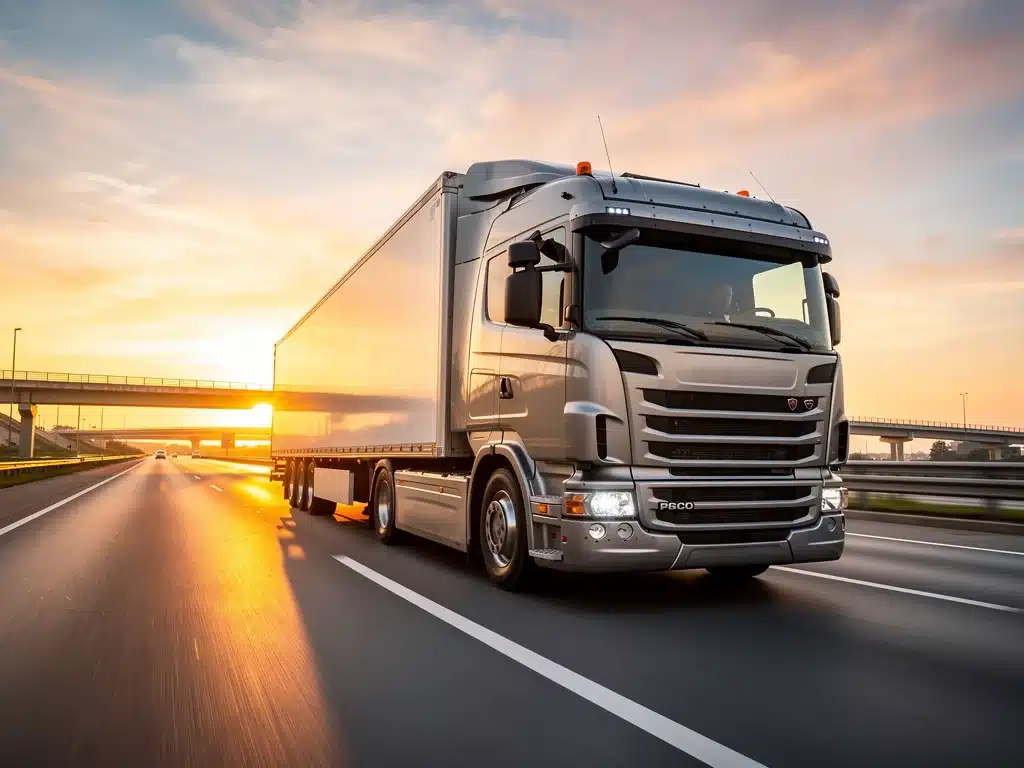
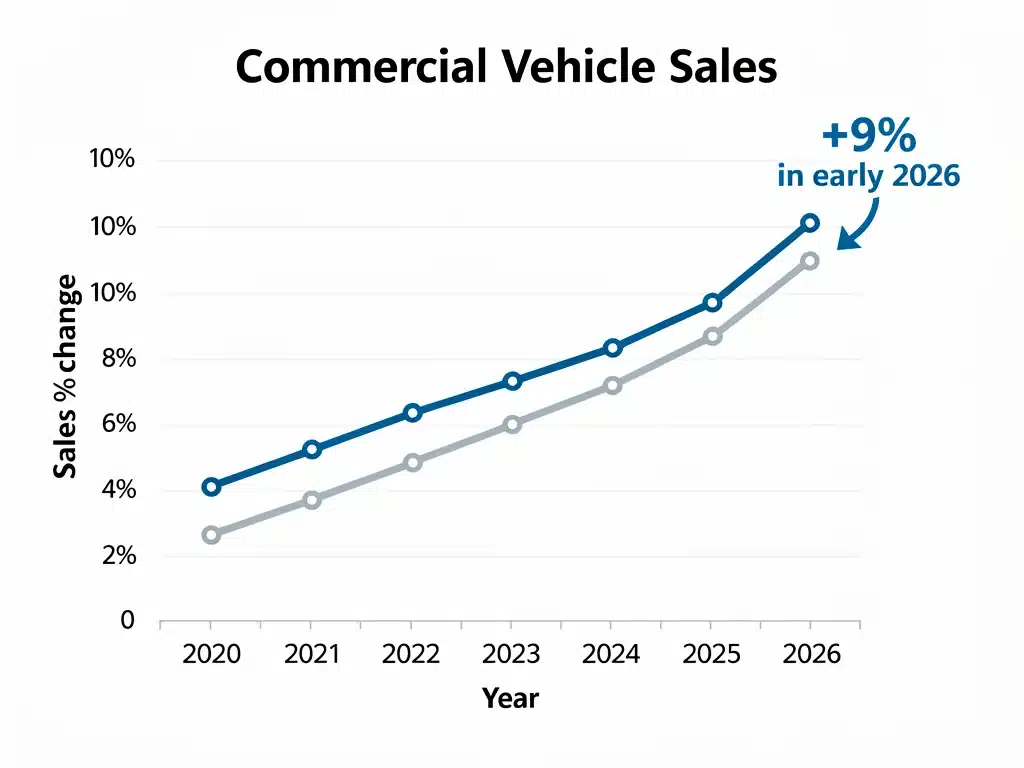
United States commercial vehicle sales experienced a robust 9% increase in early 2026, reflecting strong economic performance, heightened business confidence, and strategic investments in logistics and infrastructure.
The landscape of the American economy is constantly shifting, and few sectors offer a clearer snapshot of its health than the commercial vehicle market. In an encouraging turn for businesses nationwide, United States commercial vehicle sales have seen a remarkable 9% increase in early 2026, signaling robust economic activity and renewed confidence among enterprises. This surge isn’t just a number; it’s a reflection of deeper economic indicators and evolving market trends that are shaping the future of commerce and logistics.
Advertisements
Analyzing the 9% Surge: Key Economic Catalysts
The significant 9% rise in commercial vehicle sales in the United States during early 2026 is not an isolated event but rather a direct consequence of several powerful economic forces converging. Businesses are expanding, supply chains are optimizing, and the demand for goods and services continues to grow, all of which necessitate a modern and efficient commercial fleet. Understanding these catalysts is crucial for grasping the full scope of this market acceleration.
One primary driver stems from the sustained strength of the U.S. economy. Low unemployment rates, steady GDP growth, and a generally stable inflationary environment have emboldened businesses to invest in capital expenditures. This confidence translates directly into orders for new trucks, vans, and other specialized vehicles, essential for daily operations and future expansion.
Infrastructure Spending and E-commerce Boom
Government initiatives aimed at infrastructure development have played a pivotal role. Major projects across the nation require substantial fleets of construction vehicles, heavy-duty trucks, and specialized equipment. This sustained investment creates a consistent demand stream for manufacturers and dealerships.
- Increased government spending on roads, bridges, and public works projects.
- Growing need for construction and heavy-duty vehicles.
- Long-term contracts providing stability for fleet procurement.
Simultaneously, the relentless expansion of e-commerce continues to reshape logistics. Online retail demands a sophisticated and agile delivery network, from last-mile solutions to long-haul transport. This necessitates a constant refresh and expansion of delivery fleets, driving sales of light-duty and medium-duty commercial vehicles.
Consumer Confidence and Business Expansion
High consumer confidence directly fuels retail sales, which in turn boosts demand for transportation and delivery services. As consumers spend more, businesses need more capacity to move products from warehouses to storefronts and directly to customers’ homes. This creates a virtuous cycle where economic optimism translates into tangible vehicle purchases.
Furthermore, many businesses are emerging from a period of cautious spending, now ready to replace aging fleets or add new vehicles to meet increasing operational demands. The deferment of purchases during previous economic uncertainties has created pent-up demand, now being unleashed as economic conditions stabilize and improve.
In conclusion, the 9% surge in commercial vehicle sales is a multifaceted phenomenon, deeply rooted in a healthy economic environment, strategic infrastructure investments, and the transformative power of e-commerce. These factors collectively create a robust market for commercial vehicles, indicating positive momentum for the broader economy.
Technological Innovations Driving Fleet Modernization
Beyond economic indicators, technological advancements are profoundly influencing the commercial vehicle market, acting as a significant catalyst for the 9% sales increase. Businesses are not just buying new vehicles; they are investing in smarter, more efficient, and safer fleets. The integration of cutting-edge technology is making older models obsolete faster, compelling companies to upgrade.
One of the most impactful areas of innovation is in powertrain technology. The push for greater fuel efficiency and reduced emissions has led to the development and adoption of advanced diesel engines, hybrid electric vehicles, and increasingly, fully electric commercial vehicles. These options offer significant long-term operational savings and align with corporate sustainability goals.
Advanced Driver-Assistance Systems (ADAS) and Telematics
Safety has become a paramount concern for fleet operators, leading to widespread adoption of Advanced Driver-Assistance Systems (ADAS). Features such as automatic emergency braking, lane-keeping assist, and adaptive cruise control not only enhance driver safety but also reduce accident rates, lowering insurance costs and downtime.
- Improved safety records and reduced accident-related expenses.
- Enhanced driver comfort and reduced fatigue.
- Compliance with increasingly stringent safety regulations.
Telematics systems are also revolutionizing fleet management. These technologies provide real-time data on vehicle location, performance, fuel consumption, and driver behavior. This data empowers businesses to optimize routes, schedule maintenance proactively, and improve overall operational efficiency, making new vehicles with integrated telematics highly attractive.
Electrification and Autonomous Vehicle Prospects
The electrification of commercial fleets, while still in its early stages for heavy-duty applications, is gaining considerable traction in light- and medium-duty segments. Companies are increasingly exploring electric vans and trucks for urban deliveries, driven by lower operating costs, environmental benefits, and government incentives. The promise of autonomous commercial vehicles, though further off, also influences current purchasing decisions as businesses prepare for future logistical paradigms.
The continuous innovation in commercial vehicle technology is creating a compelling case for businesses to invest in new models. From enhanced safety features and improved fuel economy to sophisticated data analytics and the promise of electrification, these technological leaps are a powerful force behind the current market growth.
Regional Variations and Segment-Specific Performance
While the overall picture for United States commercial vehicle sales shows a strong 9% increase, it’s important to recognize that this growth isn’t uniformly distributed across all regions or vehicle segments. Specific geographical areas and particular types of commercial vehicles are experiencing more pronounced surges, reflecting localized economic conditions and industry-specific demands.
For instance, states with booming construction sectors or significant e-commerce distribution hubs are likely seeing higher demand for relevant vehicle types. The Sun Belt region, with its rapid population growth and expanding infrastructure, is a prime example of an area experiencing heightened activity in commercial vehicle procurement.
Light-Duty vs. Heavy-Duty Segment Dynamics
The light-duty commercial vehicle segment, which includes vans and smaller trucks often used for last-mile delivery and service trades, has shown particularly robust growth. This is largely attributable to the sustained e-commerce boom and the proliferation of local service businesses that require agile and efficient transport solutions.
- High demand for delivery vans due to online retail expansion.
- Growth in trade services requiring smaller, versatile trucks.
- Focus on fuel efficiency and maneuverability in urban environments.
The heavy-duty segment, encompassing tractor-trailers and specialized vocational trucks, also exhibits strong performance, driven by long-haul freight demand and major infrastructure projects. However, this segment can be more susceptible to fluctuations in manufacturing output and commodity prices, which influence freight volumes.
Impact of Urbanization and Rural Development
Urbanization trends contribute significantly to the demand for light and medium-duty vehicles, as cities require efficient logistics for goods and services within their dense environments. Conversely, rural development and agricultural sectors drive demand for specialized trucks and equipment tailored to those industries.
Understanding these regional and segment-specific nuances is critical for manufacturers and dealerships to tailor their offerings and marketing strategies effectively. The aggregate 9% growth is a positive sign, but the underlying dynamics reveal a complex and diverse market landscape.
Financing Trends and Accessibility for Businesses
The accessibility and attractiveness of financing options play a crucial role in enabling businesses to invest in new commercial vehicles. The 9% increase in sales in early 2026 is, in part, a reflection of a favorable financing environment, where businesses find it easier and more affordable to acquire the necessary capital for fleet upgrades and expansions.
Lenders, buoyed by positive economic forecasts and strong business performance, are more willing to extend credit for commercial vehicle purchases. Competitive interest rates and flexible loan terms make the investment more manageable for companies of all sizes, from small businesses to large corporations.
Leasing vs. Purchasing Decisions
Businesses are weighing the benefits of leasing versus outright purchasing more carefully than ever. Leasing offers lower upfront costs, predictable monthly expenses, and the flexibility to regularly upgrade to newer models with the latest technology. This option is particularly appealing to companies looking to maintain a modern fleet without significant capital outlay.
Conversely, purchasing can provide long-term asset ownership and potential tax advantages. The decision often depends on a company’s financial strategy, operational needs, and long-term growth projections. The availability of diverse financing products caters to this wide spectrum of business requirements.
Government Incentives and Tax Benefits
- Tax deductions for commercial vehicle purchases (e.g., Section 179).
- Incentives for adopting electric or alternative fuel vehicles.
- State and local programs supporting fleet modernization.
Government incentives, such as accelerated depreciation schedules and tax credits for specific vehicle types (especially electric or alternative fuel vehicles), further sweeten the deal for businesses. These incentives reduce the effective cost of ownership, making new vehicle acquisitions more financially viable and contributing to the overall sales growth.
In essence, a supportive financing ecosystem, combined with various government programs, is creating an environment where businesses can confidently invest in their commercial fleets. This financial accessibility is a cornerstone of the observed 9% sales increase, ensuring that economic confidence can translate into tangible market growth.
Challenges and Headwinds in the Commercial Vehicle Market
Despite the impressive 9% surge in United States commercial vehicle sales in early 2026, the market is not without its challenges. While the overall outlook is positive, several headwinds could temper future growth or impact specific segments. Understanding these challenges is essential for a balanced perspective on market trends and for strategic planning by businesses and manufacturers alike.
One persistent challenge remains the supply chain. While some issues have eased, disruptions can still arise from geopolitical events, natural disasters, or unexpected demand spikes. Component shortages, particularly for semiconductors, can delay vehicle production and delivery, frustrating buyers and potentially slowing sales momentum.
Labor Shortages and Rising Operational Costs
The commercial transportation sector continues to grapple with a significant shortage of qualified drivers and maintenance technicians. This labor deficit can strain fleet operations, even with new vehicles, and may limit the ability of businesses to expand their capacity fully. Addressing this issue requires long-term solutions in training and recruitment.
- Persistent shortage of commercial truck drivers.
- Difficulty in recruiting and retaining skilled technicians.
- Increased wages and benefits to attract talent, raising operational costs.
Rising operational costs, including fuel prices, insurance premiums, and maintenance expenses, also present a challenge. While new vehicles often offer better fuel efficiency and lower maintenance requirements, the overall cost of running a commercial fleet remains a substantial factor for businesses, impacting their bottom line and investment decisions.
Regulatory Landscape and Environmental Concerns
The evolving regulatory landscape, particularly concerning emissions standards and environmental mandates, requires continuous adaptation from manufacturers and fleet operators. While these regulations drive innovation towards cleaner vehicles, they can also impose additional costs and complexity in vehicle procurement and operation.
In conclusion, while the commercial vehicle market is experiencing strong growth, it navigates a complex environment. Supply chain vulnerabilities, labor shortages, escalating operational costs, and an evolving regulatory framework are all factors that businesses must carefully consider as they plan their fleet strategies for the coming years.
Future Outlook and Long-Term Projections
Looking beyond the immediate 9% increase in early 2026, the long-term outlook for United States commercial vehicle sales appears promising, albeit with a dynamic set of factors influencing its trajectory. The foundational economic strengths, coupled with ongoing technological advancements, suggest continued growth, though perhaps at a more moderated pace.
The sustained investment in infrastructure, driven by both public and private sectors, will continue to be a significant demand generator for heavy-duty and vocational vehicles. As population centers grow and supply chains become more sophisticated, the need for efficient transportation will only intensify.
Electrification and Automation as Growth Drivers
The transition towards electric commercial vehicles is expected to accelerate significantly in the coming years. As battery technology improves, charging infrastructure expands, and costs decrease, more businesses will adopt EVs for a wider range of applications. This shift will create a new cycle of fleet replacements and expansions.
Furthermore, the development of autonomous driving technology, while still facing regulatory and technological hurdles, holds the potential to revolutionize commercial transportation. Early adoption in specific use cases, such as hub-to-hub transfers, could begin to influence vehicle design and fleet strategies within the next decade.
Global Economic Influences and Trade Policies
- Impact of global economic growth on international trade volumes.
- Potential effects of trade agreements and tariffs on vehicle imports/exports.
- Influence of global supply chain stability on production.
Global economic conditions and international trade policies will also play a role. A stable global economy generally supports higher freight volumes and greater demand for commercial vehicles. Conversely, trade disputes or economic downturns in key global markets could have ripple effects on the U.S. commercial vehicle sector.
In summary, the future of commercial vehicle sales in the U.S. is poised for sustained growth, driven by technological innovation, infrastructure development, and an evolving regulatory environment. While challenges remain, the long-term trends point towards a dynamic and expanding market, continuously adapting to new demands and possibilities.
| Key Point | Brief Description |
|---|---|
| 9% Sales Increase | United States commercial vehicle sales surged by 9% in early 2026, indicating strong market recovery and growth. |
| Economic Catalysts | Growth driven by robust GDP, low unemployment, infrastructure spending, and e-commerce expansion. |
| Technological Impact | Innovations like ADAS, telematics, and electrification are modernizing fleets and boosting demand. |
| Future Projections | Continued growth expected, fueled by electrification, automation, and sustained infrastructure development. |
Frequently Asked Questions About Commercial Vehicle Sales
The increase was primarily driven by strong economic indicators such as sustained GDP growth and low unemployment, significant government infrastructure spending, and the continued expansion of the e-commerce sector requiring more delivery vehicles.
Technological innovations like Advanced Driver-Assistance Systems (ADAS), telematics for fleet management, and the increasing availability of electric and hybrid commercial vehicles are making new models more attractive, offering better efficiency, safety, and operational insights.
Both light-duty and heavy-duty segments are performing well. Light-duty vehicles (vans, smaller trucks) are boosted by e-commerce and local services, while heavy-duty trucks benefit from long-haul freight demand and infrastructure projects across the nation.
Potential challenges include ongoing supply chain disruptions, persistent labor shortages (especially for drivers and technicians), rising operational costs like fuel and insurance, and the complexities of adapting to evolving environmental regulations.
The long-term outlook remains positive, supported by continued infrastructure investment, accelerating electrification of fleets, and the eventual integration of autonomous driving technologies. While growth may moderate, the market is expected to remain dynamic and expanding.
Conclusion
The impressive 9% surge in United States commercial vehicle sales during early 2026 is a compelling testament to the resilience and dynamism of the American economy. This growth is not merely a statistical anomaly but a clear indicator of robust business confidence, strategic investments in infrastructure, and the transformative power of technological innovation. While challenges such as supply chain volatility and labor shortages persist, the overarching trends point towards a future of continued expansion and modernization within the commercial transportation sector. Businesses are actively adapting to new demands, embracing advanced technologies, and leveraging favorable economic conditions to enhance their operational capabilities, setting a strong precedent for sustainable growth in the years to come.