Auto Parts Supply Chain to Ease by Q3 2026: US Market Impact

Advertisements
The United States auto parts supply chain is projected to experience a significant easing of disruptions by the third quarter of 2026, leading to greater stability and improved operational efficiency across the entire automotive aftermarket.
Advertisements
The automotive industry has grappled with unprecedented challenges, but the outlook for the United States auto parts supply chain is finally showing signs of significant improvement. By Q3 2026, experts anticipate a substantial easing of the disruptions that have plagued manufacturers, distributors, and consumers alike. This shift promises to reshape the market, bringing both relief and new opportunities for growth and innovation within the sector.
Understanding the Current State of the Auto Parts Supply Chain
The past few years have been a rollercoaster for the global supply chain, and the auto parts sector in the United States has felt the tremors acutely. From chip shortages to port congestion and labor deficits, the issues have been multifaceted and deeply entrenched. Understanding these foundational problems is crucial to appreciating the forecasted recovery.
Initially, the pandemic triggered a cascade of shutdowns, leading to a dramatic drop in production and a subsequent surge in demand as economies reopened. This mismatch created immense pressure on existing supply networks, which were not designed for such volatility. The reliance on just-in-time inventory systems, while efficient in stable times, proved vulnerable to sudden shocks. Furthermore, geopolitical tensions and extreme weather events have only exacerbated these vulnerabilities, making the procurement and distribution of essential components a logistical nightmare.
Key Factors Contributing to Disruptions
- Semiconductor Shortages: The scarcity of microchips impacted vehicle production, slowing down the demand for certain parts but also creating backlogs for others.
- Labor Deficits: Shortages in manufacturing, transportation, and port operations led to delays and increased costs.
- Logistical Bottlenecks: Port congestion, container scarcity, and rising shipping costs made it difficult to move goods efficiently across borders.
- Raw Material Price Volatility: Fluctuations in the cost of steel, aluminum, and plastics directly affected the production costs of auto parts.
These factors collectively created a perfect storm, resulting in longer lead times, higher prices, and reduced availability of crucial auto parts. For consumers, this meant delayed repairs and increased maintenance costs. For businesses, it translated into lost sales, increased inventory holding costs, and a constant struggle to meet customer expectations. The ability to source parts reliably became a competitive differentiator, pushing many companies to re-evaluate their entire supply chain strategy.
In conclusion, the current state of the auto parts supply chain is characterized by fragility and unpredictability. While the challenges have been significant, they have also spurred innovation and a renewed focus on resilience, setting the stage for the anticipated improvements by Q3 2026.
Drivers Behind the Anticipated Easing by Q3 2026
The projection that supply chain disruptions will ease by Q3 2026 is not based on wishful thinking but on several concrete developments and strategic shifts happening globally and within the United States. These drivers are multifaceted, encompassing technological advancements, policy changes, and evolving business strategies aimed at building more robust and resilient supply networks.
One of the primary drivers is the significant investment in manufacturing capacity, particularly in critical sectors like semiconductors. Governments and private companies are pouring billions into new fabrication plants, aiming to reduce reliance on single-source regions and diversify production. This localized or near-shored production helps mitigate risks associated with long-distance shipping and geopolitical instability. Furthermore, advancements in automation and artificial intelligence are making production processes more efficient and less susceptible to labor shortages.
Technological and Strategic Improvements
- Increased Semiconductor Production: New fabs coming online will alleviate the chip shortage, a major bottleneck for modern vehicles.
- Automation and AI in Logistics: Enhanced route optimization, predictive analytics, and automated warehousing are streamlining transportation and inventory management.
- Diversification of Sourcing: Companies are moving away from single-supplier models, exploring multiple vendors across different regions to reduce risk.
- Investment in Infrastructure: Upgrades to ports, roads, and rail networks are improving the overall efficiency of goods movement.
Beyond technology, policy shifts are also playing a crucial role. Governments, recognizing the economic and national security implications of fragile supply chains, are implementing policies that incentivize domestic production and strategic stockpiling. Trade agreements are also being re-evaluated to foster more stable and predictable international commerce. These concerted efforts create a more favorable environment for the smooth flow of goods, including auto parts.
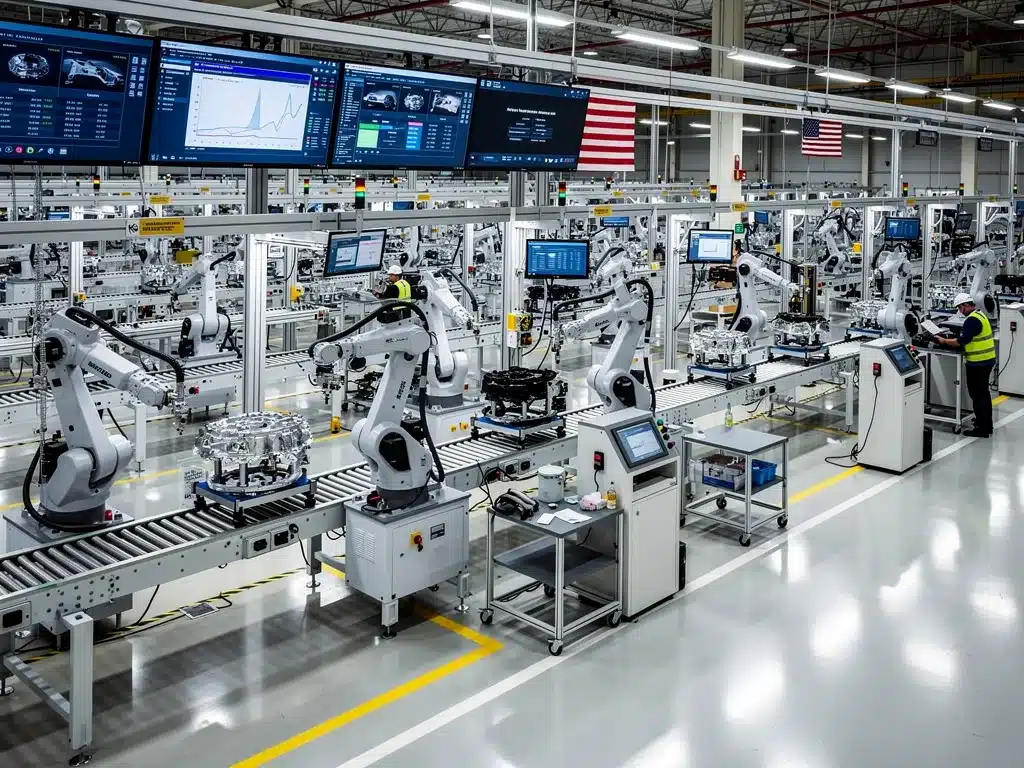
Moreover, businesses themselves have learned valuable lessons from the recent disruptions. Many are adopting more agile supply chain models, focusing on real-time data, and building greater flexibility into their operations. This includes investing in better inventory management systems, forging stronger relationships with suppliers, and developing contingency plans for various scenarios. The collective impact of these efforts is expected to create a more resilient and less volatile supply chain environment.
In essence, the anticipated easing by Q3 2026 stems from a combination of sustained investment, technological innovation, supportive policy, and adaptive business strategies, all working in concert to resolve the systemic issues that have plagued the auto parts market.
Impact on the United States Auto Parts Market: Manufacturers
For manufacturers within the United States auto parts market, the easing of supply chain disruptions by Q3 2026 promises a significant shift from reactive crisis management to proactive strategic planning. This period of stabilization will allow companies to refocus on core competencies, innovation, and long-term growth, rather than constantly battling shortages and logistical hurdles.
One of the most immediate benefits will be improved production predictability. Manufacturers will have more reliable access to raw materials and components, enabling them to optimize production schedules, reduce lead times, and better meet demand. This stability can lead to substantial cost savings by minimizing expedited shipping fees, reducing excess inventory held as a buffer, and optimizing labor utilization. Furthermore, the ability to source a wider range of components more easily will foster greater design flexibility and product innovation.
Opportunities for Manufacturers
- Optimized Production Schedules: Consistent supply allows for efficient planning and reduced downtime.
- Cost Reduction: Less reliance on expedited shipping and reduced need for large buffer inventories.
- Innovation and R&D: Resources can be reallocated from problem-solving to developing new technologies and products.
- Market Expansion: Ability to serve new markets or increase penetration in existing ones due to improved capacity.
The easing of disruptions will also empower manufacturers to strengthen their relationships with original equipment manufacturers (OEMs) and aftermarket distributors. Reliable supply is a cornerstone of trust, and improved performance will help rebuild confidence and foster long-term partnerships. This could lead to more stable contracts and greater collaboration on future product development, cementing the position of domestic auto parts manufacturers.
Moreover, the focus on building more localized or regional supply chains during the disruptive period means that many U.S. manufacturers have already invested in domestic capacity and capabilities. As the overall supply chain stabilizes, these investments will begin to pay off, potentially making the United States a more competitive hub for auto parts production. This could attract further investment and create new job opportunities within the sector.
Ultimately, the anticipated stabilization will allow U.S. auto parts manufacturers to regain their footing, enhancing their efficiency, reducing operational risks, and positioning them for sustained growth and innovation in a more predictable market environment.
Impact on the United States Auto Parts Market: Distributors and Retailers
The easing of supply chain disruptions will bring a wave of positive changes for distributors and retailers within the United States auto parts market. These businesses have borne the brunt of inconsistent stock, delayed shipments, and fluctuating prices, often struggling to maintain customer satisfaction. The forthcoming stability promises a return to more traditional, efficient operational models.
For distributors, improved supply means more consistent inventory levels, shorter lead times from manufacturers, and a reduced need for frantic, last-minute sourcing. This will allow them to streamline their warehousing and logistics operations, leading to greater efficiency and lower operational costs. The ability to reliably stock a full range of products will also enhance their offering to repair shops and independent retailers, fostering stronger business relationships built on trust and dependability.
Benefits for Distributors and Retailers
- Consistent Inventory: Retail shelves and warehouse stocks will be more reliably filled, reducing backorders.
- Improved Customer Satisfaction: Faster fulfillment and broader product availability will enhance the customer experience.
- Stabilized Pricing: Reduced logistical costs and increased supply will help moderate price increases, benefiting both businesses and consumers.
- Enhanced Planning: Greater predictability allows for better forecasting, marketing, and expansion strategies.
Retailers, both brick-and-mortar and e-commerce, will experience a significant boost in their ability to serve customers. No longer will they have to turn away customers due to unavailable parts or deal with frustrated individuals facing long waits for repairs. This will lead to increased sales, improved customer loyalty, and a healthier bottom line. The competitive landscape may also shift, as smaller retailers who struggled with sourcing during the crunch can now compete more effectively.
Furthermore, the stabilization of the supply chain is expected to temper the inflationary pressures seen on auto parts prices. While prices may not revert to pre-disruption levels entirely, the rate of increase should slow, and some prices may even decrease as supply catches up with demand. This will make auto maintenance and repairs more affordable for the average consumer, potentially leading to increased demand for parts and services.
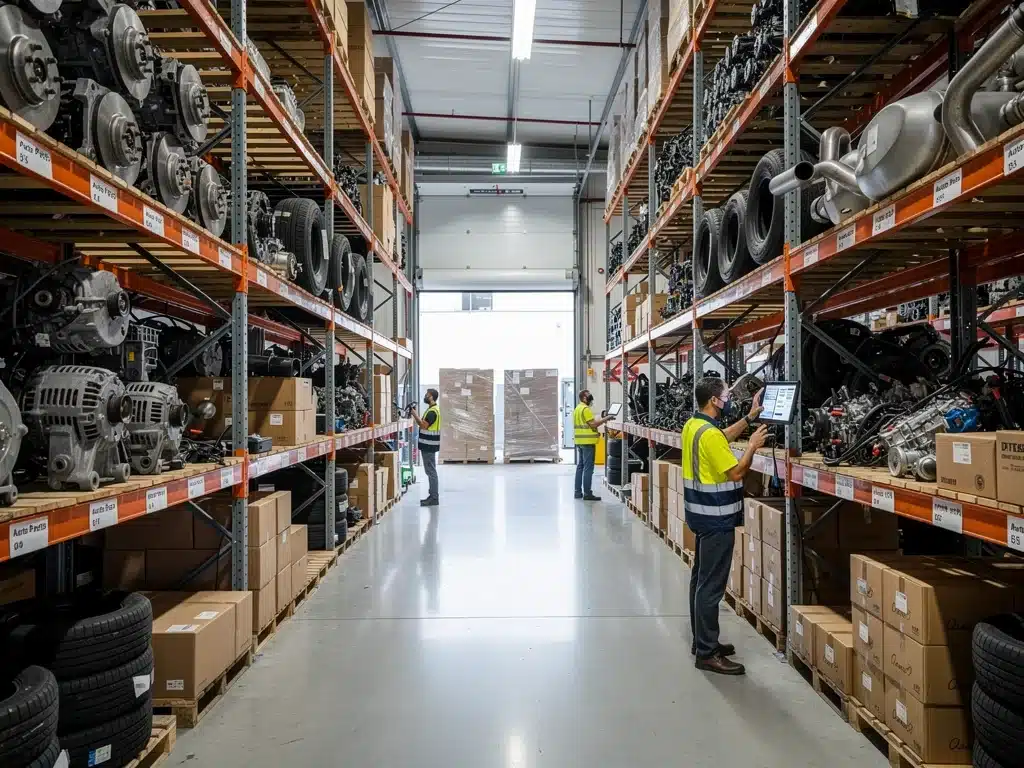
In summary, distributors and retailers are poised to benefit immensely from the easing disruptions. They can look forward to more predictable operations, better inventory management, enhanced customer service, and a more stable pricing environment, all contributing to a revitalized and more competitive market.
Consumer Outlook: What to Expect by Q3 2026
For the average consumer in the United States, the anticipated easing of the auto parts supply chain by Q3 2026 brings a welcome promise of relief and a return to greater convenience. The frustrations of recent years—long waits for car repairs, exorbitant prices for essential components, and limited choices—are expected to diminish significantly, making vehicle ownership and maintenance a less stressful endeavor.
The most immediate and tangible benefit for consumers will be improved availability of parts. No longer will a simple repair be delayed for weeks or months due to a missing component. This means quicker service times at repair shops, reducing the inconvenience and potential safety risks associated with waiting for critical parts. The broader selection of parts will also give consumers more choices, allowing them to opt for OEM, aftermarket, or remanufactured parts based on their budget and preferences.
Key Consumer Benefits
- Faster Repair Times: Reduced lead times for parts mean vehicles spend less time in the shop.
- More Affordable Parts: Stabilized supply will help moderate prices, making repairs more economical.
- Wider Selection: Greater availability of various brands and types of parts to choose from.
- Enhanced Vehicle Reliability: Timely access to parts ensures proper maintenance and reduces breakdowns.
Price stability is another crucial aspect. While a complete return to pre-pandemic prices is unlikely given broader inflationary trends, the intense upward pressure on auto parts costs is expected to subside. This will make vehicle ownership more affordable in the long run, as the cost of maintenance and repairs becomes more predictable and manageable. Consumers may also see less price gouging as competition increases with greater supply.
Furthermore, the overall improvement in the supply chain will indirectly enhance vehicle reliability and longevity. When parts are readily available, owners are more likely to perform necessary maintenance and repairs promptly, preventing minor issues from escalating into major, costly problems. This proactive approach to vehicle care, facilitated by an efficient supply chain, contributes to safer roads and extended vehicle lifespans.
In essence, consumers can look forward to a more predictable, affordable, and convenient experience when it comes to purchasing auto parts and maintaining their vehicles. The era of scarcity and inflated prices, while not entirely over, will significantly recede, restoring a sense of normalcy to the automotive aftermarket.
Strategic Adaptations for Long-Term Resilience
While the easing of current supply chain disruptions is welcome news, the lessons learned from the past few years are driving significant strategic adaptations aimed at building long-term resilience within the United States auto parts market. Businesses are not simply waiting for the storm to pass; they are actively fortifying their operations against future shocks, recognizing that a truly robust supply chain is a continuous endeavor.
One major adaptation is the increased focus on regionalization and nearshoring. Companies are re-evaluating their global footprint, seeking to bring critical manufacturing closer to home or to geographically stable regions. This reduces transit times, lowers transportation costs, and minimizes exposure to geopolitical risks. While complete reshoring of all production is often impractical, a strategic balance of global and regional sourcing is becoming the norm.
Strategies for Enhanced Resilience
- Regionalization of Production: Shifting manufacturing closer to end markets to reduce lead times and risks.
- Digital Transformation: Implementing advanced analytics, blockchain, and IoT to gain real-time visibility and traceability across the supply chain.
- Supplier Relationship Management: Building stronger, more collaborative relationships with a diversified supplier base.
- Talent Development: Investing in a skilled workforce capable of managing complex, technology-driven supply chains.
Another crucial adaptation is the accelerated adoption of digital technologies. Supply chain visibility, once a buzzword, is now a necessity. Companies are investing in platforms that provide real-time data on inventory levels, shipment statuses, and potential disruptions. Predictive analytics are being used to forecast demand more accurately and anticipate bottlenecks before they occur. Technologies like blockchain are also being explored to enhance traceability and transparency, particularly for high-value or critical components.
Furthermore, businesses are rethinking their inventory strategies. While just-in-time remains efficient, many are now building in strategic buffers for critical components, accepting slightly higher carrying costs in exchange for greater security against sudden shortages. This shift from pure cost optimization to risk mitigation reflects a more mature understanding of supply chain management in a volatile world.
In conclusion, the strategic adaptations underway are transforming the U.S. auto parts supply chain into a more agile, transparent, and resilient network. These changes, driven by lessons from recent disruptions, are not temporary fixes but fundamental shifts designed to ensure long-term stability and competitiveness for the entire industry.
Challenges and Opportunities Beyond 2026
While the horizon beyond Q3 2026 looks significantly brighter for the United States auto parts supply chain, it would be naive to assume a completely smooth road ahead. The future still holds a unique set of challenges and, concomitantly, exciting opportunities that will continue to shape the market. Understanding these dynamics is essential for businesses to thrive in the evolving automotive landscape.
One of the enduring challenges will be managing the transition to electric vehicles (EVs). The shift away from internal combustion engines means a fundamental change in the types of parts required, from batteries and electric motors to charging infrastructure components. This necessitates significant investment in new manufacturing capabilities, retraining of the workforce, and a re-evaluation of existing supply chains that are heavily geared towards traditional parts. Companies that fail to adapt to this EV revolution risk obsolescence.
Emerging Challenges and Opportunities
- EV Transition: Adapting manufacturing and distribution for electric vehicle components and systems.
- Sustainability Demands: Meeting increasing consumer and regulatory pressure for eco-friendly materials and production processes.
- Cybersecurity Risks: Protecting increasingly digital and interconnected supply chains from cyber threats.
- Advanced Materials: Incorporating lightweight, high-strength materials that require specialized production and handling.
Another significant challenge and opportunity lies in sustainability. Consumers and regulators are increasingly demanding eco-friendly practices throughout the supply chain, from raw material sourcing to manufacturing and recycling. Auto parts companies will need to invest in greener technologies, reduce their carbon footprint, and develop robust recycling programs for components, especially those from EVs. This pressure for sustainability can be a differentiator for brands that embrace it proactively.
Furthermore, the increasing digitalization of vehicles means that software and electronics will play an even more critical role. This introduces new cybersecurity risks to the supply chain, as compromised components could have far-reaching implications. Companies will need to invest in robust cybersecurity measures to protect their intellectual property and ensure the integrity of their products. The convergence of automotive and technology sectors will also create opportunities for new types of partnerships and innovations.
In conclusion, the period beyond 2026 will be defined by continuous adaptation. While the immediate supply chain woes may subside, the industry will face new frontiers with EVs, sustainability, and technological integration. Those who embrace these changes with foresight and agility will be best positioned to capture the opportunities in a rapidly transforming automotive market.
| Key Point | Brief Description |
|---|---|
| Projected Easing | Supply chain disruptions for US auto parts expected to significantly ease by Q3 2026. |
| Impact on Manufacturers | Improved production predictability, cost reduction, and renewed focus on innovation. |
| Consumer Benefits | Faster repairs, more affordable parts, wider selection, and enhanced vehicle reliability. |
| Long-Term Resilience | Strategic adaptations like regionalization and digital transformation for future stability. |
Frequently Asked Questions About Auto Parts Supply Chain
The easing is attributed to increased global semiconductor production, significant investments in manufacturing capacity, enhanced automation in logistics, diversification of sourcing strategies, and targeted government policies supporting domestic production and infrastructure upgrades.
Manufacturers can expect improved production predictability, reduced operational costs from less expedited shipping, and the ability to reallocate resources towards innovation and research and development, strengthening their market position and fostering growth.
Consumers will experience faster vehicle repair times due to improved parts availability, more stable and potentially lower prices, a wider selection of components, and overall enhanced reliability and longevity for their vehicles.
Companies are focusing on regionalization and nearshoring of production, increasing digital transformation for real-time visibility, diversifying supplier relationships, and building strategic inventory buffers to enhance overall supply chain resilience against future shocks.
Key challenges include adapting to the electric vehicle transition, meeting sustainability demands, and mitigating cybersecurity risks. Opportunities lie in developing new EV components, embracing green technologies, and fostering tech-driven partnerships within the evolving automotive landscape.
Conclusion
The projected easing of United States auto parts supply chain disruptions by Q3 2026 marks a pivotal moment for the entire automotive sector. This anticipated return to stability will alleviate pressures on manufacturers, empower distributors and retailers with predictable inventory, and most importantly, provide consumers with greater access to affordable and timely vehicle repairs. While new challenges, particularly those associated with the electric vehicle transition and sustainability, will undoubtedly emerge, the industry’s strategic adaptations and commitment to resilience suggest a stronger, more agile future. The lessons learned from recent years are paving the way for a more robust and responsive auto parts market in the United States.