EV Thermal Management: 2026 Innovations for 15% Battery Life Boost
Advertisements
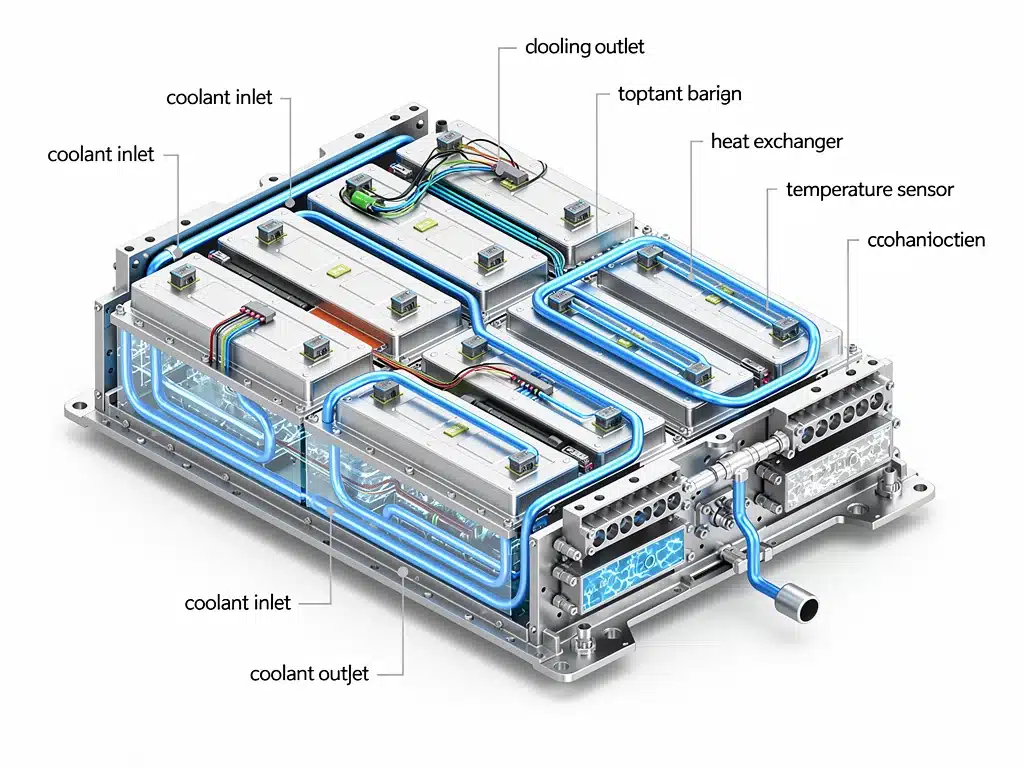
Critical innovations in electric vehicle thermal management systems by 2026 are poised to extend battery life by an impressive 15%, significantly improving performance, safety, and overall EV longevity for consumers.
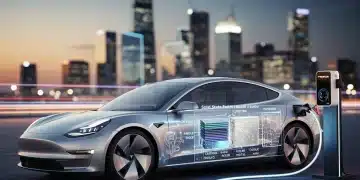
Imagine driving an electric vehicle with a battery that lasts significantly longer, performs more efficiently in extreme weather, and charges faster with less degradation. This vision is rapidly becoming a reality, largely thanks to groundbreaking advancements in thermal management systems for EVs: critical innovations for 2026 to extend battery life by 15%. These sophisticated systems are no longer just about preventing overheating; they are about optimizing every aspect of battery performance and longevity, paving the way for a more reliable and sustainable electric future.
Advertisements
The Crucial Role of Thermal Management in EV Performance
Electric vehicles (EVs) rely heavily on their battery packs, which are the heart of their propulsion system. The performance, lifespan, and safety of these batteries are profoundly influenced by their operating temperature. Maintaining an optimal temperature range is not merely a recommendation; it is an absolute necessity for maximizing efficiency and preventing premature degradation.
Without effective thermal management, EV batteries can suffer from a myriad of issues. High temperatures can accelerate chemical reactions, leading to faster capacity loss and increased internal resistance. Conversely, very low temperatures can reduce power output, slow charging times, and temporarily decrease available range. The challenge lies in creating systems that can dynamically adapt to various driving conditions, ambient temperatures, and charging cycles.
Why Temperature Control is Paramount
- Battery Longevity: Consistent, optimal temperatures slow down degradation, extending the battery’s overall lifespan. This directly translates to greater value for the consumer and reduces the environmental impact of battery replacement.
- Performance Stability: Proper thermal management ensures the battery can deliver consistent power output, which is crucial for acceleration and overall driving dynamics, regardless of external conditions.
- Charging Efficiency: Batteries charge most efficiently within a specific temperature window. Maintaining this helps reduce charging times and minimizes energy loss during the process.
- Safety: Overheating can lead to thermal runaway, a dangerous condition where battery cells rapidly increase in temperature, potentially causing fires. Robust thermal management is a primary safety feature.
The intricate dance between battery chemistry and temperature demands intelligent and responsive thermal management. As EV technology advances, so too must the systems designed to protect and optimize their most vital component. The innovations we are seeing emerge are not just incremental improvements, but fundamental shifts in how we approach battery health.
Next-Generation Cooling Technologies: Beyond Traditional Liquid Systems
For years, liquid cooling systems have been the gold standard for EV battery thermal management, circulating coolants through channels to dissipate heat. While effective, these systems are continuously evolving, and new, more efficient solutions are on the horizon, promising even greater control and responsiveness. These next-generation technologies aim to overcome the limitations of current systems, offering enhanced performance and reduced complexity.
One of the most promising areas of innovation is the development of advanced refrigerants and cooling fluids that possess superior thermal conductivity and heat capacity. These new fluids can absorb and transfer heat more effectively, allowing for smaller, lighter cooling systems without compromising performance. This reduction in size and weight can lead to improved vehicle efficiency and packaging flexibility.
Phase-Change Materials (PCMs) for Passive Cooling
Phase-change materials (PCMs) represent a significant leap in passive thermal management. These materials absorb and release large amounts of latent heat as they transition between solid and liquid states, maintaining a stable temperature around battery cells. When the battery heats up, the PCM melts, absorbing excess heat without a significant temperature increase. When the battery cools, the PCM solidifies, releasing the stored heat.
- Enhanced Temperature Uniformity: PCMs help distribute heat evenly across the battery pack, preventing hot spots that can accelerate degradation.
- Reduced Energy Consumption: As passive systems, PCMs require no external power input for cooling, contributing to overall vehicle efficiency.
- Improved Safety: By effectively managing localized heat, PCMs add an extra layer of protection against thermal runaway events.
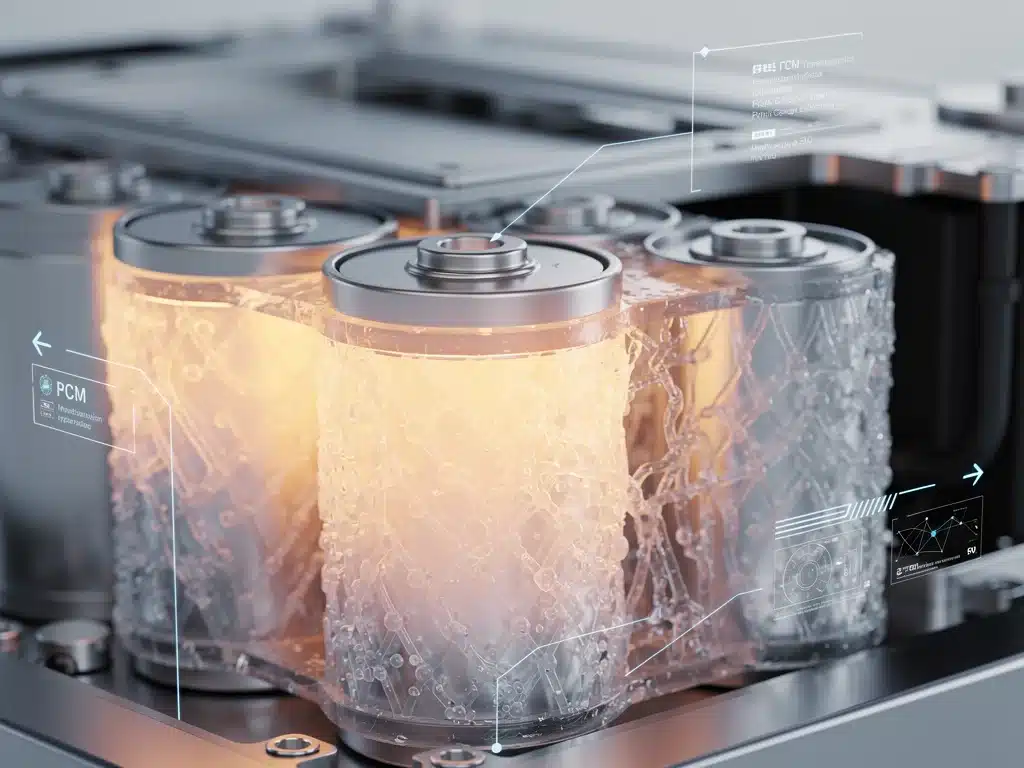
Beyond PCMs, researchers are exploring direct immersion cooling, where battery cells are submerged in a dielectric fluid. This method offers unparalleled heat transfer efficiency and temperature uniformity, as the fluid directly contacts every surface of the cells. While still in early stages of commercialization for passenger EVs, its potential for high-performance applications and fast charging is immense.
These cutting-edge cooling technologies are not just about incremental gains; they represent a paradigm shift in how we manage heat within EV battery packs. By addressing the fundamental challenges of temperature control, they promise to unlock new levels of performance, longevity, and safety for electric vehicles.
Smart Thermal Management: AI and Predictive Analytics
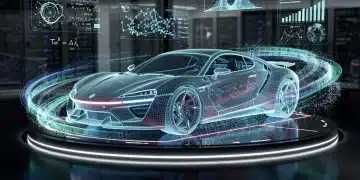
The future of EV thermal management isn’t just about better hardware; it’s also about smarter software. Artificial intelligence (AI) and predictive analytics are transforming how thermal systems operate, moving from reactive responses to proactive management. These intelligent systems leverage data to anticipate thermal challenges and optimize cooling or heating strategies before issues arise.
Modern EVs generate vast amounts of data from various sensors within the battery pack, motor, and cabin. AI algorithms can process this data in real-time, learning patterns related to driving styles, ambient conditions, charging habits, and their impact on battery temperature. This allows the system to predict potential overheating or overcooling scenarios with remarkable accuracy.
Optimizing Energy Consumption with AI
- Proactive Cooling/Heating: Instead of waiting for the battery to reach a suboptimal temperature, AI can initiate cooling or heating cycles in advance, based on predicted routes, charging stops, or weather changes.
- Personalized Thermal Profiles: AI can adapt thermal management strategies to individual driver behaviors, ensuring optimal battery conditions for specific usage patterns.
- Fault Prediction: By analyzing sensor data, AI can detect subtle anomalies that might indicate an impending fault in the thermal system, allowing for preventative maintenance.
Predictive analytics also plays a crucial role in optimizing charging. By forecasting the ideal temperature for fast charging based on battery state of charge and available infrastructure, the system can pre-condition the battery, significantly reducing charging times and minimizing stress on the cells. This intelligent pre-conditioning is key to maximizing the benefits of ultra-fast charging networks.
Furthermore, AI-driven thermal management can integrate with vehicle navigation systems. If the navigation predicts a long uphill climb or a stretch of high-speed driving, the system can pre-cool the battery to prepare for the increased heat generation. This level of foresight ensures the battery always operates within its optimal window, enhancing both performance and durability.
Integrated Thermal Systems: Holistic Approach to EV Efficiency
Historically, thermal management systems for different components within an EV (battery, motor, power electronics, cabin) operated somewhat independently. However, the trend is moving towards highly integrated thermal systems that manage heat holistically across the entire vehicle. This integrated approach not only improves efficiency but also reduces complexity and weight.
By sharing heat and cooling resources, these integrated systems can achieve significant energy savings. For instance, waste heat generated by the motor or power electronics during operation can be captured and used to warm the battery in cold weather, or even to heat the cabin. Conversely, excess heat from the battery during fast charging can be redirected to a dedicated external radiator or used to pre-cool the cabin.
Benefits of a Unified Thermal Architecture
- Increased Energy Efficiency: Recycling waste heat and optimizing cooling across components reduces the overall energy demand for thermal management.
- Reduced System Weight and Complexity: Consolidating pumps, valves, and heat exchangers can lead to lighter, more compact systems with fewer potential points of failure.
- Enhanced Performance in Extreme Conditions: A unified approach allows for more robust thermal control in both very hot and very cold environments, improving range and performance.
The core of an integrated thermal system is a central thermal management unit (TMU) that orchestrates the flow of coolant and refrigerant throughout the vehicle. This TMU, often controlled by sophisticated algorithms, can dynamically prioritize cooling or heating needs based on real-time data from all vehicle components. It can even consider external factors like ambient temperature and driver preferences.
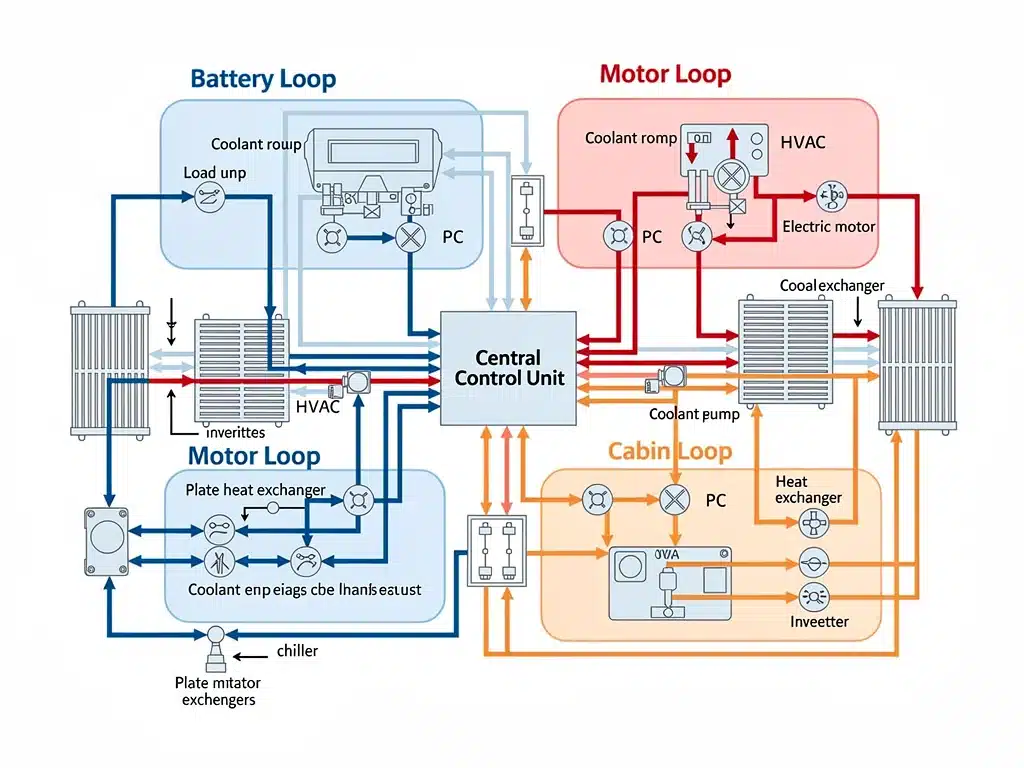
This holistic design ensures that all components, from the battery to the infotainment system, operate within their optimal temperature ranges, contributing to overall vehicle reliability and passenger comfort. The synergy created by integrating these systems is a crucial step towards maximizing EV efficiency and extending the lifespan of critical components.
Advanced Materials and Manufacturing for Durability
Beyond the architectural and algorithmic innovations, advancements in materials science and manufacturing processes are also playing a pivotal role in the evolution of thermal management systems. The pursuit of lighter, more durable, and more efficient components is driving research into new alloys, polymers, and composite materials.
Traditional aluminum and copper are being supplemented or replaced by materials with superior thermal conductivity-to-weight ratios. For instance, advanced composites can offer both structural integrity and excellent heat transfer properties, allowing for multi-functional components that reduce overall system mass. The use of 3D printing (additive manufacturing) further revolutionizes this field, enabling the creation of intricate, optimized geometries for heat exchangers and flow channels that were previously impossible to produce.
Innovations in Material Science
- Lightweight Alloys: Development of new aluminum and magnesium alloys that offer improved thermal performance with reduced density, contributing to vehicle range.
- Advanced Polymers: High-performance polymers with enhanced thermal stability and conductivity are being used in various components, including seals, hoses, and even structural elements of cooling plates.
- Corrosion-Resistant Coatings: New coatings protect cooling system components from degradation due to aggressive coolants or environmental factors, ensuring long-term reliability.
Manufacturing techniques like friction stir welding and vacuum brazing are enabling stronger, more reliable joints in complex heat exchanger designs, reducing the risk of leaks and improving overall system integrity. These advancements are not just about making components last longer; they are about making them perform better under demanding conditions.
Moreover, the integration of smart materials, such as those with self-healing properties or embedded sensors, is also being explored. Such materials could automatically repair micro-cracks or provide real-time diagnostic data, further enhancing the reliability and safety of thermal management systems. These material and manufacturing innovations are foundational to achieving the 15% battery life extension goal.
Impact on Battery Life and EV Adoption by 2026
The convergence of these critical innovations in thermal management systems is set to have a profound impact on EV battery life and, consequently, on the broader adoption of electric vehicles by 2026. Extending battery life by 15% is not just an incremental improvement; it represents a significant leap forward in addressing one of the primary concerns of potential EV buyers: battery longevity and replacement costs.
A longer-lasting battery means lower lifetime ownership costs for consumers, making EVs a more financially attractive option. It also reduces the frequency of battery replacements, which has significant environmental benefits by minimizing resource consumption and waste. This improved durability directly enhances the resale value of electric vehicles, further boosting consumer confidence.
Driving Factors for EV Adoption
- Reduced Battery Degradation: A 15% increase in battery lifespan means vehicles retain more of their original range and performance over many years, alleviating range anxiety.
- Enhanced Fast Charging: Optimized thermal conditions allow for more frequent and faster charging without compromising battery health, making long-distance travel more convenient.
- Improved Reliability: Smarter, more robust thermal systems lead to fewer battery-related issues and breakdowns, bolstering trust in EV technology.
The perception of EVs as reliable, long-term investments will be significantly strengthened. As batteries become more durable and efficient, the total cost of ownership for electric vehicles will become even more competitive compared to internal combustion engine vehicles. This will accelerate the transition to electric mobility, contributing to cleaner air and reduced carbon emissions.
Ultimately, these thermal management innovations are critical enablers for the mass market acceptance of EVs. By making electric vehicles more practical, affordable, and dependable, they are paving the way for a sustainable transportation future. The 2026 target for a 15% battery life extension is a testament to the rapid pace of innovation in this vital sector.
Challenges and Future Outlook for Thermal Management
While the advancements in EV thermal management systems are significant and promising, the path forward is not without its challenges. The increasing energy density of new battery chemistries, the demand for even faster charging speeds, and the need to operate in diverse global climates all push the boundaries of current thermal solutions. Engineers must continuously innovate to keep pace with these evolving requirements.
One major challenge lies in the trade-off between performance, cost, and complexity. Highly sophisticated thermal systems, while effective, can add to the overall cost and weight of the vehicle. Balancing these factors to deliver optimal performance at an accessible price point remains a key objective. Moreover, the integration of multiple cooling loops and predictive AI requires robust control algorithms and extensive validation.
Future Research Directions
- Miniaturization: Developing smaller, more compact thermal components to free up space and reduce weight, without compromising cooling capacity.
- Personalized Thermal Management: Moving towards systems that can adapt not just to external conditions, but also to individual battery cell characteristics and degradation states.
- Sustainable Materials: Research into more environmentally friendly coolants and recyclable thermal management materials to further reduce the ecological footprint of EVs.
Looking ahead, the future of thermal management will likely involve even greater levels of integration and intelligence. We can expect to see advancements in active materials that can change their thermal properties on demand, as well as the widespread adoption of digital twin technology for real-time battery health monitoring and predictive maintenance. This will allow for even finer control over battery temperature, maximizing its lifespan and performance throughout its operational life.
The continuous drive for efficiency and longevity in EV batteries ensures that thermal management will remain a dynamic and critical area of innovation. The solutions emerging today are laying the groundwork for the next generation of electric vehicles, making them more resilient, sustainable, and appealing to a global audience.
| Key Innovation | Brief Description |
|---|---|
| Phase-Change Materials (PCMs) | Passive cooling solutions absorbing latent heat to maintain stable battery temperatures, enhancing uniformity and safety. |
| AI & Predictive Analytics | Intelligent systems using data to proactively manage battery temperatures, optimizing performance and charging efficiency. |
| Integrated Thermal Systems | Holistic management of heat across all EV components, improving overall energy efficiency and reducing complexity. |
| Advanced Materials & Mfg. | Lighter, more durable materials and 3D printing for optimized heat exchangers, enhancing system reliability. |
Frequently Asked Questions About EV Thermal Management
Thermal management is crucial because battery performance, lifespan, and safety are highly sensitive to temperature. Maintaining an optimal range prevents degradation, ensures consistent power output, improves charging efficiency, and mitigates risks like thermal runaway, directly impacting the vehicle’s reliability and longevity.
Innovations like phase-change materials, AI-driven predictive cooling, integrated thermal systems, and advanced materials will collectively optimize battery operating temperatures more precisely. This reduction in thermal stress and improved efficiency will significantly slow down degradation, leading to an estimated 15% extension in battery lifespan by 2026.
PCMs are substances that absorb and release large amounts of latent heat during phase transitions (solid to liquid and vice versa). In EVs, they surround battery cells, absorbing excess heat as they melt when the battery warms, and releasing it as they solidify when it cools, maintaining a stable and uniform temperature without active power input.
AI processes real-time data from vehicle sensors to predict thermal needs based on driving patterns, routes, and weather. It enables proactive cooling or heating, pre-conditions batteries for optimal charging, and personalizes thermal strategies, leading to more efficient energy use, reduced battery stress, and enhanced overall performance and longevity.
An integrated thermal system is a unified network that manages heat across all major EV components—battery, motor, power electronics, and cabin—rather than separately. It optimizes energy use by sharing and recycling waste heat, reducing complexity, weight, and improving efficiency and performance across various operating conditions.
Conclusion
The journey towards a sustainable electric future is intrinsically linked to the reliability and longevity of EV batteries. The critical innovations in thermal management systems emerging by 2026 are set to redefine what we expect from electric vehicles. By extending battery life by an impressive 15%, these advancements not only promise enhanced performance and safety but also significantly reduce the total cost of ownership, making EVs a more compelling and accessible choice for consumers. From advanced cooling materials like PCMs to the sophisticated intelligence of AI-driven predictive analytics and fully integrated thermal architectures, the industry is building a foundation for electric mobility that is more durable, efficient, and resilient than ever before. These innovations are not merely technical improvements; they are foundational pillars supporting the widespread adoption of electric vehicles and accelerating our transition to a greener planet.