Future of Footwear: 3 Advanced Materials Redefining US Design
Advertisements
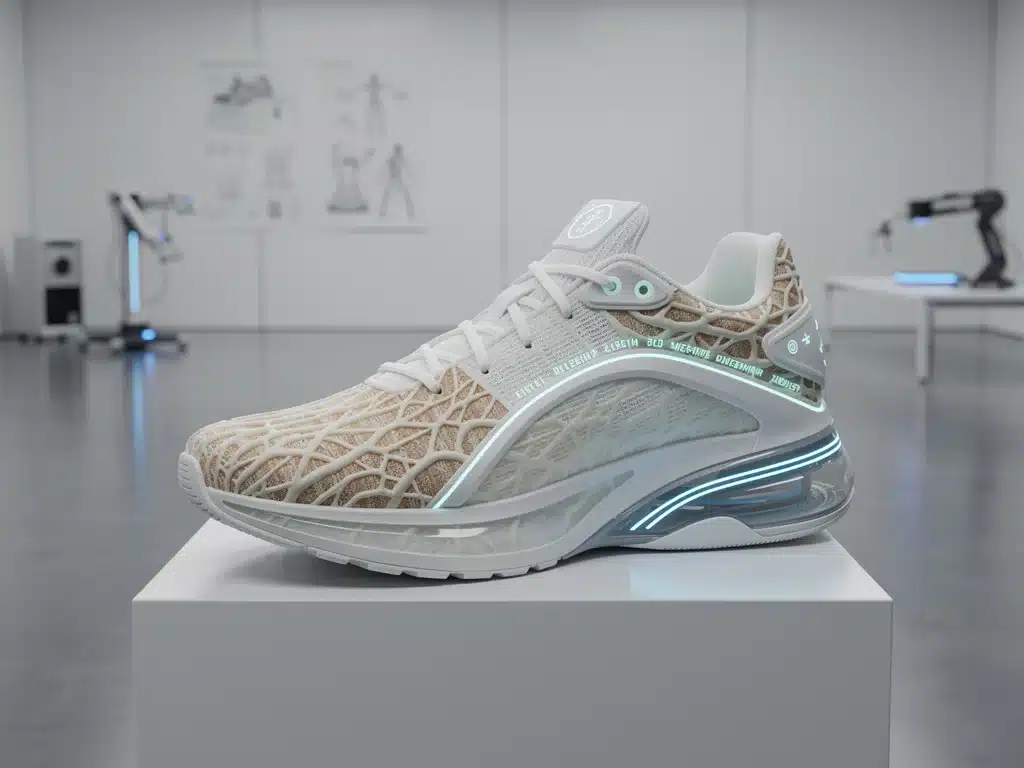
The future of footwear: 3 advanced materials redefining shoe design in the US for 2026 centers on mycelium, recycled plastics, and smart textiles, which are poised to transform sustainability, performance, and aesthetic appeal in the American shoe industry.
Imagine stepping into a future where your shoes aren’t just an accessory but a statement of innovation, sustainability, and unparalleled performance. The future of footwear: 3 advanced materials redefining shoe design in the US for 2026 is already taking shape, promising a revolution in how we think about and interact with our shoes. This isn’t just about new styles; it’s about a fundamental shift in the very fabric of footwear, driven by cutting-edge material science.
Advertisements
The Dawn of Mycelium: Nature’s Answer to Sustainable Footwear
Mycelium, the root structure of fungi, is rapidly emerging as a groundbreaking material in the quest for sustainable footwear. Its ability to grow into desired shapes and textures with minimal environmental impact positions it as a frontrunner for eco-conscious design. This natural wonder offers a compelling alternative to traditional leather and synthetic materials, addressing critical concerns about resource depletion and pollution.
The appeal of mycelium extends beyond its ecological benefits. It boasts a unique combination of strength, flexibility, and breathability, making it ideal for high-performance and comfortable footwear. American innovators are actively exploring methods to scale its production, aiming to integrate this bio-based material into mainstream shoe manufacturing by 2026.
Cultivating Innovation: Mycelium’s Journey from Lab to Foot
The process of transforming mycelium into a usable material for footwear involves careful cultivation and treatment. Researchers are developing techniques that allow mycelium to grow on agricultural waste, further enhancing its sustainability credentials. This controlled growth results in sheets of material that can be cut, stitched, and molded just like conventional fabrics, but with a significantly lower carbon footprint.
- Rapid Growth Cycle: Mycelium grows much faster than traditional leather sources, offering a quicker turnaround for material production.
- Reduced Resource Consumption: It requires less water, land, and energy compared to animal farming or petroleum-based synthetics.
- Biodegradability: Products made from mycelium can naturally decompose at the end of their lifecycle, returning nutrients to the earth.
- Customizable Properties: Scientists can manipulate growth conditions to achieve varying degrees of strength, texture, and water resistance.
Early prototypes showcase mycelium’s versatility, from supple uppers to durable soles. The tactile quality and aesthetic potential are also drawing attention, with designers appreciating its organic feel and unique visual appeal. As production techniques become more refined and cost-effective, mycelium is set to become a staple in sustainable footwear collections across the US.
Recycled Plastics: Transforming Waste into Wearable Wonders
The pervasive issue of plastic waste has spurred innovation in recycling technologies, leading to the development of high-quality recycled plastics suitable for footwear. By 2026, these materials are expected to be integral to shoe design, offering a circular solution to pollution while maintaining performance and aesthetics. This shift represents a significant step towards a more sustainable fashion industry.
Brands in the US are increasingly adopting recycled PET (polyethylene terephthalate) from plastic bottles, industrial waste, and even ocean plastics to create yarns and components for shoes. This not only diverts waste from landfills and oceans but also reduces the demand for virgin petroleum-based materials, lessening the environmental impact of shoe production.
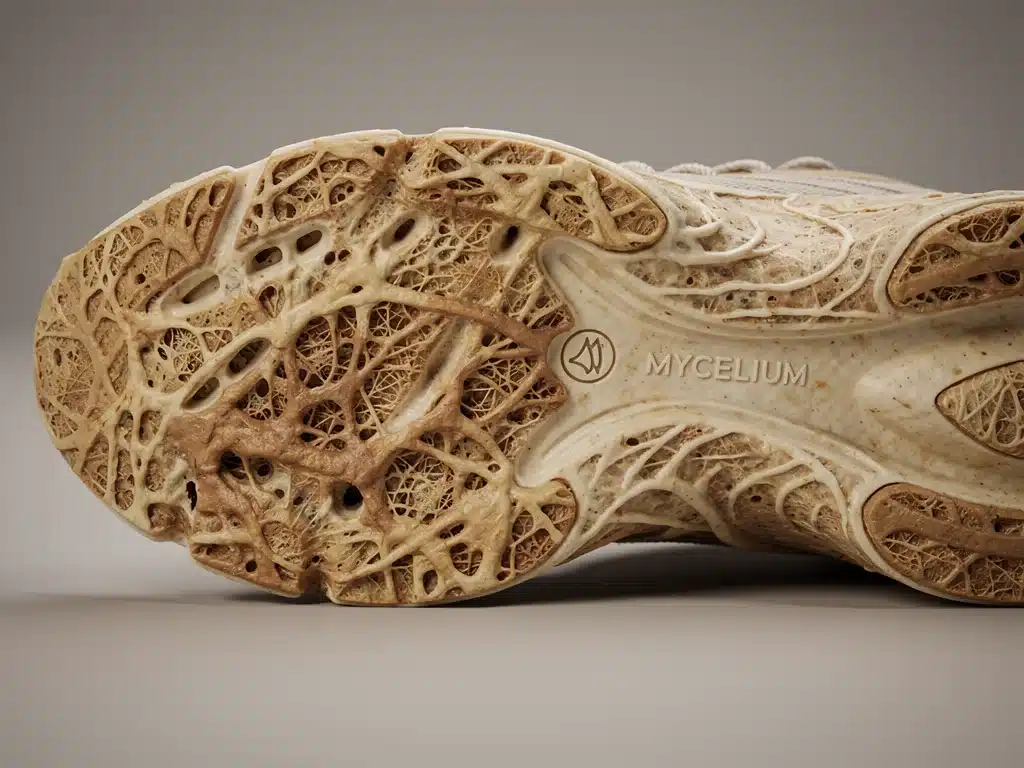
From Bottle to Boot: The Evolution of Recycled Plastic in Footwear
The journey of recycled plastic into footwear begins with meticulous collection and sorting, followed by a cleaning and shredding process. These plastic flakes are then melted down and extruded into new fibers or molded into various components. Advanced manufacturing techniques ensure that these recycled materials meet the stringent quality and performance standards required for durable and comfortable shoes.
The applications are diverse, ranging from knitted uppers and linings to midsoles and outsoles. Companies are investing heavily in research and development to enhance the properties of recycled plastics, improving their durability, flexibility, and aesthetic appeal. This commitment ensures that sustainability does not come at the expense of quality or design.
- Ocean Plastic Initiatives: Partnerships with organizations cleaning marine environments provide a direct source for footwear materials.
- Enhanced Durability: New treatment processes are making recycled plastics as robust, if not more so, than their virgin counterparts.
- Design Versatility: Recycled plastics can be dyed, textured, and molded into a wide array of shapes, offering endless design possibilities.
- Reduced Carbon Footprint: Using recycled materials significantly lowers energy consumption and greenhouse gas emissions during production.
The integration of recycled plastics is not merely a trend but a foundational shift towards circular economy principles within the US footwear industry. Consumers are increasingly demanding eco-friendly options, and brands are responding by making recycled content a core part of their product offerings, demonstrating that style and sustainability can coexist harmoniously.
Smart Textiles: Weaving Technology into Every Step
Smart textiles represent another frontier in the future of footwear: 3 advanced materials redefining shoe design in the US for 2026. These innovative fabrics integrate electronic components directly into the material, offering functionalities that go far beyond basic protection and comfort. From performance monitoring to adaptive comfort, smart textiles are poised to transform the user experience.
The US market is particularly ripe for smart footwear, given its tech-savvy consumer base and strong athletic culture. Imagine shoes that can track your gait, monitor your foot health, or even adjust their cushioning in real-time based on your activity. These capabilities, once confined to science fiction, are rapidly becoming reality thanks to advancements in conductive fibers, embedded sensors, and miniature power sources.
Beyond Basic Fabric: The Intelligent Evolution of Shoe Uppers
Smart textiles in footwear are not just about adding a chip; they involve weaving or embedding technology directly into the fabric structure. This allows for seamless integration and maintains the shoe’s flexibility and comfort. Common applications include pressure sensors for gait analysis, temperature sensors for climate control, and even electro-active polymers for adaptive cushioning.
The data collected by these smart shoes can be wirelessly transmitted to smartphones or other devices, providing users with invaluable insights into their performance, posture, and overall foot health. Athletes can optimize their training, individuals with specific foot conditions can receive personalized support, and everyday users can enjoy enhanced comfort and responsiveness.
- Performance Monitoring: Real-time data on speed, distance, stride, and impact forces.
- Adaptive Comfort: Materials that can adjust ventilation or cushioning based on environmental conditions or user activity.
- Health and Wellness Tracking: Monitoring foot pressure points, temperature, and even early signs of injury.
- Integrated Haptics: Subtle vibrations for navigation or performance cues, enhancing user interaction.
The development of smart textiles is a collaborative effort between material scientists, electrical engineers, and footwear designers. The goal is to create shoes that are not only technologically advanced but also aesthetically pleasing and durable. As battery life improves and components become even smaller, the potential for intelligent footwear is virtually limitless, setting a new standard for personal gear.
Synergy of Materials: A Holistic Approach to Footwear Innovation
While mycelium, recycled plastics, and smart textiles each bring unique advantages to the table, their true transformative power lies in their potential for synergistic integration. By 2026, we can expect to see shoes in the US that combine these advanced materials, creating products that are not only sustainable and high-performing but also intelligent and adaptable.
Imagine an athletic shoe with a mycelium-based sole for superior cushioning and biodegradability, an upper knitted from recycled plastic yarns for lightweight support, and embedded smart textiles that monitor your run and provide real-time feedback. This holistic approach to material science will lead to footwear that is optimized across multiple dimensions, offering an unparalleled user experience while minimizing environmental impact.
Designing for the Future: Blending Sustainability, Performance, and Intelligence
The design philosophy for future footwear will revolve around integrating these materials in a way that maximizes their individual strengths and mitigates their weaknesses. For instance, the natural breathability of mycelium could complement the structural integrity of recycled plastics, while smart textiles add a layer of functional intelligence without compromising the eco-friendly aspects.
This interdisciplinary approach requires close collaboration between material scientists, industrial designers, and software developers. The focus will be on creating seamless interfaces between the organic, the recycled, and the electronic, ensuring that the final product is cohesive, durable, and intuitive to use. The American market, with its emphasis on innovation and consumer value, is poised to lead this integration.
- Multi-functional Design: Shoes that serve multiple purposes, from performance tracking to environmental protection.
- Closed-Loop Systems: Designing for end-of-life, ensuring materials can be recycled or biodegraded responsibly.
- Personalized Experiences: Footwear that adapts to individual needs and preferences through smart technology.
- Aesthetic Evolution: New textures, finishes, and forms emerging from these novel material combinations.
The convergence of these advanced materials signals a paradigm shift in footwear manufacturing. It moves beyond incremental improvements to a truly revolutionary phase where shoes are not just objects we wear, but extensions of our bodies and our values. This innovative spirit will define the next generation of American shoe design.
The Economic and Environmental Impact of New Footwear Materials
The adoption of advanced materials like mycelium, recycled plastics, and smart textiles is not just about product innovation; it carries significant economic and environmental implications for the US footwear industry. These materials are driving a shift towards more sustainable business practices, creating new market opportunities, and influencing consumer behavior.
Environmentally, the move away from virgin petroleum-based synthetics and traditional leather reduces carbon emissions, water consumption, and waste generation. This aligns with global efforts to combat climate change and resource depletion. Economically, it fosters innovation, creates jobs in research, development, and specialized manufacturing, and positions US brands as leaders in sustainable technology.
Shaping Markets: New Supply Chains and Consumer Demands
The emergence of these materials necessitates the development of new supply chains, from mycelium cultivation facilities to advanced plastic recycling plants. This diversification reduces reliance on conventional, often volatile, commodity markets. Furthermore, the growing consumer demand for sustainable and technologically advanced products is pushing brands to innovate, creating a competitive landscape driven by environmental and ethical considerations.
Companies that successfully integrate these materials will gain a significant competitive advantage, appealing to a demographic that values both performance and planetary well-being. This will also encourage greater transparency in manufacturing processes, as consumers seek to understand the origins and environmental footprint of their purchases.
- Reduced Ecological Footprint: Lower emissions, less waste, and conservation of natural resources.
- Market Differentiation: Brands can stand out by offering genuinely innovative and sustainable products.
- Job Creation: Growth in bio-tech, recycling, and smart textile manufacturing sectors.
- Consumer Engagement: Educating consumers about the benefits of these materials drives demand and loyalty.
The long-term impact will be a more resilient and responsible footwear industry. As these materials become more widespread, their production costs are expected to decrease, making sustainable and smart footwear accessible to a broader consumer base. This transition is crucial for ensuring the longevity and relevance of the US footwear market in a rapidly changing world.
Challenges and Future Outlook for Advanced Footwear Materials
While the promise of mycelium, recycled plastics, and smart textiles is immense, their widespread adoption by 2026 in the US footwear market also presents several challenges. Overcoming these hurdles will be crucial for realizing the full potential of these advanced materials and ensuring their seamless integration into mainstream production.
One primary challenge is scalability. Bringing novel materials from laboratory prototypes to mass production requires significant investment in infrastructure, research, and rigorous testing. Ensuring consistent quality and performance at a larger scale, while maintaining cost-effectiveness, is a complex undertaking. Additionally, consumer education is vital to highlight the benefits and value proposition of these new technologies.
Navigating the Path to Mass Adoption: Overcoming Hurdles
The initial investment required for new material development and production facilities can be substantial, posing a barrier for smaller brands. However, partnerships between material science companies and established footwear manufacturers can help mitigate these costs and accelerate adoption. Standardization of testing protocols for novel materials is also essential to build trust and ensure compliance with industry regulations.
Another aspect is design integration. Footwear designers need to be trained in working with these new materials, understanding their unique properties and limitations. This includes developing new manufacturing techniques that are compatible with mycelium’s organic structure, handling the specific requirements of recycled plastics, and seamlessly embedding fragile electronic components within smart textiles without compromising durability or comfort.
- Cost-Effectiveness: Reducing production costs to make advanced materials competitive with traditional options.
- Supply Chain Development: Building robust and reliable supply chains for novel materials.
- Technological Integration: Ensuring seamless incorporation of smart components without sacrificing aesthetics or function.
- Consumer Acceptance: Educating the market about the benefits and value of these innovative materials.
Despite these challenges, the future outlook for these advanced materials in US footwear is overwhelmingly positive. Continuous research, strategic industry collaborations, and increasing consumer demand for sustainable and high-tech products are powerful drivers of progress. By 2026, these materials are expected to move beyond niche markets and become defining features of mainstream footwear, ushering in an era of truly revolutionary shoe design and functionality.
| Key Material | Key Benefit for Footwear |
|---|---|
| Mycelium | Eco-friendly, biodegradable alternative to leather with natural strength and flexibility. |
| Recycled Plastics | Reduces waste, lowers carbon footprint, versatile for various shoe components. |
| Smart Textiles | Integrates electronics for performance monitoring, adaptive comfort, and health tracking. |
| Material Synergy | Combines benefits of all materials for holistic, high-performance, and sustainable footwear. |
Frequently Asked Questions About Future Footwear Materials
Mycelium is sustainable because it grows rapidly on agricultural waste, minimizing resource consumption like water and land. It’s also biodegradable, meaning shoes made from it can naturally decompose at the end of their life cycle, reducing landfill waste and offering a truly circular solution for footwear production.
Recycled plastics transform waste into valuable resources for shoes, diverting millions of tons of plastic from landfills and oceans. They reduce the need for virgin petroleum, lowering the carbon footprint of manufacturing, while offering durable and versatile options for various shoe components, from uppers to soles.
Smart textiles can integrate electronic components directly into shoes, enabling functionalities like real-time performance monitoring (gait, speed), adaptive cushioning, temperature regulation, and health tracking. This provides users with personalized data and enhanced comfort, blurring the lines between apparel and wearable technology for an improved user experience.
Initially, shoes incorporating these advanced materials might be priced higher due to research and development costs and smaller-scale production. However, as technologies mature, production scales, and supply chains become more efficient, costs are expected to decrease, making sustainable and smart footwear more accessible to a broader consumer base in the coming years.
Advanced materials are being engineered to meet or exceed the durability of traditional options. Mycelium offers natural resilience, recycled plastics are enhanced for robustness, and smart textiles are designed for integrated electronics to withstand daily wear. The goal is to create shoes that are not only innovative but also long-lasting, contributing to product longevity.
Conclusion
The trajectory of footwear in the US by 2026 is unmistakably shaped by the ingenious integration of mycelium, recycled plastics, and smart textiles. These aren’t merely incremental changes; they represent a fundamental paradigm shift towards a future where sustainability, advanced performance, and intelligent design converge. From mitigating environmental impact to revolutionizing the wearer’s experience, these materials are setting new benchmarks for innovation. The journey from conceptualization to widespread adoption presents challenges, but the collaborative spirit of designers, scientists, and manufacturers ensures that the American footwear industry is poised to lead this exciting transformation, offering consumers shoes that are as responsible as they are revolutionary.