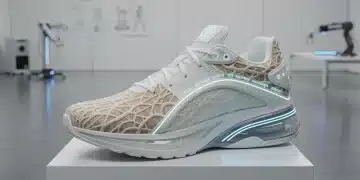
Wearable Health: Apparel Integrating Medical Monitoring US 2026

Advertisements
By 2026, wearable health apparel is set to transform medical monitoring in the US, seamlessly integrating advanced sensors into clothing for continuous, unobtrusive health data collection and analysis.
Advertisements
The landscape of personal health management is undergoing a profound transformation, with technology increasingly blurring the lines between fashion and function. By 2026, wearable health apparel is poised to be a cornerstone of medical monitoring in the US, offering unprecedented insights into our physiological states.
This innovative integration of smart textiles and advanced sensors promises a future where health tracking is not just convenient, but an inherent part of our daily wardrobe.
The Evolution of Wearable Technology in Healthcare
Wearable technology has rapidly moved beyond simple fitness trackers, evolving into sophisticated medical devices embedded within everyday apparel. This shift signifies a crucial advancement in how we approach preventative care and chronic disease management. The convenience of clothing-integrated sensors means continuous monitoring can occur without conscious effort, providing a more comprehensive and accurate picture of an individual’s health over time.
Initially, wearables were primarily focused on activity tracking, counting steps, and estimating calories burned. While valuable, these early iterations often required separate devices and manual interaction. The next wave, now emerging and set to dominate by 2026, integrates these capabilities directly into apparel, making health monitoring truly seamless and non-intrusive. This not only enhances user compliance but also opens doors for more nuanced data collection.
From Gadgets to Garments: A Paradigm Shift
- Enhanced Comfort and Discretion: Unlike bulky devices, smart apparel offers comfort and blends into daily life, reducing self-consciousness.
- Continuous Data Collection: Garments worn for extended periods provide uninterrupted data streams, capturing fluctuations and trends missed by intermittent checks.
- Multi-Parameter Monitoring: A single piece of clothing can integrate sensors for various vital signs, offering a holistic view of health.
The evolution from standalone gadgets to integrated garments represents a significant paradigm shift. It moves healthcare monitoring from an active, often inconvenient task to a passive, embedded experience. This subtle integration is key to widespread adoption and long-term utility, especially for populations requiring consistent oversight without the burden of managing multiple devices.
The continuous flow of data from these smart garments will empower both individuals and healthcare providers with actionable insights, facilitating proactive interventions and personalized treatment plans. This proactive approach is fundamental to improving health outcomes and reducing the burden on traditional healthcare systems in the US.
Key Technologies Driving Smart Apparel Integration
The successful integration of medical monitoring into apparel relies on a confluence of advanced technologies. These innovations span material science, sensor development, data processing, and connectivity, each playing a vital role in creating effective and reliable smart garments. Understanding these core components is essential to grasp the potential of wearable health apparel.
Miniaturization of sensors is paramount. These tiny components must be durable, flexible, and capable of accurately capturing physiological data while withstanding the rigors of daily wear and washing. Beyond the sensors themselves, the conductive materials used to weave them into fabrics are equally critical, ensuring robust electrical pathways without compromising comfort or textile properties.
Advanced Sensor Integration
- Biometric Sensors: Capable of measuring heart rate, respiration rate, skin temperature, and even blood oxygen levels directly from the body.
- Motion Sensors: Accelerometers and gyroscopes track activity, posture, gait, and fall detection, crucial for elderly care and rehabilitation.
- Chemical Sensors: Emerging technologies allow for the detection of biomarkers in sweat, offering insights into hydration, metabolic state, and stress levels.
The data collected by these diverse sensors requires sophisticated processing. Edge computing, where some data analysis occurs directly on the garment or a connected device, reduces latency and enhances privacy. Cloud-based platforms then aggregate and analyze this data, often employing artificial intelligence and machine learning algorithms to identify patterns and predict potential health issues.
Connectivity is the final piece of the puzzle. Low-power Bluetooth, Wi-Fi, and eventually 5G will ensure reliable and secure transmission of health data to smartphones, tablets, or directly to healthcare provider systems. This seamless data flow is what makes remote patient monitoring truly viable and effective, enabling timely interventions and continuous care.
Applications of Wearable Health Apparel in the US Healthcare System
The potential applications of wearable health apparel within the US healthcare system are vast and diverse, promising to revolutionize how care is delivered across various demographics and medical conditions. From chronic disease management to preventative wellness, these smart garments offer solutions that are both patient-centric and data-driven.
One of the most immediate impacts will be in chronic disease management. Conditions such as heart disease, diabetes, and respiratory illnesses require constant monitoring, which can be challenging for both patients and clinicians. Smart apparel can provide continuous, real-time data on vital signs, glucose levels (via non-invasive sensors), and activity patterns, allowing for early detection of exacerbations and personalized adjustments to treatment plans.
Remote Patient Monitoring and Telehealth Enhancement
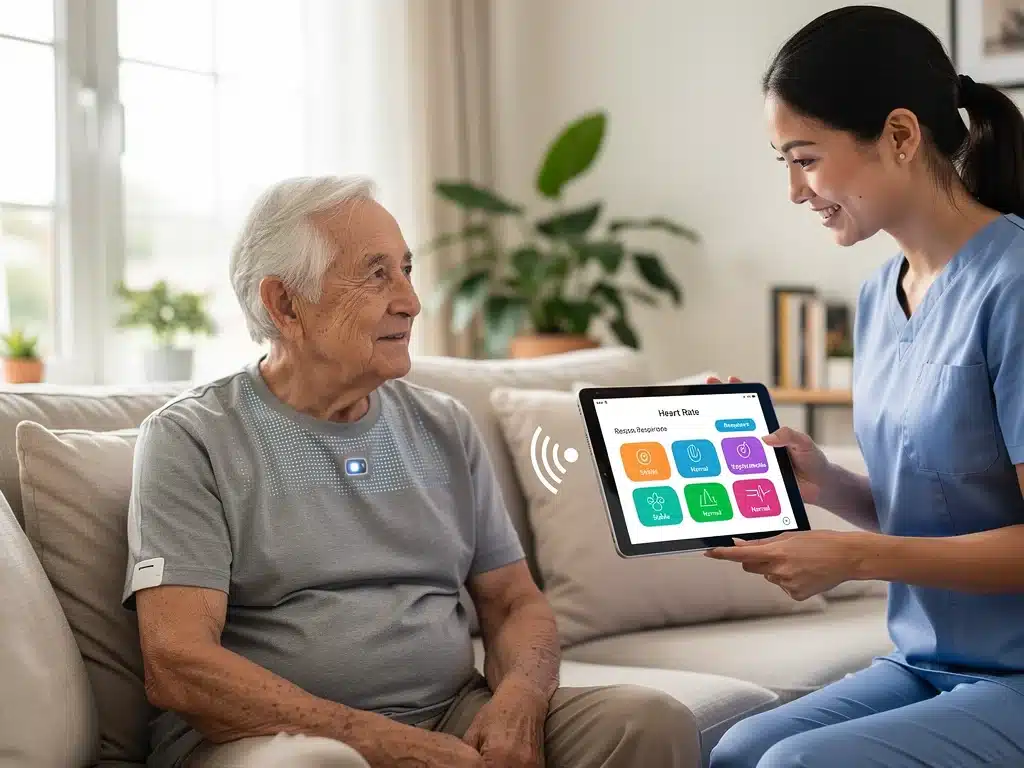
Wearable health apparel significantly bolsters remote patient monitoring (RPM) programs. Patients can wear smart garments at home, and their data is securely transmitted to healthcare providers, reducing the need for frequent in-person visits. This is particularly beneficial for individuals in rural areas or those with mobility issues, improving access to care and reducing healthcare costs.
- Post-Operative Recovery: Monitoring vital signs and activity levels to ensure safe and effective recovery post-surgery.
- Elderly Care: Fall detection, activity tracking, and continuous heart rate monitoring for seniors living independently, providing peace of mind for families and caregivers.
- Chronic Condition Management: Real-time alerts for deviations in key health metrics, enabling timely interventions for diabetes, hypertension, and COPD patients.
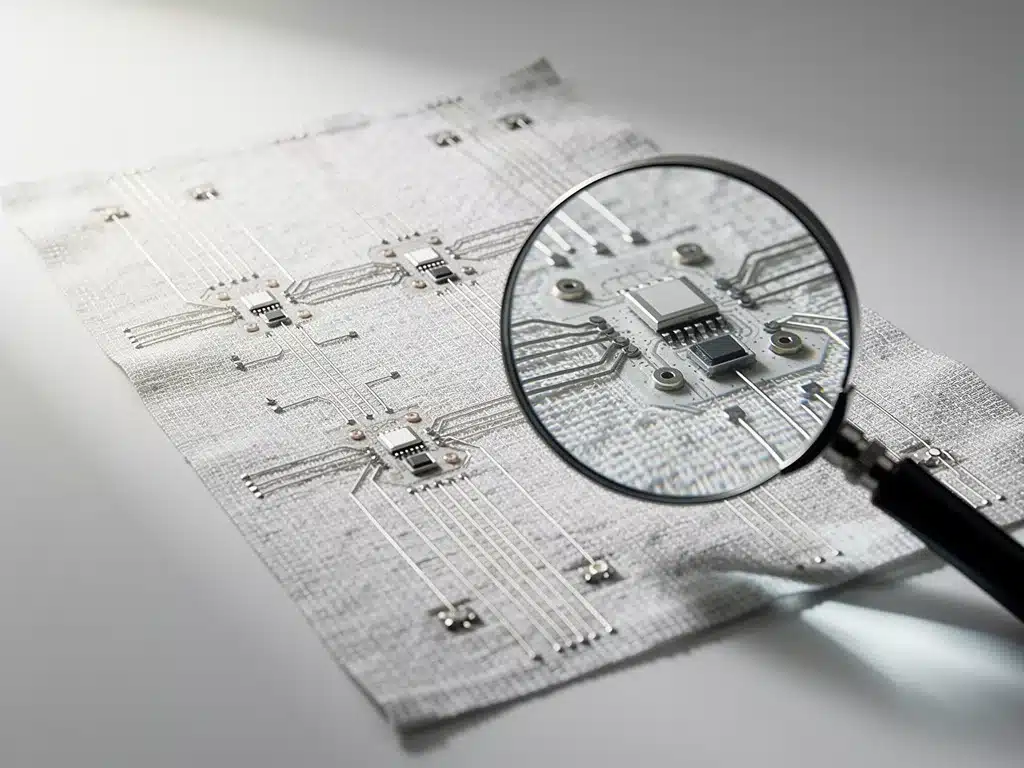
Beyond RPM, smart apparel also enhances telehealth consultations. Clinicians can access objective, continuous data from a patient’s smart garment, leading to more informed diagnoses and treatment decisions during virtual appointments. This shift moves telehealth beyond simple visual consultations to data-backed medical assessments, improving efficacy and patient trust.
Furthermore, for preventative wellness, smart clothing can track stress levels, sleep quality, and exercise performance, offering individuals a deeper understanding of their overall well-being. This empowers users to make proactive lifestyle choices, potentially preventing the onset of chronic conditions and promoting a healthier population in the long run.
Challenges and Regulatory Landscape for 2026
While the promise of wearable health apparel is immense, its widespread adoption and integration into mainstream healthcare in the US by 2026 face several significant challenges. These include regulatory hurdles, data privacy concerns, accuracy and reliability issues, and the need for robust cybersecurity measures.
The Food and Drug Administration (FDA) plays a crucial role in regulating medical devices, and smart apparel designed for medical monitoring falls under its purview. Navigating the FDA approval process can be lengthy and complex, requiring rigorous testing and validation to demonstrate safety and efficacy. Manufacturers must clearly define the intended use of their devices and provide substantial evidence of their claims.
Ensuring Data Privacy and Security
- HIPAA Compliance: All health data collected and transmitted must adhere to strict HIPAA regulations to protect patient privacy.
- Cybersecurity Threats: Protecting sensitive health data from breaches and cyberattacks is paramount, requiring advanced encryption and security protocols.
- User Consent and Control: Clear policies on data ownership, usage, and sharing are essential to build user trust and ensure ethical data practices.
Accuracy and reliability are also critical. For smart apparel to be trusted by healthcare professionals and patients alike, the data it provides must be clinically accurate and consistent. This requires continuous calibration, advanced algorithms to filter out noise, and validation against established medical devices. Inaccuracies could lead to misdiagnoses or inappropriate treatment, undermining confidence in the technology.
Finally, user adoption hinges not only on functionality but also on affordability and accessibility. While the technology is advancing rapidly, ensuring that these life-changing garments are accessible to all segments of the population, regardless of socioeconomic status, will be a key challenge for equitable healthcare. Overcoming these hurdles will be crucial for the successful integration of wearable health apparel into the fabric of US healthcare by 2026.
Economic Impact and Market Growth Projections
The economic impact of wearable health apparel in the US is projected to be substantial, driving significant market growth and creating new opportunities across various sectors. Analysts forecast a robust expansion of this market, fueled by technological advancements, increasing consumer awareness, and a growing demand for personalized healthcare solutions.
The market for smart textiles and e-textiles, specifically those with health monitoring capabilities, is expected to see exponential growth. This growth is not just limited to sales of the garments themselves but extends to the entire ecosystem, including sensor manufacturing, data analytics platforms, software development, and specialized healthcare services that leverage this technology.
Investment and Innovation Trends
- Startup Boom: A surge in new companies focusing on niche applications and specialized smart garments for specific medical conditions.
- Big Tech Involvement: Major technology companies are investing heavily in R&D, partnering with apparel brands and healthcare providers.
- Healthcare Provider Adoption: Hospitals and clinics are increasingly integrating wearable data into their patient management systems, driving demand for compliant and reliable devices.
Investment in this sector is pouring in from venture capitalists, established tech giants, and even traditional apparel companies looking to diversify. This influx of capital is accelerating innovation, leading to more sophisticated sensors, improved data accuracy, and enhanced user experiences. Strategic partnerships between fashion brands, tech companies, and medical device manufacturers are becoming commonplace, leveraging expertise from each domain.
Furthermore, the cost savings associated with preventative care and reduced hospital readmissions, facilitated by continuous monitoring, will be a significant economic driver. As healthcare systems seek to optimize efficiency and improve patient outcomes, the value proposition of wearable health apparel becomes increasingly attractive, solidifying its place as a key component of future healthcare expenditure.
The Future Landscape: Personalized Health and Preventative Care
Looking towards 2026 and beyond, wearable health apparel is set to redefine the landscape of personalized health and preventative care in the US. The shift from reactive treatment to proactive management will become more pronounced, empowering individuals with an unprecedented level of control and insight into their own well-being. This future promises a healthcare system that is more efficient, equitable, and patient-centric.
Imagine a world where your clothing subtly alerts you to potential health issues before symptoms even manifest, or where your physician has access to continuous, clinically relevant data about your daily physiological rhythms. This is the promise of advanced wearable health apparel, moving beyond mere data collection to intelligent interpretation and actionable recommendations.
AI-Driven Health Insights and Predictive Analytics
The integration of artificial intelligence (AI) and machine learning (ML) with the vast datasets generated by smart apparel will unlock powerful predictive analytics. AI algorithms can identify subtle changes in biometric data that might indicate an impending health crisis, allowing for early intervention and potentially life-saving actions. This moves us towards true preventative medicine.
- Personalized Wellness Plans: AI will analyze individual data to create highly customized exercise, nutrition, and stress management recommendations.
- Predictive Diagnostics: Algorithms will identify early markers for chronic diseases, enabling proactive treatment strategies.
- Therapeutic Applications: Smart apparel may evolve to deliver targeted therapies, such as localized heat or electrical stimulation, based on real-time physiological needs.
The vision for 2026 includes smart apparel that not only monitors but also interacts with the user, providing gentle nudges for lifestyle adjustments or prompting them to seek medical advice when necessary. This seamless integration of technology into daily life will make health management an intuitive and empowering experience, rather than a burden.
Ultimately, the future of healthcare in the US will be characterized by a greater emphasis on individual data, continuous monitoring, and preventative strategies. Wearable health apparel stands at the forefront of this revolution, promising a healthier, more informed, and proactive approach to personal well-being for millions of Americans.
Ethical Considerations and Social Impact
As wearable health apparel becomes more prevalent in the US, it is imperative to address the ethical considerations and potential social impacts that accompany this technological advancement. While the benefits to health monitoring and preventative care are clear, questions regarding equity, privacy, and the potential for digital divides must be thoughtfully examined.
One primary ethical concern revolves around data ownership and consent. Who owns the vast amounts of personal health data collected by these smart garments? How is this data used, and can individuals truly give informed consent for its collection and analysis, especially when it might be shared with multiple entities, including healthcare providers, insurance companies, and even employers? Clear, transparent policies are crucial.
Addressing Equity and Accessibility
- Digital Divide: Ensuring that access to advanced wearable health apparel does not exacerbate existing health disparities among different socioeconomic groups.
- Affordability: Developing cost-effective solutions to make smart garments accessible to a broader population, not just the affluent.
- Cultural Acceptance: Designing apparel that respects diverse cultural norms and preferences to encourage widespread adoption.
The social impact extends to the potential for increased surveillance and discrimination. If health data from smart apparel is used by insurance companies to adjust premiums or by employers to assess fitness for work, it could lead to unfair practices. Robust regulatory frameworks and ethical guidelines are necessary to prevent such misuse and protect individuals’ rights.
There is also the psychological impact of constant monitoring. While beneficial for some, others might find continuous health tracking to be a source of anxiety or an invasion of their personal space. Balancing the benefits of monitoring with individual comfort and autonomy is a delicate act that requires careful consideration in the design and implementation of these technologies.
The ethical deployment of wearable health apparel will require ongoing dialogue among technologists, healthcare professionals, ethicists, policymakers, and the public. By proactively addressing these challenges, the US can harness the full potential of smart apparel for health improvement while safeguarding individual rights and promoting a more equitable society.
| Key Aspect | Brief Description |
|---|---|
| Seamless Integration | Medical sensors woven directly into clothing for unobtrusive, continuous monitoring. |
| Advanced Monitoring | Tracks vital signs, activity, and potentially chemical biomarkers for comprehensive health insights. |
| Remote Care & Prevention | Enables remote patient monitoring, enhances telehealth, and supports preventative wellness strategies. |
| Regulatory & Ethical Hurdles | Navigating FDA approval, ensuring data privacy, and addressing equity concerns are crucial for adoption. |
Frequently Asked Questions About Wearable Health Apparel
Smart apparel can monitor a wide range of physiological data, including heart rate, respiration rate, skin temperature, blood oxygen levels, activity levels, posture, and even detect falls. Emerging technologies are also exploring the monitoring of biomarkers in sweat for hydration and metabolic insights, offering a comprehensive view of an individual’s health.
For chronic disease management, smart apparel provides continuous, real-time data on vital signs and activity patterns. This allows for early detection of potential health issues, enables personalized adjustments to treatment plans by healthcare providers, and reduces the need for frequent in-person clinic visits, significantly improving patient outcomes and convenience.
The primary regulatory challenge in the US is navigating the Food and Drug Administration (FDA) approval process. Smart apparel designed for medical monitoring must undergo rigorous testing to prove its safety, accuracy, and efficacy. Manufacturers need to clearly define the intended use and provide substantial clinical evidence to meet FDA standards.
AI will revolutionize smart apparel by analyzing the vast datasets collected, identifying subtle patterns, and providing predictive insights. This enables early detection of potential health crises, personalized wellness recommendations, and more accurate diagnostics. AI transforms raw data into actionable intelligence, shifting healthcare towards proactive and preventative models.
Key ethical considerations include data privacy and security, particularly ensuring HIPAA compliance and protection against cyber threats. Additionally, issues of data ownership, informed consent, and preventing potential discrimination based on health data are crucial. Addressing the digital divide and ensuring equitable access to this technology are also vital for responsible adoption.
Conclusion
The integration of medical monitoring into apparel represents a transformative shift in healthcare, promising a future where health management is seamless, personalized, and preventative. By 2026, wearable health apparel is set to become an indispensable tool in the US, empowering individuals with continuous health insights and enhancing the capabilities of healthcare providers. While challenges related to regulation, data privacy, and equitable access remain, ongoing innovation and collaborative efforts are paving the way for a healthier, more connected future. This technological evolution underscores a fundamental change in how we perceive and manage personal well-being, embedding health monitoring directly into the fabric of our daily lives.