US RV Market Surges 11%: 2026 Models, Lifestyle Shifts & Growth
Advertisements
The United States RV market is experiencing an anticipated 11% surge in demand for its 2026 models, a clear indicator of profound lifestyle shifts and continuous robust growth within the sector.
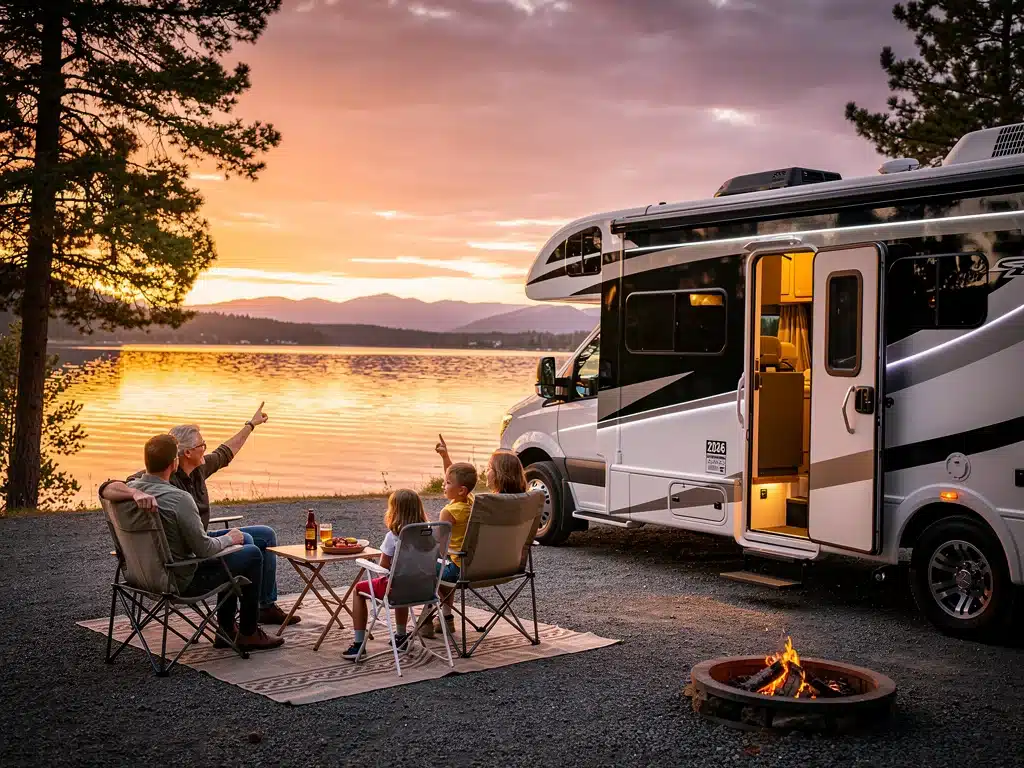
The open road beckons, and for many Americans, the call is louder than ever. The United States RV Market Sees 11% Surge in Demand for 2026 Models: Lifestyle Shifts and Market Growth, a trend that underscores a profound evolution in how individuals and families envision leisure, work, and even permanent residency. This remarkable uptick isn’t merely a fleeting trend; it represents a deep-seated desire for flexibility, adventure, and a closer connection to nature, signaling a vibrant future for recreational vehicles across the nation.
Advertisements
understanding the 2026 market surge: what’s driving demand?
The projected 11% surge in demand for 2026 RV models is not an isolated phenomenon but the culmination of several interconnected factors shaping consumer preferences and economic realities. This significant growth reflects a strategic pivot by manufacturers to meet evolving needs, coupled with a fundamental re-evaluation of personal priorities by potential buyers.
One primary driver is the enduring appeal of experiential travel. After years of restricted movement, many individuals are prioritizing experiences over material possessions, and RVs offer an unparalleled gateway to exploration and adventure. Furthermore, the flexibility offered by RVs aligns perfectly with the rise of remote work, allowing professionals to blend their careers with continuous travel and a nomadic lifestyle.
the allure of remote work and digital nomadism
The post-pandemic landscape has solidified remote work as a viable and often preferred option for millions. This seismic shift has liberated many from geographical constraints, making the RV lifestyle an increasingly attractive proposition. No longer tied to a physical office, individuals can take their work on the road, exploring new destinations while maintaining their professional commitments.
- Location Independence: RVs provide the ultimate freedom to work from anywhere with an internet connection, from national parks to serene lakeside campgrounds.
- Cost-Effectiveness: For some, living in an RV can be more economical than traditional housing, especially when considering rising rents and mortgage rates in urban areas.
- Work-Life Integration: The ability to seamlessly integrate work and leisure activities improves overall well-being and reduces stress, a significant draw for many.
Beyond remote work, a growing segment of the population is embracing digital nomadism, leveraging technology to earn a living while traveling full-time. RVs offer a comfortable and self-contained mobile office, complete with sleeping quarters, kitchen facilities, and often, reliable internet access. This demographic is actively seeking out models that prioritize connectivity, ergonomic workspaces, and sustainable living solutions, directly influencing manufacturers’ design choices for 2026 models.
In essence, the 2026 RV market surge is a testament to a changing world where professional flexibility and a desire for authentic experiences are paramount. Manufacturers are responding by innovating and tailoring their offerings to this dynamic consumer base, ensuring that RVs remain at the forefront of modern travel and living solutions.
evolving lifestyle shifts: more than just a vacation vehicle
The perception of recreational vehicles has undergone a significant transformation. Once primarily seen as vacation vehicles for retirees, RVs are now integral to diverse lifestyles, appealing to a broader demographic. This shift is fueling the demand for 2026 models, as consumers seek versatile solutions that cater to various needs beyond seasonal getaways.
Younger generations, including millennials and Gen Z, are increasingly drawn to the RV lifestyle. They prioritize experiences, sustainability, and a sense of community, all of which can be found within the RV culture. This demographic isn’t just looking for a mode of transport; they’re investing in a mobile home that supports their values and aspirations.
the rise of full-time RV living
A notable trend contributing to the market surge is the growing number of individuals and families opting for full-time RV living. This choice is often driven by a desire for financial freedom, minimalist living, or the pursuit of a location-independent lifestyle. Modern RVs, especially 2026 models, are being designed with these long-term residents in mind, offering enhanced comfort, durability, and home-like amenities.
- Financial Flexibility: Reducing or eliminating housing costs can free up significant financial resources, allowing for greater savings or investment.
- Minimalist Approach: Full-time RV living encourages a decluttered lifestyle, focusing on essential items and experiences over excessive possessions.
- Community and Connection: RV communities, both online and in person, provide a strong support network and opportunities for shared experiences.
Furthermore, the RV lifestyle fosters a deeper connection with nature and the outdoors. Many full-time RVers are avid hikers, campers, and adventurers who appreciate the direct access to natural landscapes that their mobile homes provide. This connection to the environment also influences demand for more eco-friendly RV options, including solar power integration and energy-efficient appliances, which are increasingly featured in upcoming 2026 models.
In summary, the RV is no longer just a holiday accessory; it’s a home, an office, and a gateway to a fulfilling, flexible lifestyle. The evolving demands of a diverse consumer base are pushing manufacturers to innovate, ensuring that 2026 RV models are perfectly suited for the modern American’s aspirations.
technological advancements shaping 2026 RV models
The 11% surge in demand for 2026 RV models is significantly propelled by rapid technological advancements that are transforming these vehicles into sophisticated, comfortable, and highly functional mobile living spaces. Manufacturers are integrating cutting-edge innovations to enhance every aspect of the RV experience, from connectivity to sustainability.
Consumers are no longer satisfied with basic amenities; they expect their RVs to offer the same level of convenience and technology found in their stationary homes. This expectation is driving the development of smarter, more efficient, and more enjoyable RVs, making the 2026 lineup particularly exciting.
smart RVs and enhanced connectivity
The concept of a ‘smart home’ is extending to the open road with the advent of smart RVs. These vehicles incorporate integrated systems that allow owners to control various functions remotely, from lighting and climate to security and entertainment. Enhanced connectivity is also a major focus, recognizing the importance of staying connected for both work and leisure.
- Integrated Control Systems: Centralized touchscreens or smartphone apps allow for easy management of RV systems, including power, water levels, and climate control.
- High-Speed Internet: Advanced satellite internet systems and cellular boosters are becoming standard, ensuring reliable connectivity even in remote locations.
- Advanced Infotainment: High-definition entertainment systems, including smart TVs and premium audio setups, are designed for immersive experiences on the go.
Beyond smart features, significant strides are being made in vehicle performance and safety. 2026 models are expected to feature more fuel-efficient engines, advanced driver-assistance systems (ADAS), and improved suspension technology for a smoother, safer ride. The integration of electric and hybrid powertrains is also gaining traction, catering to environmentally conscious buyers and reducing operational costs.
The technological evolution within the RV market is a clear response to consumer demand for convenience, safety, and efficiency. These innovations are not only making RV travel more appealing but are also broadening the accessibility of the RV lifestyle to a wider audience, contributing directly to the projected surge in demand for 2026 models.
economic factors fueling the rv market expansion
The robust 11% surge in demand for 2026 RV models cannot be fully understood without examining the underlying economic factors that are contributing to this expansion. While lifestyle shifts and technological advancements play crucial roles, broader economic trends are creating a fertile ground for sustained RV market growth.
Consumer confidence, disposable income, and the relative affordability of RV travel compared to other forms of vacation are all significant elements. Furthermore, strategic financing options and the long-term value retention of RVs are making ownership more attractive to a diverse range of buyers.
favorable financing and investment appeal
Access to favorable financing options has made RV ownership more attainable for a larger segment of the population. Lenders are increasingly offering competitive rates and flexible terms, recognizing the growing stability and demand within the RV market. This accessibility is crucial for first-time buyers and those looking to upgrade their existing units.
- Competitive Loan Rates: Low-interest rates make monthly payments more manageable, reducing the financial barrier to entry.
- Flexible Loan Terms: Extended loan terms allow for smaller monthly payments, fitting a wider range of budgets.
- Resale Value: Well-maintained RVs often hold their value relatively well, making them a sound investment for many owners.
Beyond direct purchase, the RV rental market is also booming, providing an entry point for those unsure about full ownership or who prefer occasional use. The success of the rental market indirectly boosts sales, as positive rental experiences often convert into purchase decisions. This interplay between rental and ownership markets creates a dynamic and resilient ecosystem for the RV industry.
Moreover, the perception of RV travel as a cost-effective alternative to traditional vacations, especially for families, continues to drive demand. When factoring in accommodation, dining, and transportation costs for multiple individuals, an RV trip can often offer significant savings, making it an economically prudent choice for many American households. These economic undercurrents are vital in sustaining the momentum seen in the 2026 RV market projections.
sustainability and eco-conscious rv travel
As the United States RV market anticipates an 11% surge in demand for its 2026 models, a significant contributing factor is the increasing focus on sustainability and eco-conscious travel. Modern consumers, particularly younger demographics, are actively seeking ways to minimize their environmental footprint, and RV manufacturers are responding with innovative, greener solutions.
This shift isn’t just about compliance; it’s about appealing to a growing segment of buyers who prioritize environmental responsibility. The industry’s move towards more sustainable practices is transforming RV design, materials, and operational efficiency.
green innovations in 2026 models
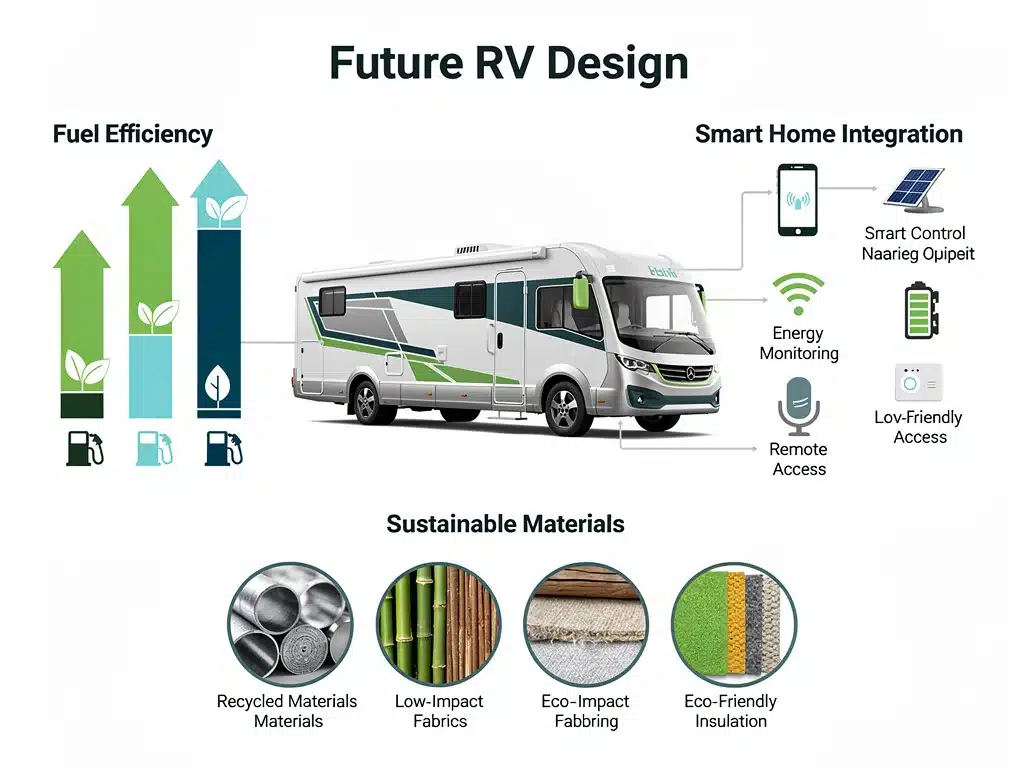
The 2026 RV models are set to feature an array of green innovations designed to reduce environmental impact. From enhanced energy efficiency to the incorporation of recycled materials, manufacturers are demonstrating a commitment to sustainability, which resonates strongly with eco-conscious travelers.
- Solar Power Integration: Increased capacity for solar panels and advanced battery storage systems reduce reliance on generators and shore power, enabling off-grid living.
- Improved Fuel Efficiency: Aerodynamic designs, lighter materials, and more efficient powertrains are leading to better gas mileage, lowering emissions and operating costs.
- Sustainable Materials: The use of recycled plastics, bamboo, and other eco-friendly materials in interiors and construction is becoming more prevalent.
Beyond the vehicles themselves, the RV community is also embracing sustainable practices. Campgrounds are increasingly offering recycling facilities, electric vehicle charging stations, and water conservation initiatives. This holistic approach to eco-friendly RVing further fuels demand, as consumers feel confident that their travel choices align with their values.
The desire for responsible travel is no longer a niche concern; it’s a mainstream expectation. Manufacturers who integrate sustainable features into their 2026 RV models are not only meeting this demand but are also positioning themselves as leaders in an evolving market, ensuring long-term relevance and continued growth.
infrastructure and community growth: supporting the rv boom
The remarkable 11% surge in demand for 2026 RV models is not solely about the vehicles themselves, but also about the robust supporting infrastructure and burgeoning community that makes the RV lifestyle viable and enjoyable. The expansion of campgrounds, service facilities, and digital platforms plays a critical role in sustaining this growth.
As more people embrace RVing, the need for adequate places to stay, reliable maintenance services, and opportunities for social connection becomes paramount. The industry is actively investing in these areas to meet the increasing demands of a growing RV population.
expanding campground networks and services
To accommodate the influx of RV travelers, campground networks are expanding and modernizing. New parks are being developed, and existing ones are upgrading their amenities to include features like high-speed Wi-Fi, full hookups, and recreational facilities. This expansion is crucial for ensuring that RVers have ample options for comfortable and convenient stays.
- Increased Capacity: More campsites are becoming available, reducing booking difficulties during peak seasons.
- Enhanced Amenities: Modern campgrounds offer swimming pools, clubhouses, dog parks, and improved utility services to cater to diverse needs.
- Specialized Services: RV-specific repair shops, mobile mechanics, and detailing services are becoming more widespread, ensuring vehicles remain in top condition.
The RV community itself is also flourishing, both online and offline. Social media groups, forums, and rally events provide opportunities for RVers to connect, share tips, and build lasting friendships. This sense of camaraderie and mutual support is a powerful draw for many, reinforcing the social aspect of the RV lifestyle.
Furthermore, digital platforms and apps streamline the RV experience, offering tools for trip planning, campground reservations, and navigation. These technological aids simplify travel logistics, making the RV journey more accessible and enjoyable for novices and seasoned travelers alike. The continuous development of this supportive ecosystem is fundamental to the sustained growth and future success of the United States RV market.
future outlook: sustained growth and innovation
The projected 11% surge for 2026 RV models clearly indicates that the United States RV market is not just experiencing a temporary boom but is poised for sustained growth and continuous innovation. This positive outlook is underpinned by evolving consumer preferences, ongoing technological advancements, and a resilient industry committed to meeting future demands.
Manufacturers are already looking beyond 2026, anticipating future trends and investing in research and development to ensure RVs remain relevant and attractive to an ever-changing market. The focus will likely remain on personalization, efficiency, and environmental responsibility.
predicting long-term market trends
Several key trends are expected to shape the RV market in the years following 2026. Customization will become even more prevalent, with buyers seeking RVs that can be tailored to their specific lifestyle needs, whether for adventure, remote work, or family travel. The demand for compact, versatile models will also likely continue to grow, particularly among urban dwellers and solo travelers.
- Increased Customization: More options for interior layouts, finishes, and smart home integrations to personalize the RV experience.
- Focus on Electrification: Further development of fully electric RVs and hybrid models, driven by environmental concerns and technological progress.
- Autonomous Features: The integration of advanced driver-assistance systems and, eventually, autonomous driving capabilities to enhance safety and ease of travel.
The industry is also expected to place a greater emphasis on experiential marketing and community building. RV shows, rallies, and online platforms will continue to play a vital role in connecting buyers with manufacturers and fostering a strong sense of belonging among RV enthusiasts. This focus on community not only drives sales but also cultivates brand loyalty and ensures a consistent pipeline of new RVers.
Ultimately, the future of the United States RV market looks exceptionally bright. The combination of sustained consumer interest, ongoing innovation, and a supportive infrastructure suggests that the RV lifestyle will continue to thrive, offering freedom, adventure, and a unique way of life for generations to come. The 11% surge for 2026 models is just the beginning of a promising journey.
| Key Point | Brief Description |
|---|---|
| 11% Demand Surge | Projected increase for 2026 RV models, reflecting strong market confidence and consumer interest. |
| Lifestyle Shifts | Remote work, digital nomadism, and full-time RV living are driving new buyer demographics. |
| Technological Advancements | Smart RVs, enhanced connectivity, and improved efficiency are key features in new models. |
| Sustainability Focus | Eco-friendly materials, solar power, and fuel efficiency appeal to environmentally conscious buyers. |
Frequently asked questions about the RV market
The surge is primarily driven by lifestyle shifts like remote work and digital nomadism, a renewed desire for experiential travel, and technological advancements making RVs more comfortable and connected. Economic factors such as favorable financing also play a significant role in this market expansion.
Absolutely. Younger demographics, including millennials and Gen Z, are increasingly embracing the RV lifestyle. They are attracted to the flexibility, sustainability, and sense of community that RVing offers, often choosing full-time RV living or extended travel over traditional vacations.
2026 RV models are set to feature smart RV systems for integrated control, enhanced high-speed internet connectivity, and advanced infotainment. There’s also a growing focus on fuel efficiency, electric/hybrid powertrains, and improved driver-assistance systems for safety and performance.
Sustainability is a major driver, with eco-conscious consumers demanding greener options. 2026 RVs are incorporating more solar power, fuel-efficient designs, and sustainable materials. The industry is also seeing growth in eco-friendly campgrounds and practices, aligning with environmental values.
The long-term outlook is positive, with expectations for sustained growth and innovation. Customization, further electrification, and potentially autonomous features are anticipated. A strong community and expanding infrastructure will continue to support the RV lifestyle, ensuring its enduring appeal.
conclusion
The projected 11% surge in demand for 2026 RV models within the United States RV market is a clear indicator of a dynamic and evolving industry. This growth is deeply rooted in significant lifestyle shifts, including the rise of remote work and a desire for experiential travel, alongside continuous technological advancements that enhance comfort and connectivity. Economic factors, coupled with a growing emphasis on sustainability and a robust supporting infrastructure, are collectively shaping a vibrant future for recreational vehicles. As consumers increasingly prioritize flexibility, adventure, and a deeper connection to their environment, the RV market is poised not just for continued expansion, but for ongoing innovation that will redefine the very essence of mobile living and travel for years to come.