2026 Performance Apparel Fabrics: 5 Innovations Driving US Athletic Wear
Advertisements
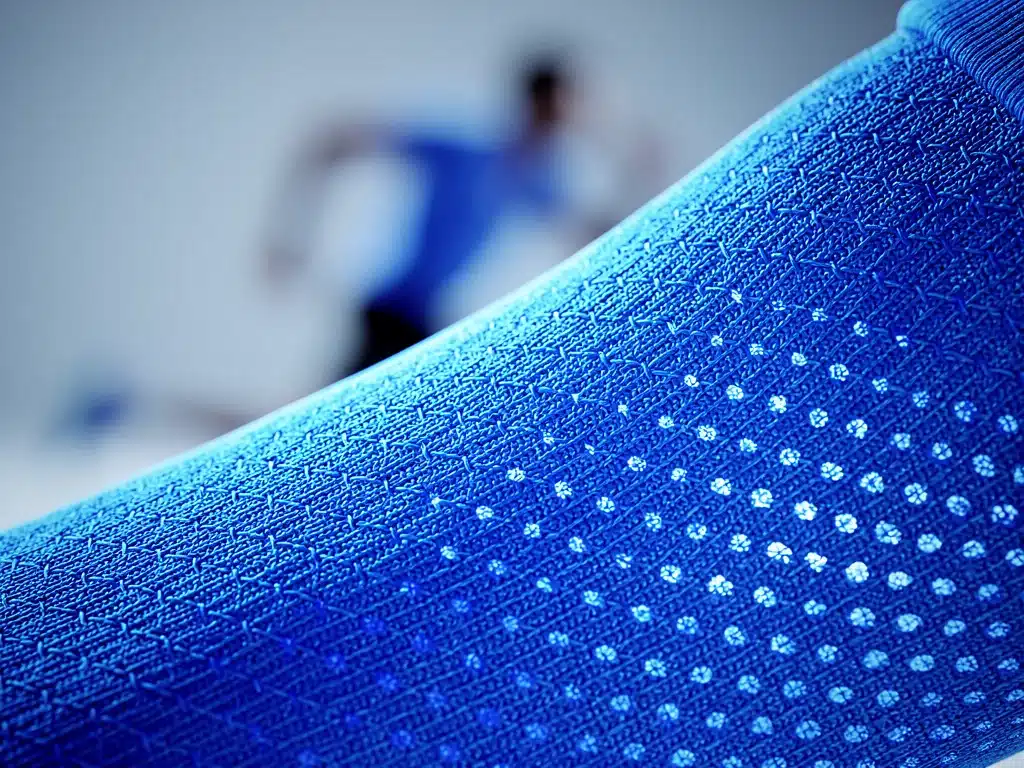
The 2026 guide to performance apparel fabrics highlights five pivotal innovations, from advanced moisture-wicking materials to integrated smart technologies, that are revolutionizing athletic wear and setting new industry benchmarks in the United States market.
Advertisements
Welcome to The 2026 Guide to Performance Apparel Fabrics: 5 Innovations Driving Athletic Wear in the US Market, where we explore the cutting edge of textile technology. As athletes push boundaries, so too must their gear, demanding materials that offer unparalleled comfort, durability, and functional benefits. This guide will illuminate the breakthrough fabrics poised to redefine performance in the coming years, ensuring every stride, lift, and sprint is supported by science.
The Rise of Smart Textiles: Integrating Technology for Enhanced Performance
Smart textiles represent a paradigm shift in athletic wear, moving beyond passive fabric properties to actively respond to and interact with the wearer and environment. These intelligent fabrics are no longer a futuristic concept but a tangible reality, rapidly gaining traction in the US market as athletes and brands seek a competitive edge. By embedding sensors and electronic components directly into the fibers, these textiles offer real-time data and adaptive functionalities, transforming how we perceive and utilize athletic apparel.
The integration of technology into apparel allows for unprecedented levels of biometric monitoring and environmental adaptation. Imagine a shirt that not only wicks sweat but also tracks your heart rate, analyzes your running gait, and even adjusts its breathability based on your body temperature. This level of personalized performance optimization is what smart textiles promise, making them one of the most exciting developments in performance apparel fabrics for 2026.
Biometric Monitoring and Data Collection
One of the primary drivers behind the adoption of smart textiles is their capacity for accurate biometric data collection. Traditional wearables often suffer from movement artifacts or discomfort, but integrated sensors in fabric provide a seamless and often more reliable alternative.
- Heart Rate Tracking: Electrodes woven into chest straps or shirts provide continuous, accurate heart rate data.
- Muscle Activity (EMG): Sensors can detect electrical activity in muscles, offering insights into workout intensity and recovery.
- Respiration Rate: Fabric-based sensors can monitor breathing patterns, crucial for endurance athletes.
- Temperature Regulation: Fabrics that can monitor and potentially adjust to body temperature changes, offering dynamic cooling or warming.
Adaptive Comfort and Environmental Responsiveness
Beyond data, smart textiles are also evolving to provide adaptive comfort. This means the fabric itself can change its properties in response to external stimuli or the wearer’s physiological state. Such responsiveness enhances comfort and performance in diverse environmental conditions.
For instance, some smart fabrics are being developed with micro-encapsulated phase-change materials that absorb or release heat as needed, providing a thermoregulatory effect. Others incorporate shape-memory polymers that can alter the fabric’s porosity or fit. This adaptive quality is particularly beneficial for athletes facing unpredictable weather or varying intensity levels during their activities.
The progression of smart textiles is set to revolutionize athletic wear by providing not just protection and comfort, but also intelligent interaction. As these fabrics become more sophisticated and cost-effective, their integration into mainstream athletic apparel will undoubtedly accelerate, offering athletes unparalleled insights and adaptive solutions for optimal performance.

Advanced Moisture Management Systems: Beyond Wicking
Moisture management has long been a cornerstone of high-performance athletic wear, but 2026 brings innovations that move far beyond simple wicking. The focus is now on creating multi-layered systems and advanced fiber structures that not only transport sweat away from the skin but also accelerate evaporation, regulate temperature, and maintain optimal microclimates. This sophisticated approach ensures athletes remain dry, comfortable, and focused, regardless of intensity or environmental conditions.
These next-generation moisture management systems are crucial for preventing chilling in cold weather, avoiding overheating in warm conditions, and reducing chafing, all of which can significantly impact an athlete’s performance and comfort. The US market, with its diverse climates and demanding athletic culture, is a prime testing ground for these cutting-edge performance apparel fabrics.
Bio-Mimicry in Fabric Design
Drawing inspiration from nature, bio-mimicry is playing an increasingly important role in the development of advanced moisture-managing textiles. Researchers are studying how plants and animals manage moisture and heat to create fabrics with similar functionalities.
- Lotus Effect: Fabrics engineered to repel water and dirt, keeping the surface dry and clean.
- Pinecone Structure: Materials that open or close pores in response to humidity changes, similar to a pinecone, for dynamic breathability.
- Animal Fur Microstructures: Creating multi-layered fabric systems that mimic the insulating and ventilating properties of animal fur.
Hybrid Fiber Blends and Zoned Construction
The effectiveness of moisture management is also being enhanced through the strategic combination of different fibers and the implementation of zoned construction. Hybrid fiber blends leverage the unique properties of various materials, while zoned construction strategically places different fabric types in areas where they are most needed.
For example, a garment might feature a hydrophobic inner layer to quickly move sweat away, a hydrophilic middle layer to spread moisture for rapid evaporation, and a breathable, protective outer layer. Zoned construction allows for varying levels of breathability, insulation, and compression across a single garment, optimizing comfort and performance for specific body areas.
The evolution of moisture management in athletic fabrics is no longer just about keeping dry; it’s about creating an optimal physiological environment for the athlete. These advanced systems are becoming integral to maximizing endurance, comfort, and recovery, solidifying their place as a key innovation in performance textiles.
Sustainable and Eco-Friendly Fabrics: Performance Meets Planet
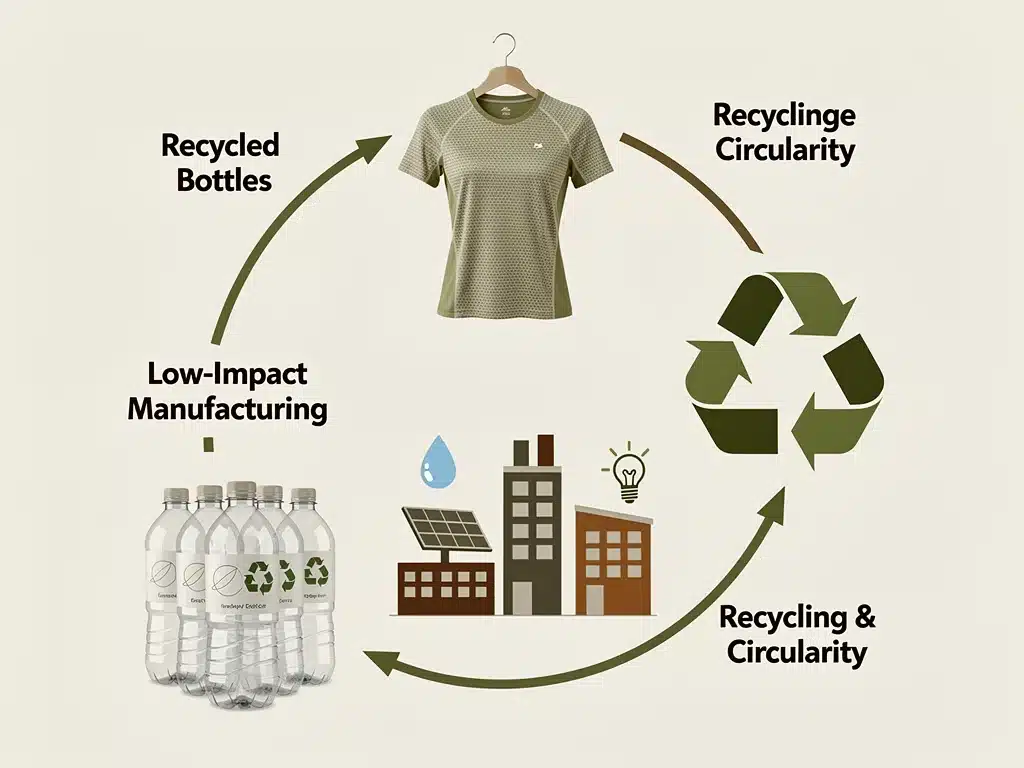
As environmental consciousness grows, the demand for sustainable and eco-friendly athletic wear is surging. In 2026, innovation in performance apparel fabrics is heavily focused on reducing environmental impact without compromising functionality. This includes utilizing recycled materials, developing biodegradable fibers, and implementing resource-efficient manufacturing processes. The US market, with its strong consumer push for ethical and sustainable products, is a significant driver of this trend, compelling brands to adopt greener practices.
From ocean plastics to plant-based fibers, the industry is exploring a wide array of options to create high-performance garments that align with ecological values. This shift is not just about marketing; it’s about fundamental changes in material sourcing, production, and end-of-life considerations for athletic apparel.
Recycled and Upcycled Materials
The use of recycled content is a cornerstone of sustainable fabric innovation. Post-consumer and post-industrial waste, particularly plastics, are being transformed into high-quality performance fibers.
- Recycled Polyester (rPET): Made from plastic bottles, rPET offers the same performance as virgin polyester with a significantly reduced environmental footprint.
- Recycled Nylon: Sourced from fishing nets and industrial waste, recycled nylon provides durability and stretch for activewear.
- Upcycled Cotton/Textile Waste: Technologies are emerging to break down textile waste and regenerate fibers, closing the loop on textile production.
Bio-Based and Biodegradable Fibers
Beyond recycling, the development of bio-based and biodegradable fibers is offering new pathways to sustainability. These materials reduce reliance on fossil fuels and aim to minimize waste at the end of the garment’s life.
Examples include fibers derived from corn, sugarcane, wood pulp (like Tencel and Modal), and even algae. These bio-based options often boast natural moisture-wicking properties, breathability, and a soft hand feel. The challenge lies in ensuring their performance matches that of traditional synthetic fibers, a hurdle that research and development are rapidly overcoming.
The convergence of performance and sustainability is no longer a niche market but a core expectation. Brands that successfully integrate eco-friendly practices into their fabric innovations will gain a significant competitive advantage in the US athletic wear market, appealing to a growing segment of environmentally conscious consumers.
Enhanced Durability and Longevity: Built to Last
In an era of fast fashion, there’s a growing appreciation for products that last. For athletic wear, durability is not just a preference but a necessity. The 2026 landscape of performance apparel fabrics sees significant advancements in materials designed to withstand rigorous training, frequent washing, and harsh environmental conditions, extending the lifespan of garments and offering better value to consumers. This focus on longevity also aligns with sustainability efforts, as longer-lasting products reduce waste.
Innovations in fiber construction, weaving techniques, and surface treatments are contributing to fabrics that resist abrasion, tearing, and degradation from UV exposure or sweat, ensuring that athletic apparel maintains its functional integrity and aesthetic appeal over time.
Advanced Fiber Reinforcement
New methods of reinforcing fibers are creating textiles that are incredibly strong without adding significant weight or stiffness. These techniques often involve incorporating ultra-strong materials at a microscopic level.
- Para-aramid Fibers (e.g., Kevlar): Used sparingly or in blended forms, these fibers provide exceptional strength-to-weight ratios and cut resistance.
- UHMWPE (Ultra-High Molecular Weight Polyethylene): Known for its extreme abrasion resistance and strength, finding applications in high-impact areas.
- Nanofiber Infusion: Incorporating nanofibers can significantly increase tensile strength and durability of conventional fabrics.
Innovative Weaving and Knitting Techniques
Beyond the fibers themselves, how fabrics are constructed plays a critical role in their durability. Advanced weaving and knitting patterns are being developed to create more resilient structures.
For instance, ripstop weaves, which incorporate stronger threads at regular intervals, prevent small tears from spreading. Similarly, specialized knitting techniques can create fabrics with enhanced elasticity retention and resistance to snagging. These structural improvements mean garments can endure more stress and maintain their shape and integrity through countless workouts and washes.
The drive for enhanced durability in performance apparel is a response to both consumer demand for quality and the industry’s push for more sustainable practices. Fabrics that last longer not only provide better value but also reduce the overall consumption of resources, making them a crucial innovation for the future of athletic wear.
Adaptive Compression and Support: Optimized Muscle Performance
Compression wear has been a staple in athletic apparel for years, but in 2026, the concept of compression is becoming far more sophisticated. The latest performance apparel fabrics are engineered to offer adaptive compression and targeted support, precisely where athletes need it most. This innovation moves beyond uniform pressure, utilizing advanced knitting techniques and material blends to provide varying levels of compression across different muscle groups, optimizing blood flow, reducing muscle vibration, and aiding recovery.
The US market, with its high demand for performance-enhancing gear, is witnessing rapid adoption of these specialized compression garments. The goal is to improve athletic output, minimize fatigue, and accelerate the body’s repair processes, allowing athletes to train harder and recover faster.
Zoned Compression Technology
Zoned compression is at the forefront of this innovation. Instead of applying uniform pressure, garments are designed with specific areas of higher or lower compression, strategically placed to support key muscle groups and joints.
- Targeted Muscle Support: Higher compression zones can stabilize specific muscles, reducing oscillation and improving proprioception.
- Enhanced Blood Flow: Graduated compression can aid venous return, helping to flush out metabolic waste and deliver oxygenated blood more efficiently.
- Joint Stabilization: Fabrics with localized support can provide gentle stabilization to joints like knees and elbows without restricting movement.
Fibers with Dynamic Elasticity
The effectiveness of adaptive compression relies heavily on fibers with dynamic elasticity. These are not just stretchy; they are designed to maintain their compressive properties over time and through repeated use, while also allowing for full range of motion. Materials like advanced elastanes, often blended with other synthetic fibers, are key to achieving this balance.
Furthermore, some innovative fabrics are incorporating shape-memory polymers that can adjust their elasticity in response to body heat, offering a truly adaptive fit. This means the compression level can subtly change as the athlete’s body warms up or cools down, optimizing comfort and support throughout an activity.
Adaptive compression and support fabrics represent a significant leap forward in athletic wear, moving beyond basic functionality to offer tailored physiological benefits. By optimizing muscle performance and recovery, these fabrics empower athletes to achieve new levels of excellence, cementing their importance in the evolving landscape of performance textiles.
Antimicrobial and Odor-Control Fabrics: Freshness That Lasts
For any athlete, the battle against odor and microbial growth in apparel is constant. The 2026 innovations in performance apparel fabrics are making significant strides in this area, offering advanced antimicrobial and odor-control solutions that are more effective, durable, and environmentally conscious than ever before. These fabrics are designed to inhibit the growth of bacteria and fungi that cause unpleasant odors, ensuring garments stay fresh longer and require less frequent washing, a benefit for both the athlete and the planet.
The US market demands high-performance gear that can withstand intense workouts and extended use, and these new odor-control technologies are meeting that need, enhancing hygiene and comfort for athletes across various disciplines.
Silver and Zinc Infusion Technologies
While not entirely new, the application and effectiveness of silver and zinc in antimicrobial fabrics have been significantly refined. These metals are known for their oligodynamic effect, where even small concentrations can inhibit microbial growth.
- Ionized Silver: Silver ions are permanently bonded to fabric fibers, releasing slowly to neutralize bacteria and prevent odor.
- Zinc Pyrithione: This compound, often used in anti-dandruff shampoos, is being integrated into textiles for its broad-spectrum antimicrobial properties.
- Encapsulation Techniques: Advanced methods ensure these active agents are more durably bound to the fabric, resisting wash-off and maintaining efficacy over the garment’s lifespan.
Natural and Bio-Based Odor Control
Beyond metallic elements, there’s a growing interest in natural and bio-based solutions for odor control, driven by environmental concerns and a desire for chemical-free options. These innovations leverage nature’s own antimicrobial properties.
For example, fabrics infused with coffee grounds, chitosan (derived from crustacean shells), or even certain plant extracts are showing promise in inhibiting bacterial growth. These natural alternatives often offer additional benefits like UV protection or enhanced breathability, making them attractive options for sustainable performance wear. The challenge is scaling these solutions to meet industrial demand while maintaining consistent performance.
The evolution of antimicrobial and odor-control fabrics ensures that athletic apparel remains hygienic and fresh, contributing significantly to an athlete’s comfort and confidence. These advancements are crucial for extending garment life, reducing water and energy consumption from fewer washes, and meeting the high expectations of the modern US athletic market.
| Key Innovation | Impact on Athletic Wear |
|---|---|
| Smart Textiles | Integrate sensors for real-time biometric data, enhancing personalized performance monitoring and adaptive comfort. |
| Advanced Moisture Management | Beyond wicking, these systems ensure optimal temperature regulation and rapid evaporation, keeping athletes dry and comfortable. |
| Sustainable Fabrics | Utilize recycled and bio-based materials, reducing environmental impact without compromising performance or durability. |
| Adaptive Compression | Offers targeted support and graduated pressure to optimize blood flow, reduce muscle vibration, and aid recovery. |
Frequently Asked Questions About 2026 Performance Apparel Fabrics
Smart textiles are fabrics embedded with electronic components and sensors that can monitor biometrics like heart rate and muscle activity. They benefit athletes by providing real-time performance data, adaptive comfort, and personalized feedback to optimize training and recovery in the US market.
Advanced moisture management systems go beyond simple wicking by employing multi-layered structures and bio-mimicry to not only move sweat but also accelerate evaporation, regulate body temperature, and maintain an optimal microclimate, enhancing comfort and performance for athletes.
Key sustainable performance fabrics include those made from recycled materials like rPET and recycled nylon, as well as bio-based and biodegradable fibers derived from plants such as corn or wood pulp. These innovations aim to reduce the environmental footprint of athletic wear.
Adaptive compression fabrics utilize zoned pressure to support specific muscle groups, reduce muscle vibration, and improve blood circulation. This targeted approach helps to optimize athletic output, minimize fatigue, and accelerate post-exercise recovery for athletes across the US.
Innovations in antimicrobial and odor control include advanced silver and zinc infusion technologies, which are more durably bonded to fibers. Additionally, natural and bio-based solutions like coffee grounds or chitosan are being integrated to inhibit bacterial growth and keep athletic garments fresh longer.
Conclusion
The landscape of performance apparel fabrics in 2026 is one of relentless innovation, driven by a convergence of technological advancement, environmental consciousness, and an unwavering commitment to athlete optimization. From the intelligent integration of smart textiles that provide real-time biometric feedback to the sophisticated engineering of moisture management systems and the embrace of sustainable materials, the future of athletic wear in the US market is not just about looking good, but performing better and living more responsibly. These five key innovations are not merely trends; they represent fundamental shifts in how apparel is conceived, designed, and utilized, promising a new era of comfort, durability, and performance for every athlete.