Apparel Automation Trends: US Production Streamlining by 2026
Advertisements
The US apparel industry is rapidly adopting automation, with four key trends set to redefine production by 2026: advanced robotics, AI-driven design, smart factories, and enhanced supply chain visibility, ensuring greater efficiency and competitiveness.
Advertisements
The US apparel industry is undergoing a transformative period, driven by the imperative to enhance efficiency, reduce costs, and accelerate time-to-market. By 2026, four pivotal automation trends will revolutionize how garments move from design to delivery: 4 automation trends streamlining US apparel production by 2026. These advancements promise to reshape the competitive landscape, making domestic manufacturing more viable and responsive to consumer demands.
The Rise of Advanced Robotics in Manufacturing
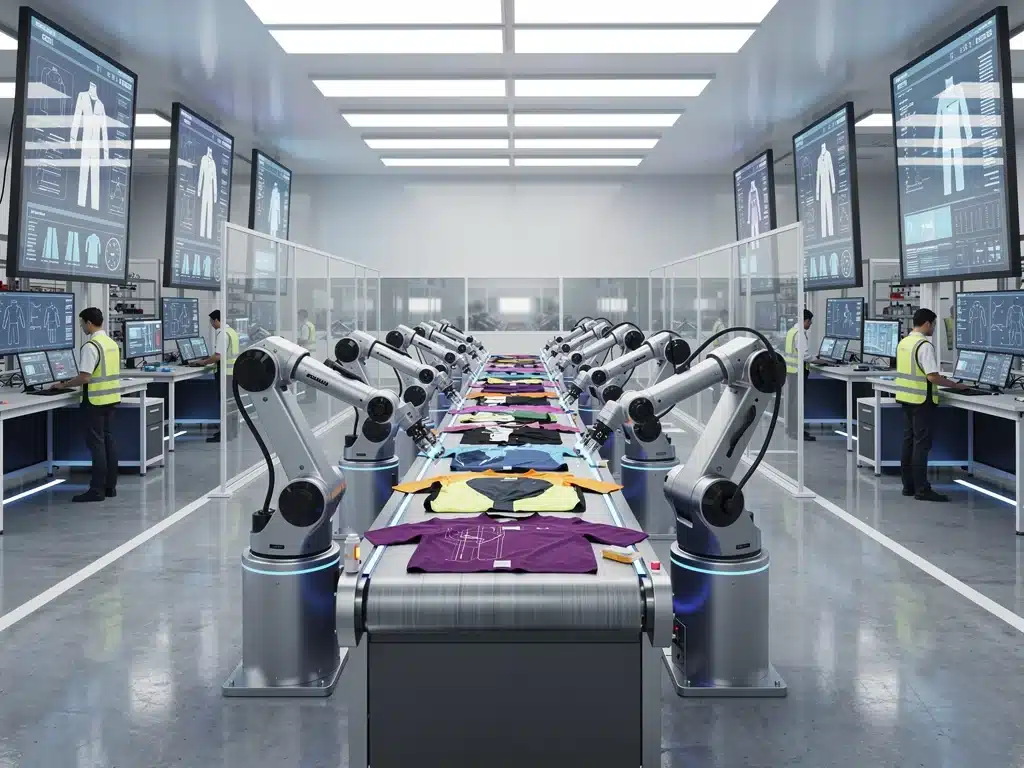
Advanced robotics is no longer a futuristic concept but a present reality rapidly integrating into US apparel production. These sophisticated machines are capable of performing complex tasks with precision and speed, far surpassing traditional manual labor. This integration addresses critical challenges such as labor shortages and the need for consistent quality, fundamentally altering the operational dynamics of factories nationwide.
The capabilities of modern industrial robots extend beyond simple repetitive tasks. They are equipped with advanced sensors, machine vision, and artificial intelligence, allowing them to adapt to variations in materials and designs. This flexibility is crucial in an industry characterized by diverse fabrics and intricate patterns.
Automated Fabric Handling and Cutting
One of the most labor-intensive and error-prone stages in apparel production is fabric handling and cutting. Traditional methods often involve significant waste and require highly skilled operators. Robotic systems are transforming this segment by automating the entire process, from unwinding fabric rolls to precise pattern cutting.
- Precision Cutting: Laser and knife-cutting robots minimize material waste by nesting patterns more efficiently and executing cuts with millimeter-level accuracy.
- Automated Spreading: Robots can spread multiple layers of fabric smoothly and without tension, preparing them for cutting with unparalleled consistency.
- Defect Detection: Integrated vision systems can identify fabric flaws in real-time, preventing defective material from entering the production line.
Robotics in Sewing and Assembly
Sewing has historically been challenging to automate due to the pliable and unpredictable nature of textiles. However, breakthroughs in robotic technology are making automated sewing a reality. These robots use advanced grippers and vision systems to manipulate fabric pieces, guiding them through sewing machines with remarkable dexterity.
Beyond individual sewing operations, robots are also being deployed in assembly lines. Collaborative robots, or cobots, work alongside human employees, assisting with tasks that require strength, endurance, or repetitive motions. This partnership enhances productivity while allowing human workers to focus on more complex, value-added activities.
The increasing sophistication of robotic systems promises to significantly boost the output and quality of US apparel manufacturing. By automating critical stages like fabric handling, cutting, and even complex sewing, these technologies reduce production cycles and elevate the overall competitiveness of domestic brands.
AI and Machine Learning for Design and Prototyping
Artificial Intelligence (AI) and Machine Learning (ML) are revolutionizing the initial stages of apparel production, from conceptual design to virtual prototyping. These technologies empower designers with tools that accelerate creativity, optimize material usage, and predict consumer preferences, thereby drastically reducing the time and resources traditionally spent on product development.
The integration of AI into design workflows allows for iterative development at speeds previously unimaginable. Designers can rapidly experiment with various styles, colors, and textures, receiving instant feedback on market viability and production feasibility. This shift minimizes the need for physical samples, leading to substantial cost and time savings.
Generative Design and Trend Prediction
AI-driven generative design tools can create novel garment designs based on predefined parameters, such as aesthetic preferences, functional requirements, and material constraints. This capability opens up new avenues for innovation, allowing brands to explore a wider range of creative options quickly.
- Automated Pattern Generation: AI can generate complex patterns that optimize fabric utilization and construction, reducing waste and improving efficiency.
- Trend Forecasting: Machine learning algorithms analyze vast amounts of data from social media, sales figures, and fashion blogs to predict upcoming trends with high accuracy. This allows brands to design collections that are more likely to resonate with consumers.
- Personalized Design: AI can facilitate the creation of highly personalized garments by analyzing individual customer data, offering bespoke options at scale.
Virtual Prototyping and Fit Simulation
One of the most significant advancements is the ability to create virtual prototypes that accurately simulate how a garment will look and fit. This technology eliminates the traditional iterative process of creating multiple physical samples, which is both time-consuming and resource-intensive.
Virtual prototyping software uses 3D modeling and physics-based simulations to render garments on digital avatars. These avatars can be customized to represent various body types, allowing designers to assess fit, drape, and movement without ever cutting a piece of fabric. This not only speeds up the design cycle but also significantly reduces material consumption and environmental impact.

The adoption of AI and ML in design and prototyping is a game-changer for the US apparel industry. It fosters a more agile, data-driven, and sustainable approach to product development, enabling brands to respond to market changes with unprecedented speed and precision, ultimately enhancing their competitive edge.
The Emergence of Smart Factories and IoT
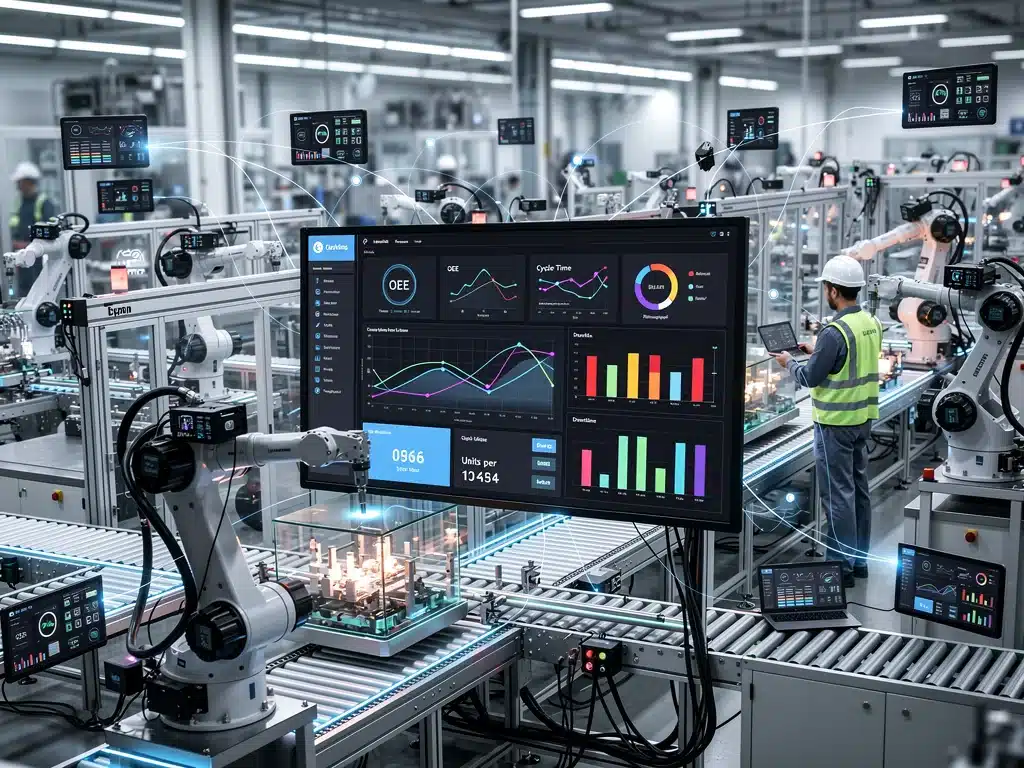
The concept of smart factories, powered by the Internet of Things (IoT), is transforming traditional apparel manufacturing plants into highly interconnected and intelligent production environments. By embedding sensors, software, and network connectivity into machinery and production processes, smart factories generate vast amounts of real-time data, enabling unprecedented levels of control, optimization, and predictive maintenance.
This integration allows every piece of equipment, from cutting machines to sewing stations, to communicate with each other and with central management systems. The result is a seamless flow of information that provides a holistic view of the entire production line, identifying bottlenecks, optimizing resource allocation, and ensuring consistent quality.
Real-time Production Monitoring and Optimization
IoT devices collect data on machine performance, production rates, energy consumption, and material usage. This data is then analyzed by AI algorithms to provide actionable insights, allowing factory managers to make informed decisions and optimize operations on the fly.
- Predictive Maintenance: Sensors monitor machine health, predicting potential failures before they occur. This allows for proactive maintenance, reducing downtime and costly repairs.
- Automated Quality Control: Integrated vision systems and sensors continuously inspect garments for defects, ensuring that quality standards are met at every stage of production.
- Energy Efficiency: IoT-enabled systems monitor and manage energy consumption, identifying areas for improvement and reducing operational costs.
Enhanced Connectivity and Data Integration
Smart factories rely on robust network infrastructure to ensure seamless data exchange between various systems and departments. This connectivity extends beyond the factory floor, integrating with other business functions such as inventory management, supply chain logistics, and even customer relationship management (CRM) systems.
The ability to integrate data from diverse sources creates a “digital twin” of the physical factory, allowing for virtual simulations and optimizations without disrupting actual production. This holistic approach enhances decision-making, improves responsiveness to market changes, and drives continuous improvement across the entire manufacturing process.
The implementation of smart factories and IoT technologies is crucial for the US apparel industry to achieve higher levels of efficiency, flexibility, and sustainability. By leveraging real-time data and interconnected systems, manufacturers can optimize every aspect of their operations, ensuring they remain competitive in a rapidly evolving global market.
Supply Chain Visibility and Predictive Logistics
The apparel supply chain is notoriously complex, involving numerous stages from raw material sourcing to final product delivery. Automation, particularly through advanced data analytics and predictive logistics, is dramatically enhancing visibility and efficiency across this intricate network. By 2026, US apparel companies will increasingly leverage these technologies to gain real-time insights, mitigate risks, and optimize every step of their supply chain.
Improved supply chain visibility means knowing where every component and product is at any given moment, and having the data to predict potential disruptions. This proactive approach minimizes delays, reduces inventory costs, and ensures that products reach consumers faster and more reliably. The shift from reactive to predictive logistics is a cornerstone of this transformation.
Blockchain for Transparency and Traceability
Blockchain technology is emerging as a powerful tool for enhancing transparency and traceability throughout the apparel supply chain. By creating an immutable and distributed ledger of transactions, blockchain can track the journey of a garment from its raw materials to the consumer.
- Ethical Sourcing Verification: Consumers and brands can verify the origin of materials, ensuring ethical labor practices and sustainable sourcing.
- Counterfeit Prevention: Blockchain provides a secure record of authenticity, helping to combat the pervasive issue of counterfeit goods in the apparel market.
- Supply Chain Auditing: The transparent nature of blockchain simplifies audits and compliance checks, reducing administrative burdens and increasing accountability.
AI-Driven Demand Forecasting and Inventory Management
Artificial intelligence is revolutionizing how apparel companies forecast demand and manage inventory. Traditional forecasting methods often struggle with the volatile nature of fashion trends. AI, however, can analyze vast datasets, including historical sales, social media sentiment, economic indicators, and even weather patterns, to generate highly accurate demand predictions.
This enhanced forecasting capability allows companies to optimize inventory levels, reducing both overstocking and stockouts. Predictive logistics, driven by AI, can also optimize transportation routes, warehouse operations, and delivery schedules, ensuring that products are moved efficiently and cost-effectively.
Greater supply chain visibility and predictive logistics are essential for US apparel manufacturers to navigate the complexities of global trade and meet the demands of an increasingly fast-paced market. These automation trends enable companies to build more resilient, efficient, and transparent supply chains, fostering trust and ensuring timely delivery.
Sustainable Practices Through Automation
Automation is not solely about efficiency and cost reduction; it also plays a crucial role in advancing sustainable practices within the US apparel industry. By leveraging automated technologies, manufacturers can significantly reduce their environmental footprint, conserve resources, and promote ethical production methods. This alignment with sustainability goals is becoming increasingly important for both consumers and regulatory bodies.
The drive for sustainability is pushing companies to rethink their entire operational model. Automation provides the tools to achieve these ambitious goals, from optimizing material usage to minimizing waste and energy consumption. It allows for a more precise and controlled manufacturing process, which inherently leads to less environmental impact.
Optimized Material Usage and Waste Reduction
Robotic cutting systems and AI-driven pattern generation are at the forefront of reducing textile waste. These technologies ensure that fabric is cut with maximum efficiency, leaving minimal scraps. Furthermore, virtual prototyping significantly cuts down on the need for physical samples, saving vast amounts of material that would otherwise be discarded.
- Zero-Waste Patterning: Advanced software can create patterns that interlock perfectly, utilizing nearly 100% of the fabric.
- Recycling Integration: Automated systems can sort and process textile waste for recycling, turning what was once a byproduct into a valuable resource.
- Reduced Chemical Usage: Precision dyeing and finishing processes, often automated, can minimize the use of water and harmful chemicals.
Energy Efficiency and Resource Conservation
Smart factories equipped with IoT sensors continuously monitor and optimize energy consumption. Automated machinery can be programmed to operate during off-peak hours or to power down when not in use, leading to substantial energy savings. Additionally, advanced filtration and water recycling systems reduce water usage in dyeing and washing processes.
The ability to track and manage resources in real-time allows manufacturers to identify inefficiencies and implement corrective actions promptly. This data-driven approach to resource management is fundamental to achieving ambitious sustainability targets and reducing operational costs simultaneously.
Embracing automation for sustainable practices positions US apparel manufacturers as responsible industry leaders. By reducing waste, conserving energy, and promoting ethical sourcing, these trends contribute to a more environmentally friendly and socially conscious production model, appealing to a growing segment of conscientious consumers.
Challenges and Opportunities for US Apparel
While the automation trends offer immense promise for streamlining US apparel production, their widespread adoption is not without challenges. Manufacturers must navigate significant initial investments, the need for a skilled workforce, and the complexities of integrating diverse technologies. However, overcoming these hurdles presents unparalleled opportunities for growth, competitiveness, and innovation within the domestic industry.
The transition to a highly automated manufacturing environment requires strategic planning and a commitment to continuous learning. Companies that embrace this transformation will be better positioned to capitalize on the benefits, while those that lag may find themselves struggling to keep pace in an increasingly globalized and technology-driven market.
Investment and Workforce Development
The primary challenge for many apparel manufacturers is the substantial capital investment required for advanced robotics, AI software, and IoT infrastructure. Small and medium-sized enterprises (SMEs) may find it particularly difficult to secure the necessary funding. Government incentives, industry partnerships, and access to specialized financing can help alleviate this burden.
Another critical aspect is workforce development. Automation shifts the demand from manual labor to roles requiring technical skills in robotics operation, data analysis, and software management. There is a pressing need for training programs and educational initiatives to upskill existing workers and prepare a new generation for these advanced manufacturing jobs.
- Government Subsidies: Policies and grants to support the adoption of automation technologies.
- Industry Partnerships: Collaboration between tech companies and apparel manufacturers to develop tailored solutions.
- Vocational Training: Programs focused on robotics, AI, and data science for manufacturing roles.
Enhanced Competitiveness and Resilience
Despite the challenges, the opportunities presented by these automation trends are transformative. By streamlining production, reducing lead times, and improving quality, US apparel manufacturers can significantly enhance their competitiveness against international rivals. The ability to quickly respond to changing fashion trends and consumer demands becomes a distinct advantage.
Furthermore, automation builds resilience into the supply chain. Reduced reliance on overseas production, coupled with enhanced visibility and predictive capabilities, makes the US apparel industry less vulnerable to global disruptions, such as trade wars, pandemics, or geopolitical instabilities. This localized, agile manufacturing model is a strategic imperative for long-term stability and growth.
The journey towards a fully automated US apparel production landscape by 2026 is complex but essential. By addressing investment and workforce needs, companies can unlock significant opportunities for enhanced competitiveness, sustainable growth, and a more resilient domestic manufacturing base, ultimately strengthening the industry’s position on the global stage.
| Key Trend | Brief Description |
|---|---|
| Advanced Robotics | Automates fabric handling, cutting, and sewing, improving precision and speed. |
| AI/ML Design | AI-driven generative design, trend forecasting, and virtual prototyping reduce development cycles. |
| Smart Factories/IoT | Real-time monitoring, predictive maintenance, and data integration for optimized production. |
| Supply Chain Visibility | Blockchain and AI enhance transparency, traceability, and predictive logistics. |
Frequently Asked Questions About Apparel Automation
Automation significantly boosts efficiency, reduces labor costs, improves product quality and consistency, and accelerates time-to-market. It also helps address labor shortages and enhances the overall competitiveness of domestic manufacturing by enabling faster response to consumer demands and trends.
AI revolutionizes design by enabling generative design, accurate trend forecasting, and virtual prototyping. This reduces the need for physical samples, saving time and materials, while allowing designers to rapidly iterate and optimize designs to better meet market demands and consumer preferences.
Smart factories, leveraging IoT, create interconnected production environments. They enable real-time monitoring, predictive maintenance, and data-driven optimization of operations. This leads to increased efficiency, reduced downtime, better quality control, and optimized energy usage across the factory floor and beyond.
Automation enhances supply chain visibility and logistics through technologies like blockchain for traceability and AI for demand forecasting. This improves transparency, reduces risks, minimizes inventory costs, and ensures faster, more reliable delivery of products from raw materials to the end consumer.
Yes, significant challenges include the high initial capital investment required for new technologies and the necessity for workforce reskilling. Addressing these requires government support, industry collaboration, and robust training programs to ensure a skilled labor force capable of managing advanced automated systems.
Conclusion
The US apparel industry stands at the precipice of a new era, defined by automation and technological innovation. The four trends discussed—advanced robotics, AI-driven design, smart factories with IoT, and enhanced supply chain visibility—are not merely incremental improvements but fundamental shifts that will redefine manufacturing processes by 2026. These advancements promise not only greater efficiency and reduced costs but also foster sustainable practices and bolster the industry’s resilience against global disruptions. While challenges such as investment and workforce adaptation remain, the long-term benefits of a streamlined, technologically advanced domestic apparel production sector are clear: a more competitive, responsive, and innovative industry prepared for the future.