1:18 Scale Technology: What’s New for Collectors in 2026?
Advertisements
The year 2026 marks a pivotal moment for collectors as 1:18 scale technology introduces unprecedented realism, smart integrations, and sustainable production methods, transforming the landscape of miniature automotive collecting.
For enthusiasts of miniature automotive art, the world of collecting is constantly evolving. In 2026, the advancements in 1:18 scale technology 2026 are set to redefine what collectors can expect from their prized possessions, pushing the boundaries of realism, interactivity, and sustainability. What groundbreaking innovations are on the horizon, and how will they shape the future of this beloved hobby?
Advertisements
The evolution of materials and manufacturing processes
The foundation of any exceptional 1:18 scale model lies in its construction. As we approach 2026, manufacturers are increasingly leveraging advanced materials and sophisticated manufacturing techniques to elevate the quality and authenticity of these miniature replicas. The pursuit of perfection means exploring new composites and refining traditional methods.
Collectors can anticipate a significant shift towards more durable, lightweight, and environmentally friendly materials. This not only enhances the longevity of the models but also appeals to a growing demand for sustainable products within the collecting community. The integration of these materials allows for unparalleled precision.
Advanced composite materials
The introduction of advanced composite materials is a game-changer for 1:18 scale models. These materials, often seen in aerospace and high-performance automotive industries, are now being scaled down for miniature applications.
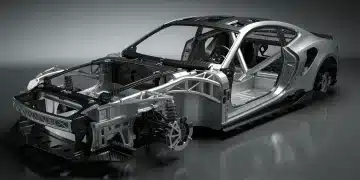
- Carbon fiber composites: Offering exceptional strength-to-weight ratios, these allow for incredibly thin yet robust body panels and chassis components, replicating real-world vehicle structures with greater accuracy.
- Bio-plastics and recycled alloys: An increasing focus on sustainability means more models will incorporate bio-plastics derived from renewable resources and recycled metal alloys, reducing environmental impact without compromising quality.
- Enhanced resins for 3D printing: New resin formulations are enabling 3D printing to produce parts with finer details and smoother finishes, expanding the possibilities for intricate components like engine blocks and interior elements.
These material innovations are not merely about aesthetics; they contribute to the tactile experience of the model, giving it a more substantial and authentic feel. The weight distribution and structural integrity are meticulously engineered to mirror their full-scale counterparts.
Precision manufacturing techniques
Beyond materials, the methods used to assemble these models are undergoing a revolution. Traditional die-casting is being complemented, and in some cases, supplanted by, highly precise techniques.
- Precision CNC machining: Computer Numerical Control (CNC) machining allows for the creation of extremely accurate metal and plastic parts, perfect for intricate engine details, suspension components, and chassis elements.
- Multi-axis 3D printing: This next-generation 3D printing technology can create complex geometries and undercuts without the need for support structures, leading to cleaner, more detailed parts and reducing post-processing.
- Robotic assembly: For certain repetitive and highly precise tasks, robotic assembly lines are being utilized, ensuring consistent quality and reducing human error in the manufacturing process.
The combination of these advanced materials and manufacturing techniques allows for an astonishing level of detail and fidelity, where every panel gap, every rivet, and every contour is faithfully reproduced. This commitment to precision is what truly sets the latest generation of 1:18 scale models apart.
In summary, the evolution of materials and manufacturing processes is creating a new benchmark for realism and sustainability in 1:18 scale models. Collectors can look forward to models that are not only visually stunning but also embody cutting-edge engineering and environmental consciousness.
Hyper-realistic detailing and authentic finishes
The quest for realism has always been a driving force in 1:18 scale model collecting. In 2026, this pursuit reaches new heights with advancements in detailing and finishing techniques that blur the lines between miniature and reality. Manufacturers are investing heavily in research and development to bring unprecedented authenticity to every aspect of the model.
From the subtle texture of the upholstery to the precise replication of a vehicle’s paintwork, every element is meticulously considered. The goal is to create a sensory experience that goes beyond mere visual appeal, engaging collectors with a depth of realism previously unattainable.
Interior and exterior hyper-detailing
The interiors and exteriors of 1:18 scale models are becoming astonishingly lifelike. This involves a combination of advanced tooling and hand-craftsmanship.
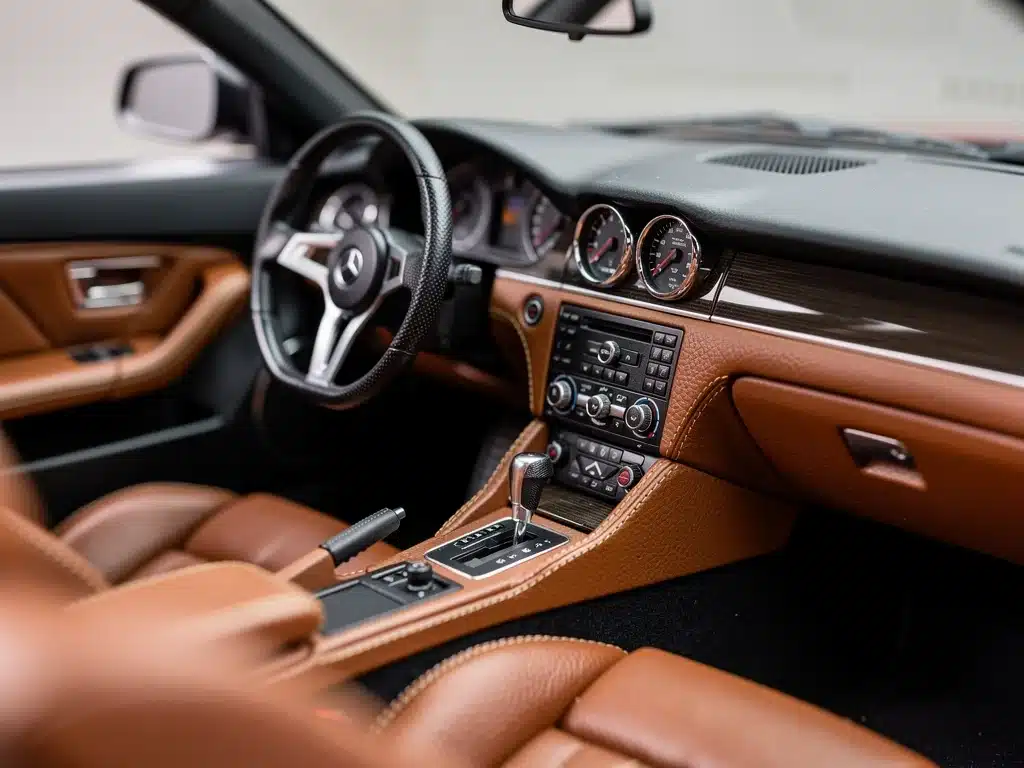
- Micro-texturing: New techniques allow for the replication of textures like brushed aluminum, carbon fiber weave, and even leather grain on miniature surfaces, adding a tactile dimension to the models.
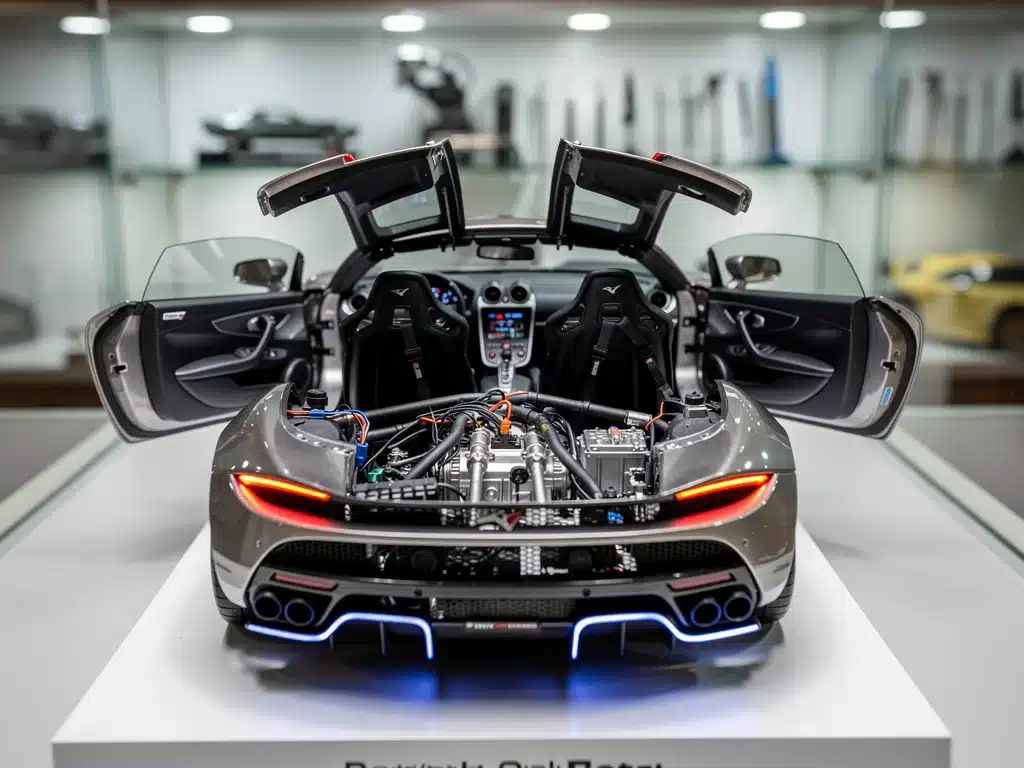
- Functional elements: Expect to see more functional doors, hoods, and trunks that open and close with satisfying precision, revealing intricately detailed engines, spare tires, and cargo areas. Some models even feature working headlights and taillights.
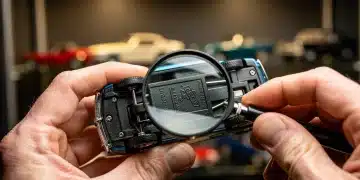
- Realistic badging and decals: Utilizing high-resolution printing and etching, manufacturers are producing badges, emblems, and intricate decals that are virtually indistinguishable from their full-scale counterparts, including accurate fonts and color matching.
The level of detail extends to minute components, such as dashboard instrumentation with legible gauges, miniature seatbelts with realistic buckles, and even tiny floor mats. This obsessive attention to detail transforms a model from a simple replica into a miniature work of art.
Advanced paint and finishing techniques
The paint finish is often the first thing a collector notices, and in 2026, this aspect is undergoing significant refinement.
- Multi-stage paint processes: Replicating automotive paintwork involves multiple layers, including primer, base coat, clear coat, and sometimes even pearl or metallic flakes. Advanced models now feature these complex processes, resulting in deep, lustrous finishes that accurately mimic real car paint.
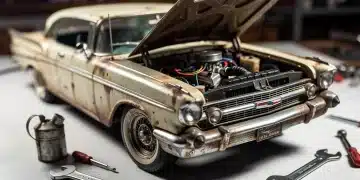
- Weathering and patina options: For collectors who appreciate a more ‘lived-in’ look, some manufacturers are offering factory-applied weathering and patina effects, simulating rust, dirt, and wear with incredible realism.
- Electrostatic flocking: This technique is used to create realistic carpet and upholstery textures for interiors, giving a soft, fuzzy feel that enhances the model’s authenticity.
The commitment to authentic finishes extends to chrome trim, window glass, and tire sidewalls, each receiving specialized treatments to ensure maximum realism. The result is a model that captures the essence and character of the original vehicle with stunning accuracy.
Ultimately, hyper-realistic detailing and authentic finishes are elevating 1:18 scale models to a new echelon of artistry. Collectors can expect to be captivated by the sheer depth of realism presented in these miniature masterpieces, making each piece a true conversation starter.
Smart features and interactive capabilities
The digital age has permeated nearly every aspect of our lives, and 1:18 scale model collecting is no exception. In 2026, a significant trend is the integration of smart features and interactive capabilities, transforming static displays into dynamic, engaging experiences. This technological leap adds a new dimension to how collectors interact with their models.
These innovations move beyond simple moving parts, embracing connectivity and programmable functions. The goal is to provide a more immersive and personalized collecting experience, bridging the gap between physical models and digital interaction.
Integrated smart electronics
Miniaturized electronics are enabling a host of smart features, bringing models to life in unprecedented ways.
- Micro-LED lighting systems: Advanced models now feature sophisticated micro-LED lighting systems for headlights, taillights, interior ambient lighting, and even dashboard illumination, often controllable via a remote or smartphone app.
- Sound modules: Integrated sound modules can replicate realistic engine sounds, horn honks, and even specific vehicle sound signatures, adding an auditory layer to the visual experience.
- Programmable functions: Some high-end models offer programmable functions, such as sequential turn signals, emergency flashing lights, or even automated door opening sequences, enhancing display dynamism.
These electronic integrations are designed to be subtle yet impactful, enhancing the realism without detracting from the model’s aesthetic. The power sources are often discreetly hidden, maintaining the model’s clean lines.
Augmented reality (AR) and digital integration
Beyond the physical model, digital technologies like augmented reality are starting to play a role in enhancing the collecting experience.
- AR companion apps: Smartphone or tablet apps can overlay digital information onto the physical model, showcasing historical data, technical specifications, or even animation of internal components.
- Digital display stands: Some models come with smart display stands that feature integrated screens, displaying complementary information, videos, or custom lighting sequences that react to the model.
- NFC/RFID authentication: To combat counterfeiting and provide digital provenance, models may incorporate NFC or RFID tags, allowing collectors to verify authenticity and access unique digital content linked to their specific model.
These digital integrations offer a richer, more informative experience, allowing collectors to delve deeper into the history and engineering of their favorite vehicles. They also open up new avenues for community interaction and digital collecting.
In essence, smart features and interactive capabilities are ushering in an era where 1:18 scale models are not just static objects but dynamic, engaging pieces of technology. This convergence of craftsmanship and innovation promises to keep collectors captivated for years to come.
The rise of customization and personalization
One of the most exciting developments in 1:18 scale technology for 2026 is the growing emphasis on customization and personalization. Collectors are no longer content with off-the-shelf replicas; they crave models that reflect their unique tastes, preferences, and even their own automotive dreams. Manufacturers and aftermarket specialists are responding with an array of options.
This trend is fueled by advanced manufacturing techniques that make bespoke modifications more accessible and by a community eager to express individuality through their collections. The ability to create a truly one-of-a-kind piece is becoming a significant draw.
Modular designs and interchangeable parts
Manufacturers are designing models with modularity in mind, allowing collectors to easily swap out components.
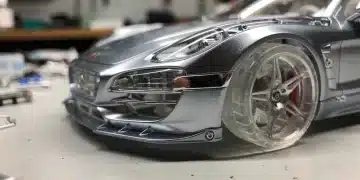
- Interchangeable wheels and tires: A common desire among collectors is to change wheels. New designs feature magnetic or quick-release wheel assemblies, allowing for easy customization with different rim styles and tire types.
- Swappable body kits: For certain popular models, manufacturers are offering optional body kits, spoilers, or aerodynamic elements that can be easily attached or removed, transforming the look of the vehicle.
- Configurable interiors: Some models provide options for changing interior colors, seat styles, or even dashboard layouts, offering a personalized touch to the cabin.
This modular approach empowers collectors to become designers, allowing them to experiment with different configurations and create their ideal version of a vehicle. It adds an element of playability and long-term engagement to the hobby.
Bespoke services and 3D printing for custom parts
For those seeking a truly unique model, bespoke services and personal 3D printing are becoming increasingly viable.
- Custom paint and livery: Specialized services offer custom paint jobs, replicating specific race liveries, personal designs, or even matching the paint of a collector’s real car.
- 3D-printed custom components: With accessible 3D printing technology, collectors can design and print their own unique parts, such as custom exhaust tips, specialized engine components, or personalized interior accessories.
- Limited edition bespoke models: Some high-end manufacturers are offering ultra-limited production runs where buyers can specify unique configurations, colors, and even interior materials, creating a truly exclusive collectible.
The rise of customization and personalization signifies a shift towards a more interactive and individualistic collecting experience. Collectors are no longer just acquiring models; they are curating and creating unique pieces that tell their own story.
Sustainability and ethical production in focus
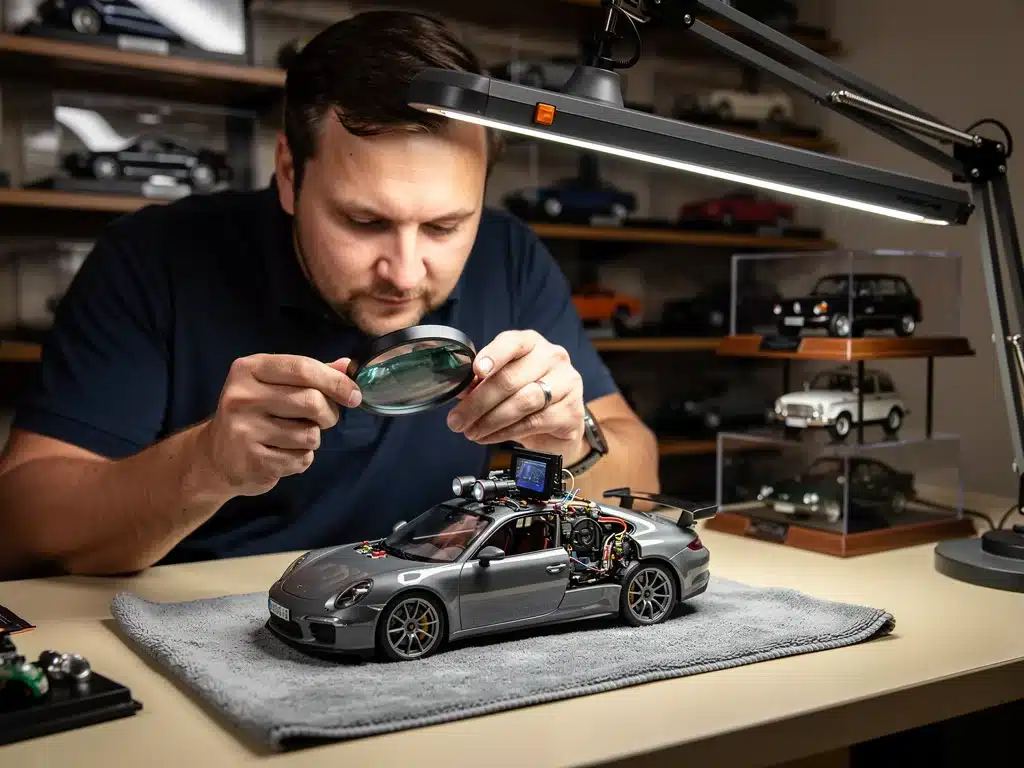
As global awareness of environmental and social responsibility grows, the 1:18 scale model industry is also embracing sustainability and ethical production practices. In 2026, collectors are increasingly looking for brands that align with these values, making sustainable manufacturing a key differentiator. This shift reflects a broader consumer trend towards conscious consumption.
Manufacturers are re-evaluating their entire supply chain, from raw material sourcing to packaging, to minimize environmental impact and ensure fair labor practices. This commitment to sustainability is becoming an integral part of brand identity.
Eco-friendly materials and processes
The adoption of eco-friendly materials and manufacturing processes is paramount for sustainable production.
- Recycled content: Increased use of recycled plastics and metals in model components, reducing the demand for virgin resources and diverting waste from landfills.
- Water-based paints and coatings: Shifting from solvent-based to water-based paints and coatings significantly reduces volatile organic compound (VOC) emissions, contributing to cleaner air.
- Energy-efficient manufacturing: Factories are implementing more energy-efficient machinery and renewable energy sources to reduce their carbon footprint during production.
These changes are not just about compliance; they represent a genuine effort to minimize the ecological impact of producing these intricate models. Manufacturers are actively seeking innovative solutions to make their products greener.
Ethical sourcing and labor practices
Beyond environmental concerns, ethical considerations in sourcing and labor are gaining prominence.
- Transparent supply chains: Brands are working towards greater transparency in their supply chains, ensuring that raw materials are sourced responsibly and without exploitation.
- Fair labor standards: Manufacturers are committed to upholding fair labor practices, including safe working conditions, fair wages, and reasonable working hours for all employees involved in the production process.
- Reduced waste and circular economy initiatives: Efforts are being made to minimize waste throughout the production cycle, and some companies are even exploring circular economy models where materials are reused or recycled at the end of a product’s life.
The focus on sustainability and ethical production not only benefits the planet and its people but also enhances the perceived value and desirability of the models for conscious collectors. It’s a move towards a more responsible and future-proof industry.
In conclusion, sustainability and ethical production are no longer optional but essential facets of 1:18 scale model manufacturing in 2026. Collectors can proudly display models that represent not only automotive artistry but also a commitment to a better world.
The future of display and preservation
As 1:18 scale models become increasingly sophisticated and valuable, the methods for their display and preservation are also evolving. In 2026, collectors are looking for innovative solutions that not only showcase their prized possessions but also protect them from environmental factors and enhance their longevity. The display experience is becoming an integral part of the collecting journey.
This includes advancements in display cases, environmental controls, and even digital archiving, ensuring that these miniature works of art can be admired and maintained for generations to come. The emphasis is on both aesthetics and archival quality.
Advanced display cases and environmental control
Modern display solutions offer superior protection and presentation for 1:18 scale models.
- UV-protective acrylic and glass: New display cases feature materials specifically designed to block harmful UV rays, preventing paint fading and material degradation over time.
- Integrated climate control: High-end display cabinets now incorporate subtle climate control systems, maintaining optimal temperature and humidity levels to prevent material expansion, contraction, or mold growth.
- Dynamic lighting systems: Display cases with integrated, programmable LED lighting allow collectors to highlight specific details of their models, create ambient effects, or even cycle through different lighting scenarios.
These sophisticated display solutions transform a simple shelf into a museum-quality exhibit, ensuring that models are not only protected but also presented in the best possible light. The technology is discreetly integrated, maintaining a clean aesthetic.
Digital archiving and provenance
Beyond physical preservation, digital tools are emerging to document and authenticate collections.
- Blockchain-based provenance: For high-value or limited-edition models, blockchain technology is being explored to create immutable records of ownership, authenticity, and transaction history, adding a layer of trust and security for collectors.
- High-resolution 3D scanning: Collectors can create detailed 3D digital twins of their models, serving as a permanent record of their condition and configuration, useful for insurance or future reference.
- Cloud-based collection management: Advanced software and apps allow collectors to catalog their entire collection, track market values, and share their passion with a global community, all from their digital devices.
Digital archiving and provenance provide peace of mind and enhance the long-term value of a collection. They offer a modern approach to managing and protecting investments in 1:18 scale models, ensuring their legacy endures.
In conclusion, the future of display and preservation for 1:18 scale models is characterized by advanced protection, dynamic presentation, and robust digital documentation. Collectors can confidently invest in their passion, knowing their pieces are safeguarded and celebrated.
Community and virtual collecting experiences
The world of 1:18 scale model collecting is inherently social, and in 2026, technology is amplifying this communal aspect. Beyond physical gatherings, virtual platforms are creating new avenues for collectors to connect, share, and even experience their passion in digital realms. This trend reflects the broader integration of digital communities into traditional hobbies.
These virtual experiences are not replacing physical collecting but rather enhancing it, providing complementary ways to engage with models, learn from peers, and discover new aspects of the hobby. The digital space offers unprecedented reach and interactivity.
Enhanced online communities and forums
Online platforms continue to be central hubs for collectors, but with enhanced features.
- Interactive 3D model sharing: Collectors can share high-resolution 3D scans of their custom models, allowing others to explore every detail virtually, fostering inspiration and collaboration.
- Virtual meetups and conventions: Beyond simple video calls, specialized virtual environments are hosting model shows, Q&A sessions with manufacturers, and trading events, bringing the community together regardless of geographical location.
- Collaborative customization platforms: Online tools are emerging that allow multiple collectors to collaborate on virtual custom designs, sharing ideas and expertise before committing to physical modifications.
These advanced online communities provide a vibrant ecosystem for knowledge exchange, networking, and celebrating shared passions. They lower barriers to entry and allow for a more inclusive collecting environment.
Metaverse integration and NFT models
The emerging metaverse and non-fungible token (NFT) technologies are also making their way into the collecting space, albeit in nascent forms.
- Virtual showrooms: Collectors can create personalized virtual showrooms in the metaverse, displaying digital representations of their physical models or even exclusive NFT models in a fully immersive 3D environment.
- Digital twins and NFTs: Some physical 1:18 scale models may come with a corresponding NFT, serving as a digital certificate of authenticity and ownership, and potentially granting access to exclusive digital content or metaverse experiences.
- Gaming integrations: Digital versions of popular 1:18 models could be integrated into racing or simulation games, allowing collectors to ‘drive’ their favorite miniatures in a virtual world.
While still in their early stages, metaverse integration and NFT models represent a futuristic frontier for collecting, offering new ways to own, display, and interact with miniature vehicles. They blend the tangible with the digital, creating novel value propositions.
In conclusion, community and virtual collecting experiences are expanding the horizons of 1:18 scale model enthusiasts. From enhanced online forums to nascent metaverse integrations, technology is fostering deeper connections and offering exciting new ways to engage with this beloved hobby.
Challenges and the road ahead for 1:18 scale technology
While the advancements in 1:18 scale technology for 2026 are undeniably exciting, the industry also faces several challenges. Navigating these obstacles will be crucial for sustained growth and innovation. Manufacturers are constantly balancing the desire for cutting-edge features with the realities of production costs, market demand, and technological integration complexities.
The road ahead involves addressing issues such as cost accessibility, ensuring broad adoption of new technologies, and maintaining the artisanal craftsmanship that defines the hobby, even as automation increases. It’s a delicate balance between tradition and progress.
Cost of innovation and market accessibility
The primary challenge for many of these advanced technologies is the associated cost, which can impact market accessibility.
- Higher production expenses: Advanced materials, precision manufacturing, and integrated electronics inevitably lead to higher production costs, which are then passed on to the consumer.
- Niche market appeal: While high-end collectors may embrace these premium features, a significant portion of the market prefers more affordable models, requiring manufacturers to balance innovation with cost-effectiveness.
- Technological obsolescence: Rapid advancements in electronics mean that integrated smart features could become outdated quickly, posing a challenge for long-term value and collectibility.
Manufacturers must find ways to scale these innovations or offer tiered product lines to cater to different segments of the collecting community. Making cutting-edge technology accessible to a wider audience is key to its success.
Integration complexities and skill gaps
Integrating multiple new technologies into a single miniature product presents its own set of difficulties.
- Miniaturization challenges: Fitting sophisticated electronics and mechanical systems into a 1:18 scale chassis requires extreme precision engineering and innovative design solutions.
- Cross-disciplinary expertise: Developing these models requires a blend of traditional model-making skills with expertise in electronics, software, and advanced materials science, creating potential skill gaps in the workforce.
- Quality control: Ensuring consistent quality across highly complex models with numerous components and integrated systems becomes more challenging, requiring robust quality assurance processes.
Addressing these integration complexities and developing a skilled workforce capable of working across these diverse disciplines will be vital for the continued evolution of 1:18 scale technology. Training and collaboration will play significant roles.
In conclusion, while the future of 1:18 scale technology in 2026 is bright with innovation, manufacturers must strategically navigate challenges related to cost, accessibility, and complex integration. Overcoming these hurdles will ensure that the hobby continues to thrive and captivate a growing audience of collectors.
| Key Innovation | Impact on Collectors |
|---|---|
| Advanced Materials | Increased realism, durability, and sustainability in models. |
| Smart Features | Interactive lighting, sounds, and app control for dynamic displays. |
| Customization Options | Personalized models through modular designs and bespoke services. |
| Sustainable Production | Ethically produced models with eco-friendly materials and processes. |
Frequently asked questions about 1:18 scale technology in 2026
The most significant material advancements include the integration of carbon fiber composites for enhanced strength and realism, along with bio-plastics and recycled alloys. These materials contribute to both the durability and sustainability of the models, meeting collector demands for high quality and environmental responsibility in 2026.
Smart features like micro-LED lighting, integrated sound modules, and smartphone app control are creating dynamic and interactive displays. These technologies bring models to life with realistic effects, offering a more immersive and engaging experience for collectors, moving beyond static presentations in 2026.
Yes, customization is a major trend. Manufacturers are introducing modular designs with interchangeable parts like wheels and body kits. Additionally, bespoke services and accessible 3D printing for custom components allow collectors to personalize their models, creating unique pieces that reflect individual preferences in 2026.
Sustainability is becoming crucial, with a focus on eco-friendly materials such as recycled plastics and water-based paints. Ethical sourcing and fair labor practices are also paramount. This commitment to responsible production enhances brand value and appeals to environmentally conscious collectors in 2026.
Advanced display cases with UV protection and climate control are emerging for physical preservation. Digitally, blockchain-based provenance and 3D scanning offer secure records of authenticity and condition. These methods ensure models are protected and their value maintained for future generations of collectors in 2026.
Conclusion
The landscape of 1:18 scale model collecting in 2026 is undergoing a profound transformation, driven by relentless innovation across various fronts. From groundbreaking materials and precision manufacturing to smart interactive features and a strong emphasis on sustainability, the industry is setting new benchmarks for realism and engagement. Collectors can anticipate models that are not only visually stunning but also technologically advanced, ethically produced, and highly customizable. While challenges such as cost and integration complexities remain, the trajectory points towards an incredibly exciting future where miniature automotive art continues to evolve, offering richer, more immersive experiences for enthusiasts worldwide. The passion for these meticulously crafted replicas is stronger than ever, fueled by the ingenuity of modern technology.