Haptic Feedback Systems in Car Controls: Boosting Safety by 10% in 2026
Advertisements
Haptic feedback systems in car controls are poised to significantly enhance driver safety, with projections indicating a 10% improvement by 2026 through intuitive tactile alerts that augment situational awareness and reduce reaction times.
Imagine driving, and your car doesn’t just warn you visually or audibly of potential dangers, but you feel them – a subtle vibration in the steering wheel, a gentle push on the accelerator pedal. This isn’t science fiction; it’s the rapidly advancing world of haptic feedback systems in car controls: improving driver safety by 10% in 2026. As vehicles become more sophisticated, the integration of tactile cues is emerging as a critical component in the pursuit of safer roads, promising a significant reduction in accidents and a more intuitive driving experience.
Advertisements
The Dawn of Tactile Intelligence in Automotive Safety
The automotive industry has consistently pushed the boundaries of safety, evolving from basic seatbelts to advanced driver-assistance systems (ADAS). However, the next frontier lies in leveraging our sense of touch to provide crucial, real-time information to drivers. Haptic feedback, derived from the Greek word ‘haptesthai’ meaning ‘to touch,’ translates complex data into intuitive physical sensations.
This technology goes beyond simple vibrations; it encompasses a range of tactile effects that can convey direction, urgency, and even the nature of a potential hazard without demanding visual or auditory attention away from the road. The goal is to create a seamless, multi-sensory communication channel between the vehicle and the driver, ultimately enhancing situational awareness and reducing cognitive load.
Understanding Haptic Feedback Mechanisms
Haptic feedback systems employ a variety of actuators to generate tactile sensations. These small devices can be integrated into various parts of the vehicle’s interior, transforming digital signals into physical movements or vibrations that the driver can feel. The precision and responsiveness of these mechanisms are paramount for effective communication.
- Vibration Motors: Common in smartphones, these provide general alerts or warnings.
- Piezoelectric Actuators: Offer precise, high-frequency vibrations for nuanced feedback.
- Voice Coil Motors: Deliver stronger, more distinct tactile sensations, often used in steering wheels.
- Electroactive Polymers: Emerging materials that can change shape and stiffness, offering more complex haptic effects.
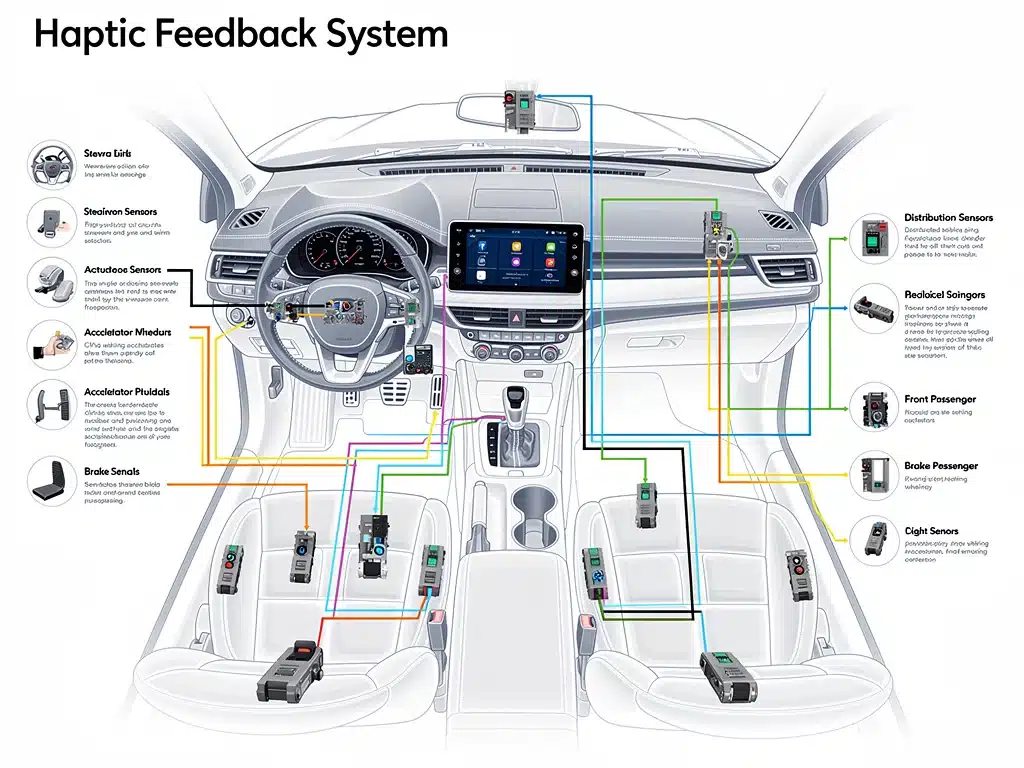
The strategic placement of these actuators is as important as their capability. A vibration in the steering wheel might indicate lane departure, while a pulse in the accelerator pedal could warn of an impending collision or suggest easing off the gas. This localized feedback allows drivers to quickly identify the source and nature of a threat, leading to faster and more appropriate responses.
Enhancing Driver Awareness and Reaction Times
One of the primary benefits of haptic feedback is its ability to cut through the noise and distractions of the driving environment. Visual alerts can be missed in peripheral vision, and auditory warnings can be drowned out by music or conversation. Tactile feedback, however, provides an undeniable physical cue that is difficult to ignore.
By engaging the sense of touch, haptic systems can deliver information directly to the driver’s body, often faster than visual or auditory processing. This immediate, intuitive communication helps drivers to react more quickly to sudden changes in road conditions, traffic, or vehicle behavior. Research suggests that these systems can reduce reaction times by milliseconds, which can be critical in preventing accidents.
Reducing Cognitive Load
Modern vehicles are increasingly equipped with a multitude of information displays and warning signals. While intended to improve safety, this can sometimes lead to cognitive overload, where drivers are bombarded with too much information, making it harder to prioritize and respond effectively. Haptic feedback offers a way to deliver critical information without adding to the visual or auditory clutter.
- Intuitive Warnings: Tactile cues are often more instinctively understood than abstract visual symbols or generic beeps.
- Focused Attention: Allows drivers to keep their eyes on the road and ears open for essential environmental sounds.
- Personalized Feedback: Future systems could potentially adapt haptic feedback intensity and patterns to individual driver preferences and driving styles.
The subtle nature of haptic alerts means they can provide continuous, background information, such as lane keeping assistance or blind spot monitoring, without being intrusive. This allows drivers to maintain a higher level of awareness without feeling overwhelmed, leading to a more relaxed and safer driving experience.
Applications Across Vehicle Controls
The versatility of haptic feedback allows for its integration into various car controls, each designed to address specific safety challenges. From the steering wheel to the accelerator pedal, and even the seats, these systems are transforming how drivers interact with their vehicles and the road.
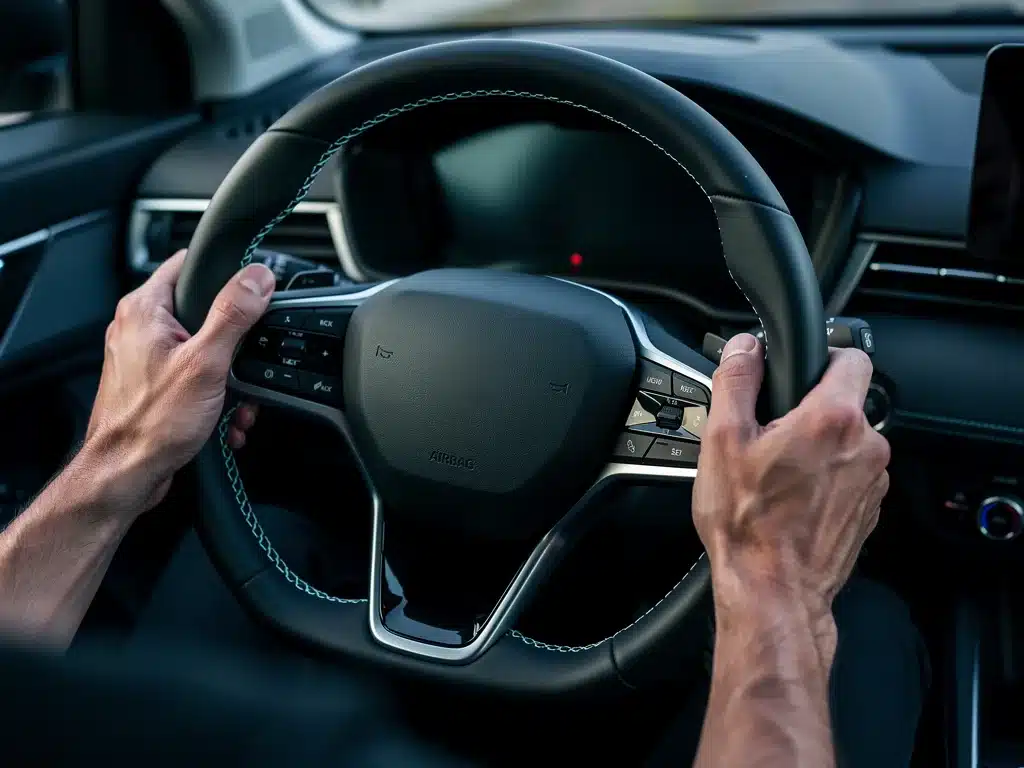
The steering wheel is a natural focal point for haptic integration due to its constant interaction with the driver’s hands. Vibrations or resistance changes can signal lane departure warnings, impending collisions, or even guide the driver during parking maneuvers. Similarly, haptic feedback in the accelerator pedal can warn of excessive speed, proximity to other vehicles, or suggest optimal fuel efficiency.
Beyond the Steering Wheel and Pedals
While steering wheels and pedals are common applications, the potential for haptic feedback extends much further within the vehicle cabin. Designers are exploring how to leverage tactile cues in other areas to create a more immersive and informative driving experience.
- Seats: Vibrations in the seat can indicate blind spot warnings, alerting the driver to vehicles approaching from the left or right.
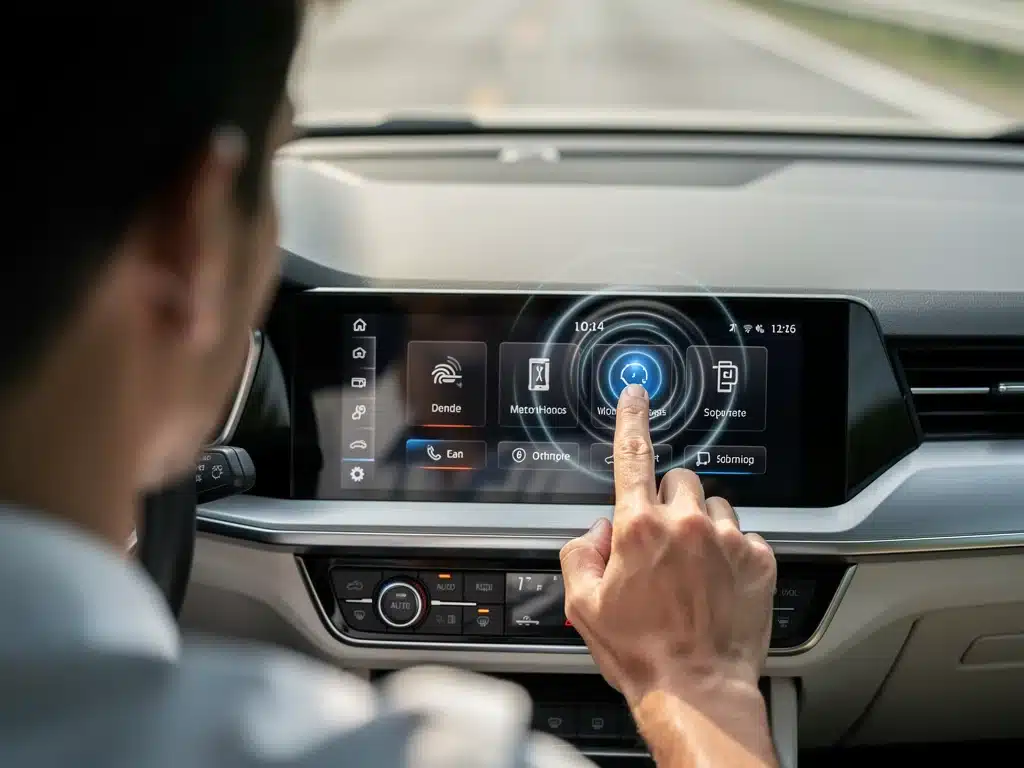
- Infotainment Systems: Tactile feedback on touchscreens can confirm selections or provide directional guidance without requiring visual confirmation, reducing distraction.
- Gear Shifters: Haptic cues can confirm gear changes or warn of incorrect selections.
The integration of haptics across multiple control surfaces creates a cohesive safety network, where different types of feedback can be combined to provide a comprehensive understanding of the vehicle’s environment. This multi-modal approach ensures that critical information is conveyed effectively, regardless of the driving conditions or the driver’s current focus.
Real-World Impact and Projected Safety Improvements
The implementation of haptic feedback systems is not merely a theoretical enhancement; it is already demonstrating tangible benefits in real-world scenarios. Early adopters of this technology have reported improved driver confidence and a noticeable reduction in near-miss incidents. The projection of a 10% improvement in driver safety by 2026 is ambitious but grounded in the proven effectiveness of these intuitive warning systems.
This improvement stems from several factors: faster reaction times to hazards, reduced driver distraction due to less reliance on visual and auditory alerts, and an overall increase in driver awareness. As these systems become more sophisticated and widely adopted, their collective impact on road safety is expected to grow exponentially. Automakers are investing heavily in research and development to refine haptic interfaces, making them even more intuitive and effective.
Case Studies and Pilot Programs
Numerous studies and pilot programs have underscored the efficacy of haptic feedback in various driving situations. For instance, testing of lane departure warning systems with haptic steering wheel feedback showed a significant reduction in unintentional lane crossings compared to systems relying solely on visual or auditory alerts. Similarly, haptic accelerator pedals have been shown to help drivers maintain safer following distances and avoid sudden braking.
One notable study in a simulated environment demonstrated that drivers equipped with haptic feedback systems in their seats for blind spot detection responded to warnings an average of 0.5 seconds faster than those with only visual indicators. While half a second may seem minor, at highway speeds, it can translate to several car lengths, making the difference between a close call and a serious collision. These empirical results provide a strong foundation for the projected safety improvements.
Challenges and Future Developments
While the promise of haptic feedback in automotive safety is immense, its widespread adoption and optimization come with certain challenges. The primary hurdles include cost, standardization across manufacturers, and ensuring that the feedback is consistently intuitive and non-distracting for all drivers. Developing a universal language of haptic cues that is easily understood by everyone, regardless of their driving experience or cultural background, is crucial.
Another challenge lies in the integration of these systems with the ever-increasing array of ADAS technologies. Ensuring that haptic feedback complements rather than competes with other warnings requires careful design and calibration. However, ongoing research and development are actively addressing these issues, paving the way for more sophisticated and seamlessly integrated systems.
The Road Ahead for Haptic Innovation
The future of haptic feedback in car controls is bright, with several exciting developments on the horizon. Researchers are exploring advanced haptic effects that can convey more complex information, such as the texture of the road surface or the grip level of tires. This could provide drivers with an unprecedented level of real-time sensory data, further enhancing their connection to the vehicle and the road.
- Personalized Haptics: Systems that adapt feedback intensity and patterns based on driver preferences, stress levels, or even fatigue.
- Predictive Haptics: Anticipating potential hazards and providing pre-emptive tactile warnings before a situation becomes critical.
- Augmented Reality Integration: Combining haptic feedback with visual augmented reality displays to create a truly immersive and informative driving experience.
- Standardization Efforts: Industry collaborations aimed at establishing common haptic language and protocols for broader adoption.
As autonomous driving technologies evolve, haptic feedback will also play a crucial role in the transition, providing drivers with crucial cues when they need to regain control or take over from the automated system. This ensures a smooth and safe handover, bridging the gap between human and machine control. The continuous evolution of haptic technology promises to make our vehicles not just smarter, but profoundly safer and more intuitive to operate.
The Economic and Societal Impact of Enhanced Safety
The projected 10% improvement in driver safety by 2026 due to haptic feedback systems carries significant economic and societal implications. Beyond the immeasurable value of lives saved and injuries prevented, there are substantial financial benefits associated with a reduction in accidents. These include lower healthcare costs, decreased insurance premiums, and reduced property damage. The efficiency gains from fewer traffic delays caused by accidents also contribute to a more productive economy.
From a societal perspective, safer roads lead to greater peace of mind for individuals and communities. The psychological burden of accident risk is lessened, fostering a more positive perception of driving and automotive technology. Furthermore, the development and implementation of these advanced safety systems stimulate innovation within the automotive sector, creating new jobs and driving technological progress. The widespread adoption of haptic feedback will undoubtedly contribute to a future where driving is not only more enjoyable but also significantly safer for everyone.
Quantifiable Benefits and Future Projections
The economic impact of traffic accidents is staggering, encompassing medical expenses, lost productivity, legal costs, and property damage. A 10% reduction in accidents translates to billions of dollars saved annually, freeing up resources that can be reallocated to other societal needs. Insurance companies are keenly interested in these advancements, as fewer claims directly impact their bottom line, potentially leading to more affordable premiums for consumers.
- Reduced Healthcare Costs: Fewer severe injuries mean lower emergency room visits, hospital stays, and long-term care expenses.
- Lower Insurance Premiums: A decrease in claims and associated payouts will likely result in more favorable insurance rates.
- Increased Productivity: Less time lost due to accident-related traffic congestion and injuries.
- Enhanced Public Safety: A general improvement in road safety fosters a more secure environment for all road users, including pedestrians and cyclists.
As the technology matures and becomes more integrated into standard vehicle features, the initial investment costs are expected to decrease, making these safety benefits accessible to a broader range of consumers. The long-term societal return on investment for haptic feedback systems in automotive safety is poised to be substantial, creating a virtuous cycle of innovation, safety, and economic prosperity.
| Key Aspect | Brief Description |
|---|---|
| Safety Improvement Goal | Targeting a 10% reduction in accidents by 2026 through haptic integration. |
| Core Benefit | Enhances driver awareness and reduces reaction times through tactile alerts. |
| Key Applications | Integrated into steering wheels, pedals, seats, and infotainment systems. |
| Future Outlook | Toward personalized, predictive haptics and autonomous driving integration. |
Frequently Asked Questions About Haptic Feedback in Cars
Haptic feedback in car controls refers to technology that communicates information to the driver through the sense of touch. This typically involves vibrations or physical sensations in components like the steering wheel, pedals, or seats, providing intuitive alerts for various driving situations.
Haptic feedback enhances driver safety by providing immediate and undeniable physical cues that cut through visual and auditory distractions. This leads to faster reaction times to potential hazards, improved situational awareness, and a reduced cognitive load on the driver.
Haptic feedback systems are commonly integrated into the steering wheel for lane departure warnings, the accelerator pedal for collision alerts, and the driver’s seat for blind spot detection. They can also be found in infotainment systems for tactile confirmation.
Experts project that widespread adoption and refinement of haptic feedback systems in car controls could lead to a 10% improvement in overall driver safety by 2026. This is due to enhanced driver responsiveness and reduced accident rates.
Key challenges include ensuring cost-effectiveness for mass production, standardizing haptic cues across different manufacturers, and seamlessly integrating these systems with existing advanced driver-assistance technologies to avoid overwhelming the driver with conflicting information.
Conclusion
The journey towards safer roads is a continuous one, and haptic feedback systems in car controls: improving driver safety by 10% in 2026 represents a pivotal leap forward. By engaging the often-underutilized sense of touch, these innovative systems offer a powerful and intuitive means of communication between vehicle and driver. The projected improvements in accident reduction and enhanced driver awareness underscore the transformative potential of haptic technology. As research continues and integration becomes more sophisticated, we can anticipate a future where driving is not only more connected but fundamentally safer for everyone on the road, paving the way for a more secure and efficient automotive landscape.