Preserving Scale Models: 6 Essential Steps for Lasting Value
Advertisements
Effective scale model preservation is crucial for collectors aiming to maintain the aesthetic and financial value of their investments, requiring diligent attention to environmental control, proper handling, and strategic display methods through 2026 and beyond.
For enthusiasts and serious collectors alike, a scale model is more than just a miniature replica; it’s a piece of art, a historical artifact, and often a significant financial investment. Ensuring the longevity and pristine condition of these cherished items is paramount. This guide outlines 6 essential steps for scale model preservation, offering practical advice to protect your collection through 2026 and well into the future, safeguarding both its aesthetic appeal and its potential value.
Advertisements
Understanding environmental threats to your models
Environmental factors are often the silent destroyers of scale models. Many collectors underestimate the pervasive impact of seemingly innocuous elements like dust, sunlight, and humidity. These elements, over time, can lead to irreversible damage, diminishing the model’s appearance and structural integrity.
Recognizing these threats is the first step in formulating an effective preservation strategy. Without proper environmental control, even the most carefully constructed and displayed models are at risk. It’s a continuous battle against the forces of nature and everyday household conditions.
The insidious nature of dust accumulation
Dust, composed of skin flakes, fabric fibers, and microscopic particles, is a constant presence in any indoor environment. When it settles on scale models, it not only obscures their intricate details but can also become abrasive if wiped incorrectly, leading to micro-scratches on delicate surfaces. Over long periods, dust can also chemically react with certain materials, causing discoloration or degradation.
- Dust acts as an abrasive, causing minor scratches during cleaning.
- It can accumulate in crevices, making removal difficult and potentially damaging.
- Organic components in dust may attract pests over time.
The damaging effects of UV radiation and light exposure
Ultraviolet (UV) radiation, primarily from direct sunlight but also present in some artificial lighting, is a major culprit in fading paint, yellowing plastics, and embrittling decals. Even indirect sunlight can cause significant damage over months and years. Visible light, while less damaging than UV, can also contribute to color degradation over extended periods.
Proper lighting is essential for display, but it must be balanced with preservation needs. Collectors must consider both the intensity and spectrum of light their models are exposed to, opting for solutions that minimize harmful radiation while still allowing for appreciation of the collection.
Humidity and temperature fluctuations: invisible enemies
Extreme or fluctuating humidity levels can wreak havoc on scale models. High humidity can lead to mold growth, corrosion of metal parts, and warping of plastic or wooden components. Low humidity can cause materials to become brittle and crack. Similarly, rapid temperature changes can stress materials, leading to expansion and contraction that compromise structural integrity and paint adhesion.
Maintaining a stable environment is key. This involves more than just avoiding direct heat sources or damp areas; it requires a consistent approach to climate control within the display area. Understanding the ideal range for your specific model materials is crucial for effective long-term preservation.
In conclusion, a proactive approach to environmental control is non-negotiable for serious collectors. By identifying and mitigating the risks posed by dust, light, and climate, you lay the foundation for successful scale model preservation, ensuring your cherished pieces remain in impeccable condition for years to come.
Mastering proper handling and cleaning techniques
Even in the most controlled environments, models occasionally require handling for cleaning, repositioning, or inspection. Improper handling is a leading cause of accidental damage, from broken antennas to chipped paint. Developing a careful, methodical approach to touching and cleaning your models is just as vital as environmental control.
The delicate nature of scale models demands specialized tools and techniques. Rushing or using abrasive materials can inflict irreparable harm, undermining all other preservation efforts. Collectors must equip themselves with the right knowledge and implements to ensure their models are treated with the respect they deserve.
The art of careful handling
Before touching any model, ensure your hands are clean and dry. Oils, dirt, and lotions from your skin can transfer to the model’s surface, attracting dust or causing discoloration over time. Whenever possible, wear lint-free cotton gloves to minimize direct contact.
- Always hold models by their sturdy bases or main body sections.
- Avoid gripping delicate parts like mirrors, wings, or antennae.
- Use both hands when lifting larger or heavier models to distribute weight evenly.
Essential tools for safe cleaning
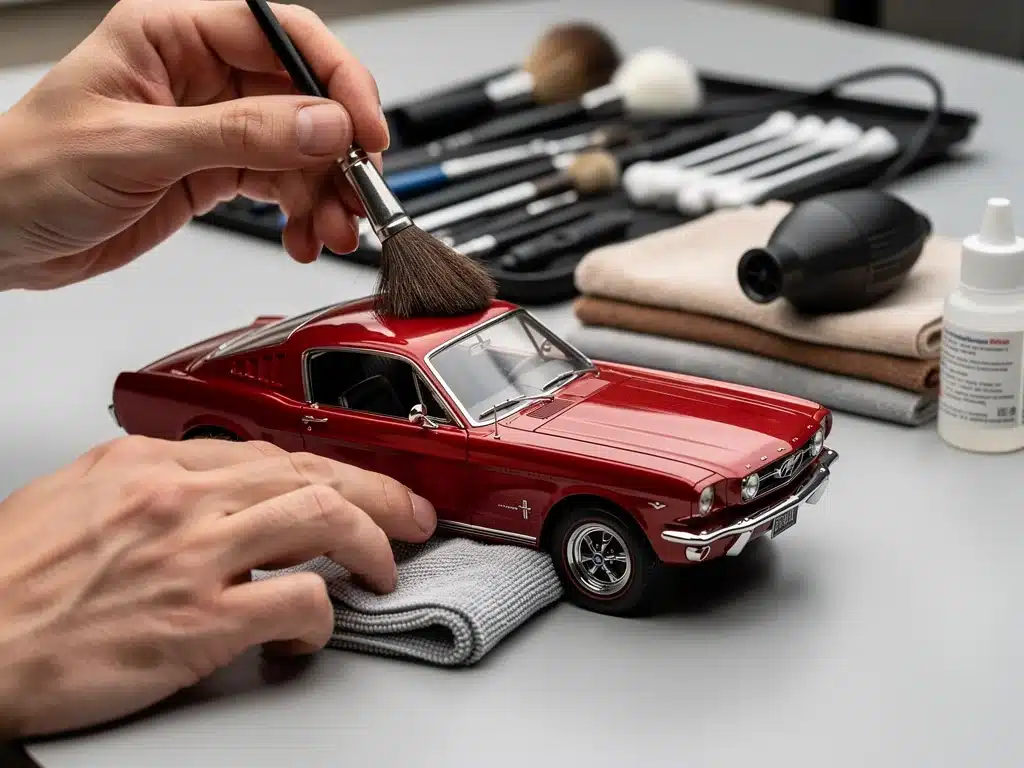
For dusting, invest in high-quality, soft-bristled brushes, such as those used for cosmetics or art restoration. Canned air, used sparingly and from a safe distance, can dislodge dust from hard-to-reach areas, but ensure it’s held upright to prevent propellant discharge. For more stubborn grime, a slightly damp microfiber cloth can be used, but always test on an inconspicuous area first.

Step-by-step cleaning process
Begin by gently blowing away loose dust with canned air or a soft brush. Work from top to bottom, allowing gravity to assist. For more embedded dust, use a very lightly dampened microfiber cloth. Ensure the cloth is barely moist, not wet, and avoid harsh rubbing. For intricate details, cotton swabs can be lightly dampened with distilled water.
Never use household cleaning products, abrasive cloths, or chemical solvents, as these can damage paint, decals, and plastics. After cleaning, allow the model to air dry completely before returning it to its display. Consistent, gentle cleaning prevents the buildup that necessitates more aggressive, potentially damaging, methods.
By adhering to these proper handling and cleaning techniques, collectors significantly reduce the risk of accidental damage and ensure their models retain their original luster. These practices are fundamental to effective scale model preservation and should be integrated into every collector’s routine.
Selecting the ideal display and storage solutions
The way you display and store your scale models plays a critical role in their long-term preservation. A well-chosen display solution not only enhances the aesthetic appeal of your collection but also provides a crucial barrier against environmental threats. Conversely, inadequate storage can expose models to accelerated degradation, negating other preservation efforts.
Collectors should view display and storage as active protective measures, not merely aesthetic choices. Investing in appropriate solutions is an investment in the longevity and value of your collection. The market offers a variety of options, each with its own advantages and considerations.
Display cases: your first line of defense
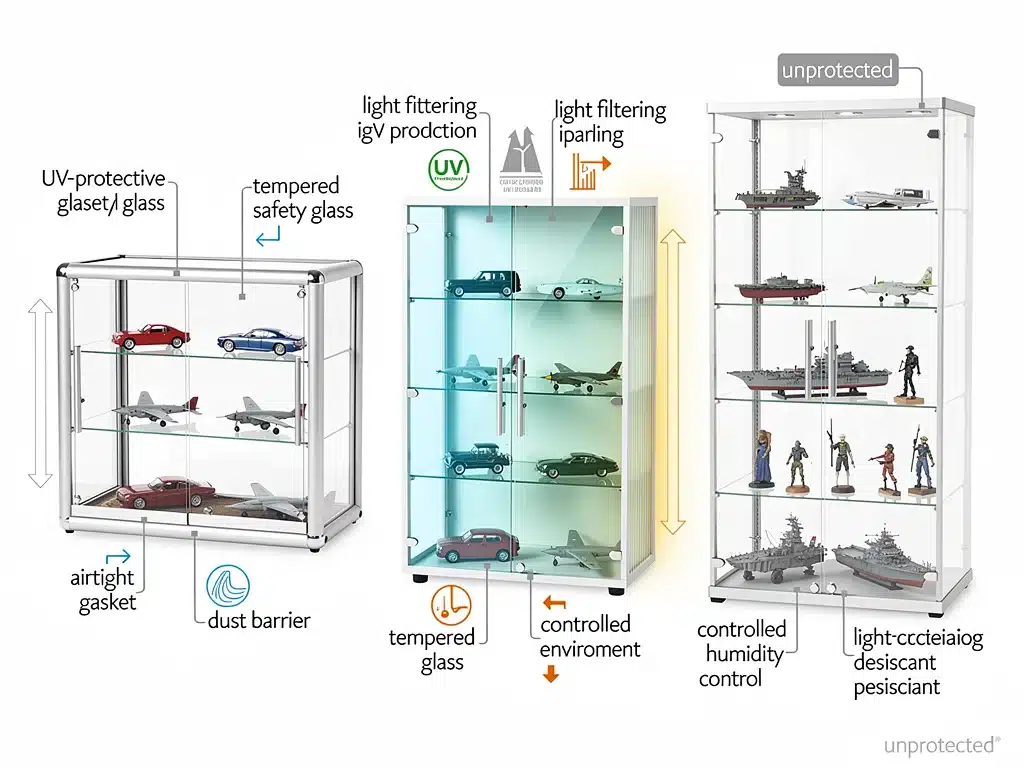
High-quality display cases are essential for protecting models from dust, accidental bumps, and curious hands. Look for cases made from UV-filtering acrylic or glass to minimize light damage. Airtight seals are a bonus, helping to regulate humidity and prevent dust ingress. Materials matter; avoid cases made from wood products that off-gas harmful chemicals, which can damage plastics and paint over time.
- UV-filtering materials (acrylic or glass) are crucial.
- Airtight or nearly airtight seals enhance protection.
- Ensure materials are archival safe and non-reactive.
Shelving and cabinet considerations
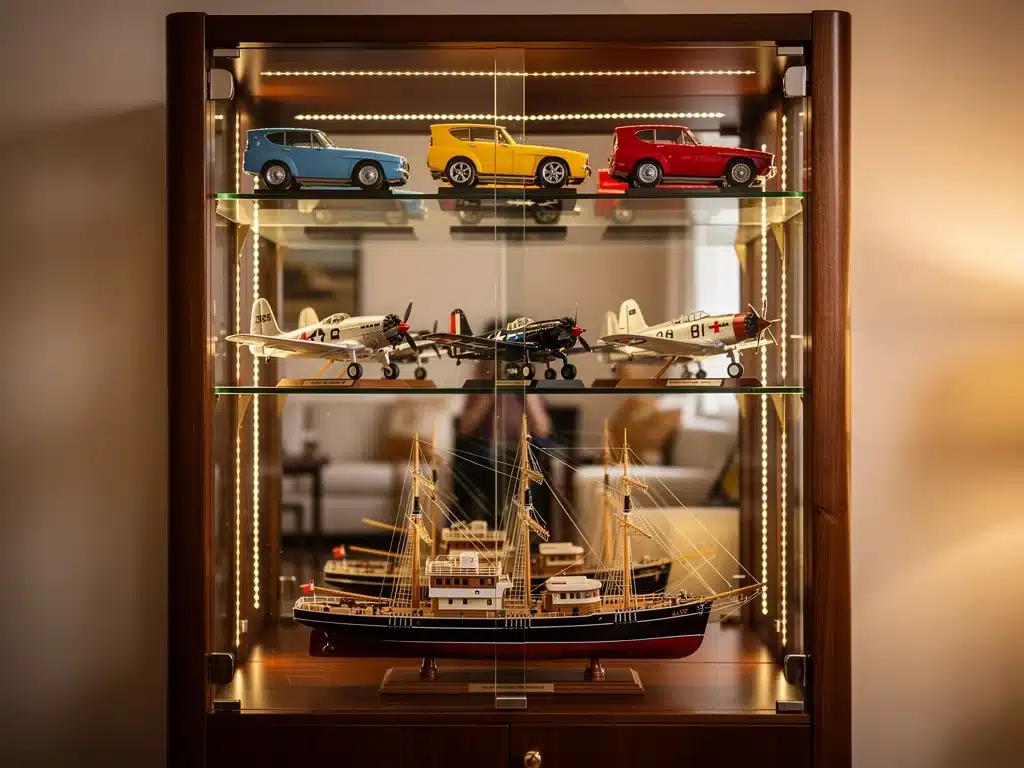
If enclosed cases aren’t feasible for your entire collection, opt for closed shelving units with glass doors. This provides a good balance between display and protection. For open shelving, consider placing models within individual clear acrylic boxes. Avoid placing models on shelves near windows, heating vents, or external walls where temperature and humidity fluctuations are most pronounced.
Long-term storage practices
For models not on display, proper storage is paramount. Original packaging, if well-designed, can offer good protection. If not, use archival-safe containers, ideally acid-free boxes or plastic bins. Wrap models individually in acid-free tissue paper or unbleached cotton cloth to prevent scratching and chemical migration. Store these containers in a cool, dark, and dry place with stable temperatures and humidity.
Labeling storage boxes clearly helps in identification without constant unwrapping, reducing handling. Regularly inspect stored models, perhaps once or twice a year, to check for any signs of degradation or pest activity. This proactive approach ensures that even models out of sight are not out of mind when it comes to preservation.
By thoughtfully selecting and implementing appropriate display and storage solutions, collectors can significantly extend the life and maintain the pristine condition of their scale models. This strategic planning is a cornerstone of effective scale model preservation, safeguarding your investment for future generations.
Controlling light and UV exposure
Light, particularly ultraviolet (UV) radiation, is one of the most insidious threats to scale model integrity. Its effects are often slow and cumulative, leading to irreversible damage such as fading, discoloration, and material degradation. A comprehensive preservation strategy must include robust measures to control and mitigate light exposure, ensuring your models retain their original vibrancy and structural soundness.
Understanding the different types of light and their specific impacts allows collectors to make informed decisions about display locations and protective coverings. It’s not just about avoiding direct sunlight; a nuanced approach to ambient light is also necessary to achieve optimal long-term preservation.
The science of light damage
UV radiation breaks down chemical bonds in pigments, plastics, and adhesives, causing colors to fade and materials to become brittle. While direct sunlight is the most potent source of UV, fluorescent lights and even some LED lights can emit low levels of UV. Visible light, over extended periods, also contributes to color shift and degradation, though at a slower rate than UV.
The damage is cumulative; even brief exposure over many years can lead to noticeable deterioration. Once fading or yellowing occurs, it is almost impossible to reverse without costly and potentially damaging restoration. Prevention is, therefore, the only truly effective strategy.
Strategic placement and window treatments
The simplest and most effective way to control light exposure is strategic placement. Avoid displaying models near windows, skylights, or any area that receives direct sunlight at any time of day. If such placement is unavoidable, consider installing UV-filtering window films or blinds that can be closed during peak sunlight hours.
- Avoid direct sunlight exposure at all costs.
- Use UV-filtering window films on nearby windows.
- Employ blackout blinds or curtains during intense sunlight.
Utilizing UV-protective display cases and materials
For models on display, investing in display cases made from UV-filtering acrylic (often referred to as museum-grade acrylic) or specialized UV-blocking glass is highly recommended. These materials are designed to absorb or reflect a significant portion of harmful UV radiation before it reaches your models. While they may be more expensive, the protection they offer is invaluable for rare or high-value pieces.

Mindful artificial lighting
When illuminating your collection with artificial lights, choose sources that emit minimal UV and heat. LED lights are generally a good choice as they produce very little UV and heat compared to incandescent or fluorescent bulbs. Ensure lights are positioned so they don’t directly shine on models for prolonged periods, and consider using timers to limit exposure duration.
By implementing these comprehensive light and UV control measures, collectors can significantly slow down the aging process of their models, preserving their original colors and material integrity. This diligent approach is critical for long-term scale model preservation and protecting your investment.
Maintaining optimal temperature and humidity levels
Temperature and humidity are critical, yet often overlooked, environmental factors that profoundly affect the longevity of scale models. Fluctuations in these conditions can lead to a host of problems, from material degradation and warping to mold growth and paint cracking. Creating and maintaining a stable climate within your display and storage areas is fundamental to effective preservation.
Understanding the ideal ranges for various model materials and employing appropriate control measures can significantly extend the life of your collection. It’s about creating an environment that minimizes stress on the delicate components of your models, preventing irreversible damage caused by environmental instability.
The science behind climate damage
Materials like plastic, resin, metal, and paint expand and contract with temperature changes. Rapid or extreme shifts cause stress, leading to cracks, warping, and adhesion failures. High humidity encourages mold and mildew growth, corrodes metal parts, and can cause decals to peel or bubble. Low humidity can make plastics brittle and cause paint to flake.
The cumulative effect of these stresses over time is significant, leading to structural weaknesses and aesthetic deterioration. A stable environment minimizes these physical stresses, preserving the integrity of the model’s components.
Ideal temperature and humidity ranges
For most scale models, an ideal temperature range is between 68-72°F (20-22°C), with a relative humidity (RH) of 45-55%. Consistency is more important than hitting an exact number; avoiding wide swings is key. These ranges are generally comfortable for humans and also suitable for most delicate collectibles.
- Maintain temperatures between 68-72°F (20-22°C).
- Keep relative humidity between 45-55%.
- Prioritize stability over exact numbers.
Tools for climate monitoring and control
Invest in a reliable hygrometer/thermometer to monitor the conditions in your display and storage areas. These devices provide real-time data, allowing you to identify and address issues promptly. For humidity control, humidifiers can add moisture in dry environments, while dehumidifiers remove excess moisture.
Air conditioning and heating systems can help maintain temperature stability. However, ensure that models are not placed directly in the path of vents, as this can create localized fluctuations. Proper air circulation can also help prevent pockets of stagnant, humid air.
Sealing display cases and storage containers can also help create micro-climates that are more stable than the surrounding room. By actively monitoring and adjusting temperature and humidity, collectors can provide a stable sanctuary for their models, significantly enhancing their long-term scale model preservation efforts and protecting their valuable investment.
Regular inspection and early intervention
Even with the most meticulous environmental controls and careful handling, vigilance remains a critical component of scale model preservation. Regular inspection allows collectors to detect potential issues early, enabling timely intervention before minor problems escalate into irreversible damage. This proactive approach can save models from significant deterioration and maintain their pristine condition.
Routine checks are not just about looking for obvious damage; they involve a detailed examination for subtle changes that might indicate environmental stress, material degradation, or pest activity. Developing a systematic inspection routine ensures that no potential threat goes unnoticed.
Establishing an inspection routine
Aim for a monthly or bi-monthly inspection of your entire collection, depending on its size and value. During these checks, remove models from their cases (if applicable) for a thorough examination. Use a magnifying glass for intricate details and a strong light source to spot subtle changes in color or texture.
- Conduct inspections monthly or bi-monthly.
- Use magnification for detailed examination.
- Check for subtle changes in color, texture, or structural integrity.
What to look for during inspection
Pay close attention to signs of fading or discoloration, especially on exposed surfaces. Check for cracks, warps, or brittleness in plastic and resin parts. Examine metal components for any signs of corrosion or oxidation. Look for peeling decals or flaking paint. Also, be on the lookout for any signs of pest activity, such as small droppings, webbing, or unexplained damage.
Check the stability of joints and adhesives. Sometimes, models can loosen over time, requiring minor re-gluing with appropriate, archival-safe adhesives. Document any observations, even minor ones, as this can help track trends and identify recurring issues.
Early intervention strategies
If you discover any issues, prompt action is crucial. For dust buildup, refer to proper cleaning techniques. If fading is observed, re-evaluate your light control measures. For signs of humidity damage, adjust your climate control. Pest infestations require immediate isolation of the affected model and appropriate pest control measures, ensuring they are safe for your collection.
For structural damage, consult with experienced model restorers if you are unsure how to proceed. Attempting repairs without proper knowledge and tools can cause further damage. Early intervention not only prevents further deterioration but also often makes repairs less extensive and more successful, preserving the model’s original character and value.
By integrating regular inspection and swift intervention into your collector’s routine, you add a vital layer of protection to your scale model collection. This proactive vigilance is indispensable for long-term scale model preservation, ensuring your cherished items remain in their best possible condition.
Considering professional restoration and insurance
While diligent preservation efforts can significantly mitigate risks, accidents happen, and some forms of degradation are inevitable over very long periods. In such cases, knowing when and how to seek professional restoration, and ensuring your collection is adequately insured, becomes paramount. These steps represent the final safety nets in a comprehensive scale model preservation strategy, protecting both the physical models and their financial value.
Professional restorers possess specialized skills and knowledge to repair damage without compromising the model’s authenticity or further reducing its value. Similarly, insurance provides financial protection against unforeseen catastrophic losses, offering peace of mind for serious collectors.
When to seek professional restoration
Not all damage requires professional intervention. Minor chips or loose parts can often be addressed by experienced collectors. However, for significant damage like extensive cracks, broken delicate parts, severe paint loss, or complex structural issues, seeking a professional restorer is advisable. They have the expertise, specialized tools, and archival-safe materials to perform repairs that maintain or even enhance the model’s value.
- Significant structural damage or complex breakages.
- Extensive paint loss or discoloration.
- Damage to rare or high-value models where authenticity is key.
Finding a qualified restorer
Research is key when selecting a restorer. Look for individuals or companies with a proven track record in scale model restoration, ideally with experience in the specific type of model you own. Ask for references, view their portfolio, and discuss their methods and materials. A good restorer will prioritize conservation and use reversible techniques where possible, ensuring the model’s historical integrity.
Insuring your collection: protecting your financial investment
For collectors with significant investments in their scale models, insurance is a non-negotiable step. Standard homeowner’s insurance policies often have limitations on collectibles, so a specialized rider or separate policy may be necessary. This coverage protects against theft, fire, natural disasters, and sometimes even accidental damage.
Maintain an up-to-date inventory of your collection, including detailed descriptions, photographs, and appraisals. This documentation is crucial for insurance purposes and for proving ownership and value in the event of a claim. Re-evaluate your policy periodically, especially as your collection grows or individual model values increase.
By thoughtfully considering professional restoration for irreparable damage and securing adequate insurance coverage, collectors can safeguard both the physical and financial aspects of their cherished scale model collections. These final steps provide essential protection and peace of mind, rounding out a robust approach to scale model preservation.
| Key Preservation Aspect | Brief Description |
|---|---|
| Environmental Control | Protect from dust, UV light, and extreme humidity/temperature. |
| Proper Handling | Use clean hands or gloves, hold by sturdy parts, avoid delicate areas. |
| Protective Display | Utilize UV-filtering cases and stable, archival-safe storage. |
| Regular Inspection | Frequent checks for damage, degradation, or pest activity. |
Frequently asked questions about scale model preservation
Ideally, scale models should be lightly dusted monthly using a soft brush or canned air to prevent accumulation. For more thorough cleaning, a slightly damp microfiber cloth can be used every few months, always testing on an inconspicuous area first to avoid damage to paint or decals.
Yes, direct sunlight, even through a case, can cause significant damage. UV radiation can fade colors, yellow plastics, and embrittle decals over time. While some cases offer UV protection, it’s always best to avoid direct sunlight exposure completely to ensure maximum longevity for your collection.
The ideal temperature range for storing most scale models is between 68-72°F (20-22°C), with a relative humidity of 45-55%. Consistency within these ranges is crucial, as rapid fluctuations can cause material stress, leading to warping, cracking, or other forms of degradation over time.
While not strictly necessary for every casual touch, wearing lint-free cotton gloves is highly recommended, especially for valuable or delicate models. Gloves prevent oils, dirt, and moisture from your hands from transferring to the model’s surface, which can attract dust, cause discoloration, or degrade finishes over time.
If your scale model collection represents a significant financial investment, obtaining specialized insurance or a rider on your homeowner’s policy is highly advisable. Standard policies often have low coverage limits for collectibles. Insurance protects against theft, fire, natural disasters, and other unforeseen losses, safeguarding your investment.
Conclusion
The journey of a scale model collector is one of passion, precision, and dedication. Protecting your investment, whether monetary or sentimental, requires a comprehensive and proactive approach to preservation. By diligently implementing these 6 essential steps – understanding environmental threats, mastering proper handling, selecting ideal display solutions, controlling light and UV, maintaining optimal climate, and engaging in regular inspection – collectors can ensure their cherished models remain in pristine condition through 2026 and for many decades beyond. Remember that proactive care is the best defense against degradation, ensuring the enduring beauty and value of your miniature masterpieces. Embrace these practices, and your collection will continue to be a source of pride and admiration for years to come.