US Automotive Aftermarket: $350B by 2026, Key Growth Areas
Advertisements
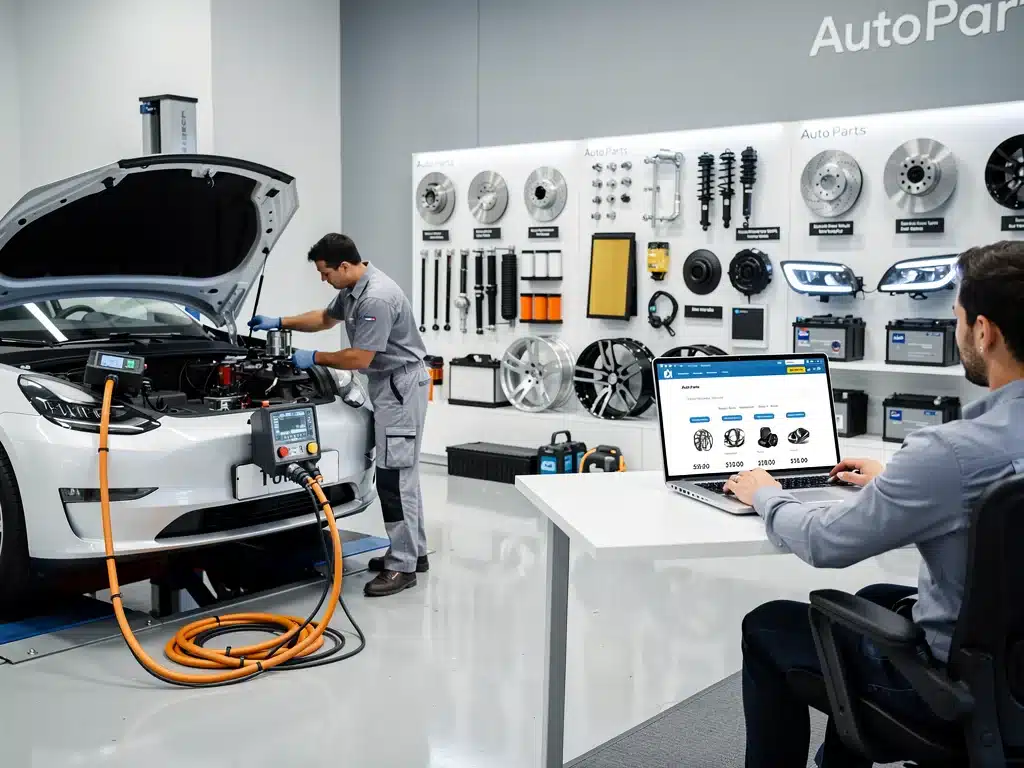
The United States automotive aftermarket is projected to reach $350 billion by the end of 2026, fueled by significant growth in electric vehicle maintenance, expanding e-commerce channels, and a resurgence in do-it-yourself auto repairs.
The automotive industry is a constantly evolving landscape, and within it, the aftermarket segment in the United States is poised for remarkable expansion. With projections indicating a surge to an impressive United States Automotive Aftermarket Projected to Reach $350 Billion by End of 2026: Key Growth Areas, understanding the drivers behind this monumental growth is crucial for businesses and consumers alike. This isn’t just about replacing worn-out parts; it’s about a dynamic shift in how vehicles are maintained, repaired, and personalized in an increasingly complex automotive ecosystem.
Advertisements
Understanding the Automotive Aftermarket Landscape
The automotive aftermarket encompasses all parts, accessories, services, and chemicals sold for light and heavy vehicles after the original equipment manufacturer (OEM) sale. This vast sector includes everything from routine maintenance items like oil filters and brake pads to complex electronic components and performance upgrades. Its projected growth to $350 billion by 2026 signifies a robust and resilient market, adapting to new technologies and shifting consumer behaviors.
Several fundamental forces are at play, contributing to this optimistic outlook. An aging vehicle fleet, coupled with the rising cost of new vehicles, encourages owners to maintain their existing cars for longer periods. This extended vehicle lifespan naturally translates into a greater demand for aftermarket parts and services. Moreover, the increasing complexity of modern vehicles necessitates specialized tools and knowledge, creating opportunities for skilled technicians and advanced diagnostic equipment.
The aging vehicle fleet and maintenance demands
As the average age of vehicles on American roads continues to climb, the need for regular maintenance and repairs becomes more pronounced. This demographic trend is a core driver for the aftermarket, as older vehicles require more frequent attention to remain roadworthy and efficient. Consumers are often looking for cost-effective solutions to prolong the life of their vehicles.
- Increased demand for replacement parts.
- Higher frequency of routine maintenance services.
- Focus on preventative care to avoid major repairs.
- Opportunity for independent repair shops.
The longevity of vehicles is not just about necessity; it’s also about consumer choice. Many drivers prefer to invest in maintaining a familiar vehicle rather than incurring the significant depreciation and initial cost associated with purchasing a new one. This preference underpins a steady and growing demand for aftermarket products and services, ensuring a stable foundation for the industry’s expansion.
In essence, the automotive aftermarket is a critical component of the broader automotive industry, providing essential support for vehicle longevity and performance. Its capacity to adapt to changing market conditions and technological advancements positions it for continued success and significant growth in the coming years, as evidenced by the $350 billion projection.
Electric Vehicles (EVs) as a New Growth Frontier
The rapid adoption of electric vehicles is fundamentally reshaping the automotive landscape, and the aftermarket is no exception. While EVs might have fewer moving parts than traditional internal combustion engine (ICE) vehicles, they introduce a completely new set of maintenance and repair requirements. This shift presents both challenges and unparalleled opportunities for growth within the aftermarket, making EV maintenance a key area contributing to the projected $350 billion market.
Specialized training for technicians, unique diagnostic tools, and new types of replacement parts are all emerging as critical components of the EV aftermarket. From battery health management to electric motor diagnostics and regenerative braking system repairs, the skill sets required are distinct. This necessitates significant investment in workforce development and technological infrastructure across the service sector.
Specialized EV parts and services
Unlike gasoline-powered cars, EVs rely on high-voltage battery packs, electric motors, and sophisticated power electronics. These components require specific expertise and tools for maintenance and repair. The aftermarket is quickly adapting to offer solutions for these unique needs, from charging infrastructure components to specialized fluid replacements for cooling systems.
- High-voltage battery diagnostics and repair.
- Electric motor servicing and component replacement.
- Software updates and advanced diagnostic tools.
- Specialized fluid management for thermal systems.
The demand for EV-specific parts and services is only going to intensify as more electric vehicles hit the road. This includes not only core powertrain components but also accessories tailored for EVs, such as advanced charging solutions for home and public use, and specialized tires designed for the unique weight distribution and torque characteristics of electric cars. This burgeoning segment will be a significant contributor to the overall market expansion.
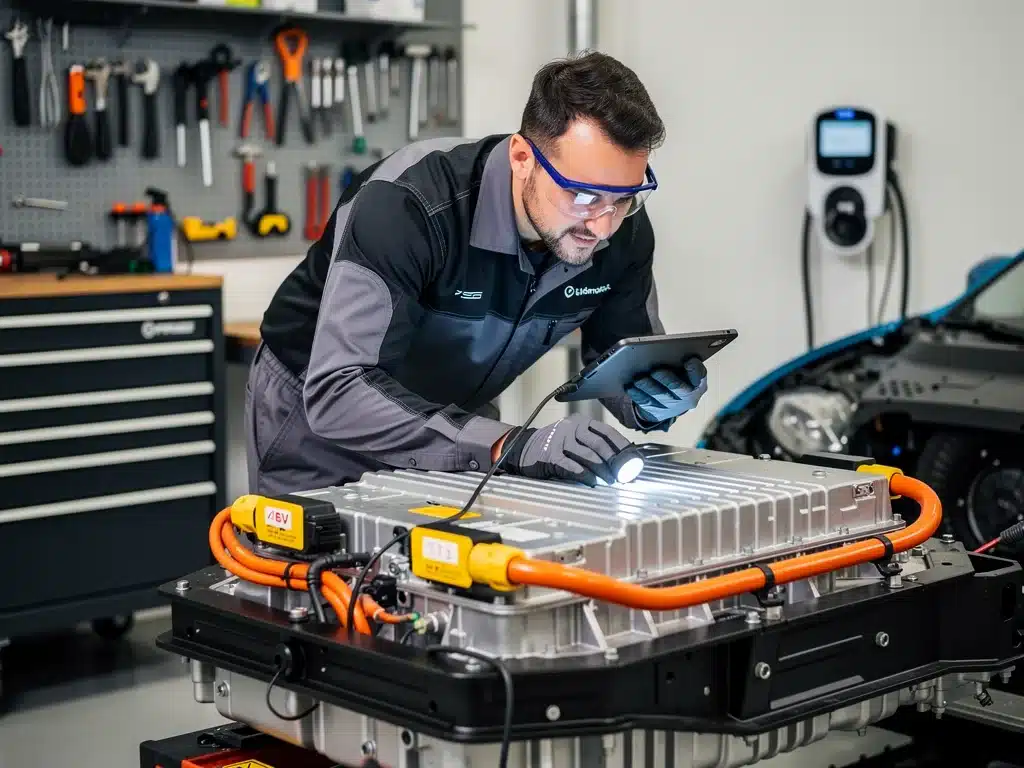
Furthermore, as EV technology continues to evolve, so too will the aftermarket’s offerings. We can expect to see innovations in battery recycling, remanufacturing of electric motors, and the development of performance upgrades specifically for EVs. This constant evolution ensures a dynamic and expanding sector within the broader automotive aftermarket, driving its valuation towards the $350 billion mark by 2026.
The Rise of E-commerce and Digital Platforms
The digital transformation has profoundly impacted nearly every industry, and the automotive aftermarket is no exception. E-commerce and digital platforms are increasingly becoming the preferred channels for consumers and repair shops to source parts, accessories, and even schedule services. This shift towards online purchasing offers unparalleled convenience, broader selection, and often more competitive pricing, thereby fueling a substantial portion of the projected growth.
Online marketplaces and direct-to-consumer websites have democratized access to automotive parts, allowing individuals to easily find specific components for their vehicles, regardless of their location. This accessibility is particularly beneficial for niche markets or for owners of older, less common vehicle models who might struggle to find parts through traditional brick-and-mortar stores. The seamless integration of digital tools for part identification and compatibility checks further enhances the online shopping experience.
Convenience and accessibility of online shopping
The ability to shop for auto parts 24/7 from the comfort of one’s home or garage has revolutionized the aftermarket. Consumers can compare prices, read reviews, and access detailed product specifications instantly. This level of transparency and convenience was largely unavailable in the past, making online platforms a powerful draw for modern buyers.
- 24/7 access to a vast inventory of parts.
- Easy price comparison across multiple vendors.
- Access to customer reviews and product ratings.
- Convenient home delivery or in-store pickup options.
Beyond just purchasing parts, digital platforms are also facilitating service scheduling and connecting customers with qualified technicians. Mobile apps and online portals allow users to book appointments, receive quotes, and even track the progress of their vehicle repairs. This integrated digital experience streamlines the entire automotive service process, making it more efficient and user-friendly for all parties involved.

The continuous innovation in logistics and supply chain management within e-commerce further supports its growth in the aftermarket. Faster shipping options, localized distribution centers, and improved inventory management ensure that parts reach consumers and repair shops quickly. This efficiency is critical for minimizing vehicle downtime and enhancing customer satisfaction, thereby cementing e-commerce’s role as a major growth engine for the automotive aftermarket.
The Resurgence of the DIY (Do-It-Yourself) Market
While professional repair services remain essential, the do-it-yourself (DIY) segment of the automotive aftermarket is experiencing a significant resurgence, contributing meaningfully to the projected $350 billion valuation. This trend is driven by a combination of economic factors, the increasing availability of online resources, and a growing desire among vehicle owners to understand and maintain their own cars. The DIY market caters to individuals who prefer to undertake basic maintenance and minor repairs themselves, saving on labor costs and gaining a sense of accomplishment.
The proliferation of online tutorials, detailed repair manuals, and community forums has empowered even novice mechanics to tackle tasks that once seemed daunting. From oil changes and tire rotations to brake pad replacements and spark plug installations, a wealth of information is readily accessible. This educational aspect, combined with the availability of specialized tools for rent or purchase, makes DIY auto repair more feasible than ever before.
Empowering consumers with knowledge and tools
The internet has become an invaluable resource for DIY enthusiasts. YouTube channels, dedicated automotive blogs, and manufacturer-specific forums provide step-by-step guides and troubleshooting tips. This access to information significantly lowers the barrier to entry for many common repair tasks, encouraging more people to try their hand at vehicle maintenance.
- Extensive online video tutorials and guides.
- Affordable access to diagnostic tools.
- Community support and expert advice forums.
- Availability of parts directly to consumers.
Beyond the cost savings, many DIYers find satisfaction in understanding the mechanics of their vehicles and performing their own repairs. This hands-on approach fosters a deeper connection with their cars and can lead to a more proactive approach to maintenance. The availability of high-quality aftermarket parts at competitive prices further supports this trend, allowing DIYers to choose components that fit their budget and performance preferences.
The DIY segment also benefits from the increasing availability of sophisticated but user-friendly diagnostic tools that were once exclusive to professional garages. These tools allow individuals to read error codes, monitor vehicle performance, and pinpoint issues with greater accuracy. This empowerment of the individual vehicle owner is a powerful force driving growth within the automotive aftermarket, reinforcing its diverse revenue streams.
Advanced Vehicle Technologies and Diagnostics
Modern vehicles are increasingly sophisticated, integrating a myriad of advanced technologies that enhance safety, performance, and connectivity. This technological evolution, while beneficial for drivers, also presents new challenges and opportunities for the automotive aftermarket. The need for specialized diagnostic equipment, software updates, and expert technicians capable of working with complex electronic systems is growing, significantly contributing to the market’s projected expansion to $350 billion by 2026.
Features such as Advanced Driver-Assistance Systems (ADAS), infotainment systems, and integrated telematics require precise calibration, regular software updates, and highly specialized repairs. These systems often involve intricate networks of sensors, cameras, and computers, making diagnostics and servicing far more complex than in previous generations of vehicles. The aftermarket must evolve to provide the tools, training, and parts necessary to support these cutting-edge technologies.
The complexity of ADAS and infotainment systems
ADAS technologies, including adaptive cruise control, lane-keeping assist, and automatic emergency braking, rely on a network of sensors and cameras that must be perfectly calibrated. Even a minor fender bender can necessitate recalibration, creating a new service opportunity for the aftermarket. Similarly, sophisticated infotainment systems often require software updates and specialized diagnostic procedures.
- Specialized calibration equipment for ADAS.
- Software updates for vehicle control modules.
- Diagnostic tools for complex electronic systems.
- Training for technicians in advanced vehicle networks.
The increasing integration of vehicle-to-everything (V2X) communication capabilities and over-the-air (OTA) update functionalities further complicates the aftermarket landscape. Repair shops and parts suppliers must be prepared to handle both hardware and software aspects of vehicle maintenance and repair. This includes offering genuine OEM parts or high-quality aftermarket equivalents that are compatible with these advanced systems.
Moreover, as vehicles become more connected, cybersecurity in the automotive sector also becomes a critical consideration for the aftermarket. Protecting vehicle systems from unauthorized access and ensuring the integrity of software updates will be paramount. This area presents a nascent but growing opportunity for specialized services and products within the aftermarket, ensuring robust support for the next generation of vehicles.
Sustainability and Remanufacturing Trends
As environmental consciousness grows and resource scarcity becomes a more pressing concern, sustainability and remanufacturing are emerging as significant trends within the automotive aftermarket. These practices not only offer economic advantages but also align with consumer demands for more eco-friendly options, thereby contributing to the market’s robust growth trajectory towards $350 billion. Remanufacturing involves restoring used products to like-new or better condition, extending their lifespan and reducing waste.
The remanufacturing sector focuses on components such as engines, transmissions, alternators, and starters. By rebuilding these parts to meet or exceed original specifications, the aftermarket provides a cost-effective and environmentally responsible alternative to purchasing new components. This process significantly reduces the consumption of raw materials and energy associated with manufacturing new parts, making it an attractive option for both businesses and environmentally conscious consumers.
The environmental and economic benefits of remanufacturing
Remanufacturing offers a dual benefit: it’s good for the planet and good for the wallet. By giving components a second life, it minimizes landfill waste and reduces the carbon footprint associated with manufacturing. Economically, remanufactured parts are often more affordable than new ones, providing a high-quality, reliable option for consumers and repair shops.
- Reduced waste and environmental impact.
- Lower cost alternatives for consumers.
- Conservation of raw materials and energy.
- Support for a circular economy model.
Beyond remanufacturing, the aftermarket is also witnessing a greater emphasis on repair over replacement, where possible. This approach further extends the life of vehicle components and reduces overall waste. Businesses are investing in advanced repair techniques and diagnostic tools that enable them to fix rather than simply swap out parts, offering more sustainable solutions to their customers.
The drive towards sustainability also encompasses the development of more eco-friendly automotive fluids, filters made from recycled materials, and even tire recycling initiatives. These efforts collectively contribute to a greener automotive aftermarket, appealing to a growing segment of consumers who prioritize environmental responsibility. This commitment to sustainability is not just a passing fad but a foundational shift that will continue to shape the industry’s growth.
Future Outlook and Strategic Imperatives
The projected growth of the United States automotive aftermarket to $350 billion by the end of 2026 is not merely a statistical forecast; it represents a dynamic and evolving industry undergoing significant transformation. To capitalize on this expansion, businesses within the aftermarket must adopt strategic imperatives that address technological advancements, shifting consumer preferences, and environmental considerations. The future success hinges on adaptability, innovation, and a keen understanding of market dynamics.
Key areas for strategic focus include continuous investment in technician training, particularly in EV diagnostics and repair, as well as enhancing digital capabilities to meet the demands of e-commerce. Furthermore, integrating sustainable practices and embracing remanufacturing will not only attract environmentally conscious consumers but also create more resilient supply chains. The aftermarket is increasingly becoming a high-tech sector where data analytics and personalized service play pivotal roles.
Adapting to a rapidly changing market
The automotive aftermarket’s ability to adapt to new vehicle technologies, from electric powertrains to advanced driver-assistance systems, will be crucial. This requires ongoing education and upskilling of the workforce, ensuring that technicians are equipped to handle the complexities of modern vehicles.
- Investing in advanced diagnostic tools and software.
- Developing robust e-commerce and digital service platforms.
- Prioritizing sustainable sourcing and remanufacturing.
- Fostering partnerships across the automotive ecosystem.
Moreover, understanding the evolving consumer journey is paramount. Today’s customers expect seamless online experiences, transparent pricing, and personalized recommendations. Aftermarket businesses that can effectively leverage data to offer tailored solutions and proactive maintenance advice will gain a significant competitive advantage. This customer-centric approach will be a cornerstone of future growth.
Ultimately, the future of the automotive aftermarket is bright, characterized by innovation and resilience. By embracing electrification, digital transformation, and sustainability, the industry can not only achieve but potentially exceed the $350 billion projection. The challenges are significant, but the opportunities for growth and positive impact are even greater, ensuring a vibrant and essential sector of the U.S. economy.
| Key Growth Area | Brief Description |
|---|---|
| Electric Vehicle Maintenance | Specialized services and parts for EV battery, motor, and electronic systems. |
| E-commerce Expansion | Increased online sales of parts and accessories, offering convenience and broader selection. |
| DIY Market Resurgence | Growing trend of vehicle owners performing their own maintenance and minor repairs. |
| Advanced Diagnostics | Demand for tools and expertise to service complex ADAS and infotainment systems. |
Frequently asked questions about the automotive aftermarket
Several factors fuel this growth, including an aging vehicle fleet, the emergence of electric vehicle maintenance needs, the significant expansion of e-commerce for auto parts, and a resurgence in the do-it-yourself (DIY) repair market. Advanced vehicle technologies also contribute to specialized service demands.
EVs introduce new service categories like battery diagnostics, electric motor repair, and specialized fluid management. This requires new tools, training for technicians, and a distinct set of replacement parts, creating novel opportunities for growth and specialization within the aftermarket sector.
E-commerce provides unparalleled convenience, broader product selection, and competitive pricing for consumers and repair shops alike. Online platforms make it easier to find specific parts, compare options, and schedule services, significantly boosting sales and market accessibility for automotive components.
Absolutely. The DIY market is experiencing a significant resurgence, driven by economic factors and widespread access to online tutorials and diagnostic tools. Many vehicle owners prefer to perform basic maintenance and minor repairs themselves, contributing to strong sales of parts and tools.
Advanced technologies like ADAS and complex infotainment systems demand specialized diagnostic equipment, software updates, and highly trained technicians. This increases the complexity of repairs but also creates new, high-value service opportunities for the aftermarket, driving innovation and growth in expertise.
Conclusion
The United States automotive aftermarket is on a clear trajectory for substantial growth, with projections affirming its reach to $350 billion by the close of 2026. This impressive expansion is not a singular phenomenon but rather the confluence of several powerful trends: the increasing prevalence of electric vehicles, the unstoppable rise of e-commerce, the enduring appeal of DIY repairs, and the continuous evolution of vehicle technology. Businesses and consumers alike must recognize these shifts to navigate and benefit from this dynamic market. Adaptability, investment in new skills, and a commitment to sustainable practices will be key to unlocking the full potential of this vital industry segment, ensuring it remains a cornerstone of the American economy.