Micro-factories for Apparel: US Localized Production Surges by 2026
Advertisements
Apparel micro-factories are rapidly gaining traction across the US, driven by technological advancements and a growing demand for localized, sustainable, and responsive production models, fundamentally reshaping the future of fashion manufacturing by 2026.
Advertisements
The landscape of apparel manufacturing in the United States is undergoing a profound transformation, with apparel micro-factories US emerging as a pivotal force. This innovative approach to production is not just a fleeting trend but a strategic shift, promising to redefine efficiency, sustainability, and responsiveness within the fashion industry. As we look towards 2026, the traction gained by localized production through micro-factories is set to reshape how garments are designed, produced, and delivered to consumers across the nation.
The rise of localized apparel production
Localized apparel production represents a significant departure from traditional global supply chains, emphasizing manufacturing closer to the point of consumption. This model is gaining substantial momentum in the US, driven by a confluence of economic, environmental, and technological factors. The pandemic exposed the vulnerabilities of extended supply chains, highlighting the urgent need for greater resilience and faster response times in the apparel sector.
Consumers are increasingly demanding transparency, ethical practices, and sustainability from brands. Localized production, particularly through micro-factories, offers a compelling solution to these evolving expectations. By bringing manufacturing back to American soil, companies can exercise greater control over their production processes, ensuring fair labor practices and reducing their carbon footprint.
Economic drivers for local manufacturing
Several economic incentives are fueling the shift towards localized production. Reduced shipping costs, faster time-to-market, and the ability to produce smaller, more frequent runs are critical advantages that appeal to both established brands and emerging designers.
- Reduced lead times: Local production drastically cuts down the time from design to retail, allowing brands to respond quickly to market trends.
- Lower transportation costs: Manufacturing closer to consumers minimizes the need for international shipping, reducing logistics expenses and environmental impact.
- Inventory optimization: Shorter lead times enable brands to produce goods on demand or in smaller batches, reducing excess inventory and associated costs.
The economic viability of localized production is further enhanced by advancements in automation and digital manufacturing technologies, which make smaller-scale operations more efficient and competitive.
Understanding the micro-factory concept
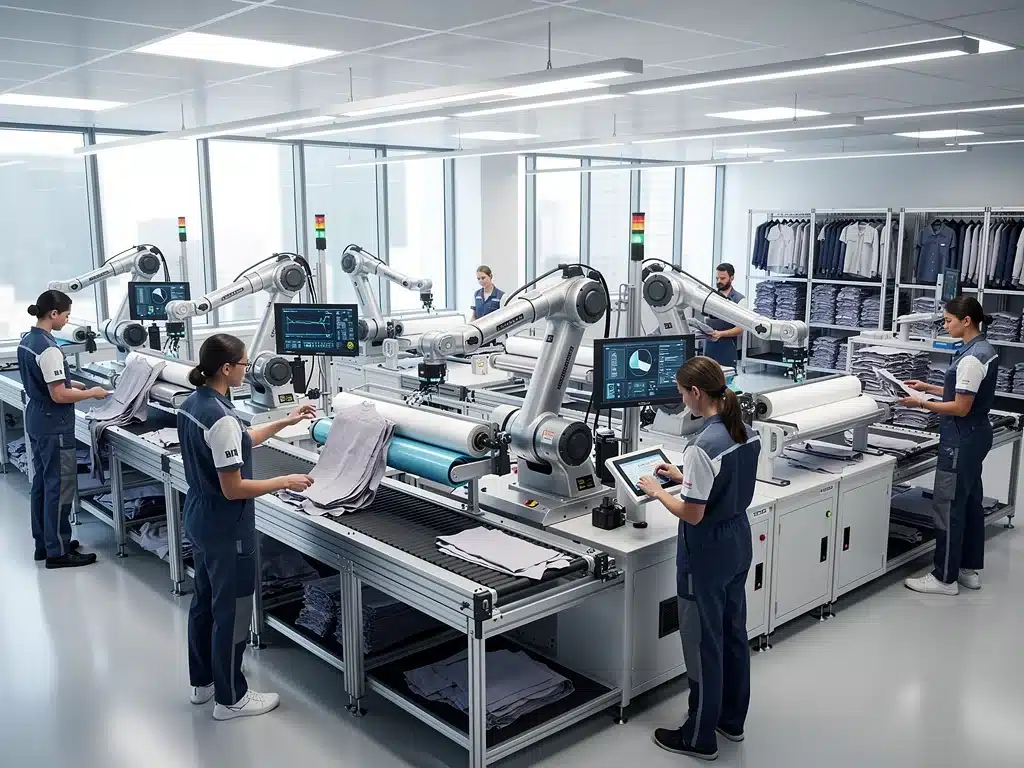
An apparel micro-factory is a compact, highly integrated production unit that leverages advanced technology to manufacture garments in a streamlined and efficient manner. Unlike traditional large-scale factories, micro-factories are designed for flexibility, speed, and customization, often occupying a smaller physical footprint. They typically incorporate digital design, automated cutting, robotic sewing, and on-demand printing capabilities.
The core principle behind the micro-factory model is to enable agile manufacturing, allowing for quick changes in design, material, and production volume. This adaptability is crucial in the fast-paced fashion industry, where trends can shift rapidly, and consumer preferences are increasingly diverse.
Key technological components
The functionality of an apparel micro-factory hinges on several sophisticated technologies that work in concert to create an efficient production ecosystem.
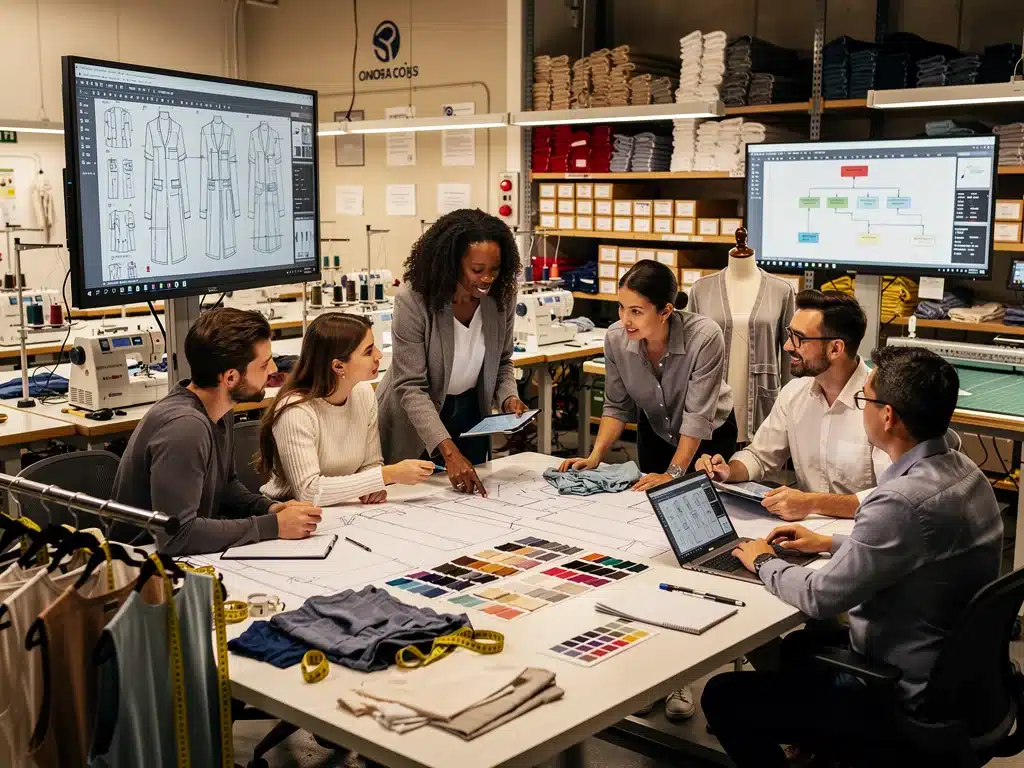
- 3D design and virtual prototyping: Digital tools allow designers to create and iterate on garments virtually, reducing the need for physical samples and accelerating the design process.
- Automated cutting systems: Computer-controlled cutters optimize fabric utilization and precisely cut patterns, minimizing waste and ensuring accuracy.
- Robotic sewing and assembly: Advanced robotics can perform repetitive sewing tasks with high precision and speed, augmenting human labor.
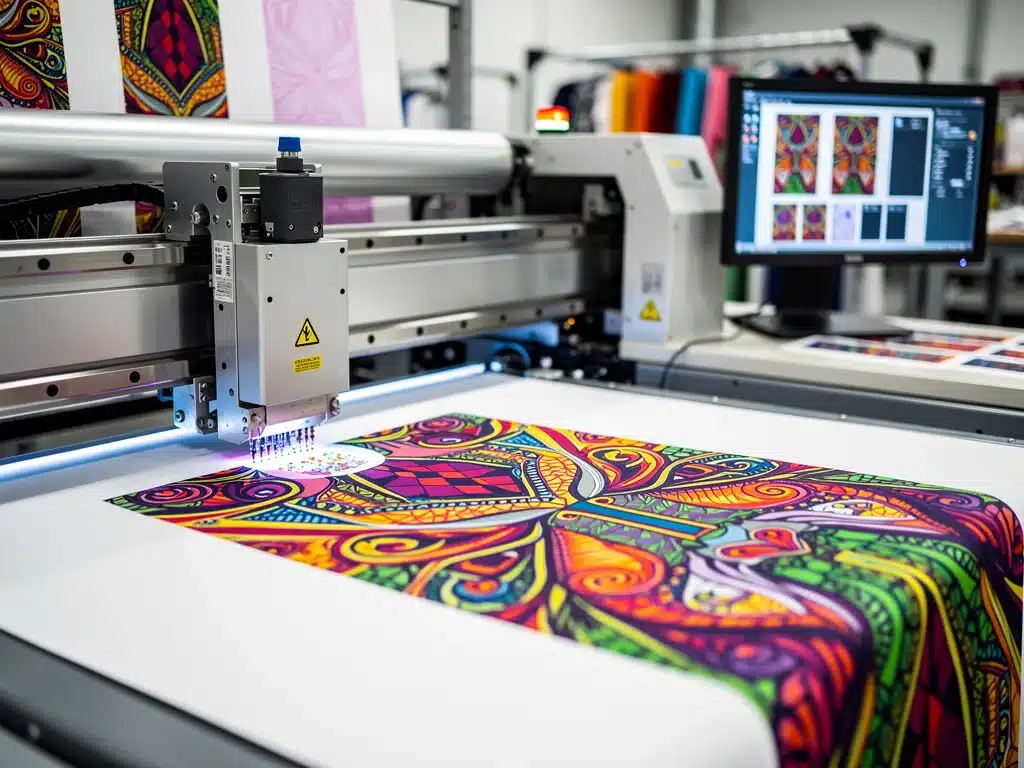
- Digital textile printing: On-demand printing technologies enable customization and rapid production of unique designs without extensive setup times.
These technologies collectively empower micro-factories to achieve levels of efficiency and customization that were previously unattainable in traditional manufacturing settings. The integration of these elements creates a highly responsive production environment.
Advantages of micro-factories for US apparel brands
For US apparel brands, adopting the micro-factory model offers a myriad of benefits that extend beyond mere cost savings. These advantages address some of the most pressing challenges faced by the industry today, from supply chain disruptions to sustainability concerns.
One primary advantage is the enhanced control over the entire production process. By keeping manufacturing local, brands can closely monitor quality, ethical labor practices, and adherence to environmental standards. This level of oversight is often difficult to achieve with offshore production, where geographical distance and cultural differences can create communication barriers.
Boosting supply chain resilience and speed
The ability to respond quickly to market changes and unforeseen disruptions is a critical differentiator for micro-factories. The traditional model, with its reliance on long international shipping routes, is inherently slow and vulnerable to external shocks.
- Rapid prototyping and sampling: Micro-factories can produce samples and prototypes in days, not weeks, significantly accelerating the design and approval process.
- On-demand production: The capacity for smaller, more frequent production runs reduces the risk of overproduction and allows brands to restock popular items quickly.
- Mitigation of global disruptions: Localized production insulates brands from geopolitical issues, natural disasters, and port congestion that can cripple international supply chains.
These factors contribute to a more robust and agile supply chain, allowing US apparel brands to maintain consistency and meet consumer demand even in turbulent times.
Sustainability and ethical production
The environmental and social impact of the fashion industry has become a major concern for consumers and regulators alike. Micro-factories offer a compelling solution to many of these issues, promoting a more sustainable and ethical approach to apparel production in the US.
By reducing transportation distances, micro-factories significantly lower greenhouse gas emissions associated with shipping. Furthermore, the emphasis on on-demand and small-batch production helps to minimize textile waste, a persistent problem in an industry known for its overproduction. This localized model supports a circular economy by fostering greater resource efficiency.
Reduced environmental footprint
The concentrated nature of micro-factories allows for optimized energy consumption and waste management, contributing to a smaller ecological footprint.
- Lower carbon emissions: Shorter supply chains mean less fuel consumption for transportation, reducing the overall carbon impact of garment production.
- Minimized textile waste: Precision cutting, digital design, and on-demand manufacturing greatly reduce fabric scraps and unsold inventory.
- Water and energy efficiency: Many micro-factories incorporate advanced machinery and processes designed to conserve water and energy during production.
Beyond environmental benefits, micro-factories often operate under stricter labor laws and ethical guidelines prevalent in the US, ensuring fair wages, safe working conditions, and transparency throughout the manufacturing process. This resonates strongly with conscious consumers.
Challenges and opportunities for growth
While the benefits of apparel micro-factories are clear, their widespread adoption in the US is not without challenges. High initial investment costs for advanced machinery and technology, as well as the need for a skilled workforce capable of operating these sophisticated systems, are significant hurdles.
However, these challenges also present unique opportunities for innovation and growth. Government incentives, educational programs, and collaborative initiatives between industry and academia can help overcome these barriers, fostering an environment conducive to the expansion of localized manufacturing.
Overcoming investment and labor hurdles
Addressing the financial and human capital requirements is crucial for the continued growth of the micro-factory model.
- Government grants and subsidies: Federal and state programs can provide financial assistance for companies looking to invest in localized production technology.
- Workforce development programs: Training initiatives focused on digital design, automated manufacturing, and robotics can create the skilled labor force needed.
- Collaborative partnerships: Brands, technology providers, and educational institutions can form alliances to share resources and expertise, accelerating adoption.
The opportunities for job creation and economic revitalization in US communities are substantial. By investing in micro-factories, the nation can rebuild its manufacturing base and create high-tech jobs.
The future outlook for apparel micro-factories in the US by 2026
Looking ahead to 2026, the trajectory for apparel micro-factories in the US appears bright. The foundational shifts in consumer behavior, coupled with ongoing technological advancements, are creating an irreversible momentum towards localized, agile, and sustainable production. We can expect to see a significant expansion in the number and capabilities of these facilities.
Further integration of artificial intelligence (AI) and machine learning (ML) will optimize production schedules, predict demand more accurately, and enable even greater customization. The concept of a fully networked micro-factory ecosystem, where facilities share data and resources, is also likely to become a reality, enhancing overall industry efficiency.
Key trends shaping the future
Several emerging trends will further solidify the position of micro-factories as a cornerstone of US apparel manufacturing.
- Hyper-personalization: The ability to produce individualized garments on demand will become more commonplace, driven by consumer desire for unique products.
- Advanced material innovation: Micro-factories will be at the forefront of experimenting with and producing garments from new, sustainable materials like bio-based fabrics and recycled fibers.
- Enhanced supply chain visibility: Blockchain technology and other digital tools will provide unprecedented transparency and traceability throughout the localized supply chain.
The shift towards micro-factories is not merely about production; it’s about reimagining the entire lifecycle of apparel, making it more efficient, ethical, and aligned with the values of modern consumers. By 2026, these facilities will be integral to the US fashion industry’s success.
Impact on traditional apparel manufacturing
The rise of micro-factories will inevitably have a significant impact on traditional, large-scale apparel manufacturing models, particularly those reliant on offshore production. While traditional factories may not disappear entirely, they will likely need to adapt and evolve to remain competitive in a rapidly changing market.
Many large brands are already exploring hybrid models, combining the cost efficiencies of traditional offshore production for basic, high-volume items with the agility and responsiveness of localized micro-factories for trend-driven or customized products. This strategic diversification allows them to leverage the strengths of both models.
Adaptation strategies for established players
Traditional manufacturers and brands must consider several strategies to thrive in this new environment, focusing on innovation and collaboration.
- Technology adoption: Investing in automation, digitalization, and data analytics to streamline existing operations and integrate with localized networks.
- Specialization: Focusing on niche markets or specialized production techniques where economies of scale still provide an advantage.
- Partnerships with micro-factories: Collaborating with localized micro-factories for specific product lines, prototyping, or rapid response needs.
Ultimately, the industry is moving towards a more diversified and distributed manufacturing ecosystem, where different production models coexist and complement each other. The goal is to build a more resilient, sustainable, and consumer-centric apparel supply chain.
| Key Aspect | Brief Description |
|---|---|
| Localized Production | Manufacturing garments closer to US consumers, reducing lead times and shipping costs. |
| Technological Integration | Utilizes 3D design, automated cutting, and digital printing for efficiency and customization. |
| Sustainability Focus | Reduces carbon footprint, minimizes waste, and promotes ethical labor practices. |
| Market Responsiveness | Enables rapid response to trends, on-demand production, and reduced inventory risks. |
Frequently asked questions about apparel micro-factories
An apparel micro-factory is a small, highly efficient production unit that integrates advanced digital technologies like 3D design, automated cutting, and digital printing to manufacture garments. It focuses on flexibility, speed, and localized production, contrasting with traditional large-scale factories.
They are gaining traction due to increased demand for faster time-to-market, supply chain resilience, sustainability, and ethical production. Micro-factories allow brands to adapt quickly to trends and reduce their environmental impact by localizing manufacturing.
Micro-factories reduce the carbon footprint by minimizing transportation needs. They also decrease textile waste through precise cutting, digital design, and on-demand production, promoting a more circular and resource-efficient manufacturing process within the US.
Key technologies include 3D CAD software for design, automated fabric cutting systems, digital textile printers for on-demand customization, and increasingly, robotic sewing and assembly. These tools enable the agility and efficiency characteristic of micro-factory operations.
Challenges include the high initial investment required for advanced machinery and technology, as well as the need for a skilled workforce trained in digital manufacturing and robotics. Overcoming these requires strategic planning and potential government or industry support.
Conclusion
The emergence and rapid growth of apparel micro-factories US represent a pivotal moment for the American fashion industry. By 2026, this localized production model is not just a niche alternative but a mainstream force, fundamentally reshaping how garments are made, distributed, and consumed. Driven by technological innovation, shifting consumer demands for sustainability and ethical practices, and the imperative for supply chain resilience, micro-factories offer a compelling vision for the future. While challenges related to investment and workforce development persist, the inherent advantages of speed, flexibility, and reduced environmental impact position micro-factories as a cornerstone of a more agile, responsible, and competitive US apparel manufacturing sector. This transformation promises not only to invigorate domestic production but also to set new global standards for how fashion operates.