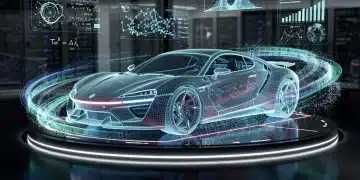
In-Car Infotainment: 4 Key Technologies for 2026
Advertisements
By 2026, in-car infotainment will be revolutionized by advanced AI, augmented reality, seamless 5G connectivity, and integrated biometric systems, transforming driving into a highly personalized and interactive experience.
The automotive landscape is evolving at an unprecedented pace, and at the heart of this transformation lies the advancements in in-car technology. By 2026, we anticipate a significant shift in how we interact with our vehicles, moving beyond simple navigation and entertainment. This article delves into The Future of In-Car Infotainment: 4 Key Technologies to Watch for in 2026, exploring how these innovations will redefine the driving experience for consumers across the United States.
Advertisements
Artificial Intelligence and Predictive Personalization
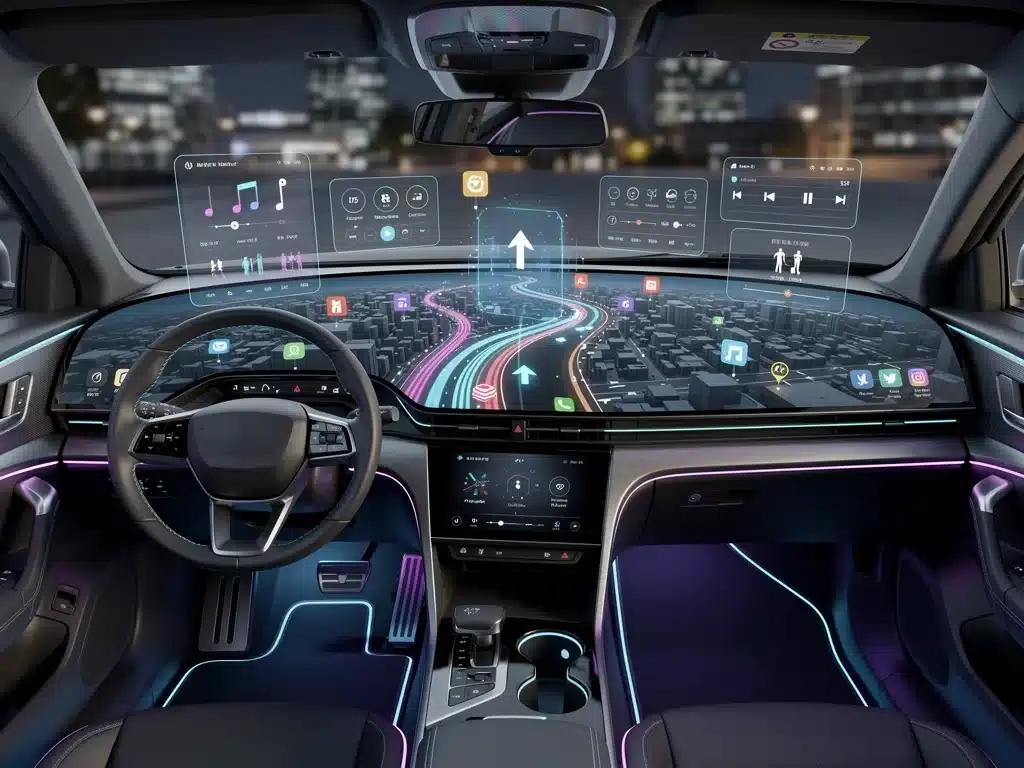
Artificial intelligence is no longer a concept confined to science fiction; it is rapidly becoming an integral part of our daily lives, and its impact on in-car infotainment systems by 2026 will be profound. AI will move beyond basic voice commands to offer truly personalized and predictive experiences, anticipating driver needs and preferences before they are even articulated. This involves learning routines, understanding moods through vocal intonation, and proactively suggesting relevant information or entertainment.
Imagine your car not just playing your favorite genre of music, but queuing up a specific playlist based on your driving destination, the time of day, or even your current stress levels. AI-powered systems will analyze vast amounts of data, from your calendar appointments to real-time traffic conditions, to optimize your journey and enhance comfort. This level of personalization aims to create a symbiotic relationship between the driver and the vehicle, where the car acts as an intelligent co-pilot.
Adaptive User Interfaces
The user interface of future in-car infotainment systems will dynamically adapt to the driver’s context and preferences. This means fewer menus and more intuitive interactions, often presented through minimalist displays that only show relevant information at any given moment.
- Contextual Awareness: Systems will prioritize information based on driving conditions, such as navigation during complex intersections or media controls during highway cruising.
- Individual Profiles: Each driver will have a unique AI profile, ensuring that climate settings, seat positions, and media preferences are automatically adjusted upon entry.
- Gesture and Eye Tracking: Advanced AI will interpret gestures and eye movements to reduce the need for physical interaction with screens, enhancing safety.
The goal is to minimize distraction while maximizing utility, ensuring that essential information is always accessible without overwhelming the driver. This adaptive approach will make the in-car experience feel less like interacting with a device and more like conversing with a highly intelligent assistant.
Proactive Maintenance and Safety
Beyond entertainment and navigation, AI will play a critical role in vehicle maintenance and safety. Predictive analytics, powered by AI, will monitor vehicle components in real-time, identifying potential issues before they escalate into major problems. For instance, the system could alert you to an impending battery issue or suggest a tire rotation based on driving patterns and sensor data.
In terms of safety, AI will further enhance advanced driver-assistance systems (ADAS) by providing more accurate threat assessments and timely interventions. This includes improved object recognition, predicting pedestrian movements, and even detecting driver fatigue through subtle behavioral cues. The integration of AI will transform the car into a more aware and protective environment, contributing significantly to road safety.
Ultimately, AI and predictive personalization will redefine the very essence of in-car infotainment by 2026. These systems will not just respond to commands but will anticipate needs, learn behaviors, and proactively enhance every aspect of the driving experience, making journeys safer, more efficient, and profoundly more enjoyable.
Augmented Reality Displays and Holographic Interfaces
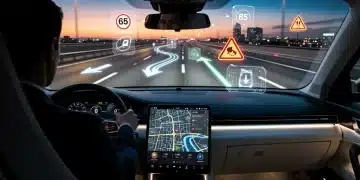
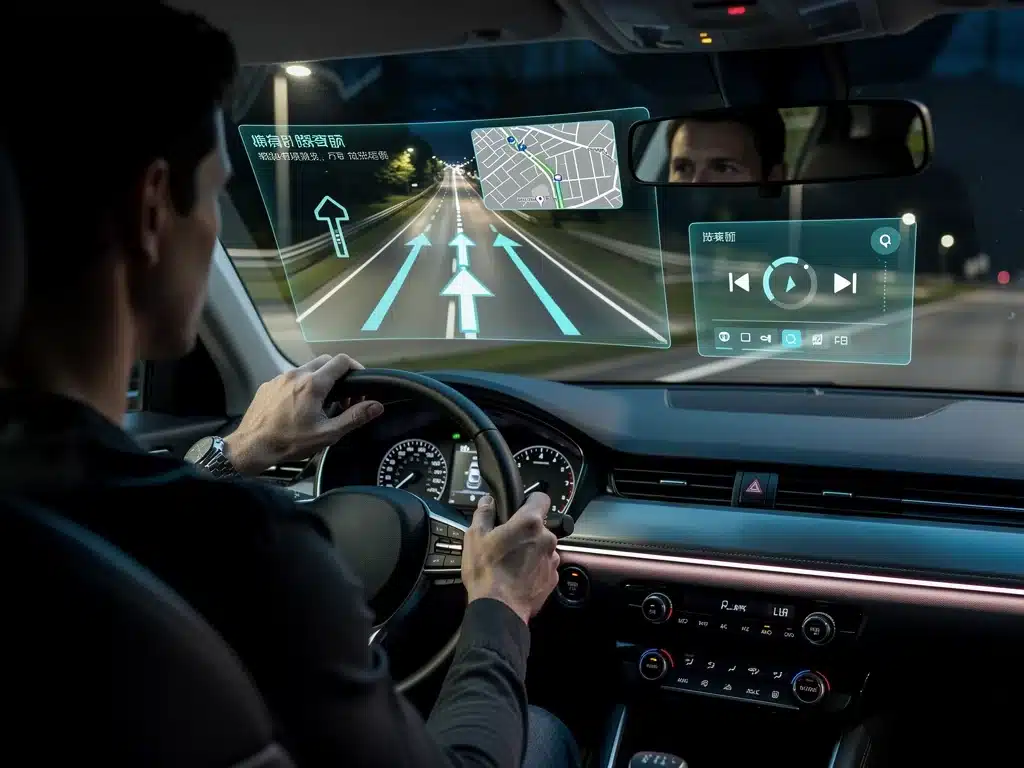
The concept of augmented reality (AR) has been steadily gaining traction, and by 2026, its integration into in-car infotainment systems will move beyond niche applications to become a mainstream feature. AR displays, particularly those projected onto windshields, will transform how drivers perceive and interact with their surroundings. Instead of glancing down at a screen, critical information will be overlaid directly onto the real world, enhancing situational awareness and reducing cognitive load.
Imagine navigation arrows appearing directly on the road ahead, highlighting turns and exits with unprecedented clarity. Speed limits, potential hazards, and even points of interest could be displayed seamlessly, blending digital information with the physical environment. This immersive experience promises to make driving more intuitive and less stressful, especially in unfamiliar territories.
Interactive Windshield Projections
The windshield will evolve into a dynamic display canvas, capable of projecting high-resolution graphics and data without obstructing the driver’s view. These projections will be interactive, allowing drivers to manipulate elements through gestures or eye-tracking technology.
- Dynamic Navigation: Turn-by-turn directions will be super-imposed directly onto the road, adjusting in real-time to traffic and road conditions.
- Hazard Warnings: Potential obstacles, pedestrians, or cyclists will be highlighted with visual cues on the windshield, drawing the driver’s attention to immediate threats.
- Personalized Content: Passengers could view movies or access information on their respective sections of the windshield without distracting the driver, thanks to advanced optical filtering.
This technology promises a new level of engagement with the vehicle and its environment, making every drive a more informed and connected experience. The lines between the digital and physical worlds will blur, creating a truly intelligent cabin.
Holographic Control Panels
Beyond windshield projections, holographic interfaces will emerge as a revolutionary way to interact with in-car systems. Instead of physical buttons or touchscreens, drivers and passengers will manipulate three-dimensional projections that float in the air. These interfaces offer tactile feedback through haptic technologies, creating a sense of physical interaction without actual contact.
Holographic control panels could allow for more flexible and customizable layouts, adapting to different user preferences or driving modes. This innovation not only adds a futuristic aesthetic but also addresses ergonomic challenges, potentially reducing clutter in the cabin and offering a more intuitive control scheme. The precision and responsiveness of these systems will be key to their adoption and success in the competitive automotive market.
The integration of augmented reality and holographic interfaces represents a significant leap forward for in-car infotainment. By 2026, these technologies will offer a more intuitive, safer, and engaging driving experience, fundamentally changing how we interact with our vehicles and the world around us.
Seamless 5G Connectivity and Edge Computing
The advent of widespread 5G connectivity is not just about faster internet on your phone; it’s a foundational technology that will unlock unprecedented capabilities for in-car infotainment by 2026. The ultra-low latency and high bandwidth of 5G will enable seamless communication between vehicles, infrastructure, and cloud services, paving the way for truly connected and intelligent driving experiences.
This robust connectivity will support real-time data processing, allowing vehicles to access and analyze information from multiple sources instantaneously. The result will be more accurate navigation, real-time traffic updates, enhanced safety features, and a richer streaming experience for entertainment and productivity. The car will essentially become a mobile hub, fully integrated into the digital ecosystem.
Vehicle-to-Everything (V2X) Communication
5G will be the backbone of V2X communication, allowing vehicles to communicate with each other (V2V), with infrastructure (V2I), with pedestrians (V2P), and with the network (V2N). This interconnectedness will provide a holistic view of the driving environment, far beyond what any single sensor can achieve.
- Enhanced Safety: V2X communication can alert drivers to unseen hazards, such as vehicles approaching blind intersections or sudden braking events ahead.
- Traffic Optimization: Real-time data from V2I systems will allow for intelligent traffic light management, reducing congestion and optimizing routes.
- Autonomous Driving Support: For semi-autonomous and fully autonomous vehicles, V2X provides crucial contextual data, improving decision-making and overall safety.
The ability of cars to ‘talk’ to their surroundings will not only make roads safer but also contribute to a more efficient and sustainable transportation system, reducing fuel consumption and emissions.
Edge Computing for Instantaneous Processing
While 5G provides the pipe, edge computing brings the processing power closer to the source of data generation – the vehicle itself. Instead of sending all data to a centralized cloud for processing, edge computing nodes, either within the vehicle or in nearby infrastructure, will perform immediate analysis. This significantly reduces latency, which is critical for applications requiring instantaneous responses, such as autonomous driving and real-time safety warnings.
For infotainment, edge computing means faster loading times for streaming content, more responsive voice assistants, and the ability to run complex applications without relying solely on cloud servers. This distributed computing model ensures that even in areas with limited cloud connectivity, critical functions remain operational and performant. The synergy between 5G and edge computing will create an in-car environment that is always connected, always responsive, and incredibly intelligent.
The convergence of seamless 5G connectivity and edge computing will fundamentally alter the landscape of in-car infotainment by 2026. These technologies will enable a new era of connected vehicles, offering unparalleled levels of safety, efficiency, and entertainment, making the car an indispensable part of our digital lives.
Biometric Integration and Health Monitoring
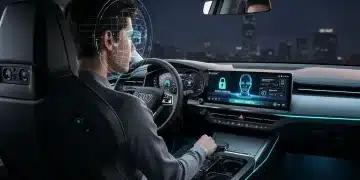
As cars become more sophisticated, the focus is shifting towards not just connecting the vehicle to the world, but also connecting it more deeply with its occupants. By 2026, biometric integration will be a cornerstone of advanced in-car infotainment, offering personalized access, enhanced security, and continuous health monitoring. This technology leverages unique biological characteristics to identify individuals and gather vital health data, creating a truly bespoke and health-aware driving environment.
Imagine entering your car, and it instantly recognizes you through facial recognition or fingerprint scanning, automatically adjusting your seat, mirrors, climate control, and infotainment preferences. Beyond convenience, this level of integration opens up new possibilities for safety and well-being, transforming the car into a personal health guardian on wheels.
Personalized Access and Security
Biometric systems will replace traditional keys and passwords, offering a seamless and highly secure method for vehicle access and personalization. This not only enhances anti-theft measures but also tailors the in-car experience to each individual driver and passenger.
- Facial Recognition: Cameras inside the cabin will identify the driver upon entry, automatically loading their profile and preferred settings.
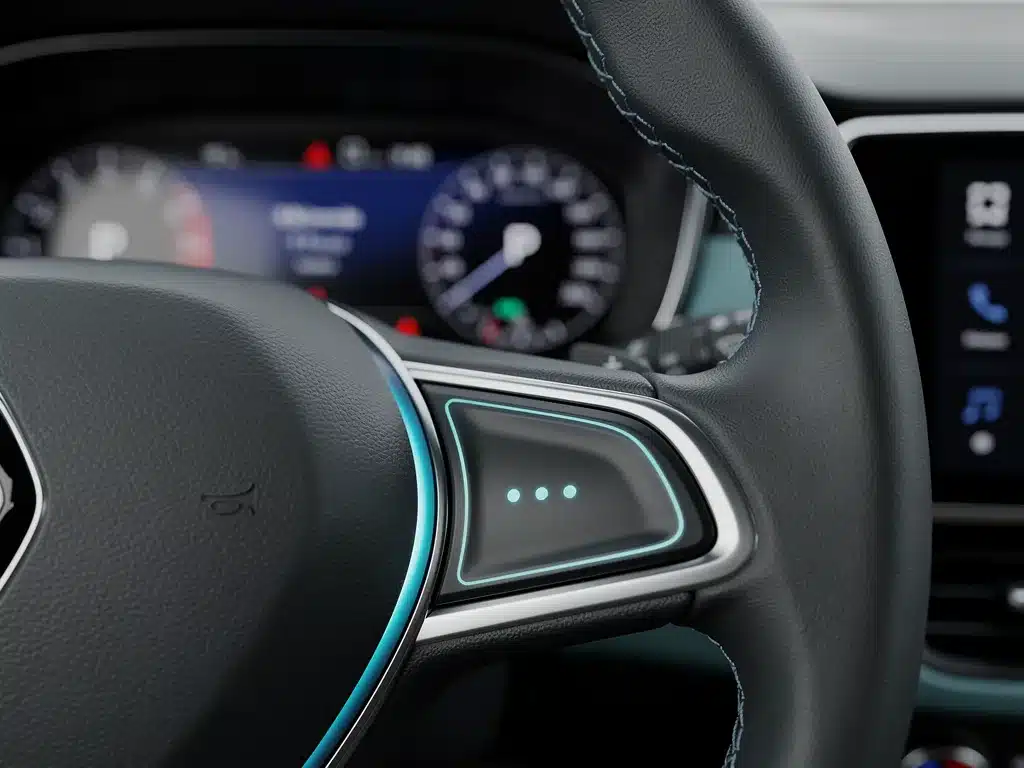
- Fingerprint Scanners: Integrated into steering wheels or door handles, fingerprint readers will provide an additional layer of security and personalization.
- Voice Authentication: Advanced voice recognition will confirm identity for sensitive operations or personalized service requests, preventing unauthorized access.
This personalized access extends to vehicle settings, media libraries, and even payment systems, making every interaction within the car highly secure and uniquely tailored to the user. The friction points associated with traditional access methods will be virtually eliminated.
Driver Health and Wellness Monitoring
Perhaps one of the most impactful applications of biometric integration will be in continuous health monitoring. Sensors embedded in seats, steering wheels, and even seatbelts will passively collect vital health data, such as heart rate, blood pressure, and even stress levels. This data can be analyzed by AI to detect signs of fatigue, stress, or sudden health emergencies.
In the event of a detected health issue, the system could alert the driver, suggest pulling over, or even automatically contact emergency services. For long journeys, the car could recommend breaks or play calming music based on the driver’s physiological state. This proactive approach to health and wellness will add a significant layer of safety and comfort, making the car a more responsible and caring companion on the road.
By 2026, biometric integration will transform in-car infotainment into a deeply personal and health-conscious experience. From secure, personalized access to continuous health monitoring, these technologies will make vehicles more attentive to their occupants’ well-being, fostering a safer and more comfortable driving environment.
Immersive Audio Experiences and Haptic Feedback
The audio experience in modern cars has evolved significantly, but by 2026, in-car infotainment will push the boundaries further with truly immersive audio and sophisticated haptic feedback systems. This goes beyond just high-fidelity sound; it involves creating a dynamic acoustic environment that enhances entertainment, communication, and even safety cues. Haptic feedback, meanwhile, will add a new dimension to interaction, providing tactile responses that make digital interfaces feel more tangible and intuitive.
Imagine a sound system that adapts its output based on the number of passengers, their positions, and even their individual preferences, creating personalized sound zones. Or a navigation system that uses directional audio cues to guide you, making it feel like the instructions are coming from the exact spot you need to turn. These advancements aim to create a richer, more engaging, and less distracting experience for everyone in the vehicle.
Personalized Sound Zones and 3D Audio
Future in-car audio systems will move beyond traditional stereo or surround sound to offer personalized sound zones and true 3D audio. This means each occupant can enjoy their preferred audio content—be it music, podcasts, or phone calls—without disturbing others, all within the same cabin.
- Individual Audio Bubbles: Advanced speaker arrays and acoustic dampening technologies will create isolated sound fields for each passenger, allowing for simultaneous, personalized listening experiences.
- Directional Audio for Navigation: Turn-by-turn directions and safety alerts will be delivered from the precise direction of the event, enhancing intuition and reducing the need to look at a screen.
- Immersive Entertainment: 3D audio will elevate the experience of watching movies or playing games in the car, enveloping occupants in a rich, spatial soundscape.
This level of audio customization will transform the car into a versatile personal space, catering to the diverse needs and preferences of its occupants, making long journeys more enjoyable and productive.
Advanced Haptic Feedback Systems
Haptic feedback, the use of touch to communicate information, will become an integral part of in-car infotainment, providing a more intuitive and safer way to interact with digital systems. This technology moves beyond simple vibrations to deliver nuanced tactile sensations that convey different types of information or confirm actions.
For instance, the steering wheel could provide subtle haptic cues to warn of lane departure or an impending collision, allowing the driver to react more quickly than with visual or auditory alerts alone. Touchscreens might offer simulated textures or button presses, giving users a sense of physical interaction without needing to take their eyes off the road. This tactile dimension adds a layer of richness and safety to the user experience, making interactions more natural and less distracting.
By 2026, immersive audio and haptic feedback will redefine sensory interaction within the car. These technologies will create a more engaging, personalized, and safer environment, transforming how drivers and passengers experience sound and touch within the vehicle.
Over-the-Air Updates and Subscription Services
The modern smartphone has accustomed us to continuous improvement through software updates, and this paradigm is fully migrating to the automotive sector. By 2026, in-car infotainment systems will heavily rely on over-the-air (OTA) updates, allowing manufacturers to deploy new features, security patches, and performance enhancements without requiring a visit to the dealership. This capability ensures that a vehicle’s infotainment system remains current, secure, and continuously evolving throughout its lifespan.
Beyond updates, subscription services will become a prevalent model for accessing advanced features and content. Just as we subscribe to streaming services or premium apps on our phones, car owners will have the option to subscribe to enhanced navigation, performance upgrades, specialized entertainment packages, or even temporary features like increased horsepower for a road trip. This model offers flexibility and allows drivers to customize their vehicle’s capabilities based on their changing needs and preferences.
Continuous Feature Evolution
OTA updates mean that your car’s infotainment system will not only receive bug fixes but also gain entirely new functionalities years after purchase. This extends the relevance and value of the vehicle, as it can adapt to emerging technologies and consumer demands.
- New Applications: Manufacturers can introduce new apps for entertainment, productivity, or vehicle management, expanding the infotainment ecosystem.
- Performance Enhancements: Software updates can optimize existing features, such as voice recognition accuracy, navigation routing algorithms, or even powertrain efficiency.
- Security Patches: Critical security vulnerabilities can be addressed promptly, protecting the vehicle’s systems from cyber threats.
This continuous evolution ensures that the in-car experience remains fresh and competitive, providing a compelling reason for consumers to invest in connected vehicles.
Flexible Subscription Models
The rise of subscription services in the automotive sector offers a flexible approach to vehicle ownership, allowing drivers to tailor their experience without committing to expensive upfront purchases of all features.
For example, a driver might subscribe to a premium connectivity package only during months when they commute heavily, or activate advanced driver-assistance features for a long road trip. This pay-as-you-go model for features provides greater financial flexibility and allows for a more personalized vehicle ownership experience. While some consumers may initially be wary, the benefits of on-demand access to cutting-edge features are likely to drive widespread adoption.
By 2026, OTA updates and subscription services will transform in-car infotainment into a dynamic, adaptable, and highly personalized platform. This model ensures vehicles remain technologically relevant and offers consumers unprecedented flexibility in customizing their driving experience, making their cars more valuable and engaging companions.
| Key Technology | Brief Description |
|---|---|
| AI & Predictive Personalization | Systems learn driver habits to proactively adjust settings, optimize routes, and suggest content, enhancing comfort and safety. |
| Augmented Reality Displays | Windshield projections and holographic interfaces overlay digital information onto the real world for intuitive navigation and control. |
| 5G Connectivity & Edge Computing | Ultra-fast, low-latency connectivity enables real-time V2X communication and instantaneous data processing for enhanced safety and entertainment. |
| Biometric Integration | Facial recognition and health sensors provide personalized access, enhanced security, and continuous driver wellness monitoring. |
Frequently asked questions about in-car infotainment in 2026
By 2026, AI will learn your routines, preferences, and even mood, proactively adjusting climate, seating, navigation, and media. It will anticipate your needs, offering a truly bespoke and intuitive interaction with your vehicle, making every journey more comfortable and efficient.
Augmented reality (AR) displays will project vital information, like navigation directions and hazard warnings, directly onto your windshield. This overlays digital content onto the real world, reducing the need to look away from the road, enhancing safety and making driving more intuitive and engaging.
5G will provide ultra-low latency and high bandwidth, enabling seamless V2X communication for enhanced safety and traffic optimization. It will also support real-time data processing through edge computing, leading to faster streaming, more responsive voice assistants, and always-on connectivity for all infotainment features.
Biometric integration, such as facial recognition and fingerprint scanning, will offer personalized access and enhanced security. It will also enable continuous health monitoring through embedded sensors, detecting fatigue or health issues and potentially alerting emergency services for increased driver well-being and safety.
Yes, by 2026, many advanced car features will likely be available through subscription services. This allows for flexible access to premium navigation, performance upgrades, or specialized entertainment packages, enabling drivers to customize their vehicle’s capabilities and keeping the infotainment system updated via over-the-air (OTA) updates.
Conclusion
The landscape of in-car infotainment is undergoing a profound transformation, moving beyond simple entertainment to become an integrated ecosystem of intelligence, connectivity, and personalization. By 2026, the four key technologies—Artificial Intelligence and Predictive Personalization, Augmented Reality Displays and Holographic Interfaces, Seamless 5G Connectivity and Edge Computing, and Biometric Integration and Health Monitoring—will collectively redefine the driving experience. These innovations promise not only to make journeys more enjoyable and efficient but also significantly safer, turning the vehicle into a proactive and intuitive partner on the road. As these technologies mature and become more widespread, they will undoubtedly set new standards for what we expect from our vehicles, making the future of in-car infotainment an exciting prospect for drivers across the United States.