OTA Updates for Vehicles: Maximize Performance by 2026
Advertisements
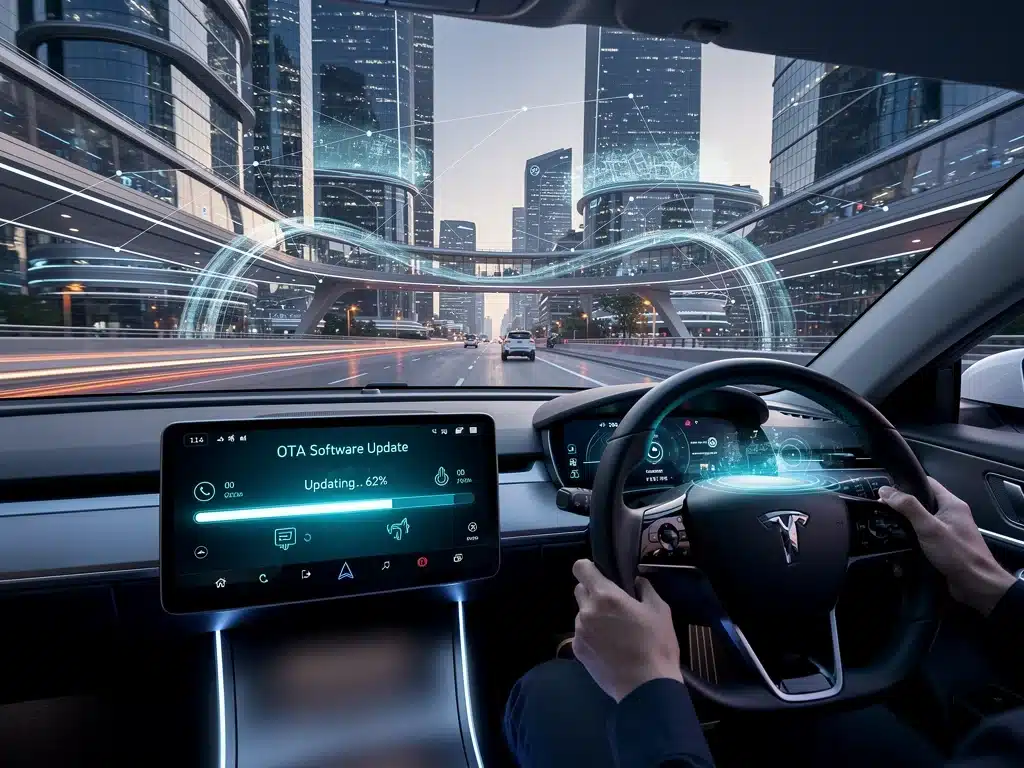
Over-the-Air (OTA) updates for vehicles are transforming how automotive systems evolve, providing critical enhancements and new features remotely to ensure optimal performance and security for drivers in the coming years.
The automotive landscape is undergoing a profound transformation, driven by digital innovation. Among the most impactful advancements, Over-the-Air (OTA) updates for vehicles stand out as a game-changer, promising to redefine how we interact with our cars and ensure their peak performance by 2026. This guide offers a concise, 10-minute overview to help you understand and leverage these crucial technological shifts.
Advertisements
Understanding Over-the-Air Updates: More Than Just Software Fixes
Over-the-Air (OTA) updates represent a paradigm shift in automotive maintenance and functionality. Unlike traditional methods requiring a visit to a dealership for software installations, OTA allows manufacturers to deliver updates directly to your vehicle’s embedded systems via a wireless connection, much like how your smartphone receives updates.
This capability extends far beyond simple bug fixes. It encompasses everything from enhancing infotainment systems and improving engine management to deploying critical safety patches and even unlocking new features post-purchase. The convenience and efficiency of this system are unparalleled, saving drivers time and ensuring their vehicles are always running the latest, most optimized software.
The Evolution of Automotive Software
For decades, a car’s software was largely static after it left the factory. Any significant change or improvement typically meant a recall or a service appointment. However, with the increasing complexity of modern vehicles, which now often contain hundreds of millions of lines of code, this model became unsustainable. OTA updates emerged as the logical next step, mirroring the digital ecosystem we’ve grown accustomed to in other devices.
- Early Beginnings: Basic map updates via SD cards.
- Current State: Comprehensive system updates, including powertrain and safety features.
- Future Potential: On-demand feature activation and subscription services.
The ability to push updates remotely transforms the vehicle from a static product into an evolving platform. This means that your car can get better over time, not just in terms of performance but also in functionality and user experience, all without ever stepping foot into a service center. This continuous improvement model is central to maximizing vehicle performance in the coming years.
The Benefits of OTA Updates: Enhancing Performance and Safety
The advantages of Over-the-Air updates are multifaceted, directly impacting vehicle performance, safety, and the overall ownership experience. For drivers in 2026, these benefits will be even more pronounced as vehicles become increasingly software-defined.
One of the primary benefits is the immediate access to critical security patches. As vehicles become more connected, they also become potential targets for cyber threats. OTA updates allow manufacturers to quickly address vulnerabilities, protecting your vehicle’s systems and personal data from malicious attacks. This proactive security approach is vital in an era of rapidly evolving digital threats.
Performance Enhancements and Efficiency Gains
OTA updates frequently include software improvements that optimize various vehicle systems. This can range from refining engine control units for better fuel efficiency or increased power output to enhancing battery management systems in electric vehicles for extended range and faster charging. These subtle yet significant changes cumulatively lead to a more efficient and responsive driving experience.
- Engine Optimization: Improved fuel economy and power delivery.
- EV Battery Management: Extended range and battery longevity.
- Transmission Refinements: Smoother gear shifts and responsiveness.
Beyond the mechanical, OTA updates also improve infotainment systems, offering new features, better user interfaces, and enhanced connectivity options. Imagine your car’s navigation system receiving real-time traffic prediction algorithms or your voice assistant gaining new capabilities – all delivered seamlessly while you sleep.
Security and Data Privacy in OTA Implementations
While the convenience and benefits of OTA updates are undeniable, the security and privacy implications are paramount. As vehicles become increasingly connected and reliant on software, protecting them from cyber threats and safeguarding user data is a critical concern for manufacturers and consumers alike.
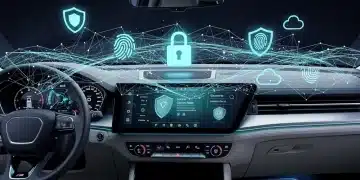
Robust encryption protocols and secure authentication methods are fundamental to preventing unauthorized access to a vehicle’s systems during an update. Manufacturers employ sophisticated cybersecurity measures to ensure that only legitimate, verified updates are installed, preventing malicious code from compromising vehicle integrity or occupant safety.
Protecting Your Vehicle’s Digital Footprint
Every OTA update is a potential entry point, making the security of the communication channel and the integrity of the update package crucial. Companies invest heavily in end-to-end encryption, digital signatures, and secure boot processes to verify the authenticity of software updates. This multi-layered approach aims to create a trustworthy environment for data exchange.
- Encryption: Securing data transmission channels.
- Digital Signatures: Verifying update authenticity.
- Secure Boot: Ensuring only authorized software runs on the vehicle.
Data privacy is another significant consideration. OTA updates often involve the collection of vehicle performance data, usage patterns, and diagnostic information. Manufacturers are increasingly transparent about their data collection policies, seeking user consent and anonymizing data where possible. Understanding these policies is crucial for drivers to maintain control over their personal information in the connected car ecosystem.
Challenges and Considerations for Widespread OTA Adoption
Despite their immense potential, the widespread adoption and seamless integration of OTA updates face several challenges. These hurdles range from technical complexities and regulatory landscapes to consumer perception and infrastructure requirements.
One primary technical challenge lies in the sheer diversity of vehicle architectures and the need for compatibility across different models and generations. Developing a universal OTA platform that can efficiently deliver updates to a multitude of electronic control units (ECUs) within a vehicle is a complex engineering feat. Each ECU often has specific hardware and software requirements, demanding meticulous testing and validation.
Infrastructure and Connectivity Demands
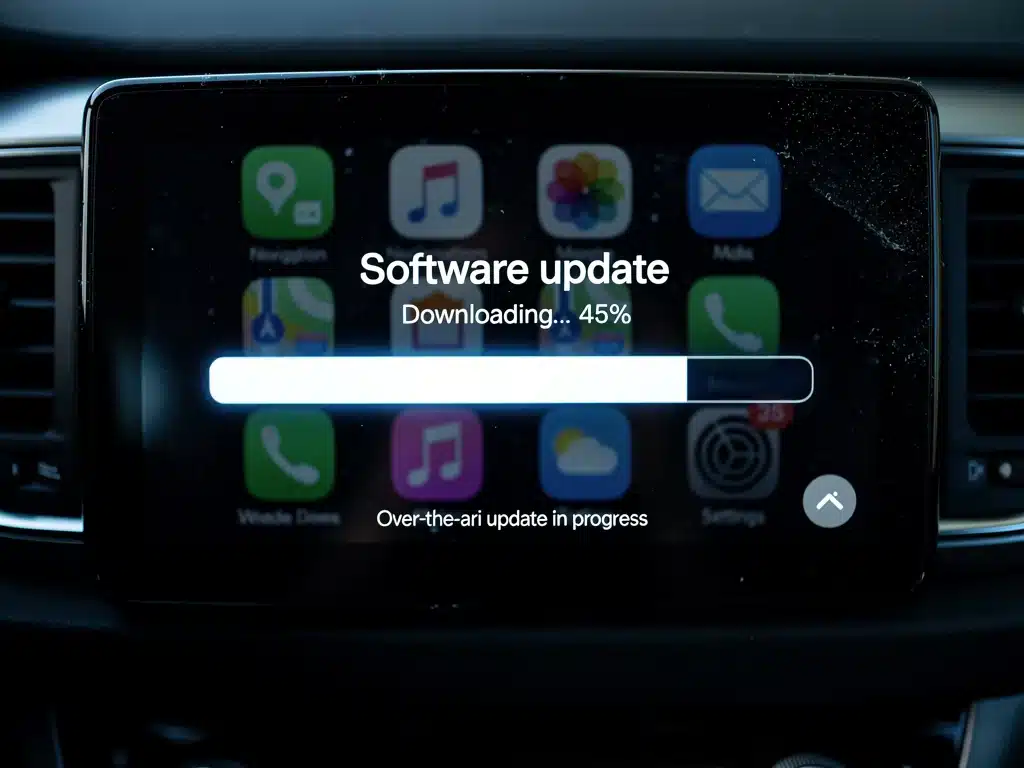
Reliable and ubiquitous connectivity is fundamental for OTA updates to function effectively. While many modern vehicles come equipped with built-in cellular modems, ensuring strong signal strength and data coverage in all regions remains a challenge. For larger updates, Wi-Fi connectivity often becomes the preferred method, requiring drivers to have access to stable home or public networks.
- Network Reliability: Ensuring consistent data transmission.
- Data Costs: Managing bandwidth and potential charges for large updates.
- User Experience: Clear communication during update processes.
Regulatory bodies are also grappling with how to oversee OTA updates, particularly concerning safety-critical systems. Establishing clear guidelines for validation, documentation, and liability in the event of an update-related issue is an ongoing process. Consumer education is equally important, as drivers need to understand the importance of installing updates and the implications of delaying them.
The Future of Automotive Software: Personalization and Subscription Models
Looking towards 2026 and beyond, OTA updates are poised to unlock a new era of personalization and flexible ownership models in the automotive industry. The ability to remotely modify and enhance vehicle capabilities opens up innovative avenues for both manufacturers and consumers.
Imagine purchasing a car with a base set of features and then, months or years later, opting to activate advanced driver-assistance systems (ADAS) or increased horsepower through an OTA update. This pay-as-you-go or subscription-based model for features offers unprecedented flexibility, allowing drivers to tailor their vehicles to their evolving needs and preferences without needing a new car.
On-Demand Features and Monetization Opportunities
Manufacturers are increasingly exploring how OTA can create new revenue streams beyond the initial vehicle sale. This could include temporary activations of features for specific trips, like enhanced towing capabilities for a vacation, or permanent upgrades to interior lighting themes or sound system equalizers. The potential for customization is vast.
- Feature on Demand: Activating capabilities temporarily or permanently.
- Subscription Services: Access to premium infotainment or performance modes.
- Personalized Experiences: Tailoring vehicle settings to individual drivers.
This shift also means that a car’s value could be maintained or even enhanced over time, as it continually receives new features and performance improvements. The longevity of a vehicle could extend beyond its mechanical lifespan, becoming more about its software capabilities, creating a dynamic relationship between owner and vehicle.
Maximizing Your Vehicle’s Performance with OTA Updates in 2026
For drivers aiming to maximize their vehicle’s performance by 2026, actively engaging with OTA updates will be non-negotiable. This involves more than just accepting prompts; it requires a proactive understanding of what updates offer and how they contribute to a superior driving experience.
Keeping your vehicle’s software current ensures you benefit from the latest security enhancements, performance optimizations, and new features. Think of it as regularly upgrading your smartphone; you wouldn’t intentionally run outdated software, and the same principle increasingly applies to your car. Timely updates can improve everything from braking response to the efficiency of your climate control system.
Best Practices for OTA Engagement
To fully leverage the power of OTA updates, a few best practices are advisable. Always ensure your vehicle is connected to a stable Wi-Fi network for download, especially for larger updates, to avoid data overages or interrupted downloads. Furthermore, follow manufacturer guidelines regarding when and where to perform updates, often recommending parking the vehicle in a safe location with adequate battery charge.

- Stay Connected: Utilize stable Wi-Fi for efficient downloads.
- Monitor Notifications: Respond promptly to update alerts.
- Understand Release Notes: Know what new features or fixes are included.
By staying informed and actively managing your vehicle’s software updates, you not only ensure optimal performance and safety but also unlock the full potential of your automotive investment. In 2026, a well-maintained vehicle will be one that is consistently updated, evolving with the technological advancements of the automotive world.
| Key Aspect | Brief Description |
|---|---|
| Definition | Wireless delivery of software updates to vehicle systems, enhancing features and performance. |
| Key Benefits | Improved safety, enhanced performance, new features, and remote maintenance convenience. |
| Security Concerns | Requires robust encryption and authentication to prevent cyber threats and protect data. |
| Future Impact | Enabling personalization, subscription models, and continuous vehicle evolution. |
Frequently Asked Questions About Vehicle OTA Updates
OTA updates are wireless software downloads delivered directly to your car’s embedded systems. They improve performance, fix bugs, enhance security, and can even unlock new features without needing a visit to a service center.
These updates can optimize engine efficiency, refine transmission shifts, extend EV battery range, and enhance infotainment system responsiveness. They ensure your vehicle is always running with the most current and efficient software available.
Manufacturers implement strong encryption, digital signatures, and secure boot processes to protect against cyber threats. Data collection policies are increasingly transparent, focusing on user consent and anonymization to safeguard privacy.
Challenges include ensuring compatibility across diverse vehicle architectures, reliable internet connectivity, evolving regulatory frameworks, and educating consumers on the importance and process of these updates for optimal use.
By 2026, OTA updates will enable more personalized vehicle experiences, allowing drivers to activate features on demand or through subscription models, evolving their car’s capabilities throughout its lifespan.
Conclusion
The journey towards 2026 highlights an automotive industry increasingly defined by software. Over-the-Air (OTA) updates for vehicles are not just a convenience; they are a fundamental component of modern vehicle ownership, promising continuous improvement in performance, safety, and user experience. By embracing and understanding these updates, drivers can ensure their vehicles remain at the forefront of technological advancement, providing a dynamic and continually optimized driving experience for years to come. The future of automotive performance is undoubtedly connected and constantly evolving, with OTA updates at its core.