Hydrogen Fuel Cell Vehicles: 500-Mile Range by 2026 Achievable?
Advertisements
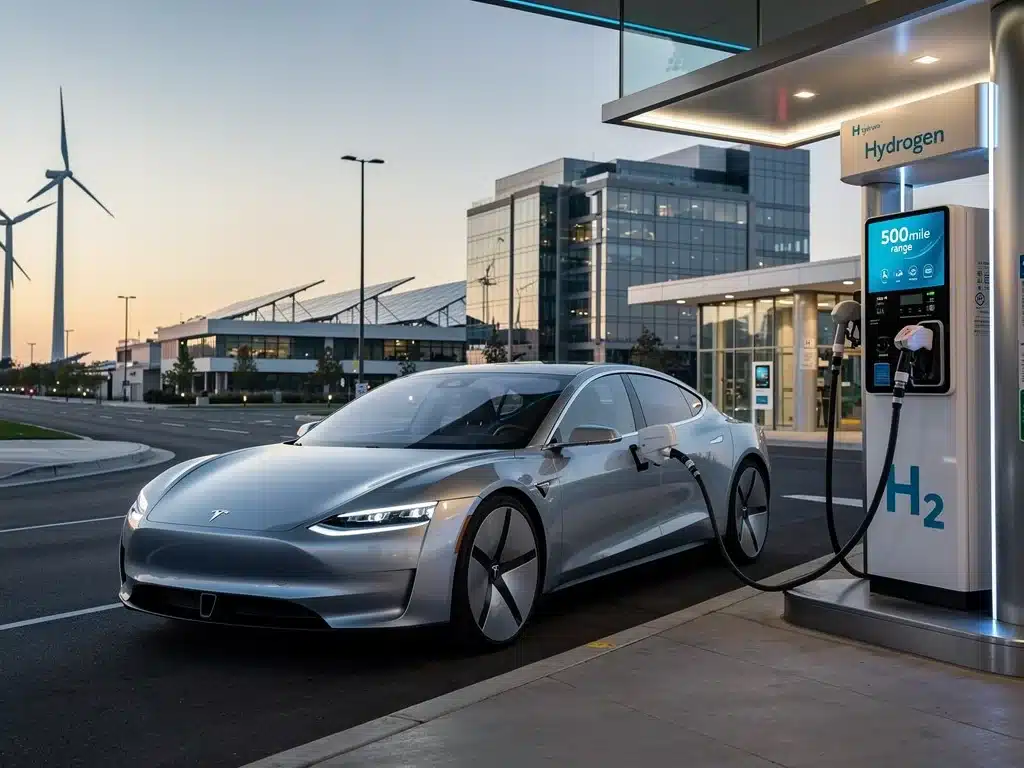
Achieving a 500-mile range for hydrogen fuel cell vehicles by 2026 is an ambitious but plausible goal, driven by ongoing technological advancements in fuel cell efficiency, hydrogen storage, and a developing refueling infrastructure.
The automotive world is constantly seeking the next big leap in sustainable transportation, and for many, hydrogen fuel cell vehicles represent a compelling future. A crucial question on the minds of consumers and industry experts alike is: is a hydrogen fuel cell range of 500 miles achievable by 2026? This inquiry delves into the heart of technological innovation, infrastructure development, and market readiness.
Advertisements
Understanding hydrogen fuel cell technology
Hydrogen fuel cell technology, often hailed as a cleaner alternative to traditional internal combustion engines and even some battery-electric vehicles, operates on a fascinating principle. It converts hydrogen and oxygen into electricity, producing only water as a byproduct. This fundamental process makes it an incredibly attractive option for reducing emissions and combating climate change.
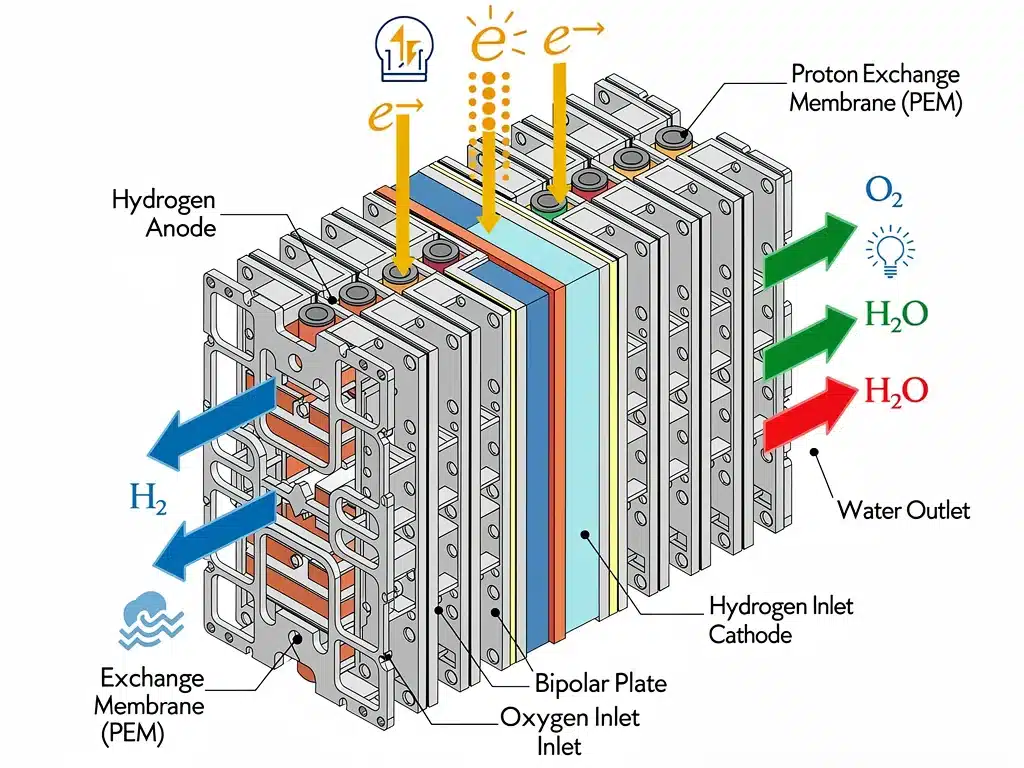
At its core, a fuel cell vehicle (FCV) uses a device called a fuel cell stack. This stack consists of individual fuel cells, each designed to facilitate the electrochemical reaction. Hydrogen is fed to the anode, and oxygen (typically from the air) is fed to the cathode. A proton exchange membrane (PEM) separates these two electrodes, allowing only protons to pass through. Electrons are forced to travel through an external circuit, generating the electricity that powers the vehicle’s electric motor.
Key components of a fuel cell vehicle
- Fuel cell stack: The heart of the system, where hydrogen and oxygen react to produce electricity.
- Hydrogen storage tanks: Typically high-pressure tanks designed to safely store hydrogen gas.
- Electric motor: Powers the wheels, similar to battery-electric vehicles.
- Battery: A small buffer battery often used to store regenerated braking energy and provide additional power during acceleration.
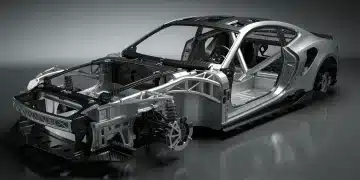
The efficiency of this conversion process is a critical factor in determining a vehicle’s range. Current fuel cell systems are continually being refined to maximize the energy extracted from each kilogram of hydrogen, directly impacting how far a vehicle can travel on a single fill-up. Furthermore, the weight and packaging of the fuel cell stack and hydrogen tanks play a significant role in overall vehicle design and performance, presenting ongoing engineering challenges and opportunities for innovation. Constant advancements in materials science and manufacturing techniques are paving the way for lighter, more compact, and more powerful fuel cell systems.
Current range capabilities and market leaders
While the 500-mile target for hydrogen fuel cell vehicles by 2026 seems ambitious, it’s essential to examine where the technology stands today. Several manufacturers have already introduced FCVs to the market, demonstrating impressive, albeit varying, range capabilities. These vehicles serve as benchmarks and indicators of the technology’s current maturity and its potential for future growth.
Currently, leading hydrogen FCVs on the market offer ranges that are competitive with many gasoline-powered cars. For instance, models like the Toyota Mirai and Hyundai Nexo are well-known examples. The Toyota Mirai, in its latest iteration, boasts an EPA-estimated range of around 402 miles for certain trims, a significant achievement for a zero-emission vehicle. The Hyundai Nexo also offers a commendable range, typically around 380 miles. These figures demonstrate that the technology is already capable of providing practical daily driving distances for many consumers.
Factors influencing current FCV range
- Hydrogen storage capacity: The volume and pressure at which hydrogen can be safely stored directly impact the amount of fuel a vehicle can carry.
- Fuel cell efficiency: Improvements in the fuel cell stack’s ability to convert hydrogen into electricity mean more miles per kilogram of hydrogen.
- Vehicle aerodynamics and weight: As with any vehicle, reducing drag and overall mass enhances efficiency and extends range.
- Driving conditions: Factors like speed, terrain, and ambient temperature can influence real-world range.
These existing models highlight the critical progress made in hydrogen fuel cell technology. However, reaching the 500-mile mark consistently across diverse vehicle segments by 2026 will require further breakthroughs, particularly in optimizing hydrogen storage density and improving the overall system efficiency. The continuous refinement of these aspects is central to pushing the boundaries of what FCVs can achieve on a single tank.
Advancements in hydrogen storage and fuel cell efficiency
Achieving a 500-mile range for hydrogen fuel cell vehicles by 2026 hinges significantly on breakthroughs in two core areas: hydrogen storage and fuel cell efficiency. Current high-pressure storage tanks, typically operating at 700 bar (approximately 10,000 psi), are effective but have limitations in terms of volume and weight. Researchers are actively exploring alternative storage methods to increase the amount of hydrogen that can be stored in a given space without compromising safety or adding excessive weight to the vehicle.
One promising avenue for storage innovation involves solid-state hydrogen storage materials. These materials, such as metal hydrides and chemical hydrides, can absorb hydrogen within their molecular structure, offering potentially higher volumetric and gravimetric densities than compressed gas. While still largely in the research and development phase, these materials hold the promise of more compact and potentially safer storage solutions. Another area of focus is cryo-compressed hydrogen, which involves storing hydrogen at extremely low temperatures and moderate pressures, combining the benefits of liquid and compressed gas storage.
Innovations in fuel cell efficiency
- Catalyst improvements: Developing more durable and efficient catalysts (e.g., platinum-group metal alloys or non-precious metal catalysts) to reduce costs and improve performance.
- Membrane advancements: Creating thinner, more robust proton exchange membranes that allow for faster proton transfer and higher power density.
- Stack design optimization: Engineering more compact and lighter fuel cell stacks with improved thermal management, enhancing overall system efficiency.
- Balance of plant (BOP) components: Optimizing compressors, humidifiers, and other auxiliary systems to reduce parasitic losses and improve net power output.
These ongoing advancements in both storage and fuel cell efficiency are not isolated efforts but rather interconnected challenges. A more efficient fuel cell can extract more energy from less hydrogen, while better storage allows for carrying more hydrogen. The synergistic effect of these improvements is crucial for reaching the ambitious 500-mile range target. The automotive industry, in collaboration with research institutions, is heavily investing in these areas, understanding that these innovations are key to unlocking the full potential of hydrogen as a transportation fuel.
The role of refueling infrastructure in range perception
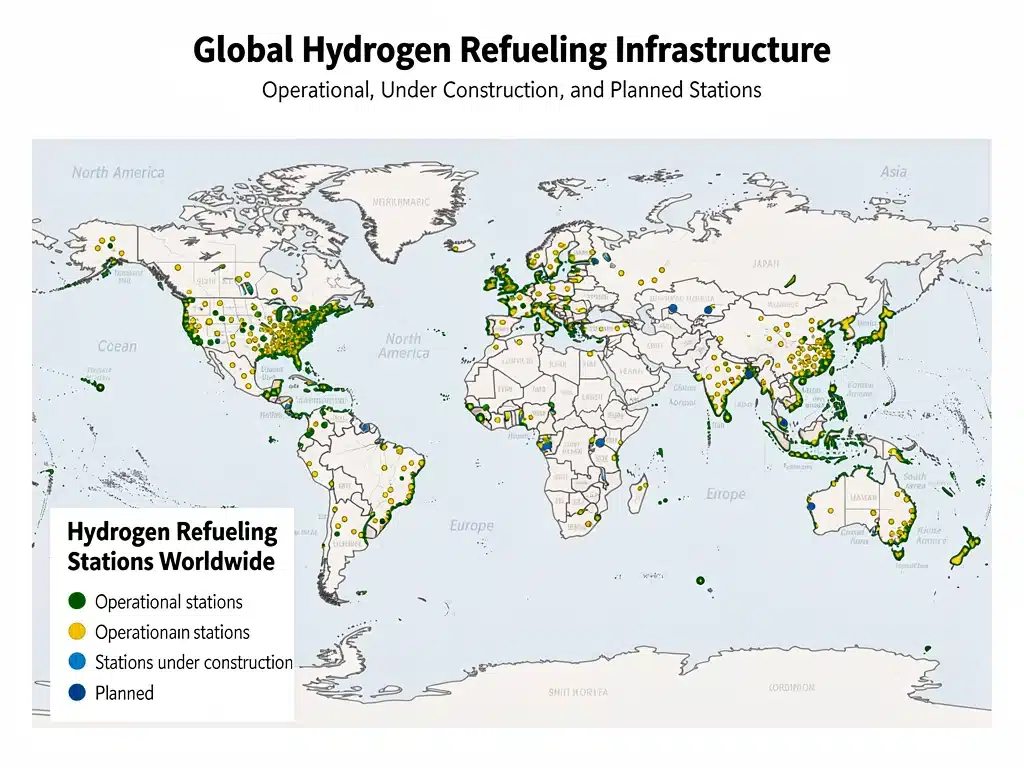
While the technical capability of a 500-mile hydrogen fuel cell range is paramount, the practical perception of range is heavily influenced by the availability and accessibility of refueling infrastructure. A vehicle, regardless of its theoretical range, is only as useful as its ability to be conveniently refueled. For FCVs, this means a robust network of hydrogen fueling stations.
Currently, the hydrogen refueling infrastructure, particularly in the United States, is still in its nascent stages. California has been a leader in deploying stations, but even there, the network is not as widespread as gasoline stations or even electric vehicle charging points. The lack of ubiquitous refueling options creates range anxiety for potential FCV owners, even if the vehicle itself offers a substantial range. Drivers need to be confident that they can find a station when needed, especially on long journeys.
Challenges in infrastructure development
- High capital costs: Building a hydrogen refueling station is significantly more expensive than a conventional gasoline station or even a fast-charging EV station.
- Supply chain logistics: Establishing a reliable and cost-effective supply chain for hydrogen production, transportation, and delivery to stations.
- Permitting and regulations: Navigating complex local and federal regulations for hydrogen storage and dispensing.
- Consumer adoption: A ‘chicken and egg’ problem where consumers are hesitant to buy FCVs without infrastructure, and investors are hesitant to build infrastructure without sufficient FCVs on the road.
To support a 500-mile range, and to make FCVs a viable option for mass adoption by 2026, a significant acceleration in infrastructure development is required. This involves strategic placement of stations along major corridors and in population centers, as well as increasing the capacity and reliability of existing stations. Government incentives, private investment, and cross-industry collaborations are all vital to overcome these infrastructure hurdles. The perception of range is not just about the vehicle’s capabilities, but also about the ecosystem that supports it.
Economic viability and market adoption by 2026
The question of whether a 500-mile hydrogen fuel cell range is achievable by 2026 cannot be separated from the economic viability and potential for market adoption. For any automotive technology to truly take hold, it must be cost-competitive and appealing to a broad consumer base. This involves not only the upfront purchase price of the vehicle but also the cost of ownership, including fuel and maintenance.
Currently, FCVs tend to have a higher sticker price than comparable gasoline or even some battery-electric vehicles, largely due to the complex and specialized components, such as the fuel cell stack and high-pressure hydrogen tanks. As production volumes increase and manufacturing processes become more efficient, these costs are expected to decrease. However, the pace of these reductions will be critical for achieving broader market appeal within the next few years.
Factors influencing economic viability
- Manufacturing scale: Increased production volume drives down component costs.
- Fuel cell stack cost reduction: Innovations in materials and manufacturing techniques for the fuel cell itself.
- Hydrogen production cost: Reducing the cost of producing ‘green’ hydrogen (from renewable energy) is vital for long-term sustainability and affordability.
- Government incentives: Tax credits, rebates, and other incentives can make FCVs more attractive to buyers.
The cost of hydrogen fuel itself is another significant consideration. While it can offer rapid refueling times, the price per kilogram of hydrogen needs to be stable and competitive with gasoline and electricity. The development of a robust and efficient hydrogen supply chain, coupled with advancements in hydrogen production technologies (especially electrolysis powered by renewable energy), will play a crucial role in bringing down fuel costs. Ultimately, for FCVs with a 500-mile range to gain significant traction by 2026, they must offer a compelling value proposition that goes beyond just environmental benefits, encompassing affordability and convenience for the average consumer.
The competitive landscape: FCVs versus BEVs
In the race for sustainable transportation, hydrogen fuel cell vehicles (FCVs) are often pitted against battery electric vehicles (BEVs). Both technologies offer zero tailpipe emissions, but they achieve this goal through different means, each with its own set of advantages and disadvantages. The pursuit of a 500-mile hydrogen fuel cell range by 2026 is partly driven by the need to remain competitive with the rapidly advancing capabilities of BEVs.
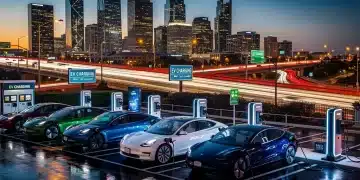
BEVs have seen exponential growth in recent years, with significant improvements in battery technology leading to longer ranges and faster charging times. Many premium BEVs now offer ranges exceeding 300-400 miles, with some pushing towards 500 miles on a single charge. The widespread and continually expanding charging infrastructure for BEVs also gives them a significant advantage in terms of convenience and accessibility for many consumers. The simplicity of charging at home or at public stations is a major draw.
Key differentiators and competitive advantages
- Refueling time: FCVs can be refueled in minutes, comparable to gasoline cars, whereas even the fastest BEV charging still takes significantly longer.
- Weight and packaging: Hydrogen tanks can be lighter than large battery packs for equivalent range, potentially offering better performance and cargo space in some applications.
- Long-haul and heavy-duty applications: FCVs are often considered more suitable for larger vehicles, commercial trucks, and long-distance transport due to faster refueling and potentially higher energy density.
- Cold weather performance: Fuel cells can often perform more consistently in cold temperatures compared to some battery chemistries.
However, BEVs benefit from a more mature and distributed charging infrastructure, lower upfront costs for many models, and a broader array of vehicle options. For FCVs to carve out a substantial market share by 2026, especially with a 500-mile range, they must not only match or exceed BEV range capabilities but also address the infrastructure gap and cost premium. The future likely holds a coexistence of both technologies, each excelling in different use cases and consumer needs, rather than one completely displacing the other.
Outlook for 2026: is 500 miles a realistic target?
Considering the rapid pace of technological innovation and market dynamics, assessing whether a 500-mile hydrogen fuel cell range is a realistic target for 2026 requires a balanced perspective. While it’s undeniably ambitious, several factors suggest it’s within the realm of possibility, albeit with significant hurdles to overcome.
From a purely technical standpoint, the ongoing advancements in fuel cell efficiency, hydrogen storage density, and overall system integration are pushing the limits of what’s achievable. Research and development teams globally are intensely focused on these areas, driven by both environmental mandates and competitive pressures. Incremental improvements across multiple components can cumulatively lead to substantial gains in range. Furthermore, optimizing vehicle aerodynamics and reducing weight will also contribute to extending the practical range of FCVs.
Factors supporting the 500-mile goal
- Accelerated R&D: Increased investment in fuel cell and hydrogen storage research.
- Government support: Policies and incentives promoting hydrogen as a clean energy vector.
- Industry collaboration: Partnerships between automakers, energy companies, and tech firms to accelerate development.
- Learning curve: Continuous refinement of existing FCV models and manufacturing processes.
However, the realization of a widespread 500-mile FCV by 2026 also depends heavily on external factors, most notably the expansion of the refueling infrastructure and the reduction of vehicle and fuel costs. Without a convenient and affordable fueling network, even a vehicle with an exceptional range will struggle to gain mass appeal. The ‘chicken and egg’ problem of infrastructure and adoption remains a critical challenge that needs to be addressed concurrently with technological advancements.
In conclusion, while achieving a 500-mile range for hydrogen fuel cell vehicles by 2026 is technically plausible given current trajectories, its widespread availability and market impact will depend on a concerted effort to scale infrastructure, reduce costs, and foster consumer confidence. It’s an optimistic but not impossible goal, requiring continued innovation and strategic investment across the entire hydrogen ecosystem.
| Key Aspect | Brief Description |
|---|---|
| 500-Mile Range Goal | An ambitious but plausible target for hydrogen FCVs by 2026, driven by continuous innovation. |
| Technology Advancements | Improvements in fuel cell efficiency and hydrogen storage are key enablers. |
| Infrastructure Challenge | Widespread hydrogen refueling stations are critical for mass adoption and range perception. |
| Economic Viability | Cost reduction for vehicles and fuel is essential for competitive market adoption. |
Frequently Asked Questions about Hydrogen Fuel Cell Vehicles
A hydrogen fuel cell vehicle is an electric vehicle that uses a fuel cell to convert hydrogen gas and oxygen into electricity, which then powers an electric motor. Its only byproduct is water vapor, making it a zero-emission vehicle at the tailpipe. FCVs offer fast refueling times similar to gasoline cars.
FCVs typically offer comparable or slightly higher ranges than many BEVs on a single fill-up, with the added benefit of much faster refueling. While BEV ranges are improving, FCVs excel in applications requiring quick turnaround times and longer distances, especially for larger vehicles.
Key challenges include further improving hydrogen storage density and fuel cell efficiency, significantly expanding the hydrogen refueling infrastructure, and reducing the overall cost of both the vehicles and the hydrogen fuel to make them more accessible to consumers.
Yes, the hydrogen refueling infrastructure is growing, particularly in states like California, which leads in station deployment. However, it is still in early stages compared to gasoline stations or EV charging networks. Significant expansion is needed to support widespread FCV adoption.
Green hydrogen is produced through electrolysis powered by renewable energy sources like solar or wind, resulting in zero carbon emissions. It’s crucial for FCVs to be truly sustainable, ensuring that the entire lifecycle, from fuel production to vehicle operation, is environmentally friendly and contributes to decarbonization efforts.
Conclusion
The journey toward a 500-mile hydrogen fuel cell range by 2026 is an intricate blend of technological ambition, infrastructure development, and economic realities. While the science and engineering are rapidly advancing, demonstrating the technical feasibility of such a range, the broader success hinges on overcoming significant hurdles related to hydrogen storage, fuel cell efficiency, and crucially, the widespread deployment of a robust and affordable refueling network. The competitive landscape with battery-electric vehicles also demands continuous innovation to offer a compelling value proposition to consumers. Ultimately, achieving this ambitious goal will not only signify a major triumph for hydrogen technology but also represent a significant step forward in the global shift towards a cleaner, more sustainable transportation future, provided that all pieces of the puzzle align in the coming years.