Bio-based Fabrics: 5 Sustainable Alternatives for US Apparel in 2026

Advertisements
The US apparel sector is undergoing a transformative shift towards sustainability, with bio-based fabrics US apparel innovation leading the charge, offering eco-friendly alternatives that are both functional and stylish for discerning consumers.
The fashion industry is at a crossroads. For decades, it has faced scrutiny for its environmental footprint, from water consumption to chemical pollution and textile waste. However, a significant shift is underway, particularly in the United States, as brands and consumers alike increasingly prioritize sustainability. This growing demand has fueled remarkable innovation in textile science, leading to the emergence of advanced bio-based fabrics. These materials, derived from natural and renewable resources, are not just a passing trend; they represent a fundamental change in how apparel is produced and consumed. By 2026, these sustainable alternatives are projected to dominate the US apparel market, offering a beacon of hope for a greener future. The integration of bio-based fabrics US apparel supply chains promises not only to mitigate environmental damage but also to redefine luxury and comfort.
Advertisements
The Rise of Sustainable Apparel in the US Market
The US apparel market is experiencing a profound transformation, driven by a collective awakening to environmental issues and ethical production. Consumers are no longer solely focused on aesthetics or price; they are actively seeking transparency and sustainability in their purchasing decisions. This shift is compelling brands to re-evaluate their material choices and manufacturing processes, leading to an unprecedented adoption of eco-friendly alternatives. The push for sustainable apparel is not just about reducing harm; it’s about creating a positive impact, fostering circular economies, and innovating for a resilient future.
This evolving landscape presents both challenges and opportunities. While the transition to sustainable practices requires significant investment and research, it also opens doors for new market segments and strengthens brand loyalty among environmentally conscious consumers. The move towards bio-based fabrics is a cornerstone of this revolution, offering solutions that are both biodegradable and renewable.
Consumer Demand Driving Change
- Eco-Conscious Shopping: A growing segment of US consumers prioritizes products with minimal environmental impact.
- Ethical Production: Demand for fair labor practices and transparent supply chains influences purchasing decisions.
- Longevity and Quality: Consumers increasingly seek durable garments, moving away from fast fashion’s disposable model.
The regulatory environment is also playing a crucial role, with potential policies encouraging sustainable manufacturing and stricter waste management. This combination of consumer pressure and regulatory foresight is accelerating the adoption of innovative materials, making sustainable apparel a mainstream expectation rather than a niche preference. The industry’s commitment to these changes will define its trajectory for decades to come, with bio-based fabrics US apparel innovation at its core.
In conclusion, the US apparel market’s embrace of sustainability is a multifaceted phenomenon. It reflects a deeper understanding of environmental responsibility and a proactive response to evolving consumer values. This momentum is creating a fertile ground for the widespread integration of bio-based fabrics, setting the stage for a more ethical and ecological fashion industry.
Mycelium-Based Leather: A Fungal Revolution for Fashion
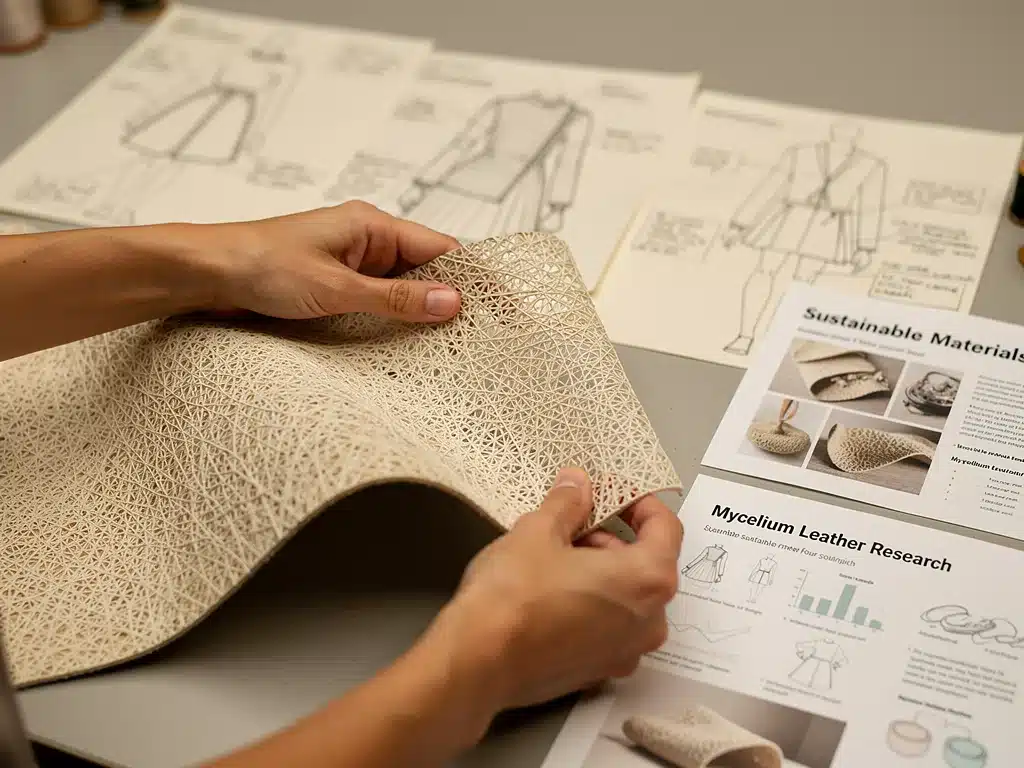
One of the most exciting innovations in sustainable textiles is mycelium-based leather, derived from the root structure of fungi. This material offers a compelling alternative to traditional animal leather, addressing both ethical concerns and environmental impacts associated with livestock farming. Mycelium leather boasts a similar look and feel to conventional leather, making it highly attractive to designers and consumers seeking cruelty-free and eco-conscious options.
The production process for mycelium leather is significantly more sustainable than traditional leather. It requires less water, land, and emits fewer greenhouse gases. This makes it a frontrunner in the race for truly sustainable materials. Brands are already beginning to integrate mycelium leather into their collections, from luxury handbags to footwear, signaling its potential to disrupt the market.
Advantages of Mycelium Leather
- Sustainability: Lower environmental footprint compared to animal leather.
- Versatility: Can be engineered to various textures, strengths, and thicknesses.
- Cruelty-Free: Offers an ethical alternative to animal products.
Companies are investing heavily in research and development to scale up production and improve the performance characteristics of mycelium leather. As these advancements continue, the material is expected to become more accessible and cost-effective, further accelerating its adoption within the US apparel industry. The tactile quality and aesthetic appeal of mycelium leather are crucial factors in its growing acceptance, proving that sustainable fashion does not have to compromise on style.
The integration of mycelium-based leather represents a significant leap forward for sustainable fashion. It embodies the potential of biotechnology to create high-performance materials that align with environmental values. As consumer awareness grows, the demand for such innovative alternatives will only intensify, cementing mycelium’s place as a key player in the future of bio-based fabrics US apparel.
Pineapple Leaf Fiber (Piñatex): Tropical Innovation
From the agricultural waste of pineapple harvests comes another remarkable sustainable material: pineapple leaf fiber, often known by the brand name Piñatex. This innovative fabric utilizes what would otherwise be discarded, transforming it into a durable, versatile, and eco-friendly textile. Piñatex provides a plant-based leather alternative that is both sustainable and supports local farming communities in pineapple-growing regions.
The process of extracting fibers from pineapple leaves is low-impact, requiring no additional land, water, or pesticides beyond what’s already used for fruit cultivation. This makes it an incredibly resource-efficient material. Once extracted, the fibers are processed into a non-woven mesh, which is then finished to create a leather-like material suitable for various applications in apparel and accessories.
Applications and Environmental Benefits
Piñatex is gaining traction in the US apparel market for its unique texture and strong sustainability credentials. It’s being used in footwear, bags, and even clothing, offering a distinctive aesthetic that appeals to eco-conscious consumers. The material’s biodegradability at the end of its life cycle further enhances its environmental appeal, contributing to a circular economy.
The adoption of pineapple leaf fiber not only reduces waste but also provides additional income streams for pineapple farmers, fostering economic sustainability in rural communities. This holistic approach to material sourcing and production aligns perfectly with the broader goals of the sustainable fashion movement. As brands continue to explore innovative ways to reduce their environmental footprint, Piñatex stands out as a prime example of turning waste into valuable, high-quality textiles.
In summary, pineapple leaf fiber offers a brilliant solution for the apparel industry, demonstrating how agricultural by-products can be repurposed into functional and fashionable materials. Its tropical origins and strong environmental profile make it an increasingly popular choice among bio-based fabrics US apparel innovators.
Algae-Based Fabrics: Harnessing Ocean’s Potential
Imagine clothing made from algae – a renewable resource that grows abundantly in oceans and freshwater bodies. Algae-based fabrics are emerging as a groundbreaking solution for sustainable textiles, offering materials that are not only eco-friendly but also possess unique performance characteristics. This innovative approach taps into the photosynthetic power of algae to create fibers that can be spun into yarns and woven into textiles.
The cultivation of algae for textile production requires minimal land and fresh water, making it a highly efficient and sustainable resource. Furthermore, algae actively absorb carbon dioxide during their growth, contributing to carbon sequestration. This aspect makes algae-based fabrics particularly attractive in the fight against climate change, offering a net positive environmental impact.
Benefits and Future Outlook
- Carbon Sequestration: Algae absorb CO2, helping to mitigate climate change.
- Resource Efficiency: Requires less land and fresh water compared to traditional crops.
- Unique Properties: Can offer antimicrobial properties and vibrant natural colors.
Early applications of algae-based fabrics include activewear, streetwear, and even specialty garments, showcasing their versatility and potential. Researchers are continually refining the extraction and processing techniques to enhance the durability, feel, and dye-ability of these fabrics. The inherent antimicrobial properties of some algae species also present opportunities for functional textiles that require less frequent washing, further reducing environmental impact.
As technology advances, the scalability of algae-based fabric production is expected to increase, making it a more viable option for mass-market apparel. The appeal of wearing clothing derived from the ocean’s bounty, combined with its strong environmental credentials, positions algae-based textiles as a significant player in the future of sustainable fashion. This innovative material underscores the endless possibilities when we look to nature for cutting-edge solutions, pushing the boundaries of what’s possible in bio-based fabrics US apparel.
Hemp and Organic Cotton Blends: The Resurgence of Naturals
While newer bio-based materials capture headlines, the resurgence of natural fibers like hemp and organic cotton, particularly in innovative blends, remains a cornerstone of sustainable apparel. These fibers have been around for centuries, but modern processing techniques and a renewed focus on environmental impact have brought them back into the spotlight. Their combined strengths offer a powerful proposition for eco-conscious fashion.
Hemp is renowned for its strength, durability, and minimal environmental footprint. It requires very little water, no pesticides, and enriches the soil it grows in. Organic cotton, on the other hand, is grown without synthetic pesticides or fertilizers, protecting biodiversity and farmer health. Blending these two fibers creates textiles that are not only strong and soft but also highly sustainable throughout their lifecycle.

Innovations in Blending and Processing
The innovation lies not just in using these fibers, but in how they are processed and blended to achieve desired textures and performance characteristics. Modern textile engineering allows for the creation of hemp and organic cotton blends that are softer, more drapeable, and more comfortable than ever before, dispelling old notions of scratchy natural fibers. These blends are ideal for a wide range of apparel, from everyday wear to more specialized garments.
- Enhanced Comfort: Blending improves softness and wearability.
- Increased Durability: Hemp’s strength extends garment life.
- Reduced Environmental Impact: Low water and pesticide requirements.
The US market is seeing a steady increase in demand for apparel made from these natural blends, driven by consumers who value comfort, longevity, and environmental responsibility. Brands are increasingly highlighting the provenance of their materials, emphasizing the benefits of organic and natural fibers. This transparency builds trust and reinforces the value proposition of sustainable fashion. The combination of traditional wisdom and modern innovation makes hemp and organic cotton blends indispensable in the evolving landscape of bio-based fabrics US apparel.
In conclusion, the enduring appeal and enhanced performance of hemp and organic cotton blends highlight their critical role in sustainable apparel. Their environmental benefits, coupled with continuous innovation in processing, ensure their continued dominance as eco-friendly choices for consumers and brands alike.
Recycled and Bio-Derived Synthetics: Bridging the Gap
While the focus is often on entirely new natural materials, significant advancements are also being made in recycled and bio-derived synthetics. These materials play a crucial role in bridging the gap between traditional synthetics and purely natural fibers, offering performance benefits while reducing reliance on virgin fossil fuels. Recycled polyester, for instance, diverts plastic waste from landfills and oceans, transforming it into usable textile fibers.
Bio-derived synthetics, on the other hand, are engineered polymers whose monomers are sourced from renewable biomass rather than petroleum. Examples include bio-based nylon and bio-based spandex. These innovations maintain the performance characteristics that consumers expect from synthetics – such as stretch, quick-drying properties, and durability – while significantly lowering their carbon footprint and environmental impact.
The Circular Economy and Performance
The push for recycled and bio-derived synthetics is deeply intertwined with the concept of a circular economy, where materials are kept in use for as long as possible. By utilizing existing waste streams or renewable biological resources, these materials reduce the demand for new resource extraction and minimize waste generation. This approach is vital for achieving true sustainability in the apparel industry.
- Waste Reduction: Recycled materials divert plastic from landfills.
- Reduced Fossil Fuel Dependence: Bio-derived synthetics use renewable resources.
- Maintained Performance: Offer similar properties to traditional synthetics.
The US apparel market is increasingly embracing these hybrid solutions, particularly in activewear, outerwear, and performance-oriented garments where synthetic properties are highly valued. Brands are investing in research to make these materials even more sustainable, exploring options for chemical recycling that can create an infinite loop for textile waste. The combination of environmental responsibility and high performance makes recycled and bio-derived synthetics indispensable in the drive toward a more sustainable fashion future, solidifying their place among leading bio-based fabrics US apparel innovations.
Ultimately, these materials offer a practical and effective pathway to sustainability, proving that innovation can deliver both environmental benefits and functional performance. Their role in a comprehensive sustainable strategy for the apparel industry is undeniable.
Challenges and Opportunities for Bio-based Fabrics
The transition to bio-based fabrics, while promising, is not without its challenges. Scaling production to meet the demands of the global apparel industry requires significant investment in infrastructure, research, and development. Ensuring consistent quality and performance across different batches of natural materials can also be more complex than with synthetic counterparts. Furthermore, consumer education is crucial to highlight the value and benefits of these new materials, justifying potentially higher price points.
Despite these hurdles, the opportunities presented by bio-based fabrics are immense. They offer a pathway to decouple the apparel industry from its heavy reliance on fossil fuels and environmentally damaging practices. Innovations in biotechnology and material science are continuously improving the properties and cost-effectiveness of these sustainable alternatives, making them increasingly competitive.
Overcoming Obstacles and Maximizing Potential
One of the primary challenges is achieving price parity with conventional materials. As production scales up and technologies become more refined, the cost of bio-based fabrics is expected to decrease. Government incentives and industry collaborations can further accelerate this process, making sustainable options more accessible to a wider market. Supply chain transparency and traceability are also critical to ensure the integrity of bio-based claims.
- Scaling Production: Requires significant investment and infrastructure development.
- Cost Competitiveness: Achieving price parity with conventional materials is key.
- Consumer Education: Informing consumers about the benefits and value of bio-based options.
The US apparel industry has a unique opportunity to lead this global shift. By investing in domestic research and manufacturing of bio-based textiles, the nation can foster job creation, enhance supply chain resilience, and solidify its position as a leader in sustainable innovation. Collaboration between material scientists, designers, manufacturers, and retailers will be essential to overcome challenges and fully harness the potential of these revolutionary fabrics.
In conclusion, while the journey towards a fully sustainable apparel industry is complex, the continuous advancements and growing acceptance of bio-based fabrics US apparel signal a bright future. By addressing challenges proactively and leveraging innovative solutions, the industry can achieve a truly transformative impact, benefiting both people and the planet.
| Fabric Type | Key Benefit |
|---|---|
| Mycelium Leather | Sustainable, cruelty-free alternative to animal leather. |
| Pineapple Leaf Fiber | Utilizes agricultural waste, biodegradable, supports farmers. |
| Algae-Based Fabrics | Carbon-negative potential, minimal resource use, unique properties. |
| Hemp & Organic Cotton | Durable, low environmental footprint, comfortable, natural. |
Frequently Asked Questions About Bio-based Fabrics
Bio-based fabrics are textiles derived from renewable biological resources, such as plants, fungi, or algae, instead of fossil fuels. They are crucial for apparel as they reduce environmental impact, minimize waste, and offer sustainable alternatives to traditional materials, aligning with eco-conscious consumer values.
Bio-based fabrics generally have a lower carbon footprint and are often biodegradable. While traditional synthetics like polyester and nylon are petroleum-derived and persist in the environment, bio-based options offer comparable performance with significantly reduced ecological impact.
Yes, advancements in textile technology have made bio-based fabrics highly durable and suitable for various applications, including everyday wear, activewear, and even luxury items. Materials like hemp and mycelium leather are known for their strength and longevity, matching or exceeding conventional options.
Challenges include scaling production to meet demand, achieving cost-effectiveness compared to established materials, and ensuring consistent quality. Additionally, educating consumers about the benefits and value of these innovative textiles is vital for widespread adoption.
Consumers can support this trend by actively seeking out brands that use bio-based and sustainable materials, prioritizing quality and longevity over fast fashion, and advocating for greater transparency in supply chains. Purchasing decisions drive demand and encourage industry innovation.
Conclusion
The landscape of the US apparel industry is undergoing a profound and necessary shift towards sustainability, with bio-based fabrics US apparel innovation at its forefront. The emergence of mycelium leather, pineapple leaf fiber, algae-based textiles, and the resurgence of refined hemp and organic cotton blends, alongside advanced recycled and bio-derived synthetics, collectively paint a promising picture for a greener future. These materials not only address critical environmental concerns but also cater to a growing consumer base that demands ethical production and eco-conscious choices. While challenges in scaling and cost-effectiveness persist, ongoing research, technological advancements, and collaborative efforts across the industry are steadily paving the way for these sustainable alternatives to become the norm rather than the exception. By embracing these innovative materials, the US apparel market is not just reducing its ecological footprint; it is actively shaping a more responsible, resilient, and stylish future for fashion.