Cybersecurity in Connected Cars: 5 Critical Updates for 2026
Advertisements
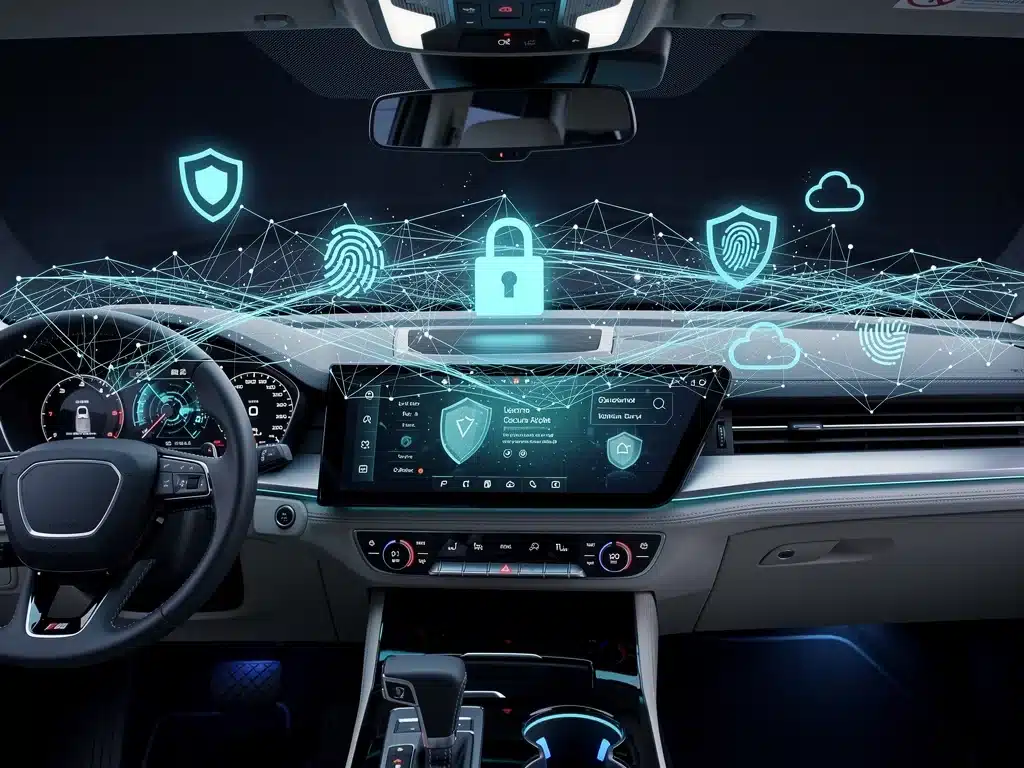
As connected car technology rapidly advances, safeguarding vehicle data and systems from emerging digital threats requires continuous vigilance and proactive cybersecurity measures, making specific updates critical for 2026.
The landscape of automotive technology is evolving at an unprecedented pace, bringing with it both incredible convenience and significant security challenges. With vehicles becoming increasingly connected, integrating with personal devices, smart infrastructure, and cloud services, the need for robust connected car cybersecurity has never been more urgent. As we look towards 2026, understanding and implementing critical cybersecurity updates will be paramount for protecting not just vehicle data, but also the safety of passengers and the integrity of the automotive ecosystem.
Advertisements
The evolving threat landscape for connected vehicles
The convergence of automotive engineering and information technology has birthed the connected car, a marvel of modern innovation. However, this connectivity simultaneously opens new avenues for cyber threats. From sophisticated ransomware attacks targeting vehicle systems to data breaches compromising personal user information, the risks are diverse and constantly evolving. Understanding these threats is the first step towards building resilient defenses for connected car cybersecurity.
The complexity of modern vehicle architectures, often integrating dozens of electronic control units (ECUs) and extensive software, presents a vast attack surface. Each component, from infotainment systems to advanced driver-assistance systems (ADAS), can potentially be a vulnerability if not adequately secured. Moreover, the increasing reliance on over-the-air (OTA) updates, while convenient, also introduces new vectors for malicious actors to exploit.
Understanding common attack vectors
Cybercriminals employ various methods to compromise connected vehicles. These can range from physical access attacks to remote exploits over wireless communication channels. Recognizing these vectors is crucial for developing targeted defense strategies.
- Remote Exploits: Attackers can leverage vulnerabilities in wireless communication protocols (e.g., Wi-Fi, Bluetooth, cellular) to gain unauthorized access to vehicle systems from a distance.
- Infotainment System Hacks: Often seen as less critical, infotainment systems can serve as a gateway to more sensitive vehicle controls if not properly isolated and secured.
- Supply Chain Attacks: Vulnerabilities introduced during the manufacturing process, through compromised components or software from third-party suppliers, can affect entire fleets of vehicles.
- Data Breaches: Personal and vehicle operational data stored in cloud services or transmitted between the car and external networks can be intercepted and stolen.
The automotive industry is responding with increased investment in cybersecurity research and development, but the dynamic nature of cyber threats means that security measures must be continuously updated and adapted. The proactive identification and mitigation of these attack vectors are essential for maintaining consumer trust and ensuring the long-term viability of connected vehicle technologies.
Update 1: enhanced software authentication and integrity verification
One of the most critical areas for bolstering connected car cybersecurity in 2026 is the implementation of enhanced software authentication and integrity verification protocols. As vehicles increasingly rely on complex software for their operation, ensuring that this software is legitimate, untampered, and comes from trusted sources is paramount. Malicious software, if loaded onto a vehicle, could lead to catastrophic failures, data theft, or even take control of critical driving functions.
This update involves more rigorous digital signing practices and cryptographic verification processes for all software components, from firmware to application-level code. Every piece of software installed or updated in a vehicle must undergo a stringent authentication process to confirm its origin and integrity. This significantly reduces the risk of unauthorized or compromised software being introduced into the vehicle’s ecosystem, a common vector for cyberattacks.
The role of secure boot and trusted execution environments
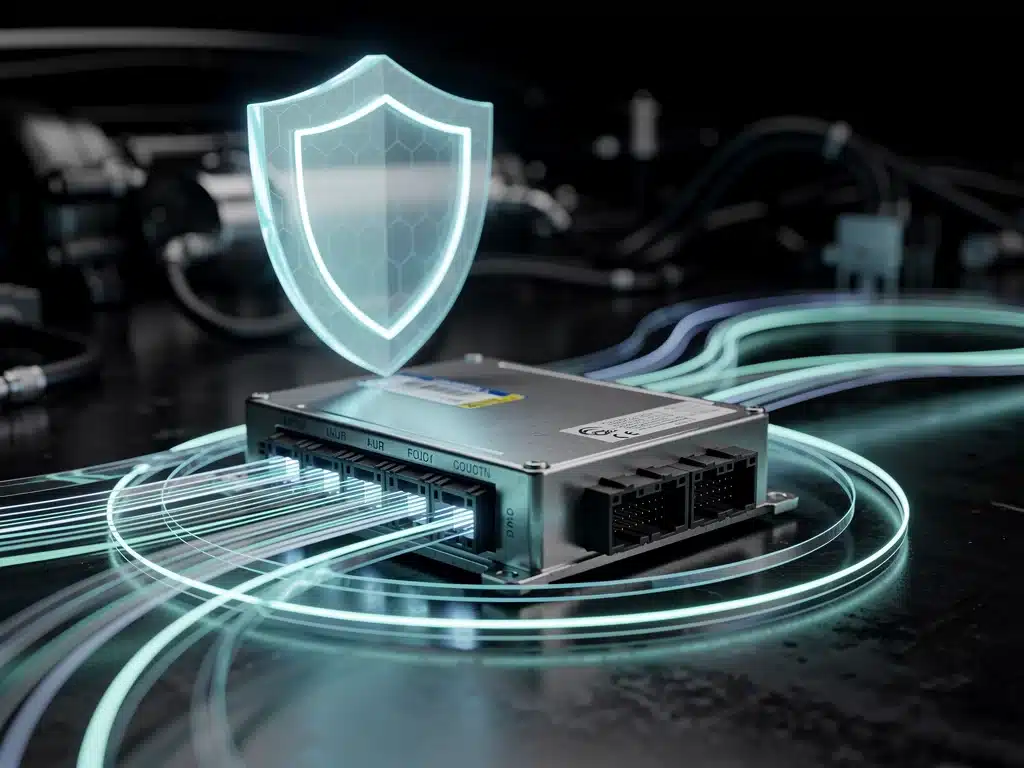
To further enhance software integrity, connected cars in 2026 will increasingly incorporate secure boot mechanisms and trusted execution environments (TEEs). Secure boot ensures that only authenticated and authorized software can run on the vehicle’s hardware, preventing the loading of malicious code during the startup process.
- Secure Boot: Verifies the digital signature of each component in the boot sequence, ensuring the system starts only with trusted software.
- Trusted Execution Environments (TEEs): Provide a secure area within the main processor that guarantees code and data loaded inside are protected with respect to confidentiality and integrity. This is ideal for handling sensitive operations like cryptographic keys and user authentication.
- Hardware Security Modules (HSMs): Dedicated hardware components designed to protect cryptographic keys and perform cryptographic operations, further isolating critical security functions from potential software vulnerabilities.
These technologies create a robust foundation for software security, making it significantly harder for attackers to inject or modify code within the vehicle’s core systems. The combination of strong authentication, secure boot, and TEEs forms a multi-layered defense strategy, essential for the future of automotive cybersecurity. This proactive approach helps to prevent threats rather than merely reacting to them, providing a stronger overall security posture.
Update 2: advanced intrusion detection and prevention systems (IDPS)
The second critical update for connected car cybersecurity in 2026 focuses on the deployment of advanced intrusion detection and prevention systems (IDPS). While proactive measures like secure boot are essential, vehicles also need the capability to detect and respond to ongoing or attempted attacks in real-time. Traditional network IDPS solutions are being adapted and enhanced for the unique environment of connected cars, where low latency and high reliability are paramount.
These sophisticated systems monitor the vehicle’s internal networks (such as CAN bus, Ethernet) and external communication channels for anomalous behavior, unauthorized access attempts, and known attack signatures. When a potential threat is identified, the IDPS can trigger alerts, isolate compromised components, or even initiate defensive actions to mitigate the attack before it causes significant harm. This real-time monitoring and response capability is a cornerstone of modern automotive security.
Leveraging artificial intelligence and machine learning for threat detection
The sheer volume and complexity of data generated by connected cars make traditional, signature-based IDPS less effective against zero-day exploits and novel attack patterns. This is where artificial intelligence (AI) and machine learning (ML) play a transformative role. AI/ML-powered IDPS can learn normal vehicle behavior and identify deviations that might indicate a cyberattack, even if the specific attack signature is unknown.
- Behavioral Anomaly Detection: AI models analyze patterns in vehicle data, such as sensor readings, ECU commands, and communication flows, to detect unusual activities that could signal an intrusion.
- Predictive Analytics: Machine learning algorithms can predict potential vulnerabilities or attack vectors based on historical data and emerging threat intelligence, allowing for proactive patching and strengthening of defenses.
- Faster Response Times: AI-driven systems can process and analyze data at speeds impossible for human operators, enabling near real-time detection and automated responses to threats.
Integrating AI and ML into IDPS not only enhances detection capabilities but also reduces false positives, ensuring that legitimate vehicle operations are not unnecessarily disrupted. This intelligent approach to cybersecurity is vital for protecting the dynamic and interconnected systems of 2026’s connected cars, providing a much-needed layer of adaptive defense against increasingly sophisticated adversaries.
Update 3: secure over-the-air (OTA) updates and remote diagnostics
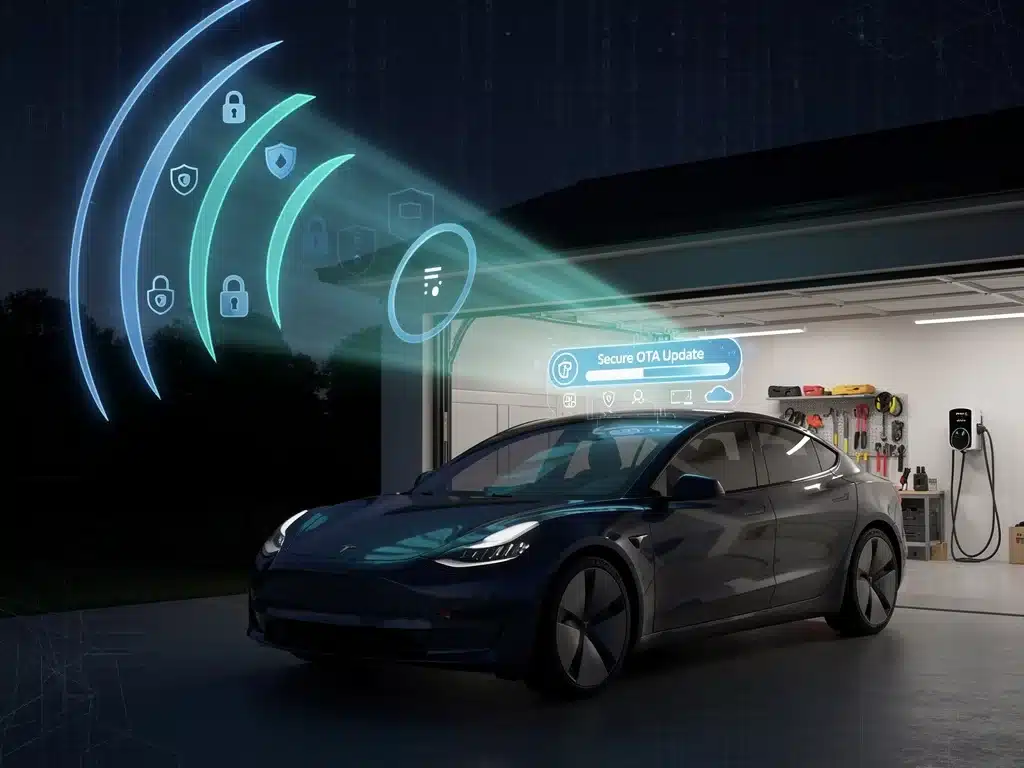
Over-the-air (OTA) updates have revolutionized how vehicles receive software patches, feature enhancements, and critical security fixes. This convenience, however, introduces a significant attack surface if not properly secured. The third critical update for connected car cybersecurity in 2026 emphasizes robust security protocols for OTA updates and remote diagnostics. Ensuring the integrity and authenticity of these remote interactions is crucial to prevent malicious actors from injecting compromised software or exploiting diagnostic channels.
Secure OTA updates involve cryptographic signing of all update packages, encrypted communication channels, and strict verification processes within the vehicle before any software is installed. This ensures that only authorized, untampered updates from the manufacturer are applied. Similarly, remote diagnostics must employ strong authentication and encryption to prevent unauthorized access to vehicle data or the manipulation of diagnostic commands, which could be used to disable safety features or extract sensitive information.
Implementing robust key management and encryption
The foundation of secure OTA updates and remote diagnostics lies in robust key management and encryption practices. Without strong cryptographic controls, the entire process is vulnerable to man-in-the-middle attacks or impersonation.
- Public Key Infrastructure (PKI): Utilizes digital certificates and public/private key pairs to verify the identity of the update source and ensure the integrity of the update package.
- End-to-End Encryption: All communication between the vehicle and the backend servers for updates and diagnostics must be encrypted, protecting data in transit from eavesdropping and tampering.
- Secure Hardware Elements: Vehicles should incorporate hardware security modules (HSMs) or secure elements to store cryptographic keys, making them resistant to software-based attacks and physical tampering.
By implementing these advanced security measures, automotive manufacturers can leverage the benefits of OTA updates and remote diagnostics without compromising vehicle security. This ensures that vehicles remain up-to-date with the latest security patches and features, while simultaneously closing off potential avenues for cyber exploitation. Secure remote interactions are not just about convenience; they are a fundamental pillar of maintaining a strong cybersecurity posture for connected cars in the coming years.
Update 4: robust data privacy and compliance frameworks
As connected cars collect vast amounts of data—from driving habits and location to biometric information and infotainment preferences—ensuring data privacy and adhering to stringent compliance frameworks becomes a paramount concern. The fourth critical update for connected car cybersecurity in 2026 focuses on establishing robust data privacy mechanisms and strict compliance with evolving regulations. This is not just a legal necessity but also a fundamental aspect of building trust with consumers.
Manufacturers must implement privacy-by-design principles, embedding data protection into every stage of vehicle development and operation. This includes clear policies on data collection, storage, usage, and sharing, along with mechanisms for user consent and data access. Compliance with global privacy regulations, such as GDPR and CCPA, as well as emerging automotive-specific data protection laws, will be non-negotiable.
Implementing anonymization and consent management
To protect sensitive user data, advanced techniques for data anonymization and comprehensive consent management systems are essential. Simply collecting data is no longer enough; how that data is handled defines the vehicle’s privacy posture.
- Data Anonymization and Pseudonymization: Techniques that remove or obscure personally identifiable information (PII) from collected data, making it harder to link back to individual users while still allowing for valuable analytics.
- Granular Consent Management: Providing users with fine-grained control over what data is collected, how it’s used, and with whom it’s shared, accessible through intuitive in-car interfaces or companion apps.
- Secure Data Storage and Access Controls: Implementing strong encryption for data at rest and in transit, combined with strict access controls to ensure only authorized personnel and systems can access sensitive information.
Establishing these robust data privacy and compliance frameworks will not only protect consumers from potential misuse of their data but also shield manufacturers from significant legal and reputational risks. As data becomes the new oil, securing this valuable resource within the connected car ecosystem is as important as securing physical vehicle components. The focus on privacy will define consumer acceptance and regulatory success in the connected car era.
Update 5: supply chain security and third-party risk management
The complexity of modern automotive manufacturing means that connected cars are built from components and software supplied by a vast network of third-party vendors. A single vulnerability introduced anywhere in this extensive supply chain can compromise the security of the entire vehicle. Therefore, the fifth critical update for connected car cybersecurity in 2026 is the implementation of comprehensive supply chain security and rigorous third-party risk management programs.
This involves extending cybersecurity requirements beyond the vehicle manufacturer to every supplier, subcontractor, and software provider involved in the automotive ecosystem. Manufacturers must conduct thorough security audits of their suppliers, mandate adherence to industry cybersecurity standards, and ensure that all third-party components and software are free from known vulnerabilities and backdoors. This proactive approach aims to identify and mitigate risks before they can impact the final product.
Establishing clear security standards for suppliers
To effectively manage supply chain risk, automotive companies need to establish clear, enforceable cybersecurity standards and expectations for all their partners. This creates a unified security posture across the entire product lifecycle.
- Standardized Security Assessments: Requiring all suppliers to undergo regular cybersecurity assessments and penetration testing, with results shared and actioned upon.
- Secure Development Lifecycle (SDL) Mandates: Ensuring that suppliers integrate security into their software and hardware development processes from the very beginning, rather than as an afterthought.
- Contractual Security Obligations: Including explicit cybersecurity requirements and liability clauses in contracts with all third-party vendors, making security a legal and business imperative.
By strengthening supply chain security and implementing stringent third-party risk management, the automotive industry can significantly reduce the likelihood of vulnerabilities being introduced at any stage of vehicle production. This collaborative approach to cybersecurity is essential for building resilient and trustworthy connected cars, protecting against threats that originate far beyond the vehicle itself. A secure supply chain is the bedrock upon which the security of the connected car rests.
Future-proofing your connected vehicle: best practices for 2026
Beyond the five critical updates, maintaining robust connected car cybersecurity in 2026 requires continuous vigilance and adherence to best practices. The threat landscape is dynamic, and what is secure today may not be tomorrow. Therefore, a proactive and adaptive approach is essential for future-proofing connected vehicles against emerging threats. This involves a combination of technological implementations, organizational policies, and consumer education.
Regular security audits, penetration testing, and vulnerability assessments should be standard practice throughout the vehicle’s lifecycle. Manufacturers need to establish dedicated cybersecurity teams, equipped with the latest tools and intelligence, to continuously monitor for new threats and develop rapid responses. Furthermore, fostering a culture of security awareness within the organization and among suppliers is crucial to minimize human error, which often serves as an entry point for attacks.
Empowering owners with security knowledge
Connected car owners also have a role to play in maintaining their vehicle’s cybersecurity. While manufacturers bear the primary responsibility, informed users can significantly contribute to their own safety and data privacy. Providing clear, accessible information and tools for users to manage their vehicle’s security settings is paramount.
- User Education Programs: Offering resources and guidelines on safe connectivity practices, recognizing phishing attempts, and understanding privacy settings.
- Regular Software and Firmware Updates: Encouraging owners to promptly install all security updates released by the manufacturer, as these often contain critical patches for newly discovered vulnerabilities.
- Strong Authentication Practices: Advising users to utilize strong, unique passwords for their connected car accounts and associated apps, and to enable multi-factor authentication where available.
By empowering owners with the knowledge and tools to make informed decisions about their vehicle’s security, the automotive industry can create a more resilient and secure connected car ecosystem. This collaborative effort between manufacturers, suppliers, and consumers will be key to navigating the complex cybersecurity challenges of 2026 and beyond, ensuring that the benefits of connected mobility are realized without compromising safety or privacy.
| Key Update | Brief Description |
|---|---|
| Enhanced Software Authentication | Rigorously verifies software legitimacy and integrity to prevent unauthorized code execution. |
| Advanced IDPS | Real-time monitoring and AI/ML-driven detection of cyber threats and anomalies. |
| Secure OTA Updates | Ensures cryptographic signing and encryption for all over-the-air software updates. |
| Data Privacy & Compliance | Implements privacy-by-design and adheres to global data protection regulations. |
Frequently asked questions about connected car cybersecurity
Connected car cybersecurity is increasingly vital due to the growing integration of advanced technologies, increased data collection, and the rise of sophisticated cyber threats. As vehicles become more autonomous and interconnected, protecting them from breaches ensures passenger safety, data privacy, and overall system integrity against evolving digital risks.
Unsecured connected cars face risks including remote vehicle control by malicious actors, theft of personal and biometric data, disruption of critical safety systems, and ransomware attacks. These vulnerabilities can lead to physical danger, privacy violations, and significant financial losses for both owners and manufacturers, highlighting the need for robust protection.
OTA updates are crucial for delivering essential security patches and feature enhancements, but they also introduce a potential attack vector if not secured. Robust cryptographic signing, encryption, and in-vehicle verification are necessary to ensure that only legitimate, untampered software is installed, preventing malicious code injection and maintaining vehicle integrity.
AI and machine learning significantly enhance connected car cybersecurity by enabling advanced intrusion detection. AI systems can analyze vast amounts of data to learn normal vehicle behavior and identify anomalous patterns indicative of cyberattacks, including zero-day exploits. This allows for faster, more accurate threat detection and proactive responses, bolstering overall defense mechanisms.
Car owners can contribute by promptly installing all manufacturer-issued software updates, using strong, unique passwords for connected car accounts, enabling multi-factor authentication, and being cautious about linking their vehicles to unsecured networks. Educating oneself on privacy settings and basic digital hygiene practices also plays a crucial role in enhancing vehicle security.
Conclusion
The journey towards fully secure connected cars in 2026 is an ongoing process that demands continuous innovation and collaboration. The five critical updates discussed—enhanced software authentication, advanced intrusion detection, secure OTA updates, robust data privacy frameworks, and comprehensive supply chain security—form the bedrock of a resilient cybersecurity strategy. By prioritizing these areas, the automotive industry can build trust, ensure safety, and unlock the full potential of connected mobility, safeguarding both vehicle data and human lives in an increasingly digital world. The commitment to these updates is not merely a technical requirement but a promise of a secure and reliable future for automotive technology.