Personalized Apparel: 3D Printing Revolutionizes Custom Clothing by 2026
Advertisements
3D printing is rapidly transforming the personalized apparel landscape, enabling unprecedented customization and innovative designs in the US custom clothing market, a trend expected to solidify by 2026.
The fashion industry is on the cusp of an extraordinary transformation, with technology spearheading a new era of bespoke creation. By 2026, the concept of personalized apparel: how 3D printing is revolutionizing custom clothing in the US will no longer be a futuristic fantasy but a tangible reality, reshaping everything from design to consumer experience. This innovative approach promises to democratize fashion, making unique, tailor-made garments accessible to a broader audience.
Advertisements
The Dawn of Digital Tailoring: 3D Printing in Fashion
The integration of 3D printing into the apparel sector marks a significant paradigm shift. This technology allows for the direct fabrication of complex geometries and intricate structures that are often impossible to achieve with traditional manufacturing methods. Designers can now move beyond two-dimensional patterns, exploring three-dimensional forms and textures directly on the body or as standalone components.
In the US, this translates into an exciting potential for customization. Consumers are increasingly seeking products that reflect their individual style and values, and 3D printing offers an unparalleled level of personalization. From custom-fit garments to unique decorative elements, the possibilities are vast and continually expanding. This shift is not just about aesthetics; it also addresses functional requirements, such as creating clothing with specific ergonomic properties or integrated smart features.
From Concept to Creation: The Design Workflow
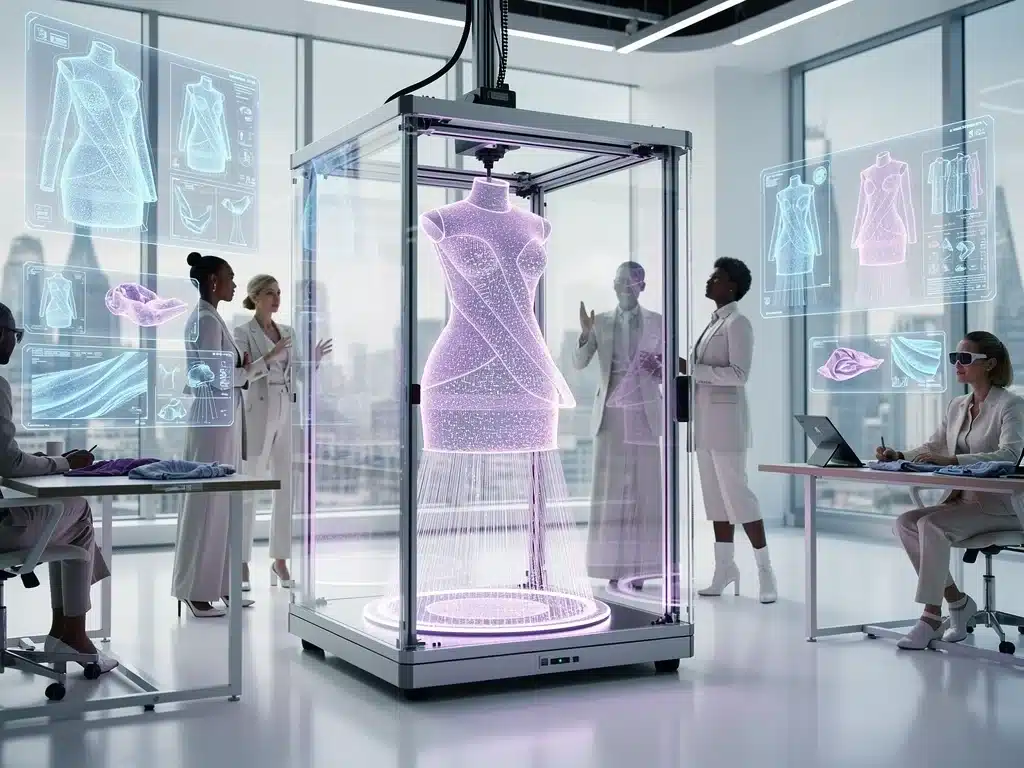
The design process with 3D printing is fundamentally different from conventional methods. It begins with digital modeling, often using specialized software that allows for precise control over every detail of the garment. This digital foundation enables rapid prototyping and iteration, significantly shortening the development cycle.
- Digital Sketching: Artists and designers can sketch ideas directly in 3D, bypassing physical pattern making.
- Material Selection: A growing array of flexible and wearable 3D printable materials is becoming available, offering different textures and properties.
- Simulation and Testing: Digital models can be simulated to test their drape, fit, and movement before physical production.
The ability to visualize and modify designs in a virtual environment before printing reduces waste and allows for greater creative freedom. This iterative process is crucial for developing truly innovative and functional 3D-printed apparel, making it a cornerstone of the revolution in custom clothing.
Ultimately, the adoption of 3D printing in fashion signifies a move towards a more agile and responsive industry. It empowers designers to experiment with forms and functions that were previously unimaginable, pushing the boundaries of what clothing can be. This digital-first approach ensures that the future of personalized apparel is not only stylish but also intelligently engineered.
Material Innovations Driving Wearable 3D Prints
The feasibility of 3D printing for apparel hinges significantly on the development of appropriate materials. Early 3D-printed garments were often rigid and uncomfortable, limiting their appeal. However, rapid advancements in polymer science and material engineering are changing this narrative, introducing flexible, durable, and even textile-like filaments suitable for wearable applications.
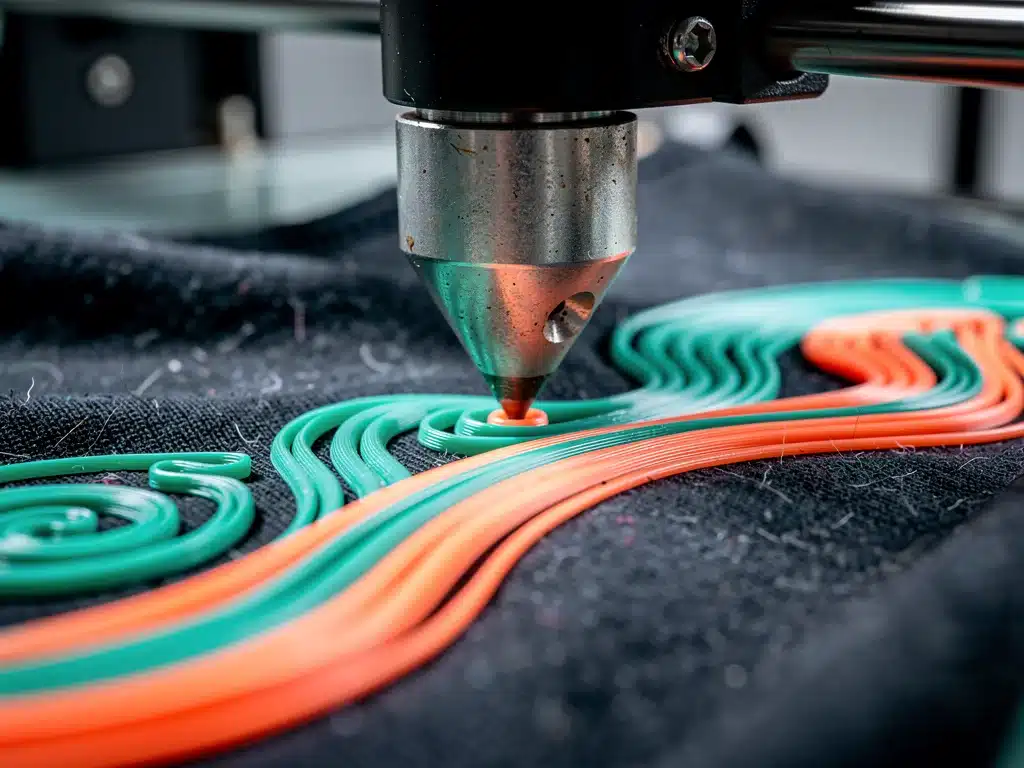
Innovations in flexible thermoplastics, such as TPU (thermoplastic polyurethane), and advanced elastomers are making it possible to print garments that are soft, pliable, and comfortable against the skin. Researchers are also exploring composite materials and multi-material printing techniques to create fabrics with varied properties within a single garment, such as breathable zones or reinforced areas.
Key Material Advancements
The evolution of 3D printing materials is a critical factor in the widespread adoption of personalized apparel. These new materials are not only more comfortable but also offer enhanced performance characteristics, making them suitable for everyday wear and specialized applications.
- Flexible Filaments: Materials like TPU offer elasticity and durability, making them ideal for clothing components that require movement.
- Biocompatible Polymers: For applications directly contacting the skin, biocompatible materials are being developed to ensure safety and comfort.
- Conductive Inks: The ability to print conductive pathways directly onto fabrics opens doors for integrated smart textiles and wearable electronics.
These material breakthroughs are not just incremental improvements; they represent a fundamental shift in what is possible with 3D-printed clothing. The ability to combine different materials and properties in a single print allows for garments that are not only aesthetically pleasing but also highly functional and adaptable to various needs.
The continuous research and development in this area promise even more sophisticated materials in the near future, further blurring the lines between traditional textiles and digitally fabricated structures. This material revolution is a cornerstone of how 3D printing is revolutionizing custom clothing, making it genuinely wearable and practical.
The Customization Revolution: Tailored to Perfection
One of the most compelling aspects of 3D printing in apparel is its unrivaled capacity for customization. Traditional mass production often struggles to cater to individual body shapes and aesthetic preferences, leading to ill-fitting garments and a sense of compromise for the consumer. 3D printing, however, offers a solution to this long-standing industry challenge.
Imagine a future where every garment is perfectly tailored to your unique measurements, designed to your exact specifications, and even adapted to your personal style evolution. This level of personalization extends beyond simple size adjustments; it encompasses bespoke designs, intricate patterns, and integrated features that cater to individual needs and desires. This is the promise of personalized apparel driven by 3D printing.
Personalized Fit and Design
The ability to create custom-fit clothing is a major draw for consumers. Body scanning technology can capture precise measurements, which are then used to generate 3D models for printing. This ensures a perfect fit, reducing discomfort and enhancing the garment’s aesthetic appeal.
- Body Scanning Integration: Accurate body data ensures garments fit like a second skin.
- Parametric Design: Designs can be easily scaled and modified to fit various body types and preferences.
- On-Demand Production: Eliminates the need for extensive inventory, allowing for truly unique, made-to-order pieces.
Furthermore, designers can offer a vast library of modular components and design templates that consumers can mix and match, or even modify, to create their own unique pieces. This co-creation model empowers consumers, transforming them from passive buyers into active participants in the design process. The result is a truly personalized garment that reflects the wearer’s identity.
This revolution in customization is set to redefine the retail experience, moving away from off-the-rack solutions towards a highly personalized and engaging journey. The promise of perfectly fitting, uniquely designed clothing is a powerful driver for the adoption of 3D printing in the US custom apparel market.
Sustainability and Ethical Production Benefits
Beyond aesthetics and customization, 3D printing offers significant advantages in terms of sustainability and ethical production, critical considerations for the modern consumer and the future of the fashion industry. Traditional apparel manufacturing is notorious for its environmental impact, from excessive water consumption to chemical waste and overproduction.
3D printing inherently operates on an additive manufacturing principle, meaning it only uses the material necessary for the product, significantly reducing waste. This ‘zero-waste’ or ‘minimal-waste’ approach stands in stark contrast to the cut-and-sew methods of conventional textile production, which often generate substantial fabric scraps.
Reducing Environmental Footprint
The localized and on-demand nature of 3D printing also contributes to a reduced carbon footprint. Production can occur closer to the consumer, minimizing transportation needs and associated emissions. This model supports a more circular economy, where materials can potentially be recycled and reused within the 3D printing ecosystem.
- Waste Reduction: Additive manufacturing minimizes material waste compared to traditional methods.
- On-Demand Manufacturing: Reduces overproduction and the need for large inventories, mitigating unsold stock issues.
- Local Production: Decreases shipping distances and associated carbon emissions.
Moreover, the transparency and traceability offered by digital manufacturing processes can improve ethical oversight. Consumers can gain a clearer understanding of how and where their garments are made, fostering trust and promoting responsible consumption. This holistic approach to production aligns with growing consumer demand for sustainable and ethically sourced products, making personalized apparel through 3D printing not just a luxury but a responsible choice.
The convergence of technological advancement and environmental consciousness positions 3D printing as a key player in building a more sustainable and ethical future for the apparel industry in the US and beyond. This aspect is crucial for addressing the increasing concerns about fashion’s impact on the planet.
Challenges and Overcoming Hurdles for Mass Adoption
While the potential of 3D printing in personalized apparel is immense, several challenges currently impede its widespread mass adoption. These hurdles range from technological limitations to economic considerations and consumer perceptions. Addressing these issues is crucial for 3D printing to truly revolutionize custom clothing in the US by 2026.
One primary challenge lies in the speed and scalability of 3D printing. Current industrial 3D printers can be slow compared to traditional manufacturing lines, making high-volume production of entire garments economically unfeasible for many applications. Additionally, the range of printable materials, while expanding, still needs to match the diversity and tactile qualities of conventional textiles.
Addressing Key Obstacles
Overcoming these challenges requires concerted efforts in research and development, as well as strategic investments from industry stakeholders. Progress in these areas will accelerate the integration of 3D printing into the mainstream fashion market.
- Printer Speed and Efficiency: Development of faster and more efficient 3D printing technologies is ongoing.
- Material Diversity: Expanding the range of flexible, comfortable, and durable printable materials is essential.
- Cost Reduction: As technology matures and scales, the cost of 3D printers and materials is expected to decrease.
Consumer acceptance is another critical factor. Many consumers are accustomed to the feel and drape of traditional fabrics, and 3D-printed garments need to meet or exceed these expectations in terms of comfort and aesthetics. Education and exposure to innovative 3D-printed designs will play a vital role in shifting perceptions and fostering demand.
Furthermore, establishing robust supply chains for 3D printing materials and developing skilled labor for design and operation are necessary steps for scaling up production. Despite these challenges, the rapid pace of innovation suggests that many of these hurdles will be significantly mitigated or overcome in the coming years, paving the way for a truly personalized apparel future.
The Future Landscape: 3D Printing’s Impact by 2026
Looking ahead to 2026, 3D printing is poised to significantly reshape the personalized apparel and custom clothing landscape in the US. While it may not entirely replace traditional manufacturing, it will undoubtedly carve out a substantial niche, particularly in high-value, custom, and innovative segments of the market. The technology’s influence will be felt across various facets of the industry, from design studios to retail floors.
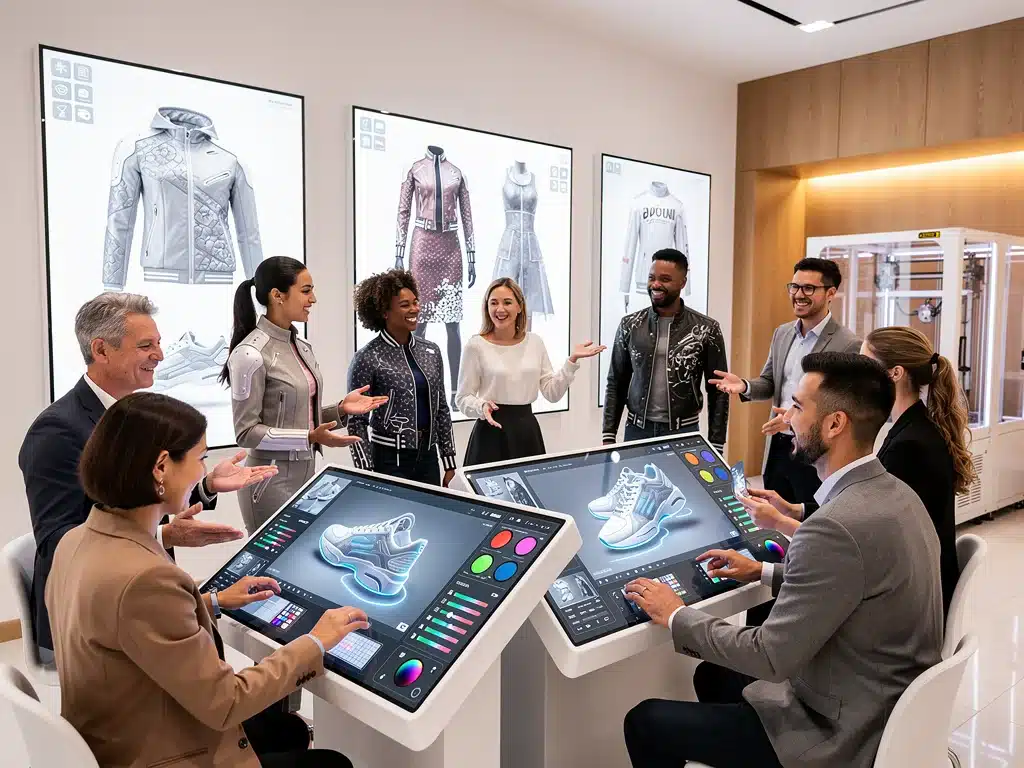
We can expect to see a proliferation of specialized fashion brands and designers leveraging 3D printing to offer unique, on-demand creations. Retail environments will likely incorporate interactive 3D printing stations, allowing consumers to digitally design and visualize their custom garments before placing an order. This experiential retail approach will enhance customer engagement and satisfaction.
Anticipated Market Shifts and Innovations
The next few years will bring about a series of transformative changes, impacting how clothing is conceived, produced, and consumed. These innovations will solidify 3D printing’s role in the apparel industry.
- Niche Market Dominance: 3D printing will excel in producing highly specialized and custom items, from haute couture to performance sportswear.
- Hybrid Manufacturing: Integration of 3D printed components with traditional textiles will become more common, offering the best of both worlds.
- Hyper-Personalization at Scale: Advancements will enable mass customization, bringing personalized options to a broader consumer base.
Furthermore, the focus on sustainability will drive innovation in recyclable and biodegradable 3D printing materials, aligning the industry with eco-conscious practices. Educational institutions will increasingly integrate 3D printing into fashion design curricula, nurturing a new generation of designers equipped with these advanced skills.
By 2026, 3D printing will be a recognized and essential tool in the arsenal of fashion innovators, offering solutions for personalization, sustainability, and creative expression that were once confined to science fiction. The US apparel market will be more dynamic, diverse, and responsive to individual consumer needs than ever before, thanks to this revolutionary technology.
The Economic Implications for the US Market
The widespread adoption of 3D printing in personalized apparel carries significant economic implications for the US market. This technology has the potential to disrupt traditional supply chains, create new business models, and stimulate economic growth through innovation and job creation. The shift towards localized, on-demand production could lead to a revitalization of domestic manufacturing.
By reducing reliance on overseas production, 3D printing can shorten lead times, lower shipping costs, and enable greater control over quality and ethical standards. This could make US-based apparel production more competitive, fostering a resurgence in local craftsmanship and manufacturing jobs, albeit with a new set of required skills.
New Business Models and Job Creation
The economic landscape will see the emergence of new players and business models. Small and medium-sized enterprises (SMEs) can leverage 3D printing to compete with larger brands by offering highly specialized and custom products without the need for massive capital investment in traditional factories.
- Micro-Factories: Decentralized production units can cater to local demand, fostering community-based manufacturing.
- Designer-Entrepreneurship: Lower barriers to entry empower individual designers to launch their own custom apparel lines.
- Skilled Labor Demand: New jobs in 3D design, material science, printer operation, and maintenance will emerge.
Investment in research and development for 3D printing technologies and materials will also drive economic growth. Government initiatives and private sector funding will be crucial in supporting this innovation ecosystem, ensuring the US remains at the forefront of this technological revolution in fashion. The economic benefits extend beyond direct manufacturing to areas like software development, training, and specialized repair services.
Ultimately, 3D printing will contribute to a more resilient and adaptable US apparel market, less susceptible to global supply chain disruptions and more responsive to rapidly changing consumer preferences. By 2026, its economic footprint will be a testament to its transformative power in the realm of custom clothing.
| Key Aspect | Impact by 2026 |
|---|---|
| Personalization | Unprecedented levels of custom-fit and unique design options for consumers. |
| Sustainability | Reduced waste and carbon footprint through on-demand, additive manufacturing. |
| Economic Shift | New business models, localized production, and job creation in specialized roles. |
| Technological Advancements | Faster printers, diverse flexible materials, and enhanced design software. |
Frequently Asked Questions About 3D Printing in Apparel
Currently, 3D printing is best suited for intricate components, accessories, footwear, and some full garments using flexible filaments. As materials and technologies advance, the range of printable clothing items is rapidly expanding to include more complex and comfortable apparel.
Early 3D printed garments were often rigid. However, significant material advancements, particularly with flexible polymers like TPU, now allow for the creation of soft, pliable, and comfortable clothing that can be worn for extended periods, comparable to traditional textiles.
3D printing reduces waste by only using necessary materials (additive manufacturing) and enables on-demand production, minimizing overstock. It also supports localized manufacturing, cutting down on transportation emissions, and can utilize recyclable or biodegradable materials.
While high-end custom pieces may remain premium, advancements in printer speed, material costs, and economies of scale are expected to make 3D printed personalized apparel more accessible. By 2026, more affordable custom options will likely emerge, especially for specific components or accessories.
Future careers in 3D printed apparel will require a blend of traditional fashion design knowledge with expertise in 3D modeling software, material science, and advanced manufacturing processes. Technical skills in operating and maintaining 3D printers will also be highly valued.
Conclusion
The journey towards a future where personalized apparel is seamlessly integrated into our lives through 3D printing is well underway. By 2026, the US apparel market will witness a profound transformation, moving beyond the confines of mass production to embrace an era of unprecedented customization, sustainability, and innovation. While challenges remain, the rapid pace of technological advancement, coupled with growing consumer demand for unique and ethically produced garments, ensures that 3D printing will be a pivotal force in shaping the next generation of custom clothing. This revolution promises not just new styles, but entirely new ways of thinking about fashion, empowering both designers and consumers to create a more personalized, sustainable, and exciting wardrobe.