US Luxury Vehicle Market: 8% Revenue Growth by 2026
Advertisements
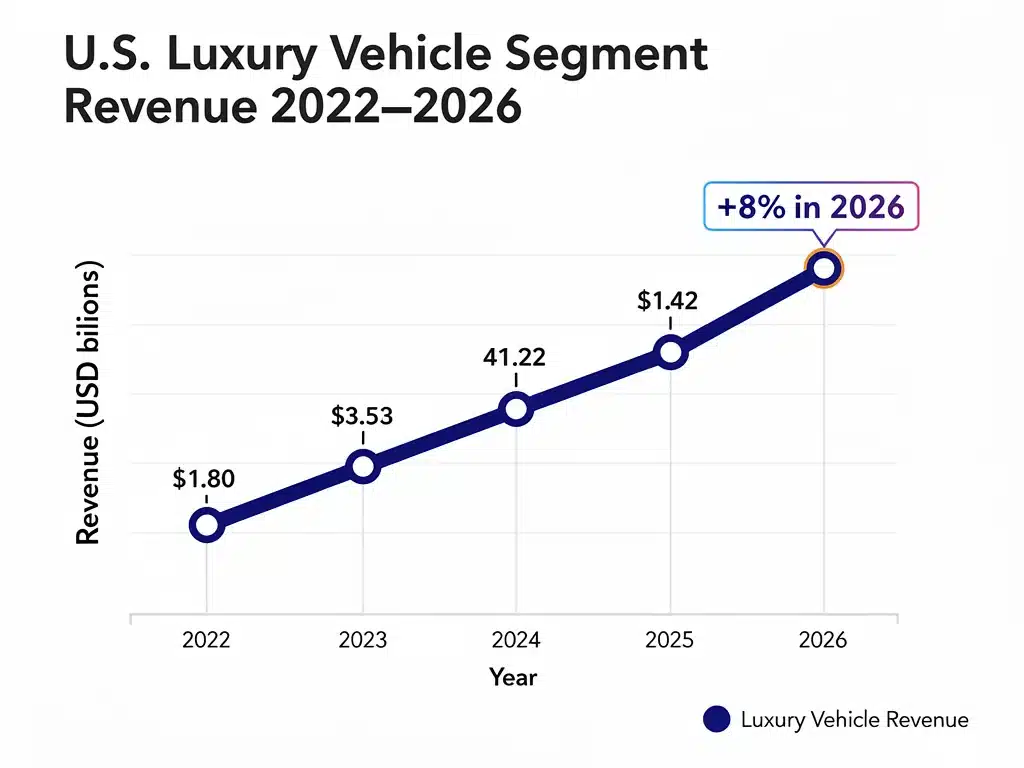
The US luxury vehicle market is projected to experience an 8% revenue increase by 2026, reflecting strong consumer demand and strategic innovations across the automotive sector.
The Luxury Vehicle Segment in United States Shows 8% Revenue Increase in 2026: Market Performance Insights, a compelling indicator of economic health and evolving consumer desires. This significant growth isn’t merely a statistic; it represents a dynamic shift in buying patterns, technological integration, and brand strategies within one of the world’s most competitive automotive landscapes. As we look towards 2026, understanding the underlying currents propelling this segment forward becomes paramount for industry players and enthusiasts alike.
Advertisements
Understanding the 2026 Revenue Surge
The projected 8% revenue increase in the US luxury vehicle segment by 2026 is a testament to the industry’s resilience and adaptability. This growth is not uniform across all sub-segments; rather, it’s concentrated in areas that align with contemporary consumer values and technological advancements. Premium brands are focusing on personalization, advanced driver-assistance systems, and sustainable powertrains to capture a discerning clientele.
Several factors contribute to this optimistic outlook. Economic recovery, coupled with an increase in disposable income among high-net-worth individuals, creates a fertile ground for luxury purchases. Furthermore, the cachet associated with owning a luxury vehicle continues to be a powerful motivator, particularly as brands skillfully weave narratives of exclusivity, performance, and cutting-edge design into their marketing.
Economic Tailwinds and Consumer Confidence
- Strong Economic Recovery: A robust post-pandemic economic rebound has bolstered consumer confidence, especially among affluent buyers.
- Increased Disposable Income: High-net-worth individuals are experiencing greater financial stability, enabling more luxury spending.
- Wealth Accumulation: Continued growth in various sectors has led to increased wealth, translating to higher demand for premium goods.
The industry is also benefiting from strategic investments in manufacturing and supply chain optimization. While challenges like semiconductor shortages have impacted production in recent years, the luxury segment has often been prioritized, ensuring a steady, albeit sometimes constrained, supply of high-demand models. This careful management of inventory further fuels the perception of exclusivity and desirability.
Ultimately, the 2026 revenue surge reflects a confluence of favorable economic conditions, strategic brand positioning, and an enduring consumer appetite for high-quality, technologically advanced, and emotionally resonant vehicles. This segment is not just selling transportation; it’s selling an experience, a status, and a vision of the future.
Key Drivers of Luxury Vehicle Demand
The demand for luxury vehicles in the United States is propelled by a multifaceted array of factors, extending beyond mere economic prosperity. Consumers in this segment are increasingly sophisticated, seeking vehicles that offer more than just opulent interiors or powerful engines. They demand a holistic experience that encompasses innovation, sustainability, and unparalleled customer service.
Technological innovation stands out as a primary catalyst. Luxury brands are at the forefront of incorporating advanced features, such as sophisticated infotainment systems, augmented reality displays, and highly intuitive driver-assistance technologies. These innovations not only enhance the driving experience but also serve as a strong differentiator in a competitive market.
The Rise of Electric Luxury Vehicles
One of the most significant shifts driving demand is the accelerating adoption of electric vehicles (EVs) within the luxury segment. Premium brands are investing heavily in developing high-performance, long-range electric models that offer both environmental benefits and a superior driving experience. The quiet operation, instant torque, and advanced battery technology of luxury EVs appeal strongly to environmentally conscious yet performance-oriented buyers.
- Performance and Range: New EV models boast impressive acceleration and extended range, addressing previous consumer concerns.
- Sustainability Appeal: Eco-conscious luxury buyers are drawn to the reduced environmental footprint of electric powertrains.
- Technological Integration: EVs often serve as platforms for the latest automotive technologies, from advanced connectivity to autonomous driving features.
Beyond technology, personalized experiences and bespoke options play a crucial role. Luxury buyers often seek vehicles that reflect their individual style and preferences. Manufacturers are responding by offering extensive customization programs, allowing customers to choose unique materials, colors, and features, making each vehicle a personal statement. This focus on individual expression fosters deeper brand loyalty and justifies premium pricing.
Evolving Consumer Preferences and Demographics
The profile of the luxury vehicle buyer in the US is continually evolving, influencing product development and marketing strategies. While traditional demographics still hold sway, there’s a noticeable shift towards younger, tech-savvy consumers who prioritize different attributes than past generations. These new buyers are often drawn to brands that align with their values, including sustainability and digital integration.
Millennials and Gen Z, as their purchasing power increases, are becoming a more significant force in the luxury market. They are less swayed by traditional status symbols and more by ethical manufacturing, cutting-edge technology, and a seamless digital experience. This demographic shift necessitates a re-evaluation of marketing channels, with a greater emphasis on digital platforms and influencer collaborations.
Generational Shifts in Luxury Buying
The preferences of younger luxury buyers are distinct:
- Technology Integration: High demand for advanced connectivity, intuitive user interfaces, and over-the-air updates.
- Sustainability Focus: Strong preference for electric or hybrid options, and brands with clear environmental commitments.
- Experience Over Ownership: Interest in subscription models, car-sharing services, and bespoke experiences rather than just outright purchase.
Furthermore, the desire for versatility and utility is also growing. While sedans and coupes historically dominated the luxury segment, luxury SUVs and crossovers now represent a substantial portion of sales. These vehicles offer a blend of comfort, space, and a commanding driving position, appealing to families and individuals who seek both luxury and practicality. This trend highlights a broader move away from purely performance-driven luxury towards a more lifestyle-oriented approach.
Understanding these nuanced shifts in consumer preferences is critical for luxury automakers. Success in 2026 and beyond will depend on their ability to anticipate and respond to these evolving desires, offering products and services that resonate with a diverse and increasingly demanding clientele.
Impact of Technology and Innovation
Technology and innovation are not merely features in luxury vehicles; they are fundamental pillars that differentiate brands and drive consumer interest. The luxury segment often serves as a proving ground for new automotive technologies before they trickle down to mass-market vehicles. This early adoption of cutting-edge solutions creates a premium experience that justifies the higher price point.
Autonomous driving capabilities, while still evolving, are a significant area of investment. Luxury brands are integrating advanced sensor suites, powerful AI processors, and sophisticated software to offer increasingly capable driver-assistance systems. These features promise enhanced safety, reduced driver fatigue, and a more relaxed journey, aligning perfectly with the luxury ethos of comfort and convenience.
Advanced Driver-Assistance Systems (ADAS)
The sophistication of ADAS in luxury vehicles is rapidly advancing:
- Enhanced Safety: Features like adaptive cruise control, lane-keeping assist, and automatic emergency braking provide superior protection.
- Convenience: Semi-autonomous driving modes reduce the burden of long-distance travel and stop-and-go traffic.
- Predictive Capabilities: Systems that anticipate road conditions and driver behavior for a smoother, more intuitive experience.
Beyond driving assistance, the in-cabin experience is being revolutionized by digital advancements. High-resolution displays, seamless smartphone integration, voice-activated controls, and premium sound systems are now standard expectations. Connectivity features, including 5G integration and over-the-air updates, ensure the vehicle remains current and offers continuous access to digital services and entertainment. This digital ecosystem transforms the vehicle into a personalized, connected space.
Moreover, advancements in material science are contributing to lighter, stronger, and more aesthetically pleasing vehicle components. From carbon fiber structures to sustainable interior materials, innovation in manufacturing processes enhances both performance and luxury appeal. These technological leaps are crucial for maintaining the segment’s competitive edge and meeting the high expectations of luxury buyers.
Competitive Landscape and Brand Strategies
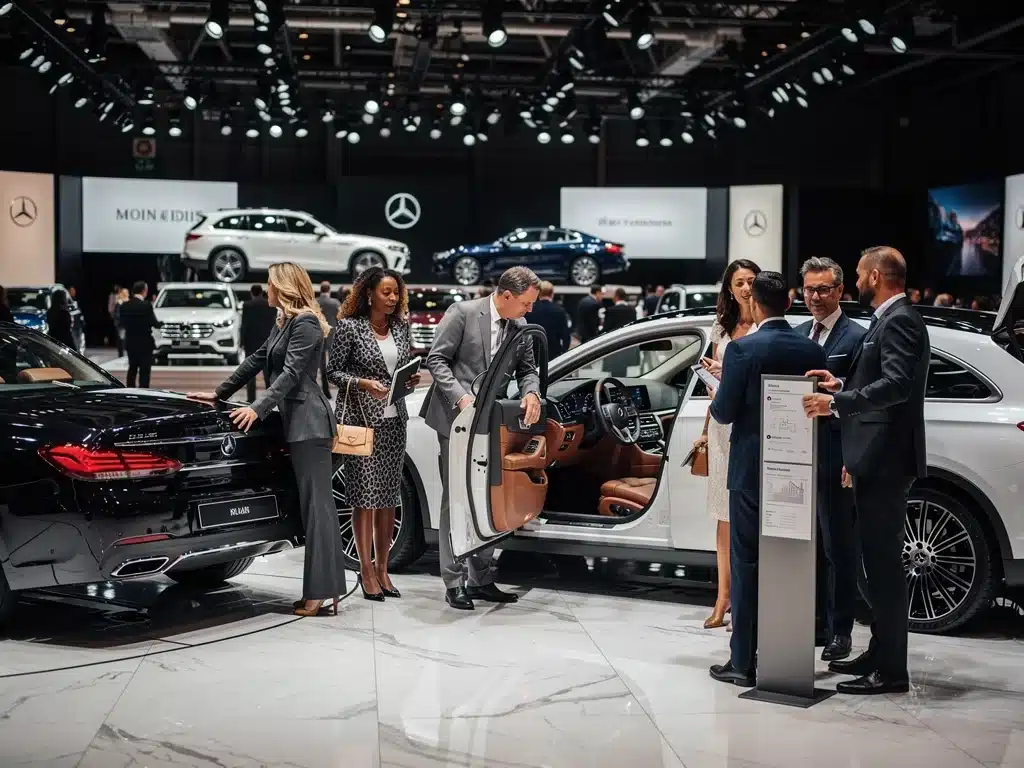
The competitive landscape within the US luxury vehicle segment is intensely dynamic, characterized by established titans and ambitious newcomers vying for market share. Traditional European luxury marques like Mercedes-Benz, BMW, and Audi continue to dominate, but they face increasing pressure from American brands such as Cadillac and Lincoln, as well as innovative players like Tesla and Lucid Motors in the EV space.
To maintain their leadership, legacy brands are investing heavily in electrification and digital transformation. They are not only developing new EV platforms but also re-imagining their entire customer journey, from online configurators to personalized after-sales service. This strategic pivot is essential to attract younger buyers and retain existing loyal customers who expect modern solutions.
Differentiation Through Unique Selling Propositions
Brands employ various strategies to stand out:
- Performance and Heritage: Emphasizing racing pedigree and engineering excellence (e.g., Porsche, Ferrari).
- Technological Leadership: Showcasing cutting-edge innovation and advanced features (e.g., Tesla, Mercedes-Benz).
- Exclusivity and Craftsmanship: Focusing on bespoke options, rare materials, and artisanal quality (e.g., Rolls-Royce, Bentley).
- Sustainability and Ethics: Highlighting eco-friendly manufacturing and electric powertrains (e.g., Lucid, Polestar).
New entrants, particularly those focused on EVs, are disrupting the market by offering fresh perspectives on luxury. They often leverage direct-to-consumer sales models and emphasize software-defined vehicles, appealing to tech-savvy consumers who value innovation and a streamlined purchasing process. These brands force established players to innovate faster and rethink their traditional distribution and service networks.
Ultimately, successful brand strategies in this segment revolve around understanding the evolving luxury consumer and delivering a compelling value proposition that combines prestige, performance, technology, and a personalized experience. The battle for the luxury dollar in 2026 will be won by those who can best adapt and innovate.
Future Outlook and Emerging Trends
Looking beyond 2026, the US luxury vehicle segment is poised for continued transformation, driven by several overarching trends. The acceleration towards full electrification is undeniable, with many luxury brands committing to all-electric lineups within the next decade. This commitment will reshape design, performance, and the entire ecosystem surrounding luxury vehicle ownership.
The concept of mobility as a service (MaaS) is also gaining traction, even within the luxury space. While outright ownership remains prevalent, subscription models and premium car-sharing services could offer flexible access to luxury vehicles, appealing to consumers who prefer experiences over long-term commitments. This trend could open new revenue streams and customer segments for luxury automakers.
Key Emerging Trends
- Autonomous Driving Advancements: Continued development towards higher levels of autonomous capability, transforming the driving experience.
- Hyper-personalization: Even greater customization options, from interior configurations to software interfaces, tailored to individual users.
- Subscription and On-Demand Services: Flexible ownership models offering access to a variety of luxury vehicles as needed.
- Sustainability Beyond Electrification: Focus on ethical sourcing of materials, circular economy principles, and reduced carbon footprint across the entire product lifecycle.
Furthermore, the integration of artificial intelligence (AI) will deepen, impacting everything from predictive maintenance to personalized in-car experiences. AI-powered assistants will become more intuitive, learning driver preferences and anticipating needs, creating a truly intelligent vehicle environment. This will move vehicles beyond mere transportation to become highly sophisticated personal companions.
The future of the luxury vehicle segment will also be shaped by global economic shifts, regulatory changes, and geopolitical stability. However, the underlying drive for innovation, exclusivity, and superior customer experience will remain constant. Brands that successfully navigate these complexities while staying true to their core luxury values will thrive in the evolving market landscape.
| Key Point | Brief Description |
|---|---|
| 8% Revenue Growth | Projected increase for the US luxury vehicle segment by 2026, indicating strong market expansion. |
| Key Growth Drivers | Economic recovery, rising disposable income, and technological advancements, especially in EVs. |
| Evolving Consumers | Younger, tech-savvy buyers prioritize sustainability, digital integration, and versatile vehicle types like SUVs. |
| Future Trends | Full electrification, advanced AI integration, hyper-personalization, and flexible mobility services. |
Frequently Asked Questions About the Luxury Vehicle Market
The revenue increase is primarily driven by a robust economic recovery, increased disposable income among affluent consumers, and significant technological advancements, particularly in electric vehicles. Evolving consumer preferences for sophisticated features and sustainable options also play a crucial role in boosting demand.
Electric vehicles are a major growth catalyst. Luxury brands are investing heavily in high-performance EVs, offering superior driving experiences, advanced technology, and environmental benefits. This appeals to a growing segment of eco-conscious yet performance-oriented buyers, significantly contributing to the market’s expansion.
Yes, consumer preferences are evolving, with younger demographics like Millennials and Gen Z increasingly influencing the market. They prioritize sustainability, cutting-edge technology, and personalized experiences over traditional status symbols. There’s also a growing demand for versatile luxury SUVs and crossovers.
Technology is crucial for differentiation. Luxury brands lead in integrating advanced driver-assistance systems, sophisticated infotainment, and seamless connectivity. These innovations enhance safety, comfort, and the overall in-cabin experience, justifying premium pricing and attracting tech-savvy buyers seeking the latest automotive solutions.
Beyond 2026, key trends include accelerated full electrification commitments, advancements in autonomous driving, hyper-personalization options, and the growth of mobility-as-a-service models. Deeper integration of artificial intelligence will also transform vehicle intelligence, making cars more intuitive and connected personal companions.
Conclusion
The projected 8% revenue increase for the US luxury vehicle segment by 2026 underscores a vibrant and dynamic market. This growth is a clear reflection of robust economic conditions, coupled with a transformative shift in consumer priorities towards innovation, sustainability, and unparalleled personalized experiences. As brands continue to push the boundaries of technology, design, and customer service, the luxury automotive sector is poised not only for sustained expansion but also for a fundamental redefinition of what luxury truly means in the modern era. The strategic investments in electric powertrains, advanced driver-assistance systems, and bespoke customization options are not merely trends; they are foundational elements shaping the future of high-end mobility in the United States.