EV Scale Models: A 2026 Collector’s Perspective
Advertisements
The market for electric vehicle scale models in 2026 is experiencing unprecedented growth, fueled by both the automotive industry’s electrification and increasing collector interest in miniature representations of sustainable technology.
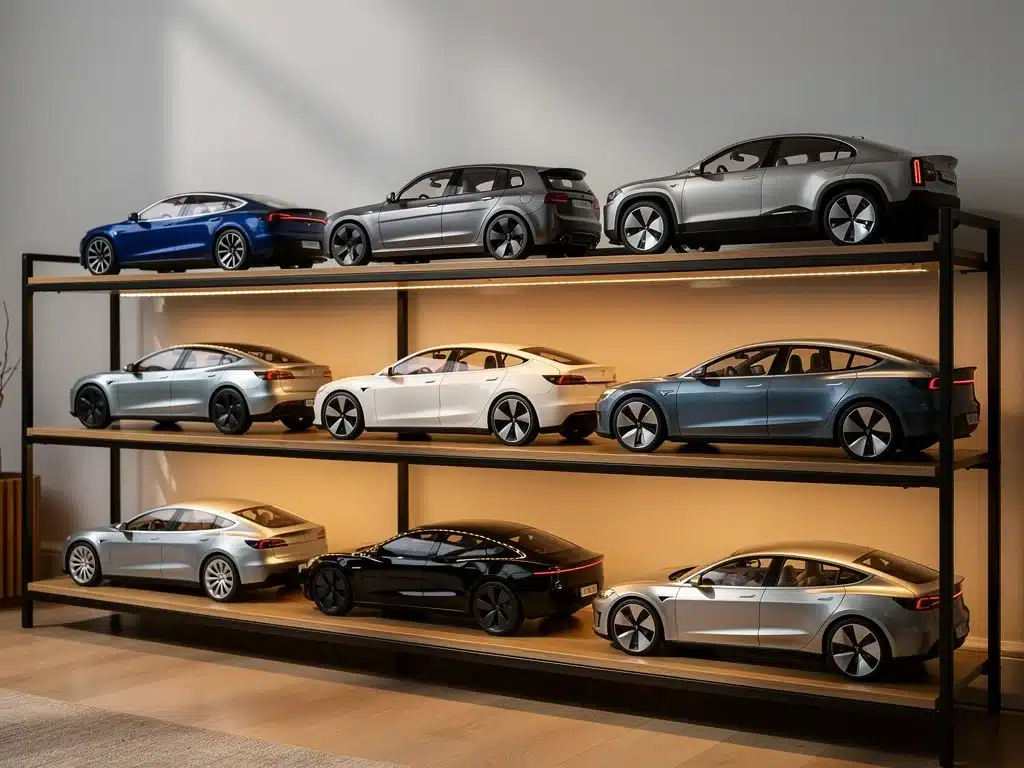
The world of collectible scale models has always mirrored the evolution of automotive technology and design. Today, in 2026, we are witnessing a significant shift, with The Rise of Electric Vehicle Scale Models: A 2026 Collector’s Perspective taking center stage. This burgeoning segment is not merely a fleeting trend but a profound transformation, captivating seasoned collectors and newcomers alike. As electric vehicles (EVs) redefine personal transportation, their miniature counterparts are simultaneously carving out a unique and dynamic niche in the enthusiast market.
Advertisements
The electrifying shift in collecting trends
The collecting landscape is undergoing a revolutionary change, with electric vehicle scale models rapidly gaining prominence. This shift is deeply intertwined with the broader automotive industry’s pivot towards electrification, making these miniatures not just toys, but significant cultural artifacts.
Collectors are no longer solely focused on classic gasoline-powered muscle cars or vintage European sports cars. A new generation of enthusiasts, alongside established collectors, is actively seeking out highly detailed replicas of the latest EVs, recognizing their historical importance and innovative design.
Why EV models are captivating collectors
Several factors contribute to the allure of EV scale models. Their unique aesthetics, often futuristic and aerodynamic, translate beautifully into miniature form. Furthermore, the rapid pace of innovation in the EV sector means that new models with distinct features and technologies are constantly emerging, keeping the collecting scene vibrant and engaging.
- Innovative Design: EVs often feature sleek, minimalist, and futuristic designs that stand out in any collection.
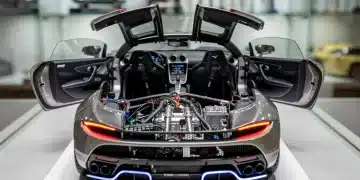
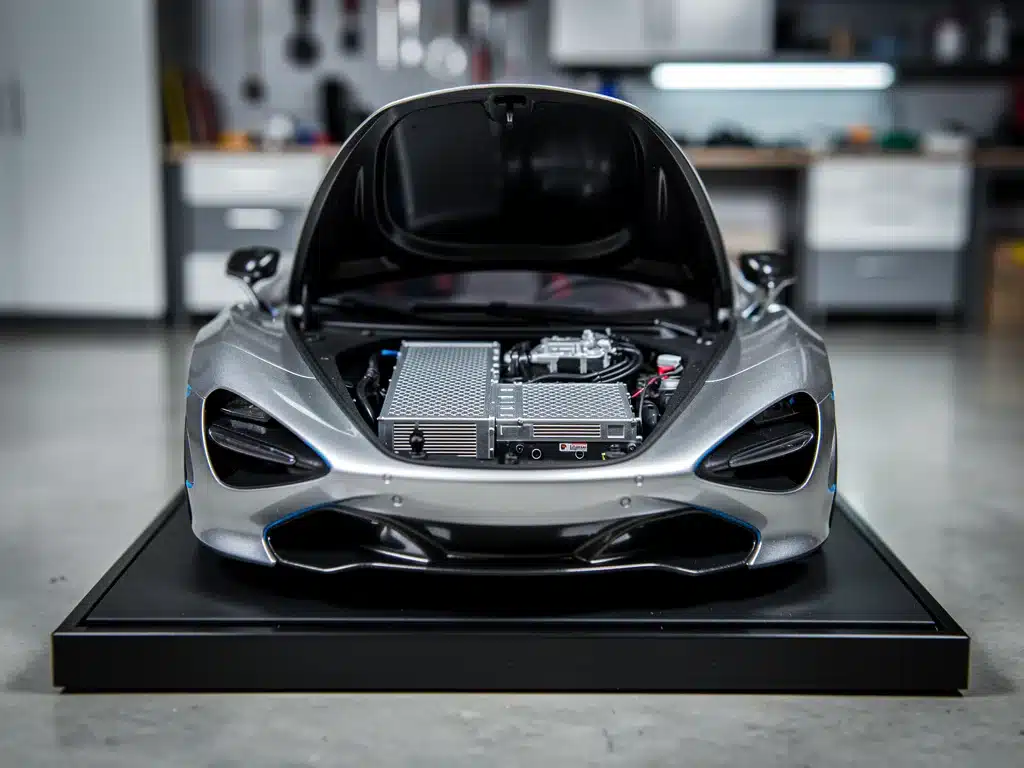
- Technological Representation: Many high-end models now include intricate details of battery packs, electric motors, and charging ports, offering a glimpse into the underlying technology.
- Environmental Significance: Collecting EVs can be seen as a nod to sustainability and a recognition of the automotive industry’s future direction.
- Brand Diversity: From established automakers to innovative startups, the variety of EV brands offers a rich tapestry of models to collect.
The collector’s pursuit of authenticity
For many collectors, the pursuit of authenticity is paramount. This means seeking out models that accurately replicate the real vehicles, not just in exterior appearance but also in interior details, wheel design, and even under-the-hood (or under-the-floor) components. Manufacturers are responding to this demand by producing increasingly sophisticated and detailed EV scale models, often using advanced materials and production techniques.
The rise of electric vehicle scale models reflects a broader cultural appreciation for sustainable technology and forward-thinking design. As the EV market continues to expand, so too will the appeal and diversity of its miniature representations, solidifying their place in the hearts of collectors worldwide.
Technological advancements in miniature manufacturing
The precision and realism seen in today’s electric vehicle scale models are a direct result of significant technological advancements in manufacturing. Gone are the days of simple, generic molds; modern production techniques allow for unparalleled detail and accuracy, elevating these miniatures to true works of art.
From the initial design phase to the final assembly, cutting-edge technologies are employed to ensure that every curve, every panel gap, and every interior feature of a real EV is faithfully recreated in its scaled-down counterpart. This dedication to detail is what truly sets contemporary EV models apart.
3D printing revolutionizing prototyping and production
One of the most impactful technologies in the scale model industry is 3D printing. Initially used for rapid prototyping, it is now increasingly being adopted for producing limited runs of highly intricate components. This allows manufacturers to create complex shapes and unique parts that would be difficult or impossible with traditional molding techniques.
The ability to quickly iterate designs and produce bespoke parts means that scale model manufacturers can keep pace with the rapid design changes in the real EV market. This agility is crucial for capturing the essence of newly released electric vehicles and concept cars almost as soon as they are unveiled.
- Rapid Prototyping: Allows for quick testing and refinement of new model designs.
- Complex Geometries: Enables the creation of intricate internal and external details previously unattainable.
- Customization: Facilitates personalized or limited-edition runs with unique features.
- Material Diversity: New resins and materials can mimic various textures and finishes.
Advanced materials and finishing techniques
Beyond 3D printing, the use of advanced materials and sophisticated finishing techniques plays a vital role. Die-cast metal remains a staple for its weight and feel, but it’s now complemented by high-quality plastics, photo-etched parts, and even carbon fiber decals to replicate genuine vehicle components. Paint finishes are more realistic than ever, often employing multi-stage processes to achieve the deep gloss and metallic sheen of full-sized EVs.
The integration of micro-electronics for functional lights, opening doors, and even simulated engine sounds (for those EV models that mimic a futuristic hum) further blur the line between model and machine. These technological leaps are not just about aesthetics; they enhance the tactile and interactive experience for the collector, making each piece more engaging and valuable. The continuous evolution of these manufacturing processes promises even more astonishing realism in the EV scale models of tomorrow.
Investment potential and market valuation in 2026
While collecting is often driven by passion, the investment potential of electric vehicle scale models in 2026 is becoming an increasingly important consideration for many enthusiasts. Much like their full-sized counterparts, certain EV models are appreciating in value, driven by factors such as rarity, brand prestige, and historical significance. Understanding these market dynamics is key for any collector looking to make informed decisions.
The market for collectible scale models has traditionally seen steady growth, but the EV segment appears to be experiencing an accelerated trajectory. This is partly due to the rapid innovation cycle of electric vehicles, leading to models that quickly become outdated or highly sought after due to their pioneering status.
Factors influencing EV model value
Several elements contribute to the market valuation of an EV scale model. Limited editions, often produced in small quantities, naturally command higher prices. Models from manufacturers renowned for their quality and attention to detail, such as Amalgam Collection or BBR Models, also tend to hold or increase their value over time.
Furthermore, models representing significant milestones in EV history – perhaps the first successful mass-market EV, a groundbreaking concept car, or a record-breaking performance electric vehicle – are highly prized. The condition of the model, its original packaging, and accompanying documentation also significantly impact its worth.
- Rarity and Limited Editions: Scarcity drives up demand and value significantly.
- Manufacturer Reputation: Models from premium brands fetch higher prices due to superior craftsmanship.
- Historical Significance: Replicas of iconic or pioneering EVs are highly sought after.
- Condition and Packaging: Pristine condition with original boxing and certificates adds substantial value.
Market trends and future projections
Looking ahead, the market for EV scale models is projected to continue its upward trend. As more automakers transition to electric powertrains, the diversity and number of potential collectible models will only grow. This expansion will likely lead to a broader collector base, further solidifying the market’s stability and growth.
Online marketplaces and dedicated collector forums are playing an increasingly crucial role in price discovery and facilitating transactions, making it easier for collectors to buy, sell, and track the value of their prized possessions. While not every EV scale model will become a high-value investment, the segment offers compelling opportunities for those who collect strategically and with an eye towards future appreciation.
The impact of brand loyalty and licensing
Brand loyalty has always been a powerful force in the automotive world, and its influence extends deeply into the realm of scale model collecting. For electric vehicle scale models, this loyalty is amplified by the strong identities and often pioneering spirit of EV manufacturers. Licensing agreements play a critical role in ensuring that these miniature representations are authentic and officially sanctioned.
Collectors often develop a strong affinity for specific EV brands, whether it’s the innovation of Tesla, the rugged utility of Rivian, or the luxury of Lucid. This dedication translates into a desire to own miniature versions of their favorite vehicles, creating a dedicated market segment.
The power of official licensing
Official licensing agreements between scale model manufacturers and EV brands are paramount. These agreements grant model makers the right to reproduce vehicles accurately, often with access to CAD data and design specifications directly from the automaker. This ensures a level of detail and authenticity that unlicensed products simply cannot match.
For collectors, an officially licensed model carries a seal of approval, guaranteeing that it is a faithful representation of the real vehicle. This authenticity is a significant factor in a model’s desirability and long-term value, as it assures collectors they are acquiring a legitimate piece of automotive history in miniature form.
- Authenticity Guarantee: Licensed models ensure accurate representation of the original vehicle.
- Brand Trust: Collectors trust officially licensed products for their quality and detail.
- Value Retention: Licensed models generally hold their value better than unlicensed replicas.
- Exclusive Access: Licensing often grants model makers access to proprietary design data.
Building brand narratives through miniatures
Scale models also serve as powerful tools for EV brands to extend their narrative and engage with enthusiasts beyond the dealership. A beautifully crafted miniature can evoke the same sense of excitement and aspiration as the full-sized vehicle, reinforcing brand identity and fostering a deeper connection with consumers.
As the EV market continues to expand, the interplay between brand loyalty and licensing will become even more critical. It ensures that the miniature world of electric vehicles remains a vibrant, authentic, and highly collectible domain, driven by the shared passion of manufacturers and collectors alike. The mutual benefits of these relationships underscore the enduring appeal and growing significance of EV scale models in the collectible market.
Challenges and opportunities for collectors
While the realm of electric vehicle scale models presents exciting prospects, collectors also face a unique set of challenges and opportunities. Navigating this evolving market requires a keen eye for detail, a strategic approach to acquisition, and an understanding of the specific nuances associated with EV miniatures.
From managing storage and display to staying informed about new releases and market fluctuations, collectors must be proactive to fully enjoy and benefit from their hobby.
Navigating limited availability and rapid releases
One of the primary challenges for EV scale model collectors is the often-limited availability of highly sought-after models. Many manufacturers produce limited editions or small runs, making it difficult to acquire certain pieces without quick action or extensive searching. The rapid pace of EV development also means that new models are released frequently, which can be overwhelming for collectors trying to keep up.
This challenge, however, also presents an opportunity. Being among the first to acquire a limited-edition model can lead to significant appreciation in value over time. Collectors who stay informed through industry news, manufacturer announcements, and collector communities are often best positioned to capitalize on these opportunities.
The role of community and online platforms
The internet and dedicated online communities have become indispensable resources for EV scale model collectors. These platforms facilitate discussions, provide information on new releases, offer buying and selling opportunities, and foster a sense of camaraderie among enthusiasts. Social media groups, specialized forums, and online marketplaces are vital for staying connected.
These communities also serve as valuable resources for authenticating models, sharing display ideas, and even organizing trades. The collective knowledge and passion within these groups enrich the collecting experience and help overcome some of the challenges associated with the hobby.
Display, storage, and maintenance
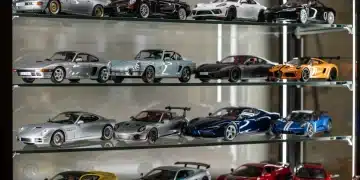
Proper display and storage are crucial for preserving the condition and value of EV scale models. Collectors often invest in display cases that protect against dust, UV light, and accidental damage. Maintaining a stable environment, free from extreme temperature fluctuations and humidity, is also essential for preventing material degradation over time.
Regular, gentle cleaning helps keep models in pristine condition. For those with extensive collections, strategic organization and inventory management become important to keep track of each piece and its specific details. Addressing these practical aspects ensures that a collection remains a source of pride and potential investment for years to come.
The future landscape of EV scale model collecting
As we look towards the horizon, the future of electric vehicle scale model collecting appears incredibly bright and dynamic. The continued evolution of both the automotive industry and manufacturing technology promises an even richer and more diverse collecting experience. Predicting exact trends is challenging, but several key areas are poised for significant growth and innovation.
The increasing global adoption of EVs will naturally expand the collector base, drawing in new enthusiasts who are passionate about sustainable transportation and cutting-edge design. This demographic shift will undoubtedly influence the types of models produced and the narratives they represent.
Emerging trends in materials and interactivity
Expect to see even more advanced materials integrated into scale model production. While die-cast will remain a staple, the use of composite materials, recycled plastics, and even bio-based components could become more prevalent, mirroring sustainability efforts in the full-sized automotive industry. This evolution will not only enhance realism but also align with the eco-conscious values often associated with EVs.
Interactivity is another area ripe for innovation. Beyond functional lights and opening parts, future models might incorporate augmented reality (AR) features, allowing collectors to explore digital overlays of battery architecture or powertrain schematics via their smartphones. Imagine a model that projects a holographic view of its internal workings, offering an educational and immersive experience.
- Sustainable Materials: Integration of recycled and bio-based plastics for eco-friendly models.
- Augmented Reality Integration: AR features for interactive exploration of model details.
- Modular Designs: Models with interchangeable components to represent different configurations.
- Smart Connectivity: Possibility of models connecting to apps for virtual display and information.
The rise of digital and NFT models
The digital realm is also set to make a significant impact. While physical models will always hold a special place, the emergence of non-fungible tokens (NFTs) and high-fidelity digital scale models could create new avenues for collecting. Imagine owning an exclusive NFT of a rare EV concept car, complete with verifiable provenance and unique digital features. These digital assets could exist alongside physical collections, offering a complementary dimension to the hobby.
Furthermore, collaborations between major EV manufacturers and leading gaming or metaverse platforms could lead to highly detailed virtual models that are collectible and interactive within digital environments. This convergence of physical and digital collecting will undoubtedly reshape how enthusiasts engage with their passion, offering unprecedented opportunities for display, trade, and community interaction in the years to come.
Preserving history: EVs as future classics
As the automotive world rapidly electrifies, today’s electric vehicles are destined to become tomorrow’s classics. This realization is profoundly impacting the collector market for scale models, as enthusiasts begin to recognize the historical significance of early and current EV designs. Preserving these miniatures is, in essence, preserving a vital chapter in automotive history.
The pioneering spirit of early EVs, the groundbreaking designs of concept cars, and the mass-market adoption of popular models all represent milestones. Capturing these moments in miniature ensures that their legacy endures, providing a tangible link to the past for future generations of collectors.
Identifying future collectible EV models
Identifying which EVs will become highly sought-after classics is part art, part science. Factors such as limited production numbers, innovative technology, unique design elements, and cultural impact typically contribute to a vehicle’s future collectibility. For scale models, this translates to seeking out replicas of these specific vehicles.
Models representing the first iterations of successful EV platforms, those with distinctive or experimental designs, or vehicles that achieved significant performance milestones are prime candidates. Collectors often rely on expert predictions, market analysis, and their own intuition to identify these future gems.
- First-Generation EVs: Early models of now-popular EVs will gain historical value.
- Concept Car Replicas: Models of visionary concept EVs often become rare and valuable.
- Limited Production Runs: Miniatures of EVs produced in small batches are inherently collectible.
- Award-Winning Designs: Replicas of EVs recognized for their design or engineering excellence.
The role of scale models in automotive heritage
Scale models play a crucial role in documenting and celebrating automotive heritage. They offer a tangible record of design evolution, technological progress, and cultural shifts. For electric vehicles, this role is particularly significant, as the transition to electric power represents one of the most profound changes in automotive history.
By collecting and preserving EV scale models, enthusiasts are actively participating in the creation of a miniature museum, a physical archive of innovation and design. These collections will serve as invaluable educational tools, allowing future generations to appreciate the journey of electric mobility from its nascent stages to its eventual dominance. The passion for these miniatures ensures that the story of the electric vehicle will continue to be told, one meticulously crafted model at a time.
| Key Aspect | Brief Description |
|---|---|
| Collecting Trends | Shift towards EV models driven by innovation and environmental consciousness. |
| Technological Advances | 3D printing and new materials enhance realism and detail in miniatures. |
| Investment Potential | Rarity, brand, and historical significance drive model value appreciation. |
| Future Outlook | Increased interactivity, digital models, and recognition as future classics. |
Frequently asked questions about EV scale models
EV scale models are gaining popularity due to the real-world shift towards electric vehicles, their innovative designs, and their representation of a sustainable future. Collectors appreciate their unique aesthetics and technological significance in miniature form.
3D printing is revolutionizing prototyping and production, allowing for intricate details and complex geometries. Advanced materials and finishing techniques also contribute to enhanced realism, making models more accurate and visually appealing.
Yes, certain EV scale models can be considered investments, particularly limited editions, models from reputable manufacturers, and replicas of historically significant vehicles. Their value can appreciate over time, driven by rarity and collector demand.
Official licensing is crucial for authenticity and value. It ensures that models are accurate representations of real vehicles, often with direct input from automakers. Licensed products generally command higher trust and better long-term value among collectors.
The future promises more advanced materials, increased interactivity through AR, and the potential rise of digital and NFT models. EVs from today are also seen as future classics, making their scale models important historical artifacts.
Conclusion
The landscape of collectible scale models is undeniably being reshaped by the advent of electric vehicles. As we navigate 2026, it’s clear that electric vehicle scale models are more than just miniatures; they are tangible representations of a transformative era in automotive history. From their innovative designs and the technological prowess required for their creation to their burgeoning investment potential and the strong brand loyalty they inspire, EV miniatures offer a rich and rewarding collecting experience. The challenges of limited availability are met with vibrant online communities, while the future promises even greater realism and digital integration. Ultimately, collecting these models is a way of preserving and celebrating the pioneering spirit of electric mobility, ensuring that these future classics are recognized and cherished for generations to come.