Software-Defined Vehicles: Redefining Automotive Performance by 2026
Advertisements
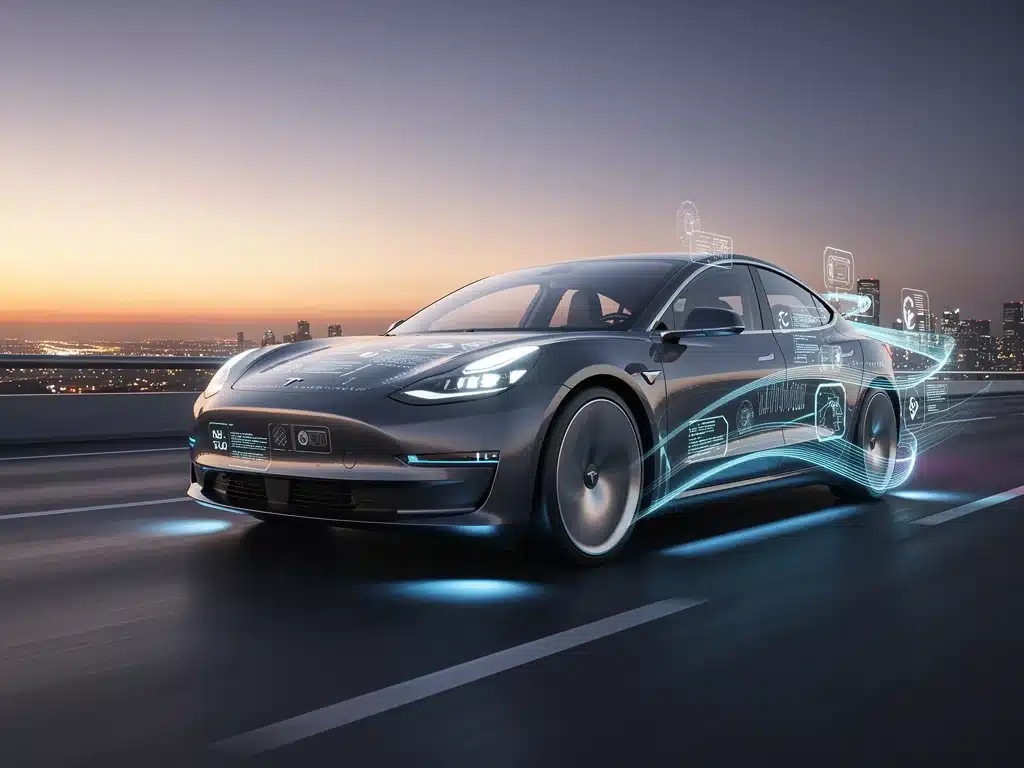
Software-defined vehicles (SDVs) represent a paradigm shift in the automotive industry, integrating advanced software to enable continuous improvements, personalized experiences, and dynamic performance enhancements by 2026.
Imagine a car that evolves, improves, and adapts to your needs long after it leaves the dealership. This isn’t science fiction; it’s the imminent reality of software-defined vehicles, poised to redefine automotive performance by 2026. This transformative shift promises to fundamentally alter how we interact with our cars, offering unparalleled customization and advanced capabilities.
Advertisements
The rise of software-defined vehicles
The automotive industry is undergoing its most significant transformation since the invention of the internal combustion engine. At the heart of this revolution are software-defined vehicles (SDVs), which prioritize software over traditional hardware-centric design. This shift enables vehicles to be continuously updated, upgraded, and customized through over-the-air (OTA) software deployments, much like our smartphones today.
Historically, a car’s capabilities were largely fixed at the point of manufacture. Any significant enhancements required physical modifications or entirely new hardware. SDVs break this mold by decoupling hardware from software, allowing for flexible architectures where functionalities are primarily driven by code. This architectural change opens up a world of possibilities, from enhanced performance features to entirely new services and user experiences.
The concept of an SDV extends beyond just infotainment systems. It encompasses every aspect of the vehicle, including powertrain control, chassis dynamics, advanced driver-assistance systems (ADAS), and even the fundamental electrical architecture. This deep integration means that software can orchestrate complex interactions across various vehicle domains, leading to more efficient, safer, and personalized driving experiences. The trajectory towards 2026 suggests a rapid acceleration in the adoption and sophistication of these vehicles.
As the automotive landscape evolves, the emphasis shifts from horsepower and torque to processing power and lines of code. This new paradigm requires a collaborative ecosystem involving automakers, software developers, semiconductor manufacturers, and connectivity providers. The synergy among these players is crucial for unlocking the full potential of software-defined vehicles and ensuring their seamless integration into our daily lives. The foundational changes occurring now will shape the automotive future for decades to come.
Core pillars of SDV architecture
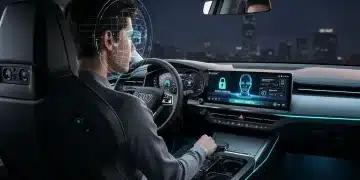
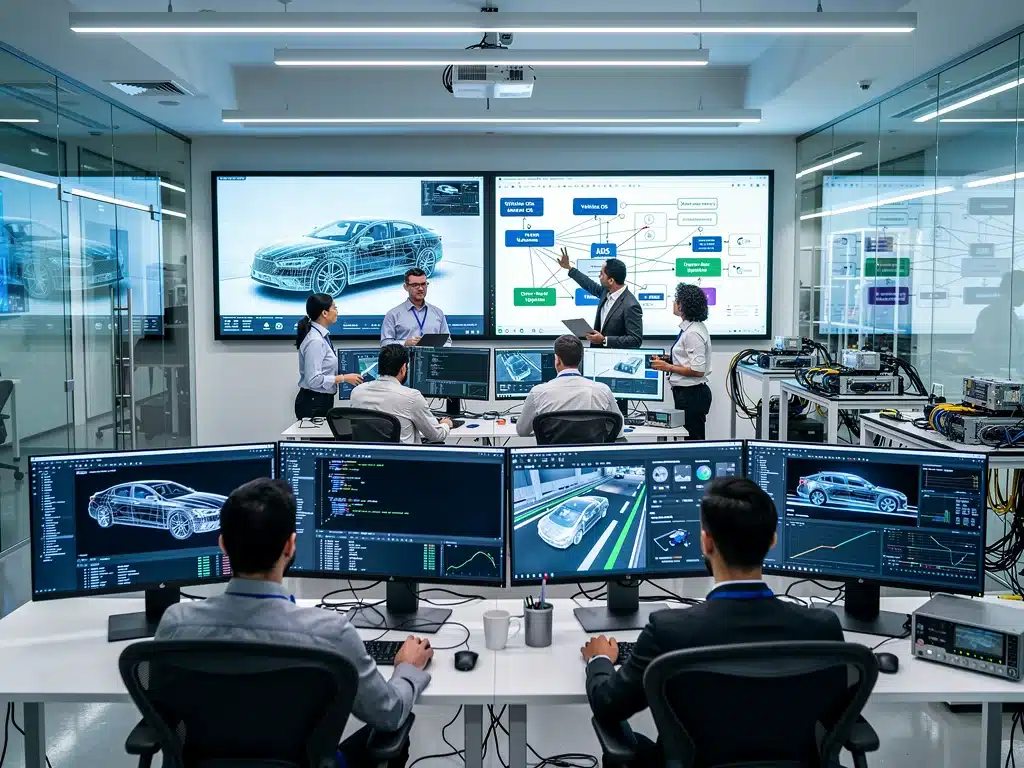
Understanding the architecture of software-defined vehicles is crucial to grasping their transformative power. Unlike traditional vehicles with disparate electronic control units (ECUs) functioning in isolation, SDVs are built on a centralized, high-performance computing platform. This platform acts as the brain, integrating and managing all vehicle functions through a unified software stack.
Several key architectural pillars support the SDV concept. These include high-performance processing units, robust communication networks, and a layered software framework. These elements work in concert to enable the dynamic, adaptable nature of SDVs, allowing for continuous innovation and feature deployment. The complexity of these systems necessitates a departure from conventional automotive design processes.
Centralized computing platforms
At the core of an SDV is a powerful central computing platform. This platform consolidates the processing power that traditionally resided in dozens of individual ECUs. This consolidation simplifies wiring, reduces latency, and provides a unified environment for software development and deployment.
- Domain controllers: Instead of individual ECUs, SDVs use domain controllers that manage specific functional areas like ADAS, infotainment, or body control.
- High-speed networks: Ethernet and other high-bandwidth communication protocols replace traditional CAN bus systems, enabling faster data exchange between components.
- Edge computing: Processing power is distributed, with some computations performed at the vehicle’s edge for real-time responsiveness, while others are handled in the cloud.
The move towards centralized computing is not without its challenges. Cybersecurity becomes paramount, as a single vulnerability in the central system could compromise multiple vehicle functions. Robust security measures, including intrusion detection and prevention systems, are essential to protect these complex architectures from malicious attacks and unauthorized access. Furthermore, the sheer volume of data generated by SDVs requires sophisticated data management and analysis capabilities.
The layered software framework within SDVs typically includes an operating system, middleware, and application layers. This allows for modular development and easier updates. The operating system provides the fundamental services, while middleware facilitates communication between different software components. Application layers host the specific features and functions that drivers and passengers interact with, such as navigation, media playback, and advanced safety features. This modularity is key to the agility and flexibility that SDVs promise.
Enhanced performance and customization
One of the most compelling aspects of software-defined vehicles is their ability to deliver unprecedented levels of performance enhancement and personalization. Software updates can optimize various vehicle parameters, leading to improvements in power, efficiency, and handling characteristics. This means a car can literally get better over time, rather than becoming outdated.
The concept of ‘performance’ in an SDV extends beyond traditional metrics like horsepower. It encompasses the entire driving experience, from the responsiveness of the accelerator pedal to the sophistication of autonomous driving features. Software can fine-tune these elements, adapting to driving conditions, driver preferences, and even environmental factors. This adaptability is a game-changer for automotive innovation.
Dynamic driving characteristics
Software allows automakers to offer dynamic driving characteristics that can be adjusted on the fly. Drivers might choose between a sporty, responsive setup for spirited driving or a more comfortable, efficient mode for daily commutes. These changes are not just cosmetic; they involve deep adjustments to engine mapping, transmission shift points, suspension damping, and steering feel.
- Powertrain optimization: Software updates can unlock more power or improve fuel efficiency, even after the vehicle has been purchased.
- Chassis control: Adaptive suspension systems and electronic steering can be recalibrated via software to provide different handling profiles.
- Braking systems: Regenerative braking and anti-lock braking systems can be optimized for various conditions and driving styles.
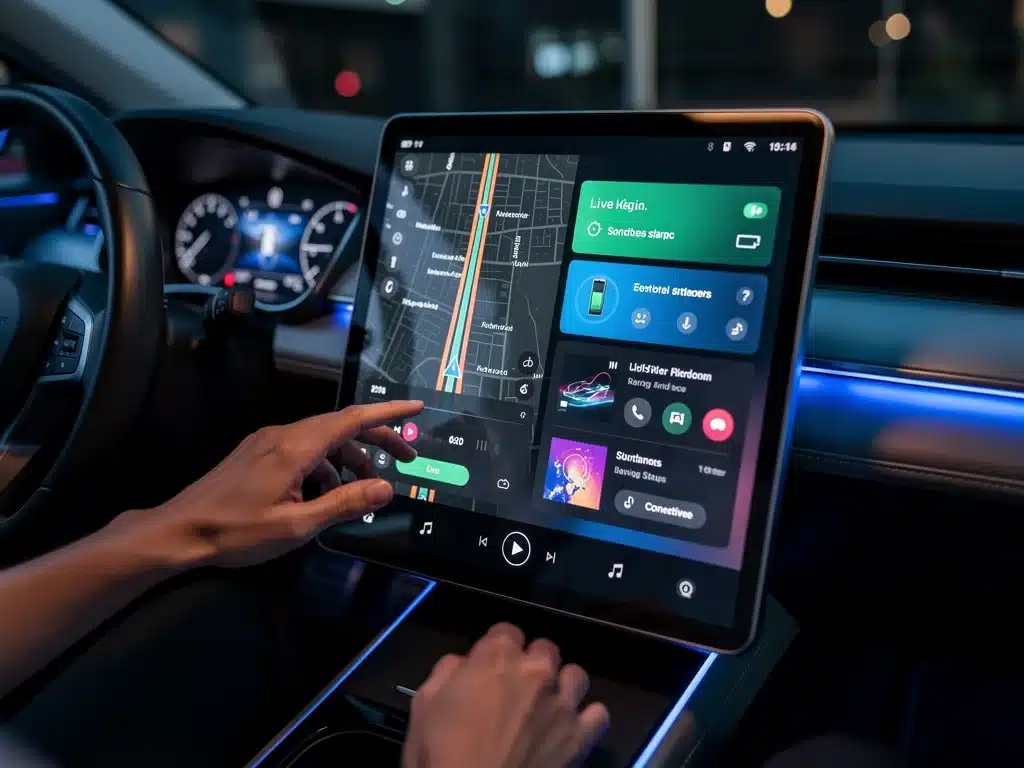
Beyond performance, customization will extend to the user interface and in-car experience. Drivers will be able to personalize everything from dashboard layouts and ambient lighting to sound profiles and even the ‘feel’ of the car’s controls. This level of personalization creates a stronger bond between the driver and the vehicle, transforming it into a truly bespoke mobility companion. Over-the-air updates ensure that these personalized settings and features remain current and responsive to evolving user demands. The ability to tailor the vehicle to individual preferences fundamentally changes the relationship between owner and automobile, moving towards a more interactive and dynamic ownership model.
Over-the-air updates and continuous improvement
The ability to deliver over-the-air (OTA) updates is a cornerstone of the software-defined vehicle concept. This feature transforms the vehicle from a static product into an evolving platform, capable of continuous improvement throughout its lifecycle. OTA updates allow manufacturers to deploy new features, fix bugs, enhance performance, and improve safety without requiring a visit to the service center.
This continuous improvement model has profound implications for both consumers and automakers. For consumers, it means their vehicle can gain new capabilities and remain competitive for longer. For manufacturers, it offers a direct channel to maintain customer satisfaction, respond quickly to market demands, and even generate new revenue streams through subscription-based features and services.
Benefits of OTA updates
The advantages of OTA updates are numerous and far-reaching. They not only improve convenience but also contribute significantly to vehicle safety and longevity. This capability distinguishes SDVs from their traditional counterparts, offering a dynamic ownership experience.
- Feature enhancements: New functionalities, from advanced navigation to improved voice assistants, can be added post-purchase.
- Security patches: Critical vulnerabilities can be addressed rapidly, protecting vehicle systems from cyber threats.
- Performance upgrades: Engine tuning, battery management, and other performance-related aspects can be optimized for better efficiency or power.
- Bug fixes: Software glitches can be resolved remotely, saving drivers time and inconvenience.
The widespread adoption of OTA updates also presents new challenges, particularly regarding software validation and deployment. Ensuring the integrity and compatibility of updates across a diverse fleet of vehicles requires rigorous testing and robust distribution infrastructure. Manufacturers must also establish clear communication channels with owners to inform them about upcoming updates and their benefits. The legal and regulatory frameworks surrounding OTA updates are also evolving, as governments grapple with issues such as liability, data privacy, and mandatory recall procedures. Despite these complexities, the long-term benefits of continuous improvement through OTA updates are undeniable, promising a more responsive and adaptable automotive ecosystem.
Impact on safety and security
The transition to software-defined vehicles brings significant advancements in safety and security, alongside new challenges. With more vehicle functions controlled by software, there’s an increased potential for sophisticated safety features and proactive threat detection. However, this also means that cybersecurity becomes an even more critical concern, requiring constant vigilance and robust protective measures.
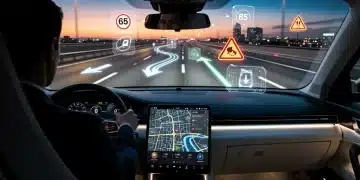
Advanced Driver-Assistance Systems (ADAS), such as automatic emergency braking, lane-keeping assist, and adaptive cruise control, are heavily reliant on software. In SDVs, these systems can be continuously refined and updated, improving their accuracy and effectiveness over time. This iterative improvement cycle means that vehicles can become safer as new algorithms and data are developed, potentially reducing accidents and saving lives.
Cybersecurity challenges and solutions
The interconnected nature of SDVs makes them potential targets for cyberattacks. A compromised vehicle could have its functions manipulated, sensitive data stolen, or even be rendered inoperable. Addressing these threats requires a multi-layered approach to cybersecurity.
- Secure boot: Ensuring that only authenticated and trusted software can run on the vehicle’s systems from startup.
- Intrusion detection: Systems that monitor vehicle networks for suspicious activity and alert drivers or manufacturers to potential threats.
- Over-the-air security updates: Rapid deployment of patches to address newly discovered vulnerabilities, preventing widespread exploitation.
- Data encryption: Protecting sensitive driver data and vehicle operational information from unauthorized access.
The automotive industry is actively working on developing industry-wide cybersecurity standards and best practices. Collaboration between automakers, suppliers, and cybersecurity experts is essential to building a resilient and secure SDV ecosystem. This includes designing security into the vehicle from the ground up, rather than adding it as an afterthought. Furthermore, driver education about cybersecurity hygiene, such as using strong passwords for connected services and being wary of suspicious links, will also play a role in mitigating risks. The ongoing evolution of both threats and defenses means that security in software-defined vehicles will be a continuous process, demanding constant innovation and adaptation from all stakeholders.
The economic landscape and business models
The advent of software-defined vehicles is not just a technological shift; it’s a fundamental reshaping of the automotive economic landscape and business models. Traditional revenue streams, primarily based on vehicle sales and aftermarket parts, are being augmented by new opportunities centered around software, services, and data. This transformation requires automakers to think less like hardware manufacturers and more like technology companies.
New business models will emerge, including subscription services for features like enhanced performance, advanced driver assistance, or premium connectivity. This creates recurring revenue streams that can significantly boost profitability and provide a more predictable financial outlook for manufacturers. The ability to offer tailored services based on individual driver preferences will be a key differentiator in a competitive market.
New revenue streams and partnerships
The shift to SDVs opens doors to diverse revenue models and fosters new types of partnerships across industries. Automakers will increasingly collaborate with tech giants, software developers, and content providers to enrich the in-car experience.
- Subscription services: Monthly or annual fees for features like advanced navigation, increased horsepower, or autonomous driving capabilities.
- On-demand features: The ability to temporarily activate certain features, such as enhanced lighting for a night drive or more cargo space for a weekend trip, for a fee.
- Data monetization: Anonymized and aggregated vehicle data can be used to improve traffic flow, optimize city planning, or inform insurance products.
- Third-party apps and services: An app store-like ecosystem within the vehicle, allowing developers to offer services and content to drivers and passengers.
This economic transformation also impacts the supply chain. Software suppliers and semiconductor manufacturers will gain increased prominence, as their contributions become central to vehicle functionality and innovation. Automakers will need to develop new competencies in software development, data analytics, and cloud infrastructure, potentially leading to significant investments in these areas or strategic acquisitions. The focus will shift from purely manufacturing efficiency to agile software development cycles and continuous product improvement. This dynamic environment promises to foster a more innovative and interconnected automotive ecosystem, where value is increasingly derived from intelligence embedded in the software, rather than solely from physical components.
The road ahead: 2026 and beyond
As we approach 2026, the trajectory for software-defined vehicles is clear: they will no longer be a niche offering but a mainstream expectation. The pace of innovation in this sector is accelerating, driven by consumer demand for more connected, personalized, and intelligent mobility solutions. The foundational work being done today will solidify the SDV as the standard for future automotive development.
By 2026, we can expect to see a significant portion of new vehicles on the market incorporating core SDV principles, even if they don’t yet offer the full spectrum of advanced features. This widespread adoption will drive down costs, improve accessibility, and further stimulate innovation across the industry. The competitive landscape will intensify, with traditional automakers vying with new entrants from the tech sector to deliver the most compelling software-driven experiences.
Key trends shaping the future of SDVs
Several critical trends will define the evolution of software-defined vehicles in the coming years. These interconnected developments will collectively push the boundaries of what vehicles can do and how they integrate into our lives.
- Increased autonomy: Software advancements will enable higher levels of autonomous driving, moving towards fully self-driving capabilities in more controlled environments.
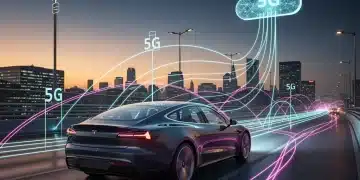
- Seamless connectivity: Enhanced 5G and V2X (Vehicle-to-Everything) communication will allow vehicles to interact more effectively with infrastructure, other vehicles, and smart cities.
- AI and machine learning: AI will power predictive maintenance, personalized user experiences, and more sophisticated decision-making for ADAS and autonomous systems.
- Sustainable mobility: Software optimization will play a crucial role in improving the efficiency of electric vehicles and integrating them into smart energy grids.
The future of software-defined vehicles is bright, promising a future where cars are not just modes of transport but extensions of our digital lives. They will be platforms for innovation, offering endless possibilities for new services, enhanced safety, and unprecedented levels of personalization. The journey towards this future is complex, requiring continuous collaboration and adaptation across the automotive and technology sectors. However, the benefits – a safer, more efficient, and more enjoyable driving experience – are well worth the effort, setting the stage for a truly transformative era in personal mobility by 2026 and beyond.
| Key Aspect | Brief Description |
|---|---|
| Centralized Architecture | Unified computing platform managing all vehicle functions, replacing distributed ECUs. |
| OTA Updates | Enables continuous feature deployment, bug fixes, and performance enhancements remotely. |
| Customization | Allows drivers to personalize performance, UI, and in-car experiences dynamically. |
| New Business Models | Shifts towards subscription services and data monetization, creating recurring revenue. |
Frequently asked questions about software-defined vehicles
An SDV is a vehicle where its features and functions are primarily enabled and controlled by software, rather than being hard-coded into dedicated hardware. This allows for extensive customization, upgrades, and new capabilities through over-the-air updates, fundamentally changing the vehicle’s lifecycle and user experience.
By 2026, SDVs will offer dynamic performance adjustments, allowing remote optimization of engine, chassis, and safety systems. This means cars can improve over time with software updates, providing enhanced power, efficiency, and handling, along with personalized driving modes tailored to individual preferences and conditions.
OTA updates allow manufacturers to deploy new features, fix bugs, apply security patches, and enhance performance remotely. This continuous improvement ensures vehicles remain current, safe, and competitive without requiring physical service visits, improving convenience and extending the vehicle’s useful life considerably.
The increased connectivity of SDVs does present new cybersecurity challenges. However, manufacturers are implementing robust multi-layered security measures, including secure boot, intrusion detection, and frequent OTA security updates. Designing security from the ground up is crucial to protect vehicle systems and sensitive data from potential threats.
SDVs are shifting automotive business models from pure sales to recurring revenue streams through subscription services for features and data monetization. This fosters new partnerships with tech companies and requires automakers to develop strong software capabilities, creating a more dynamic and service-oriented industry with sustained profitability.
Conclusion
The transformation to software-defined vehicles is not merely an incremental upgrade but a fundamental paradigm shift that will redefine automotive performance by 2026. From enhanced customization and dynamic driving characteristics to continuous improvement through over-the-air updates, SDVs promise a future where cars are intelligent, adaptable, and deeply integrated into our digital lives. While challenges in cybersecurity and new business models persist, the industry’s rapid innovation ensures that the benefits of safer, more efficient, and highly personalized mobility will profoundly impact drivers and the automotive landscape for years to come.