Decoding Scale Model Market Trends: Early 2026 US Collector Activity
Advertisements
This analysis provides an in-depth look into the United States’ scale model market trends during the first three months of 2026, examining collector activity, popular categories, and emerging shifts within the hobby.
As we navigate the opening quarter of 2026, the world of collectible scale models in the United States continues to evolve, reflecting shifts in consumer interest, economic factors, and technological advancements. This comprehensive analysis dives deep into the dynamic landscape of scale model market trends, offering insights into what drives US collectors and where the hobby is headed.
Advertisements
Understanding the Collector Landscape in Early 2026
The early months of 2026 have provided a fascinating snapshot of the US scale model collecting community. Our observations indicate a robust and engaged collector base, characterized by both seasoned enthusiasts and a notable influx of new hobbyists. This period has been particularly telling in highlighting the enduring appeal of traditional model types alongside a growing appetite for innovative and niche categories.
Collectors in the US are demonstrating a nuanced approach to their acquisitions, increasingly valuing models that offer exceptional detail, historical accuracy, and a compelling narrative. The market is not just about ownership; it’s about the story each model tells and the craftsmanship it represents. This discerning behavior underscores a mature market where quality often triumphs over quantity.
Demographic Shifts and New Entrants
One significant trend observed is the broadening demographic of collectors. While traditionally dominated by older generations, early 2026 data suggests a greater engagement from younger enthusiasts, often drawn in by specific franchises, virtual communities, and the accessibility of online marketplaces.
- Increased participation from younger collectors (25-40 age bracket).
- Growing interest in models related to popular culture and digital media.
- Influence of social media platforms on collecting choices and community building.
The influx of these new collectors is injecting fresh perspectives and demands into the market, pushing manufacturers and retailers to adapt. This expansion bodes well for the long-term vitality of the hobby, ensuring a continuous cycle of interest and innovation.
In conclusion, the collector landscape in early 2026 is vibrant and diverse, marked by a strong emphasis on quality and a welcoming environment for new participants. These factors collectively contribute to a dynamic market that continues to captivate and expand.
Emerging Categories and Shifting Preferences
The first quarter of 2026 has witnessed several intriguing shifts in collector preferences, with certain categories experiencing significant surges in popularity while others maintain their steady appeal. This evolution is crucial for manufacturers and retailers to monitor, ensuring their offerings align with current demand and anticipate future trends.
While classic categories like automotive and military models remain foundational, we’re seeing an undeniable upward trajectory in models tied to science fiction, fantasy, and even architectural replicas. This diversification reflects a broader cultural interest that transcends traditional model-making boundaries.
The Rise of Sci-Fi and Fantasy Models
Models derived from beloved sci-fi sagas, fantasy realms, and video game universes have seen a remarkable boom. Collectors are increasingly seeking out intricately detailed replicas of starships, mechs, and fantastical creatures, often driven by nostalgia or a desire to bring their favorite fictional worlds to life.
- Strong demand for licensed products from major film and gaming franchises.
- Growth in custom-painted and modified sci-fi models.
- Increased community engagement around building and showcasing these unique pieces.
This category’s growth is also propelled by the innovation in 3D printing and resin casting, allowing for highly detailed and often limited-edition reproductions that appeal to dedicated fans.
Sustained Interest in Automotive and Military Models
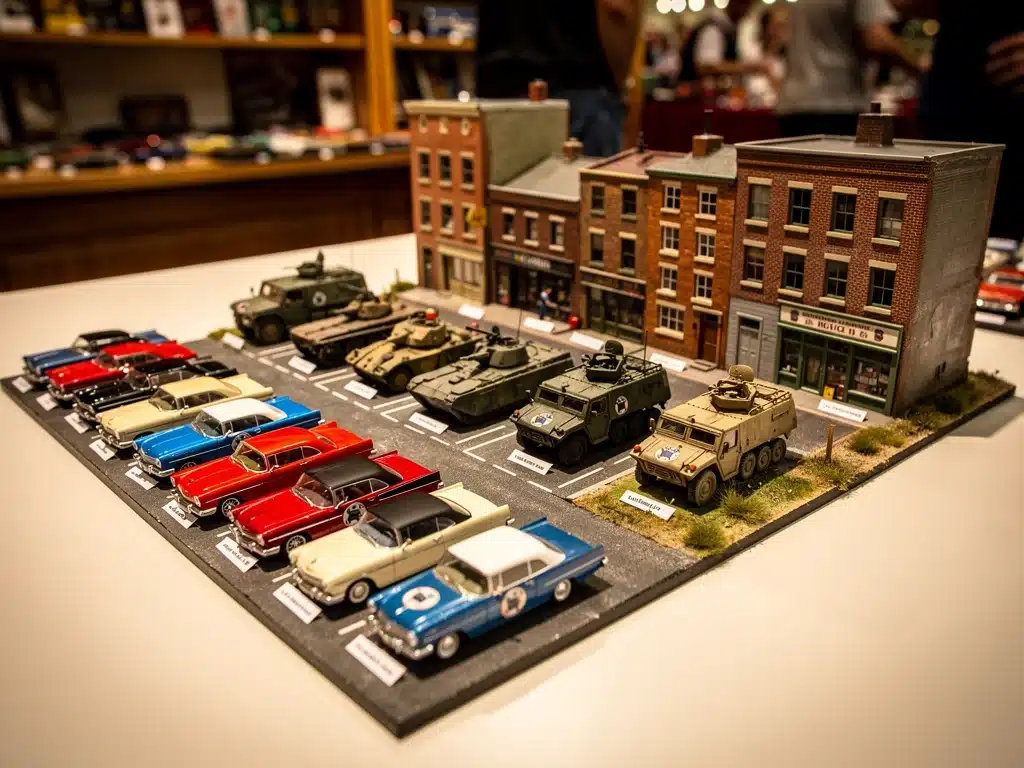
Despite the emergence of new categories, automotive and military scale models continue to be cornerstones of the market. Within these established segments, there’s a particular focus on historical accuracy, rare variants, and limited production runs. Collectors are not merely accumulating; they are curating collections with a deep appreciation for the subject matter.
The early 2026 data indicates a sustained interest in specific eras, such as World War II military vehicles and classic American muscle cars. Manufacturers who can deliver on these specific historical and cultural touchstones are finding significant success.
In summary, the market is expanding beyond its traditional confines, embracing new genres while reinforcing the enduring appeal of its core categories. This balance between innovation and tradition defines the current landscape of collector preferences.
The Impact of Technology on Collecting and Manufacturing
Technology continues to be a transformative force within the scale model industry, profoundly influencing both manufacturing processes and the way collectors engage with their hobby. Early 2026 has further cemented the role of digital innovation, from design to display.
Advanced manufacturing techniques are enabling unprecedented levels of detail and complexity, while digital platforms are revolutionizing how collectors discover, acquire, and interact with models. This symbiotic relationship between tech and hobby is creating exciting new possibilities.
3D Printing and Rapid Prototyping
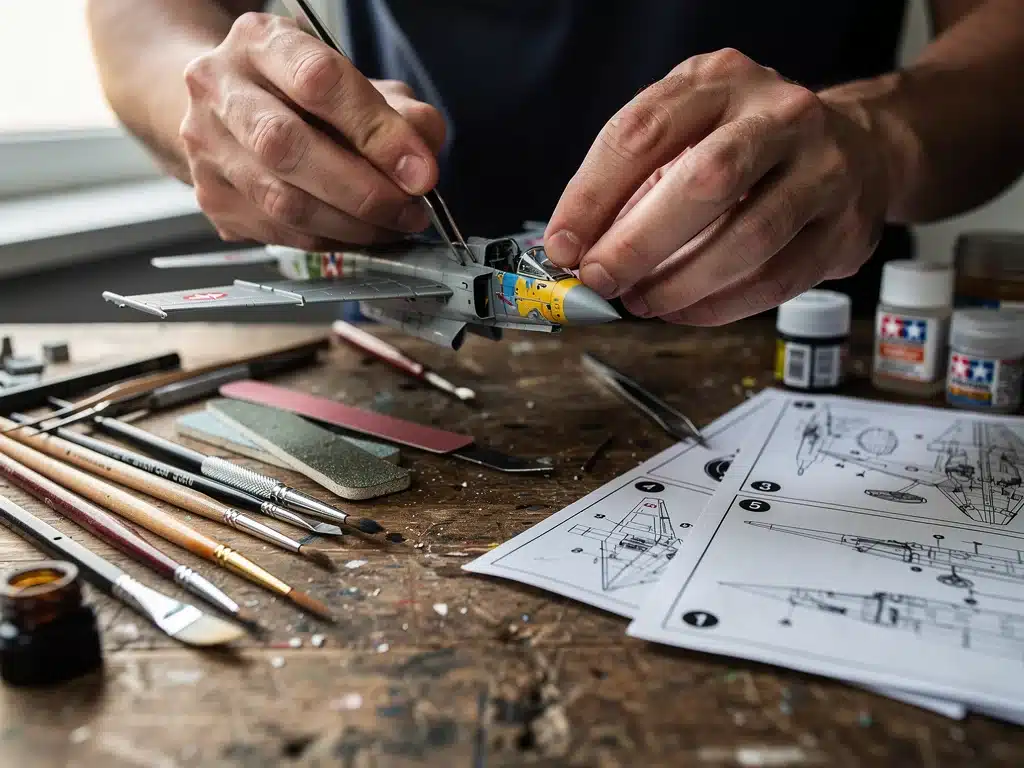
The accessibility of 3D printing technology has democratized model production to an extent never before seen. Manufacturers are utilizing rapid prototyping to quickly iterate designs and produce intricate components, significantly reducing development cycles and enabling the creation of highly specialized parts.
- Faster development of new model kits and accessories.
- Ability to produce ultra-detailed, small-batch components.
- Customization options for collectors, from individual parts to entire models.
Beyond commercial applications, many hobbyists are now employing their own 3D printers to create custom parts, modify existing kits, or even design entirely new models, fostering a vibrant sub-culture of innovation and personalization.
Digital Platforms and Online Marketplaces
The way collectors interact with the market has been fundamentally reshaped by digital platforms. Online marketplaces, specialized forums, and social media groups are now central to the collecting experience, offering unparalleled access to models, information, and community.
These platforms facilitate everything from pre-orders of upcoming releases to the discovery of rare vintage items. They also serve as vital spaces for collectors to share their builds, seek advice, and engage in constructive dialogue, thereby strengthening the global scale model community.
Ultimately, technology is not just changing how models are made; it’s redefining the entire ecosystem of scale model collecting, making it more accessible, detailed, and interconnected than ever before.
Economic Influences on Collector Behavior
The economic climate in early 2026 has undeniably played a role in shaping collector behavior within the US scale model market. Discretionary spending, inflation concerns, and supply chain stability are all factors that influence purchasing decisions and investment strategies among enthusiasts.
While the passion for the hobby remains strong, collectors are demonstrating a heightened awareness of value and long-term potential in their acquisitions. This cautious optimism is leading to more strategic collecting, rather than impulsive buying.
Discretionary Spending and Investment Value
With fluctuating economic conditions, collectors are often re-evaluating their discretionary spending. This translates into a greater focus on models perceived to hold or increase in value over time, rather than simply acquiring for the sake of accumulation.
- Increased demand for limited edition and rare models.
- Focus on models from reputable brands known for quality and resale value.
- Collectors are more likely to invest in higher-priced, premium kits.
This shift suggests a move towards collecting as both a hobby and a potential investment, where the intrinsic enjoyment is coupled with an eye on future appreciation.
Supply Chain Dynamics and Availability
Lingering effects of global supply chain disruptions have continued to impact the availability and pricing of certain scale model kits and components in early 2026. This has led to some collectors becoming more proactive in securing desired items and a greater appreciation for locally sourced or readily available products.
Manufacturers are also adapting by diversifying their production locations and improving logistics to mitigate these challenges, aiming for more consistent product availability. The market has shown resilience, with collectors often willing to wait or seek alternatives for highly sought-after items.
In essence, economic factors are fostering a more deliberate and informed approach to collecting, where enthusiasts balance their passion with practical considerations of value and availability.
The Role of Community and Social Engagement
The communal aspect of scale model collecting remains a cornerstone of the hobby’s appeal, and in early 2026, social engagement continues to thrive, both online and in person. These communities provide essential platforms for sharing knowledge, inspiration, and camaraderie among collectors.
From local club meetings to international online forums, the sense of belonging and shared passion is a powerful motivator for many enthusiasts. This social fabric enriches the hobby, making it more than just an individual pursuit.
Online Forums and Social Media Groups
Digital platforms have become indispensable for connecting collectors across geographical boundaries. Specialized online forums and social media groups serve as vibrant hubs for discussions, build logs, technique sharing, and showcasing finished models.
- Instant access to a global network of fellow hobbyists.
- Opportunity to learn new techniques and troubleshoot challenges.
- Platforms for buying, selling, and trading models and components.
These virtual communities foster a dynamic exchange of ideas, allowing both novice and experienced modelers to continually expand their skills and knowledge.
Local Clubs and Exhibitions
Despite the prevalence of online interaction, local scale model clubs and in-person exhibitions continue to play a vital role. These gatherings offer a unique opportunity for face-to-face interaction, allowing collectors to display their work, receive direct feedback, and forge personal connections.
Exhibitions, in particular, serve as showcases for exceptional talent and sources of inspiration, drawing enthusiasts from all walks of life. The tactile experience of viewing models up close and engaging in direct conversation remains an irreplaceable part of the hobby.
Ultimately, the strength of the scale model market is deeply intertwined with the vitality of its communities. Both digital and physical spaces contribute significantly to the enduring appeal and growth of this intricate hobby.
Future Outlook: Predictions for the Remainder of 2026
Based on the observed scale model market trends in the first three months of 2026, we can make several informed predictions for the remainder of the year. The industry appears set for continued growth, albeit with an emphasis on specific areas that align with current collector demands and technological advancements.
Manufacturers and retailers who adapt to these evolving preferences, particularly in terms of product innovation and community engagement, are likely to see the most significant success. The market is dynamic, and staying ahead of the curve will be key.
Continued Diversification and Niche Markets
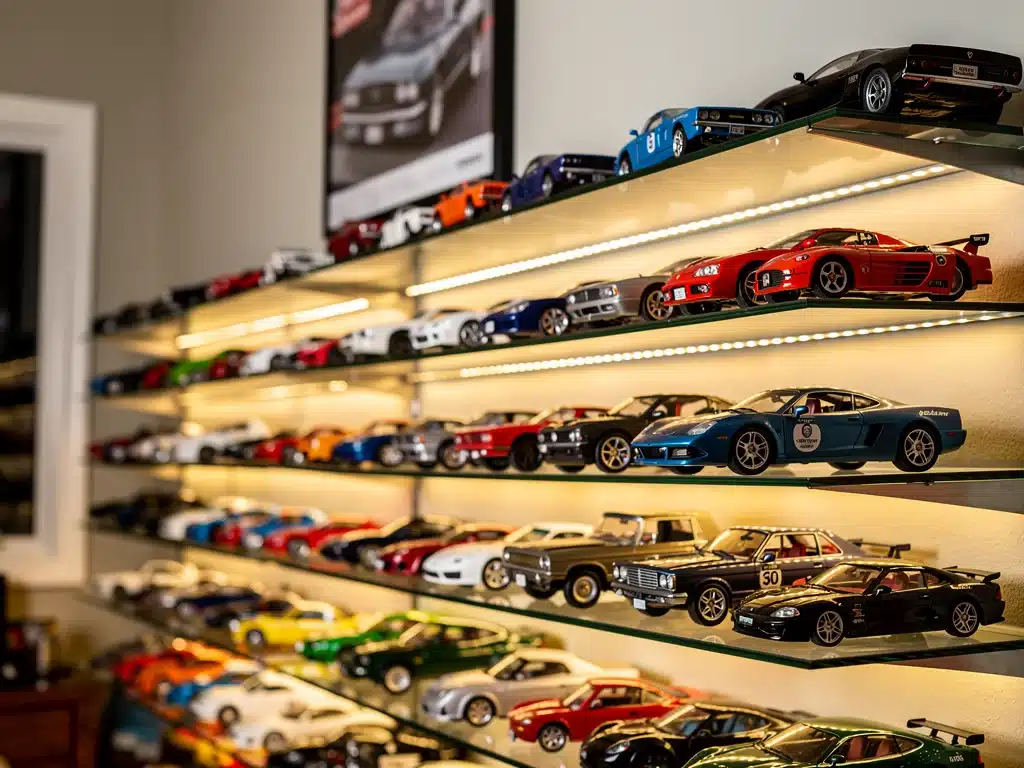
The diversification seen in early 2026 is expected to accelerate. Niche markets, especially those tied to popular media and personalized interests, will likely expand further. This means a wider array of model types beyond traditional categories, catering to highly specific collector tastes.
- More licensed models from emerging video game titles and streaming series.
- Increased demand for historically obscure or culturally significant subjects.
- Growth in custom commission work and bespoke model services.
Manufacturers who can identify and cater to these smaller, yet highly passionate, segments will find loyal customer bases.
Enhanced Realism and Digital Integration
The drive for realism will intensify, with advancements in manufacturing allowing for even finer details and more accurate representations. Furthermore, the integration of digital elements, such as augmented reality (AR) for model display or interactive building instructions, could become more commonplace.
The boundary between the physical model and digital experience is likely to blur, offering collectors new ways to engage with their creations. This could include digital showcases or even virtual environments where models can be displayed and interacted with.
In conclusion, the future of the scale model market in 2026 appears bright, characterized by innovation, diversification, and a continued strengthening of collector communities. The industry is poised for an exciting period of evolution and growth.
| Key Trend | Brief Description |
|---|---|
| Demographic Expansion | Younger collectors are increasingly entering the hobby, fueled by digital platforms and specific franchises. |
| Sci-Fi & Fantasy Boom | Significant growth in models tied to popular culture, games, and fictional universes. |
| Tech Integration | 3D printing and online marketplaces are revolutionizing manufacturing and collector interaction. |
| Value-Driven Collecting | Collectors prioritize models with perceived long-term value and historical accuracy amidst economic shifts. |
Frequently Asked Questions About Scale Model Market Trends
Automotive and military models maintain strong popularity. However, there’s a significant surge in demand for science fiction, fantasy, and pop culture-related models, driven by strong franchises and detailed reproductions. Architectural models are also seeing increased interest.
Technology, particularly 3D printing and rapid prototyping, allows for greater detail and faster production of kits. Digital platforms and online marketplaces have also transformed how collectors discover, purchase, and engage with the global scale modeling community.
Yes, early 2026 data indicates a growing number of younger collectors (25-40 age bracket) entering the hobby. They are often attracted by models related to popular culture, video games, and the strong online communities surrounding these interests.
Discretionary spending, inflation concerns, and supply chain stability are key factors. Collectors are increasingly strategic, prioritizing models with perceived long-term value and historical accuracy, often favoring premium or limited-edition items.
Community remains crucial. Online forums, social media groups, and local clubs provide vital platforms for sharing knowledge, showcasing work, and fostering camaraderie. This social interaction significantly enriches the hobby experience for enthusiasts.
Conclusion
The early months of 2026 have painted a clear picture of a thriving and evolving scale model market in the United States. The scale model market trends reveal a dynamic interplay between traditional collecting values and the transformative power of technology and new cultural influences. With a growing and diversifying collector base, an expanding array of model categories, and continuous innovation in manufacturing and community engagement, the hobby is demonstrating remarkable resilience and adaptability. As we move further into 2026, the emphasis on quality, historical accuracy, and the ability to cater to niche interests will undoubtedly continue to drive the market forward, ensuring its sustained vitality and appeal for enthusiasts across the nation.