Sustainable Fashion: Key Certifications for US Apparel Brands by 2026
Advertisements
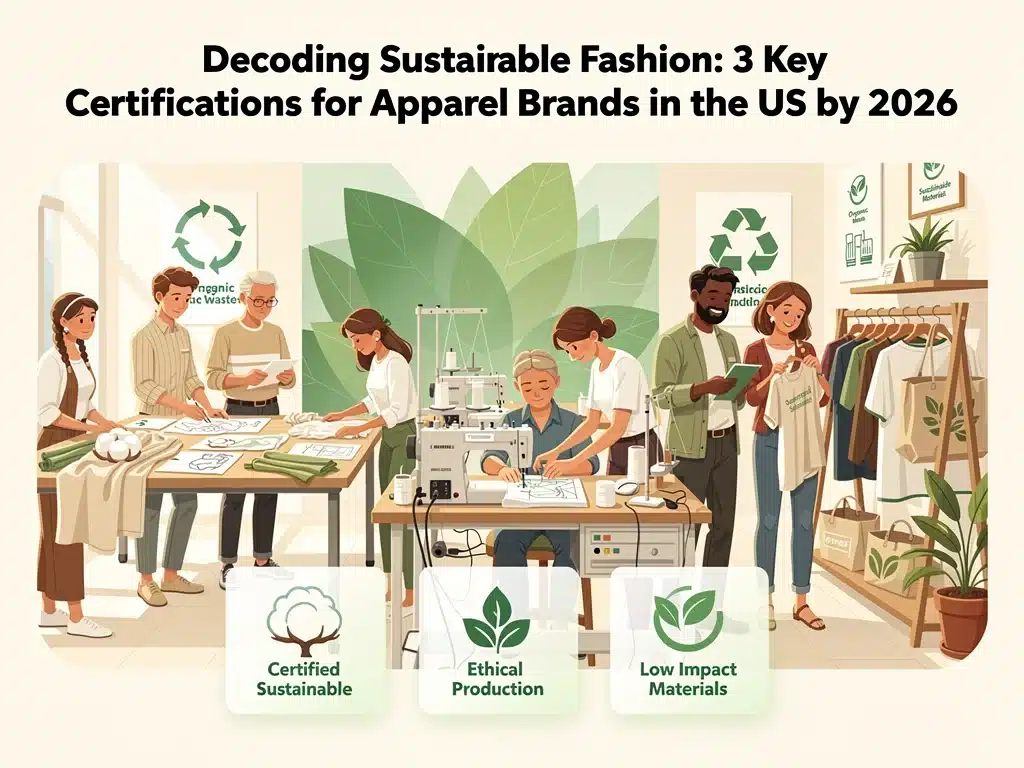
By 2026, sustainable fashion certifications will be paramount for US apparel brands, signaling genuine commitment to environmental protection and social equity, crucial for consumer trust and market relevance.
Advertisements
In an era where consumer conscience increasingly dictates purchasing decisions, understanding and adopting robust sustainability practices has become non-negotiable for apparel brands. Decoding Sustainable Fashion: 3 Key Certifications for Apparel Brands in the US by 2026 is no longer a niche concern but a mainstream imperative, driving innovation and demanding transparency across the supply chain. As the US market evolves, brands that proactively embrace verifiable sustainability certifications will not only meet regulatory expectations but also cultivate deeper trust and loyalty among their customer base, setting a new standard for industry leadership.
The Rising Tide of Sustainable Fashion in the US
The landscape of the US apparel industry is undergoing a significant transformation, propelled by a growing awareness of environmental and social impacts. Consumers are no longer satisfied with mere promises; they demand verifiable proof of sustainable practices. This shift is creating a competitive environment where brands must not only design aesthetically pleasing garments but also ensure their production processes align with ethical and ecological standards.
This evolving consumer demand, coupled with impending regulatory changes and investor pressure, is pushing brands to integrate sustainability at their core. From raw material sourcing to manufacturing and end-of-life solutions, every stage of the apparel lifecycle is under scrutiny. Brands that fail to adapt risk losing market share and reputation, while those that embrace sustainability are poised for long-term success and growth.
Why Certifications Matter More Than Ever
In a world saturated with greenwashing claims, third-party certifications serve as crucial beacons of authenticity. They provide an independent verification that a brand’s sustainable claims are legitimate and meet specific, rigorous standards. For consumers, these certifications simplify complex sustainability issues, offering a clear signal of a product’s environmental and social integrity.
- Building Consumer Trust: Certifications offer a credible assurance that a product adheres to defined sustainability criteria.
- Ensuring Transparency: They often require detailed documentation and audits, promoting transparency throughout the supply chain.
- Meeting Regulatory Standards: Many certifications help brands comply with existing and anticipated environmental and labor laws.
- Gaining Competitive Advantage: Certified brands can differentiate themselves in a crowded market, attracting eco-conscious consumers.
Ultimately, the prominence of sustainable fashion certifications reflects a maturation of the industry. It signifies a move beyond voluntary good intentions towards a more structured, accountable, and verifiable approach to sustainability. Brands that understand and leverage this trend will be the leaders of tomorrow.
Global Organic Textile Standard (GOTS): A Benchmark for Organic Apparel
The Global Organic Textile Standard (GOTS) stands as one of the world’s leading processing standards for textiles made from organic fibers. Its comprehensive criteria encompass the entire textile supply chain, from the harvesting of raw materials to environmentally and socially responsible manufacturing, and clear labeling. For US apparel brands aiming for true organic integrity, GOTS certification is indispensable, offering a holistic approach to sustainable production.
Achieving GOTS certification requires adherence to stringent environmental and social criteria, ensuring that textiles are not only organic but also produced responsibly. This includes restrictions on chemical inputs, fair labor practices, and wastewater treatment, making it a robust standard that consumers trust to signify genuine commitment to organic and ethical principles.
Environmental Criteria Under GOTS
GOTS sets forth strict environmental requirements for all processing stages. This includes a ban on genetically modified organisms (GMOs), highly hazardous chemicals like toxic heavy metals, aromatic solvents, and chloro-phenols. It also mandates the use of biodegradable detergents and dyestuffs with low impact on water systems. A crucial aspect is the requirement for effective wastewater treatment, ensuring that discharges from textile processing do not harm local ecosystems.
- Organic Fiber Content: Products must contain a minimum of 70% certified organic natural fibers.
- Chemical Restrictions: Prohibits toxic heavy metals, formaldehyde, aromatic solvents, and GMO enzymes.
- Wastewater Management: Requires effective wastewater treatment plants for all wet processing units.
- Energy and Water Use: Encourages reduction in energy and water consumption, promoting resource efficiency.
These environmental stipulations ensure that GOTS-certified apparel minimizes its ecological footprint, offering consumers a product that is kinder to the planet from farm to finished garment. For US brands, embracing GOTS demonstrates a profound commitment to environmental stewardship.

Social Criteria and Worker Welfare
Beyond environmental concerns, GOTS also incorporates robust social criteria based on the International Labour Organization (ILO) core conventions. This ensures that the people involved in the production of GOTS-certified textiles work under fair and safe conditions. These criteria are mandatory for all processors and manufacturers, emphasizing the human element of sustainable apparel.
The social criteria address critical issues such as forced labor, child labor, discrimination, working hours, and minimum wage. Regular audits are conducted to ensure compliance, providing a layer of accountability that protects workers’ rights and promotes ethical manufacturing. For US brands, this aspect of GOTS is vital for demonstrating corporate social responsibility and avoiding exploitative labor practices in their supply chains.
- No Child Labor: Strict prohibition of child labor in any part of the supply chain.
- Safe Working Conditions: Mandates a safe and hygienic working environment.
- Fair Wages: Requires living wages that meet basic needs and provide discretionary income.
- Freedom of Association: Upholds the right to form and join trade unions.
By upholding both environmental and social standards, GOTS provides a comprehensive framework for sustainable textile production. US apparel brands that pursue this certification not only contribute to a healthier planet but also foster a more equitable and just global supply chain.
Bluesign System: Chemical Management and Resource Efficiency
The Bluesign system is a rigorous standard focused on minimizing the environmental impact of textile production by managing chemical inputs and optimizing resource efficiency. Unlike GOTS, which focuses on organic fibers, Bluesign takes a holistic approach to the chemical processes involved in textile manufacturing, aiming to eliminate harmful substances from the very beginning of the production chain. For US apparel brands, adopting the Bluesign system is a powerful way to ensure chemical safety and environmental performance.
This system works by uniting chemical suppliers, textile manufacturers, and brands to jointly reduce their environmental impact, improve health and safety, and optimize resource use. It’s a proactive approach to sustainability, preventing pollution rather than just managing it after the fact. Brands committed to avoiding hazardous chemicals and promoting cleaner production find Bluesign an invaluable tool.
The Bluesign Approach to Chemical Management
At the core of the Bluesign system is its input stream management. This means that instead of testing finished products for restricted substances, Bluesign certifies chemicals and raw materials before they are used in production. Only components that are safe for humans and the environment are allowed into the manufacturing process. This preventative strategy significantly reduces the risk of harmful substances entering the supply chain and ultimately, the final product.
- Input Stream Management: Ensures only approved chemicals and raw materials are used.
- Restricted Substances List (RSL): A comprehensive list of prohibited substances updated regularly.
- Risk Assessment: Evaluates chemicals based on their environmental and health impacts.
- Transparency: Requires full disclosure of chemical formulations from suppliers.
By preventing hazardous chemicals from entering the production process, Bluesign certified brands offer consumers products that are safer, both for those who produce them and those who wear them. This commitment to chemical integrity is a strong differentiator in the US market.
Resource Productivity and Environmental Performance
Beyond chemical management, the Bluesign system also focuses on enhancing resource productivity. It aims to reduce water, energy, and raw material consumption throughout the textile manufacturing process. This not only benefits the environment but also leads to operational efficiencies and cost savings for manufacturers. The system provides guidelines and tools to optimize production processes, minimize waste, and improve overall environmental performance.
Manufacturers adhering to the Bluesign standard are required to implement best available technologies and practices to reduce their environmental footprint. This includes optimizing dyeing and finishing processes, improving energy efficiency in factories, and minimizing water usage. For US apparel brands, partnering with Bluesign system partners ensures that their products are manufactured with a minimal impact on natural resources.
- Energy Efficiency: Promotes the use of renewable energy and efficient energy consumption.
- Water Conservation: Encourages reduction of water usage and effective wastewater treatment.
- Emission Reduction: Aims to minimize air and water emissions from production facilities.
- Occupational Health and Safety: Ensures safe working conditions and handling of chemicals.
The comprehensive nature of the Bluesign system makes it an essential certification for US apparel brands prioritizing responsible chemical use and resource management. It offers a clear pathway to cleaner production and a more sustainable industry.
Fair Trade Certified: Empowering Workers and Communities
Fair Trade Certified is a powerful tool for US apparel brands looking to demonstrate a commitment to social justice and ethical labor practices. This certification focuses on ensuring fair wages, safe working conditions, and community development for farmers and factory workers in the global supply chain. It addresses systemic issues of poverty and exploitation, empowering producers to invest in their businesses and communities. For brands, it’s a direct way to ensure that the people behind their products are treated with dignity and respect.
The Fair Trade model operates on the principle of a minimum price and a premium. The minimum price acts as a safety net, protecting producers from volatile market prices, while the premium is an additional sum of money that communities can invest in projects of their choice, such as education, healthcare, or infrastructure. This dual approach fosters economic stability and social development.
Fair Labor Practices and Worker Empowerment
A cornerstone of Fair Trade certification is its emphasis on fair labor practices. This includes strict requirements regarding wages, working hours, and working conditions. Fair Trade standards prohibit child labor and forced labor, promote non-discrimination, and uphold the right to organize and bargain collectively. These measures are designed to protect workers from exploitation and ensure they receive a fair return for their labor.
- Fair Wages: Workers receive wages that meet or exceed local minimum wage standards and are sufficient for a decent living.
- Safe Working Conditions: Factories must adhere to strict health and safety protocols.
- No Child or Forced Labor: Absolute prohibition of child labor and all forms of forced labor.
- Democratic Workplace: Encourages worker participation in decision-making processes.
For US apparel brands, Fair Trade Certified provides a clear and verifiable way to communicate their dedication to ethical sourcing and worker welfare. It resonates strongly with consumers who prioritize social responsibility.
The Fair Trade Premium: Investing in Communities
A unique aspect of Fair Trade certification is the Fair Trade Premium. This additional payment, made on top of the purchase price of goods, is managed by a democratically elected committee of workers or farmers. They decide how to invest these funds to best benefit their community. This mechanism empowers producers, giving them agency over their own development and fostering long-term sustainability beyond just individual incomes.
The premium can be used for a wide range of community initiatives, from building schools and health clinics to providing scholarships, improving infrastructure, or investing in sustainable agricultural practices. This direct investment in communities creates a ripple effect, improving living standards and fostering resilience. For US brands, highlighting the impact of the Fair Trade Premium can be a powerful narrative, demonstrating tangible benefits beyond the product itself.
- Community Development: Funds invested in education, healthcare, and infrastructure projects.
- Economic Empowerment: Provides resources for producers to improve their livelihoods and businesses.
- Environmental Stewardship: Supports sustainable farming practices and environmental protection initiatives.
- Worker-Led Decisions: Funds are managed and allocated by democratically elected worker committees.
By choosing Fair Trade Certified products, US apparel brands and their customers directly contribute to a more equitable global economy, supporting communities and ensuring that the people who make our clothes are treated fairly. This certification is crucial for brands seeking to make a profound social impact.
Navigating the Certification Landscape: Strategic Choices for US Brands
With a growing number of sustainable fashion certifications, US apparel brands face the strategic challenge of choosing the right ones that align with their values, product categories, and target markets. Each certification, like GOTS, Bluesign, and Fair Trade Certified, offers distinct benefits and focuses on different aspects of sustainability. A well-considered approach involves understanding the scope and impact of each standard and how it communicates a brand’s commitment to consumers.
Brands might opt for a single, highly relevant certification or pursue a combination to cover various facets of their supply chain. The key is to select certifications that are credible, transparent, and recognized by consumers, ensuring that the investment translates into tangible value and trust. This strategic navigation is essential for building a truly sustainable and reputable brand in the competitive US market.
Choosing the Right Certification for Your Brand
The decision of which certification to pursue should be based on a thorough assessment of a brand’s production processes, materials, and ethical priorities. For brands primarily focused on organic fiber content, GOTS is a clear choice. If chemical safety and resource efficiency are paramount, Bluesign offers a robust framework. For those prioritizing worker welfare and community development, Fair Trade Certified is the ideal standard.
- Assess Your Core Values: Identify what aspects of sustainability are most critical to your brand (e.g., organic, chemical safety, social equity).
- Understand Your Supply Chain: Determine where improvements are most needed and which certifications address those areas effectively.
- Research Consumer Expectations: Understand which certifications resonate most strongly with your target audience.
- Consider Cost and Resources: Evaluate the financial and operational implications of pursuing specific certifications.
Ultimately, the most effective strategy often involves a combination of certifications that, together, provide a comprehensive picture of a brand’s sustainability efforts. This multi-faceted approach can address various consumer concerns and strengthen a brand’s overall sustainability narrative.
The Future of Sustainable Certifications by 2026
By 2026, the demand for verifiable sustainability will only intensify. Certifications are expected to become more standardized, integrated, and potentially even mandatory in certain sectors or regions. Brands that proactively adopt these standards now will be well-positioned for future success, demonstrating leadership and foresight in an increasingly eco-conscious market. The push for greater transparency will also likely lead to innovations in traceability and digital verification, making it easier for consumers to access information about a product’s journey.
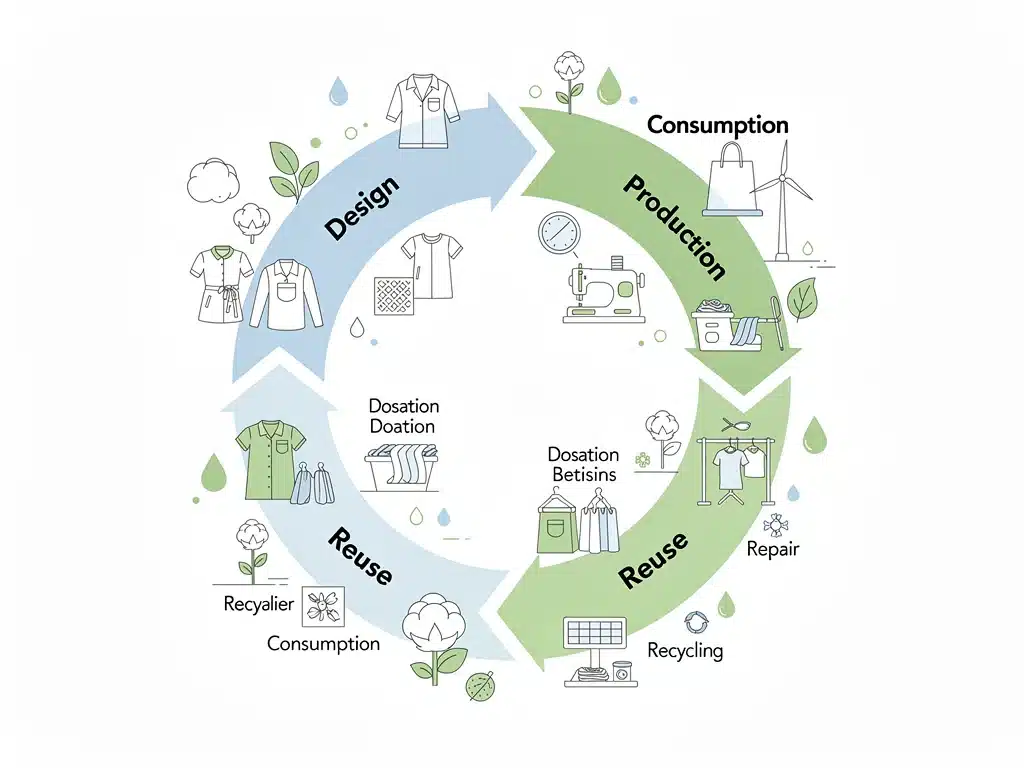
Furthermore, there will be an increased focus on circularity and regenerative practices. Certifications may evolve to include more robust criteria for product longevity, repairability, and recyclability. US apparel brands should view certifications not as a burden, but as an opportunity to innovate, optimize processes, and build a resilient business model that thrives in a sustainable future. The landscape is dynamic, and continuous adaptation will be key to staying ahead.
The Business Case for Sustainability Certifications
Beyond ethical considerations, there is a compelling business case for US apparel brands to invest in sustainability certifications. In today’s market, sustainability is not just a moral obligation; it’s a strategic advantage that can drive growth, enhance brand reputation, and attract a loyal customer base. The financial benefits, though sometimes indirect, are increasingly evident, making certifications a smart investment for forward-thinking companies.
From improved operational efficiency to better risk management and access to new markets, the positive impacts of verifiable sustainability are multifaceted. Brands that embrace certifications are often more resilient, adaptable, and ultimately, more profitable in the long run. This holistic view of value creation is transforming how businesses perceive and integrate sustainability into their core strategies.
Enhanced Brand Reputation and Consumer Loyalty
One of the most immediate benefits of sustainability certifications is the boost to a brand’s reputation. In an age of widespread greenwashing, third-party verification provides credibility and authenticity. Consumers, particularly younger demographics, are increasingly seeking out brands that align with their values. Certified brands can effectively communicate their commitment to environmental and social responsibility, fostering trust and building strong emotional connections with their customers.
- Increased Trust: Certifications act as a credible endorsement of sustainable claims.
- Stronger Brand Image: Positions the brand as a responsible and ethical leader.
- Higher Customer Retention: Loyal customers are more likely to return to brands they trust.
- Positive Public Relations: Opportunities for positive media coverage and storytelling.
Brands that genuinely integrate sustainability, backed by certifications, differentiate themselves in a crowded market. This differentiation translates into a powerful competitive edge, attracting new customers and retaining existing ones who are willing to pay a premium for ethical products. The narrative of responsible production becomes a key part of their marketing and brand identity.
Operational Efficiencies and Risk Mitigation
Implementing sustainable practices, often guided by certification requirements, can lead to significant operational efficiencies. For instance, optimizing water and energy usage, reducing waste, and managing chemical inputs not only lowers environmental impact but also reduces operational costs. The structured approach required by certifications encourages continuous improvement in manufacturing processes, leading to greater overall efficiency.
Furthermore, certifications play a crucial role in mitigating various business risks. By ensuring compliance with labor laws and environmental regulations, brands reduce their exposure to legal penalties, supply chain disruptions, and reputational damage. Adhering to high social standards also minimizes the risk of negative publicity related to exploitative labor practices, which can be devastating for a brand’s image and sales. This proactive risk management is invaluable in an unpredictable global market.
- Cost Savings: Reduced consumption of water, energy, and raw materials.
- Improved Compliance: Adherence to environmental and labor regulations.
- Supply Chain Resilience: Stronger, more ethical supply chains are less prone to disruptions.
- Investor Attraction: Sustainable brands are increasingly favored by socially responsible investors.
In essence, investing in sustainable fashion certifications transforms a brand’s operations, making them more efficient, resilient, and attractive to a broader range of stakeholders. It’s a strategic move that aligns profitability with purpose, securing a stronger future for the brand.
| Key Certification | Primary Focus |
|---|---|
| GOTS | Organic fiber content and responsible manufacturing processes. |
| Bluesign System | Chemical management, resource efficiency, and worker safety. |
| Fair Trade Certified | Fair wages, safe working conditions, and community development. |
| Strategic Importance | Builds consumer trust, enhances brand reputation, and ensures compliance. |
Frequently Asked Questions About Sustainable Fashion Certifications
GOTS certification provides a globally recognized assurance that textiles are made from organic fibers and produced with strict environmental and social criteria. It enhances brand credibility and appeals to consumers seeking truly organic and ethically made apparel, covering the entire supply chain from farm to finished product.
The Bluesign system is unique in its focus on input stream management, proactively ensuring that only safe chemicals and raw materials are used in textile production. It aims to eliminate harmful substances from the start, rather than testing finished products, thereby minimizing environmental impact and promoting resource efficiency.
Fair Trade Certified ensures fair wages, safe working conditions, and empowers workers through democratic decision-making regarding the use of the Fair Trade Premium. This premium is invested in community development projects, directly benefiting the lives and livelihoods of farmers and factory workers in the supply chain.
Yes, many US apparel brands choose to pursue multiple certifications to address different aspects of sustainability. For example, a brand might use GOTS for organic content, Bluesign for chemical management, and Fair Trade for social equity, creating a comprehensive sustainability profile that covers a wider range of concerns.
Sustainable fashion certifications significantly influence consumer purchasing decisions by providing verifiable proof of ethical and environmental claims. They build trust, simplify complex sustainability issues for buyers, and attract a growing segment of eco-conscious consumers who prioritize responsible sourcing and production in their apparel choices.
Conclusion
As the US apparel market rapidly evolves, the importance of sustainable fashion certifications cannot be overstated. By 2026, certifications like GOTS, Bluesign, and Fair Trade Certified will serve as critical indicators of a brand’s genuine commitment to environmental stewardship and social responsibility. These standards not only provide verifiable proof of sustainable practices but also build invaluable consumer trust, enhance brand reputation, and drive operational efficiencies. For apparel brands aiming for long-term success and relevance in an increasingly conscientious market, strategically embracing these certifications is not merely an option, but a fundamental necessity. The future of fashion is sustainable, and certifications are the roadmap to achieving it.