Beyond Fast Fashion: Sustainable Apparel Models US 2026
Advertisements
The US apparel sector is rapidly evolving beyond fast fashion, with rental, resale, and on-demand production emerging as key sustainable apparel models set to redefine the industry by 2026.
The fashion landscape is undergoing a monumental transformation, driven by an increasing global awareness of environmental impact and ethical consumerism. In the United States, the traditional fast fashion model, characterized by rapid production cycles, low costs, and disposability, is facing unprecedented scrutiny. Consumers are demanding change, and innovative businesses are answering the call with solutions that prioritize longevity, resourcefulness, and responsibility. This shift is giving rise to exciting new paradigms for the industry, pushing us to look beyond fast fashion: 3 emerging business models for sustainable apparel in the US in 2026 that are not just trends, but fundamental re-imaginings of how we consume clothing.
Advertisements
The imperative for sustainable fashion
The environmental footprint of the fashion industry is staggering. From excessive water consumption and chemical pollution in manufacturing to the vast quantities of textile waste overflowing landfills, the need for sustainable practices has never been more urgent. This section explores the driving forces behind the shift away from conventional fast fashion and the growing demand for more responsible alternatives.
Consumers, particularly younger generations, are increasingly making purchasing decisions based on a brand’s ethical and environmental credentials. Social media and readily available information have empowered individuals to scrutinize supply chains and demand transparency. This heightened awareness is putting immense pressure on brands to rethink their entire operational framework, moving towards models that minimize harm and maximize value.
Environmental impact of traditional fashion
The scale of the problem is immense. Producing a single cotton t-shirt can require thousands of liters of water, while synthetic fabrics like polyester contribute to microplastic pollution. Dyeing processes release toxic chemicals into waterways, and garment workers often face exploitative conditions. These issues collectively paint a grim picture, making the transition to sustainable models not just an option, but a necessity for the planet and its people.
- Water scarcity: Cotton cultivation is highly water-intensive, exacerbating shortages in many regions.
- Chemical pollution: Dyes and finishing agents contaminate water sources and harm ecosystems.
- Textile waste: Millions of tons of clothing end up in landfills annually, decomposing slowly and releasing greenhouse gases.
- Carbon emissions: Energy-intensive production and global shipping contribute significantly to climate change.
The imperative for sustainable fashion extends beyond environmental concerns to encompass social responsibility. Ethical labor practices, fair wages, and safe working conditions are integral components of true sustainability. As the industry evolves, addressing these multifaceted challenges will be paramount for any business aiming for long-term success and positive impact.
Emerging business model 1: fashion rental platforms
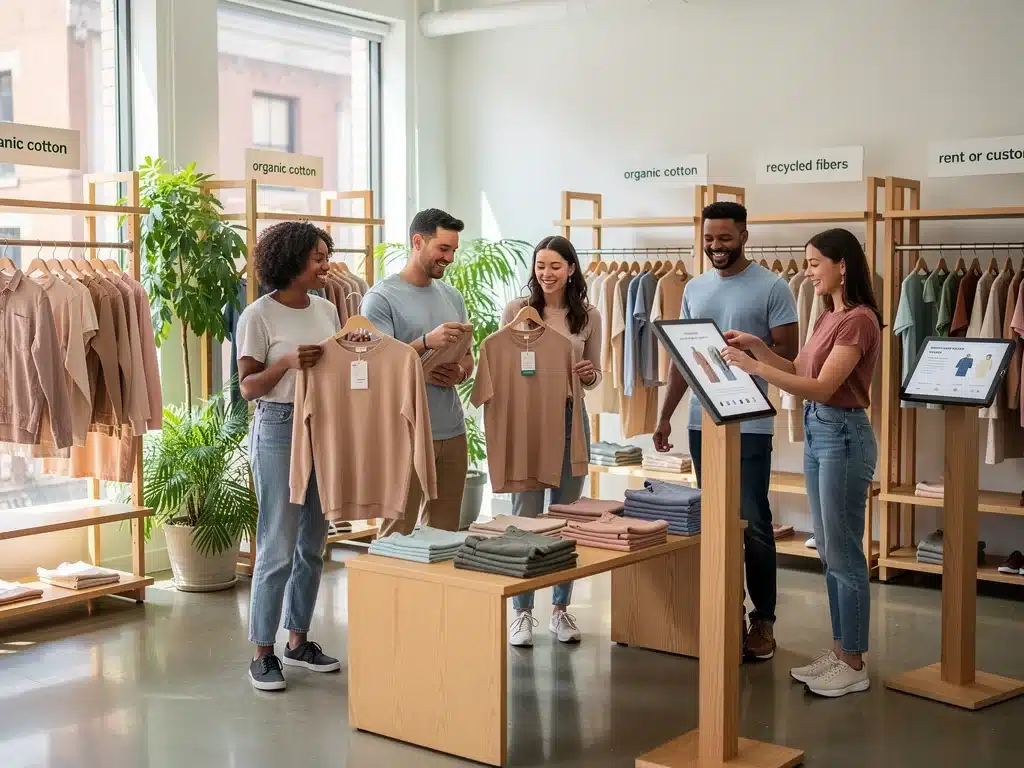
One of the most disruptive and promising business models gaining traction in the US apparel market is the rise of fashion rental platforms. This model directly addresses the issue of overconsumption and textile waste by offering access to clothing without the need for ownership. Consumers can enjoy a rotating wardrobe, experiment with new styles, and wear high-value items for specific occasions, all while significantly reducing their environmental footprint.
Rental platforms operate on a subscription basis or per-item rental, allowing users to borrow garments for a set period before returning them. The items are then cleaned, maintained, and made available for the next customer. This circular approach extends the lifespan of clothing, minimizing the demand for new production and diverting garments from landfills.
The appeal of fashion rental is multifaceted. For consumers, it offers economic benefits, allowing them to access premium brands at a fraction of the purchase price. It also provides variety and flexibility, catering to the desire for newness without the associated environmental guilt. Brands, in turn, can tap into new revenue streams, attract a wider customer base, and enhance their sustainability credentials.
Key players and growth drivers
Companies like Rent the Runway, Nuuly, and Le Tote have pioneered the fashion rental space, offering everything from everyday wear to formal attire. These platforms leverage advanced logistics, cleaning technologies, and sophisticated inventory management systems to ensure a seamless customer experience. The growth of this model is fueled by several factors:
- Shifting consumer mindset: A growing preference for access over ownership, especially among younger demographics.
- Economic efficiency: Renting allows consumers to save money while still enjoying diverse wardrobes.
- Technological advancements: Improved logistics, dry cleaning, and digital platforms make rental services more convenient.
- Sustainability consciousness: Consumers are actively seeking ways to reduce their environmental impact.
The future of fashion rental looks bright. As technology advances, we can expect even more personalized recommendations, seamless returns, and efficient garment care. This model is not just about renting clothes; it’s about reshaping our relationship with fashion, promoting a more conscious and circular approach to consumption.
Emerging business model 2: the booming resale market
The resale market, encompassing both secondhand and pre-owned luxury goods, is experiencing explosive growth in the US, positioning itself as a cornerstone of sustainable apparel. This model directly combats textile waste by giving garments a second, third, or even fourth life, thereby reducing the demand for new production and extending the utility of existing clothing items. Platforms for resale range from peer-to-peer marketplaces to curated consignment stores, catering to a broad spectrum of consumers and price points.
The appeal of resale is undeniable. For buyers, it offers access to unique items, vintage finds, and designer brands at more affordable prices. It also aligns with a desire for individuality and a rejection of mass-produced fashion. Sellers benefit by monetizing their unused wardrobe items, contributing to a more circular economy while earning extra income.
Drivers of resale market expansion
The rapid expansion of the resale market is driven by a confluence of factors, including technological innovation, shifting consumer values, and economic considerations. Online platforms such as Poshmark, ThredUp, The RealReal, and Depop have made buying and selling pre-owned clothing incredibly accessible and convenient, transforming what was once a niche activity into a mainstream shopping experience.
- Digitalization: Easy-to-use apps and websites have democratized the buying and selling of used clothing.
- Value for money: Consumers can acquire high-quality or designer items at significantly reduced prices.
- Sustainability: Buying secondhand is a tangible way for consumers to reduce their environmental footprint.
- Unique style: Resale offers a treasure trove of unique and often vintage pieces, fostering individual expression.
- Influencer culture: Social media influencers often promote secondhand shopping, normalizing and glamorizing it.
The resale market is projected to continue its upward trajectory, with analysts predicting it will outpace fast fashion growth in the coming years. As consumers become more financially savvy and environmentally conscious, the appeal of pre-owned apparel will only strengthen, making it a vital component of the sustainable fashion ecosystem.
Emerging business model 3: on-demand and localized production
The third significant emerging business model for sustainable apparel in the US centers around on-demand and localized production. This approach represents a radical departure from traditional mass manufacturing, which often involves large-scale production in distant factories, leading to overproduction, excessive waste, and lengthy supply chains. On-demand production means garments are only made when ordered, eliminating inventory waste and significantly reducing the environmental impact associated with unsold stock.
Localized production further enhances sustainability by bringing manufacturing closer to the consumer. This reduces transportation emissions and supports local economies. Advances in technology, such as 3D printing, advanced knitting machines, and robotic automation, are making on-demand and localized manufacturing increasingly viable, allowing for greater customization and quicker turnaround times.

This model fundamentally changes the relationship between brands and consumers. Instead of offering pre-made collections, brands can empower customers to customize designs, choose materials, and even influence the production process. This not only creates a more personalized product but also fosters a deeper connection between the consumer and their clothing.
Benefits and challenges of localized production
The advantages of on-demand and localized production are numerous. It minimizes waste, reduces carbon emissions from shipping, and allows for greater agility in responding to market trends. It also offers the potential for more ethical labor practices by creating local jobs and ensuring better working conditions. However, challenges remain, particularly regarding scalability and cost.
- Waste reduction: Eliminates overproduction and unsold inventory.
- Reduced carbon footprint: Shorter supply chains mean less transportation.
- Customization: Allows for personalized products tailored to individual preferences.
- Local job creation: Supports regional economies and ethical manufacturing.
- Faster time-to-market: Quicker response to fashion trends and consumer demand.
While the initial investment in localized, tech-driven manufacturing can be substantial, the long-term benefits in terms of sustainability, brand reputation, and customer loyalty are compelling. As technology continues to evolve and economies of scale are achieved, on-demand and localized production are set to become a dominant force in the sustainable apparel landscape.
Technological innovations driving sustainability
The rapid advancements in technology are not merely enabling these new business models but are actively accelerating the shift towards sustainable apparel. From materials science to supply chain management, innovation is providing the tools necessary to overcome historical barriers to ethical and eco-friendly practices. Understanding these technological drivers is crucial for appreciating the full scope of the sustainable fashion revolution.
Digitalization plays a pivotal role. Everything from virtual prototyping to blockchain-enabled supply chain transparency is contributing to a more efficient and accountable industry. These tools allow brands to reduce waste in the design phase, track materials from source to garment, and communicate their sustainability efforts credibly to consumers.
Key technological advancements
Several distinct technological areas are converging to push the boundaries of sustainable fashion:
- Material innovation: Development of biodegradable fabrics, recycled fibers, and bio-based textiles (e.g., mushroom leather, algae-derived dyes).
- 3D design and virtual prototyping: Reduces the need for physical samples, saving materials, time, and money.
- Artificial intelligence (AI) and machine learning: Optimizes inventory, predicts trends more accurately, and minimizes overproduction.
- Blockchain: Enables unprecedented transparency in supply chains, allowing consumers to verify the origin and ethical journey of a garment.
- Automated manufacturing: Robotics and advanced machinery facilitate localized, on-demand production with greater efficiency and reduced human error.
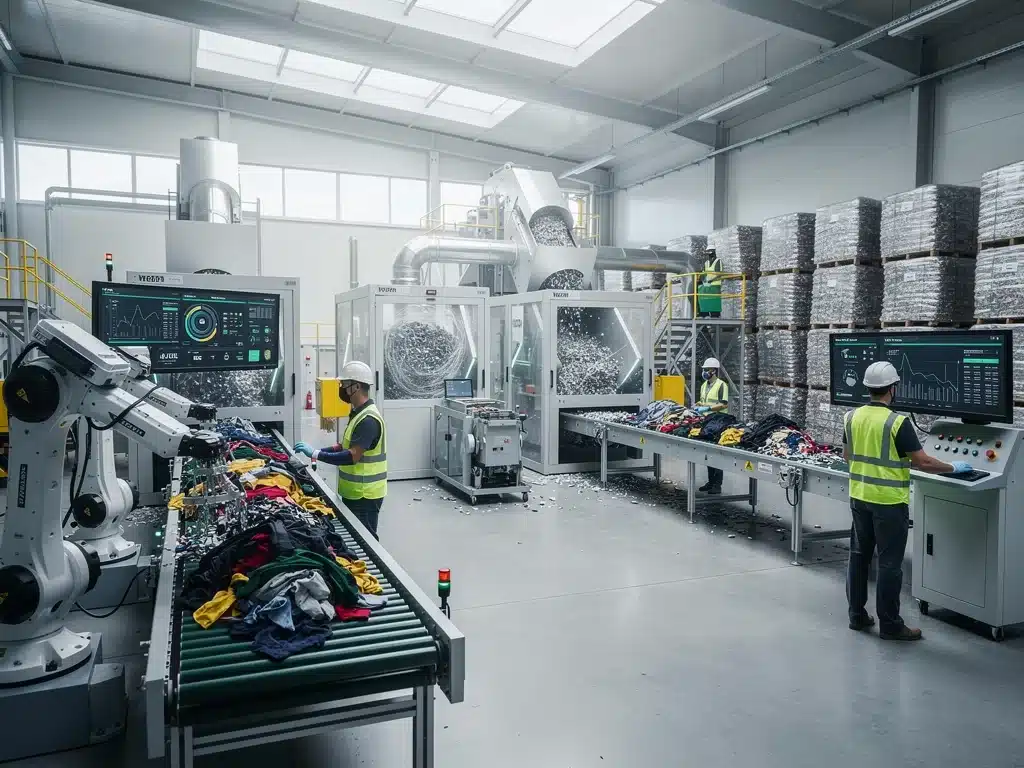
- Textile recycling technologies: Innovations in chemical and mechanical recycling are making it possible to break down old garments and create new fibers, closing the loop on textile waste.
These technological breakthroughs are transforming every stage of the apparel lifecycle, from raw material sourcing to end-of-life recycling. They empower brands to operate more responsibly and provide consumers with the information and choices they need to make truly sustainable decisions.
Challenges and opportunities for sustainable apparel in the US
While the trajectory towards sustainable apparel in the US is clear, it is not without its hurdles. Transitioning from a deeply entrenched fast fashion paradigm to a truly circular and ethical industry presents significant challenges. However, these challenges also unlock immense opportunities for innovation, market leadership, and positive societal impact.
One of the primary challenges lies in consumer behavior. Despite increasing awareness, affordability often remains a key driver in purchasing decisions. Sustainable fashion, particularly when produced ethically and with high-quality materials, can sometimes carry a higher price tag, creating a barrier for some consumers. Educating the market on the long-term value and true cost of clothing is essential.
Navigating the path forward
Brands face the complex task of reconfiguring their entire supply chains, investing in new technologies, and fostering new partnerships. This requires significant capital investment and a fundamental shift in corporate culture. Regulatory frameworks and policy support also play a critical role in incentivizing sustainable practices and discouraging environmentally damaging ones.
- Consumer education: Bridging the gap between awareness and action, emphasizing the benefits of sustainable choices.
- Scalability of new models: Expanding rental, resale, and on-demand to reach a broader market efficiently.
- Infrastructure for circularity: Developing robust systems for collection, sorting, repair, and recycling of textiles.
- Policy and regulation: Government incentives and mandates to support sustainable practices and penalize unsustainable ones.
- Investment in innovation: Continued funding for R&D in sustainable materials and manufacturing technologies.
Despite these challenges, the opportunities are vast. Brands that successfully navigate this transition stand to gain significant market share, enhance brand loyalty, and contribute to a more resilient and responsible economy. The sustainable apparel movement is not just about reducing harm; it’s about building a better future for the industry and the planet.
The future landscape of US sustainable apparel by 2026
Looking ahead to 2026, the US sustainable apparel landscape is poised for significant evolution, with the three emerging business models – rental, resale, and on-demand production – moving from niche alternatives to mainstream pillars of the industry. This shift will redefine consumer expectations, force traditional retailers to adapt, and foster a more circular and responsible approach to fashion.
We can expect to see increased integration of these models. For instance, a brand might offer new collections, alongside a rental option for special occasions and a resale marketplace for its pre-owned items. This holistic approach provides consumers with multiple entry points into sustainable consumption and maximizes the lifespan of every garment.
Key predictions for 2026
Several trends are likely to shape the market in the coming years:
- Mainstream adoption: Rental and resale will become commonplace, with major retailers and luxury brands actively participating.
- Hyper-personalization: On-demand production will allow for highly customized garments, catering to individual fit and style preferences.
- Data-driven sustainability: AI and blockchain will provide unparalleled transparency, allowing consumers to track the environmental and ethical journey of their clothes.
- Circular design principles: Garments will be designed from the outset for longevity, repairability, and recyclability.
- Policy influence: Increased governmental support and regulation will further accelerate the transition to sustainable practices.
By 2026, the notion of fast fashion as the dominant paradigm will be largely obsolete. Instead, a dynamic ecosystem of interconnected business models will offer consumers diverse, flexible, and environmentally conscious ways to engage with clothing. This future promises a more resilient, ethical, and ultimately more stylish apparel industry for the United States.
| Key Business Model | Brief Description |
|---|---|
| Fashion Rental Platforms | Consumers rent clothing for temporary use, extending garment lifespan and reducing ownership. |
| Resale and Secondhand Market | Buying and selling pre-owned apparel, giving items a second life and reducing new production demand. |
| On-Demand & Localized Production | Garments are made only when ordered, often locally, minimizing waste and transportation impact. |
| Technological Innovation | Advanced materials, AI, and blockchain enable efficiency, transparency, and circularity. |
Frequently asked questions about sustainable apparel
Fast fashion significantly contributes to water pollution from dyeing processes, excessive water consumption for crops like cotton, and massive textile waste in landfills. It also generates substantial carbon emissions throughout its global supply chain, impacting climate change and natural ecosystems.
Fashion rental platforms extend the lifespan of garments by allowing multiple users to wear them. This reduces the demand for new clothing production, minimizes textile waste, and offers a more circular consumption model. It also encourages access over ownership, a key tenet of sustainable living.
On-demand apparel production means garments are only manufactured after a customer places an order. This method virtually eliminates overproduction and unsold inventory waste, which are major issues in traditional fashion. It often utilizes advanced technology for efficient, localized manufacturing.
Yes, buying secondhand clothing is highly sustainable as it directly diverts garments from landfills and reduces the need for new resources. It extends the life cycle of existing clothing, lessening environmental impact associated with manufacturing, transportation, and disposal. It’s a cornerstone of the circular economy.
Technology is crucial for sustainable fashion, enabling innovations like eco-friendly materials, 3D design for reduced waste, AI for optimized production, and blockchain for supply chain transparency. These tools help create more efficient, ethical, and circular processes across the entire apparel industry, from design to recycling.
Conclusion
The transformation of the US apparel industry is not just a passing trend but a fundamental shift towards more responsible and resilient practices. By 2026, the dominance of fast fashion will wane, replaced by a dynamic ecosystem where fashion rental, resale, and on-demand production are not merely alternatives but integral components of how consumers acquire and interact with clothing. This evolution, driven by consumer demand, technological innovation, and a growing environmental imperative, promises a future where style and sustainability are not mutually exclusive but intrinsically linked, fostering an industry that truly respects both people and planet.