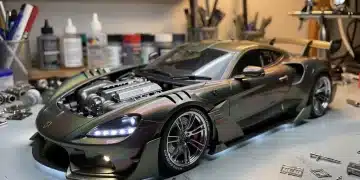
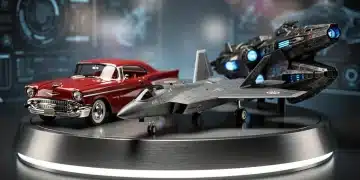
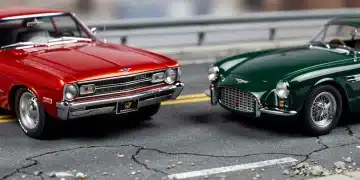
2026 Guide to Authentic Scale Model Detailing: 95% Accuracy
Advertisements
The 2026 Guide to Authentic Scale Model Detailing: Achieving 95% Accuracy on Your Next Project offers modelers a comprehensive roadmap to master advanced techniques and leverage cutting-edge resources for creating exceptionally realistic and historically accurate replicas.
Welcome to The 2026 Guide to Authentic Scale Model Detailing: Achieving 95% Accuracy on Your Next Project, a comprehensive resource designed to elevate your modeling skills to new heights. For enthusiasts striving for unparalleled realism, this guide delves into the advanced techniques and insights needed to transform your scale models from mere replicas into museum-quality works of art.
Advertisements
The Evolution of Scale Model Detailing: What’s New in 2026
Scale model detailing has undergone a significant evolution, with 2026 bringing forth new technologies and refined methodologies that promise unprecedented levels of accuracy. Gone are the days when a simple paint job sufficed; today’s modelers seek to replicate every rivet, every scratch, and every subtle shade of wear with painstaking precision. This section explores the foundational shifts and emerging trends that define contemporary authentic scale detailing.
Understanding these advancements is crucial for any modeler aiming for 95% accuracy. From advanced materials to digital aids, the landscape of model building is richer and more complex than ever before, offering both challenges and incredible opportunities for realism.
Advanced Materials and Their Impact
The introduction of new materials has revolutionized how modelers approach detailing. Resins with finer grain, stronger photo-etched parts, and even 3D-printed components now allow for details previously unimaginable. These materials demand new handling techniques and finishing processes, but the results are undeniably superior.
- High-Resolution 3D Printing: Enables creation of custom, intricate parts with minimal layer lines, perfect for unique modifications.
- Ultra-Thin Photo-Etch: Provides scale-appropriate thickness for railings, grilles, and other delicate components, enhancing visual accuracy.
- Specialized Resin Kits: Offers superior detail retention and easier modification compared to traditional injection-molded plastics.
- Advanced Pigments and Mediums: New weathering products simulate rust, grime, and environmental effects with greater realism.
Digital Tools and Resources
The digital realm has become an indispensable ally for the modern scale modeler. CAD software, 3D scanning, and extensive online archives provide unprecedented access to reference materials and custom part design. These tools not only aid in accuracy but also open up new avenues for creative expression and problem-solving.
In conclusion, the 2026 landscape of scale model detailing is characterized by a blend of innovative materials and powerful digital tools. Embracing these new resources is key to pushing the boundaries of realism and achieving truly authentic scale detailing in your projects.
Mastering Reference Research for Unmatched Accuracy
Achieving 95% accuracy in scale model detailing begins long before any glue is applied or paint is mixed. It starts with meticulous and comprehensive reference research. The quality and depth of your research directly correlate with the authenticity of your final model. This section details strategies for effective reference gathering, ensuring your project is grounded in historical and factual truth.
Effective research goes beyond a quick image search. It involves delving into primary sources, understanding the context of your subject, and cross-referencing information to verify details. This foundational step is arguably the most critical for elevating a good model to an exceptional one.
Leveraging Digital Archives and Databases
The internet offers a treasure trove of information, but knowing where to look and how to critically evaluate sources is paramount. Specialized digital archives, historical societies, and enthusiast forums provide invaluable photographic evidence, technical drawings, and personal accounts that can illuminate the nuances of your subject.
- Museum Collections Online: Many museums digitize their archives, offering high-resolution images and detailed descriptions of historical artifacts.
- Government and Military Archives: Provides access to blueprints, maintenance manuals, and official photographs of vehicles, aircraft, and vessels.
- Specialized Forums and Communities: Connect with other experts who can offer insights, share rare references, and provide constructive feedback.
- 3D Scans and CAD Models: Increasingly available, these resources offer precise dimensional data that can be invaluable for scratch-building or correcting kit inaccuracies.
Field Research and Hands-On Inspection
Whenever possible, direct observation provides an unparalleled level of insight. Visiting museums, historical sites, or even private collections allows for hands-on inspection of your subject. This tactile experience can reveal subtle textures, wear patterns, and color variations that are difficult to discern from photographs alone.
In summary, thorough reference research is the bedrock of authentic scale model detailing. By leveraging both digital resources and, when feasible, direct observation, modelers can gather the comprehensive information needed to achieve truly accurate and believable replicas.
Essential Tools and Equipment for Precision Detailing
The right tools are indispensable for achieving precision and authenticity in scale model detailing. While basic kits come with standard tools, reaching 95% accuracy demands a specialized arsenal designed for intricate work. This section highlights the essential tools and equipment that every serious modeler should consider incorporating into their workbench by 2026.
Investing in quality tools not only makes the detailing process more efficient but also significantly improves the final outcome. Precision instruments allow for cleaner cuts, smoother finishes, and more accurate application of small components, directly contributing to the realism of your model.
Micro-Tools and Magnification
Working with minute details requires tools that are equally small and precise. Magnification is also crucial, as many details are simply too tiny to see clearly with the naked eye. A combination of specialized blades, tweezers, and magnifying aids forms the core of a precision detailing setup.
- Fine-Tip Tweezers: Essential for handling photo-etch parts, decals, and other small components without damage.
- Micro-Saws and Blades: Allows for precise cuts in plastic, resin, and metal, vital for modifications and scratch-building.
- Optivisors/Magnifying Lamps: Provides clear, magnified views, reducing eye strain and improving accuracy during detailed work.
- Pin Vises and Micro-Drill Bits: For drilling tiny holes for wiring, rivets, or other small fixtures.
Airbrushing and Painting Equipment
Authentic finishes are paramount for realism. Modern airbrush technology, coupled with a wide range of specialized paints and weathering products, enables modelers to achieve complex and subtle surface effects. Understanding and mastering these tools is key to realistic painting.
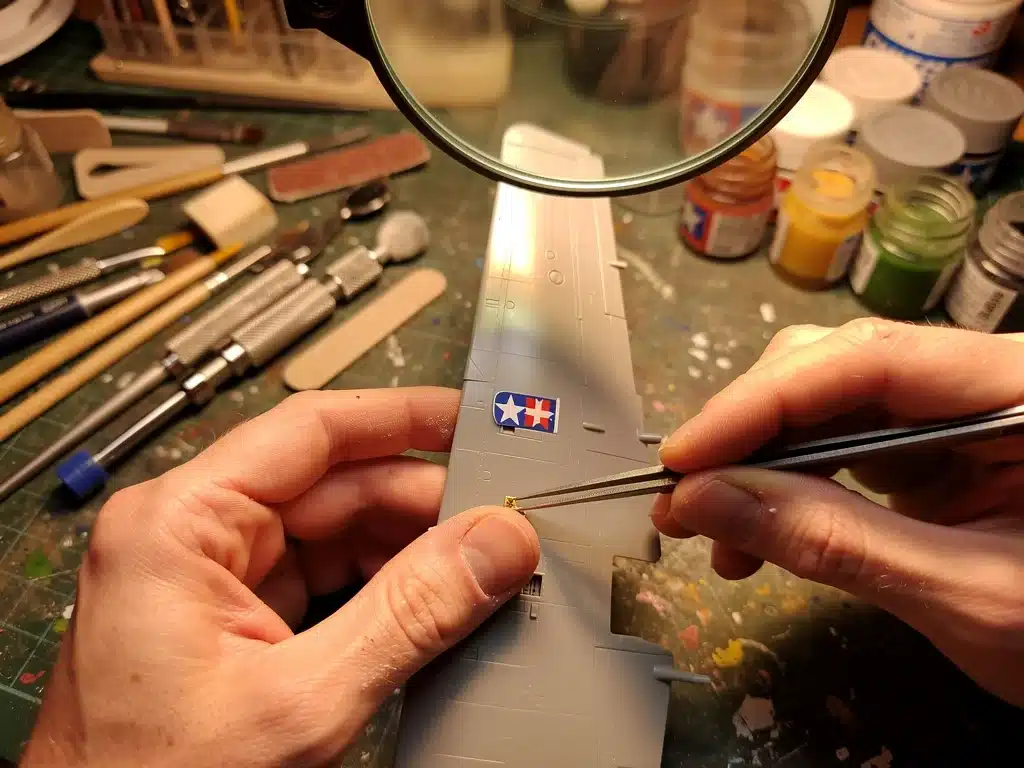
The careful selection and mastery of essential tools and equipment are fundamental to achieving high levels of accuracy in scale model detailing. By equipping yourself with the right instruments, you empower your hands to translate your vision of authenticity into a tangible, highly detailed model.
Painting and Weathering for Hyper-Realism
Painting and weathering are perhaps the most transformative stages in scale model detailing, turning a static plastic kit into a dynamic, lifelike representation of its real-world counterpart. Achieving 95% accuracy in this realm means going beyond basic color application to meticulously simulate the effects of time, environment, and use. This section delves into advanced techniques for hyper-realistic finishes.
The goal is not just to color your model, but to tell a story through its surface. Every chip, every streak of grime, and every faded patch contributes to the narrative of the object’s existence, making the model truly authentic and compelling.
Advanced Painting Techniques
Modern painting techniques for scale models have evolved far beyond simple brush painting. Airbrushing, pre-shading, post-shading, and modulation are just a few of the methods used to create depth, contrast, and visual interest, mimicking the complex appearance of real vehicles and machinery.
- Color Modulation: Applying varying shades of a base color to create a sense of volume and light interaction on flat surfaces.
- Pre-Shading/Post-Shading: Using darker or lighter tones along panel lines and edges to enhance depth and wear before or after the main color.
- Spot Painting and Blending: Applying small, controlled amounts of paint to replicate specific stains, leaks, or touch-ups seen on real subjects.
- Masking Techniques: Utilizing liquid masks, tape, and custom stencils to achieve sharp lines and complex camouflage patterns.
The Art of Realistic Weathering
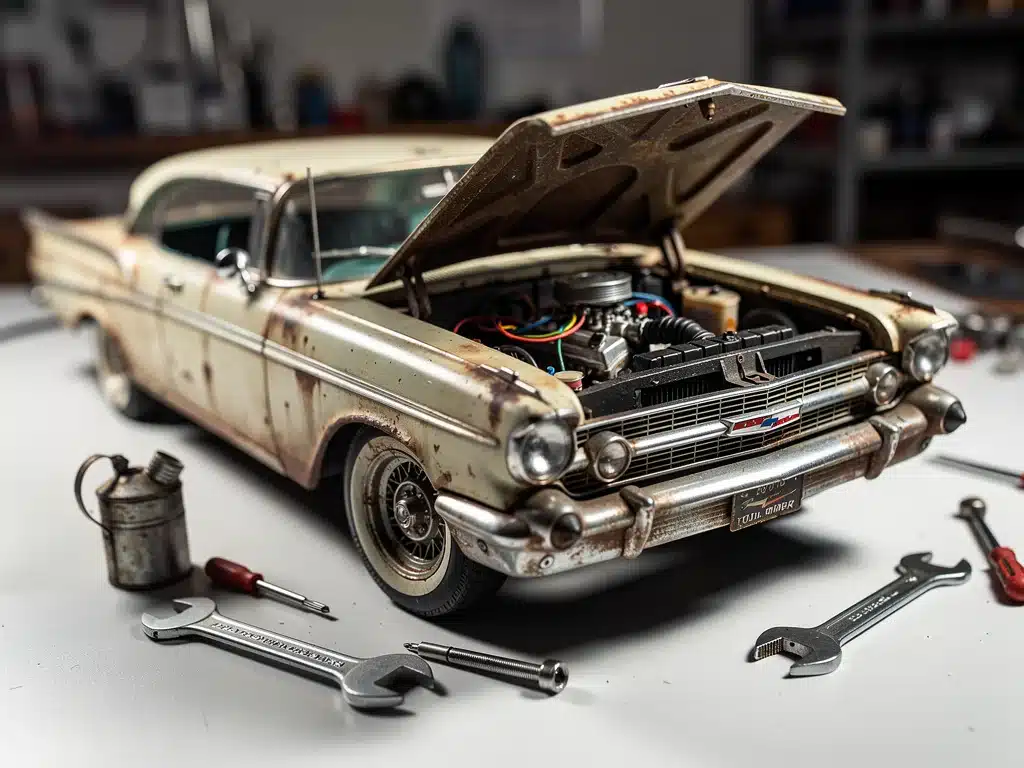
Weathering is where the model truly comes alive, simulating the wear and tear that an object would experience over its lifetime. This involves a combination of washes, filters, pigments, and chipping techniques to replicate rust, dust, mud, fading, and general operational grime. The key is subtlety and realism, ensuring the weathering tells a believable story.
In conclusion, mastering painting and weathering techniques is crucial for achieving hyper-realism in your scale models. By applying these advanced methods with an eye for detail and historical accuracy, you can breathe life into your creations and elevate them to an extraordinary level of authenticity.
Photo-Etch and Resin Upgrades: Elevating Detail
For modelers committed to achieving 95% accuracy, standard kit parts often fall short in capturing the intricate details of their subjects. This is where photo-etch (PE) and resin upgrade kits become indispensable. These aftermarket components offer a level of fidelity and thinness that injection-molded plastic simply cannot match, transforming a good model into an outstanding one. This section explores the effective integration of these advanced materials.
Working with photo-etch and resin requires patience, specialized tools, and a delicate touch. However, the visual impact of these upgrades, from fine grilles and railings to highly detailed cockpits and engine parts, is truly remarkable and crucial for authentic scale detailing.
Integrating Photo-Etched Parts
Photo-etch parts, typically made from brass or stainless steel, are produced through a chemical milling process, allowing for incredibly thin and intricate details. They are often used to replace thick plastic parts or to add details not present in the original kit.
- Preparation and Cleaning: Carefully remove PE parts from their frets using a sharp hobby knife or specialized PE cutters to avoid bending. Clean them thoroughly with alcohol.
- Bending and Shaping: Use photo-etch bending tools or fine-nosed pliers to create crisp, accurate bends. Practice on scrap pieces first.
- Adhesion: Cyanoacrylate (CA) glue is the adhesive of choice for PE parts due to its strong bond and quick drying time. Apply sparingly with a toothpick.
- Painting: Prime PE parts before painting to ensure good paint adhesion, especially if they are bare metal.
Working with Resin Upgrades
Resin upgrade kits offer a higher level of detail and often correct inaccuracies found in base kits. They can range from small detail sets like seats and wheels to entire replacement sub-assemblies such as engine compartments or cockpits. Resin requires different handling techniques than plastic.
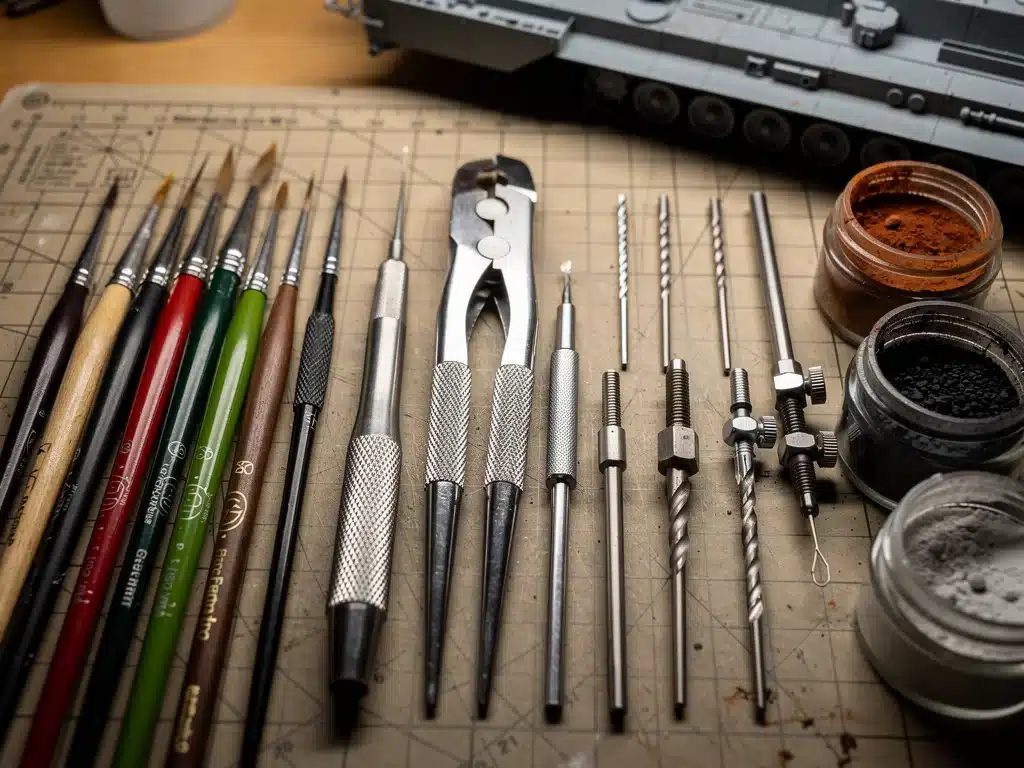
In conclusion, the judicious use and skillful integration of photo-etch and resin upgrades are vital steps in achieving truly authentic scale detailing. While they present their own set of challenges, the enhanced realism and precision they bring to a model are unmatched, making them essential for any serious modeler.
The Art of Diorama and Presentation: Contextual Realism
Achieving 95% accuracy in scale model detailing extends beyond the model itself; it encompasses its presentation within a realistic context. The art of diorama building provides this context, transforming a standalone model into a scene that tells a compelling story. This section explores how to create dioramas that enhance the authenticity and impact of your detailed models, bringing them to life in a believable environment.
A well-executed diorama not only showcases your model’s intricate details but also adds another layer of realism, immersing the viewer in a specific moment in time and space. It’s about setting the stage for your masterpiece.
Elements of a Realistic Diorama
Creating a convincing diorama involves careful planning and the integration of various elements, including groundwork, vegetation, structures, and figures. Each component must be selected and detailed to match the historical and environmental context of your model.
- Groundwork: Replicate terrain textures using plaster, foam, and various aggregates. Pay attention to natural undulations, ruts, and footprints.
- Vegetation: Utilize static grass, miniature trees, and foliage to match the specific flora of your chosen environment and season.
- Structures: Scratch-build or modify kit buildings to reflect the architectural style and wear appropriate for the setting.
- Figures: Incorporate scale figures posed dynamically to interact with the model and environment, adding a human element and sense of scale.
Lighting and Composition
The presentation of your diorama is as important as its construction. Thoughtful lighting and composition can dramatically enhance the realism and emotional impact of your scene. Consider how light falls on your model and environment, and how the various elements are arranged to guide the viewer’s eye.
In conclusion, diorama building is an essential aspect of contextual realism, allowing modelers to present their authentically detailed creations in a believable and engaging environment. By mastering the elements of diorama construction and presentation, you can elevate your models to a new level of storytelling and authenticity.
Future Trends and Staying Ahead in Detailing
The world of scale model detailing is constantly evolving, with new technologies and techniques emerging regularly. To maintain 95% accuracy and keep your skills sharp, it’s crucial to stay informed about future trends. This section looks ahead to what 2026 and beyond might bring, offering insights into how modelers can adapt and leverage these innovations.
Staying at the forefront of the hobby means being open to experimentation and continuously learning. The integration of digital fabrication, advanced materials, and even augmented reality could redefine how we approach authentic scale detailing.
Emerging Technologies
Technological advancements, particularly in areas like 3D printing and material science, are set to further revolutionize the hobby. These innovations will not only facilitate greater accuracy but also make previously complex detailing tasks more accessible.
- Micro-Scale 3D Printing: Expect even finer resolution 3D printers capable of producing details at an almost molecular level, eliminating visible layer lines.
- Smart Materials: Materials that can change color with temperature, glow in the dark, or even simulate movement could add dynamic realism.
- AI-Assisted Design: Artificial intelligence might soon assist in generating accurate historical color schemes or even designing custom parts based on reference images.
- Augmented Reality for Assembly: AR overlays could guide modelers through complex assembly steps or provide real-time reference comparisons.
Community and Knowledge Sharing
The collective knowledge and innovation within the modeling community are powerful drivers of progress. Online forums, social media groups, and virtual workshops will continue to be vital platforms for sharing techniques, discovering new products, and collaborating on projects.
In conclusion, the future of authentic scale model detailing is bright and full of exciting possibilities. By embracing emerging technologies, actively participating in the modeling community, and maintaining a commitment to continuous learning, modelers can ensure their projects remain at the cutting edge of realism and accuracy for years to come.
| Key Detailing Aspect | Brief Description |
|---|---|
| Reference Research | Thoroughly gather historical data, photos, and technical drawings for accuracy. |
| Advanced Materials | Utilize 3D prints, photo-etch, and resin for fine, scale-appropriate details. |
| Painting & Weathering | Master airbrushing, washes, and pigments to simulate realistic wear and environment. |
| Diorama & Presentation | Create immersive scenes with groundwork, figures, and lighting for contextual realism. |
Frequently Asked Questions About Authentic Scale Model Detailing
95% accuracy refers to the meticulous reproduction of a real-world subject, encompassing precise dimensions, authentic color schemes, realistic weathering, and the inclusion of fine details like rivets, wiring, and interior components, all based on extensive historical research and reference materials.
Reference material is critically important for authentic detailing. It forms the foundation for all accurate modifications, painting, and weathering. Without thorough research into photographs, blueprints, and historical accounts, achieving true realism and avoiding inaccuracies is nearly impossible, making it a cornerstone of high-level modeling.
In 2026, key new tools include high-resolution 3D printers for custom parts, ultra-fine photo-etch bending tools, advanced airbrush systems for nuanced finishes, and digital aids like CAD software and 3D scanners for precise measurements and design. These tools facilitate unprecedented levels of detail and accuracy.
While achieving 95% accuracy typically requires experience, beginners can certainly start on the path to authentic detailing. Focusing on fundamental techniques, thorough research, and gradually incorporating advanced tools and materials will build the necessary skills over time. Patience and practice are more important than initial skill level.
Dioramas provide essential contextual realism, transforming a standalone model into a living scene. They allow modelers to depict their subject in a specific historical or environmental setting, enhancing the narrative and authenticity. A well-crafted diorama complements the model’s details, making the entire presentation more immersive and believable.
Conclusion
The journey to achieving 95% accuracy in scale model detailing, as outlined in this 2026 guide, is a testament to dedication, precision, and continuous learning. From mastering advanced research methodologies and embracing cutting-edge materials like photo-etch and resin, to perfecting painting and weathering techniques for hyper-realism, every step contributes to transforming a simple kit into an authentic, museum-quality replica. The integration of modern tools and the art of diorama building further elevate the presentation, making each model a captivating narrative in miniature. As the hobby evolves, staying informed and engaged with emerging technologies and community insights will ensure your projects remain at the forefront of authentic scale detailing, inspiring both yourself and fellow enthusiasts.