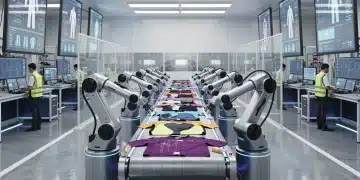
AI’s Impact on US Apparel Design: 2026 Forecast

Advertisements
By 2026, AI will profoundly reshape US apparel design, driving innovation in personalized fashion, sustainable practices, and efficient production, fundamentally altering industry landscapes.
The fashion industry, long driven by human creativity and intuition, is on the cusp of a technological revolution. As we approach 2026, the impact of AI on apparel design: 2026 forecast for US fashion creation suggests a fundamental shift in how garments are conceived, developed, and brought to market. Are designers ready to embrace this new era, or will traditional methods be left behind? Let’s delve into the exciting possibilities and inevitable challenges that AI presents for the future of US apparel.
Advertisements
AI-Driven Creativity and Design Innovation
Artificial intelligence is no longer a futuristic concept but a present-day catalyst, especially in creative fields like apparel design. By 2026, AI will significantly augment human creativity, offering designers unprecedented tools to explore novel aesthetics, patterns, and silhouettes. This isn’t about replacing human designers, but rather empowering them with advanced analytical capabilities and generative models that can produce an array of design options in mere seconds.
Generative AI, for instance, can interpret vast datasets of historical fashion trends, art movements, and even current social media sentiments to suggest innovative design elements. This allows designers to move beyond conventional boundaries, experimenting with complex geometries, color palettes, and textile combinations that might be difficult to conceptualize manually. The result is a richer, more diverse creative output that caters to a broad spectrum of consumer tastes and preferences, ensuring that the US fashion market remains at the forefront of global style.
Algorithmic Inspiration and Pattern Generation
One of the most exciting applications of AI in design is its ability to generate intricate patterns and unique garment structures. Designers can input specific parameters, such as a desired mood, occasion, or even a particular emotional response, and AI algorithms can then synthesize these inputs into tangible design suggestions.
- Automated Sketching: AI can quickly generate numerous design sketches based on simple prompts, saving designers valuable time in the initial conceptualization phase.
- Textile Patterning: Sophisticated algorithms can create bespoke textile patterns, considering factors like material drape, print complexity, and color theory, leading to truly original fabrics.
- 3D Prototyping: AI integration with 3D design software allows for rapid virtual prototyping, enabling designers to visualize and refine garments without the need for physical samples.
- Personalized Aesthetics: AI can analyze individual consumer data to suggest designs that align with their specific style preferences, offering a highly personalized shopping experience.
The synergy between human intuition and AI’s computational power promises to unlock new frontiers in apparel aesthetics. This collaborative approach means that while AI handles the heavy lifting of data processing and pattern generation, the human designer retains ultimate creative control, guiding the AI towards desired outcomes and infusing designs with emotional depth and artistic vision. This blend ensures that the final products are not only innovative but also resonate deeply with consumers.
In essence, AI will become an indispensable design assistant, capable of understanding complex design briefs and translating them into actionable, visually compelling concepts. This evolution will not only accelerate the design process but also foster an environment where creativity is amplified, leading to a more dynamic and responsive US fashion creation landscape by 2026. The future of design is a partnership, with AI providing the tools and humans providing the soul.
Enhancing Sustainability and Ethical Practices
The fashion industry has long grappled with its environmental footprint and ethical challenges. By 2026, AI is poised to become a pivotal tool in addressing these critical issues, driving significant advancements in sustainability and ethical practices across the US apparel sector. From optimizing material usage to ensuring transparent supply chains, AI offers solutions that were previously unattainable, moving the industry closer to a more responsible future.
AI’s ability to analyze vast quantities of data can identify inefficiencies and waste points in the design and production process. This data-driven approach allows brands to make informed decisions that reduce their ecological impact, aligning with growing consumer demand for environmentally conscious products. The integration of AI into every stage of apparel creation will not only benefit the planet but also enhance brand reputation and consumer loyalty.
Optimizing Material Usage and Waste Reduction
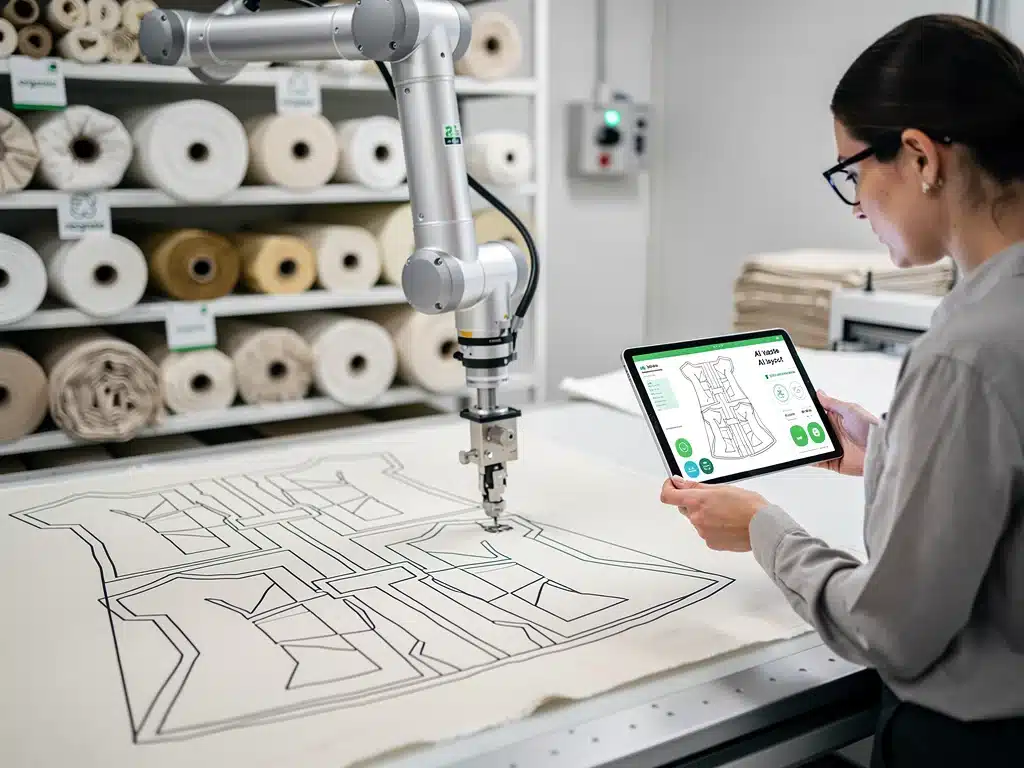
One of the most immediate and significant impacts of AI on sustainability is in material optimization. AI-powered software can analyze fabric patterns and layouts with unparalleled precision, minimizing waste during the cutting process. This ‘zero-waste’ or ‘low-waste’ design approach is becoming increasingly vital.
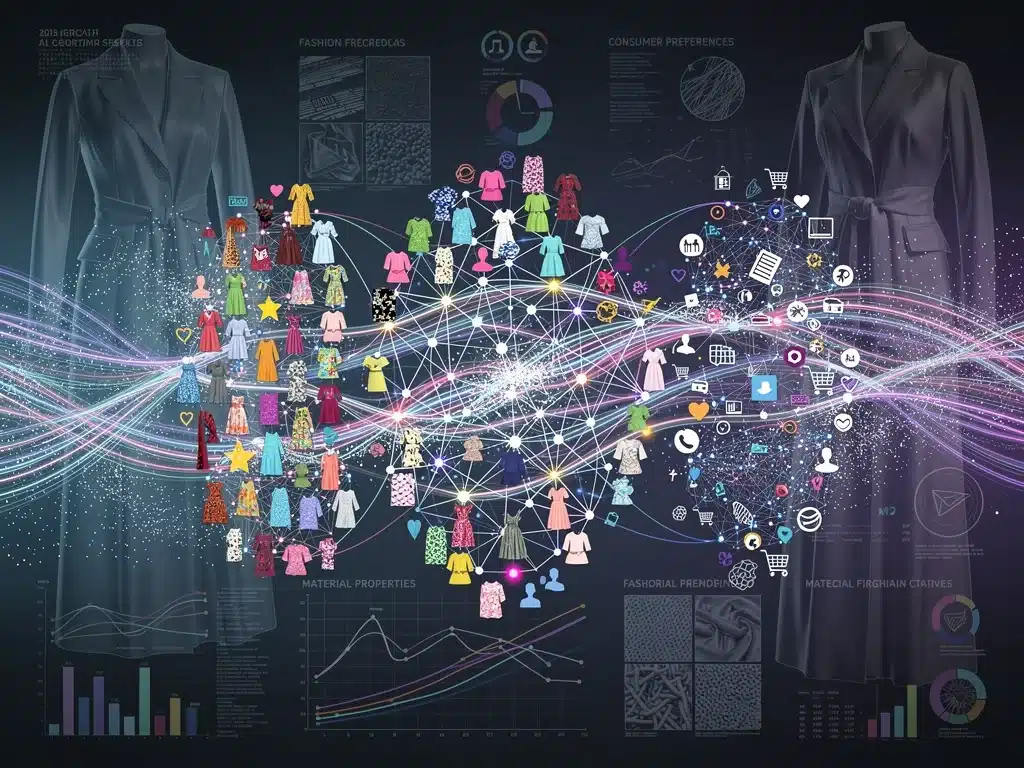
- Pattern Optimization: AI algorithms can arrange pattern pieces on fabric rolls to achieve the highest possible material utilization, drastically reducing textile waste.
- Predictive Analytics for Inventory: AI can forecast demand with greater accuracy, helping brands avoid overproduction and the associated waste of unsold garments.
- Sustainable Material Sourcing: AI can identify and recommend eco-friendly materials based on their lifecycle impact, guiding designers towards more sustainable choices.
Beyond material usage, AI can also contribute to the circular economy. By tracking garments throughout their lifecycle, from production to disposal, AI can facilitate recycling and upcycling initiatives. This includes developing intelligent sorting systems for textile waste and even designing garments with end-of-life considerations in mind, making them easier to disassemble and recycle. The ability of AI to manage complex data flows is crucial for creating truly circular fashion systems.
Furthermore, AI can assist in the development of innovative, sustainable materials. By simulating the properties of new textiles and predicting their performance, AI can accelerate the research and development of biodegradable, recycled, or bio-based fabrics. This not only reduces reliance on traditional, resource-intensive materials but also opens up new avenues for creative and sustainable design. The US apparel industry is poised to leverage these AI capabilities to lead the global movement towards a more sustainable fashion future, setting new benchmarks for environmental responsibility.
Personalization and On-Demand Production
The era of mass-produced, one-size-fits-all fashion is steadily giving way to a consumer-driven market that values individuality and bespoke creations. By 2026, AI will be at the heart of this transformation, enabling unprecedented levels of personalization and facilitating efficient on-demand production within the US apparel industry. This shift not only caters to evolving consumer expectations but also minimizes waste and optimizes supply chain dynamics.
AI’s capacity to process and interpret individual consumer data – from body measurements and style preferences to social media activity and purchasing history – allows brands to offer highly customized products. This hyper-personalization extends beyond simple color or size options, delving into unique design elements and tailored fits. The result is a stronger connection between brand and consumer, fostering loyalty and reducing returns, which are often a significant source of waste in the traditional retail model.
Customization at Scale
The dream of mass customization, once a logistical nightmare, is becoming a reality thanks to AI. AI-powered platforms can manage complex customization requests, translating individual preferences into production-ready designs with remarkable efficiency.
- Virtual Try-On: AI-driven augmented reality (AR) apps allow customers to virtually try on garments, seeing how different styles and fits look on their unique body shape before purchase.
- Body Scan Integration: AI can process 3D body scans to create perfectly fitted garments, eliminating the need for standard sizing and reducing alterations.
- Dynamic Design Generation: Based on consumer inputs, AI can dynamically generate unique patterns and embellishments, offering a truly one-of-a-kind product.
On-demand production, a natural partner to personalization, is also being revolutionized by AI. Instead of producing large inventories based on speculative demand, AI enables brands to manufacture garments only when an order is placed. This significantly reduces inventory costs, minimizes unsold stock, and allows for greater agility in responding to rapidly changing trends. AI algorithms can optimize production schedules, manage material procurement for specific orders, and even coordinate automated manufacturing processes.
The combination of AI-driven personalization and on-demand production addresses several key challenges in the modern fashion industry: it meets the consumer’s desire for uniqueness, reduces environmental impact by minimizing waste, and improves economic efficiency for brands. As we move towards 2026, the US apparel market will increasingly adopt these AI-powered models, transforming the shopping experience and setting new standards for responsive and responsible fashion creation.
Supply Chain Optimization and Market Responsiveness
The global apparel supply chain is notoriously complex, often characterized by lengthy lead times, opaque processes, and susceptibility to disruptions. By 2026, artificial intelligence will be instrumental in transforming this intricate network into a more agile, transparent, and resilient system within the US fashion creation landscape. AI’s predictive capabilities and data analysis prowess will enable brands to respond to market changes with unprecedented speed and precision, significantly enhancing their competitive edge.
From forecasting consumer demand to managing logistics and inventory, AI provides real-time insights that allow for proactive decision-making. This shift from reactive to predictive supply chain management not only mitigates risks but also identifies opportunities for efficiency gains and cost reductions. The integration of AI tools across the supply chain will lead to a more streamlined and responsive operation, ensuring that the right products are available at the right time and place.
Predictive Analytics for Demand Forecasting
Accurate demand forecasting is crucial for minimizing waste and maximizing sales. AI algorithms can analyze a multitude of factors—historical sales data, social media trends, economic indicators, and even weather patterns—to predict future demand with remarkable accuracy. This allows brands to optimize production quantities and allocate resources more effectively.
- Inventory Management: AI can optimize inventory levels, reducing holding costs and preventing stockouts or overstock situations.
- Logistics and Route Optimization: AI algorithms can plan the most efficient shipping routes and manage transportation logistics, reducing delivery times and fuel consumption.
- Supplier Relationship Management: AI can assess supplier performance, identify potential bottlenecks, and even suggest alternative suppliers to ensure supply chain resilience.
- Trend Spotting: AI can rapidly identify emerging fashion trends from vast amounts of online data, allowing designers and manufacturers to quickly adapt their offerings.
Beyond forecasting, AI enhances supply chain transparency and traceability. Blockchain technology, often integrated with AI, can provide an immutable record of a garment’s journey from raw material to finished product. This not only builds consumer trust by verifying ethical sourcing and sustainable practices but also helps identify and resolve issues such as counterfeiting or quality control problems. The ability to track every component and process step creates a more accountable and trustworthy supply chain.
The impact of AI on supply chain optimization extends to real-time anomaly detection. AI systems can monitor production lines and logistics for deviations from expected performance, flagging potential issues before they escalate. This proactive problem-solving minimizes disruptions and ensures smoother operations. By 2026, US apparel companies leveraging AI in their supply chains will gain a significant competitive advantage, characterized by faster time-to-market, reduced operational costs, and an enhanced ability to meet evolving consumer demands.
The Evolving Role of the Human Designer
As AI increasingly integrates into every facet of apparel design, a pertinent question arises: what becomes of the human designer? By 2026, the role of the human designer will not diminish but rather evolve, shifting from manual execution to strategic oversight, curation, and creative direction. AI will handle the repetitive, data-intensive tasks, freeing designers to focus on higher-level conceptualization, emotional resonance, and the unique artistic vision that only humans can provide.
This evolution redefines creativity itself. Designers will become orchestra conductors, directing AI tools to explore specific themes, generate various iterations, and synthesize complex ideas. Their expertise will lie in discerning the most compelling AI-generated concepts, refining them, and imbuing them with cultural relevance and narrative depth. The future designer will be a hybrid professional, adept at both traditional design principles and advanced technological tools, leveraging AI as a powerful extension of their creative intellect.
Focus on Conceptualization and Storytelling
With AI handling the grunt work of pattern generation and trend analysis, designers can dedicate more time to the conceptual core of their collections. This involves deeper research into cultural movements, historical contexts, and future societal shifts, allowing for more meaningful and impactful designs.
- Visionary Leadership: Designers will guide AI, setting the overall artistic direction and ensuring the output aligns with brand identity and market positioning.
- Emotional Connection: The human element will be crucial in infusing designs with emotion, narrative, and cultural sensitivity that AI cannot replicate.
- Ethical Oversight: Designers will play a vital role in ensuring that AI-generated designs adhere to ethical standards, avoiding biases and promoting inclusivity.
- Interdisciplinary Collaboration: The designer’s role will expand to include collaboration with AI engineers, data scientists, and ethicists, fostering a truly interdisciplinary creative process.
The human designer will also become the guardian of brand identity and aesthetic consistency. While AI can generate diverse options, it’s the human eye that ensures these options align with the brand’s unique voice and values. This curatorial role is essential for maintaining brand integrity in an increasingly AI-driven design landscape. Furthermore, the human designer will be responsible for interpreting complex consumer feedback and translating it into actionable design strategies, ensuring that AI tools are applied in ways that truly serve the target audience.
In conclusion, the evolving role of the human designer by 2026 will be one of elevated strategic importance. They will be the visionary leaders, the cultural interpreters, and the ethical compass guiding AI’s immense capabilities. This symbiotic relationship promises to unlock unprecedented levels of creativity and efficiency, ensuring that the US apparel design sector continues to thrive with innovative and emotionally resonant collections.
Challenges and Ethical Considerations
While the promises of AI in apparel design are vast, its widespread adoption by 2026 also brings forth a unique set of challenges and ethical considerations that the US fashion industry must proactively address. Navigating these complexities is crucial to realizing AI’s full potential responsibly and equitably. From data privacy and algorithmic bias to job displacement and intellectual property, these issues demand careful thought and robust frameworks.
The ethical implications of using AI, particularly when dealing with personal consumer data for personalization, cannot be overstated. Ensuring transparency in how data is collected, used, and protected will be paramount for maintaining consumer trust. Furthermore, the potential for algorithmic bias, where AI systems perpetuate or even amplify existing societal prejudices, needs vigilant monitoring and mitigation strategies to prevent discriminatory design outcomes.
Data Privacy and Algorithmic Bias
The reliance on large datasets for AI training raises significant concerns about data privacy and the potential for biased outcomes. As AI analyzes consumer behaviors and preferences, safeguards must be in place to protect sensitive information.
- Data Security: Implementing robust cybersecurity measures to protect personal and proprietary design data from breaches is essential.
- Bias Mitigation: Developing and deploying AI systems that are regularly audited for algorithmic bias, ensuring fair and inclusive design recommendations.
- Intellectual Property: Establishing clear guidelines for ownership of AI-generated designs and ensuring that creative works are adequately protected.
Another significant challenge is the potential for job displacement. While AI is expected to create new roles, particularly in AI development and oversight, it may also automate certain tasks traditionally performed by human designers and pattern makers. The industry must invest in reskilling and upskilling programs to prepare its workforce for these evolving roles, fostering a smooth transition rather than widespread disruption. This includes training designers to work effectively with AI tools and understand their capabilities and limitations.
The question of intellectual property for AI-generated designs also presents a novel legal and ethical dilemma. Who owns the copyright for a design created by an AI algorithm? Is it the programmer, the designer who provided the initial prompt, or the AI itself? Clear legal frameworks will need to be developed to address these emerging issues, ensuring fair compensation and attribution in an AI-driven creative landscape. By proactively addressing these challenges, the US apparel industry can ensure that AI serves as a force for good, promoting innovation while upholding ethical standards and fostering a resilient workforce.
Investment and Adoption Trends in US Fashion
The pace of AI integration into the US apparel industry is not uniform, but by 2026, investment and adoption trends indicate a clear trajectory towards widespread implementation. Major fashion houses, innovative startups, and even traditional manufacturers are increasingly recognizing the strategic imperative of leveraging AI to stay competitive, drive efficiency, and meet evolving consumer demands. This surge in investment is fueled by tangible benefits observed in early adopters, prompting a broader industry shift.
Investment is flowing into various AI applications, from design software and supply chain optimization platforms to customer analytics and virtual try-on technologies. This diversified approach reflects the understanding that AI’s impact is multifaceted, touching every stage of the apparel lifecycle. The US market, known for its innovation and consumer-centric approach, is particularly keen on adopting technologies that enhance personalization and improve speed-to-market, making AI a natural fit for its strategic objectives.
Key Investment Areas and Market Drivers
Several key areas are attracting significant AI investment within the US fashion sector, driven by both technological advancements and market pressures. These investments are shaping the future operational and creative landscape of apparel design.
- Generative Design Tools: Companies are investing in AI platforms that can assist designers in creating new patterns, styles, and fabric designs, accelerating the creative process.
- Predictive Analytics: Significant capital is being allocated to AI systems that forecast trends, consumer demand, and inventory needs, optimizing production and reducing waste.
- Supply Chain AI: Investment in AI for logistics, supplier management, and quality control is aimed at increasing transparency, efficiency, and resilience across the supply chain.
- Customer Experience AI: Brands are adopting AI for personalized recommendations, virtual try-ons, and enhanced customer service, improving engagement and satisfaction.
The adoption of AI is also being driven by the need for greater agility and responsiveness in a fast-paced market. The ability to quickly analyze data, identify trends, and adapt production cycles is crucial for remaining relevant. Smaller brands and startups are leveraging accessible AI tools to compete with larger, more established players, democratizing access to advanced technologies. This competitive pressure encourages broader adoption across the industry, fostering an ecosystem of continuous innovation.
Furthermore, academic institutions and industry consortia are playing a vital role in fostering AI adoption through research, talent development, and collaborative projects. Partnerships between tech companies and fashion brands are becoming more common, leading to customized AI solutions tailored to the unique needs of the apparel sector. By 2026, the US fashion creation landscape will be defined by a robust integration of AI, transforming how businesses operate, innovate, and connect with their customers, solidifying its position as a global leader in fashion technology.
| Key Aspect | Impact by 2026 |
|---|---|
| Creativity & Design | Augmented human designers, generative AI for novel concepts, faster prototyping. |
| Sustainability | Optimized material usage, reduced waste, enhanced ethical sourcing transparency. |
| Personalization | Mass customization, on-demand production, virtual try-ons, tailored fits. |
| Supply Chain | Predictive forecasting, optimized logistics, real-time anomaly detection, transparency. |
Frequently Asked Questions About AI in Apparel Design
By 2026, human designers will transition from manual execution to strategic oversight and creative direction. AI will handle repetitive tasks, allowing designers to focus on conceptualization, storytelling, and infusing designs with emotional depth and cultural relevance, acting as curators of AI-generated ideas.
Absolutely. AI can significantly enhance sustainability by optimizing material usage, minimizing textile waste through precise pattern arrangement, and accurately forecasting demand to prevent overproduction. It also aids in identifying eco-friendly materials and tracking product lifecycles for better recycling initiatives.
Key ethical concerns include data privacy, ensuring consumer information used for personalization is secure and transparent. Algorithmic bias is another issue, requiring careful auditing to prevent perpetuating societal prejudices in design outputs. Intellectual property for AI-generated designs also needs clear legal frameworks.
AI will enable hyper-personalization, allowing brands to offer highly customized garments based on individual preferences and body measurements, often through virtual try-ons. It will also facilitate on-demand production, reducing inventory, minimizing waste, and allowing for rapid response to specific customer orders.
No, AI is not replacing human creativity; it’s augmenting it. By handling data-intensive tasks and generating numerous design variations, AI frees human designers to focus on high-level conceptualization, brand identity, and infusing designs with unique artistic vision and emotional resonance, fostering a collaborative creative process.
Conclusion
The trajectory of the impact of AI on apparel design: 2026 forecast for US fashion creation is one of profound transformation, promising an era of unprecedented innovation, efficiency, and sustainability. As AI tools become more sophisticated and integrated, they will redefine every aspect of the design process, from conceptualization to supply chain management. While challenges related to ethics, data privacy, and workforce adaptation exist, the proactive engagement of the US apparel industry in addressing these concerns will ensure a responsible and prosperous evolution. The future of fashion is a harmonious blend of human ingenuity and artificial intelligence, crafting a more personalized, sustainable, and responsive industry for years to come.