Scale Model Photography: 5 Pro Tips for 2026 Collection
Advertisements
To master scale model photography, focus on controlled lighting, dynamic composition, and strategic post-processing to highlight intricate details and create compelling visual narratives that elevate your collection’s presentation.
Welcome to the fascinating world where miniature artistry meets photographic finesse. In 2026, showcasing your meticulously crafted collection goes beyond a simple snapshot; it becomes an immersive visual experience. Mastering scale model photography is essential for collectors who want to truly highlight the dedication and detail poured into their beloved miniatures, transforming them from static objects into dynamic stories.
Advertisements
Understanding the Fundamentals: Light and Shadow
The interplay of light and shadow is arguably the most critical element in any form of photography, and scale model photography is no exception. Proper lighting can dramatically enhance the realism and depth of your models, revealing textures and contours that might otherwise be lost. Conversely, poor lighting can flatten your subject, obscuring its finest details and diminishing its impact.
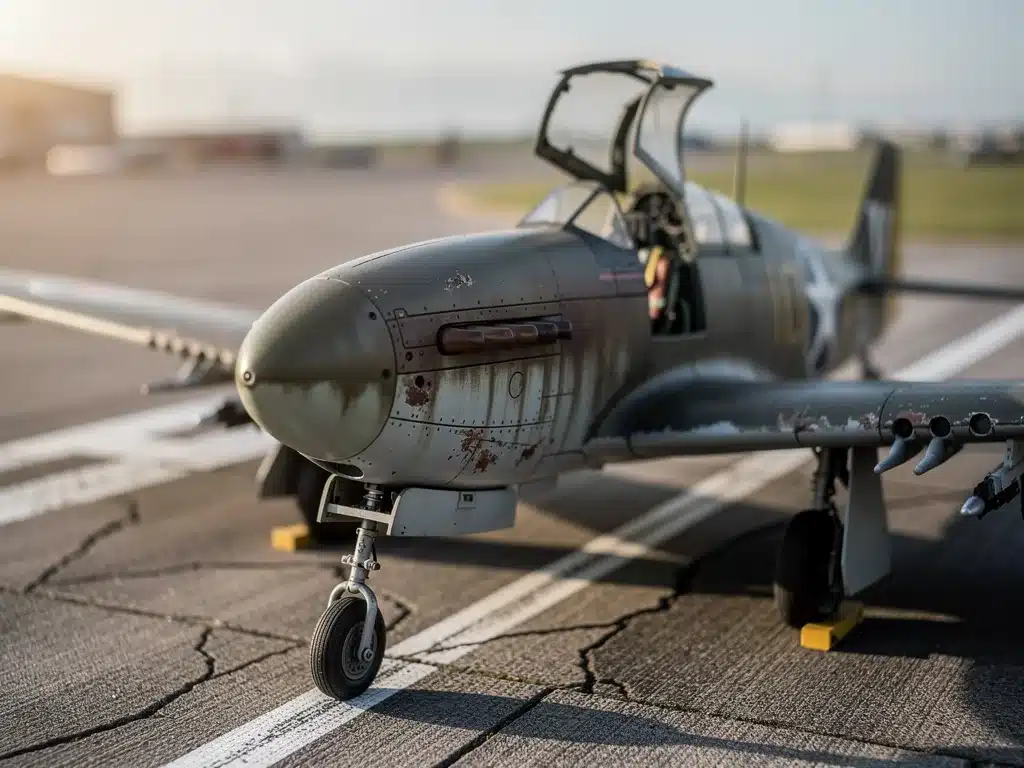
For collectors, understanding how light interacts with different materials and finishes – from glossy automotive paint to weathered military camouflage – is paramount. This knowledge allows you to manipulate light to your advantage, creating images that pop and truly represent the craftsmanship of your models. In 2026, with accessible and advanced lighting tools, achieving professional results is more attainable than ever.
The Power of Directional Lighting
Directional light, whether from a single source or multiple, helps define the form and texture of your scale models. Think about how natural light works: a strong sunbeam creates distinct highlights and shadows, giving objects a three-dimensional appearance. Replicating this effect in your miniature studio can bring your models to life.
- Single Light Source: Often the simplest yet most effective setup. Position a single light source, like a small LED panel or a desk lamp, to one side of your model. Experiment with angles to find what best accentuates its features.
- Two-Point Lighting: Adds depth and reduces harsh shadows. Use a main light (key light) and a secondary, less intense light (fill light) on the opposite side. The fill light should gently lift shadows without overpowering the key light.
- Backlighting: Creates a dramatic silhouette or rim light effect, separating the model from its background. This can be particularly effective for models with interesting outlines or translucent parts.
Controlling Light Quality and Color
Beyond direction, the quality and color of your light sources significantly impact the final image. Soft light, often achieved through diffusers, reduces harsh shadows and provides a more even illumination, which is generally flattering for most models. Hard light, on the other hand, creates sharp shadows and high contrast, useful for dramatic effects or emphasizing metallic textures.
Color temperature also plays a vital role. Natural daylight (around 5500K) is often preferred for its balanced appearance, but warm (3200K) or cool (6500K) lights can be used creatively to evoke different moods or simulate specific environments, such as a sunset or a moonlit scene. Always consider how the light color will affect the model’s paint scheme and overall presentation.
Ultimately, mastering light and shadow in your scale model photography is about experimentation. Don’t be afraid to try different setups, observe the results, and refine your approach. The goal is to make your models look their absolute best, capturing every detail with precision and artistic flair.
Compositional Excellence: Framing Your Miniature Masterpiece
Once your lighting is dialed in, the next step in elevating your scale model photography is mastering composition. This involves arranging elements within your frame to create a visually appealing and engaging image. A well-composed photograph guides the viewer’s eye, tells a story, and emphasizes the key aspects of your model.
Think of your model as the star of a tiny stage. Your job is to set that stage in a way that maximizes its impact. This goes beyond simply centering the model; it involves thoughtful placement, background selection, and the strategic use of photographic principles to create a harmonious and dynamic image.
The Rule of Thirds and Leading Lines
These classic compositional guidelines are just as relevant for miniatures as they are for grand landscapes. The Rule of Thirds suggests dividing your image into nine equal sections with two horizontal and two vertical lines. Placing your model or key elements along these lines or at their intersections often creates a more balanced and interesting composition than simply placing the subject dead center.
- Rule of Thirds: Avoid placing your model directly in the middle. Instead, position it off-center, aligning with one of the grid lines or intersection points for a more dynamic feel.
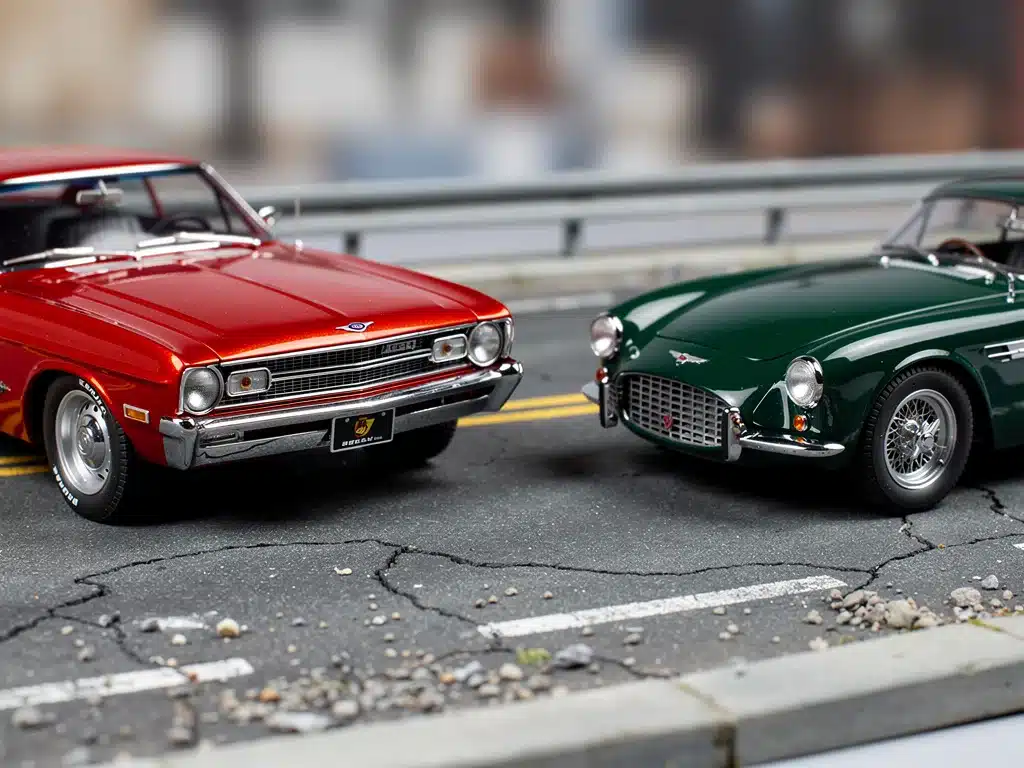
- Leading Lines: Utilize elements in your miniature diorama or background, such as roads, fences, or even painted lines, to draw the viewer’s eye towards your model. This creates depth and movement within the frame.
- Negative Space: Don’t be afraid of empty areas in your shot. Negative space can help isolate your model, making it stand out and simplifying the overall composition.
Perspective and Angle: The Miniature World’s Viewpoint
One of the most powerful tools in scale model photography is the ability to manipulate perspective. Shooting at eye-level with your model, rather than from a bird’s-eye view, instantly immerses the viewer into the miniature world. This low-angle perspective can make your models feel larger than life, giving them a sense of presence and realism.
Experiment with various angles. A slightly lower angle can make a model appear more imposing or heroic, while a higher angle might convey a sense of vulnerability or overview. Consider the story you want to tell and choose an angle that supports that narrative. A wide-angle lens can also exaggerate perspective, making foreground elements appear larger and drawing the viewer into the scene.
Ultimately, compositional excellence is about intentionality. Every element in your frame should serve a purpose, contributing to the overall aesthetic and narrative of your scale model photography. By thoughtfully applying these principles, you can transform simple photos into captivating miniature artworks.
The Right Gear: Tools for Tiny Worlds
While a good photographer can create stunning images with basic equipment, having the right tools can significantly enhance your scale model photography. In 2026, the market offers a wide array of specialized gear, from macro lenses to portable studio setups, designed to capture the intricate beauty of miniatures. Investing in suitable equipment can make a tangible difference in the quality and consistency of your shots.
It’s not about having the most expensive camera, but rather the right tools for the job. Understanding what each piece of equipment does and how it can benefit your miniature photography workflow is key to making informed decisions and achieving professional-looking results.
Essential Camera and Lens Choices
For capturing fine details, a camera that allows for manual control over aperture, shutter speed, and ISO is highly recommended. This could be a DSLR, a mirrorless camera, or even a high-end smartphone with advanced camera controls. The real star, however, is often the lens.
- Macro Lens: An absolute must for serious scale model photography. Macro lenses allow you to focus very closely on your subjects, capturing incredible detail and sharpness. Look for lenses with a 1:1 magnification ratio for true macro capabilities.
- Prime Lenses: Lenses with a fixed focal length (e.g., 50mm, 85mm) often offer superior sharpness and wider apertures compared to zoom lenses, which can be beneficial for achieving shallow depth of field.
- Tripod: Indispensable for sharp images, especially in low light or when using narrow apertures for maximum depth of field. A sturdy tripod eliminates camera shake, ensuring crisp details.
Lighting and Background Solutions
Beyond your camera, a dedicated lighting setup will dramatically improve your results. Portable, continuous LED lights are popular due to their low heat, adjustable brightness, and often adjustable color temperature. These can be paired with diffusers and reflectors to shape the light exactly as needed.
Backgrounds are equally important. A simple, seamless background (like a sheet of craft paper or fabric) in a neutral color often works best to keep the focus on your model. For more elaborate scenes, miniature dioramas or printed backdrops can add context and realism. Consider a small light box or photo tent for consistent, diffused lighting and a clean background, especially for smaller models.
While gear can be an investment, start with the essentials and gradually expand your kit as your skills and needs evolve. The right tools, combined with a keen eye and steady hand, will unlock new possibilities in your scale model photography.
Crafting the Scene: Dioramas and Backgrounds
For many, scale model photography isn’t just about capturing the model itself; it’s about creating an entire miniature world around it. Dioramas and carefully selected backgrounds play a crucial role in telling a story, adding context, and enhancing the realism of your photographs. A well-crafted scene can transform a static model into a dynamic narrative, drawing the viewer deeper into its universe.
The art of scene-setting involves imagination, attention to detail, and an understanding of how to use props and environments to complement, rather than detract from, your main subject. This creative process is where many collectors find immense joy, combining their modeling skills with their photographic aspirations.
Building Realistic Dioramas
A diorama provides a miniature environment that grounds your model and gives it a sense of place. Whether it’s a rocky terrain for a military vehicle, a cobblestone street for a classic car, or a futuristic cityscape for a sci-fi spaceship, the diorama adds an invaluable layer of authenticity to your photos.
- Scale Consistency: Ensure all elements within your diorama are consistent with the scale of your model. Discrepancies in size can quickly break the illusion of realism.
- Weathering and Texture: Apply weathering techniques to your diorama elements to match the wear and tear on your model. Realistic textures for ground, foliage, and structures will enhance visual fidelity.
- Storytelling Elements: Incorporate small props or subtle details that suggest activity or a narrative. A discarded tool, a fallen leaf, or a miniature sign can add depth and intrigue to your scene.
Choosing and Utilizing Backgrounds
Even without a full diorama, your background choice dramatically impacts your scale model photography. A blurred, out-of-focus background (bokeh) helps isolate your model, making it stand out. This can be achieved with a wide aperture (low f-number) and by placing your model a good distance from the background.
For more specific effects, consider using printed backdrops that depict landscapes, cityscapes, or abstract patterns. Ensure the backdrop’s perspective and lighting match that of your model to maintain realism. Alternatively, a simple, solid-colored background can create a clean, studio-like look that emphasizes the model’s form and color without distractions.
The key is to integrate your model seamlessly into its environment, whether real or imagined. By carefully crafting your scenes and selecting appropriate backgrounds, you can elevate your scale model photography from simple documentation to compelling visual storytelling.
Post-Processing: Polishing Your Miniature Masterpiece
The journey of a photograph doesn’t end when you press the shutter button. Post-processing is a crucial stage in scale model photography that allows you to refine your images, correct imperfections, and enhance their overall impact. It’s where you can truly bring out the details, adjust colors, and create the desired mood, transforming a good shot into a great one.
In 2026, accessible and powerful editing software makes post-processing an integral part of any serious photographer’s workflow. Even subtle adjustments can make a significant difference, ensuring your models are presented in the best possible light and truly reflect the effort you’ve put into them.
Essential Editing Adjustments
Most post-processing workflows start with fundamental adjustments to exposure, contrast, and white balance. These foundational edits lay the groundwork for further enhancements and ensure your image has a solid base.
- Exposure and Contrast: Adjust these to ensure your image is neither too dark nor too bright, and that there’s a good separation between highlights and shadows. This helps reveal details.
- White Balance: Correct any color casts to ensure colors are accurate and natural. This is especially important if your lighting setup wasn’t perfectly color-balanced during the shoot.
- Sharpness and Clarity: Enhance these settings carefully to bring out the fine details of your model. Be cautious not to overdo it, as excessive sharpening can introduce artifacts.
Advanced Techniques and Retouching
Beyond the basics, advanced post-processing techniques can take your scale model photography to the next level. These might include selective adjustments, noise reduction, and even minor retouching to remove dust or blemishes.
Tools like local adjustment brushes or gradients allow you to apply edits to specific areas of your image, brightening a dark shadow or enhancing the color of a particular detail. Noise reduction is often necessary, especially when shooting in lower light conditions or at higher ISOs, to maintain a clean image. Finally, don’t hesitate to use cloning or healing tools to remove any distracting elements, such as dust particles or stray hairs, that might have appeared on your model or diorama.
Remember that post-processing should enhance, not distort, your original image. The goal is to bring out the best in your scale model photography, making your miniatures look as impressive in print or on screen as they do in person. With practice, you’ll develop an intuitive feel for what adjustments best serve your artistic vision.
Future Trends: Innovating Scale Model Photography in 2026
As technology continues to evolve, so too does the landscape of scale model photography. In 2026, new tools and techniques promise to push the boundaries of what’s possible, offering collectors innovative ways to capture and share their miniature masterpieces. Staying abreast of these trends can give your work a cutting edge and open up exciting creative avenues.
From advanced camera features to immersive viewing experiences, the future holds immense potential for those passionate about showcasing their collections. Embracing these innovations can not only improve the quality of your photographs but also redefine how others experience your models.
AI-Powered Enhancements and Virtual Sets
Artificial intelligence is already transforming photography, and its impact on scale model photography is growing. AI-powered editing tools can now intelligently enhance details, correct lighting, and even generate realistic backgrounds with unprecedented ease. This means less time spent on tedious manual adjustments and more time focusing on creative composition.
- AI-Assisted Editing: Tools that can automatically identify and enhance textures, sharpen edges, and even perform complex color grading with minimal user input.
- Virtual Production: The use of LED walls and real-time rendering engines to create dynamic, immersive backgrounds for your models. Imagine placing your model on a virtual desert or a futuristic city that reacts to your camera movements.
- 3D Scanning and Rendering: Capturing models in 3D and then rendering them in virtual environments, allowing for perfect control over lighting, camera angles, and digital backdrops, potentially blending real models with virtual settings.
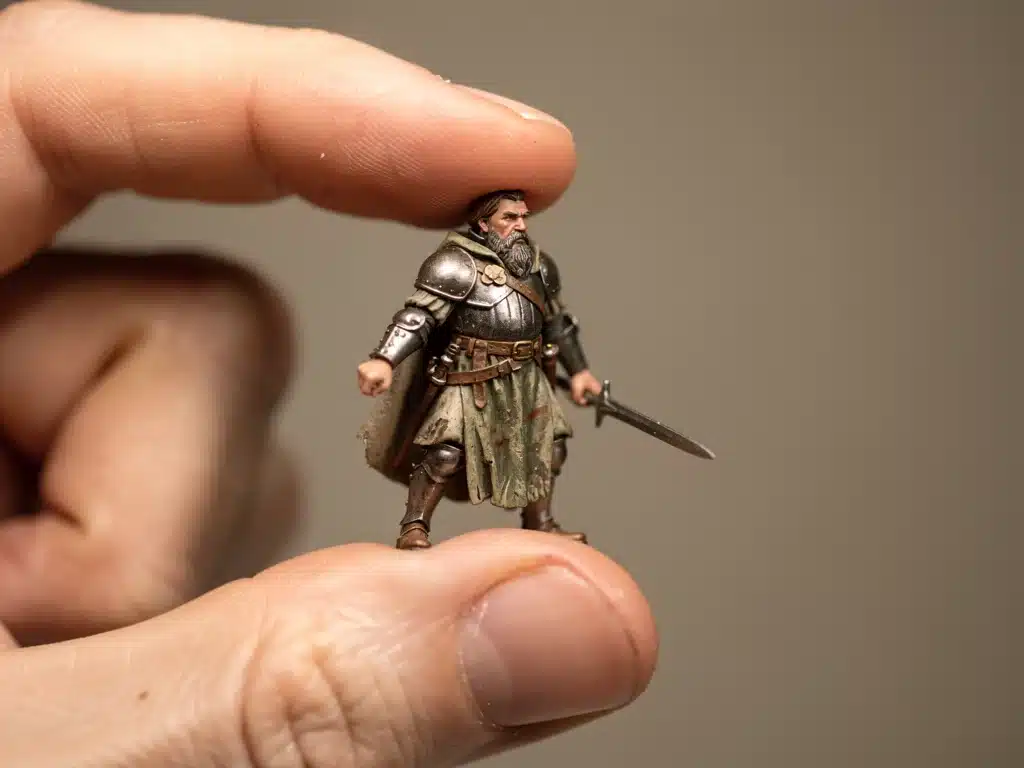
Augmented Reality and Interactive Displays
Beyond traditional static images, 2026 is seeing a rise in augmented reality (AR) and interactive viewing experiences for collectibles. Imagine sharing your model photos not just as flat images, but as interactive 3D representations that viewers can explore from any angle on their devices.
AR applications can overlay your models onto real-world environments, allowing others to see your miniature car parked on their desk or your scale aircraft flying in their living room. This creates a highly engaging and personalized viewing experience. Furthermore, interactive online displays, where viewers can zoom, rotate, and even click on specific parts of a model to reveal information, are becoming more prevalent. These innovations promise to make scale model photography not just about taking pictures, but about creating immersive digital experiences that truly bring your collection to life in the hands of the viewer.
By staying curious and experimenting with these emerging technologies, collectors can ensure their scale model photography remains at the forefront, captivating audiences and celebrating the intricate beauty of their miniature worlds in exciting new ways.
| Key Aspect | Brief Description |
|---|---|
| Lighting Mastery | Utilize directional and diffused lighting to highlight textures and dimensions, enhancing realism. |
| Dynamic Composition | Apply Rule of Thirds and varied perspectives to create engaging, storytelling images. |
| Essential Gear | Invest in macro lenses and tripods for sharpness, and suitable lighting setups for control. |
| Post-Processing | Refine images with exposure, contrast, and sharpness adjustments; remove imperfections. |
Frequently Asked Questions About Scale Model Photography
The most important aspect is lighting. Proper lighting reveals intricate details, textures, and depth, making the model appear more lifelike and engaging. Without good lighting, even the best models can look flat and uninteresting in photographs.
While a dedicated DSLR or mirrorless camera with manual controls is ideal, a good smartphone with macro capabilities and external lighting can produce excellent results. The key is often the lens and your understanding of photographic principles, rather than just the camera body.
You can create realistic backgrounds using miniature dioramas, printed backdrops, or by utilizing natural environments with a shallow depth of field to blur distractions. Ensure the background’s scale and perspective match your model for maximum realism.
Post-processing allows you to correct exposure, adjust colors, enhance sharpness, and remove imperfections like dust. It refines your images, ensuring they accurately represent the model’s details and overall craftsmanship, ultimately elevating their visual appeal.
To make models appear larger, shoot from a low angle, at eye-level with the model, to immerse the viewer in the miniature world. Using a wide-angle lens can also exaggerate perspective, enhancing the sense of scale and presence.
Conclusion
The journey through scale model photography is a rewarding blend of technical skill and artistic vision, continually evolving with new technologies and creative approaches. By mastering lighting, refining composition, utilizing appropriate gear, crafting compelling scenes, and embracing the power of post-processing, collectors can transform their miniature worlds into captivating visual narratives. The tips outlined for 2026 emphasize not just capturing an image, but telling a story, inviting viewers to appreciate the intricate beauty and dedication behind every meticulously built model. As the hobby progresses, remember that experimentation and a keen eye for detail remain your most valuable assets in showcasing your cherished collection.